Four Rounds of U.S.-China Summits: Who Won the First Bout? Foresight World Watcher’s 8 Tips
The first of this year’s expected four U.S.-China summit meetings revealed a relationship in which China could claim strategic steadiness while the United States sought to advertise narrower economic gains.
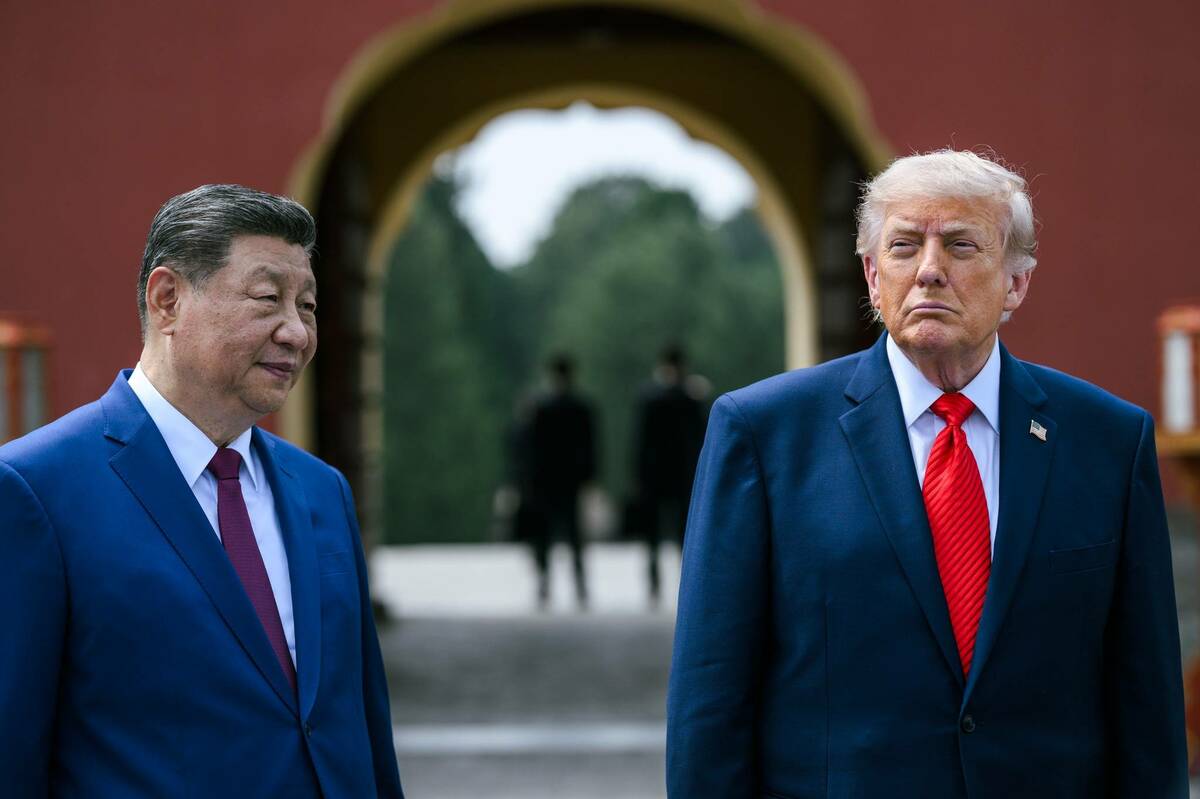
Four Rounds of U.S.-China Summits: Who Won the First Bout? Foresight World Watcher’s 8 Tips4連戦の米中首脳会談、第1戦で勝ったのはどちらか Foresight World Watcher's 8 Tips
The U.S.-China summit held on May 14 and 15: in the end, which side won? The United States and China are expected to hold four summit meetings this year, and this was the first. Next comes President Xi Jinping’s visit to the United States in September, followed by the APEC summit and the G20 summit. We must assume, of course, that new developments will continue to emerge. Even so, this meeting brought the present configuration of relations between the two countries into sharp relief. This week, we bring you eight articles and essays related to the U.S.-China summit.
5月14~15日に開催された米中首脳会談は、つまりどちらが勝ったのか。米中は今年4回の首脳会談が行われる見通しであり、今回はその初回にあたります。次は9月に習近平国家主席の訪米、そのあとにAPEC(アジア太平洋経済協力会議)首脳会議とG20首脳会議が控え、今後も新たな動きが出てくることは前提としなければなりませんが、それでも現在の両国関係の構図が鮮明になった会談でした。今週は、この米中首脳会談関連の記事・論考を8本ピックアップしてお届けします。
An editorial in the Global Times, under the umbrella of the People’s Daily, the organ of the Chinese Communist Party, positioned this summit as the starting point for “constructive and strategically stable China-U.S. relations” (details below). Its understanding was that the two sides had agreed to manage U.S.-China competition “within an appropriate scope” and to “stabilize” bilateral relations. The Trump administration, by contrast, emphasized economic agreements, such as “expanding U.S. companies’ access to the Chinese market and increasing Chinese investment in American industry.” China maintains that it secured gains in the long-term U.S.-China relationship; the United States claims it locked in economic benefits.
中国共産党の機関紙「人民日報」傘下の「環球時報」社説は、今回の首脳会談を「建設的で戦略的に安定した中米関係」の起点と位置付けました(詳細、後出)。米中の競争を「適切な範囲内」で管理し、両国関係を「安定」させることで合意したとの認識です。一方のトランプ政権は、「米国企業の中国市場へのアクセス拡大や中国による米国産業への投資増加」といった、経済的な合意を強調します。中国は長期的な米中関係において成果を得たと唱えており、米国は経済のメリットを確保したと主張します。
There was, of course, the important subject of Iran. On that point, however, while the American side said the two leaders shared the view that “Iran must not be allowed to possess nuclear weapons,” the Chinese side went no further than to say that “solutions to issues including the Iranian nuclear problem should be reached through dialogue and consultation.” The Global Times editorial mentioned above does not even refer to Iran specifically. For China, given its relationship with Iran and domestic public opinion, a frontal criticism had to be avoided; for the moment, the two sides appear simply to have said what they wanted, and what they were able, to say.
もちろん、イラン情勢という重要なテーマもあったものの、これについては米側が「イランの核保有は許されないとの認識」で一致したとするのに対して、中国側は「対話と協議を通じてイラン核問題など諸問題の解決策に到達すべきだ」と述べるに止まりまりました。上記の「環球時報」社説には、イランへの具体的言及すらありません。中国にとっては、対イラン関係や国内世論に鑑みて正面からの批判は避けねばならず、両者はひとまず“言いたいこと、言えることを言った”という格好です。
At the same time, the economic agreements China granted to the United States, despite the presence of an illustrious roster of American executives at the Beijing dinner, lacked the concreteness one would expect of real fruit. President Trump’s claim that he would “make them buy 200 Boeing jets” is also seen by some as having been the minimum line envisioned by the American side.
他方、中国が米国に認めた経済的な合意は、米企業の錚々たる経営者たちが北京の晩餐会に加わったものの、果実というには具体性に欠けるものでした。トランプ大統領が強調した「ボーイングのジェット機を200機買わせる」は、米側が想定していた最低ラインだったとも見られます。
In other words, the summit seems to have produced, for China at least, a result that brought no “disappointment.” President Trump posted on social media that “Chairman Xi said America may be in decline,” and interpreted this as a reference to the failures of the Biden administration. But “the East is rising and the West is declining” was already, by January 2021 at the latest, that is, at the very start of the Biden administration, a front-and-center element of the Xi leadership’s view of the international situation. It is a basic premise of the scenario in which the “great rejuvenation of the Chinese nation” is to be achieved around 2050. To say this in front of the American president strikes me as a rather bold move.
つまり、今回の首脳会談は中国にとって、少なくとも「失望」はない結果だったと言えそうです。トランプ大統領は「習主席が米国は衰退しているかもしれないと言った」とSNSに投稿し、これをバイデン政権の失政を指すと解釈してみせましたが、「東昇西降」は遅くとも2021年1月、つまりバイデン政権発足時点ですでに前面に出ていた習近平指導部の国際情勢観。2050年頃に「中華民族の偉大な復興」を実現するというシナリオの基本認識にあたるもので、それを米大統領の前で口にするとは、相当に思い切ったことだと感じます。
Put another way, against a Trump administration desperate somehow to advertise results, China parried with its basic line intact. Last year’s tariff-based pressure campaign against China has become difficult to sustain, owing to China’s rare-earth export controls and the U.S. Supreme Court’s ruling that the tariffs were illegal; the result seems to reveal the strain on a Trump administration that has run up against a dead end.
いわば、なんとか成果をアピールしたいトランプ政権に対し、中国は基本路線でいなしてみせた。昨年の関税を武器にした対中圧力が中国のレアアース輸出規制や米連邦最高裁の関税違法判断で難しくなり、手詰まり状態にあるトランプ政権の苦しさが透けてみえる結果だったと言えそうです。
That said, with the future of arms sales to Taiwan still unclear, some point to the possibility that President Trump may use the Taiwan issue as leverage in a deal to move negotiations in his favor. For the Xi leadership as well, the “200 Boeing aircraft” mentioned above is reportedly a figure that leaves room for bargaining, a margin for accepting a deal, that is, for encouraging a shift away from the strategy of ambiguity under which the United States does not make clear whether its military would become involved in a Taiwan contingency. Negotiations between the United States and China, one might say, are still continuing even after the summit.
ただし、台湾への武器売却の行方がまだ不透明であるように、トランプ大統領が台湾問題をディールのテコに使って交渉を有利に進める可能性も指摘されます。習近平指導部にとっても、上記の「ボーイング機を200機」はディールに応じる(つまり、米軍が台湾有事に関与するかどうかを明確にしない曖昧戦略からの変更を促す)ための、糊代を残した数字だとも伝えられます。米中間の交渉は、首脳会談を終えてもまだ続いていると言えそうです。
“The Stakes of Trump vs. Xi” [Kurt M. Campbell / Foreign Affairs / May 11]
The Stakes of Trump vs. Xi【Kurt M. Campbell/Foreign Affairs/5月11日付】
“Single combat, that is, ritualized one-on-one battle fought over grave interests, reaches back to antiquity. [...] The allure of single combat lies in the belief that large and complex military and political conflicts among civilizations or clans can be settled by an individual test of courage, insight, and legitimacy. This week, when U.S. President Donald Trump and Chinese President Xi Jinping meet in Beijing, theirs will be a modern confrontation, yet one deeply colored by the hues of single combat.”
「一騎打ち[single combat]、すなわち重大な利害を賭けて行われる儀式化された一対一の戦いは、古代にまで遡る。[略]/一騎打ちの魅力とは、文明や氏族の間の大規模かつ複雑な軍事的・政治的対立が、勇気、洞察力、そして正当性を個人が試すことで決着がつくという信念にある。今週、米国のドナルド・トランプ大統領と中国の習近平国家主席が北京で会談を行うが、これは現代に行われる対峙でありながら、一騎打ちの色彩を色濃く帯びたものとなるだろう」
“Summits are often less historically consequential than advertised, but this meeting carries the atmosphere of a geopolitical heavyweight contest. With relations between the two countries at a crossroads, both leaders come to the negotiating table strikingly unconstrained by institutional limits, endowed with considerable personal discretion, and animated by a clear ambition to shape the next phase of U.S.-China relations. [...] Not since the historic 1972 meeting between Richard Nixon and Mao Zedong have the leaders of the two countries held so much personal authority in determining the future of the bilateral relationship.”
「首脳会談は往々にして、宣伝されるほど歴史的に重要ではないが、今回の会談には地政学的なヘビー級対決のような雰囲気が漂っている。両国関係が岐路に立つなか、両首脳は組織的な制約を驚くほど受けず、個人的な裁量権を大いに持ち、米中関係の次なる局面を形作りたいという明白な野心を抱いて交渉の席に着く。[略]1972年のリチャード・ニクソンと毛沢東の歴史的な会談以来、二国間関係の将来を決定するうえで両国の指導者がこれほどまでに個人的な権限を握ったことはなかった」
It was Kurt Campbell, former U.S. deputy secretary of state and chairman and co-founder of The Asia Group, who expressed these hopes and anxieties before the U.S.-China summit began. He set them down in “The Stakes of Trump vs. Xi,” published on the website of Foreign Affairs on May 11.
米中首脳会談が始まる前、このように期待と不安を示していたのは、元米国務副長官で同アジア・グループ会長兼共同創設者のカート・キャンベルだ。米「フォーリン・アフェアーズ(FA)」誌サイトに寄せた「トランプvs.習の行方」(5月11日付)に彼は記している。
“Ultimately, the significance of this meeting lies not in what agreements are reached, but in what signals are sent about public perceptions of the future of U.S.-China relations and of the standing of the two leaders. Here lies the central problem of the single-combat paradigm. In historical examples of single combat, the spectators almost always play a central role in the drama. Such confrontations are spectacles, performances directed at the crowd, and their outcomes are handed down as decisive.” How, then, did the result of this single combat appear in the eyes of the “spectators”?
「結局のところ、この会談の意義は、どのような合意が成立したかという点ではなく、米中関係の将来や両首脳の立場に対する世間の認識について、どのようなシグナルが発信されるかにある。ここに、一騎打ちというパラダイムの核心的な課題がある。歴史上の一騎打ちの例では、ほとんどの場合、観客がドラマの中心的な役割を担っている。こうした対決は見せ物であり、群衆に向けたパフォーマンスであり、その結果が決定的なものとして受け継がれていくのである] では、今回の一騎打ちの結果は「観客」たちの目にどのように映ったのだろうか。
“In Pageantry and Politics, China Summit Yields Xi’s Goal: Equal Footing with U.S.” [Isaac Arnsdorf, Michael Birnbaum, Michelle Ye Hee Lee / Washington Post / May 15]
In pageantry and politics, China summit yields Xi's goal — equal footing with U.S.【Isaac Arnsdorf, Michael Birnbaum, Michelle Ye Hee Lee/Washington Post/5月15日付】
“Trump entered the summit without setting out a clear strategy or objective. Although he indicated that he intended to discuss the confrontation with Iran over oil shipments through the Strait of Hormuz, he brushed aside the need for help from China, and departed without announcing firm commitments or progress on this issue or on several others.”
「トランプは、明確な戦略や目標を打ち出さないまま首脳会談に臨んだ。ホルムズ海峡を通る石油輸送をめぐるイランとの対立について協議する意向を示したものの、中国からの支援は必要ないと一蹴し、この問題やその他のいくつかの課題について、確固たる約束や進展を発表することなく去った」
“In past summits, Trump has often skillfully used suspense and unpredictability to produce results. This time, however, during the public portions of Thursday’s [May 14] formal meeting and dinner, he confined himself to remarks that followed prepared scripts. Apart from a friendly interview with [U.S.] Fox News, he took no questions from reporters during his stay in China, and the White House released only a 158-word summary of Thursday’s meeting.”
「トランプは過去の首脳会談においてしばしば、成果を上げるためにサスペンスや予測不可能性を巧みに利用してきた。しかし今回は、木曜[5月14日]の公式会談や晩餐会の公開部分では、あらかじめ用意された原稿どおりの発言に徹した。[米]フォックス・ニュースとの友好的なインタビューを除けば、中国滞在中は記者からの質問には一切応じず、ホワイトハウスも木曜の会談についてわずか158語の要約しか発表しなかった」
…the essay continues at the source.