Kılıçdaroğlu and the Reason of State
The essay argues that Kemal Kılıçdaroğlu’s return to the CHP leadership reveals not a democratic restoration but a voluntary alignment with an antagonistic “reason of state” that seeks legitimacy by fortifying the home front against a constructed outside.
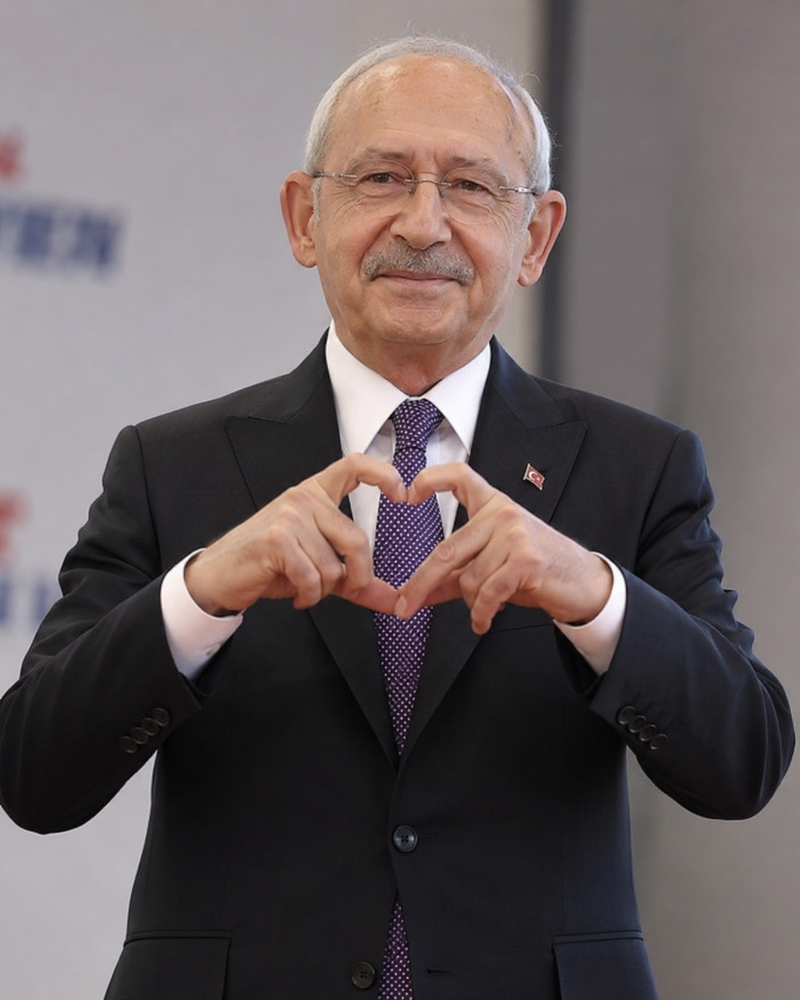
Kemal Kılıçdaroğlu, the seventh chairman of the Republican People’s Party and the former, unsuccessful presidential candidate of the Table of Six, was appointed once again to the head of the CHP after the court deemed the party convention held after the May 2023 elections “absolutely null.” Many were surprised by this. Until the 2023 elections, whose defeat caused him to vanish from the political stage, an image had been fashioned for Kılıçdaroğlu as a calm, dignified, and wise leader. That image-making was a communications operation preparing Kılıçdaroğlu for his presidential candidacy. Yet watching Kılıçdaroğlu answer reporters’ questions on the occasion of the recent holiday, it was impossible not to see how tense and angry he was. His stressed demeanor, especially as he avoided answering the question about the convention, was plainly visible.
Cumhuriyet Halk Partisi 7. Genel Başkanı ve Altılı Masa’nın sabık ve nâkâm Cumhurbaşkanı adayı Kemal Kılıçdaroğlu Mayıs 2023 seçimlerinden sonra gerçekleştirilen kurultayın mahkeme tarafından ‘mutlak geçersiz’ sayılması ile yeniden CHP’nin başına atandı. Buna pek çokları şaşırdı. Kılıçdaroğlu için, mağlup olarak siyaset sahnesinden silinmesine sebep olan 2023 seçimlerine kadar, sakin, vakur ve bilge bir lider imajı oluşturulmaya çalışılmıştı. Bu imaj çalışması Kılıçdaroğlu’nun Cumhurbaşkanı adaylığına hazırlayan bir iletişim faaliyetiydi. Oysa, geçen günlerde bayram münasebetiyle muhabirlerin sorularını yanıtlayan Kılıçdaroğlu’nu izlerken, ne kadar gergin ve öfkeli olduğunu görmemek mümkün değildi. Özellikle kurultay sorusuna ilişkin cevap vermekten kaçınan stresli hali apaçık görülüyordu.
Clearly, someone is still continuing to run a communications operation on Kılıçdaroğlu’s behalf. A few days after people forced their way into the CHP headquarters by breaking down its doors, his sitting on a bench bearing the words Çankaya Municipality and answering questions was probably another “strategic” stroke by this ingenious communications mind, intended to create the image of “one of us.” Another PR exercise from this same mind consists of Kılıçdaroğlu’s opinion pieces on the “new world order,” published in the online newspaper T24 after his defeat at the convention. As a regular reader of the paper, I would come across these pieces from time to time and glance through them. The essays contain a Tuesday-market-style bombardment of concepts, an everything-you-could-possibly-look-for assortment ranging from Rivieras to Gramsci quotations, from the age of techno-feudal lords to debates over vassalage[1]. But the basic frame is this: the old world order is collapsing; a new world order is being established.
Belli ki birileri hâlâ Kılıçdaroğlu için bir iletişim faaliyeti yürütmeye devam ediyor. CHP genel merkezinin kapıları kırılarak içeri girilmesinden birkaç gün sonra üzerinde Çankaya Belediyesi yazan bir banka oturarak soruları cevaplamak da muhtemelen bu dahiyane iletişim aklının “bizden biri” imajı yaratma niyeti taşıyan “stratejik” aklı. Bu aklın bir diğer PR çalışması da Kılıçdaroğlu’nun kurultay mağlubiyetinden sonra T24 çevrimiçi gazetesinde yayınlanan “yeni dünya düzeni” üzerine yazılan görüş yazıları. Gazetenin düzenli bir okuru olarak, bu yazılara zaman zaman denk geliyor, şöyle bir göz atıyordum. Yazılar, Riviera’lardan, Gramsci alıntılarına, tekno-derebeyleri çağından, vasallık tartışmalarına uzanan Salı Pazarıvari ne ararsan var tipi bir kavram bombardımanına sahip[1]. Fakat, temel çerçeve şu: eski dünya düzeni yıkılıyor, yeni dünya düzeni kuruluyor.
According to him, as we move toward a new multipolar world order in which global uncertainties have reached the heavens, Turkey’s strategy should rest on two basic points: strengthening the home front and pursuing a multidimensional foreign policy[2]. Does that sound familiar? The “reason of state” that entered our lives in practice on October 1, 2024, when MHP Chairman Devlet Bahçeli walked over to the DEM Party benches and shook hands at the opening of parliament, and that has been designing politics for nearly two years, was built precisely on these two main axes. In an environment of geopolitical turmoil, Turkey first had to be strong at home and then cautious abroad. When I first looked at these writings, I kept thinking that the deliriums organized around the theme that a new world order was being established were a perfect litmus test for grasping the political positions of the period. Looking at his essays, it was possible to see that Kılıçdaroğlu had already aligned himself mentally with the hegemonic “reason of state.” In other words, these writings were in fact a harbinger of what was to follow.
Ona göre, küresel belirsizliklerin arşa çıktığı çok kutuplu yeni dünya düzenine doğru giderken Türkiye’nin stratejisi için iki temel husus olmalı: iç cepheyi sağlamlaştırmak ve çok boyutlu dış politika[2]. Yabancı gelmedi değil mi? 1 Ekim 2024’te meclis açılışında MHP Genel Başkanı Devlet Bahçeli’nin, DEM Parti sıralarına giderek tokalaşması ile pratik olarak hayatımıza giren ve yaklaşık iki senedir siyaseti dizayn eden “devlet aklı” tam bu iki ana aks üzerine bina edildi. Jeopolitik kargaşaların yaşandığı bir ortamda, Türkiye önce içerde güçlü, sonra ise dışarıda temkinli olmalıydı. Bu yazılara ilk baktığım zamanlarda yeni dünya düzeni kuruluyor temalı hezeyanların dönemin siyasal pozisyonlarını kavramak açısından tam bir turnusol olduğunu düşünüp durdum. Yazılarına bakınca Kılıçdaroğlu’nun zihinsel olarak çoktan hegemonik “devlet aklı” ile aynı hizaya geldiği görülebiliyordu. Yani, bu yazıları, devamında olacakların bir habercisiydi aslında.
Bülent Kuşoğlu, a former deputy chairman from the old team that returned to CHP headquarters with the absolute-nullity ruling and one of Kılıçdaroğlu’s confidants, reinforced this thought in a recent interview[3] when he said that “the reason of state is devising something.” So what is the substance of this reason of state repeatedly invoked by the absolute-nullity team? First, if we return to the two strategic points mentioned in Kılıçdaroğlu’s article, there is a complementary dialectical relationship between fortifying the home front (he says strengthening it) and making multidimensional openings abroad. Although Kılıçdaroğlu defines the outside as multi-actor, discursively he constructs the inside and the outside through an opposed duality. Thus, in fact, he singularizes the diversity and plurality of the outside at the cost of abolishing the plurality of the inside as well. That is, he reveals an intention to render the inside, too, unitary in a holistic way. Discursively, this is a basic ontological premise. The outside, quite simply, comprises what lies geographically beyond Turkey’s borders, while the inside, as the word itself indicates, comprises what lies within this geography. Kılıçdaroğlu defines Turkey’s security through the inevitable opposition of this superficial geographical binary, stripped of the social, the cultural, and the political. While aligning himself with a fictive reason of state, the political-ontological plane on which he is operating remains beyond even his own horizon. Such, I suppose, is something like the natural consequence of worshiping the unquestionable rational imagination of the reason of state.
Mutlak butlan kararı ile CHP genel merkeze dönen sabık ekipten eski Genel Başkan Yardımcısı ve Kılıçdaroğlu’nun musahiplerinden Bülent Kuşoğlu da geçen günlerde verdiği bir röportajda[3] “devlet aklı bir şeyler kurguluyor” diyerek bu düşünceyi pekiştiriyordu. Peki mutlak butlan ekibinin defaatle ifade ettiği bu devlet aklının muhteviyatı nedir? Birincisi, Kılıçdaroğlu’nun yazısında bahsettiği iki stratejik hususa dönersek, iç cepheyi tahkim etmek (ki o sağlamlaştırmak diyor) ile dışarıda çok boyutlu açılım yapmak arasında birbirini tamamlayan diyalektik bir ilişki var. Kılıçdaroğlu dışarıyı çok aktörlü tanımlasa da söylemsel olarak içeri ve dışarıyı karşıt bir ikilik üzerinden inşa ediyor. Böylece, aslında dışarının çeşitliliğini ve çoğulluğunu içerinin de çoğulluğunu ilga etmek pahasına tekilleştiriyor. Yani, bütünsel biçimde içeriyi de tekleştirme niyetini gösteriyor. Bu söylemsel olarak temel bir ontolojik öncül. Dışarısı çok basit bir şekilde coğrafi olarak Türkiye’nin sınırlarının ötesini ihtiva ederken, içerisi ise adı üstünde bu coğrafyanın içini… Kılıçdaroğlu Türkiye’nin güvenliğini toplumsal, kültürel ve politik olandan azade bu yüzeysel coğrafi ikiliğin kaçınılmaz karşıtlığı üzerinden tarif ediyor. Fiktif devlet aklı ile hizalanırken nasıl bir siyasal ontolojik düzlemde hareket ettiği onun da ufkunun ötesinde kalıyor. Devlet aklının sual edilmez rasyonel imajinasyonuna tapmanın doğal sonucu da biraz bu oluyor galiba.
Yet at a deeper level, the form of perception and imagination called the reason of state, which he too endorses, points to the radical antagonistic premise of the political developed by the famous German jurist Carl Schmitt[4]. In this respect, by speaking of inside and outside, he emphasizes, in essentialist fashion, the immutability and ontological founding force of the political through the friend-enemy distinction. It is not entirely meaningless that such views are being shared by reference to this antagonistic premise of the political precisely at a moment when a political crisis inherent in liberal democracies has become pronounced. If he were offering this observation analytically and articulating a more pluralist and transformative political imagination, it would then be possible to say something different about him. But just as it is impossible to find any pluralist or transformative discursive element in his writings, all the implicit critical elements in them become meaningless within the framework of this founding political premise. Therefore, exactly as Schmitt claimed, this shows his intention to align with the sovereign: that is, his intention to join the ranks of those fortifying the home front. Thus Kılıçdaroğlu, as a defeated leader, crosses voluntarily from the enemy side of power to the friend side, and seeks to acquire legitimacy, with the sovereign’s approval, as a friend of an antagonistic reason of state.
Oysa, daha derinde, onun da tasvip ettiği devlet aklı olarak adlandırılan idrak ve tahayyül biçimi ünlü Alman hukukçu Carl Schmitt’in siyasal olana dair radikal antagonistik (çatışmacı) öncülünü imliyor[4]. Bu açıdan, içerisi ve dışarısı diyerek özcü biçimde siyasal olanın dost-düşman ikilemi üzerinden değiştirilemezliğine ve ontolojik kuruculuğuna vurgu yapıyor. Tam da liberal demokrasilere içkin bir siyasal krizin belirginleştiği bu dönemde bu antagonistik siyasal öncüle referansla görüşlerin paylaşılması bütünüyle anlamsız değil. Eğer o bu gözlemi analitik olarak paylaşıp, daha çoğulcu ve dönüştürücü bir siyasal tahayyülü ifade ediyor olsaydı o zaman onun için başka bir şeyler söylemek mümkün olurdu. Fakat, onun yazılarında herhangi bir çoğulcu veya dönüştürücü söylemsel unsur görmek mümkün olmadığı gibi bütün zımni eleştirel unsurlar bu kurucu siyasal öncül çerçevesinde anlamsızlaşıyor. Dolayısıyla, bu tam da Schmitt’in iddia ettiği gibi, onun egemen olanla hizalanma niyetini, yani iç cepheyi tahkim etme sırasına katılma niyetini gösteriyor. Böylece Kılıçdaroğlu kaybeden bir lider olarak iktidarın düşman tarafından dost tarafına kendi rızasıyla geçiyor ve antagonistik bir devlet aklının dostu olarak egemenin onayıyla meşruiyet kazanmayı hedefliyor.
[1] https://t24.com.tr/yazarlar/kemal-kilicdaroglu/6 - All of Kemal Kılıçdaroğlu’s writings can be accessed through this link.
[1] https://t24.com.tr/yazarlar/kemal-kilicdaroglu/6 - Kemal Kılıçdaroğlu’nun yazılarının tamamına bu bağlantıdan erişilebilir.
[2] https://t24.com.tr/yazarlar/kemal-kilicdaroglu/yeni-dunya-duzenine-dogru,51580?_t=1780560010453
[2] https://t24.com.tr/yazarlar/kemal-kilicdaroglu/yeni-dunya-duzenine-dogru,51580?_t=1780560010453
[3] https://t24.com.tr/yazarlar/cansu-camlibel/kilicdaroglunun-45-yillik-yol-arkadasi-kusoglu-devlet-akli-bir-seyler-kurguluyor-adayimiz-mansur-bey-de-ozgur-bey-de-olabilir,55478?_t=1780571718626
[3] https://t24.com.tr/yazarlar/cansu-camlibel/kilicdaroglunun-45-yillik-yol-arkadasi-kusoglu-devlet-akli-bir-seyler-kurguluyor-adayimiz-mansur-bey-de-ozgur-bey-de-olabilir,55478?_t=1780571718626
[4] Carl Schmitt’s discussions of the concept of the political, sovereignty, and political crisis can be examined in such books as Political Theology (1922), The Concept of the Political (1932), and The Crisis of Parliamentary Democracy (1923).
[4] Carl Schmitt’in siyasal kavramı, egemenlik ve siyasal kriz üzerine yaptığı tartışmalar “Political Theology” (1922), “The Concept of the Political” 1932), “The Crisis of Parliamentary Democracy” (1923) gibi kitaplarından incelenebilir.