From Hopes for the Future to the Demands of Today: A Shift in Public Support for the Takaichi Cabinet
Support for the Takaichi cabinet remains high on the surface, but its emotional basis is shifting from expectation and trust toward resignation that no better alternative exists.
From Hopes for the Future to the Demands of Today: A Shift in Public Support for the Takaichi Cabinet
From Future Hopes to Today’s Needs: Public Support for the Takaichi Cabinet Sees a Shift Politics- English - 日本語 - 简体字 - 繁體字 - Français - Español - العربية - Русский Debate to Drive Support
One of the most distinctive practices of Britain’s parliamentary politics is Prime Minister’s Questions, or PMQs. Held every Wednesday at noon while Parliament is in session, this “question time” requires the prime minister to answer questions directly from members of Parliament. Ordinarily, the prime minister and the leader of the opposition confront one another in a vigorous, combative exchange that clarifies the issues of the day, although the recent rise of third parties such as Reform UK has altered the dynamic by moving Parliament away from its traditional two-party frame.
One of the most distinctive British parliamentary practices is the convention of the PMQs, or Prime Minister’s Questions. Taking place every Wednesday at noon while parliament is in session, “question time” consists of the prime minister directly answering queries from members of parliament. In general, the prime minister faces the leader of the opposition in a lively and combative debate to clarify the issues of the day, although the recent rise of third parties like Reform UK has altered the dynamics of this practice by moving the parliament away from a two-party system.
In Japan, the Diet Reform Law of 1999 consciously introduced a comparable practice under the name “party leaders’ debate” (toshu toron). At the time, Britain was riven by domestic debate over policy toward the European Union, and the leaders of the Conservative and Labour parties often clashed over it during question time. In 1995, Prime Minister John Major was pursuing a pragmatic line on EU affairs, but his own Conservative Party was split between pro- and anti-EU factions. Tony Blair, then the rising star of the Labour Party, sensed an opening and used question time to deliver one of the most famous lines in modern British politics: “I lead my party; he follows his.”
In Japan, the Diet Reform Law consciously introduced a similar convention called “party leader debates” (tōshu tōron) in 1999. At the time, the divisive domestic debate in Britain over policy toward the European Union often saw the leaders of the Conservative and Labour parties do battle during question time. In 1995, Prime Minister John Major was pursuing a pragmatic approach to EU issues, but his own Conservative Party was split between pro- and anti-EU factions. The rising political star of the time, the Labour Party’s Tony Blair, sensed weakness and during question time delivered one of the most famous political lines in modern British politics: “I lead my party; he follows his.”
Blair was extraordinarily skillful at using PMQs to display both his qualities as a leader and his readiness to assume the premiership. It was therefore hardly surprising that he would go on to lead Labour to a landslide victory in the 1997 general election, becoming at forty-three one of the youngest prime ministers in the long history of British democracy. This, clearly, was the kind of scene the Japanese political reformers of the 1990s, who regarded a two-party system as desirable, hoped to see reproduced in Japan’s version of the practice.
Blair was extremely adept at using the PMQs to demonstrate his leadership qualities and readiness to take over the premiership. It was therefore little surprise when he eventually led the Labour Party to a landslide victory in the 1997 general election, at the age of 43 becoming one of the youngest prime ministers in the long history of British democracy. This was clearly what the Japanese political reformers of the 1990s, who viewed a two-party system as desirable, wanted to see in the Japanese version of this convention.
Hoping for a More Substantive Debate?
Hoping for More Meaningful Discussion?
Over the past three decades, however, Japan’s experience with question time has not seen its version develop into a forum where ruling and opposition parties debate matters of grave national importance, or where the public can judge who is best fitted to lead. The sessions are not held on a regular schedule, the time constraints are severe, and their essence tends to be performative. In truth, prime ministers have continued to take part in what now looks like a strange custom, as if merely to tick it off a list of obligations.
Japan’s experience with question time over the last three decades years has not, however, seen its version develop into a forum for the ruling and opposition parties to debate issues of great national significance or help the public make decisions over who is best suited for leadership. The sessions are not regularly scheduled, time constraints are strict, and they tend to be performative in essence. In fact, prime ministers have continued to engage in what now appears to be a bizarre custom seemingly just to tick it off a list of things to do.
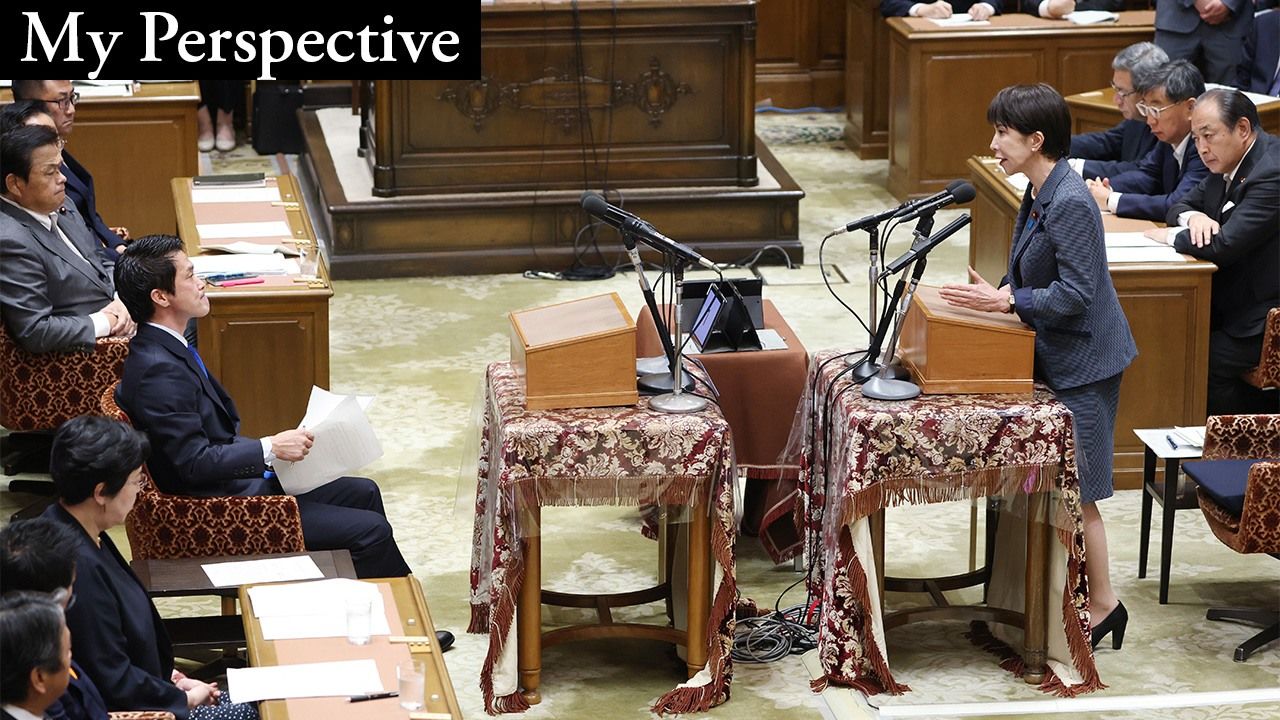
The party leaders’ debate held on May 20 this year, for example, was the first in some time. Even then, it quickly collapsed into confusion. This is deeply troubling, since Japan faces major economic, fiscal, diplomatic, and national security challenges that require leadership capable of resolving divisions in public opinion and advancing policy. On May 20, however, there was no “debate” worthy of the name. It felt more like the structured, ritualized questioning one ordinarily sees in the proceedings of a parliamentary committee.
For example, the party leader debate held on May 20 this year was the first for some time. Even then, it swiftly devolved into a shambles. This is deeply worrying, as Japan faces considerable economic, fiscal, diplomatic, and national security challenges that require leadership to resolve divided public opinion and advance policy. On May 20, however, there was no “debate” to speak of. It felt more like the structured and ritualized questioning one usually sees in proceedings of a parliamentary committee.
Part of the reason lies in the persistence in Japan of a single party’s dominance in general elections. The so-called “one strong, many weak” pattern means that opposition parties still struggle to communicate decisively that they are a viable alternative to the ruling Liberal Democratic Party. Today, another reason for the opposition’s weak presence is the overwhelming popularity of Prime Minister Takaichi Sanae.
This is in part due to the persistence in Japan of a single political party dominating general elections. The so-called “one strong, many weak” phenomenon means opposition parties still struggle to decisively communicate their ability to serve as a viable alternative to the ruling Liberal Democratic Party. Today, another reason for the weak presence of Japan’s opposition is the overpowering popularity of Prime Minister Takaichi Sanae.
Yet even as Takaichi’s headline approval levels remain firm, the nature of support for the prime minister is changing. Regular surveys conducted by the political polling website Go2senkyo.com and JX News Agency have found that since she took office as prime minister last November, enthusiasm for the Takaichi cabinet has fallen among the working-age generation, meaning people in their twenties through fifties. In May, those who said they “strongly support” the government stood at only 30%, down from 50% six months earlier in this broad and critically important demographic.
While Takaichi’s top-line support levels remain robust, though, the nature of support for the prime minister is nevertheless changing. Regular surveys conducted by the political survey website Go2senkyo.com and the JX News Agency have found that since her inauguration as prime minister in November last year, the level of enthusiasm for Takaichi’s cabinet has dropped among the working-age generation (those in their twenties to fifties). In May, those who “strongly support” the government registered only 30%, down from 50% six months prior in this broad and critically important demographic.
The Politics That Truly MattersThe Politics That Really Matter
This decline in enthusiasm is also visible in the changing reasons people give for continuing to support the cabinet. Many previous Japanese administrations took office with public support based simply on the perception that they were “better than the alternatives,” or that the cabinet had been formed by the party voters themselves supported. When Prime Minister Takaichi took office, however, survey respondents indicated that they held genuinely “high expectations” for the prime minister, her cabinet, and its policy program. In other words, Takaichi enjoyed support that was high not only in quantity, but also in quality.
This decline in enthusiasm is also reflected in the changing reasons people give for continuing to support the cabinet. Many prior Japanese administrations took office with public support that was based simply on perceptions that they were either “better than the alternatives” or that the cabinet was drawn from the party that voters supported. However, when Prime Minister Takaichi took office, survey respondents indicated that they actually possessed “high expectations” for the prime minister, her cabinet, and its policy program. In other words, Takaichi enjoyed a high quality of support as well as a high quantity.
In the most recent surveys, however, the reason most often cited for supporting the Takaichi cabinet has reverted to “it is better than the alternatives.” High expectations for the administration’s policies, along with trust in the character of the prime minister and her cabinet, have fallen by roughly a third from their previous levels.
In the most recent surveys, however, the most commonly cited reason for supporting the Takaichi cabinet has reverted back to “it is better than the alternatives,” as high expectations for administration policies and trust in the character of the prime minister and cabinet have sunk by around a third from previous levels.
Changes in the intensity of support for the prime minister and the cabinet can be highly significant, even when overall approval remains high. Until now, the Takaichi cabinet has been able to overcome minor setbacks because expectations and trust were strong, giving the administration considerable momentum. If more people lose that sense of expectation or trust, the public will no longer look so generously on future difficulties and problems confronting the government.
Changes in the intensity of support for the prime minister and cabinet can be quite important, even when overall support remains high. Previously, the Takaichi cabinet was able to overcome minor setbacks thanks to high expectations and levels of trust, giving her administration considerable momentum. If more people lose this sense of expectation or trust, the public will not view future challenges or problems faced by the government so generously.
The quiet defection of the working-age cohort is likely driven by economic conditions, and especially by high inflation. The Takaichi administration came to power promising bold action against the public’s frustration with high prices, a problem previous administrations had failed to resolve. For younger and working-age voters in particular, where a political leader stands on the conservative-liberal ideological spectrum is not necessarily the most important criterion for judgment. They are more concerned with whether they can expect tangible improvements in their livelihoods: Will wages rise? Will prices stop going up? Will the burden of taxes and social insurance premiums become lighter?
The quiet defection of the working-age cohort is likely driven by economic conditions, particularly high inflation. The Takaichi administration took office promising bold action to address popular frustration with high prices that previous administrations were unable to resolve. For younger and working-age voters in particular, where a given political leader sits on the conservative-liberal ideological spectrum is not necessarily the most important factor for evaluation. Rather, they are more concerned about whether can expect tangible improvements in their livelihoods: Will wages rise? Will prices stop rising? Will tax and social insurance premium burdens lighten?
Same as the Old Boss?
Same as the Old Boss?
Six months after taking office, the Takaichi administration has likely entered territory familiar to Japanese governments, where voters’ support is no longer grounded in expectations or aspirations. Instead, they are judging the current cabinet’s effectiveness on the basis of their own immediate experience and daily lives. They do not feel that the economy has improved. They do not believe that measures against high prices have been strong enough. Their lives have not become easier. These sentiments will gradually erode the intensity of support for the administration, meaning that headline approval ratings will become less resilient in the face of future political setbacks or challenges.
Six months after taking office, the Takaichi administration has likely entered familiar territory for Japanese governments, where the support of the voting public is no longer based on expectations and aspirations. Rather, voters are appraising the current cabinet’s effectiveness based on their direct experiences and livelihoods. They do not feel the economy has improved. They do not believe measures against high prices have been strong enough. Their daily lives have not become easier. These sentiments will gradually erode the intensity of support for the administration, meaning topline support rates will be less resilient to future political setbacks or challenges.
This phenomenon is by no means unique to contemporary Japan. Soaring prices are a stubborn enemy for any government. The Starmer administration in Britain and the Trump administration in the United States have both been damaged by the high cost of daily necessities. In Japan, the administrations of Takaichi’s predecessors, Kishida Fumio and Ishiba Shigeru, were likewise hamstrung by voters’ mounting dissatisfaction with inflation.
This phenomenon is by no means unique to contemporary Japan. Soaring prices are an intractable enemy for any government. The Starmer administration in Britain and the Trump administration in the United States have all been compromised by the high price of daily necessities. In Japan, the administrations of Takaichi’s predecessors, Kishida Fumio and Ishiba Shigeru, were similarly hamstrung by growing voter dissatisfaction with inflation.
Like the water level in a pool gradually rising, inflation that outpaces wage growth steadily makes voters’ daily lives more difficult. Unless the government of the day acts to save them, people of differing heights will inevitably begin to drown one after another. Unlike the Abe Shinzo administration, which fought deflationary pressure through aggressive fiscal and monetary policy, Takaichi faces a far more difficult task.
Much like the gradual rising of water levels in a pool, inflation that outpaces wage increases progressively makes voters’ daily lives more difficult. People of different stature will inevitably start drowning one after another unless the government of the day acts to save them. Unlike the Abe Shinzō administration, which battled deflationary pressures through aggressive fiscal and monetary policy, Takaichi faces a much more difficult task.
The current administration may look unshakable, but the reality is quite different. If the opposition parties calmly analyze the changing nature of Takaichi’s support base, they will realize that the only path by which they can win back public opinion is to present new ideas that rescue people from the daily-life problems now washing over them. The public is not satisfied with the Takaichi administration; it simply cannot imagine a “better” alternative. Until the opposition parties recognize the public’s real needs, the “one strong, many weak” pattern will continue to shape Japan’s political landscape.
The current administration may appear unshakable, but the reality is quite different. If the opposition parties calmly analyze the changing nature of Takaichi’s support base, they will realize that the only path for them to win back public opinion is to present new ideas that rescue people from the problems of daily life currently washing over them. The public is not satisfied with the Takaichi administration; they simply cannot imagine a “better” alternative. Until opposition parties acknowledge the true needs of the public, the “one strong, many weak” phenomenon will continue to shape the Japanese political landscape.
Originally published in Japanese on May 25, 2026. Banner photo: Prime Minister Takaichi Sanae, standing at right, answers a question from Ogawa Junya, leader of the Centrist Reform Alliance, seated at left, during question time in the Japanese Diet on the afternoon of May 20, 2026. © Jiji.
(Originally published in Japanese on May 25, 2026. Banner photo: Prime Minister Takaichi Sanae, standing at right, responds to a question from Ogawa Jun’ya, leader of the Centrist Reform Alliance, seated at left, during question time in the Japanese Diet on the afternoon of May 20, 2026. © Jiji.)