Russia Is Making a Serious Bet on the Persian Gulf
Russia’s turn toward the Gulf monarchies has produced uneven but resilient economic gains, with the UAE as the clear anchor and Western sanctions slowing rather than stopping the rapprochement.
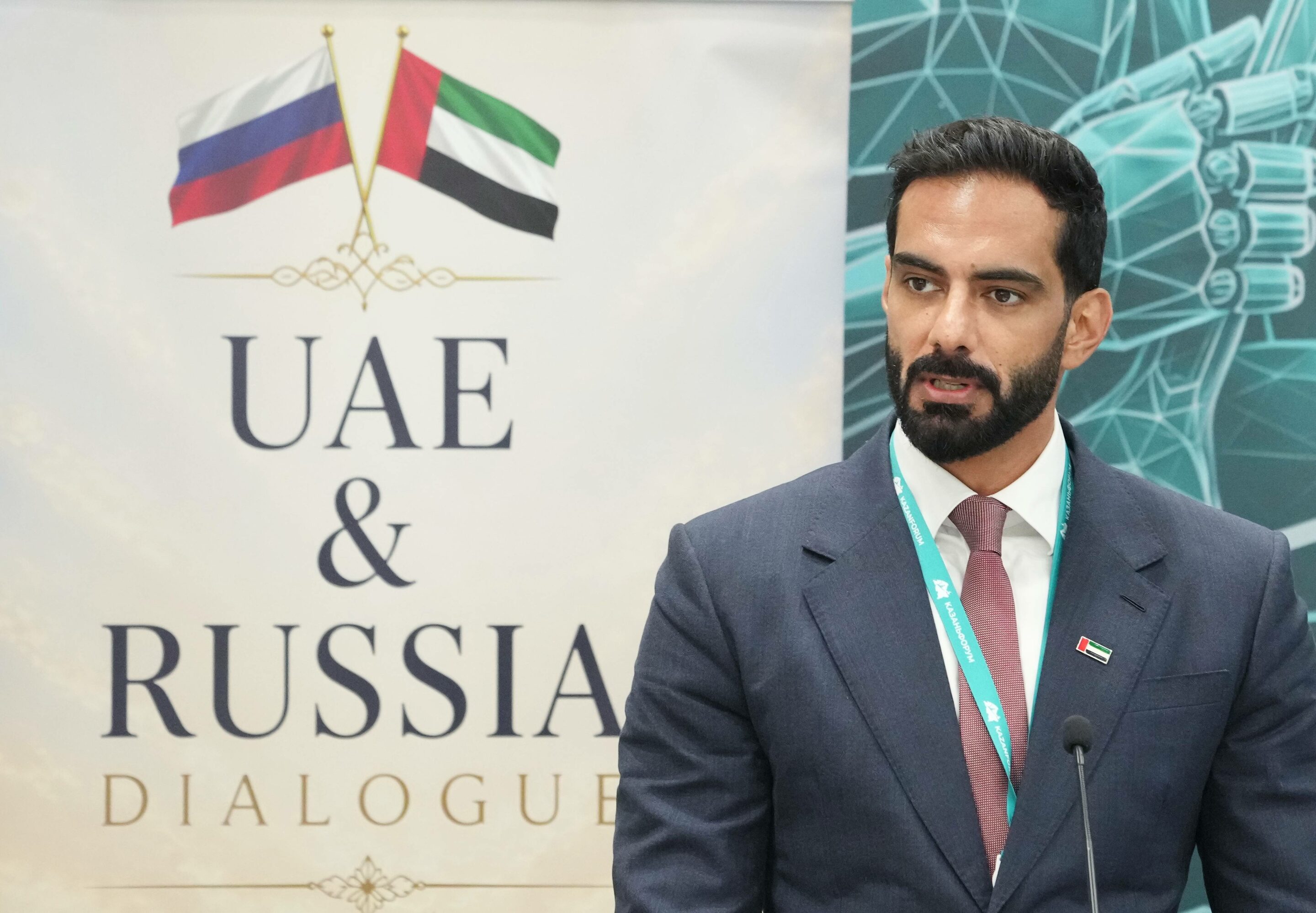
Россия делает серьезную ставку на развитие отношений с арабскими странами Персидского залива. Флагманом сотрудничества остаются ОАЭ, однако и с другими государствами региона наблюдается положительная торговая динамика. Западные санкции и давление несколько замедляют это сближение, но действительно препятствуют сотрудничеству лишь в отдельных, наиболее чувствительных сферах.
Russia is making a serious bet on developing relations with the Arab countries of the Persian Gulf. The UAE remains the flagship of this cooperation, but positive trade dynamics can also be seen with other states in the region. Western sanctions and pressure are slowing this rapprochement somewhat, but they truly obstruct cooperation only in certain, especially sensitive, areas.
Saudi Arabia at SPIEFСаудовская Аравия на ПМЭФ
29-й Петербургский международный экономический форум (ПМЭФ) оказался далеко не самым представительным с точки зрения международного участия. На этом фоне присутствие Саудовской Аравии в качестве официального гостя выглядело заметным событием — особенно с учетом того, что после 2022 года стратегия «поворота на Восток» стала одним из лейтмотивов российской внешней политики.
The 29th St. Petersburg International Economic Forum, or SPIEF, was far from the most representative in terms of international participation. Against that backdrop, Saudi Arabia’s presence as the official guest looked like a notable event, especially given that after 2022 the strategy of a “turn to the East” became one of the leitmotifs of Russian foreign policy.
Riyadh’s participation, however, predictably did not produce a breakthrough in bilateral relations. As at most such events, the chief result was a proliferation of protocol memoranda of intent, with the two sides signing 30 documents in all, and declarative statements about friendship and partnership. Thus Saudi Arabia’s minister of industry and mineral resources, Bandar al-Khorayef, said his country was counting on cooperation with Russia “for the next 100 years.”
Впрочем, участие Эр-Рияда ожидаемо не привело к прорыву в двусторонних отношениях. Как и на большинстве подобных мероприятий, основным итогом стали многочисленные протокольные меморандумы о намерениях (всего стороны подписали 30 документов) и декларативные заявления о дружбе и партнерстве. Так, министр промышленности и минеральных ресурсов Саудовской Аравии Бандар аль-Хурейф заявил, что его страна рассчитывает на сотрудничество с Россией «на ближайшие 100 лет».
Among the more substantive arrangements, one may note a cooperation agreement between the Russian Direct Investment Fund, the Natproektstroy group, and the Saudi company Lamar Arabia Holding W.L.L., which envisages reciprocal investment in infrastructure and energy projects. As in most other cases, however, there are as yet no specifics on volumes, timelines, or mechanisms for implementing the agreement.
Из более содержательных договоренностей можно отметить соглашение о сотрудничестве между Российским фондом прямых инвестиций (РФПИ), группой «Нацпроектстрой» и саудовской компанией Lamar Arabia Holding W.L.L., которое предполагает взаимное инвестирование в инфраструктурные и энергетические проекты. Впрочем, как и в большинстве других случаев, конкретики по объемам, срокам и механизмам реализации соглашения пока нет.
If one takes a broader view, looking not only at SPIEF 2026 but also at earlier forums, the growing importance of the Middle Eastern track for Moscow becomes obvious. Over the past six years, five Arab countries have been the forum’s chief guests: Qatar in 2021, Egypt in 2022, the UAE in 2023, Oman in 2024, and Saudi Arabia in 2026.
Если взглянуть шире — не только на ПМЭФ-2026, но и на предыдущие форумы, — становится очевидной растущая важность ближневосточного направления для Москвы. За последние шесть лет главными гостями форума были пять арабских стран: Катар (2021), Египет (2022), ОАЭ (2023), Оман (2024) и Саудовская Аравия (2026).
In other words, it seems that in the much-discussed “turn to the East,” Moscow has made perhaps its main wager precisely on the countries of the Persian Gulf, at least in the sphere of economic cooperation. The realities on the ground, of course, present a much more complex picture, but Russia, even if not always with the momentum it would like, is nevertheless consistently deepening cooperation with the states of the region.
Другими словами, кажется, что в пресловутом «повороте на Восток» едва ли не главную ставку Москва сделала именно на страны Персидского залива — по крайней мере, в сфере экономического сотрудничества. Реалии на земле, разумеется, показывают куда более сложную картину, однако Россия, пусть и не всегда с желаемой динамикой, все же последовательно углубляет сотрудничество с государствами региона.
Uneven InvestmentsНеровные инвестиции
One of the main hopes of recent years has been investment by the Gulf monarchies in the Russian economy. Oil states with surplus budgets seemed a logical potential source of capital, especially against the background of their desire to diversify their portfolios.
Одной из главных надежд последних лет были инвестиции монархий Залива в российскую экономику. Нефтяные государства с профицитными бюджетами казались логичным потенциальным источником капитала, особенно на фоне их желания диверсифицировать свои портфели.
In 2015, the Russian Direct Investment Fund and Saudi Arabia’s Public Investment Fund agreed on a partnership under which Riyadh was to invest $10 billion in the Russian economy over four to five years. At the time, the agreement generated considerable optimism about the prospects for bilateral relations. The funds were expected to go into infrastructure, agriculture, medicine, logistics, retail, and real estate.
В 2015 году РФПИ и саудовский Public Investment Fund (PIF) договорились о партнерстве, в рамках которого Эр-Рияд должен был инвестировать $ 10 млрд в российскую экономику в течение 4−5 лет. Тогда это соглашение породило значительный оптимизм относительно перспектив двусторонних отношений. Планировалось направить средства в инфраструктуру, сельское хозяйство, медицину, логистику, ритейл и недвижимость.
Over the allotted period, however, the Saudi side invested only about a quarter of the planned amount. Leaks appeared in the Western press about Russia’s disappointment with the results of the cooperation. Nevertheless, $10 billion was ultimately invested in the Russian economy, albeit over a substantially longer period. In 2023, the RDIF reported that since 2015 Saudi partners had invested about 1 trillion rubles in 40 joint projects, a sum comparable to the original plans.
Однако за отведенный срок саудовская сторона вложила лишь около четверти от запланированного объема. В западной прессе появились утечки о разочаровании России результатами сотрудничества. Тем не менее $ 10 млрд все же были инвестированы в российскую экономику, хотя и за существенно более длительный срок. В 2023 году РФПИ сообщил, что с 2015 года саудовские партнеры вложили в 40 совместных проектов около 1 трлн рублей — сумму, сопоставимую с первоначальными планами.
Separately, in 2022 the Saudi conglomerate Kingdom Holding Co. invested $500 million in securities of Russia’s three largest oil and gas companies: Gazprom, at $364 million; Lukoil, at $110 million; and Rosneft, at $52 million. The decision to buy the assets was made literally on the eve of Russia’s full-scale invasion of Ukraine, on the expectation of high dividend income. That bet did not pay off because of Western sanctions and the deterioration of Russian companies’ financial performance against the background of the war. As a result, Saudi investors became noticeably more cautious about new investments in Russia.
Отдельно в 2022 году саудовский конгломерат Kingdom Holding Co. инвестировал $ 500 млн в ценные бумаги трех крупнейших российских нефтегазовых компаний: «Газпром» ($ 364 млн), «Лукойл» ($ 110 млн) и «Роснефть» ($ 52 млн). Решение о покупке активов было принято буквально накануне полномасштабного вторжения России в Украину в расчете на высокий дивидендный доход. Эта ставка не оправдалась из-за западных санкций и ухудшения финансовых показателей российских компаний на фоне войны. В результате саудовские инвесторы стали заметно осторожнее в вопросе новых вложений в Россию.
In subsequent years, the Russian side repeatedly expressed hopes for new injections from Riyadh. In 2023, the RDIF said another trillion rubles would arrive soon. Those forecasts, however, never materialized. In 2025, the Russian government reported that Saudi investment had grown by only 11 percent. Money continues to come in, but its volume plainly falls short of Moscow’s initial expectations.
В последующие годы российская сторона неоднократно выражала надежду на новые вливания со стороны Эр-Рияда. В 2023 году РФПИ заявлял о скором поступлении еще одного триллиона рублей. Однако эти прогнозы так и не материализовались. В 2025 году правительство РФ сообщило, что саудовские инвестиции выросли всего на 11%. Деньги продолжают поступать, но их объем явно не соответствует первоначальным ожиданиям Москвы.
At the same time, the Saudi side has recently been actively promoting a new format for cooperation: instead of direct investment in the Russian economy, it proposes creating joint ventures with production localized on its own territory. It is difficult to assess the effectiveness of this approach: in recent years both sides have preferred not to disclose the details of their cooperation, fearing Western attention and sanctions. Russian businesspeople working in Saudi Arabia note in private conversations that today only a few Russian companies are present in the country, engaged mainly in exports of agro-industrial products and in the construction of infrastructure facilities.
При этом саудовская сторона в последнее время активно продвигает новый формат сотрудничества: вместо прямых инвестиций в российскую экономику она предлагает создавать совместные предприятия с локализацией производства на своей территории. Оценить эффективность такого подхода сложно: обе стороны в последние годы предпочитают не раскрывать детали сотрудничества, опасаясь внимания Запада и санкций. Российские бизнесмены, работающие в Саудовской Аравии, в частных разговорах отмечают, что в стране на сегодняшний день присутствуют лишь несколько российских компаний, задействованных преимущественно в сферах экспорта продукции агропромышленного комплекса (АПК) и строительства инфраструктурных объектов.
Against this backdrop, the example of Qatar is telling: despite more limited capacities, it has invested more in the Russian economy than Riyadh. The total volume of Qatari investment is estimated at $13 billion. The main funds went into Rosneft, 18.9 percent; the construction of a high-speed road in St. Petersburg, 24.99 percent; Pulkovo Airport, 25 percent; and Vnukovo Airport, 25 percent. Almost all of these investments, however, were made before the full-scale war in Ukraine. After 2022, Qatar was in no hurry to dispose of these assets, but it made virtually no new large investments either. Some revival came in 2025, when Russia and Qatar agreed to create a $2 billion joint investment platform focused on technology, mineral extraction, and health care. As a result, in 2025 Qatar entered the top five foreign investors in the Russian economy.
На этом фоне показателен пример Катара, который при меньших возможностях вложил в российскую экономику больше, чем Эр-Рияд. Общий объем катарских инвестиций оценивается в $ 13 млрд. Основные средства были направлены в «Роснефть» (18,9%), строительство скоростной автодороги в Санкт-Петербурге (24,99%), аэропорт «Пулково» (25%) и аэропорт «Внуково» (25%). Впрочем, почти все эти инвестиции были сделаны еще до полномасштабной войны в Украине. После 2022 года Катар не торопился избавляться от этих активов, но и новых крупных вложений практически не осуществлял. Некоторое оживление произошло в 2025 году, когда Россия и Катар договорились о создании совместной инвестиционной платформы объемом $ 2 млрд с акцентом на технологии, добычу полезных ископаемых и здравоохранение. В результате в 2025 году Катар вошел в пятерку крупнейших иностранных инвесторов в российскую экономику.
A Safe Harbor for Russian BusinessТихая гавань российского бизнеса
But the true flagship of investment cooperation for Russia has been the United Arab Emirates. On this track there are two fundamental differences from the Saudi and Qatari cases. First, investment is reciprocal, with Russian investment in the UAE economy substantially exceeding Emirati investment in Russia by roughly one and a half times. The total volume of Russian investment in the Emirates is estimated at $25 billion, while direct UAE investment in Russia amounts to about $17 billion. Second, the full-scale war and Western sanctions did not slow this rapprochement but markedly accelerated it. By the end of 2025, more than
Но настоящим флагманом инвестиционного сотрудничества для России стали Объединенные Арабские Эмираты. На этом направлении наблюдаются два принципиальных отличия от кейсов Саудовской Аравии и Катара. Во-первых, инвестиции носят взаимный характер, причем российские вложения в экономику ОАЭ существенно превышают эмиратские — примерно в 1,5 раза. Совокупный объем российских инвестиций в Эмираты оценивается в $ 25 млрд, тогда как прямые инвестиции ОАЭ в Россию составляют около $ 17 млрд. Во-вторых, полномасштабная война и западные санкции не затормозили, а заметно ускорили это сближение. К концу 2025 года в ОАЭ было зарегистрировано более
Despite Western pressure, the UAE has preserved a fairly high degree of openness to Russian business. Russians have invested in a variety of businesses, including IT, food sales and real estate, and the financial sector. Major Russian companies have opened offices in Dubai and Abu Dhabi: Yandex, 1C, Kaspersky Lab, VkusVill, Novikov Group, Dodo Pizza, and a number of developers, including Knight Frank, Integral, and the Pioneer Group. Since 2022, Russians have consistently ranked among the top three buyers of real estate in the Emirates.
Несмотря на давление Запада, ОАЭ сохранили достаточно высокую открытость для российского бизнеса. Россияне инвестировали в разнообразные виды бизнеса, включая IT, продажу продуктов питания и недвижимости, финансовый сектор. В Дубае и Абу-Даби открыли офисы крупные российские компании: «Яндекс», 1С, Kaspersky Lab, «ВкусВилл», Novikov Group, «Додо Пицца» и ряд девелоперов, включая Knight Frank, «Интеграл» и ГК «Пионер». С 2022 года россияне стабильно входят в топ-3 покупателей недвижимости в Эмиратах.
As for the UAE’s own position, news of sanctions against Russia was initially met with caution. In 2022, the Emirati sovereign wealth fund Mubadala suspended new investments in Russia. At that point the fund held stakes in more than 50 Russian projects, including Gazpromneft-Vostok, AliExpress Russia, Sibur, UC Rusal, and Eurosibenergo. Mubadala, however, did not sell off its Russian assets, and investment from the UAE continued in subsequent years, although it became far less transparent. New investments became known in the oil sector and in a project to develop the Northern Sea Route. According to Russia’s Ministry of Economic Development, the bulk of Emirati investment is in manufacturing, transport, logistics, trade, and service industries.
Что касается позиции самих ОАЭ, то поначалу новости о санкциях против России были встречены с настороженностью. В 2022 году эмиратский суверенный фонд Mubadala приостановил новые инвестиции в РФ. На тот момент у фонда были доли более чем в 50 российских проектах, включая «Газпромнефть-Восток», AliExpress Россия, «Сибур», UC Rusal и «Евросибэнерго». Впрочем, Mubadala не стала распродавать российские активы, а инвестиции из ОАЭ в последующие годы продолжились, хотя и стали значительно менее прозрачными. Стало известно о новых вложениях в нефтяной сектор и проект по развитию Северного морского пути. Согласно данным Минэкономразвития РФ, основная часть эмиратских инвестиций приходится на обрабатывающие производства, транспорт, логистику, торговлю и сервисные услуги.
Grain and DieselЗерно и дизель
Russia’s trade relations with the countries of the Persian Gulf have shown steady growth in almost every direction since 2022.
Торговые отношения России со странами Персидского залива после 2022 года демонстрируют устойчивый рост почти по всем направлениям.
The unquestioned leader here remains the United Arab Emirates: if trade with the UAE amounted to $5.3 billion in 2021, then by the end of 2025 it had grown to $12 billion. The figures with Saudi Arabia rose noticeably as well, from $2.2 billion to $4 billion, and with Oman, from $171 million to $345 million. The only exception was Qatar, trade with which fell from $175 million in 2021 to $78 million in 2024; data for 2025 have not yet been published. At the same time, trade with all these countries remains deeply in surplus for Moscow: Russian exports account on average for about 90 percent of turnover.
Безусловным лидером здесь остаются Объединенные Арабские Эмираты: если в 2021 году товарооборот с ОАЭ составлял $ 5,3 млрд, то по итогам 2025 года он вырос до $ 12 млрд. Заметно увеличились показатели и с Саудовской Аравией — с $ 2,2 млрд до $ 4 млрд, и с Оманом — с $ 171 млн до $ 345 млн. Единственным исключением стал Катар, торговля с которым просела с $ 175 млн в 2021 году до $ 78 млн в 2024-м (данные за 2025 год пока не опубликованы). При этом торговля со всеми этими странами остается глубоко профицитной для Москвы: на российский экспорт приходится в среднем около 90% товарооборота.
The structure of Russian exports to these countries is broadly similar. The leading role is played by agro-industrial products. Supplies of agricultural products to Saudi Arabia reached roughly $1 billion, accounting for about a quarter of total trade. The picture is similar in Oman, where they make up 25 to 30 percent of turnover. In 2024, Russian agro-industrial products accounted for about 80 percent of trade with Qatar. In trade with the UAE, the share of agricultural products is more modest, $400 million in 2025, which is explained by the much larger trade turnover and greater diversification of supplies.
Структура российского экспорта в эти страны во многом схожа. Главную роль играет продукция агропромышленного комплекса. В Саудовскую Аравию поставки сельхозпродукции достигли примерно $ 1 млрд, обеспечив около четверти всего товарооборота. Аналогичная картина в Омане (25−30% товарооборота). В 2024 году на российскую продукцию АПК пришлось около 80% товарооборота с Катаром. В торговле с ОАЭ доля сельхозпродукции скромнее ($ 400 млн в 2025 году), что объясняется значительно большим торговым оборотом и большей диверсификацией поставок.
In most cases, grain forms the basis of exports. It is noteworthy that the Persian Gulf countries buy Russian agricultural products not only for domestic consumption but also for subsequent re-export to African countries and other states in the region, including Kuwait and Bahrain.
В большинстве случаев основу экспорта составляют зерновые. Примечательно, что страны Персидского залива закупают российскую сельхозпродукцию не только для внутреннего потребления, но и для последующего реэкспорта в страны Африки и другие государства региона, включая Кувейт и Бахрейн.
Petroleum products have also become an important component of Russian exports in recent years. After the European Union introduced an embargo on their import from Russia in February 2023, the main markets for fuel oil and gasoil became the countries of Asia and the Middle East. Among them are Saudi Arabia and the UAE, which themselves possess significant production capacity in this sphere.
Важной составляющей российского экспорта в последние годы также стали нефтепродукты. После введения Евросоюзом эмбарго на их импорт из России в феврале 2023 года основными рынками сбыта мазута и газойля стали страны Азии и Ближнего Востока. Среди них — Саудовская Аравия и ОАЭ, которые сами обладают значительными производственными мощностями в этой сфере.
Since 2022, a practice has taken shape in which Russian petroleum products are purchased at relatively low prices for domestic needs, above all for electricity generation, while the UAE’s and Saudi Arabia’s own petroleum products are sent for export. The sides prefer not to disclose specific figures on these and many other commodity positions, fearing secondary Western sanctions, and confine themselves to general statements. Thus in 2025 Rosneft chief Igor Sechin reported that supplies of fuel oil and vacuum gasoil to Saudi Arabia had grown more than sixfold over four years.
С 2022 года сложилась практика, при которой российские нефтепродукты по относительно низкой цене закупаются для внутренних нужд (в первую очередь для генерации электроэнергии), а собственные нефтепродукты ОАЭ и Саудовской Аравии направляются на экспорт. Конкретные цифры по этим и многим другим товарным позициям стороны предпочитают не раскрывать, опасаясь вторичных западных санкций, и ограничиваются общими заявлениями. Так, в 2025 году глава «Роснефти» Игорь Сечин сообщил, что поставки мазута и вакуумного газойля в Саудовскую Аравию выросли более чем в шесть раз за четыре года.
The export of precious metals to the UAE became a separate, notable case. In 2022, Russia became the leading supplier of gold to the Emirates, with imports of precious metals from Russia estimated at 96.4 tons. This was a direct consequence of Western restrictions: the traditional London market had become inaccessible. After controls over compliance with Western sanctions were tightened, Russia classified data on gold exports. Experts note that significant volumes of Russian gold continue to flow into the UAE, although the peak appears to have come precisely in 2022.
Отдельным заметным кейсом стал экспорт драгоценных металлов в ОАЭ. В 2022 году Россия вышла на первое место по поставкам золота в Эмираты (объем импорта драгоценных металлов из РФ оценивался в 96,4 тонны). Это было прямым следствием западных ограничений: традиционный лондонский рынок стал недоступен. После ужесточения контроля за соблюдением западных санкций Россия засекретила данные по экспорту золота. Эксперты отмечают, что значительные объемы российского золота продолжают поступать в ОАЭ, хотя пик, по всей видимости, пришелся именно на 2022 год.
Finally, it is worth remembering that trade is possible not only in goods but also in services. The volume of services trade between Russia and the UAE is estimated at $14 billion, exceeding the trade in goods between the two countries. The Emirates have become a key partner for Russia in cross-border settlements, an important global transport and logistics hub, and one of the main platforms for the Russian IT sector. Finally, a significant tourist flow has formed between the countries: by the end of 2025, around 2 million Russians had visited the UAE, while around 70,000 Emirati citizens had visited Russia.
Наконец, не стоит забывать, что торговать можно не только товарами, но и услугами. Объем торговли услугами между Россией и ОАЭ оценивается в $ 14 млрд, что превышает товарооборот между двумя странами. Эмираты стали для России ключевым партнером по трансграничным расчетам, важным глобальным транспортным и логистическим хабом, а также одной из основных площадок для российского IT-сектора. Наконец, между странами сформировался значительный туристический поток: по итогам 2025 года ОАЭ посетили около 2 млн россиян, а Россию — около 70 тыс. граждан Эмиратов.
Modes of IntegrationСпособы интеграции
In the modern world, tourism is regarded as one of the most effective drivers of economic growth. It provides direct revenues to a whole range of sectors at once, including hotels and restaurants, retail trade, transport, and services, while also creating a significant multiplier effect for adjacent sectors.
Туризм в современном мире считается одним из наиболее эффективных драйверов экономического роста. Он обеспечивает прямые поступления сразу в целый ряд отраслей — отельный и ресторанный бизнес, розничную торговлю, транспорт и услуги, — создавая при этом значительный мультипликативный эффект для смежных секторов.
Russia’s relations with the countries of the Middle East demonstrate another important feature of tourism: it often becomes the basis for establishing and developing business contacts. Some tourists do not limit themselves to leisure but begin looking for partners and investment opportunities. It is telling that after 2022 Russia’s main trade partners in the region became precisely those countries that account for the main tourist flows: Turkey, the UAE, and Egypt.
Отношения России со странами Ближнего Востока демонстрируют еще одну важную особенность туризма: он часто становится основой для установления и развития бизнес-контактов. Часть туристов не ограничивается отдыхом, а начинает искать партнеров и возможности для инвестиций. Показательно, что после 2022 года главными торговыми партнерами России в регионе стали именно те страны, на которые приходится основной туристический поток: Турция, ОАЭ и Египет.
The Russian authorities appear to understand this pattern and use visa-free travel as an instrument for further rapprochement. Moscow is steadily turning the countries of the Persian Gulf into an almost continuous visa-free zone. Visa-free travel with the UAE has been in force since 2019, with Qatar since 2020, with Oman since 2025, and with Saudi Arabia since May 11, 2026. Among the region’s Arab monarchies, visa requirements remain only with Kuwait and Bahrain. At the same time, the Russian authorities expect to conclude agreements abolishing visas with those two countries as well.
Российские власти, похоже, понимают эту закономерность и используют безвизовый режим как инструмент для дальнейшего сближения. Москва последовательно превращает страны Персидского залива в практически сплошную безвизовую зону. Безвиз с ОАЭ действует с 2019 года, с Катаром — с 2020-го, с Оманом — с 2025-го, с Саудовской Аравией — с 11 мая 2026-го. Среди арабских монархий региона визовый режим сохраняется только с Кувейтом и Бахрейном. При этом российские власти рассчитывают заключить соглашения об отмене виз и с этими двумя странами.
In addition, the Russian authorities are trying to create conditions for deeper cooperation through agreements on economic integration. Once again, the most visible results have been achieved with the UAE. In 2025, the countries concluded an agreement on the mutual liberalization of access conditions to their services markets. It substantially expanded opportunities for Russian business, opening access to 64 sectors of the Emirati economy, including research and development, repair of sea and aircraft, railway transport, integrated engineering services, and maritime passenger transport. Companies from the UAE, in turn, received the possibility of 100 percent equity participation in Russian organizations providing health care and education services, as well as the right to open branches in retail trade and in the hotel and restaurant business. A separate important point was the parties’ commitment not to introduce restrictions on financial transfers, which is especially relevant given the banking problems faced by Russian business in the UAE amid pressure from Western countries.
Кроме того, российские власти пытаются создать условия для углубления сотрудничества через соглашения об экономической интеграции. Наиболее заметных результатов удалось добиться опять же с ОАЭ. В 2025 году страны заключили соглашение о взаимной либерализации условий доступа на свои рынки услуг. Оно существенно расширило возможности российского бизнеса, открыв доступ к 64 секторам экономики Эмиратов, включая исследования и разработки, ремонт морских и воздушных судов, железнодорожные перевозки, комплексные инженерные услуги и пассажирские морские перевозки. В свою очередь компании из ОАЭ получили возможность 100-процентного участия в капитале российских организаций, предоставляющих услуги здравоохранения и образования, а также право открывать филиалы в сфере розничной торговли, в отельном и ресторанном бизнесе. Отдельным важным пунктом стало обязательство сторон не вводить ограничения по финансовым переводам, что особенно актуально, учитывая банковские проблемы российского бизнеса в ОАЭ на фоне давления западных стран.
In 2026, an agreement on a free trade zone between the UAE and the Eurasian Economic Union was ratified. The document provides for the elimination of duties on 85 percent of the commodity items the countries trade with one another, including agricultural products, petroleum products, timber-industry goods, cosmetics, and medicines. Vietnam, Serbia, Singapore, and Iran already have similar free trade agreements with the EAEU. The idea is that such zones should help form a broad space of economic integration around Russia.
В 2026 году было ратифицировано соглашение о зоне свободной торговли между ОАЭ и Евразийским экономическим союзом. Документ предусматривает обнуление пошлин на 85% товарных позиций, которыми торгуют друг с другом страны, включая сельхозпродукцию, нефтепродукты, продукцию лесопромышленного комплекса, косметику, лекарства. Аналогичные соглашения о свободной торговле с ЕАЭС уже имеют Вьетнам, Сербия, Сингапур и Иран. По замыслу, такие зоны должны способствовать формированию широкого пространства экономической интеграции вокруг России.
Political ConstraintsПолитические ограничения
Russia’s policy in the region may be significantly affected by the consequences of the war waged by Israel and the United States against Iran. First of all, this concerns risks to the security of Russian investments and logistics routes passing through the UAE and other Persian Gulf countries. The situation in the region potentially threatens both the financial climate and the stability of the region’s countries as a whole. But if the United States and Iran manage to achieve at least relative normalization and ensure the opening of the Strait of Hormuz, the situation may stabilize.
На политику России в регионе могут заметно повлиять последствия войны Израиля и США против Ирана. В первую очередь речь идет о рисках для безопасности российских инвестиций и логистических маршрутов, проходящих через ОАЭ и другие страны Персидского залива. Ситуация в регионе потенциально угрожает как финансовому климату, так и стабильности стран региона в целом. Но если США и Иран сумеют достичь хотя бы относительной нормализации и обеспечить открытие Ормузского пролива, ситуация может стабилизироваться.
Russia’s relations with Iran create additional complications. Of particular concern is information that Moscow has probably begun supplying Iran with components for drones that could potentially be used against the Gulf countries. For now, however, this appears to be more a matter of symbolic support for Tehran, one that does not fundamentally alter the balance of power in the region.
Дополнительные сложности создают отношения России с Ираном. Особую озабоченность вызывает информация о том, что Москва, вероятно, начала поставку в Иран комплектующих к беспилотникам, которые потенциально могут применяться против стран Залива. При этом пока речь, скорее, идет о символической поддержке Тегерана, которая принципиально не меняет баланс сил в регионе.
From an economic point of view, cooperation with the Arab monarchies of the Persian Gulf is far more important for Russia than interaction with Iran. Trade with Tehran fluctuates around $4 to $5 billion, the resource of drone supplies for the war in Ukraine has largely been exhausted, and the prospects for implementing major Russian projects, such as the North-South transport corridor and a gas hub, look increasingly doubtful after the start of the war in the Middle East and against the background of Iran’s economic problems.
С экономической точки зрения сотрудничество с арабскими монархиями Персидского залива намного важнее для России, чем взаимодействие с Ираном. Товарооборот с Тегераном колеблется на уровне $ 4−5 млрд, ресурс поставок дронов для войны в Украине во многом исчерпан, а перспективы реализации крупных российских проектов (транспортный коридор «Север-Юг», газовый хаб) после начала войны на Ближнем Востоке и на фоне экономических проблем Ирана выглядят все более сомнительными.
The Persian Gulf countries, meanwhile, demonstrate not only significant trade volumes but also positive momentum. They take a very restrained attitude toward anti-Russian sanctions, are considering investment opportunities in Russia ever more actively, while the UAE is already actually making such investments, and they play a notable role in circumventing restrictions. Since 2022, significant volumes of electronics, cars, and other goods have gone through the UAE. Although each area has its own difficulties, with Western countries trying to restrict electronics supplies and cars temporarily not being exported because of military action in the region, the Arab monarchies in any case remain one of the few real channels for parallel imports, something Iran cannot provide under current conditions.
Страны Персидского залива при этом демонстрируют не только значительные объемы торговли, но и позитивную динамику. Они весьма сдержанно относятся к антироссийским санкциям, все активнее рассматривают возможности инвестиций в Россию (а ОАЭ уже реально их осуществляют) и играют заметную роль в обходе ограничений. Именно через ОАЭ с 2022 года шли значительные объемы электроники, автомобилей и других товаров. Хотя по каждому направлению существуют сложности (поставки электроники пытаются ограничить западные страны, а автомобили временно не экспортируют из-за военных действий в регионе), арабские монархии в любом случае остаются одним из немногих реальных каналов параллельного импорта, чего Иран в нынешних условиях обеспечить не может.
For understandable reasons, Moscow seeks to maintain workable relations both with Iran and with the Persian Gulf countries. At the same time, it is precisely relations with the Gulf monarchies that noticeably limit the scale of Russian military-technical cooperation with Tehran. Despite the pro-Western orientation of the Arab states, interaction with them brings Russia far more than ties with the Islamic Republic. It is characteristic that Russia still has no visa-free regime with Iran, although Tehran has repeatedly advocated its introduction.
Москва по понятным причинам стремится сохранить рабочие отношения как с Ираном, так и со странами Персидского залива. При этом именно отношения с монархиями Залива заметно ограничивают масштаб российского военно-технического сотрудничества с Тегераном. Несмотря на прозападную ориентацию арабских государств, взаимодействие с ними приносит России значительно больше, чем связи с Исламской Республикой. Характерно, что у России до сих пор нет безвизового режима с Ираном, хотя Тегеран неоднократно выступал за его введение.
Overall, Russia’s relations with the Arab monarchies can be called a fairly successful example of pragmatic economic cooperation under sanctions pressure. Hopes for large-scale investment from Qatar and Saudi Arabia have been only partly fulfilled, but even here gradual progress can be observed. Cooperation with the UAE is developing most successfully, both in investment and in trade ties. The parties are actively concluding agreements that create a foundation for further deepening relations. A growing tourist flow is an additional factor of rapprochement. In 2025, Saudi Arabia entered the top three for the first time by number of tourists visiting Russia.
В целом отношения России с арабскими монархиями можно назвать довольно успешным примером прагматичного экономического сотрудничества в условиях санкционного давления. Надежды на масштабные инвестиции из Катара и Саудовской Аравии оправдались лишь частично, однако даже здесь наблюдается постепенный прогресс. Наиболее успешно развивается сотрудничество с ОАЭ — как по линии инвестиций, так и с точки зрения торговых связей. Стороны активно заключают соглашения, создающие основу для дальнейшего углубления связей. Дополнительным фактором сближения выступает растущий туристический поток. В 2025 году Саудовская Аравия впервые вошла в тройку лидеров по числу туристов, посетивших Россию.
The main restraining factor remains Western sanctions and the war-related financial uncertainty inside Russia. In some spheres, Western restrictive measures create practically insurmountable barriers; in particular, after 2022 the Arab monarchies declined new contracts for supplies of Russian weapons, although such deals had previously been concluded with the UAE and Saudi Arabia. In finance and trade, sanctions slow the development of relations, forcing partners to act more cautiously, but they do not block it entirely. At the same time, there remain areas where Russia is almost impossible to replace, above all imports of agricultural products.
Главным сдерживающим фактором остаются западные санкции и связанная с войной финансовая неопределенность внутри России. В некоторых сферах западные ограничительные меры создают практически непреодолимые барьеры — в частности, арабские монархии после 2022 года отказались от новых контрактов на поставки российского вооружения, хотя ранее такие сделки с ОАЭ и Саудовской Аравией заключались. В финансовой и торговой сферах санкции тормозят развитие отношений, заставляя партнеров действовать более осторожно, но не блокируют его полностью. При этом сохраняются направления, где Россию практически невозможно заместить — в первую очередь это импорт сельскохозяйственной продукции.
Thus, in the economic sphere, Russia should expect further rapprochement with the countries of the Persian Gulf. Relations with the UAE have already proved their effectiveness. Cooperation with Saudi Arabia is developing more slowly, but it too shows positive momentum. Qatar occupies the most cautious position, yet it is not withdrawing its existing investments from Russia. Trade with Oman is also growing, although in absolute terms it lags noticeably behind the UAE and Saudi Arabia.
Таким образом, в экономической плоскости России стоит ожидать дальнейшего сближения со странами Персидского залива. Отношения с ОАЭ уже доказали свою эффективность. Сотрудничество с Саудовской Аравией развивается медленнее, но тоже демонстрирует позитивную динамику. Наиболее осторожную позицию занимает Катар, однако и он не выводит имеющиеся инвестиции из России. Торговля с Оманом также растет, хотя по абсолютным показателям она заметно уступает ОАЭ и Саудовской Аравии.
In the political sphere, Moscow and the Arab monarchies adhere to a pragmatic approach and are prepared to cooperate where it is beneficial to both sides. Despite isolation by Western countries, Moscow is perceived in the region as a legitimate actor. Even the worsening of relations between the Arab monarchies and Iran is not yet capable of changing this vector of pragmatic rapprochement.
В политической сфере Москва и арабские монархии придерживаются прагматичного подхода и готовы сотрудничать там, где это выгодно обеим сторонам. Несмотря на изоляцию со стороны стран Запада, Москва воспринимается в регионе как легитимный игрок. Изменить этот вектор прагматичного сближения пока не способно даже обострение отношений между арабскими монархиями и Ираном.