الوجود العسكري الأمريكي في الخليج: من أداة للردع إلى مصدر للانكشاف؟
The recent American-Israeli-Iranian war exposed the paradox of U.S. military bases in the Gulf: installations meant to deter threats can, in crisis, become targets themselves and a source of strategic vulnerability for host states.
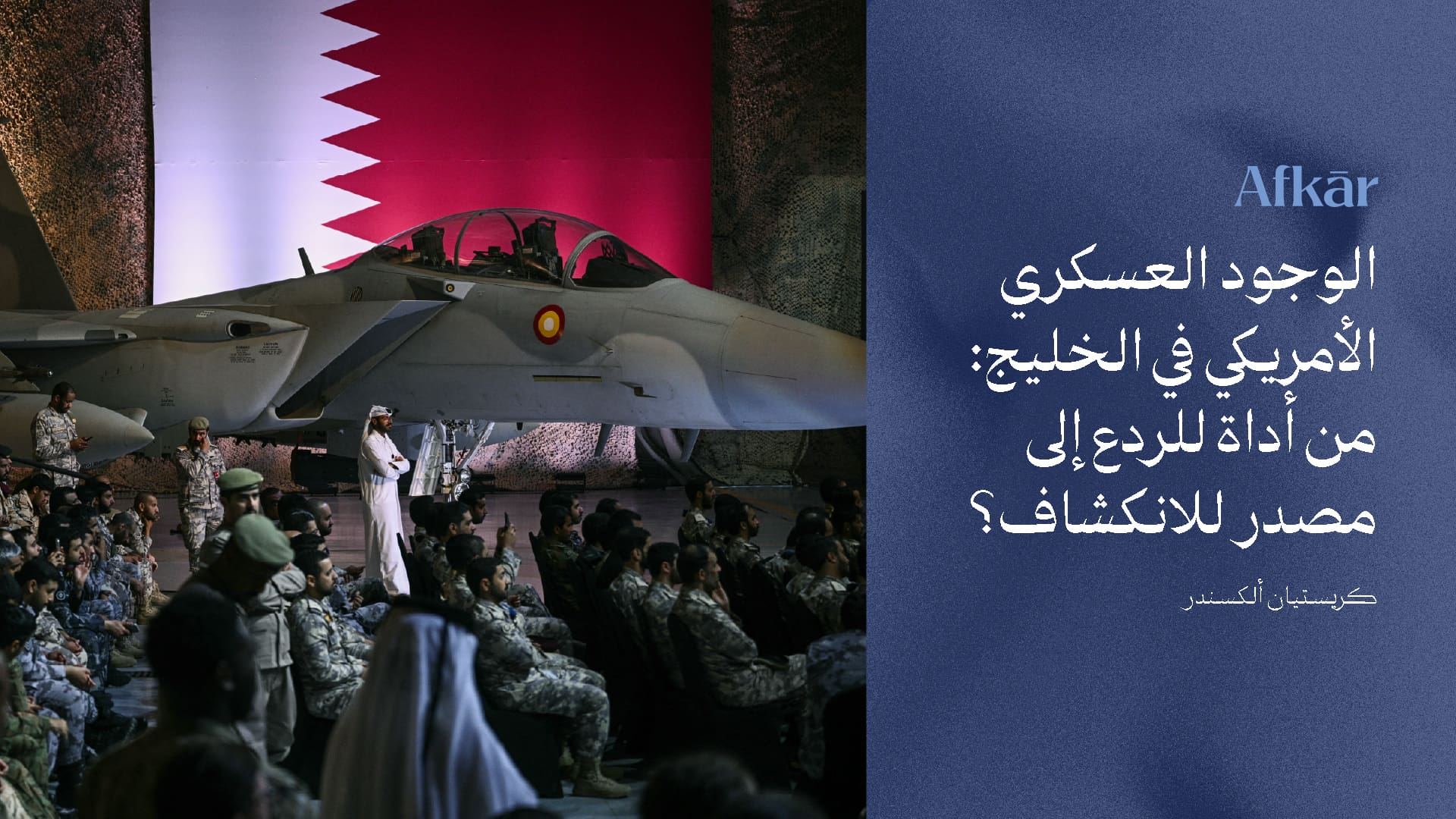
أعادت الحرب الأمريكية الإسرائيلية- الإيرانية، وما تبعها من هجمات صاروخية وضربات بالمسيّرات شنّتها طهران ضد دول مجلس التعاون الخليجي التي تستضيف قوات أمريكية، طرح سؤال استراتيجي قديم يتمحور حول طبيعة القواعد العسكرية الأمريكية في الخارج والجهات التي تخدم مصالحها في نهاية المطاف.
The American-Israeli-Iranian war, and the missile attacks and drone strikes that followed, launched by Tehran against Gulf Cooperation Council states hosting American forces, revived an old strategic question centered on the nature of U.S. military bases abroad and whose interests they ultimately serve.
كما أعادت إشعال نقاش واسع بين الباحثين وصنّاع القرار والمحللين في الخليج بشأن ما إذا كان الوجود العسكري الأمريكي لا يزال يمثل الضامن الأكثر فاعلية للردع الإقليمي، أم أنه بات يعرّض دول الخليج بصورة متزايدة لتداعيات صراعات ليست طرفاً مباشراً فيها.
It also rekindled a broad debate among researchers, decision-makers, and analysts in the Gulf over whether the American military presence still represents the most effective guarantor of regional deterrence, or whether it has increasingly begun to expose Gulf states to the repercussions of conflicts in which they are not direct parties.
Iran justified its targeting of facilities in the Gulf on the grounds that the states hosting U.S. forces had helped facilitate military operations directed against it. Gulf governments, however, rejected this logic, stressing that such attacks constituted a violation of their national sovereignty, not strikes against American sites detached from their territory. This is because U.S. military installations in GCC states are not sovereign American territory, but facilities located within the lands of host states and operating within legal, political, and military arrangements agreed upon by both sides. Here a fundamental strategic paradox emerges: bases established to strengthen deterrence may, during regional crises, turn into potential targets for military retaliation and sources of political controversy at the same time.
وبرّرت إيران استهدافها منشآت في الخليج بأن الدول المستضيفة للقوات الأمريكية أسهمت في تسهيل العمليات العسكرية الموجّهة ضدها. إلا أن الحكومات الخليجية رفضت هذا المنطق، مؤكدة أن تلك الهجمات تشكل انتهاكاً لسيادتها الوطنية، وليست استهدافاً لمواقع أمريكية منفصلة عن أراضيها. ويعود ذلك إلى أن المنشآت العسكرية الأمريكية في دول مجلس التعاون ليست أراضي أمريكية ذات سيادة، بل منشآت تقع داخل أراضي الدول المضيفة وتعمل في إطار ترتيبات قانونية وسياسية وعسكرية جرى التوافق عليها بين الجانبين. وهنا تبرز مفارقة استراتيجية أساسية: فالقواعد التي أُنشئت لتعزيز الردع قد تتحوّل، خلال الأزمات الإقليمية، إلى أهداف محتملة للرد العسكري ومصدر للجدل السياسي في آن واحد.
From this standpoint, these facilities may be seen as part of a strategic equation based on the exchange of interests. Host states provide access and military basing in return for a deterrent umbrella, training, advanced technologies, and political partnership, while the United States gains greater capacity for forward deployment, logistical depth, and operational flexibility. Yet the recent war also revealed the limits of this equation. In times of conflict, a military presence presumed to reinforce deterrence may become a factor that invites targeting. This has brought a central question back into Gulf debates: should GCC states deepen their defense integration with the United States, or would it be better gradually to diversify their security arrangements so that no external partnership becomes a source of fragility or a strategic burden?
ومن هذا المنطلق، يمكن النظر إلى هذه المنشآت بوصفها جزءاً من معادلة استراتيجية قائمة على تبادل المصالح. فالدول المضيفة توفر إمكانية الوصول والتمركز العسكري مقابل الحصول على مظلة ردع وتدريب وتقنيات متقدمة وشراكة سياسية، فيما تكتسب الولايات المتحدة قدرة أكبر على الانتشار المتقدّم والعمق اللوجستي والمرونة العملياتية. غير أن الحرب الأخيرة كشفت أيضاً حدود هذه المعادلة. ففي أوقات النزاع، قد يصبح الوجود العسكري الذي يُفترض أن يعزّز الردع عاملاً يستدعي الاستهداف. وهو ما أعاد طرح سؤال محوري في النقاشات الخليجية: هل ينبغي لدول مجلس التعاون تعميق اندماجها الدفاعي مع الولايات المتحدة، أم أن من الأفضل تنويع ترتيباتها الأمنية تدريجياً بحيث لا تتحوّل أي شراكة خارجية إلى مصدر هشاشة أو عبء استراتيجي؟
The Strategic Logic of Military Basesالمنطق الاستراتيجي للقواعد العسكرية
The United States possesses the world’s broadest overseas military network, encompassing permanent bases, rotationally deployed forces, logistical hubs, and access and deployment agreements stretching across Europe, the Indo-Pacific, Africa, and the Middle East. Unlike Russia or China, whose external military presence remains relatively limited, Washington regards these bases as part of an interconnected global system intended to reassure allies, maintain a forward military presence, and enhance rapid-deployment capabilities, intelligence operations, and the projection of power across long distances.
تمتلك الولايات المتحدة أوسع شبكة عسكرية خارجية في العالم، تشمل قواعد دائمة وقوات منتشرة بالتناوب ومراكز لوجستية واتفاقيات وصول وانتشار تمتد عبر أوروبا ومنطقة المحيطين الهندي والهادئ وأفريقيا والشرق الأوسط. وعلى خلاف روسيا أو الصين، اللتين لا يزال حضورهما العسكري الخارجي محدوداً نسبياً، تنظر واشنطن إلى هذه القواعد باعتبارها جزءاً من منظومة عالمية مترابطة تهدف إلى طمأنة الحلفاء، والحفاظ على وجود عسكري متقدم، وتعزيز قدرات الانتشار السريع والعمليات الاستخباراتية وإسقاط القوة عبر مسافات بعيدة.
In the Gulf, this military architecture performs vital strategic functions. Bahrain hosts the headquarters of the U.S. Fifth Fleet, Qatar is home to Al Udeid Air Base and the forward headquarters of U.S. Central Command, while the United Arab Emirates hosts American forces at Al Dhafra Air Base. Together, these installations form the backbone of U.S. military operations across a wide geographic expanse extending from the eastern Mediterranean to South Asia.
وفي الخليج، تؤدّي هذه البنية العسكرية وظائف استراتيجية حيوية. فالبحرين تستضيف مقرّ الأسطول الأمريكي الخامس، بينما تحتضن قطر قاعدة العُديد الجوية والمقرّ الأمامي للقيادة المركزية الأميركية، فيما تستضيف الإمارات قوات أمريكية في قاعدة الظفرة الجوية. وتشكل هذه المنشآت مجتمعة العمود الفقري للعمليات العسكرية الأمريكية في نطاق جغرافي واسع يمتد من شرق البحر المتوسط إلى جنوب آسيا.
Although foreign military bases are sometimes presented by their critics as symbols of external hegemony or infringements on national sovereignty, U.S. bases in the Gulf rest on bilateral agreements concluded by sovereign governments that saw these arrangements as serving a national interest. The legal frameworks governing these bases, whether through defense cooperation agreements, status-of-forces agreements, memoranda of understanding, or military access arrangements, define operating authorities, legal protections for personnel, and the restrictions imposed by host states. In other words, these bases do not operate outside the authority of the states that host them, or apart from the controls those states establish.
وعلى الرغم من أن القواعد العسكرية الأجنبية تُقدَّم أحياناً من قبل منتقديها بوصفها رمزاً للهيمنة الخارجية أو مساساً بالسيادة الوطنية، تستند القواعد الأمريكية في الخليج إلى اتفاقيات ثنائية أبرمتها حكومات ذات سيادة رأت في هذه الترتيبات مصلحة وطنية. وتُحدّد الأطر القانونية الناظمة لهذه القواعد، سواء عبر اتفاقيات التعاون الدفاعي، أو اتفاقيات وضع القوات أو مذكرات التفاهم أو ترتيبات الوصول العسكري، صلاحيات التشغيل والحماية القانونية للأفراد والقيود التي تفرضها الدول المضيفة. وبعبارة أخرى، لا تعمل هذه القواعد خارج سلطة الدول التي تستضيفها أو بمعزل عن الضوابط التي تضعها.
From this perspective, U.S. bases in the Gulf cannot be viewed so much as sites imposed from outside as instruments within security arrangements negotiated between the two parties. Indeed, describing them as “American bases” may be somewhat misleading, because it suggests that Washington owns and fully funds these facilities. In reality, the United States and the host states share their financial burdens to varying degrees: Gulf governments provide land, infrastructure, basic services, and construction support, while Washington bears the greater share of the costs of personnel, military operations, transport, munitions, and operational equipment.
ومن هذا المنظور، لا يمكن النظر إلى القواعد الأمريكية في الخليج باعتبارها مواقع مفروضة من الخارج بقدر ما هي أدوات ضمن ترتيبات أمنية جرى التفاوض عليها بين الطرفين. بل إن وصفها بـ«القواعد الأمريكية» قد يكون مضلّلاً إلى حد ما، لأنه يوحي بأن واشنطن تمتلك هذه المنشآت وتموّلها بالكامل. أما في الواقع، فتتقاسم الولايات المتحدة والدول المضيفة أعباءها المالية بدرجات متفاوتة؛ إذ توفر الحكومات الخليجية الأراضي والبنية التحتية والخدمات الأساسية والدعم الإنشائي، بينما تتحمّل واشنطن الجزء الأكبر من تكاليف الأفراد والعمليات العسكرية والنقل والذخائر والتجهيزات التشغيلية.
Sovereignty remains the most sensitive issue in the controversy surrounding foreign bases. Host states retain legal and territorial sovereignty over facilities located within their lands, yet the permanent presence of foreign forces raises persistent questions about the limits of autonomy, dependence on the outside, and the scale of external influence in national decision-making. Nor are the costs of these arrangements confined to the political sphere alone; they extend to broader economic and strategic dimensions. Excessive reliance on an external power for security protection may narrow the margin for diplomatic maneuver in dealing with regional adversaries. Economically, any attack targeting these facilities, or even an escalation of security fears associated with them, can have adverse effects on aviation, shipping, trade, tourism, and investor confidence.
وتبقى مسألة السيادة أكثر القضايا حساسية في الجدل المرتبط بالقواعد الأجنبية. فالدول المضيفة تحتفظ بسيادتها القانونية والإقليمية على المنشآت الواقعة داخل أراضيها، إلا أن الوجود الدائم لقوات أجنبية يثير تساؤلات مستمرة بشأن حدود الاستقلالية والاعتماد على الخارج وحجم النفوذ الخارجي في صنع القرار الوطني. كما لا تقتصر كلفة هذه الترتيبات على الجوانب السياسية فحسب، بل تمتد إلى أبعاد اقتصادية واستراتيجية أوسع. فالاعتماد المفرط على قوة خارجية لتوفير الحماية الأمنية قد يحد من هامش المناورة الدبلوماسية في التعامل مع الخصوم الإقليميين. وعلى الصعيد الاقتصادي، يمكن لأي هجوم يستهدف هذه المنشآت، أو حتى تصاعد المخاوف الأمنية المرتبطة بها، أن ينعكس سلباً على حركة الطيران والشحن والتجارة والسياحة وثقة المستثمرين.
The Equation Fracturesتصدّع المعادلة
The strategic environment surrounding military bases in the Gulf has undergone profound transformations over the past decade, and doubts about the effectiveness of the security equation between the United States and the Gulf states predated the recent war with Iran by years. The attacks on Saudi Arabia’s Abqaiq and Khurais oil facilities in 2019, the repeated strikes launched by the Houthis against the United Arab Emirates, as well as the subsequent waves of missile and drone attacks witnessed in the region, raised growing questions among researchers and observers about the credibility of deterrence and the limits of the protection the United States can provide its allies.
شهدت البيئة الاستراتيجية المحيطة بالقواعد العسكرية في الخليج تحوّلات عميقة خلال العقد الماضي، كما أن الشكوك بشأن فعالية المعادلة الأمنية بين الولايات المتحدة ودول الخليج سبقت الحرب الأخيرة مع إيران بسنوات. فقد أثارت الهجمات التي استهدفت منشأتي بقيق وخريص النفطيتين في السعودية عام 2019، والضربات المتكررة التي شنّها الحوثيون ضد الإمارات، فضلاً عن موجات الهجمات الصاروخية وبالمسيّرات التي شهدتها المنطقة لاحقاً، تساؤلات متزايدة لدى الباحثين والمراقبين بشأن مصداقية الردع وحدود الحماية التي تستطيع الولايات المتحدة توفيرها لحلفائها.
The recent war deepened these questions. Before it broke out, several Gulf governments publicly affirmed that their territories would not be used as platforms for launching offensive operations against Iran, a position that reflected the scale of political sensitivity attached to the presence of foreign bases during regional crises. The aim was to neutralize these bases and avoid turning them into direct targets. Yet this did not prevent Iran from targeting territories and facilities in the Gulf.
وجاءت الحرب الأخيرة لتعمّق هذه التساؤلات. فقبل اندلاعها، أكدت حكومات خليجية عدة علناً أن أراضيها لن تُستخدم منصةً لشن عمليات هجومية ضد إيران، وهو موقف عكس حجم الحساسية السياسية المرتبطة بوجود القواعد الأجنبية خلال الأزمات الإقليمية. وكان الهدف من ذلك تحييد هذه القواعد وتجنّب تحويلها إلى أهداف مباشرة. إلا أن ذلك لم يمنع إيران من استهداف أراضٍ ومنشآت في الخليج.
Because Tehran linked its targeting of Gulf territory to the presence of American forces there, allowing military bases to be used at full capacity in support of a direct and decisive U.S. response would have pushed Gulf states into deeper involvement in the war, which they sought to avoid. The bases thereby became a security burden, while the war revealed their limited ability to provide American protection to host countries.
ولأن طهران ربطت استهدافها للأراضي الخليجية بوجود القوات الأمريكية فيها، فإن السماح باستخدام القواعد العسكرية بكامل قدراتها لدعم رد أمريكي مباشر وحاسم كان من شأنه أن يدفع دول الخليج إلى انخراط أعمق في الحرب، وهو ما سعت إلى تجنّبه. وبذلك تحوّلت القواعد إلى عبء أمني، فيما كشفت الحرب قدرتها المحدودة على توفير الحماية الأميركية للدول المضيفة.
Deterrence Has Not Lost Its Importanceالردع لم يفقد أهمّيته
Still, none of the foregoing means that U.S. military bases in the Gulf have lost their strategic value. The American military presence continues to provide advantages for which the GCC states would find it difficult to furnish comparable alternatives independently. U.S. forces help support integrated air and missile defense systems, strengthen intelligence-sharing, protect maritime corridors, and train local forces, while also providing rapid-response capabilities in emergencies. This presence also affirms that Gulf security remains closely tied to broader American strategic interests.
ومع ذلك، لا يعني كل ما سبق أن القواعد العسكرية الأمريكية في الخليج فقدت قيمتها الاستراتيجية. فما زال الوجود العسكري الأمريكي يوفر مزايا يصعب على دول مجلس التعاون الخليجي توفير بدائل مماثلة لها بصورة مستقلة. إذ تسهم القوات الأمريكية في دعم منظومات الدفاع الجوي والصاروخي المتكاملة، وتعزيز تبادل المعلومات الاستخباراتية، وحماية الممرات البحرية، وتدريب القوات المحلية، إلى جانب توفير قدرات الاستجابة السريعة في حالات الطوارئ. كما يؤكد هذا الوجود أن أمن الخليج لا يزال يرتبط ارتباطاً وثيقاً بالمصالح الاستراتيجية الأمريكية الأوسع.
The recent war also showed that U.S. forces have developed their capabilities to deal with the character of contemporary wars, in which missiles and drones occupy the forefront. Measures such as dispersing forces across multiple sites, strengthening the fortification of facilities, repositioning certain military equipment and assets, and putting alternative contingency plans in place helped reduce vulnerabilities and preserve continuity of operations despite Iranian attacks.
وأظهرت الحرب الأخيرة كذلك، أن القوات الأمريكية طوّرت قدراتها للتعامل مع طبيعة الحروب المعاصرة التي تتصدرها الصواريخ والطائرات المسيّرة. فقد ساعدت إجراءات مثل توزيع القوات على مواقع متعددة، وتعزيز تحصين المنشآت، وإعادة تموضع بعض المعدات والأصول العسكرية، ووضع خطط طوارئ بديلة، في الحدّ من مواطن الضعف والحفاظ على استمرارية العمليات على الرغم من الهجمات الإيرانية.
Some analysts argue that the limited American response to attacks targeting military facilities and bases in the Gulf was not an expression of weakness or hesitation so much as a reflection of calculated strategic considerations. Since a number of those strikes appeared primarily directed at U.S. military targets, rather than at civilian infrastructure or the host governments themselves, Washington preferred to avoid responses that might have caused the region to slide into a broader confrontation difficult to contain.
ويرى بعض المحللين أن الردّ الأمريكي المحدود على الهجمات التي استهدفت منشآت وقواعد عسكرية في الخليج لم يكن تعبيراً عن ضعف أو تردّد، بقدر ما كان انعكاساً لحسابات استراتيجية مدروسة. وبما أن عدداً من تلك الضربات بدا موجّهاً أساساً إلى أهداف عسكرية أمريكية، وليس إلى البنية التحتية المدنية أو الحكومات المضيفة نفسها، فضّلت واشنطن تجنّب ردود قد تؤدي إلى انزلاق المنطقة نحو مواجهة أوسع يصعب احتواؤها.
Even so, the fundamental strategic dilemma remains. Forward military bases still provide important deterrent value, but at the same time they create growing obligations and risks whose management has become more difficult at both the political and military levels.
ومع ذلك، تبقى المعضلة الاستراتيجية الأساسية قائمة. فالقواعد العسكرية المتقدمة ما زالت توفر قيمة ردعية مهمة، لكنها تخلق في الوقت نفسه التزامات ومخاطر متزايدة، باتت إدارتها أكثر صعوبة على المستويين السياسي والعسكري.
A Strategic Equation Under Pressureمعادلة استراتيجية تحت الضغط
The future of the American military presence in the Gulf is unlikely to be determined by massive permanent bases alone. The continuity of that presence will increasingly depend on other factors, including the distribution of forces and military assets across multiple sites, the preservation of host-state consent, the strengthening of regional integration in air and missile defense systems, the development of more flexible access arrangements, and the maintenance of the political legitimacy of this presence.
من غير المرجح أن يتحدّد مستقبل الوجود العسكري الأمريكي في الخليج بالقواعد الدائمة الضخمة وحدها. ستعتمد استمرارية هذا الوجود بصورة متزايدة على عوامل أخرى، من بينها توزيع القوات والأصول العسكرية على مواقع متعددة، والحفاظ على موافقة الدول المضيفة، وتعزيز التكامل الإقليمي في منظومات الدفاع الجوي والصاروخي، وتطوير ترتيبات وصول أكثر مرونة، فضلًا عن الحفاظ على الشرعية السياسية لهذا الوجود.
The American military presence in GCC states should not be seen merely as an expression of U.S. hegemony or Gulf dependence on Washington. At its core, it is the product of a negotiated equation based on mutual interests. Through it, Gulf states obtain deterrence and security partnership, while the United States gains greater capacity for strategic deployment and for reinforcing its regional influence.
ولا ينبغي النظر إلى الحضور العسكري الأمريكي في دول مجلس التعاون الخليجي باعتباره مجرد تعبير عن الهيمنة الأمريكية أو عن اعتماد خليجي على واشنطن. فهو في جوهره نتاج معادلة تفاوضية تقوم على المصالح المتبادلة. إذ تحصل الدول الخليجية من خلالها على الردع والشراكة الأمنية، فيما تكسب الولايات المتحدة قدرة أكبر على الانتشار الاستراتيجي وتعزيز نفوذها الإقليمي.
Yet the recent war with Iran revealed that this equation no longer operates according to the same logic that governed it for decades. Bases once presented as symbols of security and stability are now also seen as potential sources of fragility and exposure. They still retain their strategic importance, but their continued effectiveness now depends on their ability to adapt to a new security environment marked by the spread of precision missiles and drones, and by the rise of unconventional forms of conflict, or what are known as “gray zone” wars.
غير أن الحرب الأخيرة مع إيران كشفت أن هذه المعادلة لم تعد تعمل بالمنطق نفسه الذي حكمها لعقود. فالقواعد التي كانت تُقدَّم بوصفها رمزًا للأمن والاستقرار باتت تُنظر إليها أيضاً باعتبارها مصدراً محتملاً للهشاشة والانكشاف. وهي لا تزال تحتفظ بأهميتها الاستراتيجية، لكن استمرار فعاليتها بات مرهوناً بقدرتها على التكيّف مع بيئة أمنية جديدة تتسم بانتشار الصواريخ الدقيقة والطائرات المسيّرة وتصاعد أشكال الصراع غير التقليدي أو ما يُعرف بحروب «المنطقة الرمادية».
Here lies the central paradox of military bases in the modern age: they give states the ability to project power because they are positioned on the front lines, but being positioned on the front lines today means, more than ever, remaining within range of being targeted.
وهنا تكمن المفارقة الأساسية للقواعد العسكرية في العصر الحديث: فهي تمنح الدول القدرة على إسقاط القوة لأنها تتمركز في الخطوط الأمامية، لكن التمركز في الخطوط الأمامية يعني اليوم، أكثر من أي وقت مضى، البقاء ضمن مدى الاستهداف.