The Struggle for Badakhshan’s Gold and the Reordering of Taliban Power
The reshuffling of Taliban officials in Badakhshan signals a quiet centralization of control over gold revenues, shifting power away from local Tajik Taliban commanders and toward the Kandahari leadership.
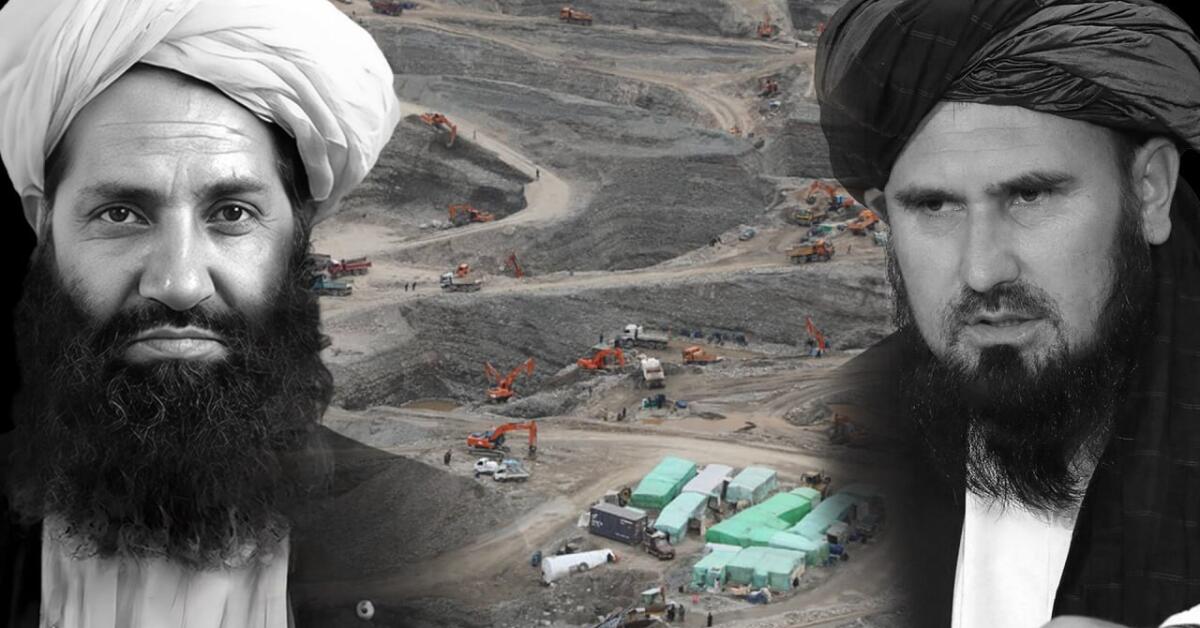
Shafiqullah Hafizi, one of the men of Qari Fasihuddin Fitrat, the Taliban army chief of staff, has been removed from the Taliban mining directorate in Badakhshan province and replaced by Abdul Matin Rahimzi, a trusted figure from the office of the Taliban leader. Abdul Matin Rahimzi was appointed to the post on the recommendation of the Taliban Ministry of Mines and Petroleum and with the approval of Mullah Hassan Akhund, the Taliban prime minister; a change whose meaning lies within the struggle over control of mining revenues, especially gold, in Badakhshan. This development comes at a time when, after the Taliban’s return to power, all civilian and military institutions in Badakhshan were in the hands of Qari Fasihuddin Fitrat’s forces, but over time the senior military commanders attached to him were dismissed from their posts one by one and transferred to other provinces. This process not only altered the balance of power, it also gradually moved control of gold-mining revenues out of the hands of local Taliban networks.
شفیقالله حفیظی، یکی از افراد قاری فصیحالدین فطرت، رییس ستاد ارتش طالبان، از ادارهی ریاست معادن طالبان در ولایت بدخشان برکنار شده و به جایش عبدالمتین رحیمزی، فرد معتمد دفتر رهبر طالبان، منصوب شده است. عبدالمتین رحیمزی براساس پیشنهاد وزارت معادن و پترولیم طالبان و تأیید ملا حسن آخوند، نخستوزیر طالبان، به این مسند منصوب شده است؛ تغییری که در بطن رقابت بر سر کنترل عواید معادن، بهویژه طلا، در بدخشان معنا پیدا میکند. این تحول در حالی رخ میدهد که پس از رویکارآمدن مجدد طالبان، تمامی ادارههای ملکی و نظامی در بدخشان در اختیار نیروهای قاری فصیحالدین فطرت قرار داشت، اما با گذشت زمان، فرماندهان ارشد نظامی وابسته به او یکی یکی از سمتهایشان برکنار و به ولایتهای دیگر منتقل شدند. این روند نهتنها توازن قدرت را تغییر داد، بلکه مسیر کنترل عواید معادن طلا را نیز به تدریج از دست شبکههای محلی طالبان خارج کرد.
The Dispatch of Forces; the Beginning of a Shift in Control of Goldاعزام نیرو؛ آغاز تغییر در کنترل طلا
Before the removal of the Taliban mining chief in Badakhshan, Ismail Ghaznavi, the Taliban governor in the province, had announced that a thousand-member unit had been approved by Mullah Hibatullah Akhundzada, the Taliban leader, to guard and secure the mines. He stressed that with the deployment of this military unit, the ground would be prepared for increased investment in the mining sector.
پیش از برکناری رییس معادن طالبان در بدخشان، اسماعیل غزنوی، والی طالبان در این ولایت، اعلام کرده بود که یک قطعه هزار نفری برای محافظت و تأمین امنیت معادن از سوی ملا هبتالله آخوندزاده، رهبر طالبان، منظور شده است. او تأکید کرده بود که با اعزام این قطعهی نظامی، زمینه برای افزایش سرمایهگذاری در بخش معادن فراهم خواهد شد.
But some observers of Afghanistan’s situation believe that, in practice, this step meant the creation of a new mechanism for the direct control of mines and gold revenues by the Taliban’s powerful Kandahari leaders.
اما برخی ناظران بر اوضاع افغانستان معتقد اند که این اقدام در عمل به معنای ایجاد سازوکار جدید برای کنترل مستقیم معادن و عواید طلا توسط رهبران قدرتمند طالبان قندهاری بود.
Previously, security for Badakhshan’s mines had largely been in the hands of Tajik Taliban affiliated with Qari Fasihuddin Fitrat and commanders close to him; forces that not only managed the security of the mines, but also exercised considerable influence over how their revenues were collected and distributed. But with the deployment of the new protection unit and the increased presence of Taliban forces and commanders in Badakhshan, this balance was disturbed. This development, simultaneous with the appointment of Pashtun Taliban to key posts, gradually shifted the balance of power in control over mining revenues, especially gold, in favor of Pashtun commanders.
پیش از این، تأمین امنیت معادن بدخشان عمدتا در اختیار طالبان تاجیکتبار وابسته به قاری فصیحالدین فطرت و فرماندهان نزدیک به او بود؛ نیروهایی که نهتنها امنیت معادن را مدیریت میکردند، بلکه بر چگونگی جمعآوری و توزیع عواید آن نیز نفوذ قابل توجهی داشتند. اما با اعزام قطعهی محافظتی تازه و افزایش حضور نیروها و فرماندهان طالبان در بدخشان، این موازنه دستخوش تغییر شد. این تحول، همزمان با گماشتن طالبان پشتونتبار در سمتهای کلیدی، به تدریج موازنهی قدرت در کنترل عواید معادن -بهویژه طلا- را به نفع فرماندهان پشتونتبار تغییر داد.
The Power of Gold and the Gold of Powerقدرت طلا و طلای قدرت
Badakhshan’s gold mines are worked through gold washing, mostly by Chinese operators; a method that, compared with many other mines in Afghanistan, does not require advanced machinery or a high degree of expertise. This feature, together with a favorable market for buying gold, has turned these mines into a quick and accessible source of income for the Taliban, and as a result has intensified the competition to control them.
معادن طلای بدخشان بهصورت زرشویی و بیشتر توسط چینیها استخراج میشود؛ روشی که در مقایسه با بسیاری از معادن دیگر افغانستان، به ماشینآلات پیشرفته و تخصص بالا نیاز ندارد. همین ویژگی، در کنار بازار مناسب خرید طلا، باعث شده است که این معادن به منبع درآمدی سریع و قابل دسترس برای طالبان تبدیل شود و در نتیجه، رقابت برای کنترل آن شدت بگیرد.
In the first months of the Taliban’s renewed rule, Tajik Taliban and figures close to Qari Fasihuddin Fitrat collected substantial revenues through alluvial gold extraction. This situation enabled some of these commanders to acquire immense wealth, but it also aroused the sensitivity of the Taliban’s center of power in Kandahar and paved the way for a change in how these revenues were distributed and controlled.
در ماههای نخست حاکمیت دوبارهی طالبان، طالبان تاجیکتبار و افراد نزدیک به قاری فصیحالدین فطرت از طریق استخراج زرشویی طلا، عواید قابل توجهی جمعآوری میکردند. این وضعیت باعث شد که برخی از این فرماندهان به ثروتهای هنگفت دست یابند، اما این موارد حساسیت مرکز قدرت طالبان در قندهار را برانگیخت و زمینهساز تغییر در نحوه توزیع و کنترل این عواید شد.
The Strategy of Relocation; Redistributing Power and Revenueاستراتژی جابهجایی؛ بازتوزیع قدرت و عواید
By using a strategy of weakening military commanders through geographic relocation, the Taliban are trying to reduce the influence of local commanders in their home areas and prevent the formation of independent centers of power; a strategy that, in Badakhshan, has been implemented in direct connection with the control of gold-mining revenues.
طالبان با استفاده از استراتژی تضعیف فرماندهان نظامی از طریق جابهجایی جغرافیایی، تلاش میکنند نفوذ فرماندهان محلی را در مناطق اصلیشان کاهش دهند و از شکلگیری مراکز قدرت مستقل جلوگیری کنند؛ استراتژیی که در بدخشان، در پیوند مستقیم به کنترل عواید معادن طلا عملی شد.
In the first step, the Taliban leader, mindful that Tajik commanders in Badakhshan possessed forces and military equipment, summoned them to Kabul by granting them high posts within the government structure and then appointed them to various positions in the capital; a process that, at the same time, distanced them from the principal source of their economic power: the gold mines.
در گام نخست، رهبر طالبان با توجه به اینکه فرماندهان تاجیکتبار در بدخشان دارای نیرو و تجهیزات نظامی بودند، با اعطای مسندهای بلند در ساختار حکومت، آنان را به کابل فراخواند و سپس در سمتهای مختلف در پایتخت گماشت؛ روندی که بهطور همزمان، آنان را از منبع اصلی قدرت اقتصادیشان یعنی معادن طلا دور کرد.
In the first months of the Taliban’s renewed rule, Qari Fasihuddin Fitrat was appointed chief of staff of the Taliban army, and Mawlawi Amanuddin Mansour, one of those close to him, became commander of the air force. At the same time, some Badakhshani Tajik commanders and fighters were transferred to Kabul and absorbed into the Ministry of Defense structure; a change that in practice reduced their influence over Badakhshan’s revenue sources, especially gold.
در ماههای نخست حاکمیت مجدد طالبان، قاری فصیحالدین فطرت بهعنوان رییس ستاد ارتش طالبان منصوب شد و مولوی امانالدین منصور، از افراد نزدیک به او، به فرماندهی نیروی هوایی رسید. همزمان، بخشی از فرماندهان و نیروهای تاجیکتبار بدخشانی به کابل منتقل و در ساختار وزارت دفاع جذب شدند؛ تغییری که در عمل به کاهش نفوذ آنان بر منابع عایداتی بدخشان، بهویژه طلا، انجامید.
From Amanuddin to Juma Khan; Expelled from the Minesاز امانالدین تا جمعهخان؛ حذف از معادن
Mawlawi Amanuddin Mansour was appointed commander of the air force in the first months of the Taliban’s renewed rule and remained in the post for about a year. During this period, a number of Badakhshani Taliban were transferred to the Ministry of Defense, especially the air force. But with his appointment as governor of Badakhshan, many Tajik Taliban were pushed out of the air force structure; a change that coincided with the rearrangement of control over the mines and gold revenues. After being removed from Badakhshan, Mansour was appointed commander of the 217 Omari Corps in Kunduz and later governor of Helmand.
مولوی امانالدین منصور در ماههای نخست حاکمیت مجدد طالبان بهعنوان فرمانده نیروی هوایی منصوب شد و حدود یک سال در این سمت باقی ماند. در این دوره، شماری از طالبان بدخشانی به وزارت دفاع، بهویژه نیروی هوایی، منتقل شدند. اما با انتصاب او بهعنوان والی بدخشان، بسیاری از طالبان تاجیکتبار از ساختار نیروی هوایی کنار گذاشته شدند؛ تغییری که با بازآرایی کنترل بر معادن و عواید طلا همزمان شد. منصور پس از برکناری از بدخشان، به فرماندهی قول اردوی ۲۱۷ عمری در قندوز و سپس بهعنوان والی هلمند گماشته شد.
Juma Khan Fateh, another Tajik Taliban commander, who had served as head of Badakhshan’s five Darwaz districts, was also removed from his post last month and appointed deputy Taliban governor in Zabul.
جمعهخان فاتح، دیگر فرمانده تاجیکتبار طالبان، که بهعنوان آمر ولسوالیهای پنجگانه «درواز» بدخشان فعالیت میکرد، نیز ماه گذشته از سمتش برکنار و بهعنوان معاون والی طالبان در زابل منصوب شد.
He was known as the last prominent Tajik Taliban military commander in Badakhshan, and now, with his removal, almost all key military and administrative posts in the province have passed into the hands of Taliban from the Kandahar sphere. Before his removal, Juma Khan Fateh had launched a campaign of forced religious conversion against followers of the Ismaili faith in Badakhshan, and even used Taliban army helicopters on some of his trips; nevertheless, his role in collecting revenues from gold and precious stones is also cited as one of the important factors behind the Kandahari Taliban’s sensitivity toward his position.
او بهعنوان آخرین فرمانده نظامی برجستهی طالبان تاجیکتبار در بدخشان شناخته میشد و اکنون با برکناری او، تقریبا تمامی مسندهای کلیدی نظامی و اداری در این ولایت در اختیار طالبان حوزه قندهار قرار گرفته است. جمعهخان فاتح پیش از برکناری، کارزار تغییر مذهب اجباری برای پیروان مذهب اسماعیلیه در بدخشان راهاندازی کرده بود و حتا در برخی سفرهایش از چرخبالهای ارتش طالبان استفاده میکرد؛ بااینحال، نقش او در گردآوری عواید طلا و سنگهای قیمتی نیز از عوامل مهم در حساسیت طالبان قندهار نسبت به موقعیتش عنوان میشود.
Badakhshan; a Crossroads of Borders and a Source of Goldبدخشان؛ تقاطع مرزها و منبع طلا
Although Qari Fasihuddin Fitrat continues to serve as chief of staff of the Taliban army, many believe that his place within the Taliban power structure has in practice been reduced to a “symbolic” level. This comes as senior commanders affiliated with him have also gradually been pushed out of the structure of power and their military influence has diminished; a process that has advanced in tandem with their loss of control over revenue sources, especially gold.
در حالی که قاری فصیحالدین فطرت همچنان بهعنوان رییس ستاد ارتش طالبان فعالیت میکند، بهباور بسیاری، جایگاه او در ساختار قدرت طالبان عملا به سطحی «نمادین» تقلیل یافته است. این در شرایطی است که فرماندهان ارشد وابسته به او نیز به تدریج از ساختار قدرت کنار زده شدهاند و نفوذ نظامیشان کاهش یافته؛ روندی که همزمان با ازدسترفتن کنترل آنان بر منابع عایداتی، بهویژه طلا، پیش رفته است.
Badakhshan is of particular strategic importance to the Taliban: the province shares borders with Pakistan, China, and Tajikistan, and control of it matters to the Taliban, especially the Taliban leader in Kandahar, in both security and economic terms. In this context, the gold mines are considered one of the province’s most important sources of income, and controlling them means giving the Taliban access to one of the quickest sources of liquidity under conditions of sanctions and financial restrictions.
بدخشان از نظر استراتژیک برای طالبان اهمیت ویژهای دارد؛ این ولایت با پاکستان، چین و تاجیکستان مرز مشترک دارد و کنترل آن برای طالبان، بهویژه رهبر طالبان در قندهار، اهمیت امنیتی و اقتصادی دارد. در این میان، معادن طلا یکی از مهمترین منابع درآمدی این ولایت به شمار میرود و کنترل آن به معنای دسترسی طالبان به یکی از منابع نقدشوندهی سریع در شرایط تحریم و محدودیتهای مالی است.
According to accounts from Badakhshan residents, some Taliban from the Kandahar sphere and their supporters have shares in gold-extraction contracts and receive a portion of the revenues from these mines. Yet, according to local residents, the Taliban have taken no significant action to implement development or infrastructure projects in the areas around the mines, and gold revenues are mostly distributed within limited networks.
براساس روایت باشندگان بدخشان، برخی از طالبان حوزه قندهار و هوادارانشان در قراردادهای استخراج طلا سهیم هستند و بخشی از عواید این معادن را بهدست میآورند. بااینحال، بهگفتهی باشندگان محل، در زمینه اجرای پروژههای توسعهای و زیربنایی در مناطق اطراف معادن، اقدام قابل توجهی از سوی طالبان صورت نگرفته است و عواید طلا بیشتر در شبکههای محدود توزیع میشود.
Mawlawi Abdul Qadir Saad, one of the Tajik Taliban commanders in Balkh province, recently criticized prejudice and the gradual elimination of non-Pashtun Taliban in the northern provinces in one of his speeches, saying that for the sake of the “Islamic Emirate of the Taliban” they had killed their own people and even members of their families: “The bigots are those who turned the Islamic system into a system of nepotism. The bigots are those who turned the Islamic system into a tribal and ethnic system. The bigots are those who introduced shepherds, peasants, and the illiterate as Haji Mawlawi and Shaykh al-Hadith.” Even so, what is taking place in Badakhshan is more than an administrative reshuffle: it is a sign of the direction of power shifting toward more centralized control over the province’s economic resources. The appointment of a figure close to the center of power at the head of the mines, simultaneous with the gradual sidelining of Tajik commanders and the plan to deploy new forces, expresses an effort to redefine the field of influence around one of the Taliban’s most important sources of revenue; an effort showing that the competition over gold is quietly shaping a new arrangement of power in Badakhshan.
مولوی عبدالقدیر سعد، از فرماندهان تاجیکتبار طالبان در ولایت بلخ، بهتازگی در یکی از سخنرانیهای خود از تعصب و حذف تدریجی طالبان غیرپشتون در ولایتهای شمالی انتقاد کرده و گفته است که بهخاطر «امارت اسلامی طالبان» اقوام خود و حتا اعضای خانوادهیشان را کشتهاند: «متعصب کسانی هستند که از نظام اسلامی نظام خویشخوری جور کردند. متعصب کسانی هستند که نظام اسلامی را به نظام قبیلهای و قومی بدل کردند. متعصب کسانی هستند که چوپان و دهقانها و بیسوادها را به نام حاجی مولوی و شیخالحدیث معرفی کردند.» با این وجود، آنچه در بدخشان جریان دارد بیش از یک جابهجایی اداری است- نشانهای از تغییر جهت قدرت بهسوی کنترل متمرکزتر بر منابع اقتصادی این ولایت. انتصاب چهرهای نزدیک به مرکز قدرت در رأس معادن، همزمان با کنار رفتن تدریجی فرماندهان تاجیکتبار و برنامه اعزام نیروی تازه، بیانگر تلاشی است برای بازتعریف میدان نفوذ در یکی از مهمترین منابع عایداتی طالبان؛ تلاشی که نشان میدهد رقابت بر سر طلا، بهگونهای خاموش در حال شکل دادن به آرایش جدید قدرت در بدخشان است.