The Octagon: Here Is the Citadel of the Mountain, as Egypt’s Seat of Power Returns 800 Years into the Past
The essay argues that relocating Egypt’s strategic command and state institutions to a fortified desert capital revives a medieval logic of rule by distance and fear, in defiance of constitutional modernity and popular participation.
الأوكتاجون: هنا قلعة الجبل عودة مقر حكم مصر إلى الخلف 800 عام
The Octagon: Here Is the Citadel of the Mountain, as Egypt’s Seat of Power Returns 800 Years into the Past
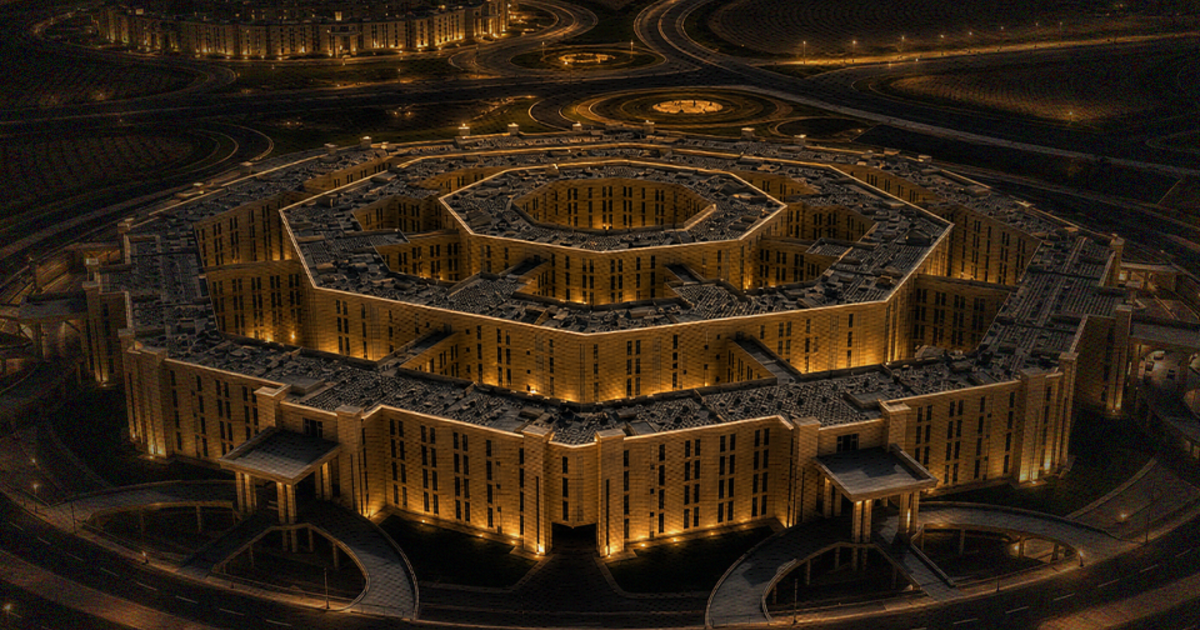
مشهد مهيب؛ الرئيس بين يديه كبارُ رجال السلطة يفتتح الأوكتاجون/مقر القيادة الاستراتيجية لمصر، في "العاصمة الإدارية الجديدة" التي شيدت في صحراء مصر الشرقية بعيدًا عن العمران، والاحتفالات تعم البلاد.
An imposing scene: the president, with the senior men of power before him, inaugurates the Octagon, Egypt’s Strategic Command headquarters, in the “New Administrative Capital” built in Egypt’s eastern desert, far from settled life, while celebrations sweep the country.
المشهد لا يتسم بالمهابة فقط، بل بالقِدَم كذلك، فاتخاذ مقرات حصينة وبعيدة للحكم عادةٌ ترجِعُ للعصور الوسطى؛ أن تحكم البلاد من داخل قلاعٍ تشيد فوق الجبال، تحصن فيها إدارات الحكم ويقيم فيها السلاطين وتنشأ بها الدواوين، ما يمنحها الحماية من أي غزو أو هجوم من الداخل أو الخارج.
The scene is not only imposing; it is ancient as well. Taking fortified and remote seats of government is a custom that goes back to the Middle Ages: ruling the country from inside castles built atop mountains, where the administrations of rule are secured, where sultans reside, and where bureaus are established, giving them protection from any invasion or attack from within or without.
قلاع الحكم فوق الجبال كانت استراتيجيةً عسكريةً حينها، سواء لإعاقة الخيول في الهجوم على القلاع، أو منع اقتحام أسوارها، كذلك لحمايتها من الانتفاضات الشعبية وقت الثورات.
Mountain citadels of rule were then a military strategy, whether to hinder horses in an assault on the citadels, to prevent their walls from being stormed, or to protect them from popular uprisings in times of revolution.
Egypt’s Citadels and Their Rulersقلاع مصر وحكامها
After government under the Fatimid state had been administered from the heart of Cairo, especially from the Gamaliya district, through two palaces of rule built by al-Muizz li-Din Allah al-Fatimi and his son al-Aziz, one the Great Eastern Palace and the other the Western Palace, linked by a street where celebrations and festivals were held and later called Bayn al-Qasrayn, the Ayyubid sultan al-Kamil ibn al-Adil completed, in 1207 CE, the construction of the Citadel of the Mountain atop the Muqattam hill, whose founding Saladin had begun before his death, so that it became the administrative seat of Egypt’s rule.
بعدما كان الحكم يُدار في عهد الدولة الفاطمية من قلب القاهرة، بالأخص من حي الجمالية، عبر قصرين للحكم بناهما المعز لدين الله الفاطمي وابنه العزيز، أحدها القصر الشرقي الكبير والآخر القصر الغربي، ويربط بينهما شارعٌ تقام فيه الاحتفالات والمهرجانات، سُمي فيما بعد بين القصرين، أكمل السلطان الأيوبي، الكامل بن العادل، سنة 1207م، بناء قلعة الجبل فوق جبل المقطم، التي بدأ صلاح الدين الأيوبي تدشينها قبل وفاته، لتصبح المقر الإداري لحكم مصر.
There the sultan resided and managed the affairs of the country through the various specialized bureaus, such as the bureau for minting coinage, the military command, the preservation of records of state property, and the treasury headquarters.
بها يقيم السلطان ويدير شؤون البلاد من خلال الدواوين المختلفة والمتخصصة مثل ديوان سك العملة، والقيادة العسكرية، وحفظ سجلات أملاك الدولة، ومقر بيت المال.
The citadel remained a safe refuge for Egypt’s rulers until the era of the Mamluk governor Uthman Bey al-Bardisi, who came to the fore after the French campaign departed in 1805 and went to excess in imposing taxes and levies on the people. The Egyptian people’s revolution then broke out against him, and people ascended the Citadel of the Mountain under the leadership of Sheikh Omar Makram, chanting, “What will become of you, Bardisi, from my bankruptcy?”, in protest against the heavy taxes and levies, and demanding the dismissal of Governor Uthman Bey al-Bardisi and the appointment of the Albanian commander of the Ottoman garrison, Muhammad Ali the Great, who ordered that the demonstrators not be harmed and that they be protected during the revolution.
ظلت القلعة ملاذًا أمنًا لحكام مصر حتى عصر الوالي المملوكي عثمان بك البرديسي، الذي تصدر المشهد بعد خروج الحملة الفرنسية 1805، وأفرط في فرض الضرائب والإتاوات على الناس، ومن ثم اندلعت ثورة الشعب المصري ضده وصعد الناس قلعة الجبل بقيادة الشيخ عمر مكرم مرددين هتافات "هاينوبك إيه يا برديسي من تفليسي"، احتجاجًا على الضرائب الباهظة والإتاوات، ومطالبةً بعزل الوالي عثمان بك البرديسي وتعيين قائد الحامية العثمانية الألباني محمد علي الكبير، الذي أمر بعدم التعرض للمتظاهرين وحمايتهم أثناء الثورة.
Muhammad Ali came to power in 1805, settled in the citadel, and finished building the “Muhammad Ali Mosque” in 1809. In that same year he exiled the leader Omar Makram, who had worked to install him as ruler of the country, and in 1811 he carried out the massacre of the Mamluks to rid himself of the influence of Ibrahim Bey and Murad Bey, the Mamluk leaders who rivaled him in ruling the country. After that he ruled Egypt alone until his death, and his children after him continued what came to be called the rule of the Alawiyya dynasty.
وصل محمد على إلى الحكم عام 1805، واستقر بالقلعة وانتهى من بناء "جامع محمد علي" عام 1809، وفي العام نفسه نفى الزعيم عمر مكرم الذي عمل على توليته حكم البلاد، ونفذ مذبحة المماليك عام 1811 للتخلص من نفوذ إبراهيم بك ومراد بك قائدي المماليك المنافسين له في حكم البلاد، وبعدها انفرد بحكم مصر حتى وفاته وأكمل أولاده من بعده ما سُمي حكم الأسرة العلوية.
The World Changesالعالم يتغير
In the mid-eighteenth century, Egypt was not isolated from the astonishing and immense developments the world witnessed in that era under the influence of the Industrial Revolution in every social, economic, political, intellectual, cultural, and legal sphere, among them the spread of ideas of the rule of law, the constitution, and the administration of countries’ affairs through parliaments and representative councils.
منتصف القرن الثامن عشر، لم تكن مصر بمعزلٍ عن التطورات المذهلة والكبيرة التي شهدها العالم في تلك الحقبة بتأثير الثورة الصناعية في كافة المناحي الاجتماعية والاقتصادية والسياسية والفكرية والثقافية والقانونية، من بينها انتشار أفكار حكم القانون والدستور وإدارة شؤون البلاد عبر البرلمانات والمجالس النيابية.
Egypt was affected by those developments thanks to the scholarly and scientific missions sent at the time to the countries of Europe. They observed, monitored, transmitted, were influenced, and exerted influence, which was reflected in the system of government in the age of Khedive Ismail, who established the Consultative Council of Deputies in 1866, then set up the first Council of Ministers in 1878, and issued Egypt’s first constitution in 1879 under the leadership of Muhammad Sharif Pasha.
تأثرت مصر بتلك التطورات بفضل البعثات الدراسية والعلمية التي أُرسلت إلى دول أوروبا وقتها، فاطلعت وراقبت ونقلت وتأثرت وأثرت، وهو ما انعكس على نظام الحكم في عصر الخديو إسماعيل الذي أنشأ مجلس شورى النواب عام 1866، ثم أقام أول مجلس نظار (مجلس الوزراء حاليًا) عام 1878، وأصدر أول دستور لمصر عام 1879 بقيادة محمد شريف باشا.
Khedive Ismail descended from the citadel to Abdeen Palace to rule in the midst of the people and among them.
نزل الخديو إسماعيل من القلعة إلى قصر عابدين ليحكم وسط الناس وبينهم
Amid these political developments, with which the Egyptian national movement interacted, there had necessarily to be a development in the concept of where seats of government were established. It was no longer fitting to administer the affairs of states from castles built atop mountains, fortified by walls and far from peoples. In the age of constitutions, laws, and the participation of peoples in managing the affairs of their countries, such ideas had become a stigma, an indication of the ugliness of the Middle Ages and of what they represented: the monopolizing of rule by princes, Mamluks, and sultans.
في ظل هذه التطورات السياسية التي تفاعلت معها الحركة الوطنية المصرية، كان لا بد وأن تصبحها تطورٌ في مفهوم إقامة مقرات الحكم، إذ لم يعد ملائمًا إدارة شؤون الدول من قلاع تبنى فوق الجبال محصنةً بأسوار بعيدة عن الشعوب، ففي عصر الدساتير والقوانين ومشاركة الشعوب في إدارة شؤون البلاد، باتت مثل تلك الأفكار وصمًا دالًا على قبح العصور الوسطى وما تمثله من انفرادٍ بالحكم عبر الأمراء والمماليك والسلاطين.
Thus in 1874 the rule of the citadel, which had lasted 600 years, came to an end, and the seat of state administration moved to Abdeen Palace in the center of the Egyptian capital, Cairo. Khedive Ismail descended from the citadel to rule in the midst of the people and among them, a step considered one of the most important developments in Egypt’s political life at the time.
لذا في عام 1874 انتهى حكم القلعة الذي دام 600 سنة، وانتقل مقر إدارة الدولة إلى قصر عابدين، وسط العاصمة المصرية القاهرة. ونزل الخديو إسماعيل من القلعة ليحكم وسط الناس وبينهم، وهو ما اعتبر من أهم التطورات التي شهدتها الحياة السياسية في مصر آنذاك.
Despite the outbreak of the Urabi Revolt in 1882, and Ahmed Urabi’s confrontation, with the army, of Khedive Tawfiq before Abdeen Palace in a demonstration against the policies by which he had then drowned the country in debt, allowing British foreign intervention in the administration of the country’s affairs and leading to occupation, the seat of rule remained as it was, in the midst of the people and among them, at the heart of Khedival Cairo, for more than 150 years. Neither the khedive nor any member of the Alawiyya dynasty after him thought of returning to rule Egypt through the citadel.
ورغم اندلاع الثورة العُرابية عام 1882، ومواجهة أحمد عرابي ومعه الجيش للخديو توفيق أمام قصر عابدين في مظاهرة ضد سياساته التي أغرق بها البلاد في الديون وقتها، ما سمح بالتدخل الأجنبي البريطاني في إدارة شؤن البلاد وأفضى إلى الاحتلال، فإن مقر الحكم استمر كما هو وسط الناس وبينهم في قلب القاهرة الخديوية لما يزيد عن 150 عامًا، ولم يفكر الخديو أو أي من أفراد الأسرة العلوية من بعده في العودة لحكم مصر من خلال القلعة.
A Return to the Age of Sultansعودة لعصر السلاطين
It is difficult to understand or explain what happened on Sunday, July 5, with the inauguration of the Strategic Command headquarters far from people and habitation, apart from this historical context: the movement of power in the Middle Ages to fortified citadels, especially as it comes within the broader context that has seen the completion of the transfer of ministries, government bodies, and all Egyptian state institutions to the heart of a distant desert, in an area surrounded by high walls and far from the people.
يصعب فهم أو تفسير ما حدث يوم الأحد 5 يوليو/تموز من افتتاح مقرٍ القيادة الاستراتيجية بعيدًا عن الناس والعمران، بمعزل عن هذا السياق التاريخي؛ من انتقال السلطة في العصور الوسطى إلى القلاع الحصينة، بالأخص وأنها تأتي ضمن السياق العام الذي شهد انتهاء نقل الوزارات والهيئات الحكومية وكافة مؤسسات الدولة المصرية إلى قلب الصحراء البعيدة في منطقة محاطة الأسوار العالية وبعيدة عن الشعب.
The reasons for this move are clear, indeed declared. “Those little events of 2011, up to June 30,” as the president noted in his inauguration speech, point to the motives. He stated this directly when he said: “Why is the state’s Strategic Command located here? Because once upon a time the Constitutional Court was being besieged; once upon a time the Council of Ministers was being besieged; once upon a time they were threatening the Ministry of Defense; once upon a time they were besieging Media Production City.” Therefore the presence of the Strategic Command “in the heart of our capital, our new capital,” is not “a coincidence, but a living embodiment of the pillars of the new republic, for the state’s Strategic Command represents a qualitative leap in the command-and-control system and the management of operations.”
أسباب هذا الانتقال واضحة، بل ومعلنة، فـ"شوية الأحداث بتاعة 2011 ووصولًا إلى 30 يونيو" كما أشار الرئيس في كلمة الافتتاح، دالة على الدوافع، وهو ما صرح به بشكل مباشر بقوله "ليه القيادة الاستراتيجية للدولة موجودة هنا، لأن كان في يوم من الأيام بيتم محاصرة المحكمة الدستورية، وفي يوم من الأيام كان بيتم محاصرة مجلس الوزراء، وفي يوم من الأيام بيهددوا وزارة الدفاع، وفي يوم من الأيام كانوا بيحاصروا مدينة الإنتاج الإعلامي"، لذلك فإن وجود القيادة الاستراتيجية "في قلب عاصمتنا، عاصمتنا الجديدة"، ليس "مصادفةً، بل هو تجسيد حي لركائز الجمهورية الجديدة، فالقيادة الاستراتيجية للدولة تمثل نقلةً نوعية في منظومة القيادة والسيطرة، وإدارة العمليات".
If this represents a return to administering the rule of the state with the mentality of the Middle Ages, and a retreat 800 years into the past, to the eras of the first sultans, its danger is not summed up only in its reactionary nature, nor in its resemblance to colonial ideas, which in the modern age are practiced only by alien rulers who fear the peoples they govern by the force of de facto authority, compelling them to maintain a great distance between themselves and the peoples under their rule.
إن مثّل هذا عودةً إلى إدارة حكم الدولة بفكر العصور الوسطى، ورجوعًا 800 سنة إلى الماضي، حيث عصور السلاطين الأوئل، فإن خطورته لا تتلخص في رجعيته فقط، وكونه يشبه الأفكار الاستعمارية، التي لا يمارسها في العصر الحديث إلا الحكام الغرباء الذين يخشون الشعوب التي يحكمونها بقوة سلطة الأمر الواقع، التي تفرض عليهم الحفاظ على مسافة كبيرة بينهم وبين الشعوب المحكومة.
The real danger is that such ideas pave the way for the return of systems of rule by sultans, kings, or princes, and for regression to the ages before modernity, constitutions, local laws, international law, the right of people to determine their fate, and the right of peoples to participate in managing the affairs of their countries; those ages in which peoples are transformed into mere subjects and slaves, burdened with obligations and possessing no rights at all.
الخطورة الحقيقية في أن تلك الأفكار تمهد لعودة نظم حكم السلاطين أو الملوك أو الأمراء، والارتداد إلى عصور ما قبل الحداثة والدساتير والقوانين المحلية والقانون الدولي، وحق الناس في تقرير مصيرها، وحق الشعوب في المشاركة في إدارة شؤون بلادهم؛ تلك العصور التي تتحول فيها الشعوب إلى محض رعايا وعبيد مثقلين بالالتزامات، ودون أي حقوق.
But today that seems difficult, indeed impossible, whatever this government may do, for no reason other than that its brilliant ideas run in the opposite direction from history and the march of civilized nations. The seats from which peoples are governed now have their natural place in the city, amid neighborhoods and citizens; mountains, deserts, and fortified castles are no longer suitable places from which to administer the affairs of states.
لكن ذلك يبدو اليوم صعبًا بل ومستحيلًا مهما فعلت تلك الحكومة، لا لشيءٍ إلا لأن أفكارها العبقرية تسيرُ في اتجاهٍ معاكسٍ للتاريخ ومسيرة الأمم المتحضرة. فمقار حكم الشعوب الآن مكانها الطبيعي في المدنية وسط الأحياء والمواطنين، ولم تعد الجبال والصحارى والقلاع المحصنة أماكن صالحة لإدارة شؤون الدول.
Interview | Hossam Badrawi: I Will Not Elect the President “for a Fourth Term” ... Those Calling for a Constitutional Amendment Are “Grand Hypocrites”
حوار| حسام بدراوي: لن أنتخب الرئيس "لمدة رابعة".. والداعون لتعديل الدستور "منافقون أكابر"
Badrawi acknowledges his affection and esteem for President Abdel Fattah el-Sisi: “I gave him my vote twice, and I did not give him my vote the third time, and I certainly will not give him my vote the fourth time.”
يقر بدراوي بحبه وتقديره للرئيس عبد الفتاح السيسي "أعطيته صوتي مرتين، ولم أعطه صوتي في الثالثة، وبالتأكيد لن أعطيه صوتي في الرابعة".
10-21-202521-10-2025
Text of Sisi’s Speech During His Meeting with Armed Forces Leaders at the Strategic Command Headquarters, 11/21/2024
نص كلمة السيسي خلال اجتماعه مع قادة القوات المسلحة بمقر القيادة الاستراتيجية 21/11/2024
Look, listen: they are two days on the face of this world, and after that we will die, and then down below... May God accept me.
شوف اسمع، هم يومين على وش الدنيا، وبعد كدا هانموت، وتحت بقى.. يا رب يقبلني.
11-23-202423-11-2024
Text of Sisi’s Speech at the Opening of the Strategic Command Headquarters in the New Capital, 7/4/2026
نص كلمة السيسي خلال افتتاح مقر القيادة الاستراتيجية بالعاصمة الجديدة 4/7/2026
The choice of the new capital as the site of this edifice was not a coincidence, but a living embodiment of the pillars of the new republic, for the state’s Strategic Command represents a qualitative leap in the command-and-control system.
لم يكن اختيار العاصمة الجديدة مقرًا لهذا الصرح مصادفة، بل هو تجسيد حي لركائز الجمهورية الجديدة، فالقيادة الاستراتيجية للدولة تمثل نقلة نوعية في منظومة القيادة والسيطرة.
7-6-20266-7-2026
The Civil Democratic Movement: A Semi-Opposition in a Semi-Stateالحركة المدنية الديمقراطية.. شبه معارضة في شبه دولة
The crisis is not the crisis of the Civil Movement, but the crisis of the opposition in general, since it cannot perform its role and contents itself with the role of a “semi-opposition” in the semi-state with which President Sisi described the conditions of the country he rules.
الأزمة ليس أزمة الحركة المدنية إنما أزمة المعارضة بشكل عام، حيث لا تستطيع ممارسة دورها وتكتفي بدور "شبه المعارضة" في شبه الدولة الذي وصّف به الرئيس السيسي أوضاع البلد الذي يحكمه.
6-11-2026 Parliamentary Elections: Engineering Spoiled by Confusion11-6-2026 انتخابات النواب.. هندسة أتلفها الارتباك
The murkiness of the scene, and the eagerness of its parties to keep its details away from the eyes of the media, confirm that the disagreement does not exceed the limits of form.
تؤكد ضبابية المشهد وحرص أطرافه على إبقاء تفاصيله بعيدًا عن أعين الإعلام أن الخلاف لا يتعدى حدود الشكل.
12-2-2025 The 2025 Elections: What Comes After the President’s Earthquake?
2-12-2025 انتخابات 2025.. ماذا بعد زلزال الرئيس؟
Presidential intervention may give the elections the kiss of life, and we may witness some formal improvement in the second phase. But this does not mean progress toward fully free and fair elections.
التدخل الرئاسي قد يمنح الانتخابات قبلة الحياة، وقد نشهد بعض التحسن الشكلي في المرحلة الثانية. لكن هذا لا يعني التقدم نحو انتخابات حرة ونزيهة بالشكل الكامل.