SpaceX IPO: an astronomical bet on Musk’s space vision
Space infrastructure is moving from public mission to privately priced chokepoint.
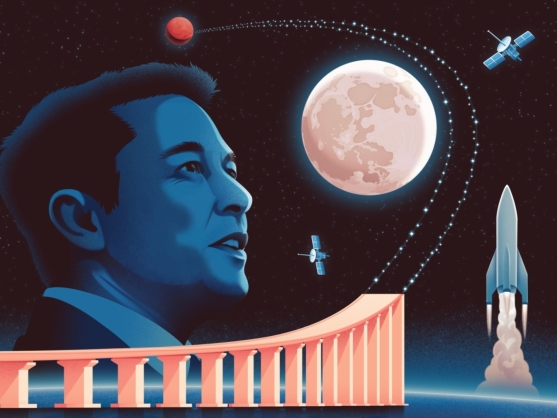
SpaceX is getting ready for a stock market debut that could be the biggest IPO in history. Yet investors will not be investing only in rockets and launches. What Elon Musk is offering is closer to a sweeping wager on the future of space itself: reusable rockets, satellite internet, artificial intelligence, orbital data centres, and long-term promises of a sustained return to the Moon and a route towards Mars.
According to reports, the company plans to offer roughly 555.6 million shares at $135 each, in a deal that could raise as much as $75bn and give SpaceX a valuation approaching $1.75tn. If the deal proceeds on these terms, the offering would be more than a landmark technology listing. It would mark a defining moment in the evolution of the space industry, accelerating its shift from a sector reliant on government funding and defence contracts into the heart of public markets. There, investors would become direct participants in financing the infrastructure of a new space age.
Yet the expected offering does not appear to be following the conventional script. Companies preparing to go public typically announce an initial price range, allowing them to gauge investor demand during the roadshow before setting a final price based on the weight of that demand.
SpaceX, by contrast, appears to be moving towards a fixed price before meeting investors, an unusual step that reflects Musk’s familiar style. He does not wait for the market to shape the narrative. He prefers to shape the narrative himself.
Astronomical growth
In less than two decades, SpaceX has evolved from a private venture in one of the world’s most complex industries into a pillar of the American space programme. The company emerged amid serious engineering and financial doubts before transforming the sector through reusable rockets. At first, the idea seemed little more than a gamble: a rocket would carry its payload into orbit, then return its first stage to Earth for landing and reuse. What initially appeared to be a technical spectacle became an economic model that rewrote the rules of the launch market.
With that transformation, SpaceX no longer sells a ‘rocket’ in the traditional sense. It sells access to orbit. Falcon 9, with its high launch cadence and reusable design, has made reaching orbit a more routine and less scarce service than it was in an era dominated by governments and major defence contractors. With each successful flight, the company has come to resemble a space transport operator rather than a traditional rocket contractor.