وقف إطلاق النار بين «حماس» وإسرائيل: من تدمير غزة إلى إعادة تشكيل الشرق الأوسط
The ceasefire may appear to mark diplomatic progress, but it chiefly reveals a Middle East still caught in complex conflicts, a transformed resistance axis, and accelerating geopolitical shifts.
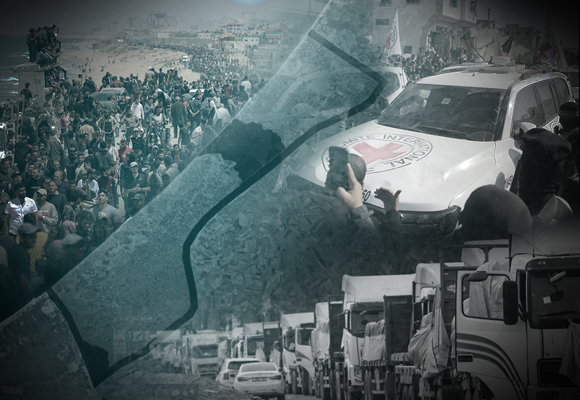
يُشكّل اتفاق وقف إطلاق النار بين حركة المقاومة الإسلامية "حماس" وإسرائيل [الذي دخل حيّز التنفيذ في 19 كانون الثاني/ يناير 2025]، بما يتضمّنه من بنود مثل انسحاب إسرائيل التدريجي من غزة والإفراج عن الأسرى الفلسطينيين وإعادة فتح معبر رفح، لحظةً محورية في أحد أكثر النزاعات تعقيدًا في العالم. وتشير بنود الاتفاق المعلنة، ولا سيّما الآليات المرتبطة بإشراف إسرائيل على معبرَي رفح ونتساريم، إلى تراجع إسرائيل تدريجيًا أمام الضغوط الإقليمية والدولية المتزايدة. وعلى الرغم من أنّ الاتفاق قد يعكس، في الوهلة الأولى، تقدمًا دبلوماسيًا، فإنّ واقع الشرق الأوسط الناجم عن إبرام الصفقة يبيّن أنّ المنطقة لا تزال عالقة في نزاعاتٍ معقّدة، وتحوّلات جيوسياسية متسارعة.
The ceasefire agreement between the Islamic Resistance Movement, Hamas, and Israel, which entered into force on January 19, 2025, with provisions including Israel’s gradual withdrawal from Gaza, the release of Palestinian prisoners, and the reopening of the Rafah crossing, constitutes a pivotal moment in one of the world’s most complex conflicts. The announced terms of the agreement, especially the mechanisms connected to Israel’s supervision of the Rafah and Netzarim crossings, point to Israel’s gradual retreat in the face of mounting regional and international pressures. Although the agreement may, at first glance, reflect diplomatic progress, the Middle Eastern reality produced by the deal’s conclusion shows that the region remains caught in intricate conflicts and rapidly unfolding geopolitical transformations.
وعلى خلاف الروايات السائدة، فإن أحد الجوانب البارزة في مشهد الشرق الأوسط الحالي يكمن في أنّ تغيّرًا كبيرًا طرأ على محور المقاومة، ليصبح مختلفًا كليًّا عمّا كان عليه قبل عملية طوفان الأقصى في 7 تشرين الأول/ أكتوبر 2023؛ إذ شكّل انهيار نظام بشار الأسد في سورية، الذي كان سابقًا بمنزلة حجر الزاوية في هذا المحور، تحديًا كبيرًا لمكانة في المستوى الإقليمي.
Contrary to prevailing narratives, one of the salient features of the current Middle Eastern scene lies in the fact that a major change has overtaken the axis of resistance, making it wholly different from what it was before the Al-Aqsa Flood operation of October 7, 2023. The collapse of Bashar al-Assad’s regime in Syria, which had previously served as a cornerstone of this axis, posed a major challenge to its standing at the regional level.
In the same context, Hamas, which was also a vital apparatus within the axis of resistance, faces a critical situation. It surprised Israel with the Al-Aqsa Flood operation, yet this led to the destruction of Gaza City’s infrastructure and the worsening of the humanitarian crisis. Despite achieving a symbolic victory in the early stages, its military and political capacities have markedly declined under the weight of the intense pressures exerted on it by Israel and the international community.
في السياق نفسه، تواجه حركة حماس، التي كانت أيضًا جهازًا حيويًا في محور المقاومة، وضعًا حرجًا؛ فهي فاجأت إسرائيل بعملية طوفان الأقصى، إلّا أنّ هذا الأمر أدّى إلى تدمير البُنى التحتية لمدينة غزة، وتفاقم الأزمة الإنسانية. وعلى الرغم من تحقيقها نصرًا رمزيًا في المراحل الأولى، فإنّ قدراتها العسكرية والسياسية تراجعت، على نحو ملحوظٍ، تحت وطأة الضغوط المكثفة التي مارستها عليها إسرائيل والمجتمع الدولي.
In a similar fashion, Hezbollah’s condition has changed. Despite the military and political influence it enjoyed before Al-Aqsa Flood, it is now besieged, unable to achieve the objectives of the axis of resistance, while Lebanon’s prevailing political structures have begun to operate independently and beyond its influence. Although it still maintains a strong presence in the Lebanese parliament and government, the broader political environment in Lebanon has become more fragmented, and this presents a challenge for it. The continuing economic crisis, along with widespread political disillusionment, has given rise to calls for reform, in a way that has left its ability to act freely limited in scope.
وعلى نحوٍ مماثلٍ، تبدلت حال حزب الله؛ إذ على الرغم من النفوذَين العسكري والسياسي اللذين كان يحظى بهما قبل طوفان الأقصى، فإنه في الوقت الراهن صار محاصرًا، وغير قادر على تحقيق أهداف محور المقاومة، وباتت الهياكل السياسية السائدة في لبنان تعمل باستقلالية، وبعيدًا عن تأثيره. ومع أنّه لا يزال يحتفظ بحضورٍ قويّ في البرلمان والحكومة اللبنانيَّين، فإنّ البيئة السياسية الأوسع في لبنان أصبحت أكثر تفكّكًا، وهذا يشكّل تحديًا بالنسبة إليه. وقد أدّت الأزمة الاقتصادية المستمرة، فضلًا عن خيبة أملٍ واسعة في المستوى السياسي، إلى ظهور دعوات للإصلاح، على نحو يجعل قدرته على العمل بحرية محدودة النطاق.
Before October 7, Israel sought to normalize relations with Arab states such as Saudi Arabia, but normalization now faces major obstacles, as Arab governments have adjusted their discourse on the Palestinian question under pressure from domestic public opinion. Yet this shift appears to be tactical rather than strategic: many states continue to develop their relations with Israel covertly, and the ceasefire agreement may provide an opportunity to resume the normalization process.
سعت إسرائيل إلى تطبيع العلاقات مع دولٍ عربية، مثل المملكة العربية السعودية، قبل 7 تشرين الأول/ أكتوبر، غير أنّ التطبيع يواجه حاليًّا عقباتٍ كبيرة؛ إذ عدّلت الحكومات العربية خطابها المتعلّق بالقضية الفلسطينية، تحت ضغط الرأي العام المحلي. لكن يبدو أنّ هذا التحوّل تكتيكي أكثر من كونه استراتيجيًا؛ إذ تواصل دول كثيرة تطوير علاقاتها بإسرائيل بطريقة سرّية، وقد يوفر اتفاق وقف إطلاق النار فرصةً لاستئناف عملية التطبيع.
There is no doubt that the ceasefire has given Israel a temporary sense of stability, but the domestic and international costs of this war have been steep. Prime Minister Benjamin Netanyahu’s government faces unprecedented criticism at home, and Israel’s global standing has been badly damaged by the intensity of its attacks on Gaza.
لا شكّ في أنّ وقف إطلاق النار منح إسرائيل شعورًا مؤقتًا بالاستقرار، إلّا أنّ التكاليف المحلية والدولية لهذه الحرب كانت باهظة، فحكومة رئيس الوزراء بنيامين نتنياهو تواجه انتقادات داخلية غير مسبوقة، وقد تضررت مكانة إسرائيل العالمية كثيرًا بسبب شدّة هجماتها على غزة.