The war opened not a settled regional order but a transitional phase in which deterrence erodes, military superiority fails to yield stability, Iranian networks adapt, and intermediary Arab states shoulder mounting costs.
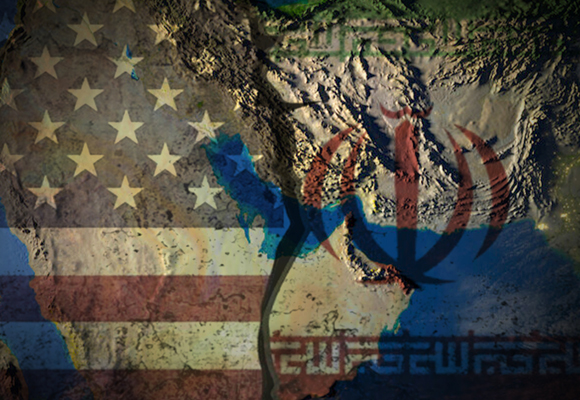
Introductionمقدمة
دخل الشرق الأوسط الحرب الأميركية – الإسرائيلية على إيران، في 28 فبراير/ شباط 2026، وهو محكوم بنموذج ردع غير مباشر تشكَّل عبر عقود من الضربات المحدودة، والحروب بالوكالة، والتوازنات الرمادية التي تسمح للأطراف بفرض التكلفة من دون الانزلاق السريع إلى حرب مفتوحة. وقد وفّر هذا النموذج، رغم هشاشته، حدًا أدنى من القدرة على ضبط التصعيد؛ لأن كل طرف كان يدرك أن تجاوز حدود معيّنة سيستدعي ردًا عالي التكلفة. غير أن هذه الحرب كشفت أن هذا النموذج دخل مرحلة استنزاف بنيوي، وأن القواعد التي نظّمت الصراع في العقدين الماضيين فقدت كثيرًا من فاعليتها؛ فقد انتقل النقاش الأميركي نفسه سريعًا من سؤال العمليات العسكرية إلى سؤال أعمق مفاده: هل أعادت الحرب تشكيل مستقبل الإقليم؟ ويتفرع منه السؤال التالي: كيف يمكن إدارة اليوم التالي لها؟
The Middle East entered the American-Israeli war against Iran on February 28, 2026, governed by a model of indirect deterrence formed over decades of limited strikes, proxy wars, and gray equilibria that allowed the parties to impose costs without sliding rapidly into open war. Despite its fragility, this model provided a minimum capacity to control escalation, because each side understood that crossing certain limits would invite a high-cost response. Yet this war revealed that the model had entered a phase of structural exhaustion, and that the rules that had organized the conflict over the past two decades had lost much of their effectiveness. The American debate itself quickly moved from the question of military operations to a deeper one: has the war reshaped the future of the region? From this follows another question: how can its day after be managed?
تكمن أهمية هذه الحرب في أنها لم تُعد توزيع القوة بين واشنطن وطهران فحسب، وإنما أعادت أيضًا توزيع الأدوار بين الدولة، والوكيل، والحليف، والدولة الوسيطة. فالولايات المتحدة الأميركية احتفظت بتفوقها العسكري، لكنها واجهت حدود قدرتها على تحويل هذا التفوق إلى استقرار سياسي. في حين تلقّت إيران ضربات قاسية في بنيتها القيادية والعسكرية، لكنّها واصلت رفع تكلفة الحرب على خصومها عبر الطاقة، والممرات البحرية، والشبكات الإقليمية. أما الفاعلون المسلحون المتصلون بإيران، فقد دخلوا مرحلة إعادة تموضع أكثر مرونة وأقل مركزية. وفي الوقت نفسه، وجدت الدول العربية الوسيطة نفسها داخل قلب الارتدادات الأمنية والاقتصادية والسياسية للصراع، رغم أنها ليست طرفًا رئيسًا فيه. وتشير تحليلات أميركية حديثة إلى أن الإقليم خرج من الحرب أكثر سيولة، وأكثر عرضة لإعادة تشكيل طويلة الأمد في ترتيبات الأمن والاقتصاد والاصطفاف السياسي.
The importance of this war lies in the fact that it did not merely redistribute power between Washington and Tehran, but also redistributed roles among the state, the proxy, the ally, and the intermediary state. The United States retained its military superiority, but confronted the limits of its ability to convert that superiority into political stability. Iran, meanwhile, suffered severe blows to its leadership and military structures, yet continued to raise the cost of war for its adversaries through energy, maritime passages, and regional networks. Armed actors linked to Iran entered a phase of more flexible and less centralized repositioning. At the same time, intermediary Arab states found themselves at the heart of the conflict’s security, economic, and political reverberations, even though they were not principal parties to it. Recent American analyses suggest that the region emerged from the war more fluid, and more exposed to a long-term reshaping of security arrangements, economic structures, and political alignments.
تنطلق هذه الورقة من فرضية مفادها أن هذه الحرب لم تؤدِّ إلى حسم إقليمي نهائي لصالح الولايات المتحدة، ولم تُفضِ إلى انهيار كامل لشبكات النفوذ الإيرانية في الوقت نفسه؛ ذلك أن ما حدث كان أقرب إلى فتح مرحلة انتقالية يتراجع فيها الردع التقليدي لمصلحة أنماط أكثر مرونة من إعادة التموضع، وتتسع فيها الفجوة بين النجاح العسكري الأميركي والقدرة على إنتاج نظام إقليمي مستقر، في حين تتحمل الدول العربية الوسيطة جزءًا متزايدًا من تكلفة هذا التحول. ومن ثم، لا يقع التحول الأهم في الحرب في نتائج المعارك فحسب، وإنما في بنية الإقليم نفسها: في كيفية تعريف القوة، ومنطق عمل الوكلاء، وموقع الدول العربية التي تحاول حماية استقرارها تحت ضغط صراع يفوق قدرتها على التحكم في مساراته.
This paper proceeds from the hypothesis that the war did not produce a final regional decision in favor of the United States, nor did it lead to the complete collapse of Iranian networks of influence. What occurred was closer to the opening of a transitional phase in which traditional deterrence recedes in favor of more flexible patterns of repositioning, the gap widens between American military success and the ability to produce a stable regional order, and intermediary Arab states bear a growing share of the cost of this transformation. The most important change in the war, then, lies not only in the outcomes of battles, but in the structure of the region itself: in how power is defined, in the operating logic of proxies, and in the position of Arab states trying to protect their stability under the pressure of a conflict whose trajectories exceed their capacity to control.
أولًا: حدود القوة الأميركية بين التفوق العسكري والعجز عن إنتاج الاستقرار
First: The Limits of American Power Between Military Superiority and the Inability to Produce Stability
أظهرت الحرب أن الولايات المتحدة، بالتنسيق مع إسرائيل، لا تزال الطرف الأكثر قدرة على فرض الضرر العسكري التقليدي على إيران. غير أن هذا التفوق لم يتحول تلقائيًا إلى استقرار سياسي، أو إلى قدرة واضحة على فرض ترتيب إقليمي جديد. فإيران لم تسعَ إلى مضاهاة الولايات المتحدة في مجال القوة التقليدية، وإنما اتجهت إلى تعميم تكلفة الحرب خارج المسرح العسكري المباشر. وبرز ذلك في الهجمات على حلفاء واشنطن في الخليج، وتهديد صورته باعتباره منطقة آمنة للاستثمار والإمداد، والضغط على منشآت الطاقة، واستنزاف المخزونات الأميركية من أدوات الاعتراض والدفاع. وبناء عليه، تتضح حدود مفهوم النصر العسكري عندما يُقاس بعدد الضربات أو مستوى التدمير فحسب، لأن الطرف الأضعف تقليديًا استطاع استخدام الاقتصاد السياسي للحرب وسيلةَ ردع معاكسة. وبذلك، انتقلت المعادلة من سؤال: من يملك قدرة التدمير الأكبر؟ إلى سؤال: من يملك قدرة أعلى على توزيع التكلفة وإطالة عدم اليقين؟
The war showed that the United States, in coordination with Israel, remains the actor most capable of inflicting conventional military harm on Iran. Yet this superiority did not automatically turn into political stability, or into a clear capacity to impose a new regional arrangement. Iran did not seek to match the United States in the field of conventional power; rather, it moved to generalize the cost of the war beyond the immediate military theater. This was evident in attacks on Washington’s allies in the Gulf, in threatening its image as a safe zone for investment and supply, in pressure on energy facilities, and in the depletion of American stocks of interception and defense tools. Accordingly, the limits of the concept of military victory become clear when it is measured only by the number of strikes or the level of destruction, because the conventionally weaker party was able to use the political economy of war as a counter-deterrent. Thus the equation shifted from the question, who possesses the greater capacity for destruction, to the question, who possesses the greater capacity to distribute cost and prolong uncertainty?
وتبرز أهمية مضيق هرمز، في هذا السياق، بوصفه مركزًا لردع غير متماثل. فإيران لم تكن تحتاج إلى إغلاقه على نحو كامل حتى تنتج أثرًا استراتيجيًا؛ إذ كان يكفيها رفع مستوى المخاطر وتهديد حركة الملاحة والتأمين البحري، كي تنتقل التكلفة إلى الاقتصاد العالمي، وحلفاء الولايات المتحدة الإقليميين، وأسواق الطاقة. وهذا ما جعل الحرب أقرب إلى صراع على بيئة الإقليم الاقتصادية منه إلى مجرد مواجهة عسكرية محدودة. وعندما تُستخدم الطاقة والممرات البحرية ورقة ضغط، تصبح الحرب أداةً لتفكيك الثقة الإقليمية وإرباك حسابات الحماية الدولية، بما يفرض على واشنطن أعباءً تتجاوز إدارة المعركة إلى إدارة سلسلة ممتدة من التداعيات الاقتصادية والدبلوماسية.
In this context, the importance of the Strait of Hormuz emerges as a center of asymmetric deterrence. Iran did not need to close it completely in order to produce a strategic effect; it was enough to raise the level of risk and threaten navigation and maritime insurance so that the cost would be transferred to the global economy, the United States’ regional allies, and energy markets. This made the war closer to a struggle over the region’s economic environment than to a merely limited military confrontation. When energy and maritime passages are used as pressure cards, war becomes a tool for dismantling regional confidence and confusing calculations of international protection, imposing on Washington burdens that go beyond managing the battle to managing an extended chain of economic and diplomatic consequences.
ومن ثم، تظهر الفجوة بين النصر العسكري والترتيب السياسي. فالقدرة على ضرب مراكز القيادة، وتدمير البنية الصاروخية، وإضعاف الدفاعات، لا تنتج آليًا سلامًا مستدامًا أو نظامًا إقليميًا جديدًا. وقد قدّمت التجربة الأميركية في الشرق الأوسط مرارًا أمثلة على هذه الفجوة؛ إذ يمكن أن تُضعف القوة الجوية والعسكرية خصمًا وتُربك منظومته، لكنها تحتاج إلى تصور سياسي لما بعد الحرب حتى يتحول الإنجاز الميداني إلى استقرار. ويعكس النقاش الأميركي الراهن هذا التردد بوضوح: أكان الهدف دفع إيران إلى تسوية جديدة، أم إعادة صياغة ردع طويل الأمد، أم إنهاك قدرتها على التأثير الإقليمي من دون انخراط في مشروع إعادة بناء سياسي؟ وقد جعل هذا الغموض في الهدف الاستراتيجي النتيجة العسكرية، مهما كانت مؤثرة، ناقصةً من منظور بناء النظام الإقليمي.
From this appears the gap between military victory and political arrangement. The ability to strike command centers, destroy missile infrastructure, and weaken defenses does not automatically produce sustainable peace or a new regional order. The American experience in the Middle East has repeatedly offered examples of this gap: air and military power can weaken an adversary and disrupt its system, but it needs a political vision for the aftermath of war if battlefield achievement is to be transformed into stability. The current American debate reflects this hesitation clearly: was the goal to push Iran toward a new settlement, to reformulate long-term deterrence, or to exhaust its capacity for regional influence without engaging in a project of political reconstruction? This ambiguity in the strategic objective has made the military result, however consequential, incomplete from the perspective of building a regional order.
يمكن قراءة هذا المحور من زاوية أوسع تتعلق ببنية القوة الأميركية نفسها. فواشنطن لا تزال قادرة على الحسم التكتيكي، لكنها تواجه تراجعًا في القدرة على هندسة البيئات السياسية التي تعقب الحروب. ويبدو أن هذا التراجع لا يرتبط بإيران وحدها، وإنما بنمط أوسع في العلاقة بين القوة العسكرية الأميركية والنتائج السياسية في الإقليم. لذلك، كشفت الحرب حدود نموذجٍ يقوم على أن الضربات الكثيفة قادرة وحدها على إعادة ترتيب المنطقة. ويتمثل ما كشفته الحالة الإيرانية في أن الطرف المتفوق عسكريًا يستطيع تقليص قدرة خصمه المباشرة، لكنه يحتاج إلى أدوات سياسية واقتصادية وتحالفية أكثر مرونةً حتى يترجم ذلك إلى استقرار. وبهذا المعنى، احتفظت الولايات المتحدة بالتفوق، في حين بقيت قدرتها على إنتاج نظامٍ إقليمي قابلٍ للحياة موضع اختبار.
This axis can be read from a broader angle related to the structure of American power itself. Washington remains capable of tactical decisiveness, but it faces a decline in its ability to engineer the political environments that follow wars. This decline seems not to be connected to Iran alone, but to a broader pattern in the relationship between American military power and political outcomes in the region. The war therefore exposed the limits of a model premised on the belief that intensive strikes are, by themselves, capable of rearranging the region. What the Iranian case revealed is that the militarily superior party can reduce its adversary’s direct capacity, but needs more flexible political, economic, and alliance-based tools in order to translate that into stability. In this sense, the United States retained superiority, while its ability to produce a viable regional order remained under test.
ثانيًا: من الوكالة إلى إعادة التموضع: تحولات محور المقاومة بعد الحرب
Second: From Proxy Warfare to Repositioning: Transformations of the Axis of Resistance After the War
يتمثل الخطأ التحليلي الأكبر في قراءة شبكات النفوذ الإيرانية في التعامل معها بوصفها كتلة واحدة أو منظومة موحدة الحركة والوظيفة. فقد أظهرت هذه الحرب أن ما يُسمى عادة بـ "محور المقاومة" لا ينهار دفعة واحدة تحت الضغط، ولا يواصل عمله بالصيغة نفسها بعد التعرض لهزة استراتيجية؛ إذ إن ما يحدث في هذه الحالة هو انتقال من نموذج وكالة أكثر مركزية إلى نموذج إعادة تموضع أكثر مرونة وتوزعًا. فقبل الحرب، كان يُنظر إلى هذه الشبكات بوصفها ذراعًا إقليمية لإيران تُدار عبر تدرّج محسوب في التصعيد. أما بعد الحرب، فقد ظهرت مؤشرات على إعادة توزيع الصلاحيات، وارتفاع هامش المبادرة الميدانية، وازدياد اللامركزية العملياتية، خاصة في العراق. وتشير تقارير حديثة إلى أن إيران منحت قادتها الميدانيين في العراق هامشًا أوسع للتحكم في الميليشيات، بما يسمح لبعضها بالتحرك من دون موافقة مباشرة من طهران، وهو تطور مهم لأنه يعكس انتقالًا من المركزية الصلبة إلى التوجيه المرن تحت ضغط الحرب.
The greatest analytical error in reading Iranian networks of influence lies in treating them as a single bloc or as a unified system in movement and function. This war showed that what is usually called the “axis of resistance” neither collapses all at once under pressure nor continues to operate in the same form after being subjected to a strategic shock. What happens in such a case is a transition from a more centralized proxy model to a more flexible and distributed model of repositioning. Before the war, these networks were viewed as Iran’s regional arm, managed through a calculated gradation of escalation. After the war, however, signs appeared of a redistribution of authority, a greater margin for field initiative, and increased operational decentralization, especially in Iraq. Recent reports indicate that Iran granted its field commanders in Iraq wider latitude to control militias, allowing some of them to move without direct approval from Tehran. This is an important development because it reflects a shift from rigid centralization to flexible guidance under the pressure of war.
ويفيد هذا التحول في أن الحرب لم تدفع الشبكة إلى التفكك التلقائي، وإنما إلى إعادة تشكيل طريقة عملها. ويمكن تمييز ثلاثة أنماط داخل هذا المجال. يتمثل النمط الأول في فاعلين شديدي الاندماج العقائدي والأمني مع إيران، كما في بعض فصائل العراق ولبنان، حيث تقوم العلاقة على رابطة أيديولوجية وتنظيمية عميقة تسمح باستمرار التنسيق حتى في ظل تعرّض المركز لضغط شديد. في حين يضم النمط الثاني فاعلين يستخدمون العلاقة مع إيران ضمن أجندات محلية أوسع، حيث تكون طهران مصدر دعم وحماية وتوازن، من دون أن تذوب كل الاعتبارات المحلية داخل الإرادة الإيرانية. أما النمط الثالث، فيشمل شبكات هجينة تتحرك بين المحلي والإقليمي بحسب الظرف، وتستطيع إعادة تعريف أولوياتها بين العمل العسكري، والسياسي، والاجتماعي، والمؤسسي. ويسمح هذا التفريق بقراءة أكثر دقة لمسارات ما بعد الحرب، لأن آثار الضربات لا تتوزع بالتساوي على بنية غير متجانسة.
This transformation suggests that the war did not push the network toward automatic disintegration, but toward a reshaping of how it operates. Three patterns can be distinguished within this sphere. The first consists of actors deeply integrated with Iran ideologically and in security terms, as in some factions in Iraq and Lebanon, where the relationship rests on a profound ideological and organizational bond that allows coordination to continue even when the center is under severe pressure. The second includes actors that use the relationship with Iran within broader local agendas, where Tehran is a source of support, protection, and balance, without all local considerations dissolving into the Iranian will. The third includes hybrid networks that move between the local and the regional according to circumstance, and that can redefine their priorities among military, political, social, and institutional action. This distinction allows for a more precise reading of postwar trajectories, because the effects of the strikes are not distributed equally across a heterogeneous structure.
في الحالة العراقية، تبدو هذه الدينامية أكثر وضوحًا، فبعض الفصائل المرتبطة بإيران موجودة أصلًا داخل بنية الدولة الأمنية والمالية، أو متصلة بقوى سياسية نافذة، أو مستفيدة من شرعيات سابقة مرتبطة بالحشد ضد تنظيم الدولة الإسلامية في العراق والشام "داعش". لذلك، لا يساوي إضعاف هذه الفصائل عسكريًا تصفيتها سياسيًا أو اجتماعيًا. وقد تُفضي الضغوط الخارجية إلى نتيجة معاكسة، حيث تميل هذه الشبكات إلى مزيد من التوطين المؤسسي أو الاندماج الأعمق في هياكل الدولة، بما يجعل السيطرة عليها أكثر تعقيدًا. وقد يجعل رفع هامش المبادرة الميدانية أمام القادة المحليين الشبكةَ أقل انضباطًا، لكنه يجعلها أيضًا أكثر قدرة على التكيف مع الضغط، وأصعب على الخصوم من حيث الردع والاستهداف والاحتواء.
In the Iraqi case, this dynamic appears more clearly. Some factions linked to Iran already exist within the security and financial structure of the state, or are connected to influential political forces, or benefit from previous legitimacies associated with mobilization against the Islamic State in Iraq and al-Sham, “ISIS.” Weakening these factions militarily, therefore, is not the same as eliminating them politically or socially. External pressures may lead to the opposite result, as these networks tend toward further institutional localization or deeper integration into state structures, making control over them more complicated. Raising the margin of field initiative for local commanders may make the network less disciplined, but it also makes it more capable of adapting to pressure, and harder for adversaries to deter, target, and contain.
ويتصل بذلك سؤال الشرعية بعد الحرب، فشرعية هذه الشبكات لم تعد تُشتق من خطاب مقاومة الولايات المتحدة وإسرائيل فحسب، وإنما من قدرتها على البقاء، وتقديم نفسها بوصفها فاعلًا محليًا يصعب تجاوزه، أو وسيطًا أمنيًا داخل بيئة متفككة، أو جزءًا من توازنات حكم قائمة. وفي حالات عديدة، تُنتج الحرب نوعًا من "الشرعية الوظيفية" التي تقوم على القدرة على الاستمرار وتقديم الحماية والخدمات والتمثيل المحلي، حتى عندما تتراجع القدرة على تحقيق نصر إقليمي كبير. لذلك، تبدو لغة "الانهيار" أو "البقاء" غير كافية لفهم ما جرى. والأدق هو الحديث عن تحول وظيفي: شبكات قد تتراجع فيها قدرة الردع العابر للحدود، وتتقدم فيها الأدوار المحلية والمؤسسية والمرنة.
Connected to this is the question of legitimacy after the war. The legitimacy of these networks is no longer derived only from the discourse of resistance to the United States and Israel, but from their ability to survive and present themselves as local actors that are difficult to bypass, as security intermediaries within a fragmented environment, or as part of existing governing balances. In many cases, war produces a kind of “functional legitimacy” based on the capacity to endure and provide protection, services, and local representation, even when the ability to achieve a major regional victory recedes. The language of “collapse” or “survival” therefore seems inadequate for understanding what happened. It is more accurate to speak of a functional transformation: networks in which the capacity for cross-border deterrence may decline, while local, institutional, and flexible roles advance.
تكتسب هذه النقطة أهمية إضافية لأن بعض التحليلات الأميركية ركّزت بدرجة كبيرة على الأذى العسكري الذي أصاب إيران، في حين تكشف القراءة السوسيولوجية الأعمق أن الشبكات العابرة للدولة لا تتحرك بمنطق الجيوش النظامية؛ فهي تستطيع تقليص ظهورها، أو التحول إلى أنماط أقل صخبًا، أو إعادة تعريف علاقتها بالمجتمعات والدولة المحلية. وعندما يحدث ذلك، يصبح السؤال الحقيقي متعلقًا بكيفية تحوّل الشبكة من أداة ردع إيرانية صريحة إلى منظومة نفوذ أكثر تنوعًا في مصادر الشرعية والعمل. وهذا ما يمنح هذه الورقة بعدها الفكري الأهم، ألا وهو أن الحرب لم تُنهِ محور النفوذ الإيراني، لكنها دفعت أجزاءً منه إلى إعادة التموضع بين المحلي والإقليمي، وبين العسكري والمؤسسي، وبين المركزية والمرونة.
This point gains additional importance because some American analyses focused heavily on the military harm inflicted on Iran, while a deeper sociological reading reveals that trans-state networks do not operate according to the logic of regular armies. They can reduce their visibility, shift into less noisy patterns, or redefine their relationship with societies and the local state. When that happens, the real question concerns how the network transforms from an explicit Iranian deterrent tool into a system of influence more diverse in its sources of legitimacy and action. This is what gives this paper its most important intellectual dimension: the war did not end Iran’s axis of influence, but pushed parts of it to reposition themselves between the local and the regional, between the military and the institutional, and between centralization and flexibility.
ثالثًا: مضيق هرمز: الحرب باعتبارها أداة لإعادة تعريف النظام الإقليمي
Third: The Strait of Hormuz: War as a Tool for Redefining the Regional Order
لم تؤثّر الحرب الأخيرة في التوازن العسكري بين الولايات المتحدة وإيران فحسب، بل زعزعت أيضًا الثقة التي استندت إليها ترتيبات الخليج الأمنية والاقتصادية. وتشير تحليلات أميركية حديثة إلى أن الحرب هزّت الاقتصاد الإقليمي، ورفعت منسوب القلق حول أمن الاستثمار، والتأمين، وسلاسل التوريد، وأعادت إبراز الأهمية الجيوسياسية القصوى للممرات البحرية في الخليج. وتكشف هذه التطورات أن الحرب لا تعيد توزيع القوة العسكرية فحسب، بل تعيد أيضًا تعريف كيفية اشتغال النظام الإقليمي اقتصاديًا وأمنيًا.
The recent war affected not only the military balance between the United States and Iran, but also the confidence on which the Gulf’s security and economic arrangements had rested. Recent American analyses indicate that the war shook the regional economy, raised levels of anxiety over the security of investment, insurance, and supply chains, and re-emphasized the supreme geopolitical importance of the Gulf’s maritime passages. These developments reveal that war does not merely redistribute military power, but also redefines how the regional order functions economically and in security terms.
يمثّل مضيق هرمز النقطة الأكثر حساسية في هذا التحول، فهو ليس مجرد معبر بحري استراتيجي، وإنما آلية ضغط على البنية الاقتصادية للإقليم إجمالًا. وعندما تستخدمه إيران ورقة ردع، فإنها تضغط على نموذج الخليج بوصفه فضاءً للاستقرار والانسياب التجاري، لا على البحرية الأميركية وحدها. ومع ارتفاع المخاطر، ترتفع تكلفة التأمين، وتتسع هوامش عدم اليقين، وتدخل الأسواق في وضع دفاعي، وتصبح الدول المستوردة للطاقة أكثر قلقًا من امتداد الأزمة.
The Strait of Hormuz represents the most sensitive point in this transformation. It is not merely a strategic maritime passage, but a mechanism of pressure on the economic structure of the region as a whole. When Iran uses it as a deterrent card, it pressures the Gulf model as a space of stability and commercial flow, not the American navy alone. As risks rise, insurance costs rise, margins of uncertainty widen, markets enter a defensive posture, and energy-importing states grow more anxious about the spread of the crisis.
بذلك، تنتقل الحرب من المجال الأمني إلى المجال البنيوي الأوسع، حيث يتداخل الأمن البحري مع التدفقات النفطية وصورة الإقليم في الاقتصاد العالمي. وهذا ما يفسّر اهتمام مراكز الفكر الأميركية بقراءة الحرب عبر معادلات الطاقة والأمن البحري بقدر قراءتها عبر المعارك المباشرة.
Thus the war moves from the security domain to the broader structural domain, where maritime security intersects with oil flows and the image of the region in the global economy. This explains the interest of American think tanks in reading the war through the equations of energy and maritime security as much as through direct battles.
تبرز فكرة "تعميم الحرب إقليميًا" بوصفها أداة تفاوض واستنزاف. فبعض التحليلات في واشنطن ترى أن إيران سعت إلى توسيع نطاق التهديد ليشمل الخليج والأردن وتركيا وقبرص من أجل خلق إدراك مؤداه أن الحرب تتجاوز المسرح الإيراني - الأميركي المباشر، وأن استمرارها يهدد استقرار شبكة أوسع من الحلفاء والمصالح. ولا تقوم هذه الاستراتيجية على إطلاق الصواريخ أو الطائرات المسيّرة فحسب، وإنما على هندسة بيئة إدراكية جديدة مفادها أنه كلما بدا أن الحرب قابلة للانتشار، ارتفع الضغط على الخصوم للبحث عن وقف إطلاق نار أو تسوية مؤقتة أو ترتيبات كبح متبادل. ومن ثم، تصبح الحرب أداةً لصناعة شروط التفاوض، لا مجرد وسيلة لتبادل الضربات.
The idea of “regionalizing the war” emerges as a tool of negotiation and attrition. Some analyses in Washington hold that Iran sought to widen the scope of threat to include the Gulf, Jordan, Turkey, and Cyprus in order to create a perception that the war exceeds the immediate Iranian-American theater, and that its continuation threatens the stability of a wider network of allies and interests. This strategy is not based only on launching missiles or drones, but on engineering a new perceptual environment: the more the war appears capable of spreading, the greater the pressure on adversaries to seek a ceasefire, a temporary settlement, or arrangements of mutual restraint. War thus becomes a tool for manufacturing the conditions of negotiation, not merely a means of exchanging blows.
ينبغي فهم هذا التطور ضمن تحول أوسع في معنى الردع. ففي السابق، كان الردع يُقرأ غالبًا ضمن ثنائية الضربة والرد. أما في الحرب الأخيرة، فقد ظهر ردع موزّع عبر مجالات متعددة: الطاقة، والشحن، والحلفاء، والأسواق، والرأي العام، والضغط على بنية الثقة. ويجعل هذا التحول النظام الإقليمي أقل قابلية للضبط بالوسائل العسكرية التقليدية، ويفرض على الدول الخليجية إعادة التفكير في تصورات الحماية، ودرجة الاعتماد على الولايات المتحدة، وكيفية إدارة العلاقة مع إيران ضمن بيئة لم تعد تسمح بالثقة المطلقة أو بالاطمئنان إلى أن التفوق الأميركي سيمنع انتقال التكلفة إليها. وبناء عليه، تتشكل معضلة جديدة يمكن إيجازها في أن الأمن الإقليمي بات يحتاج إلى إدارة التهديدات الموزعة بقدر حاجته إلى ردع الهجمات المباشرة.
This development should be understood within a broader shift in the meaning of deterrence. In the past, deterrence was often read within the binary of strike and response. In the recent war, however, deterrence appeared as something distributed across multiple domains: energy, shipping, allies, markets, public opinion, and pressure on the structure of confidence. This transformation makes the regional order less amenable to control by traditional military means, and forces Gulf states to rethink their conceptions of protection, the degree of their dependence on the United States, and how to manage relations with Iran within an environment that no longer permits absolute trust or confidence that American superiority will prevent the transfer of costs to them. Accordingly, a new dilemma takes shape, which can be summarized as follows: regional security now requires managing distributed threats as much as deterring direct attacks.
أعادت الحرب تعريف النظام الإقليمي من زاوية الاقتصاد السياسي كذلك. فالمسألة لم تعد محصورةً في الاصطفاف العسكري، وإنما اتسعت لتشمل من يتحمل تكلفة الخطر، ومن يملك أدوات تخفيفها، ومن يستطيع تأمين الاستمرارية الاقتصادية في بيئة يسهل فيها تعطيل التدفقات ورفع المخاطر. ومن ثم، لم يعد الخليج مجرد ساحة دعم أو تمويل أو حليف أمني، وإنما أصبح أحد المراكز التي تُختبر فيها قدرة الإقليم على امتصاص الصدمة. وهذا يعزز حجة الورقة المتمثلة في أن الحرب أعادت تشكيل القواعد العميقة للإقليم، لا خرائط الاشتباك العسكري فحسب.
The war also redefined the regional order from the angle of political economy. The matter is no longer confined to military alignment, but has expanded to include who bears the cost of risk, who possesses tools to mitigate it, and who can secure economic continuity in an environment where flows are easy to disrupt and risks easy to raise. The Gulf is therefore no longer merely an arena of support, financing, or security alliance, but has become one of the centers where the region’s capacity to absorb shock is tested. This strengthens the paper’s argument that the war reshaped the region’s deep rules, not only the maps of military engagement.
رابعًا: الدول العربية الوسيطة: الأردن نموذجًا لإدارة تكلفة الانتقال
Fourth: Intermediary Arab States: Jordan as a Model for Managing the Cost of Transition
تكشف الدول العربية الوسيطة، وفي مقدّمتها الأردن، الوجه العملي الأوضح لتحولات الإقليم بعد الحرب. فإذا كانت الحرب قد أعادت تشكيل العلاقة بين القوة الأميركية وشبكات النفوذ الإيرانية والخليج، فإن ارتداداتها الأثقل تظهر في الدول التي لا تقود الحرب، لكنها تتعرض لمخاطرها المركّبة. والأردن مثال دالّ على ذلك، لأن موقعه الاستراتيجي وتحالفه مع الولايات المتحدة، إلى جانب حساسيته الداخلية والإقليمية، كل ذلك جعله في قلب معادلة مزدوجة: التعاون الأمني الضروري من جهة، وتجنب الانزلاق السياسي والاجتماعي الداخلي من جهة أخرى. وتشير تحليلات حديثة إلى أن الأردن تعرّض خلال الحرب لأكثر من 200 طائرة مسيّرة وصاروخ أُطلقت في اتجاه أصول أميركية وإسرائيلية، في وقت كان يواجه فيه تاريخًا سابقًا من التهديدات الإيرانية، ومحاولات التهريب عبر الحدود السورية، ومؤامرات داخلية مرتبطة بشبكات مدعومة من طهران.
The intermediary Arab states, foremost among them Jordan, reveal the clearest practical face of the region’s transformations after the war. If the war reshaped the relationship among American power, Iranian networks of influence, and the Gulf, its heaviest reverberations appear in states that do not lead the war but are exposed to its compounded risks. Jordan is a telling example, because its strategic location and alliance with the United States, together with its internal and regional sensitivities, placed it at the heart of a double equation: necessary security cooperation on the one hand, and avoidance of internal political and social slippage on the other. Recent analyses indicate that during the war Jordan was exposed to more than 200 drones and missiles launched toward American and Israeli assets, at a time when it was already facing a prior history of Iranian threats, smuggling attempts across the Syrian border, and internal plots linked to networks supported by Tehran.
من ثم، لا يكفي وصف الأردن بأنه "يحاول التوازن"، لكنّ الأدق هو تحليل هذا التوازن على ثلاثة مستويات متداخلة. المستوى الأول أمني، ويتعلق بالتعاون مع واشنطن وحماية المجال الحيوي للدولة ومنع تحوله إلى ممر حرّ للتهديدات الإقليمية. وفي هذا المستوى، لا يملك الأردن ترف الحياد الكامل، لأن أمنه القومي يرتبط مباشرة بمنع اختراق أجوائه وحدوده ومنشآته ومجاله الأمني. والمستوى الثاني سياسي، ويتعلق بمنع التورط في اصطفاف كامل يفاقم الضغوط الداخلية، خاصة في ظل حساسية الرأي العام تجاه الحرب، وتسارع التوتر في العلاقة مع إسرائيل. أما المستوى الثالث، فهو اقتصادي - اجتماعي، ويتعلق باحتواء أثر اضطراب التجارة والطاقة والقلق الإقليمي في اقتصاد هشّ نسبيًا، وفي المزاج العام الداخلي. ويسمح هذا التفكيك بفهم الدولة الوسيطة بوصفها فاعلًا يمارس حيادًا وظيفيًا انتقائيًا متمثّلًا في انخراط أمني بقدر الضرورة، وتحفّظ سياسي بقدر الحاجة إلى حماية التماسك الداخلي.
It is therefore not enough to describe Jordan as “trying to balance.” It is more accurate to analyze this balance on three interlocking levels. The first is security-related, concerning cooperation with Washington, protection of the state’s vital space, and prevention of its transformation into a free corridor for regional threats. At this level, Jordan does not have the luxury of full neutrality, because its national security is directly tied to preventing penetration of its airspace, borders, facilities, and security domain. The second level is political, concerning the prevention of involvement in a full alignment that would worsen domestic pressures, especially given the sensitivity of public opinion toward the war and the accelerating tension in relations with Israel. The third is economic-social, concerning the containment of the effects of disruptions to trade and energy and of regional anxiety on a relatively fragile economy and on the internal public mood. This decomposition allows us to understand the intermediary state as an actor practicing selective functional neutrality: security engagement to the extent necessary, and political restraint to the extent required to protect internal cohesion.
تنبع أصالة حالة الأردن من أن تكلفة الحرب بالنسبة إليه ليست عسكرية فحسب؛ إذ إنه يجد نفسه مطالبًا بإثبات موثوقيته الأمنية للحليف الأميركي، وفي الوقت نفسه بإدارة بيئة داخلية لا تسمح بتحويل هذا التعاون إلى اصطفاف سياسي كامل. ويضيف استمرار التدهور في العلاقة مع إسرائيل طبقةً أخرى من التعقيد، لأن جزءًا من الضغوط الداخلية والخارجية عليه يمرّ عبر هذا المسار. وبذلك، يتحول من دولة تسعى إلى تجنّب الحرب إلى دولة تعمل على منع تفكك توازنها الداخلي في ظل حرب مفتوحة. وهذا ما يجعل الدول الوسيطة جزءًا من بنية الصراع، حتى عندما لا تكون طرفًا رئيسًا في اتخاذ القرار العسكري.
The originality of Jordan’s case stems from the fact that the cost of the war for it is not military alone. It finds itself required to prove its security reliability to its American ally, while at the same time managing an internal environment that does not allow this cooperation to be turned into a full political alignment. The continuing deterioration in relations with Israel adds another layer of complexity, because part of the internal and external pressure on Jordan passes through this track. It thus changes from a state seeking to avoid war into a state working to prevent the disintegration of its internal balance in the shadow of an open war. This is what makes intermediary states part of the structure of the conflict, even when they are not principal parties in military decision-making.
تفيد هذه القراءة بأن الحرب تنقل عبئها إلى الدول الوسيطة على نحو غير متكافئ، ففي حين تمتلك القوى الكبرى هامش مناورة أوسع، فإنها تجد نفسها مضطرة إلى استيعاب الصدمات الناجمة عن الصراع: صدمات الأمن، والاقتصاد، والاصطفاف، والرأي العام. وبناء عليه، تبدو سياساتها أقل تعبيرًا عن حياد سلبي، وأكثر تعبيرًا عن إدارة نشطة للتكلفة. وهذا يعني أن الترتيب الإقليمي الجديد، إذا تشكّل، لن يتحدد بما تفعله واشنطن وطهران فحسب، وإنما أيضًا بقدرة الدول الوسيطة على الحفاظ على استقرارها ومنع ارتدادات الحرب من التحول إلى أزمات داخلية مفتوحة.
This reading suggests that the war transfers its burden to intermediary states in an uneven manner. While major powers possess a wider margin of maneuver, these states find themselves compelled to absorb the shocks produced by the conflict: shocks of security, economy, alignment, and public opinion. Accordingly, their policies appear less an expression of passive neutrality than of active management of cost. This means that the new regional arrangement, if it takes shape, will not be determined only by what Washington and Tehran do, but also by the ability of intermediary states to preserve their stability and prevent the reverberations of war from turning into open internal crises.
يمكن هنا إدخال مقارنة بسيطة مع تركيا لتوسيع المنظور من دون تشتيت نطاق الورقة؛ فبعض التحليلات الأميركية تشير إلى أن أنقرة تنظر بقلق إلى "اليوم التالي" أكثر من اهتمامها بمجرى الحرب المباشر، بسبب مخاطر اضطراب الطاقة والتجارة، وتداعيات أمنية أوسع، واحتمالات أن يؤدي ما بعد الحرب إلى إعادة ترتيب إقليمي لا ينسجم مع مصالحها. وتُبرز هذه المقارنة أن الدول الوسطية لا تشترك في السياسات نفسها، لكنها تشترك في هاجس واحد هو الخوف من أن تعيد الحرب رسم الإقليم بطريقة تجعلها تتحمل التكلفة من دون أن تملك القدرة على توجيه المسار. وهذا تحديدًا ما يمنح محور الدول الوسيطة قيمةً تفسيرية، لأنه يربط التحول البنيوي في الإقليم بالمفاعيل العملية على دول تسعى إلى النجاة، لا إلى الهيمنة.
A simple comparison with Turkey can be introduced here to widen the perspective without scattering the paper’s scope. Some American analyses indicate that Ankara looks with concern at the “day after” more than at the direct course of the war, because of the risks of disruption to energy and trade, broader security repercussions, and the possibility that the postwar period could lead to a regional rearrangement that does not accord with its interests. This comparison shows that middle states do not share the same policies, but they do share one anxiety: the fear that the war will redraw the region in a way that makes them bear the cost without possessing the ability to direct the course. This is precisely what gives the axis of intermediary states explanatory value, because it links structural transformation in the region to the practical effects on states seeking survival, not hegemony.
خامسًا: ما فوق الإقليم: كيف أعادت الحرب وصل الشرق الأوسط بالتنافس الدولي؟
Fifth: Above the Region: How the War Reconnected the Middle East to International Competition
لا يكتمل فهم الحرب بوصفها لحظة إعادة تشكيل إقليمي من دون إدراج البعد العالمي للصراع. فإيران لم تدخل الحرب وهي معزولة دوليًا، ولم تخضها الولايات المتحدة ضمن بيئة دولية محايدة. وقد أبرزت تحليلات مجلس العلاقات الخارجية أن الحرب كشفت أنماطًا من التعاون السلطوي بين الصين وروسيا وإيران ووسّعتها، سواء عبر التكنولوجيا، أو التجارة، أو شبكات الالتفاف على العقوبات، أو الدعم الدبلوماسي، أو أشكال متنوعة من الإسناد السياسي والاقتصادي. وتعني هذه الدينامية أن صمود إيران وإعادة تكيّفها لا يرتبطان فقط بأدواتها الداخلية والإقليمية، وإنما أيضًا ببيئة دولية تسمح لها بتخفيف أثر الضغط الغربي وامتصاص بعض تكاليف المواجهة.
Understanding the war as a moment of regional reshaping is incomplete without incorporating the global dimension of the conflict. Iran did not enter the war internationally isolated, and the United States did not fight it within a neutral international environment. Analyses by the Council on Foreign Relations highlighted that the war revealed and expanded patterns of authoritarian cooperation among China, Russia, and Iran, whether through technology, trade, sanctions-evasion networks, diplomatic support, or varied forms of political and economic backing. This dynamic means that Iran’s resilience and readaptation are connected not only to its internal and regional tools, but also to an international environment that allows it to soften the effect of Western pressure and absorb some of the costs of confrontation.
وتكشف هذه الحقيقة أن النظام الإقليمي الجديد لا يتشكّل داخل الشرق الأوسط وحده. فالحرب أصبحت اختبارًا لكيفية تشابك الإقليم مع التنافس الدولي على النفوذ والمعايير ومسارات التجارة والطاقة. وعندما تستفيد إيران من شبكة دعم أو تفاهمات أو مساحات مناورة توفّرها قوى كبرى منافسة لواشنطن، تتحول الحرب من نزاع إقليمي إلى عقدة ضمن إعادة ترتيب أوسع للنظام الدولي. وهذا يرفع قيمة الشرق الأوسط مجددًا بوصفه ساحة مركزية للتنافس، لا منطقة هامشية قابلة للإدارة عن بعد، ويفسّر السبب وراء نظر بعض مراكز الفكر الأميركية إلى الحرب بوصفها ملفًا يكشف موقع الصين وروسيا وأوروبا من مستقبل النظام العالمي بقدر ما يكشف موقع إيران من النظام الإقليمي.
This reality reveals that the new regional order is not being formed inside the Middle East alone. The war has become a test of how the region intersects with international competition over influence, norms, trade routes, and energy. When Iran benefits from a network of support, understandings, or spaces for maneuver provided by great powers competing with Washington, the war turns from a regional dispute into a knot within a broader rearrangement of the international order. This once again raises the value of the Middle East as a central arena of competition, not a marginal region that can be managed from afar, and explains why some American think tanks view the war as a file that reveals the positions of China, Russia, and Europe in the future of the world order as much as it reveals Iran’s position in the regional order.
ويضيف هذا البعد الدولي أيضًا عنصرًا مهمًا إلى فرضية الورقة. فإذا كانت الولايات المتحدة قادرة على إلحاق ضرر عسكري جسيم بإيران، فإن البيئة الدولية تجعل تحويل ذلك إلى احتواء طويل الأمد أكثر صعوبة. فالعقوبات تُخفَّف عبر شبكات الالتفاف، والعزلة تُكسر عبر الشراكات السياسية والاقتصادية، والضغوط الاستراتيجية تُمتص عبر تعدد القنوات الدولية. وفي المقابل، تستطيع واشنطن استخدام الحرب أيضًا لإعادة ترميم بعض تحالفاتها وتأكيد دورها الأمني، لكنّ هذا المسار يظل محكومًا بمدى قدرتها على الجمع بين القوة العسكرية والتصور السياسي والاقتصادي الطويل المدى. ومن ثم، تصبح الحرب مرآةً لعلاقة الشرق الأوسط بالتنافس الدولي، لا ملفًا إقليميًا مغلقًا داخل حدوده الجغرافية.
This international dimension also adds an important element to the paper’s hypothesis. If the United States is capable of inflicting grave military damage on Iran, the international environment makes converting that into long-term containment more difficult. Sanctions are softened through evasion networks, isolation is broken through political and economic partnerships, and strategic pressures are absorbed through the multiplicity of international channels. Conversely, Washington can also use the war to repair some of its alliances and affirm its security role, but this path remains governed by the extent of its ability to combine military power with a long-term political and economic vision. War thus becomes a mirror of the Middle East’s relationship to international competition, not a regional file closed within its geographic borders.
خاتمة:
Conclusion:
يتجاوز ما تكشفه هذه الحرب سؤال المنتصر والمهزوم إلى سؤال أكثر عمقًا يتعلق بطبيعة الإقليم الذي يخرج من هذه المواجهة. فالردع غير المباشر الذي حكم الشرق الأوسط طوال سنوات فقد كثيرًا من قدرته على ضبط التصعيد. والتفوق العسكري الأميركي حافظ على فاعليته في تدمير القدرات وإضعاف البنية العسكرية الإيرانية، لكنه لم ينتج حتى الآن إطارًا سياسيًا مستقرًا لما بعد الحرب. أما شبكات النفوذ الإيرانية، فقد دخلت مرحلة تحوّل وظيفي يختلط فيها التراجع العسكري النسبي بمرونة تنظيمية أعلى، ولامركزية أكبر، وقدرة أوسع على إعادة التموضع محليًا وإقليميًا. وفي الوقت نفسه، تحولت الدول العربية الوسيطة إلى ساحات اختبار لتكلفة الانتقال الإقليمي، حيث أصبح مطلوبًا منها حماية أمنها الداخلي وإدارة حساسياتها السياسية وامتصاص ارتدادات الاقتصاد والحرب في وقت واحد.
What this war reveals goes beyond the question of victor and vanquished to a deeper question concerning the nature of the region that emerges from this confrontation. The indirect deterrence that governed the Middle East for years has lost much of its ability to control escalation. American military superiority retained its effectiveness in destroying capabilities and weakening Iran’s military structure, but it has not yet produced a stable political framework for the postwar period. Iranian networks of influence, meanwhile, have entered a phase of functional transformation in which relative military retreat mixes with greater organizational flexibility, deeper decentralization, and a broader capacity to reposition locally and regionally. At the same time, intermediary Arab states have become test sites for the cost of regional transition, as they are now required to protect their internal security, manage their political sensitivities, and absorb the reverberations of the economy and war all at once.
يتجه الشرق الأوسط نحو مرحلة إعادة تموضع مفتوحة أكثر من توجّهه نحو نظام مستقر جديد. فالقواعد القديمة تآكلت، والقواعد البديلة لم تتبلور بعد. وقد أبطلت الحرب عددًا من المسلّمات الأساسية التي مفادها أن الضربات المحدودة تكفي لضبط الخصوم، وأن التفوق العسكري يكفي لإنتاج الاستقرار، وأن شبكات الوكلاء تنكسر تلقائيًا إذا تعرّض المركز للضغط، وأن الدول الوسيطة تستطيع الاكتفاء بسياسة الانتظار.
The Middle East is moving toward a phase of open repositioning more than toward a stable new order. The old rules have eroded, and the alternative rules have not yet crystallized. The war has invalidated a number of basic assumptions: that limited strikes are enough to control adversaries, that military superiority is enough to produce stability, that proxy networks automatically break if the center comes under pressure, and that intermediary states can content themselves with a policy of waiting.
النتيجة هي إقليم أكثر سيولة، وأكثر ارتباطًا بالتنافس الدولي، حيث تتنافس الدول والوكلاء والقوى الكبرى على تعريف قواعد المرحلة التالية. هذا هو المعنى الأعمق لعبارة "من الردع إلى إعادة التموضع"؛ فنحن أمام شرق أوسط تُعاد فيه صياغة الأدوار والوظائف ومصادر القوة، أكثر مما تُعاد فيه كتابة خرائط النفوذ القديمة فحسب.
The result is a more fluid region, more closely tied to international competition, where states, proxies, and great powers compete to define the rules of the next phase. This is the deeper meaning of the phrase “from deterrence to repositioning”: we are before a Middle East in which roles, functions, and sources of power are being reformulated, more than one in which the old maps of influence are simply being rewritten.