Как война в Украине изменила казахов
Russia’s full-scale war against Ukraine has accelerated Kazakhstan’s search for a sovereign identity, sharpening public attitudes toward language, history, Russian influence, and the meaning of independence.
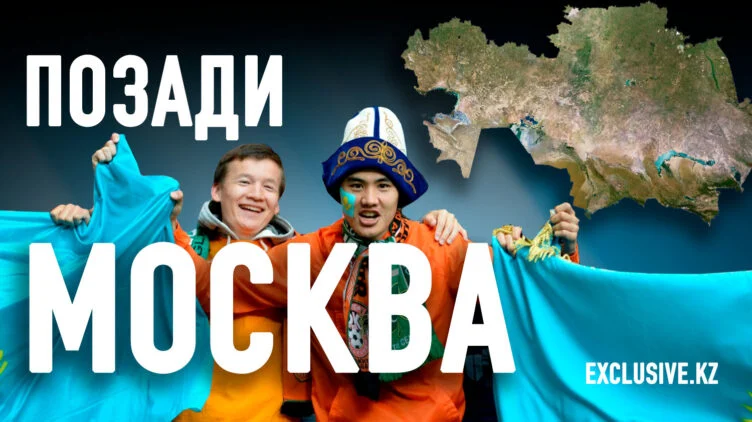
До 24 февраля 2022 года Казахстан, как и многие другие бывшие советские республики, находился в сложном процессе формулирования своей национальной идентичности. Он был сопряжён с внутренней борьбой между советским наследием, сильным влиянием современной России и стремлением к собственному суверенитету. Начало полномасштабной войны в Украине стало тем самым «триггером», который резко ускорил и обострил эти процессы, поставив перед казахстанцами вопрос о самоопределении.
Before February 24, 2022, Kazakhstan, like many other former Soviet republics, was engaged in the difficult process of formulating its national identity. This involved an internal struggle among the Soviet legacy, the strong influence of contemporary Russia, and the aspiration to its own sovereignty. The start of the full-scale war in Ukraine became the very “trigger” that sharply accelerated and intensified these processes, confronting Kazakhstanis with the question of self-determination.
Одним из ярких последствий войны стал сдвиг в общественном сознании, который отразился в первую очередь в отношении казахстанцев к России. Конфликт между Россией и Украиной расколол казахстанское общество. Особенно сильно на оценку произошедших событий накладывались события Кантара, во время которых, – подчеркнём, исключительно по утверждениям роспропаганды, – Россия путём ввода войск ОДКБ в Алматы помогла нам стабилизировать обстановку, а, значит, казахстанцы «должны были быть благодарны и стоило бы поддержать РФ».
One of the war’s most striking consequences was a shift in public consciousness, reflected above all in Kazakhstanis’ attitude toward Russia. The conflict between Russia and Ukraine split Kazakhstani society. The assessment of what had happened was especially strongly overlaid by the events of Qantar, during which, let us emphasize, solely according to Russian propaganda’s claims, Russia, by sending CSTO troops into Almaty, helped us stabilize the situation, meaning that Kazakhstanis “ought to have been grateful and should have supported the Russian Federation.”
A study by the Qalam Foundation, conducted at the request of Exclusive.kz in 2022, vividly showed that support for Russia at that moment still remained significant. Integration with the Russian Federation was then supported by 60 percent of respondents, mainly from the older generation. Nevertheless, the majority of Kazakhstanis, namely 63 percent according to the same study, were already prepared for the country to “follow its own historical path”: toward integration with the states of Central Asia and with Turkic peoples. And, most importantly, this aspiration did not fade: subsequent studies showed that attitudes toward the Russian Federation began to change rapidly.
Исследование фонда Qalam, проведённое по заказу Exclusive.kz в 2022 году, ярко показало, что поддержка России в тот момент всё ещё оставалась значительной. Интеграцию с РФ в тот момент поддерживали 60% респондентов, в основном старшего поколения. Тем не менее, большинство казахстанцев, – а именно 63%, согласно тому же исследованию, – уже тогда всё же были готовы к тому, чтобы страна «шла своим историческим путём», – к интеграции с государствами Центральной Азии и с тюркскими народами. И, что наиболее важно, это стремление не угасло: последующие исследования продемонстрировали, что настроения по отношению к РФ начали быстро меняться.
If in March 2022, according to surveys by the Demoscope express-monitoring bureau, 38.9 percent of respondents supported Russia on the military issue, then by November of that same year this figure had fallen to 13 percent. The latest survey on this topic, conducted in March of this year, showed a roughly similar result within the statistical margin of error: 15 percent. This is strong evidence that most Kazakhstanis who had initially been under the influence of Russian propaganda gradually began to free themselves from it.
Если в марте 2022 года, по данным опросов бюро экспресс-мониторинга Demoscope, 38,9% респондентов поддерживали в военном вопросе Россию, то уже к ноябрю того же года этот показатель упал до 13%. Последний опрос на данную тему, проведённый в марте этого года, показал примерно схожий результат в рамках статистической погрешности – 15%. Это хорошо свидетельствует о том, что большинство казахстанцев, изначально находившихся под влиянием российской пропаганды, постепенно начали избавляться от ее влияния.
As a result, the war became not merely another foreign-policy event, but also set in motion a mechanism of internal reconsideration. Kazakhstanis began to understand that questions could be raised about “brotherhood” and “shared values” with Russia. For example, if previously the emigration of citizens abroad, primarily precisely to the Russian Federation, had been a major problem for Kazakhstan, then by January 2023 most Kazakhstanis had “become patriots by necessity”: when asked in which country they wanted their children’s future to be, more than half began answering “Kazakhstan,” while “Russia” moved almost to the very bottom of the list. The new reality forced the country’s citizens to look for new points of support for their identity.
В результате война стала не просто очередным внешнеполитическим событием, но и запустила механизм внутреннего переосмысления. Казахстанцы начали осознавать, что к «братству» и «общим ценностям» с Россией возможно ставить вопросы. К примеру, если раньше эмиграция граждан за рубеж, преимущественно как раз-таки в РФ, была большой проблемой для Казахстана, то уже в январе 2023 года большинство казахстанцев «вынужденно стали патриотами», – на вопрос, в какой стране они желают будущего своим детям, больше половины стали отвечать «Казахстан», а «Россия» перешла в практически абсолютные антилидеры. Новая реальность заставила граждан страны искать новые точки опоры для своей идентичности.
This search manifested itself most vividly in the language question. Previously, knowledge and use of Kazakh had been more a subject of academic debate and political statements. But after 2022, it became a personal, deeply emotional choice. The Kazakh language ceased to be merely the “state language”; for many Kazakhstanis it turned into the chief marker of sovereignty and an instrument for affirming their own “I,” distinct from the Russian one. Society began using Kazakh to establish boundaries and protect its identity from external influence.
Наиболее ярко этот поиск проявил себя в языковом вопросе. Ранее знание и использование казахского были скорее предметом академических дискуссий и политических заявлений. Но после 2022 года это стало уже личным, глубоко эмоциональным выбором. Казахский язык перестал быть просто «государственным языком», – для многих казахстанцев он превратился в главный маркер суверенитета и инструмент для утверждения собственного «Я», отличного от российского. Общество стало использовать казахский для установления границ и защиты своей идентичности от внешнего влияния.
This shift revealed itself in a series of incidents that received broad coverage on social networks and in the media, and became known as part of “cancel culture.” At first glance, they seemed like everyday conflicts, but in fact they were expressions of a new self-consciousness.
Этот сдвиг проявил себя в возникновении серии инцидентов, которые получили широкое освещение в социальных сетях и СМИ, и стали известны как часть «культуры отмены». На первый взгляд, они казались конфликтами на бытовой почве, но, на самом деле, были выражением нового самосознания.
For example, in October 2022 a scandal erupted around a statement by the entrepreneur and head of the Choco holding company, Ramil Mukhoriyapov. Amid the influx of Russian citizens into Kazakhstan, he publicly stated that he did not consider it appropriate to answer in Kazakh to people who understood Russian, calling such actions “not a sign of great culture” and “a manifestation of nationalism.” This phrase, uttered at a moment when Kazakhstanis were seeking a national footing, provoked a powerful wave of indignation. Society perceived these words not as a private opinion, but as an encroachment on national dignity. A case was opened against the businessman for inciting discord, though it was later dropped “based on the results of the pre-trial investigation.” This was one of the first demonstrative examples in which public pressure led to the realization that former ideas about language and culture were no longer acceptable.
Например, в октябре 2022 года скандал разгорелся вокруг высказывания предпринимателя, руководителя холдинга Choco Рамиля Мухоряпова. В условиях наплыва граждан России в Казахстан он публично заявил, что не считает уместным отвечать на казахском языке людям, которые понимают русский, назвав это действиями «не от большой культуры» и «проявлением национализма». Эта фраза, прозвучавшая в момент, когда казахстанцы искали свою национальную опору, вызвала мощную волну негодования. Общество восприняло эти слова не как частное мнение, а как покушение на национальное достоинство. В отношении бизнесмена возбуждали дело о разжигании розни, которое позднее прекратили «по результатам досудебного расследования». Это был один из первых показательных примеров, когда общественное давление привело к осознанию того, что прежние представления о языке и культуре больше не приемлемы.
Still more eloquent was the case of the Qazaq Coffee coffeehouse at the end of 2024. The absence of a menu in Kazakh and the owner’s subsequent disrespectful reaction to a customer’s remark sparked a wave of outrage. The establishment, whose very name already contained a reference to Kazakh identity, was widely criticized on social media and subjected to a boycott. In the end, the coffeehouse was closed. This incident showed that, for the new public consciousness, respect for the language is not simply a formality, but an integral part of identity, one for which people are prepared to fight.
Ещё более красноречивым стал случай с кофейней Qazaq Coffee в конце 2024 года. Отсутствие меню на казахском языке и последующая неуважительная реакция владельца на замечание посетителя вызвали волну возмущения. Заведение, в названии которого уже содержалась отсылка к казахской идентичности, было массово раскритиковано в социальных сетях и подверглось бойкоту. В итоге кофейня была закрыта. Этот инцидент показал уже, что для нового общественного сознания уважение к языку – это не просто формальность, а неотъемлемая часть идентичности, за которую люди готовы бороться.
A similar situation occurred quite recently with a cafe in Almaty. Before it had even opened, the establishment drew public anger with its name, “Lenina 36,” as if referring back to the Soviet past. In the context of nationwide processes of decolonization and historical rethinking, a nostalgic reference to the Soviet era was perceived as disrespectful. The owners had to change the name in haste. This became a clear confirmation that Kazakhstanis are no longer prepared to put up with elements of the Soviet legacy that contradict their sovereign sense of self.
Подобная ситуация произошла совсем недавно и с одним кафе в Алматы. Ещё даже не открывшись, заведение навлекло на себя гнев общественности своим названием «Ленина 36», как будто бы отсылающим к советскому прошлому. В контексте общенациональных процессов деколонизации и переосмысления истории, ностальгическая отсылка к советской эпохе была воспринята как неуважение. Владельцам пришлось спешно сменить название. Это стало наглядным подтверждением того, что казахстанцы больше не готовы мириться с элементами советского наследия, которые противоречат их суверенному самоощущению.
All these cases have one thing in common: they show that “cancel culture” in Kazakhstan after 2022 became a way for civil society to express its identity. It was a response to an external challenge that forced Kazakhstanis to turn to internal values and realize that language and history are not simply the past, but the foundation for future self-determination.
Все эти случаи объединяет одно: они демонстрируют, что «культура отмены» в Казахстане после 2022 года стала способом выражения гражданским обществом своей идентичности. Это был ответ на внешний вызов, который заставил казахстанцев обратиться к внутренним ценностям и осознать, что язык и история – это не просто прошлое, а фундамент для будущего самоопределения.
It is important to note, however, that the search for self-identity is not limited to conflicts alone. It also began to appear in cultural events, where the meanings of people’s contemporary lives are being recreated in a constructive way. For example, during the past theater season at the ARTiSHOK theater, several “Songbooks” were held, during which actors and audience members gathered around a common dastarkhan, talked with one another, and sang songs in Kazakh, Russian, and English, thereby reconstructing the unique image of cultural synthesis that is taking place in the country at the level of everyday communication.
Впрочем, важно отметить, что поиск самоидентичности не ограничивается только конфликтами. Он также начал проявляться в культурных событиях, в ходе которых смыслы о современной жизни людей пытаются воссоздать созидательным образом. Например, в прошедшем театральном сезоне в театре «ARTиШОК» проходило несколько «Песенников», во время которых актёры и зрители собирались за общим дастарханом, общались друг с другом и пели песни на казахском, русском и английском языках, – реконструируя тем самым уникальный образ культурного синтеза, который происходит в стране на уровне повседневного общения.
Also at the same theater last year, a premiere was staged: a satirical drama reflecting on why we decide to leave our native country or stay, titled “Әуежай.” This title was deliberately left untranslated into Russian on the posters, since the meaning of the word is clear to everyone. The production discusses both the difficult internal choice facing Kazakhstanis, to leave or to stay, and Kazakhstanis’ attitude toward their language. The very theme of the play directly reflects the internal search for identity that Kazakhstanis have faced since 2022.
Также в том же театре в прошлом году вышла премьера – сатирическая драма, которая рефлексирует на тему, почему мы решаем уехать из родной страны или остаться, под названием «Әуежай». Это название осознанно не переведено на афишах на русский язык, поскольку смысл этого слова понятен всем. В спектакле обсуждается и сложный внутренний выбор казахстанцев, – уехать или остаться, – и отношение казахстанцев к своему языку. Сама тема спектакля напрямую отражает внутренние поиски идентичности, с которыми столкнулись казахстанцы после 2022 года.
Of course, Kazakhstan’s process of internal self-determination could not unfold without encountering powerful opposition. While Kazakhstan’s sovereign society was experiencing its awakening, Russian propaganda intensified its activity, seeking to return Kazakhstanis to the familiar information space. This propaganda became the chief enemy of the emerging self-identity, since its narratives were largely aimed at undermining the very foundation of sovereignty.
Безусловно, процесс внутреннего самоопределения Казахстана не мог пройти без столкновения с мощным противодействием. В то время как казахстанское суверенное общество переживало свое пробуждение, российская пропаганда активизировала свою деятельность, стремясь вернуть казахстанцев в привычное информационное поле. Эта пропаганда стала главным врагом формирующейся самоидентичности, поскольку её нарративы во многом были направлены на подрыв самого основания суверенитета.
Russian media and individual politicians continued to spread dangerous theses. First and foremost, these were loud statements calling Kazakhstan’s territorial integrity into question. Then came attempts at historical substitution of concepts, for example claims that “the Kazakhs did not exist as a nation before 1917.” Such statements, in essence, tried to deprive Kazakhs of their own history and their right to independence, creating ground for “imperial” ambitions.
Российские медиа и отдельные политики продолжали распространять опасные тезисы. В первую очередь, это были громкие заявления, которые ставили под сомнение территориальную целостность Казахстана. Затем следовали попытки исторической подмены понятий, – например, утверждения, что «казахи не существовали как нация до 1917 года». Такие заявления, по сути, пытались лишить казахов собственной истории и права на независимость, создавая почву для «имперских» амбиций.
Nevertheless, the influence of propaganda proved uneven. While part of the older generation, under the influence of the Russian information field, still feels a connection with the “Russian world,” young people have already begun actively forming their own independent position. The generation that grew up in independent Kazakhstan has, for the most part, proved more resistant to the influence of propaganda. They perceive the world differently, their information channels are more diverse, and they aspire to new values. This difference in perception became a decisive factor in forming a new self-identity, one that can no longer be altered from the outside.
Тем не менее, влияние пропаганды оказалось неравномерным. Если часть старшего поколения, под влиянием российского информационного поля, всё ещё ощущает связь с «русским миром», то молодёжь уже начала активно формировать свою собственную, независимую позицию. Поколение, выросшее в независимом Казахстане, преимущественно оказалось более устойчивым к влиянию пропаганды. Они воспринимают мир иначе, их информационные каналы более разнообразны, и они стремятся к новым ценностям. Эта разница в восприятии стала решающим фактором в формировании новой самоидентичности, которую уже нельзя изменить извне.
On the basis of all these factors, one can formulate an image of a new future Kazakhstani self-identity now being born within society.
На основе всех этих факторов можно сформулировать образ новой будущей казахстанской самоидентичности, зарождающийся внутри общества.
First of all, these are people who feel themselves to be not part of the “Russian world,” but citizens of a sovereign country. Their self-consciousness is formed on the basis of respect for their own language and history, and this manifests itself in everyday, concrete things. They are self-confident people who speak Kazakh freely, are not afraid to defend their dignity, and at the same time are open to other cultures.
В первую очередь, это люди, которые чувствуют себя не частью «русского мира», а гражданами суверенной страны. Их самосознание формируется на основе уважения к собственному языку и истории, и проявляется это в повседневных, конкретных вещах. Это уверенные в себе люди, которые свободно владеют казахским языком, не боятся отстаивать своё достоинство, но при этом открыты к другим культурам.
In practice, we can imagine it this way: a young person enters a cafe where the menu is written only in Russian and calmly, confidently asks for a menu in Kazakh. He does this not in order to cause a scandal, but because it is his natural right, part of his identity. And if he encounters resistance, he knows that society will support him. He is no longer afraid of being unjustly accused of “nationalism” for his position.
На практике мы можем представить это так: молодой человек, который заходит в кафе, где меню написано только на русском, спокойно, уверенно, просит меню на казахском языке. Он делает это не для того, чтобы устроить скандал, а потому что это его естественное право, часть его идентичности. И если он сталкивается с сопротивлением, он знает, что общество его поддержит. Он больше не боится быть несправедливо обвинённым в «национализме» за свою позицию.
This image is also embodied in a new generation of entrepreneurs, journalists, and cultural figures. These are people who create media and content in Kazakh, shaping an independent agenda. They do not seek to define themselves against Russia or the West; they simply create their own sovereign world.
Этот образ также воплощается в новом поколении предпринимателей, журналистов и деятелей культуры. Это люди, которые создают медиа и контент на казахском языке, формируя независимую повестку дня. Они не стремятся противопоставить себя России или Западу, а просто создают свой собственный, суверенный мир.
All this leads to a new sense of self. If earlier many Kazakhstanis, especially Russian speakers, felt themselves to be part of a large “post-Soviet” space, today they increasingly recognize themselves as part of a self-sufficient, unique Kazakhstani community. This image is not merely a political slogan, but an inner feeling of dignity, confidence in one’s culture and in the right to one’s “own path.” It is a future being built here and now, in every manifestation of respect for one’s culture.
Всё это ведёт к новому самоощущению. Если раньше многие казахстанцы, особенно русскоязычные, чувствовали себя частью большого «постсоветского» пространства, то сегодня они всё чаще осознают себя как часть самодостаточного, уникального Казахстанского сообщества. Этот образ – это не просто политический лозунг, а внутреннее чувство собственного достоинства, уверенность в своей культуре и праве на свой «собственный путь». Это будущее, которое строится здесь и сейчас в каждом проявлении уважения к своей культуре.
Ultimately, the war in Ukraine became the mirror in which Kazakhstan saw itself anew. It launched processes that cannot be stopped or undone: self-determination through language, active resistance to propaganda, and an internal search for a new, sovereign identity. All these changes do not add up to a single clear plan, but are part of a complex, multifaceted, and continuing process. And the main question is whether this shift will become durable, or whether it will remain only a temporary response to external threats. One thing can be said with certainty: the process has already begun, and there is no longer any way back to the previous state.
В конечном счете, война в Украине стала тем зеркалом, в котором Казахстан увидел себя по-новому. Она запустила процессы, которые нельзя остановить или отменить: самоопределение через язык, активное противостояние пропаганде и внутренний поиск новой, суверенной идентичности. Все эти изменения не складываются в единый и чёткий план, а являются частью сложного, многогранного и продолжающегося процесса. И главный вопрос заключается в том, станет ли этот сдвиг устойчивым или же он останется лишь временным ответом на внешние угрозы. Одно можно сказать с уверенностью: процесс уже запущен, и пути назад, в прежнее состояние, больше нет.
Cover illustration from open sources.
Иллюстрация на обложке из открытых источников.
All comments undergo preliminary moderation by the editorial board and do not appear immediately.
Все комментарии проходят предварительную модерацию редакцией и появляются не сразу.
--
RTG, you would do better to acquaint yourself with history if you think Kazakhstan had no status as a state and had only yurts. Read up on the Kazakh Khanate, at the very least. And in that same Taraz, highly developed technologies existed as far back as the Middle Ages, technologies your Russia did not see until the nineteenth century. And who is talking here about some kind of “forgetfulness”?
РТГ, вам бы лучше ознакомиться с историей, если вы думаете, что у Казахстана не было статуса государства и были только юрты. См. про Казахское ханство как минимум. И в том же Таразе ещё в Средние века были очень развитые технологии, которые ваша Россия не видала вплоть до 19 века. И кто тут ещё говорит о «забывчивости» какой-то?
It is funny to watch “countries” that never had the status of a state in their historical past, and suddenly received it like snow on their heads, “thank” those who granted them that status. Not only granted it, but also poured out a heaping measure of their own lands. They once arrived with a yurt and a mangy goat, and left with mines, factories, roads, orchards, and cities. Shameful “forgetfulness.”
Смешно смотреть как «страны», никогда не имевшие в историческом прошлом статуса государства, и получившие его вдруг как снег на голову, «благодарят» тех, кто им статус пожаловал. Мало того что пожаловал, ещё и земель отсыпал с горкой своих собственных. Пришли когда то с юртой и ободранной козой, а ушли с шахтами, заводами, дорогами, садами, городами. Позорная «забывчивость».
Only the breakup of Russia and Putin’s death will give the world peace!
Только раскол России и смерть Путина даст миру мир!
It is time to define ourselves and follow our own path, leaving the Soviet past and Russia behind! Kazakhstan has its own path, brighter than the future of a dying Russia, which will soon face collapse!
Пора самоопределиться и идти своим путем, оставив позади советское прошлое и Россию! У Казахстана свой путь, более яркий, чем будущее умирающей России, которую в скором времени ждёт раскол!
The path to self-determination belongs to the people. No matter how much outsiders interfere in the processes, the choice still remains. Whether it will be constructive or destructive is something everyone must determine for themselves. Interference by other countries in the processes taking place in one country or another is unacceptable. If, of course
Путь на самоопределение пренадлежит народу. Как бы из вне не вмешивались в процессы, выбор все равно остаётся. Каким он будет созидательным или разрушительным каждый должен определить для себя. Вмешательство других стран в процессы, происходящим в той или иной стране недопустимы.Если конечно