ATM Industry Body Seeks Rs 100 Crore in Compensation from SBI
India’s ATM operators say SBI’s uneven cash supply has deepened a broader crisis in the ATM industry, where rising costs, shrinking networks, and weaker transaction revenues are putting service providers under pressure.
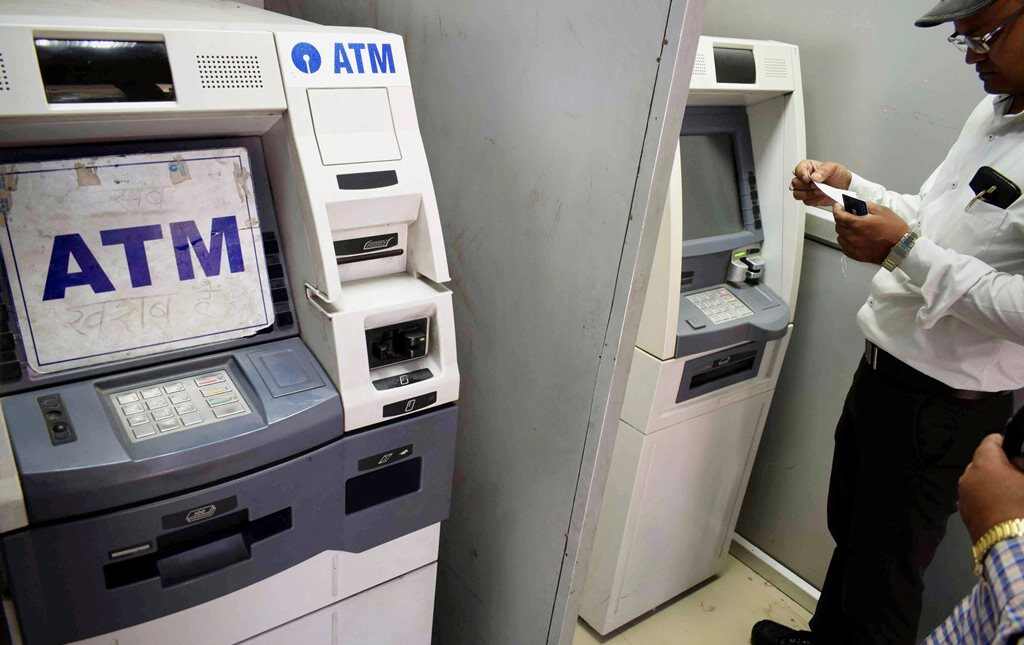
New Delhi: CATMi, the organization representing the ATM industry, has demanded Rs 100 crore in compensation from the country’s largest bank, SBI. It says the public-sector bank failed to keep enough cash in its ATM network, causing the industry losses.
नई दिल्ली: एटीएम इंडस्ट्री के संगठन- सीएटीएमआई ने देश के सबसे बड़े बैंक एसबीआई से 100 करोड़ रुपये का मुआवज़ा मांगा है. उनका कहना है कि सरकारी बैंक ने अपने एटीएम नेटवर्क में पर्याप्त कैश नहीं रखा, जिससे उन्हें नुकसान हुआ.
According to a report in The Economic Times, CATMi raised the issue at a meeting with SBI and the RBI on Friday, June 5. The organization also said that a shortage of cash in ATMs located in smaller cities and towns is putting pressure on the industry.
इकोनॉमिक टाइम्स की रिपोर्ट के मुताबिक, शुक्रवार (5 जून) को एसबीआई और आरबीआई के साथ हुई बैठक में सीएटीएमआई ने यह मुद्दा उठाया. संगठन ने यह भी कहा कि छोटे शहरों और कस्बों में स्थित एटीएम में नकदी की कमी के कारण उद्योग पर दबाव है.
The report, citing CATMi, said SBI is directing large amounts of cash toward ATMs in Tier-1 cities, leading to shortages in Tier-2 and Tier-3 cities and heightening the risk of large-scale ATM closures.
सीएटीएमआई के हवाले से रिपोर्ट में कहा गया है कि एसबीआई बड़ी मात्रा में नकदी को टियर-1 शहरों के एटीएम की ओर भेज रहा है, जिसके कारण टियर-2 और टियर-3 शहरों में नकदी की कमी हो रही है और बड़े पैमाने पर एटीएम बंद होने का खतरा बढ़ गया है.
According to an NDTV report, last week CATMi wrote to the Indian Banks’ Association, pointing to a shortage of cash in ATM machines. The letter stressed that ATMs were receiving only 55-65 percent of the cash they required.
एनडीटीवी की रिपोर्ट के मुताबिक, पिछले हफ़्ते सीएटीएमआई ने इंडियन बैंक्स एसोसिएशन (आईबीए) को पत्र लिखकर एटीएम मशीनों में कैश की कमी की ओर इशारा किया था. उस पत्र में इस बात पर ज़ोर दिया गया था कि एटीएम को ज़रूरत का सिर्फ़ 55-65% कैश ही मिल रहा है.
This is the situation even though, since 2022, once the free limit for customers is exhausted, the charge for withdrawing cash from an ATM has risen to roughly Rs 20 to Rs 28 per transaction, including 18 percent GST.
यह स्थिति तब है जब 2022 से ग्राहकों के लिए मुफ्त सीमा समाप्त होने के बाद एटीएम से नकदी निकालने पर शुल्क लगभग 20 से 28 रुपये प्रति ट्रांज़ैक्शन (18 प्रतिशत जीएसटी सहित) तक पहुंच चुका है.
This is happening at a time when the overall availability of cash in the banking system has increased threefold. According to the NDTV report, cash availability has risen from about Rs 13 lakh crore in 2017 to more than Rs 41 lakh crore in financial year 2026, but digital transactions have diminished the importance of ATMs. In this context, the higher charge levied on ATM use, known in the banking sector as the interchange charge, has not translated into greater earnings at the ATM level.
यह तब हो रहा है जब बैंकिंग सिस्टम में कुल मिलाकर कैश की उपलब्धता तीन गुना बढ़ गई है. एनडीटीवी की रिपोर्ट के अनुसार, कैश की उपलब्धता वर्ष 2017 में लगभग 13 लाख करोड़ रुपये से बढ़कर वित्त वर्ष 2026 में 41 लाख करोड़ रुपये से ज़्यादा हो गई है, लेकिन डिजिटल ट्रांज़ैक्शन के कारण एटीएम का महत्व कम हो गया है. इस संदर्भ में एटीएम के इस्तेमाल पर लगने वाले ज़्यादा शुल्क (जिसे बैंकिंग सेक्टर में इंटरचेंज चार्ज कहा जाता है) से एटीएम-लेवल पर ज़्यादा कमाई नहीं हुई है.
When customers withdraw cash from an ATM or check their balance, the fee collected from them reaches service providers through the banks, so that operating costs can be met. But with the rise of digital payments and the increase in the cost of operating and maintaining ATMs, this arrangement has come under strain.
ग्राहक जब एटीएम से नकदी निकालते हैं या बैलेंस जांचते हैं, तो उनसे वसूला गया शुल्क बैंकों के माध्यम से सेवा प्रदाताओं तक पहुंचता है ताकि संचालन लागत पूरी की जा सके. लेकिन डिजिटल भुगतान बढ़ने और एटीएम संचालन व रखरखाव की लागत बढ़ने से यह व्यवस्था दबाव में आ गई है.
According to CATMi, if the availability of cash in ATMs comes under further pressure, they lose interchange-charge revenue. The situation has become more serious because the number of ATMs across the country is steadily declining. At the same time, banks are also finding it difficult to meet the security and service standards prescribed by the RBI for each ATM.
सीएटीएमआई के अनुसार, अगर एटीएम में कैश की उपलब्धता पर और दबाव पड़ता है, तो उन्हें इंटरचेंज चार्ज का नुकसान होता है. स्थिति इस कारण भी गंभीर हो गई है कि देशभर में एटीएम की संख्या लगातार घट रही है. साथ ही बैंकों को प्रत्येक एटीएम पर आरबीआई द्वारा निर्धारित सुरक्षा और सेवा मानकों को पूरा करने में भी कठिनाई हो रही है.
According to The Economic Times report, the number of ATMs in India stood at more than 253,000 in 2023-24, but fell to about 251,000 in 2024-25.
इकोनॉमिक टाइम्स की रिपोर्ट के मुताबिक, भारत में एटीएम की संख्या 2023-24 में 2,53,000 से ज़्यादा थी, जो 2024-25 में घटकर लगभग 2,51,000 रह गई.
In the years after demonetization, the decline in the number of ATMs accelerated. For instance, tenders issued by Indian Railways for installing ATMs at railway stations did not draw the expected interest. ATMs are a source of revenue for the Railways, so it later tried to encourage banks to install ATMs on station premises by changing the rules.
नोटबंदी के बाद के वर्षों में एटीएम की संख्या में गिरावट तेज हुई. उदाहरण के लिए, रेलवे स्टेशनों पर एटीएम लगाने के लिए भारतीय रेलवे द्वारा निकाले गए टेंडरों में अपेक्षित रुचि नहीं दिखाई गई. रेलवे के लिए एटीएम आय का एक स्रोत हैं, इसलिए उसने बाद में नियमों में बदलाव कर बैंकों को स्टेशन परिसरों में एटीएम लगाने के लिए प्रोत्साहित करने की कोशिश की.
CATMi had also said in December 2018 that rising compliance costs were putting the ATM industry under severe pressure.
सीएटीएमआई ने दिसंबर 2018 में भी कहा था कि बढ़ती अनुपालन (कम्प्लायंस) लागत के कारण एटीएम उद्योग पर गंभीर दबाव पड़ रहा है.
The Reserve Bank of India increased the ATM transaction fee from Rs 21 to Rs 23, the upper limit, from May 2025. ATM service provider AGS Transact Technologies failed in 2025 to pay Rs 38.9 crore owed to creditors. In its letter to SBI, CATMi described this as a ‘warning’ of the crisis in the ATM industry.
रिज़र्व बैंक ऑफ़ इंडिया (आरबीआई) ने मई 2025 से एटीएम ट्रांज़ैक्शन फीस 21 रुपये से बढ़ाकर 23 रुपये (अधिकतम सीमा) कर दी. एटीएम सर्विस प्रोवाइडर एजीएस ट्रांसैक्ट टेक्नोलॉजीज़ 2025 में देनदारों को 38.9 करोड़ रुपये का भुगतान करने में नाकाम रही. सीएटीएमआई ने एसबीआई को लिखे पत्र में इसे एटीएम इंडस्ट्री में संकट की ‘चेतावनी’ बताया है.
The RBI said customers would continue to be entitled to five free transactions each month, both financial and non-financial, at their own bank’s ATMs. They can also make free transactions at other banks’ ATMs: three in metropolitan areas and five in non-metropolitan areas.
आरबीआई ने बताया कि ग्राहक हर महीने अपने बैंक के एटीएम से पांच मुफ़्त ट्रांज़ैक्शन (वित्तीय और गैर-वित्तीय दोनों) करने के हकदार बने रहेंगे. वे दूसरे बैंकों के एटीएम से भी मुफ़्त ट्रांज़ैक्शन कर सकते हैं – महानगरों में तीन और गैर-महानगरीय क्षेत्र में पांच.
CATMi says that, as the largest banking company, SBI should make good the Rs 100 crore in losses.
सीएटीएमआई का कहना है कि सबसे बड़ी बैंकिंग कंपनी होने के नाते एसबीआई को 100 करोड़ रुपये के नुकसान की भरपाई करनी चाहिए.
According to a report in The Hindu, the ATM industry had raised concerns in December 2018 about compliance costs, saying they would lead to the closure of half the country’s ATMs; and in December 2021 it had also said that banks were supplying barely ‘30 percent’ of the cash required for ATMs.
द हिंदू की रिपोर्ट के मुताबिक, एटीएम इंडस्ट्री ने दिसंबर 2018 में अनुपालन लागत को लेकर चिंता जताई थी और कहा था कि इससे देश के आधे एटीएम बंद हो जाएंगे; साथ ही, दिसंबर 2021 में उसने यह भी कहा था कि बैंक एटीएम के लिए ज़रूरी कैश का बमुश्किल ‘30%’ ही सप्लाई कर रहे थे.