Australia’s Climate Wars and the Politics of Naming
Australia’s two decades of climate politics show how successive governments renamed the climate problem while the deeper machinery of fossil-fuel expansion continued largely uninterrupted.
In the Australian parliament in February 2017, Scott Morrison, then treasurer, brought a polished lump of coal to the dispatch box. This black block, varnished by the Minerals Council of Australia so that it would not pick up fingerprints after leaving the mine, entered the parliamentary record with these words: “This is coal. Don’t be afraid. Don’t be scared. It won’t hurt you” (ABC News, 2017). As laughter rose from the Coalition benches, Malcolm Turnbull, then prime minister, smiled as well. In that same parliament, a year and a half later, in August 2018, Turnbull would be forced to shelve the bill that laid the framework for national energy policy, and within four days he would lose his leadership too. The most visible face of the intra-party conservative bloc that brought him down was Morrison.
Avustralya parlamentosunda Şubat 2017'de dönemin Hazine Bakanı Scott Morrison, cilalanmış bir kömür parçasını kürsüye getirdi. Madenden çıktıktan sonra parmak izi bırakmasın diye Madencilik Konseyi (Minerals Council of Australia) tarafından verniklenmiş bu siyah blok meclis kayıtlarına şu sözle girdi: "Bu kömür. Korkmayın, ürkmeyin, size zararı dokunmaz" (ABC News, 2017). Salondan, koalisyon sıralarından gelen kahkahalarla birlikte dönemin Başbakanı Malcolm Turnbull da gülümsedi. Aynı parlamentoda bir buçuk yıl sonra, Ağustos 2018'de, Turnbull ulusal enerji politikasının çatısını kuran yasa tasarısını rafa kaldırmak zorunda kalacak ve dört gün içinde liderliğini de kaybedecekti. Onu deviren, parti içi muhafazakâr blokun en görünür yüzü Morrison'dı.
This scene was not an ordinary parliamentary stunt but a performance of naming: coal was not “danger”; it was a friendly substance. In the May 2026 issue of Birikim, I discussed the discourses and politics of naming that conceal the agent of the climate question (Algedik, 2026a). Proceeding from Pierre Bourdieu’s concept of naming, and as Hughes (2024) suggests, climate policy is not a technical problem of emissions management but “a struggle to fix the meaning of climate change.” This essay carries the same framework into Australia’s concrete experience, in order to show how a medium-sized Western democracy, despite having an advanced scientific infrastructure and a strong civil society, spent two decades repeatedly renaming the climate problem and thereby constantly shifting the ground on which a solution might be built.
Bu sahne sıradan bir parlamento gösterisi değil, bir adlandırma performansıydı: kömür, “tehlike” değildi, dost bir maddeydi. Birikim’in Mayıs 2026 sayısında, iklim meselesinin failini gizleyen söylemleri ve adlandırma siyasetini tartışmıştım (Algedik, 2026a). Pierre Bourdieu'nün adlandırma kavramından hareketle Hughes'un (2024) önerdiği gibi, iklim politikası teknik bir emisyon yönetimi sorunu değil, "iklim değişikliğinin anlamını sabitleme mücadelesidir". Bu yazı aynı çerçeveyi Avustralya'nın somut deneyimine taşıyor —orta büyüklükteki bir Batılı demokrasinin, gelişmiş bir bilim altyapısı ve güçlü bir sivil toplumu olmasına rağmen iklim sorununu yirmi yıl boyunca nasıl ardışık biçimde yeniden adlandırarak çözüm zeminini sürekli kaydırdığını göstermek için.
The essay has two axes. The first is the war over naming: the fact that, in twenty years, the climate problem in Australia has been reframed through at least eight official attempts at naming, and that each act of naming predetermined the solution that followed. Every prime minister renamed climate policy, and every new name legitimized a different form of action. Howard brought deferral; Rudd emissions trading; Gillard a market mechanism; Abbott the abolition of that mechanism and then state payments to polluters; Turnbull technical regulation; Morrison research investment; Albanese industrial policy; and the Coalition abandonment. In short, the climate question was renamed eight times over the course of this process.
Yazının iki ekseni var. Birincisi adlandırma savaşı: Yirmi yılda Avustralya'da iklim sorununun en az sekiz resmî adlandırma çabasıyla yeniden çerçevelendiği ve her adlandırmanın, ardından getirdiği çözümü baştan biçimlendirdiği gerçeği. Her başbakan iklim politikasını yeniden adlandırdı ve her yeni ad farklı bir eylem biçimini meşrulaştırdı. Howard ertelemeyi, Rudd emisyon ticaretini, Gillard piyasa mekanizmasını, Abbott bu mekanizmanın kaldırılmasını ve ardından kirletene devlet ödemesini, Turnbull teknik düzenlemeyi, Morrison araştırma yatırımını, Albanese sanayi politikasını, Coalition ise vazgeçmeyi getirdi. Kısacası, iklim meselesi bu süreçte sekiz kez yeniden adlandırılmış oldu.
The second is the war to change the climate: beneath this entire conflict over naming lies a structural front that has proceeded without interruption, whichever party has been in power. This front consists of the uninterrupted growth of fossil-fuel exports, the approval of applications to extract new coal and gas reserves, and the opening of mines on Indigenous land (Algedik, 2025). The visible war and the invisible war are simultaneous; one operates in the field of rhetoric, the other in the field of capital accumulation. For readers following from Turkey, this essay aims to map twenty years of Australian climate politics, while making visible the historical burden with which COP31, to be convened in Antalya in November 2026, comes to the table, and the kind of position Australia represents in its role as “President of the Negotiations.”
İkincisi iklimi değiştirme savaşı: Tüm bu adlandırma çatışmasının altında, hangi parti iktidarda olursa olsun kesintisiz biçimde yürüyen yapısal bir cephe vardır. Bu cephe fosil yakıt ihracatının kesintisiz büyümesi, yeni kömür ve gaz rezervlerini çıkarma başvurularının onaylanması, Yerli toprağında madenlerin açılması (Algedik, 2025). Görünür savaş ile görünmeyen savaş eşzamanlıdır; biri retoriğin, diğeri sermaye birikiminin sahasında işler. Bu yazı, Türkiye'den izleyen okur için Avustralya'nın yirmi yıllık iklim siyaset haritasını çıkarırken, Kasım 2026'da Antalya'da toplanacak COP31'in hangi tarihsel yükle masaya geldiğini ve Avustralya'nın "Müzakerelerin Başkanı" rolüyle nasıl bir pozisyon temsil ettiğini görünür kılmayı amaçlıyor.
The Geography of a Carbon EmpireBir Karbon İmparatorluğunun Coğrafyası
To grasp Australia’s climate politics, one must first see a paradox. Australia is physically one of the countries most exposed to the effects of climate change; its coral reef has undergone large-scale bleaching, and the “great bushfire” season has effectively become a permanent threat across the south of the continent. The same Australia is the world’s third-largest fossil-fuel exporter; the emissions generated by the coal, gas, and oil it exports have surpassed twice its domestic emissions, and roughly 4.5 percent of carbon dioxide emissions from fossil fuels are attributable to Australia alone (Climate Action Tracker, 2025). This paradox is the Australian manifestation of the concept of carbon imperialism that I discussed in Birikim’s March issue (Algedik, 2026b, 2026c). The country is not merely a producer of fossil fuels but the central power in the Pacific region’s energy order: it sells its coal to China, India, Japan, and Korea; channels its gas into the Asian market; and, through iron ore exports, forms the backbone of global steel production. Domestically, meanwhile, coal basins (Hunter, Bowen, Galilee), gas fields (North West Shelf, Bass Strait, Surat), and iron ore mines (Pilbara) are not only economic actors but the backbone of state fiscal revenues, the power center of the union structure, and a determining element of electoral geography. The fall of every prime minister discussed below is a story of where this fault line runs.
Avustralya'nın iklim siyasetini kavramak için önce bir paradoksu görmek gerekir. Avustralya, fiziksel olarak iklim değişikliğinin etkilerine en açık olan ülkelerden biridir; mercan resifi geniş ölçekli ağarmalar geçirmiş, "büyük çalı yangını" mevsimi kıtanın güneyinde fiilen sürekli bir tehdide dönüşmüştür. Aynı Avustralya, dünyanın üçüncü en büyük fosil yakıt ihracatçısıdır; ihraç ettiği kömür, gaz ve petrolün yarattığı emisyonlar yurtiçi emisyonlarının iki katını geçmiş, fosil yakıtlar kaynaklı karbondioksit emisyonlarının yaklaşık %4,5'i tek başına Avustralya'nın hesabına yazılmıştır (Climate Action Tracker, 2025). Bu paradoks, Birikim'in Mart sayısında tartıştığım karbon emperyalizmi kavramının (Algedik, 2026b, 2026c) Avustralya tezahürüdür. Ülke yalnızca bir fosil yakıt üreticisi değil, Pasifik bölgesindeki enerji düzeninin merkezî gücüdür: Kömürünü Çin, Hindistan, Japonya ve Kore'ye satar; gazını Asya pazarına akıtır; demir cevheri ihracatıyla küresel çelik üretiminin omurgasını oluşturur. Yurtiçinde ise kömür havzaları (Hunter, Bowen, Galilee), gaz sahaları (North West Shelf, Bass Strait, Surat) ve demir cevheri madenleri (Pilbara) sadece ekonomik aktörler değil, eyalet maliye gelirlerinin omurgası, sendikal yapının güç merkezi ve seçim coğrafyasının belirleyici unsurudur. Aşağıda anlatacağımız her başbakanın düşüşü, bu fay hattının nereye düştüğüne dair bir hikâyedir.
Act One: The Rise and Fall of the Carbon Price (1996-2014)
Birinci Perde: Karbon Fiyatının Yükselişi ve Düşüşü (1996–2014)
The opening of the climate wars took place during the eleven-year period (1996-2007) under John Howard’s Liberal-National Party Coalition. Howard argued that so long as major sources of emissions such as the United States and China did not act, it made no sense for a small emitter like Australia, responsible for around 1.5 percent globally, to punish itself economically; together with the Bush administration, he positioned himself as part of a “skeptical bloc.” Public awareness of climate in Australia was quite strong by the late 1980s; but the Howard period did not translate that awareness into institutional policy (Taylor, 2014).
İklim savaşlarının açılışı, John Howard'ın Liberal-Ulusal Parti Koalisyonu (Coalition) altında geçen on bir yıllık dönemde (1996–2007) atıldı. Howard, ABD ve Çin gibi büyük emisyon kaynakları eyleme geçmediği sürece, Avustralya gibi küçük bir emisyon kaynağının (küresel ölçekte %1,5 civarında) kendini ekonomik olarak cezalandırmasının anlamlı olmadığını söylüyordu; Bush yönetimi ile birlikte, bir “şüpheci blok”un parçası olarak konumlandı. Avustralya kamuoyunun iklim bilinci 1980'lerin sonunda oldukça iyiydi; ama Howard dönemi bu bilinci kurumsal politikaya tercüme etmedi (Taylor, 2014).
The streets of the continent did not remain silent in the face of this indifference. On November 4, 2006, one of the largest environmental marches in Australian history took place: Walk Against Warming. An estimated 100,000 people marched in twenty-eight cities; a year later, two weeks before the federal election, the action called by environmental organizations became a broad grassroots movement and a social force, and one week afterward it turned into a social sanction with the occupation of a coal-fired power station, the halting of production, and the blockade of a coal port exit (Algedik, 2018). Rudd’s 2007 campaign slogan, “climate change is the greatest moral challenge of our generation,” was this street movement’s reflection in parliament. One of the government’s first decisions was to ratify Kyoto; then came the design of the Carbon Pollution Reduction Scheme (CPRS). But the CPRS failed to pass the Senate on both attempts, as the Greens found it “inadequate” and the opposition rejected it on grounds of “economic disaster.” In April 2010, Rudd shelved the CPRS; in June 2010, his own party replaced him with Julia Gillard. Climate policy was the first file in Australia to bring down a prime minister directly; it would not be the last.
Bu kayıtsızlığa karşı kıtanın sokakları sessiz kalmadı. 4 Kasım 2006'da Avustralya tarihinin en büyük çevre yürüyüşlerinden biri gerçekleşti: Isınmaya Karşı Yürü. Yirmi sekiz şehirde tahminen 100 bin kişi yürüdü; bir yıl sonra, federal seçimden iki hafta önce çevre örgütlerinin çağırdığı eylem büyük bir taban hareketine dönüşerek toplumsal bir güç oldu ve bir hafta sonra işgal edilen kömür santrali ile üretimin durdurulması ve kömür limanı çıkışının abluka altına alınması ile toplumsal bir yaptırıma dönüştü (Algedik, 2018). Rudd'ın 2007 kampanyasının "iklim değişikliği neslimizin en büyük ahlakî sınaması" sloganı bu sokak hareketinin parlamentoya yansımasıydı. Hükümetin ilk kararlarından biri Kyoto'yu onaylamak oldu; ardından Karbon Kirliliği Azaltım Sistemi (CPRS) tasarımı geldi. Ancak CPRS, Yeşiller'in "yetersiz" bulması, muhalefetin ise "ekonomik felaket" gerekçesiyle reddetmesi sonucunda Senato'dan iki seferde de geçemedi. Nisan 2010'da Rudd, CPRS'yi rafa kaldırdı; Haziran 2010'da kendi partisi onu Julia Gillard ile değiştirdi. İklim politikası, Avustralya'da bir başbakanı doğrudan deviren ilk dosyaydı —sonuncusu olmayacaktı.
The most instructive aspect of the Gillard period is that the most successful policy design in Australia’s twenty years of climate politics lost the war of naming. The 2010 election produced the first hung parliament in seventy years; a minority government could be formed only with the support of the Greens’ Adam Bandt and three independents, and carbon pricing became unavoidable. The Clean Energy Act, which entered into force on July 1, 2012, beginning with a fixed price of 23 Australian dollars per ton and designed to shift in 2015 to a floating-price emissions trading system, worked: in the first six months, emissions from electricity generation fell by 9 percent, and within nine months carbon dioxide from electricity fell to its lowest level in a decade (Chubb, 2014). In other words, the instrument’s technical naming, “carbon pricing,” was functioning correctly, effectively, and measurably as policy.
Gillard döneminin en öğretici yanı, Avustralya'nın yirmi yıllık iklim siyasetinin en başarılı politika tasarımının adlandırma savaşında kaybetmiş olmasıdır. 2010 seçimi, yetmiş yılın meclis çoğunluğu sağlanamayan ilk parlamentosunu ortaya çıkardı; azınlık hükümeti Yeşiller'den Adam Bandt ile üç bağımsızın desteğiyle ancak kurulabildi ve karbon fiyatlandırması zorunluluk haline geldi. 1 Temmuz 2012'de yürürlüğe giren Temiz Enerji Yasası —ton başına 23 Avustralya doları sabit fiyatla başlayan ve 2015'te yüzer fiyatlı emisyon ticareti sistemine geçecek bir mekanizma— çalıştı: ilk altı ayda elektrik üretiminden kaynaklı emisyonlar %9 düştü, dokuz ay içinde elektrik kaynaklı karbondioksit on yılın en düşük seviyesine ind, (Chubb, 2014). Yani aracın teknik adlandırması —"karbon fiyatlandırması"— politika açısından doğru, etkili ve ölçülebilir biçimde işliyordu.
But politically Gillard fell into the hole she herself had dug. Before the 2010 election she had said, “There will be no carbon tax under the government I lead”; the reality of minority government made this promise impossible to keep. Tony Abbott entered this opening with the slogan “axe the tax.” What was decisive was this: while the Gillard government named the instrument a “carbon price,” Abbott named the same instrument a “carbon tax.” Economically, the two were different, but the discourse of “tax” won in political memory. On July 17, 2014, the Abbott government repealed carbon pricing; Australia became the first, and to date the only, country to abolish a national carbon price (Crowley, 2017). The four-year concentrated campaign by the Murdoch group’s newspapers and the mining lobby (Crowley, 2021; Wilkinson, 2020) turned “carbon tax” into a toxic concept in Australian economic thinking. For the next decade, no party would dare utter the term.
Ama politik olarak Gillard kendi kazdığı kuyuya düştü. 2010 seçimi öncesinde "Yönettiğim hükümette karbon vergisi olmayacak," demişti; azınlık hükümeti gerçeği, bu sözü tutulamaz hale getirdi. Tony Abbott axe the tax (vergiyi kaldır) sloganıyla bu boşluğa girdi. Belirleyici olan şuydu: Gillard hükümeti bu aracı "karbon fiyatı" olarak adlandırırken, Abbott aynı aracı "karbon vergisi" olarak adlandırdı. İktisadi olarak ikisi farklıydı ama "vergi" söylemi siyasi hafıza içinde kazandı. 17 Temmuz 2014'te Abbott hükümeti karbon fiyatlandırmasını yürürlükten kaldırdı; Avustralya, ulusal bir karbon fiyatını kaldıran ilk ve bugüne dek de tek ülke oldu (Crowley, 2017). Murdoch grubunun gazeteleri ve madencilik lobisinin dört yıllık konsantre kampanyası (Crowley, 2021; Wilkinson, 2020), "karbon vergisi"ni Avustralya iktisadi düşüncesinde toksik bir kavrama çevirdi. Sonraki on yıl boyunca hiçbir parti, bu terimi telaffuz etmeyi göze alamayacaktı.
Act Two: The Ten Days of the NEG, Black Summer, and the Climate Election (2015-2022)
İkinci Perde: NEG'in On Günü, Kara Yaz ve İklim Seçimi (2015–2022)
In September 2015, Malcolm Turnbull toppled Abbott in an internal party contest; he was a technocrat from the Liberal Party’s moderate wing. The National Energy Guarantee (NEG), which he introduced in 2017, was an attempt to rename the climate problem as “energy security”: the emissions target was quite modest, 26 percent in electricity by 2030, and industry and the states found the picture acceptable. But the intra-party conservative bloc rose up with the claim that “another carbon tax is coming”; the naming war Abbott had won in 2014 was still that potent four years later.
Eylül 2015'te Malcolm Turnbull, Abbott'u parti içi yarışta devirdi; Liberal Parti'nin ılımlı kanadından bir teknokrattı. 2017'de getirdiği Ulusal Enerji Garantisi (NEG), iklim sorununu "enerji güvenliği" olarak yeniden adlandırma denemesiydi: emisyon hedefi hayli ılımlıydı (elektrikte 2030'a kadar %26), sanayi ve eyaletler tabloyu kabul edilebilir buldu. Ama parti içi muhafazakâr blok "yine bir karbon vergisi geliyor" söylemiyle ayaklandı —Abbott'un 2014'te kazandığı adlandırma savaşı dört yıl sonra bile bu kadar etkindi.
The next ten days produced one of the fastest collapses in modern Australian political history. On August 14, 2018, Turnbull removed the emissions limb of the NEG; the party was not pacified. On August 20, he shelved the NEG in its entirety; that too was not enough. On August 24, Turnbull did not stand; Scott Morrison defeated Peter Dutton by 45 votes to 40 (Savva, 2019). Turnbull became the second prime minister to fall because he tried to make climate policy, eight years after Rudd in 2010. The Morrison government abandoned the emissions component of the NEG; from 2018 to 2022 Australia proceeded without a central emissions architecture for the electricity sector.
Sonraki on gün, modern Avustralya siyasi tarihinin en hızlı çöküşlerinden birini yazdı. 14 Ağustos 2018'de Turnbull NEG'in emisyon ayağını çıkardı, parti yatışmadı. 20 Ağustos'ta NEG'in tamamını rafa kaldırdı, yine yetmedi. 24 Ağustos'ta Turnbull aday olmadı; Scott Morrison, Peter Dutton'a karşı %45’e 40’la kazandı (Savva, 2019). Turnbull, iklim politikası yapmaya çalıştığı için düşen ikinci başbakan oldu —Rudd’dan (2010) sekiz yıl sonra. Morrison hükümeti NEG'in emisyon bileşenini terk etti; Avustralya 2018'den 2022'ye kadar elektrik sektörü için merkezî bir emisyon mimarisi olmadan ilerledi.
Morrison won the May 2019 election; Labor leader Bill Shorten’s more ambitious climate platform was punished in Queensland’s coal basins. Then Black Summer came. In the 2019-2020 fire season, 24 million hectares burned, 33 people died directly, and an estimated 400 died from smoke exposure (Commonwealth of Australia, 2020). Sydney breathed the world’s most polluted air for weeks. Morrison went on holiday to Hawaii in the middle of the crisis; when he returned, a woman in Cobargo who had lost her home refused to shake his hand, and the cameras recorded his line: “I don’t hold a hose, mate.” This scene became archive footage for every teal independent campaign over the next three years.
Mayıs 2019 seçimini Morrison kazandı —İşçi Partisi lideri Bill Shorten'ın daha iddialı iklim platformu Queensland'ın kömür havzalarında cezalandırıldı. Sonra Kara Yaz geldi. 2019–2020 yangın mevsiminde 24 milyon hektarlık alan yandı, 33 kişi doğrudan, tahmini 400 kişi duman maruziyetinden öldü (Commonwealth of Australia, 2020). Sydney haftalarca dünyanın en kirli havasını soludu. Morrison krizin ortasında Hawaii'ye tatile gitti; geri döndüğünde, Cobargo'da evini kaybetmiş bir kadın elini sıkmayı reddetti, kameralar onun "I don't hold a hose, mate," —"Hortumu tutmuyorum dostum”— repliğini kaydetti. Bu sahne, sonraki üç yıl boyunca her teal bağımsız kampanyasının arşiv görüntüsü oldu.
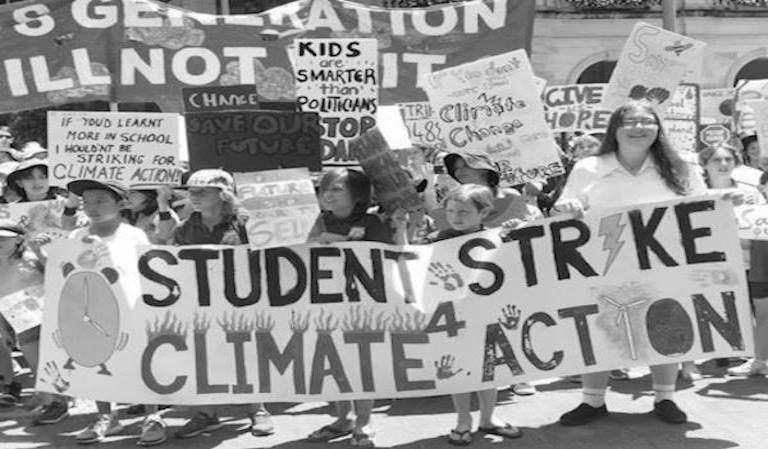
In the ash-laden atmosphere of Black Summer, School Strikes for Climate grew. On September 20, 2019, three months before Black Summer erupted, the largest mobilization in Australia’s environmental history took place: 350,000 students and workers poured into the streets (School Strike 4 Climate, 2019). The May 2022 election was called the “climate election” in the press. In the Liberal Party’s traditional strongholds, such as Sydney’s wealthy eastern suburbs, Melbourne’s inner suburbs, and Perth’s western reaches, a group of independent candidates known as the teal independents, most of them women, fiscally moderate but aggressive on climate, were elected; Climate 200, a crowdfunding vehicle, supported the campaigns of six of these candidates (Simons, 2022). The Liberal Party was effectively expelled from its middle-class electoral geography. The Albanese government passed the Climate Change Act in August 2022: it set net zero for 2050 and raised the 2030 target to 43 percent relative to the 2005 baseline. The Safeguard Mechanism reform of March 2023 effectively functioned as “industrial carbon pricing,” but the government never uttered that term.
Kara Yaz'ın kül atmosferinde İklim İçin Okul Boykotları büyüdü. 20 Eylül 2019'da —Kara Yaz'ın patlamasından üç ay önce— Avustralya'nın çevre tarihindeki en büyük seferberliği gerçekleşti: 350 bin öğrenci ve işçi sokaklara döküldü (School Strike 4 Climate, 2019). Mayıs 2022 seçimi basında "iklim seçimi" diye adlandırıldı. Liberal Parti'nin —Sydney'in zengin doğu mahalleleri, Melbourne'un iç banliyöleri, Perth'in batı uçları gibi— geleneksel kalelerinde teal independents denilen, çoğu kadın, malî açıdan ılımlı ama iklim konusunda agresif bir grup bağımsız aday seçildi; Climate 200 kitle fonlama aracı, bu adaylardan altısının kampanyasını destekledi (Simons, 2022). Liberal Parti orta sınıf seçim coğrafyasından fiilen sürüldü. Albanese hükümeti Ağustos 2022'de İklim Değişikliği Yasası'nı çıkardı: Net sıfırı 2050'ye, 2030 hedefini %43'e (2005 baz yılına kıyasla) getirdi. Mart 2023'teki Safeguard Mekanizması reformu fiilen “sanayi karbon fiyatlandırması” işlevi gördü ama hükümet bu terimi asla telaffuz etmedi.
An Interlude: “Stop Adani” and the Wangan and Jagalingou People’s “No Consent”
Bir Ara Sahne: "Stop Adani” ve Wangan-Jagalingou'nun "Rıza Yok"u
To understand the years in which the NEG collapsed, one must look at a parallel story. In 2010, the Indian Adani Group bought the rights to a mine called Carmichael in Queensland’s central Galilee Basin, the continent’s last major coal reserve that had remained untouched until then. The plan was for one of Australia’s largest mines, at 60 million tons a year, and one of the world’s largest thermal coal mines.
NEG'in çöktüğü yılları anlamak için paralel bir hikâyeye bakmak gerekir. 2010'da Hint Adani Grubu, Queensland'ın orta kesimindeki Galilee Havzası'nda —kıtanın o zamana kadar dokunulmamış son büyük kömür rezervini— Carmichael adlı bir madenin haklarını satın aldı. Plan, Avustralya'nın en büyük (yıllık 60 milyon ton) ve dünyanın en büyük termik kömür madenlerinden biriydi.
Then a movement was born. The Stop Adani campaign took shape as a distributed coalition extending through a network of more than 125 local groups, without any central party structure (Gulliver, 2022). At the center of the campaign were the five declarations of “no consent” to the mine by the Wangan and Jagalingou Aboriginal people, a struggle that pressed against the limits of a rights regime recognized in Australian law as “Native Title” but rendered effectively powerless before the investment decisions of coal capital. This is the reproduction in twenty-first-century Australia of the structure that Malm (2016) showed in coal’s emergence as an instrument of “a war launched against the traditional common energy sources of the people” long before the Industrial Revolution: a mine opened on Indigenous land without the consent of its people.
Ardından bir hareket doğdu. Stop Adani kampanyası, herhangi bir merkezî parti yapısı olmaksızın 125'ten çok yerel grubun ağına yayılan dağıtık bir koalisyon olarak şekillendi (Gulliver, 2022). Kampanyanın merkezinde, Wangan ve Jagalingou Aborjinal halkının madene beş kez "rıza yok" beyanı vardı —Avustralya hukuku içinde "Native Title" olarak tanınan ama fiilen kömür sermayesinin yatırım kararları karşısında etkisiz kalan bir hak rejiminin sınırlarına dayanan bir mücadele. Bu, Malm'ın (2016) kömürün "Sanayi Devrimi'nden çok önce, halkın geleneksel ortak enerji kaynaklarına karşı açılan bir savaşın" aracı olarak ortaya çıktığını gösterdiği yapının, 21. yüzyılın Avustralya'sındaki yeniden üretimidir: Yerli halkın toprağında, onun rızası alınmadan açılan bir maden.
The fate of the mine is double-sided. Adani ultimately managed to build it; the first shipment was made in December 2021. But the project materialized at one-sixth of its originally planned size: 10 million tons per year instead of 60 million. The railway was shortened, the federal loan from the NAIF was vetoed by Queensland under community pressure, and Adani could not find financing from any mainstream bank in Australia. Independent economists showed in the Land Court that Adani’s claim that it would “create employment for 10,000 people” was in practice limited to 1,464 people. An unnamed Labor figure summarized the movement’s effect as follows: “Adani became shorthand for ‘are you serious about climate change?’” (Environmental Law Australia, n.d.). The real gain of the Stop Adani campaign was not its target mine but coal’s political-economic infrastructure: the Australian banking sector exited thermal coal, the insurance market contracted, and eight other planned Galilee mines were effectively shelved. But this victory too had a limit: where one bank withdrew, the China Development Bank, Indian state banks, and Japanese financing institutions entered. The power of the street is local; the liquidity of capital is global.
Madenin akıbeti çift yönlüdür. Adani sonunda madeni inşa etmeyi başardı; Aralık 2021'de ilk sevkiyat yapıldı. Ama proje aslen planlanan büyüklüğün altıda biri olarak —yıllık 60 milyon ton yerine 10 milyon ton— gerçekleşti. Demiryolu kısaldı, federal kredi (NAIF) Queensland tarafından topluluk baskısıyla veto edildi, Adani Avustralya'da hiçbir ana akım bankadan finansman bulamadı. Bağımsız iktisatçılar, Land Court'ta Adani'nin "10 bin kişilik istihdam yaratacak" iddiasının fiilen 1.464 kişiyle sınırlı olduğunu ortaya çıkardı. Adı geçmeyen bir İşçi Parti figürü hareketin etkisini şöyle özetledi: "Adani, 'iklim değişikliği konusunda ciddi misin?' anlamında bir kısaltmaya dönüştü" (Environmental Law Australia, t.y.). Stop Adani kampanyasının asıl kazanımı, kendi hedef madeni değil, kömürün politik ekonomik altyapısıydı: Avustralya bankacılık sektörü termik kömürden çıktı, sigortacılık piyasası daraldı, sekiz başka Galilee madeni planı fiilen rafa kalktı. Ama kazanımın da bir sınırı vardı: bir bankanın çekildiği yere Çin Kalkınma Bankası, Hint devlet bankaları, Japon finansman kuruluşları girdi. Sokağın gücü yereldir; sermayenin akışkanlığı küreseldir.
Act Three: “Renewable Superpower,” “One Percent,” and the Retreat from Net Zero (2022-2026)
Üçüncü Perde: "Yenilenebilir Süpergüç", "Yüzde Bir" ve Net Sıfırdan Çekiliş (2022–2026)
The Albanese government’s greatest contribution to climate politics was not conceptual but nominative. It renamed the problem not as a “moral challenge” or a “price mechanism” but as the opportunity to become a renewable superpower; it detached climate action from the discourse of cost and connected it to a discourse of development. An industrial policy worth 22.7 billion dollars was announced under the name Future Made in Australia; the Capacity Investment Scheme (CIS) supported 32 GW of renewable and storage investment; in 2024, Australia passed a “vehicle efficiency standard,” having been, apart from Russia, the only developed country not to have adopted such a standard. The May 2025 election ended in a landslide victory for Albanese: Liberal leader Peter Dutton lost his own seat, and the Coalition’s platform of seven nuclear reactors was rejected by voters.
Albanese hükümetinin iklim siyasetine yaptığı en büyük katkı kavramsal değil, adlandırmacıydı. Sorunu "ahlâki sınama" veya "fiyat mekanizması" olarak değil, yenilenebilir süpergüç fırsatı olarak yeniden adlandırdı; iklim eylemini bir maliyet söyleminden çıkarıp bir kalkınma söylemine bağladı. Future Made in Australia adıyla 22,7 milyar dolarlık sanayi politikası açıklandı; Kapasite Yatırım Mekanizması (CIS) 32 GW'lık yenilenebilir ve depolama yatırımını destekledi; 2024'te Avustralya, Rusya dışında bu standardı kabul etmeyen tek gelişmiş ülke olarak, “araç verimlilik standardı”nı çıkardı. Mayıs 2025 seçimi Albanese’nin ezici zaferiyle sonuçlandı: Liberallerin lideri Peter Dutton kendi koltuğunu kaybetti, Coalition'ın yedi nükleer reaktör platformu seçmenler tarafından reddedildi.
But beneath the new naming, the structural front was operating at full speed. Immediately after the May 2025 election, Environment Minister Murray Watt approved Woodside Energy’s proposal to extend the life of the North West Shelf LNG facility by forty years. In the same period, federal government approval passed for thirty-five fossil-fuel projects large and small: fracking-based oil production in the Beetaloo Basin, new gas exploration licenses in the Otway Basin, and expansions of Queensland coal ports. The Nationally Determined Contribution (NDC) was updated and an insufficient target of 62-70 percent reductions by 2035 was offered (Climate Action Tracker, 2025). Critics called this the “approval paradox.” The government’s defense was that “coal and gas supply is not an Australian choice but lies on the demand side,” and that “if we don’t provide it, someone else will.” Today in Australia, this argument is widely labeled “the drug dealer’s defense.”
Ama yeni adlandırmanın altında yapısal cephe tüm hızıyla işliyordu. Mayıs 2025 seçiminden hemen sonra, Çevre Bakanı Murray Watt, Woodside Energy'nin North West Shelf LNG tesisinin kırk yıllık ömrünü uzatma teklifine onay verdi. Aynı dönemde Beetaloo Havzası'nda çatlatma yoluyla petrol üretimi, Otway Havzası'nda yeni gaz arama lisansları, Queensland kömür liman genişletmeleri, irili ufaklı otuz beş fosil yakıt projesi onayı federal hükümetten geçti. Ulusal Niyet Beyanı (NDC) güncellendi ve 2035 için %62–70 azaltım gibi yetersiz bir hedef verildi (Climate Action Tracker, 2025). Eleştirmenler bu duruma "onay paradoksu" dedi. Hükümetin savunması, “kömür ve gaz arzının bir Avustralya tercihi olmadığı, talep tarafında olduğu” ve “biz vermesek başkası verir” yönündeydi. Bu argüman, bugün Avustralya'da yaygın olarak “uyuşturucu satıcısının savunması” olarak etiketleniyor.
The Coalition’s answer came in June 2024: Peter Dutton, then leader, announced a platform to build seven nuclear power plants (Grattan, 2024). This was the boldest act of renaming in the history of Australian climate policy. The plan foresaw the first reactor coming online between 2035 and 2037. Three birds were being struck with one stone: the assessment by the national science agency CSIRO that “nuclear is expensive” (CSIRO, 2025) was voided; so was the energy market operator AEMO’s (2024) forecast that coal-fired power plants would be fully retired by 2037; and, most importantly, the life of coal-fired power stations was extended by waiting for nuclear plants to be built.
Coalition'un cevabı Haziran 2024'te geldi: Dönemin lideri Peter Dutton yedi nükleer santral inşa etme platformunu açıkladı (Grattan, 2024). Bu, Avustralya iklim politikası tarihinin en cüretkâr yeniden adlandırma hamlesiydi. Plan ilk reaktörün 2035–2037 yılları arasında çevrimiçi olacağını öngörüyordu. Burada üç kuş, tek taşla vuruluyordu: ulusal bilim ajansı CSIRO'nun "nükleer pahalı" değerlendirmesi (CSIRO, 2025), enerji piyasasını düzenleyen AEMO'nun (2024) kömür santrallerinin 2037'ye kadar tamamen emekliye ayrılacağı öngörüsü boşa çıkartılıyor ve asıl önemlisi nükleer santrallerin yapılmasını bekleyerek kömür santrallerinin ömrü uzatılıyordu.
This move failed in the May 2025 election. After Sussan Ley took over the leadership, the Coalition entered a more comprehensive renewal. In October 2025, the National Party abandoned the 2050 net zero target; in mid-November the Liberal Party followed; the joint Coalition voted to repeal the 2030 emissions target. Ley’s argument rested on the following basis: Australian emissions make up roughly 1 percent of global emissions, and therefore unilateral action will not reduce global heat (Jervis-Bardy et al., 2025). This “1 percent” argument is a structural maneuver of naming. The 1 percent figure is obtained by calculating only domestic emissions. When the emissions caused by Australia’s coal, gas, and oil exports are taken into account, the share effectively rises five- to sixfold (Climate Action Tracker, 2025). In other words, the argument is not a calculation error but a decision of naming: a discursive strategy that erases export-driven emissions from Australia’s account.
Mayıs 2025 seçiminde bu hamle başarısız oldu. Sussan Ley liderliği devraldıktan sonra Coalition daha kapsamlı bir yenilemeye girdi. Ekim 2025'te Ulusal Parti net sıfır 2050 hedefini terk etti; Kasım ortasında Liberal Parti onları izledi; ortak Coalition, 2030 emisyon hedefini yürürlükten kaldırma yönünde oy kullandı. Ley'in argümanı şu temele oturuyordu: Avustralya emisyonu küresel emisyonun yaklaşık %1'ini oluşturur, dolayısıyla tek başına eylem küresel ısıyı düşürmez (Jervis-Bardy vd., 2025). Bu "%1" argümanı yapısal bir adlandırma manevrasıdır. %1 oranı sadece yurtiçi emisyonları hesaplayarak elde ediliyor. Avustralya'nın kömür, gaz ve petrol ihracatının yol açtığı emisyonlar hesaba katıldığında, oran fiilen beş ile altı katına çıkar (Climate Action Tracker, 2025). Yani argüman bir hesaplama hatası değil, bir adlandırma kararıdır: ihracat-kaynaklı emisyonu, Avustralya'nın hesabından silen bir söylem stratejisi.
The summer of 2025-2026 brought the continent another season of the “Black Summer” kind. In mid-January 2026, temperatures in the state of Victoria exceeded 40 degrees Celsius, a State of Disaster was declared in eighteen local government areas, and 400,000 hectares burned (World Weather Attribution, 2026). The Coalition’s retreat from net zero took place precisely in the shadow of these fires; even when the link between the war of naming and the physical climate was this explicit, discursive politics continued to operate according to its own logic.
2025–2026 yazı kıtaya bir kez daha "Kara Yaz" türü bir mevsim getirdi. Ocak 2026 ortasında Victoria eyaletinde sıcaklıklar 40°C'yi aştı, on sekiz yerel yönetim bölgesinde Afet Durumu ilan edildi, 400 bin hektar alan yandı (World Weather Attribution, 2026). Coalition'un net sıfırdan çekilişi tam bu yangınların gölgesinde gerçekleşti —adlandırma savaşının fiziksel iklimle bağı bu kadar açık olduğunda bile, söylem siyaseti kendi mantığıyla işlemeye devam etti.
A Meeting in Antalya: The Three Corners of COP31Antalya'da Buluşma: COP31'in Üç Köşesi
On top of this whole cycle came an episode of international diplomacy in November 2025. For three years, Australia, together with the Pacific Islands, had campaigned to host the 2026 COP, the Conference of the Parties, in Adelaide. Turkey, meanwhile, maintained its own candidacy for the same year. In the final days of COP30 in Belém, the official decision still hanging in the balance turned into a compromise at the table: COP31 would be held in Antalya, Australia would assume the role of “President of the Negotiations,” and the Pacific would organize a Pre-COP (Morgan, 2026). Although this was seen as a partial success for the government, it also spared them the costs of COP, which could have reached 2 billion dollars, and the criticism over spending cuts (Grattan, 2025).
Tüm bu döngünün üstüne Kasım 2025'te bir uluslararası diplomasi epizodu geldi. Avustralya, üç yıldır Pasifik Adaları ile birlikte 2026 COP'unu (Conference of Parties - Taraflar Konferansı) Adelaide'de düzenlemek için kampanya yürütüyordu. Türkiye ise aynı yıl için kendi adaylığını sürdürüyordu. Belém'deki COP30'un son günlerinde, hâlâ asılı duran resmî karar masada bir uzlaşmaya dönüştü: COP31 Antalya'da yapılacak, Avustralya "Müzakerelerin Başkanı" rolünü üstlenecek, Pasifik bir Pre-COP düzenleyecekti (Morgan, 2026). Bu durum hükümet için kısmî bir başarı olarak görülse de, COP için 2 milyar dolara varan maliyetten, tasarruf eleştirisinden (Grattan, 2025) kurtulmuş oldular.
It is striking that Antalya should become a symbolic meeting point within the triangle of Turkey, Australia, and the Pacific. Its three corners occupy different positions. For Turkey, the problem is named as “the right of a late-industrializing country to make the energy transition”; structurally, however, Turkey is the third-largest coal importer. For Australia, the problem is named as “legitimizing the global market of the renewable superpower”; but the parallel front, the forty-year extension of the North West Shelf and the continued operation of the Galilee Basin mines, proceeds without interruption. For the Pacific, the problem is named as “preventing existential catastrophe”; the region’s irony is that it is being destroyed by the very Australian coal exports that sustain it. How these three regimes of naming will be reconciled in Antalya will shape the next decade of global climate politics.
Türkiye, Avustralya ve Pasifik üçgeni arasında Antalya'nın simgesel bir buluşma noktası haline gelmesi şaşırtıcı. Üç köşesi farklı pozisyonlardadır. Türkiye için sorun "geç kalmış sanayi ülkesinin enerji geçişine geçiş hakkı" olarak adlandırılır; ama yapısal olarak Türkiye üçüncü-büyük kömür ithalatçısıdır. Avustralya için sorun "yenilenebilir süpergücün küresel pazarına meşruiyet kazandırılması" olarak adlandırılır; ama paralel cephe —North West Shelf'in kırk yıl ömrünün uzatılması, Galilee Havzası madenlerinin işletmeye devam etmesi— kesintisiz işler. Pasifik için sorun "varoluşsal felaketin önlenmesi" olarak adlandırılır; bölgenin ironisi, kendisini var eden Avustralya kömür ihracatı tarafından yok edilmekte olmasıdır. Antalya'da bu üç adlandırma rejiminin nasıl uzlaşacağı küresel iklim siyasetinin bir sonraki on yılını biçimlendirecek.
Conclusion: The Visible War, the Invisible FrontSonuç: Görünen Savaş, Görünmeyen Cephe
Australia’s twenty years can be read, at the visible level, as a “climate war,” a struggle between parties, one that brought down prime ministers and set intra-party blocs against one another. This reading is widespread (Crowley, 2021; Wilkinson, 2020). But it shows only one face of the problem. On the front of climate policy, there has indeed been a very sharp war; but on the front of the war to change the climate, there has been no serious interruption from Howard to Albanese. Between 2002 and 2004, Australian coal exports averaged roughly 230 million tons a year; the 2022-2024 average exceeded 350 million tons a year. LNG exports were 8 million tons a year in 2002; in 2024 they surpassed 80 million tons, a tenfold growth in twenty years. Iron ore exports rose from 200 million tons to more than 900 million tons. These quantities show not the state of a “climate policy” debate but the actual condition of the war to change the climate. Whichever party was in power, whichever prime minister held office, fossil-fuel exports increased.
Avustralya'nın yirmi yılı görünür düzeyde bir "iklim savaşı" olarak okunabilir —partiler arası, başbakanları deviren, parti içi blokları savaştıran bir kavga. Bu okuma yaygındır (Crowley, 2021; Wilkinson, 2020). Ama bu okuma, sorunun sadece bir yüzünü gösterir. İklim politikası cephesinde gerçekten çok keskin bir savaş vardır; ama iklimi değiştirme savaşı cephesinde Howard'dan Albanese'e kadar herhangi bir ciddi kesinti yaşanmamıştır. 2002–2004 yılları arasında Avustralya kömür ihracatı yıllık ortalama yaklaşık 230 milyon tondu; 2022–2024 ortalaması yıllık 350 milyon tonu aştı. LNG ihracatı 2002'de yıllık 8 milyon tondu; 2024'te 80 milyon tonu geçti —yirmi yılda on katlık bir büyüme. Demir cevheri ihracatı 200 milyon tondan 900 milyon tonun üzerine çıktı. Bu miktarlar bir "iklim politikası" tartışmasının değil, iklimi değiştirme savaşının fiilî durumunu gösterir. Hangi parti iktidarda, hangi başbakan koltukta olursa olsun, fosil yakıt ihracatı arttı.
This simultaneity writes three lessons plainly. First, that climate policy is not a matter of technical implementation but a struggle over the naming of the problem is empirically confirmed by eight different official names across twenty years, and the absence of a naming consensus has made it impossible to build a durable institutional backbone. The United Kingdom’s 2008 Climate Change Act keeps policy within a certain channel whichever party comes to power, because there the naming of the problem has achieved a bipartisan consensus. Second, the war over naming and the war to change the climate proceed simultaneously, and the visible debate can conceal the invisible structure. While the Albanese government positioned itself in domestic naming as a “renewable superpower,” it was, in parallel, though in a discursively separate accounting, approving policies aimed at changing the climate. When an Australian voter took part in the “climate election” of 2022, that voter did not see the files for coal and gas approvals accumulating on Murray Watt’s desk in the same period. Third, the limit of social struggle is the liquidity of fossil capital. Without the victory of Walk Against Warming in 2007, without Stop Adani pushing the Australian banking sector out of coal, without the 350,000-strong eruption of action by School Strike 4 Climate, the success of the teal independents in 2022 is unthinkable. But the Adani mine was built, and Australian coal continued to flow to China, India, Japan, and Korea. Local victories were absorbed within global capital flows.
Bu eşzamanlılık üç dersi açıkça yazıyor. Birincisi, iklim politikasının teknik bir uygulama meselesi değil, sorunun adlandırılmasına dair bir mücadele olduğu, yirmi yılın birbirinden farklı sekiz resmî adlandırmasıyla ampirik olarak doğrulanır ve adlandırma uzlaşmasının yokluğu kalıcı bir kurumsal omurganın kurulmasını olanaksız kılmıştır. Birleşik Krallık'ın 2008 Climate Change Act'i, hangi parti iktidara gelirse gelsin politikayı belli bir yatak içinde tutuyor; çünkü orada sorunun adlandırması ikili bir uzlaşmaya kavuşmuştur. İkincisi, adlandırma savaşı ile iklimi değiştirme savaşı eşzamanlı yürür ve görünür tartışma görünmez yapıyı saklayabilir. Albanese hükümeti yurtiçi adlandırmasında kendini "yenilenebilir süpergüç" olarak konumlarken, paralel olarak —ama söylemsel olarak ayrı bir muhasebede— iklimi değiştirmeye yönelik politikaları da onaylıyordu. Avustralyalı bir seçmen 2022'de "iklim seçimi"ne katılırken, aynı zaman diliminde Murray Watt'ın masasında biriken kömür ve gaz onayı dosyalarını görmüyordu. Üçüncüsü, toplumsal mücadelenin sınırı fosil sermayenin akışkanlığıdır. Walk Against Warming'in 2007 zaferi, Stop Adani'nin Avustralya bankacılık sektörünü kömürden çıkarması, School Strike 4 Climate'in 350 bin kişilik katılımlı eylem patlaması olmadan teal bağımsızların 2022 başarısı düşünülemez. Ama Adani madeni inşa edildi, Avustralya kömürü Çin'e, Hindistan'a, Japonya'ya, Kore'ye akmaya devam etti. Yerel zaferler küresel sermaye akışları içinde emildi.
For the reader looking from Turkey, these three lessons have a concrete counterpart. Australia’s “1 percent argument” performs a similar naming function in Turkey to the discourse of “common but differentiated responsibilities”: the country is dependent on fossil fuels and, while meeting that dependence through imports, conceals and legitimizes the policies that change the climate by increasing that dependence. Australia’s discourse of the “renewable superpower” parallels Turkey’s dreams of becoming a “green hydrogen hub”: the discourse of domestic emissions policy is kept in an accounting separate from structural decisions, such as the role of coal, the role of natural gas, and the urban policy woven around the axis of automobiles, asphalt, and concrete (Algedik, 2025).
Türkiye'den bakan okur için bu üç dersin somut bir karşılığı vardır. Avustralya'nın "%1 argümanı" Türkiye'de "ortak fakat farklılaştırılmış sorumluluk" söylemiyle benzer bir adlandırma işlevi görür: Fosil yakıt bağımlısıdır ve bunu ithalatla giderirken bu bağımlılığı arttıran iklimi değiştirme politikalarını gizleyip meşrulaştırır. Avustralya'nın "yenilenebilir süpergüç" söylemi Türkiye'nin "yeşil hidrojen üs ülkesi" hayalleriyle paraleldir: yurtiçi emisyon politikası söylemi, yapısal kararlardan (kömürün rolü, doğalgazın rolü, otomotiv-asfalt-beton ekseninde örülen şehir politikası) ayrı bir muhasebede tutulur (Algedik, 2025).
The parties will sit at the table in Antalya in November 2026. Australia will come to that table with its role as “President of the Negotiations,” Turkey with the agenda-setting power of the host, and the Pacific with the moral pressure of the pre-COP. In the texts of agreement, the climate problem will once again be named, once again reframed. This essay’s claim is that the real political struggle proceeds not in the text itself but in what the text does not name: in coal railway lines, LNG tanker routes, Indigenous peoples’ ancestral lands, new asphalt, and poured concrete. The climate policy debate is at its most honest in the moment when it acknowledges the existence of this war and names it.
Antalya'da Kasım 2026'da masada oturulacak. Avustralya "Müzakerelerin Başkanı" rolüyle, Türkiye ev sahipliğinin gündem belirleme gücüyle, Pasifik pre-COP'un moral baskısıyla bu masaya gelecek. Anlaşma metinlerinde iklim sorunu yine adlandırılacak, yine yeniden çerçevelenecek. Bu yazının iddiası, asıl politik mücadelenin metnin kendisinde değil, metnin adlandırmadıklarında —kömür demiryolu hatlarında, LNG tanker rotalarında, Yerli halkların ata topraklarında, yeni asfaltta ve dökülen betonda— yürüdüğüdür. İklim politikası tartışmasının en samimi olduğu an, bu savaşın varlığını kabul ettiği ve onu adlandırdığı andır.
BibliographyKaynakça
ABC News. (2017, February 8). “Question Time dominated by debate over South Australia’s power woes: As it happened,” https://www.abc.net.au/news/2017-02-09/politics-live-february-9-federal-government/8253228
ABC News. (2017, 8 Şubat). “Question Time dominated by debate over South Australia's power woes: As it happened”, https://www.abc.net.au/news/2017-02-09/politics-live-february-9-federal-government/8253228
AEMO. (2024). “2024 integrated system plan for the National Electricity Market,” Australian Energy Market Operator.
AEMO. (2024). “2024 integrated system plan for the National Electricity Market”, Australian Energy Market Operator.
Algedik, Ö. (2018, May 1). “How the coal interests lost the election,” Gazete Duvar, https://www.gazeteduvar.com.tr/yazarlar/2018/05/01/komurculer-secimi-nasil-kaybetti
Algedik, Ö. (2018, 1 Mayıs). “Kömürcüler seçimi nasıl kaybetti?”, Gazete Duvar, https://www.gazeteduvar.com.tr/yazarlar/2018/05/01/komurculer-secimi-nasil-kaybetti
Algedik, Ö. (2025). A Matter for Us All: The Climate Question, İletişim Publications.
Algedik, Ö. (2025). Hepimizin Meselesi: İklim Meselesi, İletişim Yayınları.
Algedik, Ö. (2026a, May). “Discourses that conceal the agent in the climate question and the politics of naming,” Birikim, Issue 445.
Algedik, Ö. (2026a, Mayıs). “İklim meselesinde faili gizleyen söylemler ve adlandırma siyaseti”, Birikim, Sayı 445.
Algedik, Ö. (2026b, March 13). “Is the Iran question a climate question? Carbon imperialism,” Birikim Güncel, https://birikimdergisi.com/guncel/12394/iran-meselesi-iklim-meselesi-mi-karbon-emperyalizmi
Algedik, Ö. (2026b, 13 Mart). “İran meselesi iklim meselesi mi? — Karbon emperyalizmi”, Birikim Güncel, https://birikimdergisi.com/guncel/12394/iran-meselesi-iklim-meselesi-mi-karbon-emperyalizmi
Algedik, Ö. (2026c, January 6). “Is the Venezuela question a climate question?” Birikim Güncel, https://birikimdergisi.com/guncel/venezuela-meselesi-iklim-meselesi-mi
Algedik, Ö. (2026c, 6 Ocak). “Venezuela meselesi iklim meselesi mi?”, Birikim Güncel, https://birikimdergisi.com/guncel/venezuela-meselesi-iklim-meselesi-mi
Chubb, P. (2014). Power failure: The inside story of climate politics under Rudd and Gillard, Black Inc.
Chubb, P. (2014). Power failure: The inside story of climate politics under Rudd and Gillard, Black Inc.
Climate Action Tracker. (2025). Australia country assessment, accessed May 10, 2026, https://climateactiontracker.org/countries/australia/
Climate Action Tracker. (2025). Australia country assessment, Erişim tarihi: 10 Mayıs 2026, https://climateactiontracker.org/countries/australia/
Commonwealth of Australia. (2020). Royal Commission into national natural disaster arrangements: Report.
Commonwealth of Australia. (2020). Royal Commission into national natural disaster arrangements: Report.
Crowley, K. (2017). “Up and down with climate politics 2013-2016: The repeal of carbon pricing in Australia,” WIREs Climate Change, https://doi.org/10.1002/wcc.458
Crowley, K. (2017). “Up and down with climate politics 2013–2016: The repeal of carbon pricing in Australia”, WIREs Climate Change, https://doi.org/10.1002/wcc.458
Crowley, K. (2021, October 18). “Climate wars, carbon taxes and toppled leaders: The 30-year history of Australia’s climate response, in brief,” The Conversation, https://theconversation.com/climate-wars-carbon-taxes-and-toppled-leaders-the-30-year-history-of-australias-climate-response-in-brief-169545
Crowley, K. (2021, 18 Ekim). “Climate wars, carbon taxes and toppled leaders: The 30-year history of Australia's climate response, in brief”, The Conversation, https://theconversation.com/climate-wars-carbon-taxes-and-toppled-leaders-the-30-year-history-of-australias-climate-response-in-brief-169545
CSIRO. (2025). GenCost 2024-25: Final report, Commonwealth Scientific and Industrial Research Organisation.
CSIRO. (2025). GenCost 2024–25: Final report, Commonwealth Scientific and Industrial Research Organisation.
Environmental Law Australia. (n.d.). Carmichael Coal (Adani) Mine cases in the Federal Court, accessed May 10, 2026, https://envlaw.com.au/carmichael-coal-mine-federal-court/
Environmental Law Australia. (t.y.). Carmichael Coal (Adani) Mine cases in the Federal Court, Erişim tarihi: 10 Mayıs 2026, https://envlaw.com.au/carmichael-coal-mine-federal-court/
Gulliver, R. (2022, October 11). Australian campaign case study: Stop Adani, 2012-2022, The Commons Social Change Library, https://commonslibrary.org/australian-campaign-case-study-stop-adani-2012-2022/
Gulliver, R. (2022, 11 Ekim). Australian campaign case study: Stop Adani, 2012–2022, The Commons Social Change Library, https://commonslibrary.org/australian-campaign-case-study-stop-adani-2012-2022/
Grattan, M. (2024, June 19). “Dutton goes nuclear, proposing seven government-owned generators with the first starting in 2030s,” The Conversation, https://theconversation.com/dutton-goes-nuclear-proposing-seven-government-owned-generators-with-the-first-starting-in-2030s-232815
Grattan, M. (2024, 19 Haziran). “Dutton goes nuclear, proposing seven government-owned generators with the first starting in 2030s”, The Conversation, https://theconversation.com/dutton-goes-nuclear-proposing-seven-government-owned-generators-with-the-first-starting-in-2030s-232815
Grattan, M. (2025, November 20). “Australia cedes COP31 but negotiates role for Chris Bowen and Pacific countries,” The Conversation. https://theconversation.com/australia-cedes-cop31-but-negotiates-role-for-chris-bowen-and-pacific-countries-270274
Grattan, M. (2025, 20 Kasım). “Australia cedes COP31 but negotiates role for Chris Bowen and Pacific countries”, The Conversation. https://theconversation.com/australia-cedes-cop31-but-negotiates-role-for-chris-bowen-and-pacific-countries-270274
Hughes, H. (2024). The IPCC and the politics of writing climate change, Cambridge University Press.
Hughes, H. (2024). The IPCC and the politics of writing climate change, Cambridge University Press.
Jervis-Bardy, D., Dhanji, K., and Butler, J. (2025, November 13). “Liberal party to abandon firm net zero emissions target,” The Guardian Australia, https://www.theguardian.com/australia-news/2025/nov/13/liberal-party-net-zero-policy-meeting-debate-decision
Jervis-Bardy, D., Dhanji, K. ve Butler, J. (2025, 13 Kasım). “Liberal party to abandon firm net zero emissions target”, The Guardian Australia, https://www.theguardian.com/australia-news/2025/nov/13/liberal-party-net-zero-policy-meeting-debate-decision
Malm, A. (2016). Fossil capital: The rise of steam power and the roots of global warming, Verso.
Malm, A. (2016). Fossil capital: The rise of steam power and the roots of global warming, Verso.
Morgan, W., Carter, S. G., and Manoa, F. (2026, March 8). After the compromise: Australia’s COP31 blueprint for the Pacific (Policy Brief), Lowy Institute, https://www.lowyinstitute.org/publications/after-compromise-australia-s-cop31-blueprint-pacific
Morgan, W., Carter, S.G. ve Manoa, F. (2026, 8 Mart). After the compromise: Australia's COP31 blueprint for the Pacific (Policy Brief), Lowy Institute, https://www.lowyinstitute.org/publications/after-compromise-australia-s-cop31-blueprint-pacific
Savva, N. (2019). Plots and prayers: Malcolm Turnbull’s demise and Scott Morrison’s ascension, Scribe.
Savva, N. (2019). Plots and prayers: Malcolm Turnbull's demise and Scott Morrison's ascension, Scribe.
School Strike 4 Climate. (2019, September 20). “Biggest climate mobilisation in Australia’s history as 350,000 students + workers #ClimateStrike,” accessed May 10, 2026, https://www.schoolstrike4climate.com
School Strike 4 Climate. (2019, 20 Eylül). “Biggest climate mobilisation in Australia's history as 350,000 students + workers #ClimateStrike”, Erişim tarihi: 10 Mayıs 2026, https://www.schoolstrike4climate.com
Simons, M. (2022, June). “The teal tide: How a movement of climate-focused independents reshaped Australian politics,” The Monthly.
Simons, M. (2022, Haziran). “The teal tide: How a movement of climate-focused independents reshaped Australian politics”, The Monthly.
Taylor, M. (2014). Global warming and climate change: What Australia knew and buried... then framed a new reality for the public, ANU Press.
Taylor, M. (2014). Global warming and climate change: What Australia knew and buried... then framed a new reality for the public, ANU Press.
Wilkinson, M. (2020). The carbon club: How a network of influential climate sceptics, politicians and business leaders fought to control Australia’s climate policy, Allen & Unwin.
Wilkinson, M. (2020). The carbon club: How a network of influential climate sceptics, politicians and business leaders fought to control Australia's climate policy, Allen & Unwin.
World Weather Attribution. (2026, February). Climate change eclipses La Niña cooling in Australia to drive extreme heatwave and heightened fire risk, https://www.worldweatherattribution.org/climate-change-eclipses-la-nina-cooling-in-australia-to-drive-extreme-heatwave-and-heightened-fire-risk/
World Weather Attribution. (2026, Şubat). Climate change eclipses La Niña cooling in Australia to drive extreme heatwave and heightened fire risk, https://www.worldweatherattribution.org/climate-change-eclipses-la-nina-cooling-in-australia-to-drive-extreme-heatwave-and-heightened-fire-risk/