Turkey’s Return to Realpolitik
Russia’s invasion of Ukraine forced Turkey back toward realpolitik and strategic autonomy, making its control of the Straits, its role inside NATO, and its policy of avoiding conflict newly central to regional security.
Four years ago today, on February 24, 2022, Russian armies entered Ukrainian territory. NATO had been expecting the assault. Just as the world was beginning to recover from the trauma of the Covid-19 pandemic, it was perhaps stepping into a world war on a low flame.
Rus orduları dört yıl önce bugün, 24 Şubat 2022’de Ukrayna topraklarına girdi. NATO bu saldırıyı bekliyordu. Covid-19 salgınının travmasını yeni atlatmaya başlamışken, dünya belki de kısık ateşte bir dünya savaşına adım atıyordu.
On February 27, Turkey described the conflict as a “war” and, upon Ukraine’s appeal, halted the passage of warships into the Black Sea under the 1936 Montreux Convention Regarding the Regime of the Straits. Russia was able to pass only warships registered to Black Sea ports; it could not draw into the Black Sea, for use against Ukraine, vessels registered to other bases that it was keeping in the Mediterranean because of the Syrian war then still under way.
Türkiye, 27 Şubat’ta çatışmayı “savaş” olarak niteledi ve Ukrayna’nın çağrısı üzerine 1936 Montrö Boğazlar Sözleşmesi uyarınca savaş gemilerinin Karadeniz’e geçişini durdurdu. Rusya yalnızca Karadeniz limanlarına kayıtlı savaş gemilerini geçirebildi, (o sırada devam eden) Suriye savaşı nedeniyle Akdeniz’de tuttuğu başka üslerine kayıtlı gemilerini Ukrayna’ya karşı kullanılmak üzere Karadeniz’e çekemedi.
Ankara’s move had a decisive effect on Russia’s war in Ukraine; at the very beginning of the war, and within a short time, Ukraine might have suffered losses far heavier than those it has suffered today.
Ankara’nın bu hamlesi, Rusya’nın Ukrayna savaşı üzerinde belirleyici önemde etkili oldu; Ukrayna daha savaşın başında ve kısa süre içinde bugün olduğundan çok daha ağır kayıplara uğrayabilirdi.
The EU Remembers NATO, NATO Remembers the Black Sea. This move had several further consequences:
AB, NATO’yu, NATO Karadeniz’i Hatırlıyor Bu hamlenin birkaç sonucu daha oldu:
• The countries of the European Union turned their faces toward the United States for NATO protection against Russia, a protection they had thought, in the 1990s after the dissolution of the Soviet Union, was no longer necessary, just as they had thought military spending was no longer necessary.
• Avrupa Birliği ülkeleri Rusya’ya karşı (Sovyetlerin dağıldığı 1990’larda artık ona da askeri harcamalara da gerek kalmadığını düşündükleri) NATO koruması için yüzlerini ABD’ye döndüler,
• The United States, which had already complained that EU countries belonging to NATO were not contributing to common defense, began, especially after Donald Trump took office, to pressure Europeans: “Allocate more money to arms, and buy those arms from me.”
• Zaten daha önce de NATO üyesi AB ülkelerinin ortak savunmaya katkı vermediğinden şikâyet eden ABD, özellikle Donald Trump’ın işbaşına gelmesinden sonra Avrupalılara “silaha daha çok para ayırın, silahları da benden alın” baskısına başladı.
• NATO remembered the strategic importance of the Black Sea; Turkey, at the eastern end of the southern flank, whose place in NATO Europeans had been questioning, held not only the Syrian-Iraqi-Iranian borders but also the Black Sea. Turkey, meanwhile, which since the beginning of the “Arab Spring” had been accused by its Western allies of pursuing an ideology-driven foreign policy and undergoing an “axis shift,” was maintaining relations with both Ukraine and Russia within the framework of Black Sea neighborliness, and was able to bring them together in Turkey.
• NATO Karadeniz’in stratejik önemini hatırladı; Avrupalıların NATO’daki varlığını sorguladıkları, Güney kanadın Doğu ucundaki Türkiye, yalnızca Suriye-Irak-İran sınırlarını değil, Karadeniz’i de tutuyordu. “Arap Baharının” başından itibaren Batılı müttefikleri tarafından ideoloji odaklı dış politika izleyerek “eksen kayması” içinde olmakla suçlanan Türkiye ise, hem Ukrayna hem de Rusya ile Karadeniz komşuluğu çerçevesinde ilişkisini sürdürüyor, onları Türkiye’de buluşturabiliyordu.
A new situation had emerged in international relations.
Uluslararası ilişkilerde yeni bir durum ortaya çıkmıştı.
For Turkish foreign policy, too, a new situation had emerged four years ago today with Russia’s entry into Ukrainian territory.
Türk dış politikası açısından da yeni bir durum ortaya çıkmıştı dört yıl önce bugün Rusya’nın Ukrayna topraklarına girişiyle.
Turkey’s Return to RealpolitikTürkiye’nin Reel Politikaya Dönüşü
Recently in Ankara there was the Global Relations Forum’s “Risks and Opportunities for Turkey Amid Global Ruptures Workshop.” Under the rules of the meeting, I cannot write who said what. But one of the most important observations was that Turkish foreign policy’s return from ideology-centered politics to realpolitik began in 2022 with Russia’s attack on Ukraine.
Geçenlerde Ankara’da Global İlişkiler Forumunun “Küresel Kırılmalar Ortasında Türkiye İçin Riskler ve Fırsatlar Çalıştayı” vardı. Toplantı kuralları gereği kimin ne söylediğini yazamıyorum. Ama en önemli saptamalardan biri de Türk dış politikasının ideoloji merkezli politikadan reel politikaya dönüşünün 2022’de Rusya’nın Ukrayna’ya saldırmasıyla başladığı oldu.
The wisdom of Turkey’s closing the Istanbul Strait to warships, immediately after Russia’s attack on Ukraine began four years ago today and on the basis of the 1936 Montreux Convention Regarding the Regime of the Straits, is becoming better understood with each passing day.
Türkiye’nin dört yıl önce bugün başlayan Rusya’nın Ukrayna saldırısının hemen ardından 1936 Montrö Boğazlar Sözleşmesine dayanarak İstanbul Boğazını savaş gemilerine kapatmasının isabeti gün geçtikçe daha iyi anlaşılıyor.
The contradictory side of the matter was that, in those same days, 103 retired admirals were being tried on charges of putschism because of their joint declaration emphasizing the importance of Montreux. The retired officers, for whom prison sentences of up to 12 years each were sought, would be cleared of all charges and acquitted in December of that year.
İşin çelişkili yanı, aynı günlerde 103 emekli amiralin Montrö’nün önemini vurgulayan ortak açıklamaları nedeniyle darbecilik suçlamasıyla yargılanmalarıydı. 12’şer yıla kadar hapsi istenen emekli subaylar o yıl Aralık ayında bütün suçlamalardan aklanıp beraat edecekti.
Immediately afterward, Turkey brought the Russian and Ukrainian delegations together. While Ukrainian soldiers were composing songs for the Bayraktar TB-2 drones, Russia was continuing its sanctioned grain exports through Turkey.
Hemen arkasından Türkiye, Rus ve Ukrayna heyetlerini bir araya getirdi. Ukrayna askerleri Bayraktar TB-2 dronlarına şarkılar yakarken Rusya, yaptırım altındaki tahıl ihracatını Türkiye üzerinden sürdürüyordu.
Realpolitik and Strategic AutonomyReel Politika ve Stratejik Özerklik
The return to realpolitik was being pursued in parallel with the concept of “strategic autonomy,” which had been put into practice along sharper lines beginning with the coup attempt of July 15, 2016; it was a version different from that of the Cold War period.
Reel politikaya dönüş ise 15 Temmuz 2016 darbe girişiminden itibaren daha kesin çizgilerle hayata geçirilen “stratejik özerklik” kavramıyla paralel yürütülüyordu; Soğuk Savaş döneminden farklı bir sürümdü.
Turkey, having seen the support the Fethullah Gülen organization received from the United States behind the coup attempt, bought S-400 missiles from Russia and, on the one hand, caused the claims of an “axis shift” to be whipped up even further, while on the other it was now saying: “I will fulfill my NATO responsibilities, but I will keep my own interests separate.” (I am not discussing here how compatible the S-400 purchase was with national interests; I am taking it as an example of an attitude.) The price of this strategic move was that the United States, with a vengeful approach, removed Turkey from the F-35 program, of which it was a co-producer. Another example of this policy was forcing Sweden and Finland, which applied for NATO membership out of fear of Russia, to change their policies on the PKK.
Fethullah Gülen örgütünün darbe girişimi arkasında ABD’den aldığı desteği gören Türkiye, Rusya’dan S-400 füzeleri alarak bir yandan “eksen kayması” iddialarının daha da köpürtülmesine yol açarken, diğer yandan artık “NATO sorumluluklarımı yerine getiririm, ama kendi çıkarlarımı ayrı tutarım” diyordu. (Burada s-400 alımının ulusal çıkarlara ne kadar uygun olduğunu tartışmıyorum; bir tutum örneği olarak alıyorum.) Bu stratejik hamlenin bedeli ABD’nin intikamcı bir yaklaşımla Türkiye’yi ortak üreticisi olduğu F-35 programından çıkarması oldu. Bu siyasetin bir örneği de Rusya korkusuyla NATO üyeliğine başvuran İsveç ve Finlandiya’nın PKK siyasetlerini değiştirmeye zorlanmasıydı.
Despite its aspects open to criticism, Turkey’s policy of non-conflict since the Russia-Ukraine war is important. We can see this also in its efforts to stop the United States from attacking Iran. Whether or not it obtains results, it matters; Turkey has not yet opened its airspace to the U.S. military buildup directed at Iran.
Eleştirilecek yanlarına rağmen Türkiye’nin Rusya-Ukrayna savaşından bu yana izlediği çatışmasızlık siyaseti önemli. Bunu ABD’nin İran’a saldırmasını durdurmaya çalışmasında da görebiliyoruz. Sonuç alsın almasın önemlidir; Türkiye henüz hava sahasını İran’a yönelik ABD askeri yığınağına açmamıştır.
NATO Exercise in the BalticBaltık’ta NATO Tatbikatı
This stance did not diminish Turkey’s role within NATO; on the contrary, it increased it.
Bu tutumu Türkiye’nin NATO içindeki rolünü azaltmadı, tersine arttırdı.
It is necessary to look not only at the fact that the 2026 NATO leaders’ summit will be held in Ankara on July 7-8, but perhaps even more at the presence Turkey demonstrated in the organization’s largest military exercise of 2026.
Sadece 2026 NATO liderler zirvesinin 7-8 Temmuz’da Ankara’da yapılacak olmasından değil, belki daha çok örgütün 2026’daki en büyük askeri tatbikatında gösterdiği varlığa da bakmak gerekiyor.
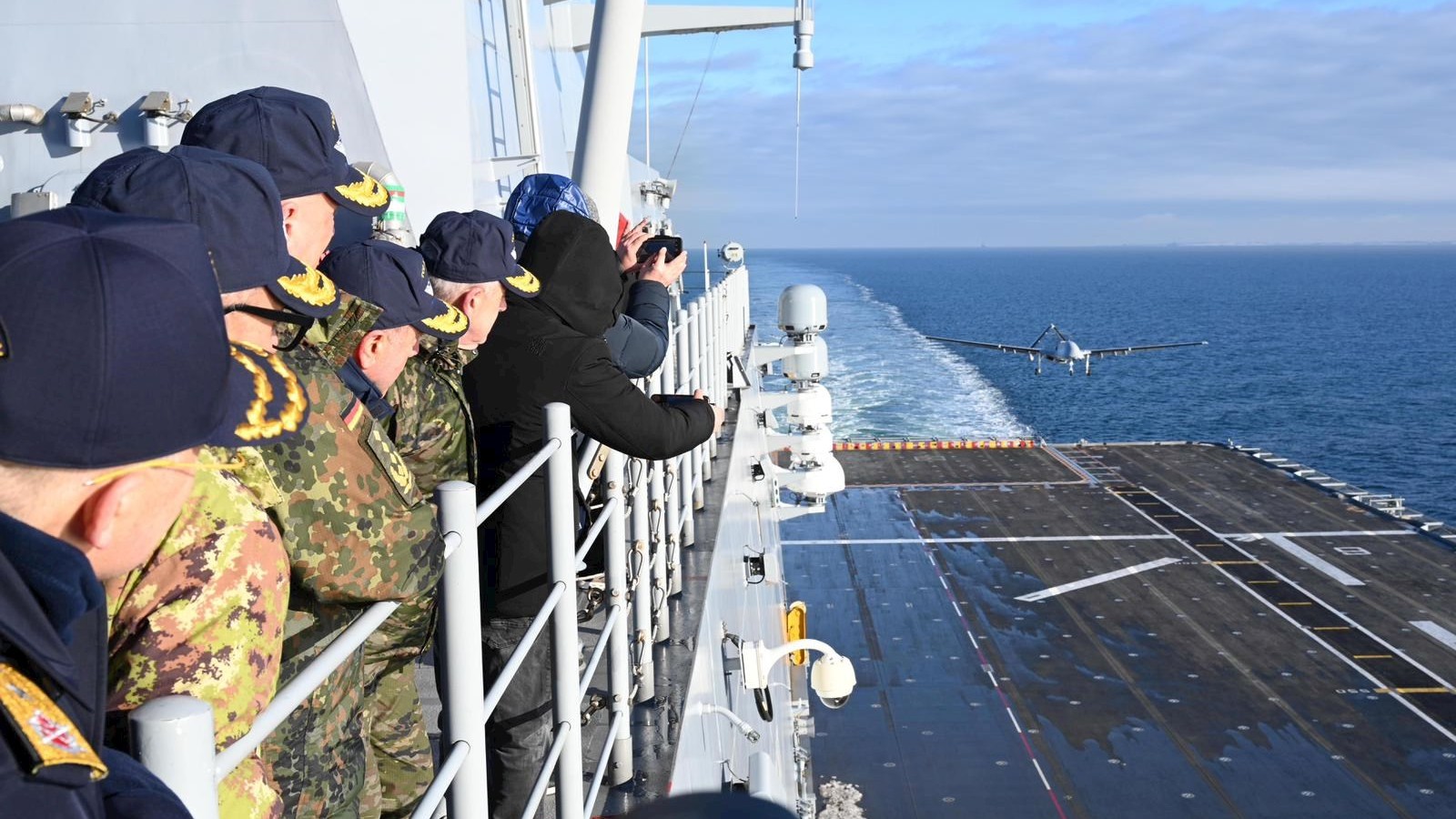
Turkey made the largest contribution to the exercise held in the Baltic Sea, with 2,000 soldiers; that was nearly one-fifth of all participants. The Turkish Armed Forces showed that, within a short period, they could transport a mechanized brigade reinforced with artillery and commando units thousands of kilometers north by land, sea, and air. When you look at NATO’s website, it is possible to see that Turkey is given its due not only in terms of military power but also in terms of the capabilities it adds to the Western military alliance.
Baltık Denizinde yapılan tatbikata en büyük katılımı 2000 askerle Türkiye gösterdi; tatbikata katılanların neredeyse 5’te biriydi. Türk Silahlı Kuvvetleri, kısa süre içinde bir topçu ve komando birlikleri takviyeli bir mekanize tugayı binlerce kilometre kuzeyine kara, deniz ve hava yoluyla nakledebileceğini gösterdi. NATO sitesine baktığınızda sadece askeri güç değil, Batı askeri ittifakına kattığı yetenekler bakımından da hakkının teslim edildiğini görmek mümkün.
For example, you can see that NATO sources refer to the combination of the TCG Anadolu, the Bayraktar TB-3, and FNSS’s ZAHA unmanned amphibious assault vehicle as the successful testing of the world’s first amphibious assault ship converted into a drone, or UAV/UCAV, base. Likewise, the first mission of the Istanbul-class frigate, Aselsan’s Aslan unmanned ground vehicle developed for reconnaissance/intelligence purposes, and the rockets developed by Roketsan are also cited as capabilities added to NATO.
Örneğin, TCG Anadolu, Bayraktar TB-3 ve FNSS’in ZAHA insansız çıkarma aracı birlikteliğinin NATO kaynaklarında, dünyanın dron (İHA/SİHA) üssüne dönüştürülmüş ilk amfibi saldırı gemisinin başarıyla sınanması olarak anıldığını görebilirsiniz. Keza, İstanbul sınıfı firkateynin ilk görevi, ASELSAN’ın geliştirdiği keşif/istihbarat amaçlı Aslan insansız kara aracı ve ROKETSAN’ın geliştirdiği roketlerin de NATO yeteneklerine katılmasının da.
As the World Becomes More InsecureDünya Daha Güvensizleşirken
Russia’s attack on Ukraine four years ago today may perhaps in the future be regarded as the beginning of a world war on a “low flame.” The most grave possibility is that this war could acquire a dimension in which nuclear weapons are used as well.
Rusya’nın dört yıl önce bugün Ukrayna’ya saldırması belki ileride “kısık ateşte” bir dünya savaşının başlangıcı sayılacak. Bu savaşın nükleer silahların da kullanılacağı boyut kazanması en vahim ihtimal.
The dismantling by the United States and Russia of the disarmament agreements established after the Second World War, which ended with the United States’ use of the world’s first nuclear weapon against Japan, is making the world steadily more insecure; I recommend that you read Hasan Göğüş’s article in YetkinReport.
ABD’nin dünyadaki ilk nükleer silahı Japonya’ya karşı kullanmasıyla biten İkinci Dünya Savaşı ardından kurulan silahsızlanma anlaşmalarının ABD ve Rusya tarafından bozulması, dünyayı giderek daha güvensiz hale getiriyor; Hasan Göğüş’ün YetkinReport’taki yazısını okumanızı öneririm.
Nuclear armament, which the United States has made the pretext for an attack on Iran, has taken on another dimension with the German-French nuclear talks.
ABD’nin İran’a saldırıya gerekçe yaptığı nükleer silahlanma, Almanya-Fransa nükleer görüşmeleriyle ayrı boyut kazandı.
In this environment, Turkey’s emphasis, on the one hand, on remaining within the NATO alliance and strengthening its defense as much as possible through its own means, and on the other hand, on a policy of avoiding and preventing conflicts, carries importance both for our country and for our region.
Türkiye’nin bu ortamda bir yandan NATO ittifakına içinde kalıp savunmasını olabildiğince kendi imkânlarıyla güçlendirirken diğer yandan çatışmalardan kaçınma ve önleme siyasetine ağırlık vermesi hem ülkemiz hem bölgemiz açısından önem taşıyor.