بعد أن عزلهم سعيّد، كيف يعيش القضاة بطالتهم القسرية؟
The piece argues that Tunisia’s executive power has used dismissals, vacancies, and administrative memoranda to subordinate the judiciary while presenting that domination as legality.
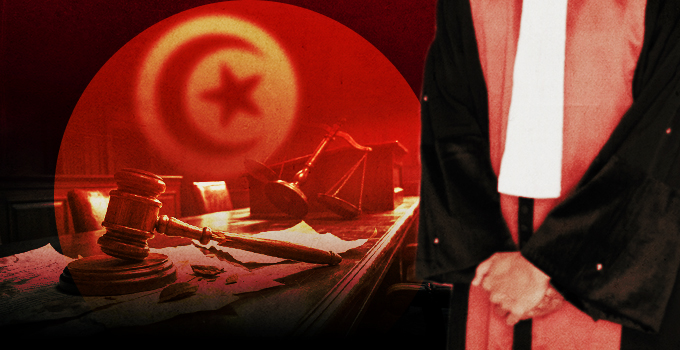
منذ ثلاث سنوات ونصف، تحديدا يوم 1 جوان 2022، جمع الرئيس قيس سعيّد وزراء حكومته ليعلن عن قرار بتنقيح المرسوم عدد 11 لسنة 2022 المتعلق بإحداث المجلس الأعلى المؤقت للقضاء وذلك بعد أقل من أربعة أشهر على اصداره.
Three and a half years ago, on June 1, 2022, President Kais Saied assembled the ministers of his government to announce a decision to amend Decree No. 11 of 2022, concerning the creation of the Provisional Supreme Judicial Council, less than four months after it had been issued.
في الاجتماع ذاته، قال سعيّد حرفيا:
At that same meeting, Saied said, verbatim:
Opportunity after opportunity has been given, warning after warning has been issued, so that the judiciary might cleanse itself. We cannot cleanse the country of corruption and violations of the law except through a full cleansing of the judiciary, and this situation cannot go on without end.
لقد أُعطيت الفرصة تلو الفرصة وتم التحذير تلو التحذير حتى يُطهّر القضاء نفسه ولا يمكن أن نطهّر البلاد من الفساد ومن تجاوز القانون إلا بتطهير كامل للقضاء ولا يمكن أن يستمر الوضع دون نهاية.
Within a few hours of that meeting, Decree No. 35 was issued, amending Decree No. 11 of 2022. That same night, Article 20, amended by Saied, took the heads of 57 judges, after the decision dismissing them was published in Official Gazette No. 63, dated June 1, 2022.
في ظرف ساعات قليلة من ذلك الاجتماع، صدر المرسوم عدد 35 المنقح للمرسوم عدد 11 لسنة 2022، وفي الليلة ذاتها، قطف الفصل عدد 20 الذي نقّحه سعيد، رؤوس 57 قاضيا، بعد صدور قرار إعفائهم في الرائد الرسمي عدد 63 المؤرخ في 1 جوان 2022.
Since the announcement, from the Ministry of Interior building, of the dissolution of the Supreme Judicial Council, President Saied’s regime has targeted the judicial authority in a continuous, mechanical fashion, through fevered speeches that were quickly translated into texts, decrees, and arbitrary decisions of dismissal and transfer. On the second anniversary of the dismissal of 57 judges, Nawaat met with Professor Ahmed Souab to discuss the condition to which the judicial service has been reduced.
منذ الإعلان عن حل المجلس الأعلى للقضاء من مبنى وزارة الداخلية، استهدف نظام الرئيس سعيد بطريقة آلية متواصلة السلطة القضائية عبر خطابات متشنجة سرعان ما ترجمت إلى نصوص ومراسيم وقرارات عزل ونقل تعسفية. بمناسبة مرور سنتين على عزل 57 قاضيا، التقت نواة الأستاذ احمد صواب لنقاش الحالة التي أصبح عليها المرفق القضائي.
Article 20 of Decree No. 35 of 2022 provides that “the President of the Republic may, in cases of urgency or of harm to public security or to the higher interest of the country, and on the basis of a reasoned report from the authorized bodies, issue a presidential order dismissing any judge against whom there is anything liable to harm the reputation, independence, or proper functioning of the judiciary. Public prosecution shall be initiated against every judge dismissed under this article. A presidential order dismissing a judge may not be appealed until a final criminal judgment has been issued regarding the acts attributed to him.”
ينص الفصل 20 من المرسوم عدد 35 لسنة 2022 على أنه ”لرئيس الجمهورية، في صورة التأكّد أو المساس بالأمن العام أو بالمصلحة العليا للبلاد، وبناء على تقرير معلّل من الجهات المخوّلة، إصدار أمر رئاسي يقضي بإعفاء كل قاض تعلّق به ما من شأنه أن يمس من سمعة القضاء أو استقلاليته أو حُسن سيره. وتُثار الدعوى العمومية ضدّ كل قاض يتم إعفاؤه على معنى هذا الفصل. لا يمكن الطعن في الأمر الرئاسي المتعلق بإعفاء قاض إلا بعد صدور حكم جزائي بات في الأفعال المنسوبة إليه“.
Forced Unemploymentبطالة قسرية
Presidential Order No. 516 of 2022, concerning the dismissal of judges, consigned 57 judges to unemployment, among them 49 whose appeals against the presidential order were accepted by the Administrative Court. Judge S. A. was among those vindicated by the Administrative Court, yet he has remained without work for three years because the Ministry of Justice has not complied with the court’s decision. Judge S. A. told Nawaat:
أحال الأمر الرئاسي عدد 516 لسنة 2022 المتعلق بإعفاء قضاة، 57 قاضيا على البطالة، من ضمنهم 49 قاضيا قبلت المحكمة الإدارية طعونهم في الأمر الرئاسي. كان القاضي س. أ من ضمن القضاة الذين أنصفتهم المحكمة الإدارية، لكنه ظلّ عاطلا عن العمل منذ ثلاث سنوات بسبب عدم امتثال وزارة العدل لقرار المحكمة الإدارية. يقول القاضي س. أ في تصريح لنواة:
My salary was stopped as soon as my name appeared on the list of dismissed judges, and I now live in forced unemployment. I have no other source of income, and my wife has found herself the sole provider for me and our three children. In truth, I can no longer meet ordinary expenses, including repairing my car, which broke down and for which I could not find the money to fix. One could say I am a social hardship case: I live in a rented home and have had no salary for three years.
تم إيقاف راتبي منذ صدور اسمي في قائمة القضاة المعزولين وأعيش الآن بطالة قسرية. ليس لي مورد رزق آخر ووجدت زوجتي نفسها العائل الوحيد لي ولأطفالنا الثلاثة. في الحقيقة لم يعد باستطاعتي مواجهة المصاريف العادية بما في ذلك إصلاح سيارتي التي تعطلت ولم أجد المال لإصلاحها. يمكن القول إنني حالة اجتماعية، أعيش في منزل مؤجّر ولا أملك راتبا منذ ثلاث سنوات.
Judge “S. A.” was dismissed because of a ruling he issued in a civil case, without knowing that the citizen concerned in the case was under police investigation. Although he has endured forced unemployment for more than three years, this judge refuses to work in any other profession. “I am a judge of senior rank,” he says. “I worked faithfully, as my conscience required of me, and I never issued an unjust decision; despite that, I was deprived of practicing my profession. I categorically refuse to take up another line of work, including practicing law behind the curtain. A lawyer friend offered me a proposal: to help him work on legal files in exchange for payment. I thanked him for trying to help me, but I refused his offer because I do not want to practice law in the shadows.”
عُزل القاضي ”س.أ“ بسبب حكم أصدره في قضية مدنية دون علمه بأن المواطن المعني بالقضية محل متابعة بوليسية. رغم أنه يعاني من البطالة القسرية منذ أكثر من ثلاث سنوات، يرفض هذا القاضي العمل في أي مهنة أخرى، حيث يقول “أنا قاض برتبة عالية، عملت بإخلاص بما يفرضه عليّ ضميري ولم أصدر أي قرار ظالم، ورغم ذلك حُرمت من ممارسة مهنتي. أرفض قطعيا امتهان عمل آخر، بما في ذلك ممارسة المحاماة خلف الستار. عرض علي صديق من المحامين مقترحا وهو مساعدته في العمل على ملفات قضائية مقابل أجر مادي، شكرته على محاولته مساعدتي لكنني رفضت مقترحه لأنني لا أريد ممارسة المحاماة في الظل“.
Judge “S. A.,” together with a number of dismissed judges, submitted a request to the National Bar Association during the term of Dean Hatem Mziou to be entered on the roll of lawyers. But on July 11, 2024, according to a communiqué issued by the deanery, the council of the association rejected the requests of all dismissed, resigned, and retired judges. The Court of Appeal is expected, on January 28 next, to examine the appeal filed by nearly twenty dismissed judges against the association’s decision.
تقدّم القاضي ”س.أ“ صحبة عدد من القضاة المعزولين بطلب إلى الهيئة الوطنية للمحامين خلال عهدة العميد حاتم مزيو، من أجل الترسيم في جدول المحاماة، لكن مجلس الهيئة رفض يوم 11 جويلية 2024 مطالب جميع القضاة المعزولين والمستقيلين والمتقاعدين حسب بلاغ صدر عن العمادة، ومن المنتظر أن تنظر محكمة الاستئناف يوم 28 جانفي القادم في الطعن الذي تقدم به قرابة عشرين قاض معزول ضد قرار الهيئة.
Judge Afif Jaidi explains the matter to Nawaat by saying that two paths stand before the dismissed judges. The first is their return to their original posts if the Administrative Court rules in their favor in the substantive cases before it. The second is for the dismissed judges to seek entry into the legal profession. Jaidi adds: “The Administrative Court has already ordered a stay of execution of the decision dismissing the judges in question, and we expect this court to vindicate them before moving on to issue an order enforcing the judgments rendered. Returning the dismissed judges to their posts is a restoration of their standing. On the other hand, it is among the traditions of the legal profession to enter dismissed or retired judges on the roll of the deanery, as happened in 1985 in what was called the judges’ massacre, when the Bar Deanery, under Dean Mansour Cheffi, registered the judges dismissed by former president Habib Bourguiba before they resumed their work in the judiciary. What matters in the present case is that the dismissal decision does not concern individuals, but the issue of executive interference in the judiciary.”
يفسر القاضي عفيف الجعيدي الموضوع في تصريح لنواة بوجود مسارين أمام القضاة المعزولين أوله إعادتهم إلى مواقعهم الأصلية إذا حكمت المحكمة الإدارية لصالح القضاة المعزولين في القضايا في الأصل المرفوعة لديها، أما المسار الثاني فهو توجه القضاة المعزولين للترسيم في المحاماة، ويضيف الجعيدي ”لقد سبق للمحكمة الإدارية أن أمرت بإيقاف تنفيذ قرار عزل القضاة المذكورين، ونتوقع أن تنتصر هذه المحكمة لهم قبل المرور لإصدار أمر بتنفيذ هذه الأحكام الصادرة. إعادة القضاة المعزولين إلى مناصبهم هو إعادة الاعتبار لهم. من جهة أخرى، فإنه من تقاليد المحاماة ترسيم القضاة المعزولين أو المتقاعدين في جدول العمادة، وهو ما حصل سنة 1985 فيما سمّي بمجزرة القضاة حين رسّمت عمادة المحامين في عهد العميد منصور الشفي، القضاة الذين عزلهم الرئيس الأسبق الحبيب بورقيبة، قبل أن يستأنفوا عملهم في القضاء. المهم في قضية الحال، أن قرار العزل لا يتعلق بأشخاص، بل بقضية تدخل السلطة التنفيذية في القضاء“.
Unlike Judge “A. S.,” another dismissed judge who spoke with Nawaat, and who refused to have his identity indicated, was forced to work in a lawyer’s office in order to secure his livelihood, pending the current association’s acceptance, under Dean Boubaker Belthabet, of his request to be entered on the roll of lawyers. The judge says he does not receive a salary in the literal sense of the word, but that what he receives in exchange for working on case files held by the lawyer’s office can cover a small part of his financial obligations.
على عكس القاضي ”أ.س“، اضطرّ قاض معزول آخر تحدثت معه نواة، ورفض الإشارة إلى هويته، إلى العمل في مكتب أحد المحامين من أجل ضمان قوته، في انتظار قبول الهيئة الحالية برئاسة العميد بوبكر بالثابت طلب ترسيمه في جدول المحامين، ويقول القاضي المذكور إنه لا يتقاضى أجرا بالمعنى الحرفي للكلمة لكن ما يتلقاه مقابل العمل على ملفات قضايا بحوزة مكتب المحامي المذكور، يمكن أن يغطي جزء ضئيلا من التزاماته المالية.
In June 2022, former judge Kalthoum Kennou wrote in a Facebook post commenting on the dismissal of the 57 judges: “Bourguiba dismissed judges in 1985, then they returned to their work, and some of them went into law practice. Bhiri committed a crime against judges, then they returned to their work. The same thing will happen with the judges dismissed by Mr. Kais Saied, and time will tell.”
في جوان 2022، قالت القاضية السابقة كلثوم كنو في تدوينةمعلقة على عزل 57 قاضيا، ”عزل بورقيبة قضاة سنة 1985 ثم عادوا إلى عملهم، وبعضهم توجّه إلى المحاماة، وأجرم البحيري في حق قضاة ثم عادوا إلى عملهم، نفس الشيء سيحصل بالنسبة للقضاة الذين عزلهم السيد قيس سعيد والأيام بيننا“.
On August 11, 1985, Organic Law No. 79 of 1985 was issued, concerning the statute of judges, the Supreme Judicial Council, and the organic law of judges. It established that public prosecution judges were subject to the authority of the Ministry of Justice. That decree led a number of judges to protest against it because it infringed on judicial independence, so Bourguiba dismissed them; among them was the late judge Mokhtar Yahyaoui.
يوم 11 أوت 1985،صدر القانون الأساسي عدد79 لسنة 1985 المتعلق بنظام القضاة الأعلى للقضاء والقانون الأساسي للقضاة، الذي أقر خضوع قضاة النيابة العمومية إلى سلطة وزارة العدل وأدى ذلك المرسوم إلى احتجاج عدد من القضاة ضدّه لأنه يمس من استقلالية القضاء، فقام بورقيبة بعزلهم وكان من ضمنهم القاضي الراحل مختار اليحياوي.
The acceptance, on December 12, 2025, of dismissed judge Mohamed Taher Khentach’s registration on the roll of lawyers is a reassuring sign for the dismissed judges whose applications to be entered on the roll of the legal profession had been rejected, especially since most of them had met the association’s conditions, including the registration fee, which amounts to twenty thousand dinars for any judge wishing to practice law, a sum difficult to secure, particularly in the circumstances of dismissed judges. Dean Boubaker Belthabet told Nawaat: “A number of applications from dismissed judges for registration on the roll of lawyers have reached the National Bar Association. Some applications are under review, and the association’s council will study the requests case by case before deciding whether or not to accept registration.”
يمثّل قبول ترسيم القاضي المعزول محمد الطاهر الخنتاش في جدول المحاماة يوم 12 ديسمبر 2025، مؤشرا مطمئنا للقضاة المعزولين الذين رُفضت مطالب ترسيمهم في جدول مهنة المحاماة، خاصة أن أغلبهم استوفوا شروط الهيئة بما في ذلك معلوم الترسيم الذي يبلغ عشرين ألف دينارا بالنسبة لأي قاض يريد أن يباشر المحاماة، وهو مبلغ يصعب توفيره خاصة في وضعية القضاة المعزولين. يقول العميد بوبكر بالثابت في تصريح لنواة ”وصل عدد من مطالب قضاة معفيين للترسيم في جدول المحاماة إلى الهيئة الوطنية للمحامين وهناك مطالب قيد المراجعة وسيقوم مجلس الهيئة بدراسة المطالب حالة بحالة قبل اتخاذ قبول الترسيم من عدمه“.
A Deliberate Vacancy in the Judiciary of Memorandaشغور متعمد لقضاء المذكرات
On October 1, 2023, the first president of the Court of Cassation, Moncef Kchaou, was referred to retirement. The vacancy at the head of the Court of Cassation was not filled, nor was the post of president of the Supreme Judicial Council, which is held by the president of the Court of Cassation under Decree No. 11 of 2022 regulating the work of the Provisional Supreme Judicial Council. The executive authority thereby broke the straw to which dismissed judges might have clung in order to seek redress against the decisions dismissing them. Article 15 of Decree No. 11 provides that each provisional judicial council, meaning the three provisional councils for the judicial, administrative, and financial judiciaries that make up the Provisional Supreme Judicial Council, shall examine “the preparation of the annual judicial movement, including nomination, appointment, promotion, transfer, and dismissal, and requests for lifting immunity and resignation. Each provisional judicial council shall undertake, on its own initiative or at the request of the President of the Republic, to review appointments, carry out a partial judicial movement, and examine grievance petitions when necessary to ensure the proper functioning of justice.” Article 22 of the same decree also guarantees the right to lodge grievances against decisions of promotion, transfer, and dismissal before each provisional judicial council according to its jurisdiction, after the presidential order concerning those decisions is published in the Official Gazette. Yet the amendment of Article 20 of Decree No. 11, which regulates the work of the Provisional Supreme Judicial Council, struck at that right when it granted the President of the Republic full authority over decisions dismissing judges and deprived them of the ability to challenge those decisions before a final criminal judgment had been issued regarding the acts attributed to the dismissed judge.
يوم 1 أكتوبر سنة 2023، أُحيل الرئيس الأول لمحكمة التعقيب منصف الكشو على التقاعد، ولم يتم سدّ ذلك الشغور على رأس محكمة التعقيب ولا في منصب رئاسة المجلس الأعلى للقضاء الذي يتولاه رئيس محكمة التعقيب وفق المرسوم عدد 11 لسنة 2022 المنظّم لعمل المجلس الأعلى المؤقت للقضاء، وبالتالي قصمت السلطة التنفيذية القشة التي يمكن أن يتشبّث بها القضاة المعزولون من أجل التظلم بخصوص قرارات إعفائهم، إذ ينصّ الفصل 15 من المرسوم عدد 11 على أن ينظر كل مجلس مؤقت للقضاء، ويقصد بذلك المجالس الثلاثة المؤقتة للقضاء العدلي والإداري والمالي، المكونة للمجلس الأعلى المؤقت للقضاء ”في إعداد حركة القضاة السنوية من تسمية وتعيين وترقية ونقلة وإعفاء وفي مطالب رفع الحصانة والاستقالة. يتولى كل مجلس مؤقت للقضاء: المبادرة، بصفة تلقائية أو بطلب من رئيس الجمهورية، بمراجعة التعيينات وإجراء حركة قضائية جزئية والنظر في مطالب التظلم عند الاقتضاء لضمان حسن سير القضاء“، كما يضمن الفصل 22 من المرسوم ذاته حق التظلم على قرارات الترقية والنقلة والإعفاءات لدى كل مجلس مؤقت للقضاء حسب اختصاصه بعد نشر الأمر الرئاسي المتعلق بالقرارات المذكورة في الرائد الرسمي، غير أن تنقيح الفصل 20 من المرسوم عدد 11 المنظم لعمل المجلس الأعلى المؤقت للقضاء، ضرب ذلك الحق حين منح رئيس الجمهورية لنفسه السلطة الكاملة في قرارات إعفاء القضاة وفي حرمانهم من الطعن في هذه القرارات قبل صدور حكم جزائي بات في الأفعال المنسوبة للقاضي المُعفى.
Head of State Kais Saied issued a decree dissolving the Supreme Judicial Council on February 22, 2022, and, after a year had passed, replacing the council with a provisional one. Tunisian justice still suffers from problems and crises related chiefly to its independence and its political instrumentalization, perhaps the most important of which are the dismissal of judges by the political authority and the justice minister’s issuing of direct instructions to the public prosecution.
أصدر رئيس الدولة قيس سعيد مرسوما يقضي بحل المجلس الأعلى للقضاء في 22 فيفري 2022، بعد مضي سنة وتعويض المجلس بآخر مؤقت، مازال القضاء التونسي يعاني إشكالات وأزمات تتعلق أساسا باستقلاليته وتوظيفه سياسيا، لعل أهمها عزل القضاة من قبل السلطة السياسية وتوجيه وزيرة العدل لتعليمات مباشرة للنيابة العمومية.
Last October, the Association of Tunisian Judges, in a statement, described the justice minister’s use of the work-memorandum mechanism over two years, since the start of the vacancy at the head of the Provisional Supreme Judicial Council, as unconstitutional. According to that statement, the association recorded more than one thousand work memoranda issued by the Ministry of Justice over two years, which “led to a radical change in the judicial landscape, spread chaos in appointments to posts and removals from them, and generalized arbitrary transfers throughout the year, outside every sound logic,” in the association’s words.
في أكتوبر الماضي وصفت جمعية القضاة التونسيين في بيان لها، استخدام وزيرة العدل لآلية مذكرات العمل طيلة عامين منذ بداية الشغور على رأس المجلس الأعلى المؤقت للقضاء، بأنه مخالف للدستور، وحسب البيان المذكور، رصدت الجمعية أكثر من ألف مذكرة عمل صادرة عن وزارة العدل طيلة عامين وهو ما ”آل إلى تغيير جذري في المشهد القضائي وإشاعة فوضى التسميات في الخطط والإعفاء منها وتعميم النقل الاعتباطية على مدار السنة خارج كل منطق سليم“ حسب بيان الجمعية.
The executive authority has played winning cards in order to seize control of the judiciary: the first was when the National Bar Association, headed by Hatem Mziou, refused to register the dismissed judges, thereby ensuring the silence of a number of judges, especially regarding procedural violations in political cases. The second card has been keeping the Provisional Supreme Judicial Council in a state of paralysis for more than two years, thereby giving the Ministry of Justice free rein to operate through memoranda it issues on transfers, promotions, and dismissals, all of it “by law,” as the justice minister put it when speaking before parliament. It is a law Tunisians have begun to live with as it is turned into an instrument in the hands of power, to be used however it wishes in order to remain in the seat of rule and torment every opposing voice, producing a loss of citizens’ trust in the justice system, a matter of extreme danger to the state and society.
لعبت السلطة التنفيذية بأوراق رابحة من أجل السيطرة على القضاء: الأولى حين رفضت الهيئة الوطنية للمحامين برئاسة حاتم مزيو ترسيم القضاة المعزولين، وبالتالي ضمنت صمت عدد من القضاة خاصة تجاه الخروقات الإجرائية في قضايا سياسية، أما الورقة الثانية فهي الإبقاء على المجلس الأعلى المؤقت للقضاء في حالة عطالة منذ أكثر من سنتين، وبالتالي أطلقت يد وزارة العدل للعمل وفق مذكرات تصدرها في النقل والترقيات والإعفاءات، وكل ذلك ”بالقانون“ على حد تعبير وزيرة العدل خلال حديثها أمام البرلمان. قانون بدأ التونسيون يتعايشون مع تحويله إلى وسيلة في يد السلطة، تستعمله كما شاءت للبقاء في كرسي الحكم والتنكيل بكل نفس معارض، ما ينتج فقدان ثقة المواطنين في مرفق العدالة وهو أمر شديد الخطورة على الدولة والمجتمع.