The War for People: Ukraine Is Losing Population Faster Than Russia
Ukraine’s survival depends not only on military endurance but on institutions capable of slowing demographic decline through repatriation, integration, and a deliberate migration policy.
ArticlesСтатті
The War for People: Ukraine Is Losing Population Faster Than RussiaВійна за людей: Україна втрачає населення швидше за Росію
In recent months, Ukraine has been engulfed in heated debates about migrants, from arguments on social media to public statements by officials. Across those same social networks, a wave of memes about “Indians in Ukraine” has swept through. But beneath the general froth of emotion, the essential point is being lost: the demographic crisis is becoming truly dangerous. The country’s population is shrinking faster than it did before 2022. That is precisely why the state needs a considered migration policy, a strategy for bringing back its own people and attracting others. The Strategy of State Migration Policy adopted in 2017 expired in 2025, while a new one, extending to 2035, is still only being drafted.
Останні місяці в Україні точаться запеклі дискусії про мігрантів — від суперечок у соцмережах до публічних заяв чиновників. У тих самих соцмережах прокотилася хвиля мемів про «індусів в Україні». Та за загальною емоційною піною губиться головне: демографічна криза стає по-справжньому небезпечною. Населення країни зменшується швидше, ніж це було до 2022 року. Саме тому державі потрібна продумана міграційна політика, стратегія повернення своїх і залучення чужих. Стратегія державної міграційної політики, ухвалена у 2017 році, завершила свою дію у 2025-му, а нову — до 2035 року — поки що лише розробляють.
Voiced with AI in the voice of Valeria Pavlenko. History. Numbers Matter.
Озвучено за допомогою ШІ голосом Валерії Павленко Історія. Кількість має значення
It would seem that in war the more numerous side wins. In the middle of the last millennium, the Principality of Moscow annexed Novgorod with a sevenfold advantage in population, the Kazan Khanate with a fifteenfold advantage, and Astrakhan with a hundredfold one. But this arithmetic does not always work.
Здавалося б, у війні перемагає чисельніший. У середині минулого тисячоліття Московське князівство анексувало Новгород, маючи семикратну перевагу в населенні, Казанське ханство — п’ятнадцятикратну, Астрахань — стократну. Та ця арифметика працює не завжди.
The Moscow of Ivan the Terrible entered the Livonian War with twice the population of the Grand Duchy of Lithuania. It emerged weakened: it lost its conquests and found itself in economic crisis, exhausted by the oprichnina. The Grand Duchy of Lithuania was weakened as well, which pushed it toward union with Poland.
Москва Івана Грозного входила в Лівонську війну вдвічі чисельнішою за Велике князівство Литовське. А вийшла ослабленою: втратила завоювання й опинилася в економічній кризі, знесилена опричниною. ВКЛ також ослабло, що підштовхнуло його до унії з Польщею.
At the beginning of the seventeenth century, the Polish-Lithuanian Commonwealth became the contender for hegemony in Eastern Europe, its population by then exceeding Moscow’s. Its troops took the Kremlin with small forces because the Muscovite state was drowning in internal problems. Moscow ceded Smolensk, Chernihiv, and Novhorod-Siverskyi to the Commonwealth. In this way, it gained the necessary “breathing space.”
На початку XVII століття претендентом на гегемонію в Східній Європі стала Річ Посполита, населення якої тепер вже перевищувало московське. Її війська взяли Кремль невеликими силами, бо Московська держава тонула у внутрішніх проблемах. Москва віддала Речі Посполитій Смоленськ, Чернігів і Новгород-Сіверський. І так отримала необхідну «передишку».
In the middle of the seventeenth century, everything was overturned. Taking advantage of the Khmelnytsky uprising, Moscow struck at the Commonwealth. A significant share of the population was deported or resettled to Muscovy.
У середині XVII століття все перевернулося. Скориставшись повстанням Хмельницького, Москва вдарила по Речі Посполитій. Значна частина населення була депортована або переселена до Московщини.
By the middle of the eighteenth century, the Polish-Lithuanian Commonwealth had become an infirm state. Its numbers still allowed it to wage war, but its antiquated noble order was choking it. Russian troops moved across Polish territory as they do across Belarusian territory today. The critical issue was not the difference in numbers, but the institutional incapacity of the Commonwealth. The result was that Poland was partitioned by stronger neighbors.
До середини XVIII століття Річ Посполита перетворилася на немічну державу. Чисельність ще давала змогу воювати, але застарілий шляхетський устрій душив її. Російські війська ходили польською територією, як сьогодні білоруською. Критичною була не різниця в чисельності, а інституційна неспроможність Речі Посполитої. Як наслідок — Польщу поділили сильніші сусіди.
Two Demographic PoliciesДві демографічні політики
The strength of the Commonwealth long rested on openness. Germans had been coming to Polish lands since the twelfth and thirteenth centuries, and cities were founded under Magdeburg law. Jews received privileges from Polish kings; Ruthenians, that is Ukrainians and Belarusians, Armenians, and Tatars were invited in. In the sixteenth century, Stephen Báthory granted benefits to Scottish merchants. Poland accepted several waves of Dutch Mennonites. This was a consistent policy of attracting people, technology, and capital.
Сила Речі Посполитої довго трималася на відкритості. Німці йшли на польські землі з XII–XIII століть, міста закладалися на магдебурзькому праві. Привілеї від польських королів отримали євреї, запрошували русинів (українців та білорусів), вірмен і татар. Стефан Баторій у XVI столітті надав пільги шотландським купцям. Польща прийняла кілька хвиль голландських менонітів. Це була послідовна політика залучення людей, технологій і капіталу.
Moscow did the same, especially when its demography collapsed. After the Time of Troubles, the central territories of the tsardom were depopulated, and the first Romanovs, Michael and Alexei, built a system for drawing in human resources from outside. The Dutch built factories. Scottish and German officers commanded regiments of the new model. Moscow accepted Orthodox Christians from the Balkans, Moldavia, and the Greek world, incorporated the Tatar nobility, and settled fugitives from Ukraine on its southern borders. Tens of thousands of craftsmen, printers, and clergy were taken from Belarus and Lithuania, most often as captives.
Москва робила те саме, особливо коли її демографія обвалювалася. Після Смути центральні території царства знелюдніли, і перші Романови — Михайло й Олексій — вибудували систему залучення людського ресурсу ззовні. Голландці будували заводи. Шотландські й німецькі офіцери очолювали полки нового зразка. Москва приймала православних із Балкан, Молдови, з грецького світу, інкорпорувала татарську знать, селила на південних кордонах утікачів з України. З Білорусі й Литви вивезли десятки тисяч ремісників, друкарів і представників духовенства — здебільшого це було як полон.
Ukraine and Belarus Became a Source of Development for MuscovyУкраїна та Білорусь стали для Московії джерелом розвитку
The paradox is that Ukraine and Belarus became for Muscovy what Latin Europe became for the Polish-Lithuanian Commonwealth: a source of development. Without this influx, there would have been neither Peter’s reforms nor the Russian Empire.
Парадокс — Україна та Білорусь стали для Московії тим, чим латинська Європа стала для Речі Посполитої, — джерелом розвитку. Без цього припливу не було б ні петровських реформ, ні Російської імперії.
The difference between the two states lay in their capacity to carry out reforms. The Commonwealth was gradually afflicted by a noble-political paralysis. Moscow, meanwhile, was building an absolutist vertical of power that allowed it systematically to absorb people, technologies, and territories even in years of weakness.
Різниця між двома державами була в спроможності проводити реформи. Річ Посполиту поступово уражав шляхетсько-політичний параліч. Тоді як Москва розбудовувала абсолютистську вертикаль, яка давала змогу планомірно поглинати людей, технології й території навіть у роки слабкості.
Demography, resources, and numbers matter a great deal, but without capable institutions and a conscious state policy, they are not converted into power. It was precisely the ability to make and execute decisions that allowed Moscow to rise after every blow.
Демографія, ресурси та чисельність важать багато, але без дієздатних інституцій і свідомої державної політики вони не конвертуються в силу. Саме спроможність ухвалювати і виконувати рішення давала змогу Москві підніматися після кожного удару.
Ukraine 100 Years AgoУкраїна 100 років тому
The importance of institutional capacity was demonstrated by the period of the collapse of the Russian and Austro-Hungarian empires. After the demographic explosion of the nineteenth century, roughly 30 million people lived on Ukrainian lands, more than in Piłsudski’s Poland. Lenin initially ruled over about 65 million. Millions of Ukrainians served in the tsarist army. And what happened?
Важливість інституційної спроможності показав період розпаду Російської та Австро-Угорської імперій. Після демографічного вибуху XIX століття на українських землях жило близько 30 млн людей — більше, ніж у Польщі Пілсудського. Під владою Леніна спочатку було близько 65 млн. У царській армії служили мільйони українців. А що сталося?
After the October coup, the Bolsheviks dissolved the old imperial army and created a new one of several million. They moved to general mobilization in 1918, the same year the Skoropadskyi state, supported by the Germans, arose in Ukraine. The Bolsheviks began mobilization, while Skoropadskyi, despite understanding the need for it, could not. The hetman was overthrown, and time was lost.
Після Жовтневого перевороту більшовики розпустили стару імперську армію і створили нову, кількамільйонну. До загальної мобілізації вони перейшли в 1918 році — тоді ж, коли в Україні постала держава Скоропадського, підтримана німцями. Більшовики мобілізацію почали, а Скоропадський, попри розуміння потреби в ній, не зміг. Гетьмана повалили, час було втрачено.
In Terms of Population, Ukraine Outnumbered PolandЗа кількістю людей Україна переважала Польщу
At its peak in 1919, the Red Army had around 3 million bayonets. Piłsudski’s Poland had 600,000. The Ukrainian People’s Republic had several tens of thousands. In terms of population, Ukraine outnumbered Poland, yet it fielded an army several times smaller. Even this, however, was enough to force the Bolsheviks to create the Ukrainian SSR and to form the USSR as a federation. This would have far-reaching consequences.
На піку 1919 року Червона армія мала близько 3 млн багнетів. Польща Пілсудського — 600 тис. УНР — кілька десятків тисяч. За кількістю людей Україна переважала Польщу, але виставила армію в кілька разів меншу. Хоча навіть цього вистачило, щоб більшовики були змушені створити УСРР і сформувати СРСР як федерацію. Це матиме далекосяжні наслідки.
Despite the inability to convert demographic growth into full political subjecthood, numbers matter. The peak in birth rates helped the people survive wars. According to the estimate of demographer Oleksandr Gladun, around 1.57 million children were born in 1912 on the territory of present-day Ukraine, a record in our history.
Попри нездатність конвертувати демографічне зростання в повну політичну суб’єктність, чисельність має значення. Пережити війни допомагав пік народжуваності. За оцінкою демографа Олександра Гладуна, у 1912 році на території сучасної України народилося близько 1,57 млн дітей — рекорд у нашій історії.
This enabled the Ukrainian people to survive incredible cataclysms: the Holodomor, the Holocaust, occupations, and Stalinist terror. According to calculations by demographer Omelian Rudnytskyi, Ukraine lost more than 19 million lives, including more than 8 million in the Second World War.
Це дало змогу українському народу пережити неймовірні катаклізми: Голодомор, Голокост, окупації, сталінський терор. За підрахунками демографа Омеляна Рудницького, Україна втратила понад 19 млн життів, із них понад 8 млн — у Другу світову війну.
Today: Five to OneСьогодні: п’ять до одного
Today Russia has an almost fivefold advantage in population, though in 1991 it had only a threefold one. People are Putin’s strongest position in the war and Ukraine’s weakest.
Сьогодні Росія має майже п’ятикратну перевагу в населенні, хоча в 1991 році мала лише трикратну. Люди — найсильніша позиція Путіна у війні й найслабша для України.
Ukraine is holding on thanks to technology, exhausting general mobilization, external support, and a consensus rejecting union with Russia.
Україна тримається завдяки технологіям, виснажливій загальній мобілізації, зовнішній підтримці та консенсусу несприйняття союзу з Росією.
Some even say that Ukraine’s resistance is changing the historical balance of power in Central and Eastern Europe, the one Khmelnytsky once changed in Moscow’s favor. Only now, instead of Moscow, the countries of the European Union are the victors, while Putin’s Russia plays the role of the clumsy elites of the Commonwealth. The battlefield is the traditional one: Ukraine.
Дехто навіть каже, що спротив України змінює історичний баланс сил у Центрально-Східній Європі — той, який Хмельницький колись змінив на користь Москви. Лише тепер замість Москви країни Євросоюзу як переможці, а в ролі незграбних еліт Речі Посполитої путінська Росія. Поле бою традиційне — Україна.
Yet a modern army of 800,000 to 900,000 is an unprecedented level of mobilization in Ukrainian history, an order of magnitude higher than in the UPR, the Ukrainian Galician Army, the UPA, or Makhno’s army. This became possible thanks to money from EU countries, technologies from the United States, and the demographic accumulations of past decades.
Однак сучасна армія чисельністю 800–900 тис. — безпрецедентний для української історії рівень мобілізації, на порядок вищий, ніж в УНР, УГА, УПА чи в армії Махна. Це стало можливим завдяки грошам країн ЄС, технологіям США й демографічним накопиченням минулих десятиліть.
Human Capital Is Being Depleted Because the Population Is Melting AwayЛюдський капітал вичерпується, бо тане населення
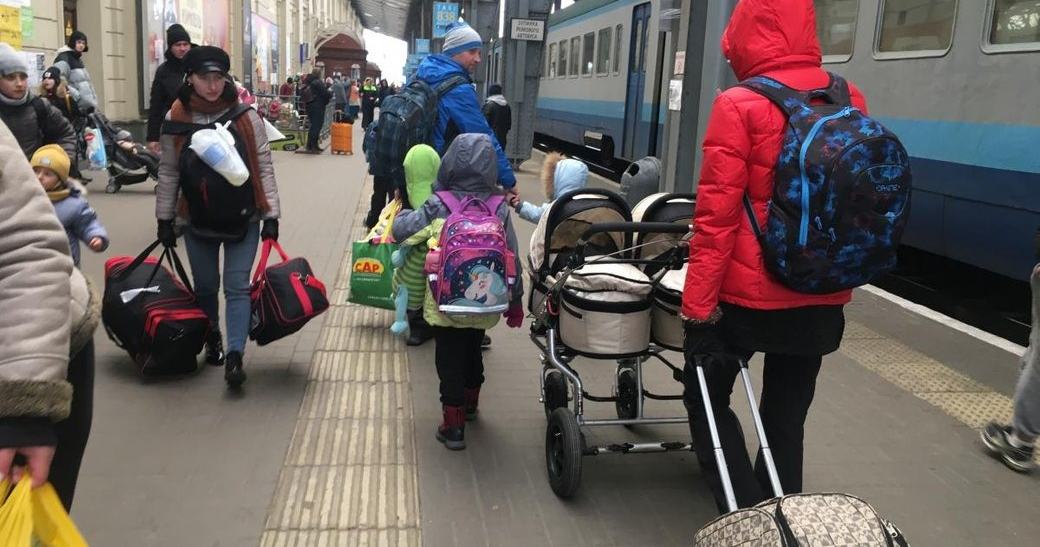
Meanwhile, human capital is being depleted because the population is melting away. In 33 years, through mortality, annexations, and migration, Ukraine has lost around 20 million people.
Тим часом людський капітал вичерпується, бо тане населення. За 33 роки через смертність, анексії та міграцію Україна втратила близько 20 млн людей.
In the twentieth century, demography helped the country survive cataclysms. After the present war, that mechanism will no longer exist. There are fewer women of reproductive age with every passing year. Even if the war ends tomorrow and some refugees return, there will be no natural restoration of population numbers.
У XX столітті пережити катаклізми допомагала демографія. Після нинішньої війни такого механізму вже не буде. Жінок репродуктивного віку з кожним роком дедалі менше. Навіть якщо завтра війна закінчиться й повернеться частина біженців, природного відновлення чисельності не буде.
The war is also hitting Russia, but less severely. According to the estimate of Russian demographer Alexei Raksha, the birth rate in the Russian Federation fell last year to roughly 1.178 million children. If these calculations are accurate, the ratio of births in Russia to births in Ukraine has reached 7:1, not in our favor.
По Росії війна також б’є, але слабше. За оцінкою російського демографа Олексія Ракші, народжуваність у РФ торік зменшилася приблизно до 1,178 млн дітей. Якщо ці розрахунки точні, співвідношення народжуваності в Росії та Україні сягнуло 7 : 1 не на нашу користь.
For Ukraine, the current path from one negative record to the next is a dynamic that calls the very future of the country into question.
Для України нинішній шлях від антирекорду до антирекорду — це динаміка, яка ставить під сумнів саме майбутнє країни.
What Follows from ThisЩо із цього випливає
The scenario classic to the twentieth century, “we survived the war, we will give birth to new people,” no longer works.
Класичний для XX століття сценарій «пережили війну — народимо нових» більше не працює.
The labor market picture is telling. Some 28 to 30 million people live on territory controlled by Ukraine. Approximately 13 million of them work, less than half. The rest are either in the shadow economy, or cannot work because of age or other circumstances. A shortage of personnel is felt by 74 percent of Ukrainian companies. Over the horizon of a decade, the gap becomes systemic: the government cites a figure of 4.5 million people who must be additionally attracted by 2035. The Strategy for Employment of the Population of Ukraine to 2030, adopted in January 2026, sets an interim benchmark: an increase in the number of employed people by 2 million. The government will try to cover this figure by ensuring that everyone works officially, for a declared salary, and by bringing refugees back. But I doubt that such a number of Ukrainians working illegally exists. And will the refugees return?
Картина ринку праці показова. На підконтрольній Україні території проживає 28–30 млн людей. Працює з них приблизно 13 млн — менш як половина. Решта або в тіні, або через вік чи інші обставини працювати не може. Дефіцит кадрів відчуває 74% українських компаній. На горизонті десятиліття дірка стає системною: уряд називає цифру 4,5 млн людей, яких треба додатково залучити до 2035 року. Ухвалена в січні 2026-го Стратегія зайнятості населення України до 2030 року ставить проміжний орієнтир — зростання кількості зайнятих на 2 млн осіб. Уряд намагатиметься закрити цю цифру тим, щоб усі працювали офіційно за білу зарплату (в існуванні такої кількості українців, які працюють нелегально, у мене є сумнів), і поверненням біженців. Але чи повертатимуться вони?
Even under the most optimistic scenario of repatriation, the state will not manage without models for integrating foreigners. This is not a choice between either-or, but both at once.
Навіть за найоптимістичнішого сценарію репатріації держава не обійдеться без моделей інтеграції іноземців. Це не вибір між «або-або», а одночасно «і-і».
Raising GDP Will Require More WorkersПідвищення ВВП вимагатиме більшої кількості працівників
The same applies to labor productivity: its growth is necessary, but it will not solve the shortage of personnel. Moreover, raising GDP will require a larger number of workers and better-qualified ones.
Те саме стосується продуктивності праці: її зростання потрібне, але проблему дефіциту кадрів цим не вирішити. Крім того, підвищення ВВП вимагатиме більшої кількості та якості працівників.
But it is also true that quickly closing a deficit of 4.5 million pairs of working hands with foreigners is a “mine” planted under the country. Demographer Oleksandr Gladun puts it bluntly: “The gradual, evolutionary attraction of foreigners and the evolutionary development of Ukrainian society are better than any revolutionary change, which is what bringing 4.5 million migrants into Ukraine’s economy would be.”
Але правда і в тому, що швидке закриття дефіциту в 4,5 млн робочих рук іноземцями — це «міна» під країну. Демограф Олександр Гладун формулює це прямо: «Поступове еволюційне залучення іноземців і еволюційний розвиток українського суспільства — це краще за будь-яку революційну зміну, якою стане залучення 4,5 млн мігрантів до економіки України».
A large influx of immigrants over a short period can change the country’s ethnic and religious structure. It is therefore worth discussing in advance whom we want to see: people of which professions, from which countries, which flows should be strengthened and which should be cut off. But the choice will have to be made from what exists: from post-Soviet countries, South Asia, Africa, and Latin America. The pace of migrant inflow acceptable for state security, and the regions of origin, are a separate question that must also be taken into account.
Великий приплив іммігрантів за короткий час може змінити етнічну та релігійну структуру країни. Тому варто заздалегідь обговорити, кого хочемо бачити: людей яких професій, із яких країн, які потоки посилювати, а які перекривати. Але обирати доведеться з того, що є: із пострадянських країн, Південної Азії, Африки, Латинської Америки. Прийнятний для державної безпеки темп припливу мігрантів та регіони походження — окреме питання, його треба теж ураховувати.
And Colombians TooІ колумбійці також
Integration through work and service in the military is the only realistic path. At the same time, the state must consciously choose priority sources of inflow.
Інтеграція через роботу і службу у війську — єдиний реальний шлях. Водночас держава має свідомо обирати пріоритетні джерела припливу.
In my view, the first promising reserve is the South Caucasus: Georgia, Armenia, Azerbaijan. A shared Soviet educational inheritance, knowledge of Russian as a bridge to Ukrainian, and a long tradition of professional mobility to Ukraine. The target categories are teachers, doctors, engineers, and military personnel.
На мій погляд, перший перспективний резерв — Південний Кавказ: Грузія, Вірменія, Азербайджан. Спільна радянська освітня спадщина, знання російської як містка до української, тривала традиція професійної мобільності до України. Цільові категорії — вчителі, лікарі, інженери, військові.
Colombians and other Latin Americans who have gained combat experience in the Defense Forces deserve a simplified path to a residence permit and citizenship, following the model of the French Foreign Legion or the American practice of naturalization through military service. The politics of memory should also take into account the number of foreigners who have died for Ukraine and treat their countries of origin attentively. That would be just.
Колумбійці та інші латиноамериканці, які здобули бойовий досвід у Силах оборони, заслуговують на спрощений шлях до посвідки на проживання і громадянства — за моделлю Французького іноземного легіону чи американської практики натуралізації через військо. Також політика пам’яті має взяти до уваги кількість загиблих за Україну іноземців та уважно поставитися до країн їхнього походження. Це було б справедливо.
South Asia Is an Undervalued Source of Qualified PersonnelПівденна Азія — недооцінене джерело кваліфікованих кадрів
South Asia is an undervalued source of qualified personnel. Many students from the region study in Ukraine and acquire professions, so it would be logical for some of them to remain. Yet systemic tools for working with this segment are still nowhere to be seen.
Південна Азія — недооцінене джерело кваліфікованих кадрів. Багато студентів із регіону навчається в Україні й здобуває фах, тож логічно, щоб частина залишалася. Хоча системних інструментів роботи із цим сегментом досі не видно.
Another small but valuable channel is Europeans and North Americans: specialists ranging from farmers to military engineers. They may be attracted by the fairly low barriers to starting a business in Ukraine. Purposeful work with this group is a separate strategic task.
Ще один нечисленний, але цінний канал — європейці й північноамериканці: фахівці від фермерів до військових інженерів. Їх можуть привабити досить низькі бар’єри для старту підприємництва в Україні. Цілеспрямована робота із цією групою — окреме стратегічне завдання.
What truly should be prevented is the formation of closed monoethnic enclaves with weak ties to the rest of society: modern ghettos.
Чому справді варто запобігати, то це формуванню закритих моноетнічних анклавів зі слабкими зв’язками з рештою суспільства — сучасних гетто.
The Universal Filter for Everyone Is LanguageУніверсальний фільтр для всіх — мова
The universal filter for all categories is language. No work permits without an obligation to pass Ukrainian at least at A2 level during the first year. The Ukrainization of migrants is a strategically important task, and funds for adaptive language courses should be allocated already now. After all, Ukrainization as a policy is a continuous process that must concern everyone, including ethnic Ukrainians.
Універсальний фільтр для всіх категорій — мова. Жодних дозволів на роботу без зобов’язання скласти українську бодай на рівні А2 протягом першого року. Українізація мігрантів — стратегічно важливе завдання (вже зараз слід закладати кошти на адаптаційні мовні курси). Зрештою, українізація як політика — це безперервний процес, що повинен стосуватися всіх, зокрема й етнічних українців.
Of course, these are only ideas that specialists should discuss. But the absence of a state migration strategy and policy will have far-reaching negative consequences for Ukraine’s existence. Inaction, or hasty decisions without a professional foundation, will mean that we simply fall faster than Russia.
Звісно, це лише ідеї, які мають обговорювати фахівці. Але відсутність державної міграційної стратегії та політики матиме далекосяжні негативні наслідки для існування України. Бездіяльність або поспішні рішення без фахового підґрунтя означатимуть, що ми просто падатимемо швидше за Росію.
Ukraine must hold out twice over: as a state, by preserving institutional capacity, and numerically, by slowing the rate of population decline.
Україна має втриматися двічі: як держава, зберігши інституційну спроможність, і чисельно, сповільнивши темпи зменшення населення.