طالبان در خیابان، مردان در خانه؛ چگونه صدای اعتراض زنان افغانستان خاموش میشود؟
For Afghan girls and women, even social media has become a contested last refuge, where protest against Taliban repression is often silenced first by the men inside their own homes.
Ziba Balkhiزیبا بلخی
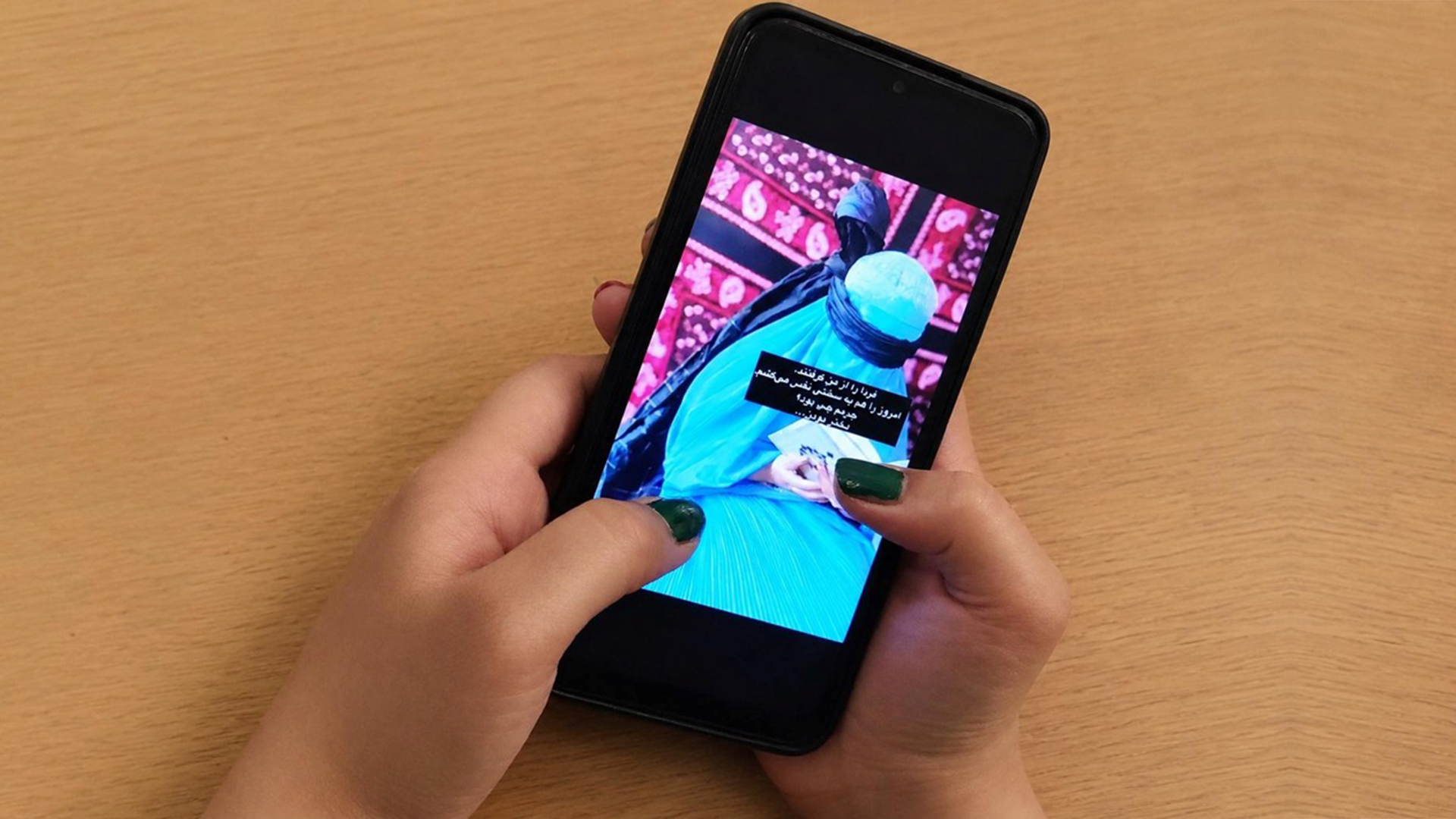
“We could have been happier girls, if not for the tyranny of geography.” This brief sentence was written over a video that Fariba posted on Friday morning, 22 Jawza, on her WhatsApp, Facebook, and Instagram stories in support of the girls arrested in Herat. The video showed painted images of a girl standing before an armed Talib and two schoolgirls weeping behind the closed gate of a school.
«ما میتوانستیم دختران خوشحالتری باشیم، اگر جبر جغرافیا نبود.» این جملهی کوتاه روی ویدیویی نوشته شده بود که فریبا، صبح جمعه ۲۲ جوزا، در حمایت از دختران بازداشتشده هرات، در استوری واتساپ، فیسبوک و اینستاگرامش منتشر کرد. در این ویدیو، تصاویر نقاشی شده از یک دختر در مقابل یک طالب مسلح و دو دانشآموز در حال گریه پشت دروازه بسته مکتب به تصویر کشیده شده بود.
The message of Fariba’s story was simple and clear: the suppression of individual freedoms, deprivation of education, and restrictions imposed on women’s art and identity.
پیام استوری فریبا ساده و روشن بود: سرکوب آزادیهای فردی، محرومیت از آموزش و محدودیت بر هنر و هویت زنان.
For Fariba*, twenty-four, this was the only way to pour out her pain, to stand in sympathy with the girls arrested in Herat, and to raise a voice that was not allowed to be heard in the street.
برای فریبا* ۲۴ ساله، این کار تنها راهی بود برای بیرون ریختن درد، همدردی با دختران بازداشت شده در هرات و بلند کردن صدایی که اجازه نداشت در خیابان شنیده شود.
But the video and text survived on Fariba’s social media accounts for only an hour. “My father came into the house and was calling my name loudly... I went, and he slapped me hard across the face and said, You will never become a decent person, you shameless girl!”
اما این ویدیو و متن در حساب کاربری صفحات اجتماعی فریبا تنها یک ساعت دوام آورد. «پدرم داخل خانه شد و نام من را با صدای بلند صدا میزد…رفتم که با یک سیلی محکم به رویم زد و گفت تو آدم نمیشوی دختر بیحیا!»
Her father threatened Fariba that if she ever again posted protest material against the Taliban from her social media account, she would be deprived of having a phone forever.
پدرش فریبا را تهدید کرد که اگر دوباره علیه طالبان مطلب اعتراضی از حساب خود در شبکههای اجتماعی پست کند، برای همیشه از داشتن تلفن محروم میشود.
Fariba knew her father opposed this. She had limited his access through the settings. “But I had forgotten that I also had to hide it from my lalay, my brother... After that I cried for hours.”
فریبا میدانست که پدرش مخالف این کار است. او از قسمت تنظیمات دسترسی پدرش را محدود کرده بود. «ولی فراموشم شده بود که باید لالایم (برادرم) را هم هاید (پنهان) کنم…بعد از آن ساعتها گریه کردم.»
For Fariba, what her father did had one clear meaning: women in Afghanistan are deprived not only by the Taliban but also inside the home of the right to protest, even the right to mourn and show solidarity.
این کار پدرش از نظر فریبا، یک معنای روشن داشت؛ زنان افغانستان نه تنها از سوی طالبان، بلکه در داخل خانه نیز از حق اعتراض و حتی حق سوگواری و همدردی محروم میشوند.
This is while the Taliban are intensely active in the virtual sphere. They mostly use fake accounts and women’s names to propagandize for, praise, and whitewash the Taliban.
این در حالی است که طالبان به شدت در فضای مجازی فعال هستند. عمدتا با استفاده از حسابهای جعلی و نام زنانه به تبلیغ، ستایش و سفیدنمایی طالبان میپردازند.
Fariba had repeatedly been forced to delete posts about women that carried a critical edge.
فریبا بارها مجبور شده بود مطالبی که در مورد زنان بوده و جنبهی انتقادی داشته حذف کند.
Fariba was in her second year of studying English when she was barred from going to university.
فریبا سال دوم رشته زبان انگلیسی بود که از رفتن به دانشگاه بازماند.
She decided to publish a protest video about the condition of women on her social media pages after her family prevented her from attending a protest gathering that was to be held in support of the women of Herat.
او زمانی تصمیم به نشر ویدیوی اعتراضی در مورد وضعیت زنان در صفحات مجازی خود گرفت که خانوادهاش مانع حضور او در تجمع اعتراضی شدند که قرار بود برای حمایت از زنان هرات برگزار شود.
A few days after news spread of the arrests of girls in Herat, Fariba, while browsing Facebook, came across a notice announcing a gathering in Mazar-i-Sharif in support of the detained women. The notice asked women and men to gather on Friday morning, 22 Jawza, near the Rawza Mubarak and raise their voices in protest in support of the girls and women of Herat province.
چند روز پس از انتشار اخبار بازداشت دختران در هرات، فریبا هنگام گشتوگذار در فیسبوک با اطلاعیهای روبهرو شد که از برگزاری تجمعی در مزارشریف برای حمایت از زنان بازداشتشده خبر میداد. در این اطلاعیه از زنان و مردان خواسته شده بود صبح روز جمعه (۲۲ جوزا)، نزدیک روضه مبارک گردهم بیایند و در حمایت از دختران و زنان ولایت هرات، صدای اعتراض خود را بلند کنند.
Fariba immediately sent the post to several of her friends. Of her eleven friends, five said they were ready, and Fariba’s nineteen-year-old sister also decided to attend the gathering with her. They created a WhatsApp group to coordinate the time of departure, the meeting place, and how they would take part in the gathering.
فریبا بلافاصله این پست را برای چند نفر از دوستانش فرستاد. از میان ۱۱ نفر از دوستانش، پنج نفر از آنان اعلام آمادگی کردند و خواهر ۱۹ ساله فریبا نیز تصمیم گرفت همراه او در تجمع شرکت کند. آنان یک گروه واتساپی ساختند تا درباره زمان حرکت، محل قرار و چگونگی حضور در تجمع هماهنگ شوند.
She says they agreed that each person would inform her family that night and that the next morning, at eight o’clock, they would meet at the appointed place. “I expected even my father and brother to join us and go into the street to protest. Because they were always talking about honor and reputation, so how could they watch the Taliban arrest girls and do nothing? But my father did not give us permission and said we should never even think about taking part in a protest.”
او میگوید قرار شد هر کس همان شب خانوادهاش را در جریان بگذارد و صبح روز بعد، ساعت هشت در محل تعیینشده یکدیگر را ملاقات کنند. «من توقع داشتم حتا پدرم و برادرم هم با ما یکجا شده و در جاده برای اعتراض بروند. چون همیشه گپ از عزت و آبرو میزدند، پس چطور میتوانستند ببینند طالبان دختران را بازداشت میکنند ولی هیچ کاری نکنند. اما پدرم برای ما اجازه نداد و گفت که هرگز حتا در مورد شرکت در اعتراض فکر هم نکنیم.»
Fariba says that afterward she returned to her room in despair and wrote in the WhatsApp group she had made with her friends that she did not have permission to attend the gathering. A few minutes later, one after another, messages from her friends also arrived; all of them had written that their father or brother had not allowed them to leave the house. “Girls, my brother did not allow me either; I also cannot take part in tomorrow’s demonstration.”
فریبا میگوید پس از آن، ناامید به اتاقش برگشت و در گروه واتساپی که با دوستانش ساخته بودند، نوشت که اجازه شرکت در تجمع را ندارد. چند دقیقه بعد، یکی پس از دیگری، پیام دوستانش نیز رسید؛ همه آنان نوشته بودند که پدر یا برادرشان اجازه خروج از خانه را برای آنها ندادهاند. «دخترها به من هم برادرم اجازه نداد، من هم نمیتوانم فردا در تظاهرات شرکت بکنم.»
Fariba’s description of the situation is bitter and despairing: “If we do not defend our own rights, then who will?”
توصیف فریبا از وضعیت تلخ و ناامید کننده است: «وقتی ما از حق خود دفاع نکنیم پس که دفاع کند.»
The Taliban group began a wave of arrests of women and girls in Herat on 16 Jawza of this year, on the pretext of failure to observe hijab.
گروه طالبان از ۱۶ جوزا سال جاری، موج بازداشت زنان و دختران را در هرات به بهانه رعایت نکردن حجاب آغاز کردند.
On Tuesday, 19 Jawza, these arrests were met with protest by a number of residents of the Jibril area of Herat city. The Taliban suppressed the gathering with gunfire; as a result of the incident, at least two people were killed, three were wounded, and a number of protesters were also arrested.
این بازداشتها به روز سهشنبه، ۱۹جوزا با اعتراض شماری از باشندگان منطقه جبرئیل شهر هرات روبهرو شد. طالبان با شلیک گلوله این تجمع را سرکوب کردند که در نتیجهی این رویداد دستکم دو نفر جان باختند، سه نفر زخمی شدند و شماری از معترضان نیز بازداشت شدند.
Nuria, one of Fariba’s friends and classmates at university, who was also supposed to join her in Friday’s protest gathering in Balkh, faced her family’s opposition the night before the street protest was to take place.
نوریه یکی از دوستان و همصنفی فریبا در دانشگاه که قرار بود همراه او در تجمع اعتراضی روز جمعه بلخ شرکت کنند نیز شب پیش از برگزاری این اعتراض خیابانی، با مخالفت خانوادهاش روبهرو شد.
Nuria was in her second year in the English literature faculty at a private university in Mazar-i-Sharif when, because of the Taliban’s restrictions on the education and schooling of women and girls, she was prevented from continuing her studies. After her family did not allow her to take part in the street protest, she, too, like Fariba, decided at least not to remain silent in the virtual sphere.
نوریه سال دوم دانشکده ادبیات انگلیسی در یک دانشگاه خصوصی مزارشریف بود که به دلیل محدودیت بر تحصیل و آموزش زنان و دختران از سوی طالبان از ادامه تحصیل بازماند. پس از اینکه خانوادهاش برای او اجازه ندادند تا در اعتراض خیابانی شرکت کند، او نیز مانند فریبا تصمیم گرفت دستکم در فضای مجازی سکوت نکند.
Nuria posted part of a song and a text in support of the women of Herat on her WhatsApp status, or story, and on her Facebook page; her only aim was to express her feelings and her protest against the condition of women in Afghanistan. “Ten minutes after I posted it, my father messaged me that I had to delete my post and story quickly.”
نوریه بخشی از آهنگ و متنی در حمایت از زنان هرات را در وضعیت واتساپ (استوری) و صفحه فیسبوک خود منتشر کرد، هدف او از این کار تنها بیان احساسات و اعتراضش نسبت به وضعیت زنان افغانستان بود. «پدرم ۱۰ دقیقه بعد از نشر برایم مسج کرد که پست و استوری خود را باید زود پاک بکنم.»
Nuria said: “They have forced me many times to delete my text or post. They humiliated me, insulted me. They told me I did not care about the family’s honor and that I would get the family into trouble. I deleted my Facebook story and post, put my phone away, and cried. How helpless we women are, that even in the virtual space we have no freedom.”
نوریه گفته است: «بارها مجبورم کردند که متن یا پست خود را پاک بکنم. تحقیرم کردن، توهینم کردند. برایم گفتند در قصه عزت خانواده نیستم و سبب میشوم خانواده در جنجال برود. استوری و پست فیسبوک خود را پاک کردم و تلفونم را دور ماندم و گریه کردم. چقدر ما زنان بیچاره هستیم که حتا در فضای مجازی آزادی نداریم.»
Since coming to power, the Taliban have widely suppressed women’s street protests. Human Rights Watch has previously said that, after the Taliban’s takeover in Afghanistan, the group’s response to peaceful protests by women has been brutal.
طالبان از زمان حاکمیت خود به طور گسترده اعتراضات خیابانی زنان را سرکوب کرد. دیدهبان حقوق بشر قبلا گفته که پس از قدرتگیری طالبان در افغانستان، واکنش این گروه در برابر اعتراضات مسالمتآمیز زنان وحشیانه بوده است.
For some girls and women, social networks have become the last aperture through which they can express their feelings, protests, and accounts of their experiences.
شبکههای اجتماعی برای شماری از دختران و زنان به آخرین روزنه برای بیان احساسات، اعتراضها و روایت تجربههایشان تبدیل شده است.
A number of the girls spoken to in this report say that before they worry about the Taliban’s reaction to a post or a piece of writing, they face the reaction of the men in their families.
شماری از دختران که در این گزارش با آنان صحبت شده، میگویند پیش از آنکه نگران واکنش طالبان به یک پست یا نوشته باشند، با واکنش مردان خانواده روبهرو میشوند.
These reactions begin with orders to delete social media posts and stories, and in some cases lead to reproach, humiliation, insult, threats, confiscation of a mobile phone, deprivation of access to social networks, and even beatings.
واکنشهایی که از دستور حذف پست و استوری شبکههای اجتماعی آغاز میشود و در برخی موارد به سرزنش، تحقیر، توهین، تهدید، گرفتن تلفن همراه، محروم کردن استفاده از شبکههای اجتماعی و حتی لتوکوب میانجامد.
Alia*, twenty-seven, studied in the faculty of education at Samangan University; but when universities were closed to girls, she was prevented from continuing her studies.
علیا* ۲۷ ساله در دانشکده تعلیم و تربیه دانشگاه سمنگان درس خواند؛ اما با بسته شدن دانشگاهها به روی دختران، از ادامه تحصیل بازماند.
Alia says social networks were the only place where she could share her pain and suffering, her views, and her feelings about the condition of women with others.
علیا میگوید شبکههای اجتماعی تنها جایی بود که میتوانست درد و رنج خود، دیدگاه و احساساتش را درباره وضعیت زنان با دیگران شریک کند.
On the fourth anniversary of the Taliban’s return to power, in August 2025, she posted a video with a song about the condition of women in Afghanistan on her Facebook status, or story. “That same day my father took my phone and said, You do not go to university or the institute, you do not need a big phone... It has now been a year since I used social networks... I had a feeling of fear and suffocation, like someone who has things to say, but someone is gripping her throat tightly so no sound can get out.”
او در چهارمین سالگرد بازگشت طالبان به قدرت، در ماه آگست سال ۲۰۲۵، ویدیویی همراه با آهنگی درباره وضعیت زنان افغانستان را در بخش وضعیت (استوری) فیسبوک خود منتشر کرد. «پدرم همان روز تلفونم را گرفت و گفت، دانشگاه و انستیتوت نمیروی نیاز نیست تلفون کلان داشته باشی…حالی یک سال است از شبکههای اجتماعی استفاده نمیکنم…حس ترس و خفگی داشتم، [مثل کسی] که حرفهایی برای گفتن دارد، ولی کسی گلویش را محکم میگیرد تا صدای بیرون نشود.»
The experience of Sajia*, twenty-five, from Jawzjan province, is no different from the accounts of Fariba and Alia.
تجربه سجیه* ۲۵ساله، از ولایت جوزجان نیز تفاوتی با روایت فریبا و علیا ندارد.
Sajia was in her sixth semester in the journalism faculty at Jawzjan University when she was prevented from continuing her studies. After the medical institutes were closed to girls, she wrote a text protesting the deprivation of girls from education and posted it on her Facebook status, or story.
سجیه سمستر ششم در دانشکده ژورنالیزم دانشگاه جوزجان بود که از ادامهی تحصیل بازماند. او پس از بسته شدن انستیتوتهای طبی به روی دختران، متنی در اعتراض به محروم شدن دختران از آموزش نوشت و در وضعیت (استوری) فیسبوکش منتشر کرد.
An hour after it was published, her father sent her a message on Messenger and asked her to delete it, and told her not to publish such material again.
ساعتی بعد از نشر، پدرش در مسنجر برایش پیام فرستاد و خواست که آن را حذف کند و از او خواست دیگر چنین مطالبی منتشر نکند.
From that day on, even her ordinary activities on social networks came under family surveillance. “When I wrote, I felt that the grief gathered in my chest became a little lighter. I thought that if even ten or twenty people read what I had written, it meant my voice had reached a few people. But my brother said, Delete your post, and do not even follow pages that publish material against the Taliban, do not like them, and do not write comments under their posts.”
از آن روز به بعد، حتی فعالیتهای معمولیاش در شبکههای اجتماعی نیز زیر نظر خانواده قرار گرفت. «وقتی مینوشتم، احساس میکردم بغضی که در سینهام جمع شده، کمی سبک میشود. فکر میکردم اگر حتی ده یا بیست نفر نوشتهام را بخوانند، یعنی صدایم به گوش چند نفر رسیده است. ولی برادرم گفت پستت را پاک بکن و حتا صفحههایی را که علیه طالبان مطلب نشر میکنند، دنبال نکن، لایک نزن و زیر پستهایشان نظر ننویس.»
Sajia had written: “‘Neither my tresses, nor my eyes, nor the sharp blade of my lashes: why should I cover myself inside the burqa of your ignorance?’ My cousin and my brother messaged me and rebuked me and said, Why do you not listen? They threatened me that if I repeated it again, they would have to behave more harshly with me, by which they meant beating me.”
سجیه نوشته بود: «”نه زلفانم نه چشانم نه تیغ تیز مژگانم، میان برقع جهلت چرا خود را بپوشانم”. بچه کاکایم و برادرم مسج کرد و سرزنشم کرد و گفت تو چرا به گفت نمیشوی. تهدیدم کردند که اگر بار دیگر تکرار کنم، مجبور هستند رفتار تندتر همراهم کنند که هدفشان همان لتوکوب بود.»
Although many girls say the men in their families prevent them from acting freely on social networks, the reasons for this opposition are not the same in every family.
هرچند بسیاری از دختران میگویند مردان خانواده مانع فعالیت آزادانه آنان در شبکههای اجتماعی میشوند، اما دلایل این مخالفت در همه خانوادهها یکسان نیست.
Shamsullah Rahimi, a resident of Mazar-i-Sharif and brother to three sisters, says his opposition to his sisters publishing protest content stems mostly from security concerns. “Several times my sister posted images and texts that showed the bad situation of women, deprived of their rights. I told them to delete them. Even when they did not respond to kind words, we threatened them; we told them in a serious tone not to publish such things again.”
شمسالله رحیمی، باشنده مزارشریف و برادر سه خواهر، میگوید مخالفت او با انتشار محتوای اعتراضی از سوی خواهرانش، بیشتر از نگرانیهای امنیتی ناشی میشود. «چندین بار بوده که خواهرم تصاویر و متنهایی که وضعیت بد زنان که از حق و حقوقشان محروم است را نشان میداد، پست کرده، من برایشان گفتم پاک بکنند. حتا با حرف خوب نشدند تهدیدشان کردیم، با لحن جدی برایشان گفتیم که دیگر چنین چیزی را نشر نکنند.»
Asma Niazi, a women’s rights activist, stresses that the security concerns of some families are understandable, but says these concerns must not lead to the complete silencing of women’s voices. “There is a great difference between protecting security and silencing women’s voices. Right now girls need their families to be their first supporters, not to prevent them from expressing their views and feelings.”
اسما نیازی، فعال حقوق زن با تاکید بر اینکه نگرانیهای امنیتی شماری از خانوادهها قابل درک است، اما میگوید این نگرانیها نباید به خاموش شدن کامل صدای زنان منجر شود. «بین حفاظت از امنیت و خاموش کردن صدای زنان تفاوت زیادی وجود دارد. دختران فعلا نیاز دارند خانواده نخستین حامیشان باشد، نه اینکه مانع بیان دیدگاهها و احساساتشان شوند.»
For girls like Sajia, these restrictions by the men in their families have deepened their sense of being ignored, rendered powerless, and erased from society. “We have no freedom at all. We have one phone, WhatsApp and Facebook, and even there we are under heavy censorship by the family, and they put so much pressure on us that we cannot publish or write anything.”
از نظر دخترانی مثل سجیه این محدودیت از سوی مردان خانوادهاش احساس نادیده گرفته شدن، بیقدرتی و حذف شدن از جامعه را در آنها عمیقتر کرده است. «ما هیچ آزادی نداریم. یک تلفون داریم واتساپ و فیسبوک که او هم بسیار تحت سانسور از سوی خانواده هستیم و آنقدر بالای ما فشار میآورند که نتوانیم چیزی نشر بکنیم یا بنویسیم.»
Note: Names marked with an asterisk* are pseudonyms used in this report for the safety of sources.
یادداشت: نامهای با نشان* به دلیل مصونیت منابع در این گزارش مستعار آمده است.