آليات وتداعيات حملة الضربات العميقة الأوكرانية
Ukraine’s expanding long-range strike campaign has carried the war deep into Russian territory, imposing economic, logistical, and strategic pressures that may either push Moscow toward negotiation or provoke further escalation.
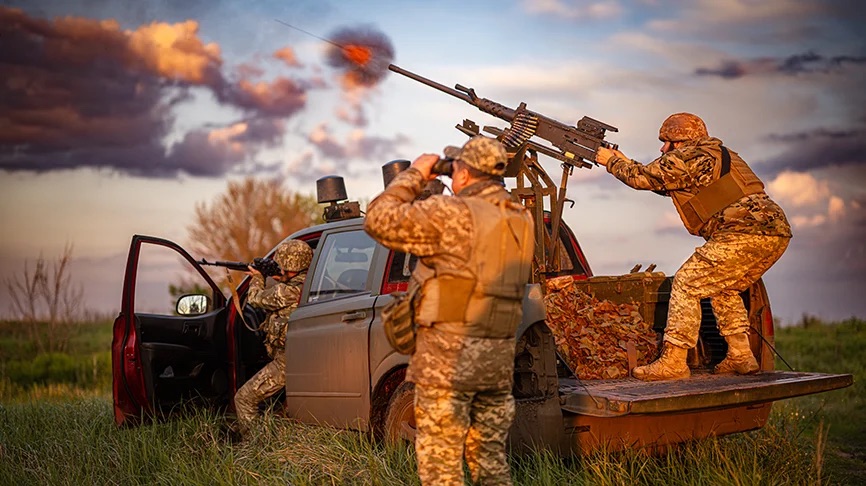
انتقل الصراع العسكري بين روسيا وأوكرانيا إلى مرحلة جديدة تتسم بتوسع عمليات الضربات العميقة داخل الأراضي الروسية. خلال الفترة الأولى من الحرب، كان القتال التقليدي محصورًا إلى حد كبير داخل الأراضي الأوكرانية، الأمر الذي أتاح الفرصة للاقتصاد المحلي الروسي وشبكات الخدمات اللوجستية الخلفية بالعمل بمنأى نسبيًا عن الأحداث، لكن مع نشر كييف للقدرات المتطورة بعيدة المدى تغير هذا التباين العملياتي؛ فمن خلال استهداف البنية التحتية الحيوية ومراكز الإمداد على بعد مئات الأميال خلف الخطوط المواجهة، أدخلت هذه الضربات متغيرات اقتصادية وتحديات تكتيكية جديدة لموسكو.
The military conflict between Russia and Ukraine has entered a new phase, marked by the expansion of deep-strike operations inside Russian territory. During the first period of the war, conventional fighting was largely confined to Ukrainian soil, which gave Russia’s domestic economy and rear logistics networks the chance to function at a relative remove from events. But with Kyiv’s deployment of advanced long-range capabilities, this operational asymmetry has changed: by targeting vital infrastructure and supply hubs hundreds of miles behind the front lines, these strikes have introduced new economic variables and tactical challenges for Moscow.
ويعزى هذا التحول العملياتي إلى تنويع أوكرانيا لترسانتها بعيدة المدى، التي باتت تعتمد بشكل متزايد على منصات محلية الصنع إلى جانب الأنظمة الغربية. ووسعت كييف نطاق إنتاج الطائرات المسيرة الهجومية بعيدة المدى، مثل طائرة ليوتي المسيرة، وأدخلت أنظمة هجينة مثل صاروخ باليانيتسيا المسير، وقد صممت هذه المنصات لاختراق الجواء ذات الكثافة الدفاعية العالية بفضل سرعتها الفائقة وتحليقها المنخفض. وقد أسهم نشر هذه الأصول إلى توسيع النطاق العملياتي لكييف لصل عمق الأراضي الروسية، وهو ما شكل تحديًا مستمرًا لمنظومات الدفاع الروسية، وتوسع نطاق العمليات العسكرية إلى مناطق شمالية كانت آمنة في السابق.
This operational shift is attributable to Ukraine’s diversification of its long-range arsenal, which now relies increasingly on domestically produced platforms alongside Western systems. Kyiv has expanded production of long-range attack drones, such as the Liutyi drone, and has introduced hybrid systems such as the Palianytsia drone-missile. These platforms have been designed to penetrate heavily defended airspace through their high speed and low-altitude flight. The deployment of these assets has helped widen Kyiv’s operational reach into the depths of Russian territory, posing a persistent challenge to Russian defense systems and extending military operations into northern areas that had previously been secure.
The ability to pierce deep into Russian territory was clearly demonstrated in recent operations targeting Saint Petersburg. Over the past few days, swarms of Ukrainian drones have struck vital facilities inside Russia’s second-largest city, directly coinciding with the convening of the Saint Petersburg International Economic Forum. The attacks targeted an oil terminal and the Kronstadt naval base, where a guided-missile frigate under repair was damaged. They forced the temporary closure of the local airport and prompted local authorities to order residents to remain inside their homes, illustrating how deep-strike capabilities can disrupt normal civilian and economic life far from the immediate battlefields.
وقد تجلَّت القدرة على اختراق عمق الأراضي الروسية بوضوح خلال العمليات الأخيرة التي استهدفت سانت بطرسبرغ فقد شنت خلال الأيام القليلة الماضية، أسراب من الطائرات المسيرة الأوكرانية هجماتٍ على منشآت حيوية داخل ثاني أكبر مدينة في روسيا، بالتزامن مباشرة مع انعقاد منتدى سانت بطرسبرغ الاقتصادي الدولي. وقد استهدفت هذه الهجمات محطة نفطية وقاعدة كرونشتادت البحرية، حيث تضررت فرقاطة مزودة بصواريخ موجهة كانت قيد الإصلاح. وأجبرت هذه الهجمات على الإغلاق المؤقت للمطار المحلي ودفعت السلطات المحلية إلى إصدار أوامر للسكان بالبقاء داخل منازلهم، الأمر الذي يوضح كيف يمكن لقدرات الضربات العميقة أن تعطل الحياة المدنية والاقتصادية الطبيعية بعيدًا عن ساحات القتال المباشر.
The broader economic dimensions of this campaign are plain in the continuing disruptions to Russia’s refining sector, where drone attacks have systematically targeted oil refineries across central and western Russia. Oil-sector data compiled by energy analysts indicate that repeated drone strikes have forced the suspension or reduction of output at several major facilities, including the Ryazan, Moscow, and Kuibyshev refineries. These disruptions temporarily took a substantial share of Russia’s domestic refining capacity out of service, leading to local fuel shortages and prompting the Kremlin to impose a temporary domestic export ban on some petroleum products in an effort to stabilize local markets.
تتجلى الأبعاد الاقتصادية الأوسع لهذه الحملة بوضوح في الاضطرابات المستمرة التي يشهدها قطاع التكرير الروسي، حيث استهدفت الهجمات بالطائرات المسيرة بشكل المنهجي منشآت تكرير النفط في جميع أنحاء وسط وغرب روسيا. وتشير بيانات القطاع النفطي التي جمعها محللو الطاقة إلى أن الضربات بالطائرات المسيرة بشكل متكرر أجبرت على تعليق أو خفض الطاقة الإنتاجية في عدد من المنشآت الرئيسية، بما في ذلك مصافي ريازان وموسكو وكويبيشيف. وأدت هذه الاضطرابات مؤقتا إلى إخراج نسبة كبيرة من القدرة التكريرية المحلية روسيا عن الخدمة مؤقتًا، مما أدى إلى نقص محلي في إمدادات الوقود ودفع الكرملين إلى فرض حظر تصدير داخلي مؤقت على بعض منتجات النفطية بهدف تحقيق الاستقرار في الأسواق المحلية.
At the same time, the campaign has expanded from targeting internal infrastructure to maritime targets, with particular emphasis on vessels carrying Russian hydrocarbons. Over the past year, Ukrainian naval and aerial drones have effectively targeted elements of the shadow fleet. Military updates and maritime tracking data confirm that Ukrainian forces carried out direct strikes on shadow-fleet tankers, damaging their engines and hull structures as they traversed export routes. Although these operations complicate maritime logistics, market analyses suggest that the decline in domestic refining capacity has already pushed Russian crude exports to higher levels by diverting more crude oil to international buyers, underscoring the complex economic trade-offs inherent in the campaign.
وفي الوقت نفسه، توسعت الحملة من استهداف البنية التحتية الداخلية إلى الأهداف البحرية، مع التركيز بشكل خاص على السفن التي تنقل الهيدروكربونات الروسية. وعلى مدار العام الماضي، استهدفت الطائرات المسيرة البحرية والجوية الأوكرانية بشكل فعال عناصر من أسطول الظل. تؤكد التحديثات العسكرية وبيانات التتبع الملاحة البحرية أن القوات الأوكرانية نفذت ضربات مباشرة على ناقلات أسطول الظل، مما تسبب في أضرار بمحركاتها والبنية الهيكلية للسفن أثناء عبورها مسارات التصدير. ورغم أن هذه العمليات تعقد الخدمات اللوجستية البحرية، تشير تحليلات الأسواق إلى أن انخفاض طاقة التكرير المحلية قد دفع بالفعل صادرات النفط الخام الروسية إلى مستويات أعلى عبر توجيه مزيد من النفط الخام إلى المشترين الدوليين، وهو مما يوضح طبيعة المقايضات الاقتصادية المعقدة لهذه الحملة.
The maintenance and repair of damaged infrastructure in the energy sector create long-term logistical obstacles as a result of restrictions on international trade. Modern petrochemical facilities depend heavily on certain specialized Western-made equipment, such as high-capacity distillation columns and advanced electronic control systems. Because sanctions prevent direct access to this equipment, Moscow has increasingly turned to Chinese suppliers for substitute machinery and industrial electronics. But these supply chains face complications from the expansion of Western export controls and secondary sanctions targeting third-country intermediaries, which may delay and complicate the integration of non-domestic components into Russian industrial facilities.
تخلق صيانة وإصلاح البنية التحتية المتضررة في قطاع الطاقة عقبات لوجستية طويل الأمد نتيجة القيود المفروضة على التجارة الدولية. إذ تعتمد منشآت البتروكيماويات الحديثة بشكل كبير على بعض المعدات الخاصة المصنعة في الغرب، مثل أعمدة التقطير عالية السعة وأنظمة التحكم الإلكتروني المتقدم. نظرا لأن العقوبات تحول دون الحصول المباشر على هذه المعدات، اتجهت موسكو بشكل متزايد إلى الموردين الصينيين للحصول على معدات بديلة والإلكترونيات الصناعية. لكن سلاسل الامداد هذه تواجه تعقيدات بسبب توسيع قيود التصدير الغربية والعقوبات الثانوية التي تستهدف وسطاء الدول الثالثة، وهو ما قد يؤدي إلى تأخير وتعقيد دمج المكونات غير المحلية في المنشآت الصناعية الروسية.
On the military front, the deep-strike campaign has systematically targeted logistics lines in southern Russia and the occupied territories, directly affecting the sustainability of the front lines. Intermittent strikes on regional storage depots and railway junctions have created localized logistical bottlenecks, contributing noticeably to fuel-distribution challenges in Crimea. To mitigate the vulnerability of these high-value economic and logistical assets, the Russian military has been forced to reposition the structure of its defensive equipment. Advanced air-defense systems have therefore been redeployed away from active front-line sectors to protect domestic economic infrastructure, a move that may create gaps in air coverage along the immediate line of contact.
وعلى الجبهة العسكرية، استهدفت حملة الضربات العميقة بشكل منهجي الخطوط اللوجستية في جنوب روسيا والأراضي المحتلة، مما أثر بشكل مباشر على استدامة الخطوط الأمامية. وقد تسببت الضربات المتقطعة على مستودعات التخزين الإقليمية وتقاطعات السكك الحديدية في حدوث اختناقات لوجستية موضعية، الأمر الذي أسهم بشكل ملحوظ في خلق تحديات مرتبطة بتوزيع الوقود في شبه جزيرة القرم. للتخفيف من هشاشة هذه الأصول الاقتصادية واللوجستية عالية القيمة، اضطر الجيش الروسي إلى إعادة تموضع هيكلية لمعداته الدفاعية. ولذلك، أعيد نشر أنظمة الدفاع الجوي المتطورة بعيدا عن قطاعات الخطوط الأمامية النشطة لحماية البنية التحتية الاقتصادية الداخلية، الأمر الذي قد يخلق ثغرات في التغطية الجوية على طول خط المواجهة المباشر.
As this campaign continues, two principal strategic trajectories for the conflict come into view. The first is a scenario in which sustained and cumulative damage to refining capacity, internal logistical transport, and maritime export routes creates an unsustainable economic and logistical burden. In this scenario, the long-term erosion of internal stability and military supply chains could eventually pressure Moscow to modify its strategic objectives and seek a negotiated settlement.
ومع استمرار هذه الحملة، يبرز مساران استراتيجيان أساسيان للصراع: يتمثل المسار الأول في سيناريو تؤدي فيه الأضرار المستمرة والمتفاقمة التي تطال قدرة التكرير والنقل اللوجستي الداخلي ومسارات التصدير البحري إلى خلق عبء اقتصادي ولوجستي غير مستدام. وفي هذا السيناريو، قد يؤدي التدهور طويل الأمد للاستقرار الداخلي وسلاسل الإمداد العسكرية إلى ممارسة ضغوط على موسكو في نهاية المطاف لتعديل أهدافها الاستراتيجية والسعي نحو تسوية تفاوضية.
The second trajectory involves a deliberate decision by Moscow to intensify the conflict rather than alter its fundamental aims. To establish deterrence and force the other side to halt its deep strikes, Russia may resort to deploying advanced or experimental weapons systems. This pattern of response was observed when Russia launched a strike using an experimental ballistic missile capable of carrying nuclear warheads, indicating its readiness to use sophisticated strategic assets in order to alter the tactical calculations of the war.
يتضمن المسار الثاني اتخاذ موسكو قرارًا متعمدًا بتصعيد حدة الصراع بدلا من تغيير أهدافه الجوهرية. ولإرساء الردع وإجبار الطرف الأخر على وقف الضربات العميقة، قد تلجأ روسيا إلى نشر أنظمة أسلحة متقدمة أو تجريبية. وقد لوحظ هذا نمط من الرد عندما شنت روسيا ضربة باستخدام صاروخ الباليستي تجريبي قادر على حمل رؤوس نووية، وهو ما يشير إلى استعداده لاستخدام أصول استراتيجية متطورة من أجل تغيير الحسابات التكتيكية للحرب.
In conclusion, the expansion of Ukraine’s long-range strike capabilities has helped erase the geographical boundary that once separated Russia’s internal infrastructure from the front lines. By forcing changes within Russia’s energy sector, disrupting key maritime export networks, and compelling the redistribution of vital air-defense systems, the campaign has imposed new pressures on Moscow’s strategic planning. Whether this trajectory ultimately leads to a diplomatic settlement or to further vertical escalation will depend on the interaction among Western sanctions enforcement, Ukraine’s industrial production capacity, and Russia’s ability to withstand economic and logistical disruption.
وفي الختام، أسهم توسع قدرات أوكرانيا على تنفيذ ضربات بعيدة المدى في إزالة الحدود الجغرافية التي كانت تفصل البنية التحتية الروسية الداخلية عن الخطوط الأمامية. من خلال فرض تغييرات داخل قطاع الطاقة الروسي، وتعطيل شبكات التصدير البحرية الرئيسية إلى إعادة توزيع منظومات الدفاع الجوي الحيوية، فرضت الحملة ضغوطا جديدة على التخطيط الاستراتيجي لموسكو. ويعتمد ما إذا كان هذا المسار سيفضي إلى تسوية دبلوماسي في نهاية المطاف أو تؤدي إلى مزيد من التصعيد الرأسي على التفاعل بين إنفاذ العقوبات الغربية، والقدرة الإنتاجية الصناعية الأوكرانية، وقدرة روسيا على الصمود أمام لاضطرابات الاقتصادية واللوجستية.