Aden's Crows
The Indian house crow, brought to Aden through colonial-era crossings from the subcontinent, has become a symbolically charged and materially devastating ecological, health, and social catastrophe that the city has repeatedly failed to contain.
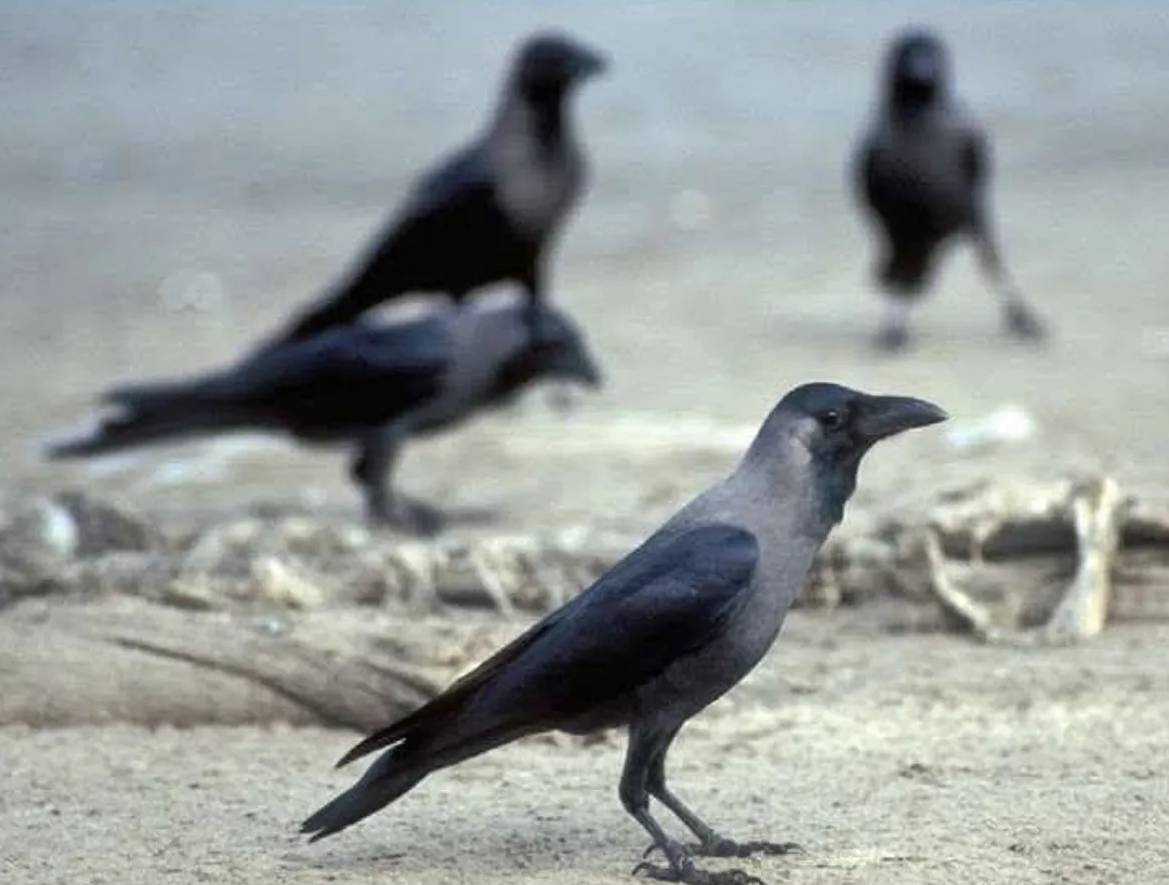
في لحظات انتظارٍ صباحيّ، كنتُ أقضيها في واحد من مقاهي مدينة عدن، لفت انتباهي كهلٌ من أبناء عدن المعمِّرين. فاجأني ذكاؤه الحاد، الذي مكّنه من قراءة ما تعنيه ملامح وجهي من إشفاقٍ عليه، وما تواريه من تساؤلٍ صامت عن حاله، فبادر إلى الحديث معي عن سهره طيلة الليلة الفائتة، بجانب سرير ولده المريض في ذاك المستشفى الذي يقع في الجهة المقابلة لنا. في تلك اللحظة، كانت شرفات سطح المستشفى الذي أشار إليه مسرحاً لمجموعة كثيفة من الغربان، التي لم يكن انتشارها مقصوراً عليه، وإنما امتداداً لهيمنتها على أحياء المدينة كلها، إمّا على شكل مجموعاتٍ، تحلّق عاليةً، ثم تعود صاخبة النعيق، وإما على هيئة مجاميع متفرقة، تنتشر على شرفات المنازل، ولوحات الإعلانات، وعلى كل شيء تحطّ عليه من جغرافيا المدينة.
In the course of a morning wait that I was passing in one of the cafes of the city of Aden, my attention was caught by an old man, one of Aden's long-lived sons. I was taken aback by his sharp intelligence, which enabled him to read in my face the pity I felt for him, and the silent question it concealed about his condition. He took the initiative and began speaking to me about having stayed awake through the whole of the previous night beside the bed of his sick son in that hospital situated opposite us. At that moment, the terraces on the roof of the hospital to which he pointed were a stage for a dense company of crows. Their spread was not confined to that roof, but was an extension of their dominion over all the city's quarters: sometimes in groups circling high above, then returning with raucous caws, and sometimes as scattered clusters spreading over house balconies, advertising boards, and everything in the city's geography on which they could alight.
تطرّقنا إلى سر كثافة هذه الطيور في مدينة عدن، والبداية الأولى، التي وصلت فيها إلى المدينة، قبل أكثر من قرن ونصف، على يد الجالية الهندية التي كانت تعمل فيها.
We touched on the secret behind the density of these birds in the city of Aden, and on the first beginnings of their arrival in the city, more than a century and a half ago, at the hands of the Indian community that was working there.
Aden Region: The Makings of a State, 7 May 2014إقليم عدن: مؤهلات دولة 07-05-2014
Our conversation drew the attention of someone else present in the same place, and he joined our exchange without preamble. Busy with the light meal he was eating, he said: "Aden has become open to anyone and everyone; all that remains is the crows, and you are asking about the secret of their density in the city!" Passersby were turning their eyes toward the source of the cawing from the balconies of buildings, and I heard some of them speaking to their companions about its catastrophic effects, for which there was no remedy.
لفت حديثنا انتباه أحد المتواجدين في المكان نفسه، فاشترك في حوارنا بلا مقدمات، قال وهو منشغل بما كان يتناوله من وجبةٍ خفيفة: "عدن صارت لكلِّ مَنْ هبّ ودبّ، ما باقي إلّا الغربان، تتساءلون عن سر كثّافتها في المدينة!". كان المارة يوجِّهون أبصارَهم إلى حيث تأتي أصوات النعيق من شرفات البنايات، وسمعتُ بعضاً منهم يتحدّث إلى صاحبه عن آثارها الكارثيّة، التي لا سبيل إلى معالجتِها.
All those details carried me into a state of distraction and questioning about the relationship between the symbolism of crows in the Indian cultural inheritance and those who brought them to this city, which has been afflicted by their multiplication and spread until they have become a full-fledged environmental disaster, complete in its features and in its danger.
كل تلك التفاصيل أخذتني إلى حال من الشرود والتساؤل، عن العلاقة بين رمزية الغربان في الموروث الثقافي الهندي، ومَن جلبوها إلى هذه المدينة، التي ابتُليت بتكاثرها، وانتشارها، حتى صارت فيها كارثةً بيئيّة متكاملة المعالم والخطر.
From India's Culture to Aden's Environmentمن ثقافة الهند إلى بيئة عدن
Many studies indicate that the original habitat of the crow is the Indian subcontinent. Biologists speak of this bird's traits: the diversity of its diet, ranging from seeds, fruits, and invertebrates to the carrion of dead animals; its excessive reproduction; its capacity to adapt to different conditions; its understanding of the intentions of those around it; and its intelligence, which exceeds the mere requirements of survival, discovered in 2002 in the Oxford laboratory of the scientist Alex Kacelnik[1].
تشير كثيرٌ من الدراسات، إلى أنّ الموطن الأصلي للغراب هو شبه القارة الهندية. ويتحدث علماء الأحياء عن خصائص هذا الطير، كتنوّع تغذيته، بين بذور، وفواكه، ولافقاريات، وجيف حيوانات نافقة... وتكاثره المفرط، وقدرته على التكيّف مع مختلف الظروف، وفهمه لنوايا المحيطين به، وذكائه المتجاوِز حاجته إلى البقاء، الذي اكتُشِف عام 2002، في مختبر أوكسفورد الخاص بالعالِم أليكس كاسيلنيك[1].
The city of Aden was free of Indian crows until the first pairs reached it in 1840 aboard a ship coming from India, brought by a number of Indians who were working in the Aden colony during the days of the British occupation (1939-1967). In this context, some sources indicate that an infantry officer arrived in Aden from Bombay and released pairs of Indian crows there. Also widely circulated in local culture is the suggestion that migrants from the Parsee religious community were the ones who brought these birds, on various occasions, from the Indian subcontinent to the city of Aden.
كانت مدينة عدن خاليةً من الغربان الهنديّة، حتى وصلت إليها الأزواج الأولى منها، في العام 1840، على متن سفينة قادمة من الهند، إذ قام بجلبها عددٌ من الهنود، الذين كانوا يعملون في مستعمرة عدن، أيام الاحتلال البريطاني (1939 ــ 1967). وفي هذا السياق، تشير بعض المصادر، إلى أن أحد ضباط المشاة، وصل من بومباي إلى عدن، وأطلق فيها سراح أزواجٍ من الغربان الهنديّة. كما تتردّد بشكلٍ واسع في الثقافة المحلية إشارةٌ، إلى أنّ مهاجري الجماعة الدينيّة (Parsee)، هم من قاموا بجلب هذه الطيور، في مناسبات مختلفة، من شبه القارة الهندية إلى مدينة عدن.
The International Union for Conservation of Nature (IUCN) has classified the crow as one of three birds that are the worst among the world's 100 invasive bird species. The problem of Indian crows spreading through the city of Aden has worsened, and their environmental harms have multiplied. Some of these relate to their droppings, which soil the roofs and balconies of homes, city pavements, and cars, and go so far as to pollute the human environment and its water sources. Other harms lead to the destruction of agricultural crops, injury to livestock, and threats to local birds and environmental diversity.
صنّف الاتحاد الدولي لصون الطبيعة (IUCN) الغراب كواحدٍ من ثلاثة طيورٍ هي الأسوأ من بين 100 نوعٍ من الطيور الغازية في العالم. وقد تفاقمت مشكلةُ الغربان الهندية المنتشرة في مدينة عدن، وتنوّعت أضرارها البيئية، التي منها ما يتعلّق ببرازها الملوِّث لأسطح المنازل وشرفاتها وأرصفة المدن والسيارات، وصولاً إلى تلوّيثه البيئة البشريّة ومصادر مياهها. ومن تلك الأضرار أيضاً، ما يفضي إلى إتلاف المحاصيل الزراعية، وإلحاق الضّرر بالمواشي، وتهديد الطيور المحلية، والتنوّع البيئي...
For all the variety in these indications, they converge with threads of Indian culture that go back to the crow's status in Hindu belief. The Indian epic the Ramayana indicates that the god of death took the form of a crow "to hide from the demon Ravana"[2].
وعلى ما في هذه الإشارات من تنوّعٍ، إلّا أنها تتقاطع مع خيوط من الثقافة الهنديّة، التي تعود إلى مكانة الغراب في العقيدة الهندية، إذ تشير الملحمة الهندية رامايانا، إلى أن إله الموت اتخذ شكل غرابٍ"ليختبئ من الشيطان رافانا"[2].
The Duality of Good and Evilازدواجية الخير والشر
In passing over the crow's place in human religions and cultures, one sees their varied celebration of it. It is mentioned in different forms in the Torah, the Gospel, and the Noble Qur'an, especially in connection with teaching Cain how to bury his brother. A duality of vision concerning it, between good and evil, has prevailed in many cultures and religions: for example, its association with both in pre-Islamic Arab culture, according to the number of times it cawed, and then its association with evil alone after the emergence of Islam.
بالتعريج على موقع الغراب في الأديان والثقافات الإنسانية، يتجلّى احتفاؤها المتنوع به؛ إذ وردت الإشارة إليه في صيغ مختلفة، من التوراة والإنجيل والقرآن الكريم، لا سيما ما يتعلّق في تعليم قابيل كيف يدفن أخاه. كما سادت ازدواجية الرؤية فيه بين الخير والشر، في كثيرٍ من الثقافات والأديان، من مثل ارتباطه بهما معاً في الثقافة العربية الجاهليّة، وفقاً لعدد مرّات نعيقه، ثم ارتباطه بالشرّ وحده بعد ظهور الإسلام.
The same is true of the dual description of the crow as sacred and profane in many world religions and myths, or its sanctification in some and its defilement in others. For Jews it is an unclean bird; in ancient Persian religion it is the god of victorious battles, Verethragna. In Scandinavian myths it is a symbol of the divine message and a bearer of knowledge. It was also worshipped by the ancient Japanese, who made pilgrimages to it, the Yatagarasu. Among the Vikings it was the supreme god before it was transformed in their culture into a bird of ill omen, as it is in Roman and Greek cultures. In the ancient Egyptian and Chinese cultures, by contrast, it was a symbol of good: in the former it referred to pure love, and in the latter to joy and happiness.
ومثل ذلك هو الأمر في ازدواجية توصيف الغراب مُقدساً ومدنساً، في كثيرٍ من الأديان والأساطير العالمية، أو تقديسه في بعضٍ منها، وتدنيسه في بعضٍ آخر. فهو عند اليهود طائرٌ نجس، وفي الديانة الفارسيّة القديمة إلهُ المعارك المظفرة فيريثراغانا. ورمزٌ للرسالة الإلهية وحاملٌ للمعرفة في الأساطير الإسكندنافية. كما أنّه معبودُ اليابانيين القدماء، الذين كانوا يحجّون إليه (الياتاغاراسو). وهو الإله الأسمى لدى الفايكنج، قبل أن يتحول في ثقافتهم إلى طائر شؤم، مثلما هي حاله في الثقافتين الرومانية واليونانية. أمّا الثقافتان المصرية والصينية القديمتان، فقد كان فيهما رمزاً للخير، إذ أحال على الحب الخالص في الأولى، وعلى الفرحة والسعادة في الأخرى.
The Catastrophe of Multiplication and Spreadكارثة التكاثر والانتشار
Since their first entry into Aden, the crows' reproduction accelerated, and they spread everywhere through the city's neighborhoods and coasts, until their number in 1955 reached around 100,000 crows, and in 1984 nearly 250,000. By 2007, their numbers had reached around 2 million crows, according to estimates by the Civil Aviation and Meteorology Authority, which pointed to the danger of their spread and their transformation into a real catastrophe, not in Aden alone, but also in a number of nearby areas such as Lahj and Abyan governorates. Some reports, at the beginning of the first decade of the twenty-first century, estimated the number of crows spread through Yemen at around 350,000 pairs.
منذ دخولها الأول إلى عدن، تسارع تكاثر الغربان، وانتشرت في كل مكان من أحياء المدينة وسواحلها، حتى بلغ عددها في العام 1955، حوالي 100 ألف غراب، وفي العام 1984 إلى ما يقارب 250 ألف غراب. أمّا في العام 2007، فقد وصلت أعدادها إلى حوالي 2 مليون غراب وفقاً لتقديرات الهيئة العامة للطيران المدني والإرصاد، التي أشارت إلى خطورة انتشارها، وتحوّلها إلى كارثةٍ حقيقيّة، ليس في عدن وحدها، بل في عددٍ من المناطق القريبة منها كمحافظة لحج وأبين. إذ قدّرت بعض التقارير ــ في مطلع العقد الأول من القرن الواحد والعشرين ــ أعداد الغربان المنتشرة في اليمن، بحوالي 350.000 ألف زوج.
Environmental, Health, and Social Harmsأضرار بيئية وصحية واجتماعيّة
The United Nations Environment Programme (UNEP) had previously classified the crow among the three most invasive birds with a severe impact on ecosystems, because of the harm they cause to the environment, humans, and animals. The International Union for Conservation of Nature (IUCN) likewise classified it as one of three birds that are the worst among the world's 100 invasive bird species. Thus the problem of Indian crows spreading through the city of Aden has worsened, and their environmental harms have multiplied. Some of these relate to crow droppings, which contaminate the roofs and balconies of homes, city pavements, and cars, and go so far as to pollute the human environment and its water sources. Among those harms, too, are those that lead to the destruction of agricultural crops, harm to livestock, and threats to local birds and environmental diversity, as crows attack the nests of wild birds and small sparrows, eat their young, and devour their eggs. This leads to a decline in their numbers in a way that warns of their elimination.
سبق أن صنّف برنامج الأمم المتحدة للبيئة (UNEP) الغرابَ ضمن أكثر ثلاثة طيورٍ غازية، بالغة الأثر على الأنظمة البيئية، لما تتسبب فيه من أذىً للبيئة والإنسان والحيوان. كما صنّفه الاتحاد الدولي لصون الطبيعة (IUCN) واحداً من ثلاثة طيورٍ، هي الأسوأ من بين 100 نوعٍ من الطيور الغازية في العالم. وبذلك، تفاقمت مشكلةُ الغربان الهندية المنتشرة في مدينة عدن، وتنوّعت أضرارها البيئية، التي منها ما يتعلّق ببراز الغربان، الذي يُلوّث أسطح المنازل وشرفاتها وأرصفة المدن والسيارات، وصولاً إلى تلوّيثه البيئة البشريّة ومصادر مياهها. ومن تلك الأضرار أيضاً، ما يفضي إلى إتلاف المحاصيل الزراعية، وإلحاق الضّرر بالمواشي، وتهديد الطيور المحلية، والتنوّع البيئي، إذ تهاجم الغربان أعشاش الطيور البرية والعصافير الصغيرة، وتأكل صغارها، وتلتهم بيضها. وهو ما يؤدي إلى تناقص أعدادها، بشكل ينذر بالقضاء عليها.
Among the dimensions of the health catastrophe is the role of crows in spreading intestinal diseases caused by salmonella bacteria. In this context comes the finding of a research study titled "A Potential Role for Crows in the Spread of Diarrheal Diseases in Aden." After examining a sample of crow livers and intestines, the study found some parasites matching strains previously isolated from patients who had been suffering from diarrhea in Aden. The study thus confirmed that environmental contamination by crow droppings is one of the principal factors in the outbreak of diarrheal diseases in this city.
ومن أبعاد الكارثة الصحية، إسهام الغربان في نشر الأمراض المعويّة، التي تتسبّب فيها بكتيريا السالمونيلا. ويأتي في سياق ذلك، ما وصلت إليه دراسة بحثية، عنوانها "دورٌ محتمل للغربان في انتشار أمراض الإسهال في عدن". فبعد إجرائها فحصاً على عينةٍ من أكباد الغربان وأمعائها، عثرت الدراسة على بعض الطفيليات المتطابقة مع سلالاتٍ تم عزلها سابقاً من المرضى، الذين كانوا مصابين بالإسهال في عدن. وبذلك، أكدت الدراسة أن تلوث البيئة ببراز الغربان من العوامل الرئيسة، في تفشي أمراض الإسهال في هذه المدينة.
In the 1960s, the first campaign to combat crows in the city of Aden began, launched by the English, who continued to carry it out together with citizens and young people, achieving tangible success in killing a large number of them. But the campaign stopped without any announced reason. In 1984, the surrounding circumstances helped launch a new official campaign, in which a program to combat crows was prepared and implementation begun, but it was unable to exterminate them. By 2009, the campaign launched by the Environmental Protection Authority in Aden had achieved a measure of limited success.
في ستينيات القرن الماضي، بدأت أول حملة لمكافحة الغربان في مدينة عدن، أطلقها الإنجليز، واستمروا في تنفيذها بمعية المواطنين والشباب، فحققوا نجاحاً ملموساً في قتل عددٍ كبير منها. لكن الحملة توقفت من دون سبب معلن. وفي العام 1984، ساعدت الظروف المحيطة في إطلاق حملة رسمية جديدة، أُعِدّ فيها برنامجٌ لمكافحة الغربان، وشُرِع في تنفيذه، لكنه لم يتمكن من إبادتها. ومع حلول العام 2009، حقّقت الحملة ــ التي أطلقتْها الهيئة العامة لحماية البيئة في عدن ــ قدراً من النجاح المحدود...
As for the social harms, they are represented in forms of negative effects on residential communities, infrastructure, and development. The crows spread through the city of Aden tend toward aggression: they attack people in the streets, cause noise pollution, disturbance, and clamor, and damage whatever tools and equipment they encounter or alight upon, whether on the roofs of homes, government buildings, or power lines. Among these incidents was what the Public Electricity Corporation announced: a crow had plunged several of the city's neighborhoods into darkness because of the nest it had built on the electric transmission wires[3].
أمّا الأضرار الاجتماعيّة، فتتمثّلُ في صورٍ من التأثيرات السلبية على المجتمعات السكنيّة، والبنية التحتية، والتنمويّة، إذ تميل الغربان المنتشرة في مدينة عدن إلى العدوانيّة، فتهاجم الناس في الطرقات، وتتسبب في التلوث الضوضائي، والإزعاج وإثارة الضجيج، وتخريب كل ما يقابلها أو تحط عليه من أدوات وتجهيزات، سواء على أسطح المنازل أو المباني الحكومية، أو خطوط الكهرباء. من ذلك، ما أعلنت عنه المؤسسة العامة للكهرباء، من حادثةٍ أغرق فيها غرابٌ عدداً من أحياء المدينة بالظلام بسبب عشه، الذي قام ببنائه على أسلاك نقل التيار الكهربائي[3].
Futile Control Campaignsحملات المكافحة غير المجدية
In the 1960s, the first campaign to combat crows in the city of Aden began[4], launched by the English, who continued to carry it out together with citizens and young people, achieving tangible success in killing a large number of them. But that success did not last after the campaign stopped without any announced reason. It seems that this reason was nothing other than the authorities' need to devote themselves to confronting the newly erupted battles between the revolutionaries and the English.
في ستينيات القرن الماضي، بدأت أول حملة لمكافحة الغربان في مدينة عدن[4]، أطلقها الإنجليز، واستمروا في تنفيذها بمعية المواطنين والشباب، فحققوا نجاحاً ملموساً في قتل عددٍ كبير منها. لكن ذاك النجاح لم يستمر، بعد أن توقفت الحملة من دون سبب معلن. ويبدو أن ذاك السبب، لم يكن سوى حاجة السلطات إلى التفرّغ لمواجهة ما استجدّ من اشتعالٍ المعارك بين الثوار والإنجليز.
In 1984, the surrounding circumstances helped launch a new official campaign, in which a program to combat crows was prepared and implementation begun, but it was unable to exterminate them. By 2009, the campaign launched by the Environmental Protection Authority in Aden had achieved a measure of limited success by placing poison in meat and food offered to gatherings of crows. In the same year, a German company specializing in combating harmful birds won the contract to combat crows in Aden. Despite the success the same company had achieved in the campaign to combat crows in the Socotra Archipelago governorate[5], it did not carry out its campaign in Aden for various reasons. After that, no campaign was launched to eliminate the city's crows, especially after the country entered a series of crises, conflicts, and grinding wars, which have remained at the height of their blaze since their first spark was struck in 2011. Thus these incendiary circumstances became a fertile environment for the crows' multiplication and spread in the city of Aden, in a form in which no hope appears of devising solutions to this phenomenon, nor treatments that would limit its harms and catastrophic repercussions.
وفي العام 1984، ساعدت الظروف المحيطة في إطلاق حملة رسمية جديدة، أُعِدّ فيها برنامجٌ لمكافحة الغربان، وشُرِع في تنفيذه، لكنه لم يتمكن من إبادتها. ومع حلول العام 2009، حقّقت الحملة ــ التي أطلقتْها الهيئة العامة لحماية البيئة في عدن ــ قدراً من النجاح المحدود، عن طريق دسّ السمّ في لحومٍ وأطعمةٍ، قُدِّمَت إلى تجمعات الغربان. وفي العام نفسه، فازت شركة ألمانية متخصصة في مكافحة الطيور الضارة بعقد مكافحة الغربان في عدن. وعلى النجاح الذي أحرزتْه الشركة نفسها في حملة مكافحة الغربان في محافظة أرخبيل جزيرة سقطرى[5]، إلّا أن هذه الشركة لم تنفذ حملتها في عدن لأسباب مختلفة. بعدها لم تُطلق أيّة حملة للقضاء على غربان المدينة، لا سيما بعد أن دخل البلد في سلسلة من الأزمات والصراعات والحروب الطاحنة، التي لا تزال في أوج اشتعالها، منذ اندلاع شرارتها الأولى في العام 2011. وبذلك، كانت هذه الظروف الملتهبة بيئةً خصبة، لتكاثر الغربان وانتشارها في مدينة عدن، على تلك الصورة التي لا يلوح فيها أملٌ في اجتراح حلولٍ لهذه الظاهرة، ولا معالجات تحدّ من أضرارها وتداعياها الكارثية.
- Boria Sax, The Raven: A Natural and Cultural History. Translated by Izmir Ada Hamidan. Reviewed by Osama al-Manzalji. 1st ed., Abu Dhabi Authority for Culture and Heritage (Kalima), 2010, p. 23. ↑ - Ibid., p. 88 ↑
- بوريا ساكس، "الغراب التاريخ الطبيعي والثقافي". ترجمة: أيزمير ادا حميدان. مراجعة: أسامة المنزلجي. ط1، هيئة أبو ظبي للتراث والثقافة (كلمة). 2010، ص 23. ↑ - المصدر نفسه ص 88 ↑
- "A Crow Sends Officials in Aden to Investigation." Yemen Economic, 14 June 2021. https://yemene.net/news1972.html ↑
- "غراب يحيل مسؤولين في عدن إلى التحقيق". اليمن الاقتصادي، 14 حزيران/ يونيو 2021. https://yemene.net/news1972.html ↑
- Ahmad al-Jaashani, "The City's Crow." 14 October newspaper, Aden, 23 April 2026. https://14october.com/uploads/content/2604/ALE2J6VI-TM726W-D993/7.pdf ↑
- أحمد الجعشاني، "غراب المدينة". صحيفة 14 أكتوبر، عدن، 23 نيسان/ أبريل 2026. https://14october.com/uploads/content/2604/ALE2J6VI-TM726W-D993/7.pdf ↑
- Mohammed al-Hakimi, "The Crow That Invaded Socotra for 15 Years." Holm Akhdar website, 26 June 2020, https://holmakhdar.org/reports/2536/ ↑
- محمد الحكيمي، "الغراب الذي غزا سقطرى 15 عاماً". موقع حلم أخضر، 26 حزيران/ يونيو 2020، https://holmakhdar.org/reports/2536/ ↑