Interview with Dmitry Travin
Dmitry Travin reflects on Soviet generations, the private strategies that eroded the USSR, and why the generation formed in the 1970s helped bring down a dictatorship but failed to build a durable democracy.
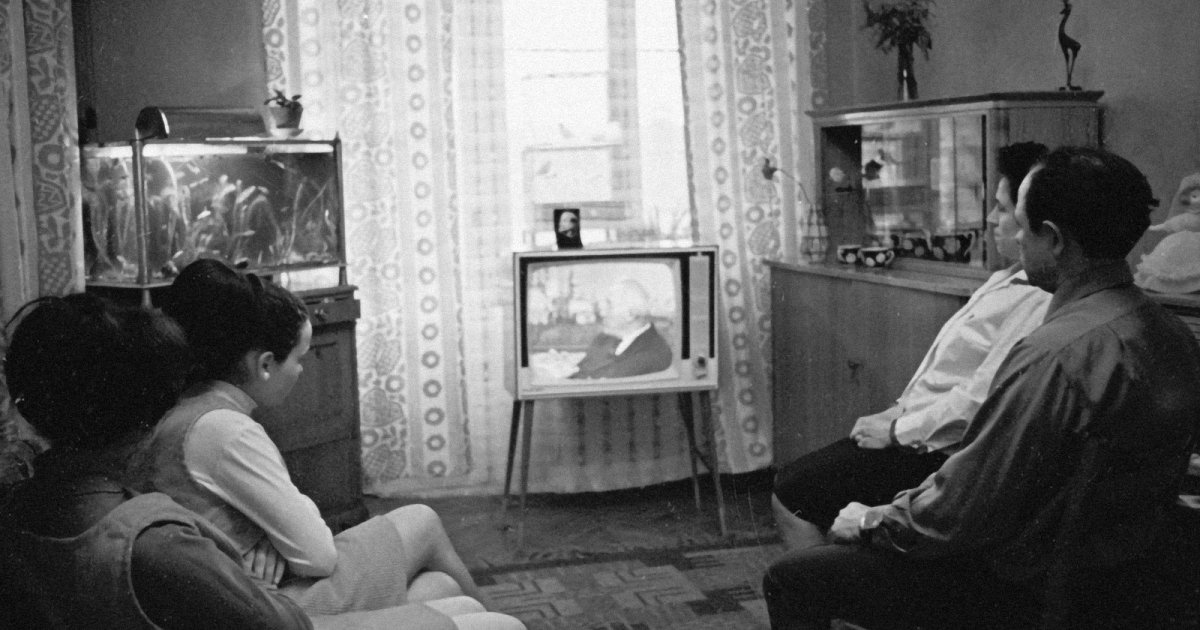
An interview with Dmitry TravinИнтервью с Дмитрием Травиным
Недавняя книга Дмитрия Травина «Кто победил СССР: „хиппи“ или „яппи“» посвящена тем, чья юность пришлась на застой, а зрелость — на перестройку и 90-е. Как семидесятники объясняют себе собственную биографию, каковы были их возможности и чего им в итоге удалось добиться? По просьбе «Горького» Дарья Матяшова поговорила с автором о советских поколениях, частной жизни при застое, перестройке и разочарованиях последних десятилетий.
Dmitry Travin's recent book Who Defeated the USSR: the “Hippies” or the “Yuppies” is devoted to those whose youth fell during the stagnation era and whose maturity coincided with perestroika and the 1990s. How do the seventies generation explain their own biographies to themselves, what opportunities did they have, and what did they ultimately manage to achieve? At Gorky's request, Darya Matyashova spoke with the author about Soviet generations, private life under stagnation, perestroika, and the disappointments of recent decades.
Все мы начиная с 24 февраля 2022 года оказались перед лицом наступающего варварства, насилия и лжи. В этой ситуации чрезвычайно важно сохранить хотя бы остатки культуры и поддержать ценности гуманизма — в том числе ради будущего России. Поэтому редакция «Горького» продолжит говорить о книгах, напоминая нашим читателям, что в мире остается место мысли и вымыслу.
Since February 24, 2022, all of us have found ourselves facing the advance of barbarism, violence, and lies. In this situation it is extraordinarily important to preserve at least the remnants of culture and to uphold the values of humanism, including for Russia's future. For this reason, the editors of Gorky will continue to speak about books, reminding our readers that there remains a place in the world for thought and imagination.
Within the series “What Is Russia,” two of your works on the Soviet Union have appeared. Despite their shared factual ground and the periods they examine, the focus of these books differs. How We Lived in the USSR is a chronicle of everyday life through which production, consumption, and attempts “from below” to respond to their imbalances are shown. In short, behavioral economics. Who Defeated the USSR: the “Hippies” or the “Yuppies” is an almanac of interviews that turn into a polyphonic discussion of “winners” and “losers” over a long historical cycle. What accounts for the shift in focus? After all, for an economist, and you have an education in economics, it would seem more interesting to write about things and goods.
— В рамках серии «Что такое Россия» вышли две ваши работы о Советском Союзе. Несмотря на общность фактологии и рассматриваемых отрезков времени, фокус у этих книг разный. «Как мы жили в СССР» — бытописание, через которое показаны производство, потребление и попытки «снизу» ответить на их дисбалансы. Словом, поведенческая экономика. «Кто победил СССР: „хиппи“ или „яппи“» — альманах интервью, превращающихся в полифонию дискуссии о «выигравших» и «проигравших» в длинном историческом цикле. С чем связана смена фокуса? Ведь экономисту — а у вас экономическое образование — как будто интереснее писать о вещах и товарах.
I have not been an economist for some twenty years now. I have not only an education in economics, but also an academic degree in the field, and yet for the past two decades I have been working in historical sociology. My main books are devoted to the question “Why did Russia fall behind?”
— Я уже лет двадцать как не экономист. У меня не только экономическое образование, но и ученая степень по этой науке, и все же последние два десятилетия я занимаюсь исторической социологией. Мои основные книги посвящены проблеме «Почему Россия отстала?».
Who Defeated the USSR is the first work I wanted to write specifically about the Soviet Union. It arose as a kind of call of the soul, the fruit of studying what concerns me personally. How We Lived in the USSR is an account of the Soviet era for “the young, from fifty and under,” those who did not encounter those times at a conscious age. The new book is an attempt to make sense of my own life and the life of my generation. That is where the interest comes from.
«Кто победил СССР» — первая работа, которую я хотел написать именно о Советском Союзе. Она появилась как своего рода зов души — плод изучения того, что волнует лично меня. «Как мы жили в СССР» — рассказ о советской эпохе для «молодых от пятидесяти и младше», не заставших эти времена в сознательном возрасте. Новая книга — осмысление моей собственной жизни и жизни моего поколения. Отсюда и интерес.
The conceptual foundation for Who Defeated the USSR is generational theory. It is periodically criticized for “dulling Occam's razor,” for seeking additional explanations for what economics and developmental psychology have already explained. Do you answer this criticism? Do you try to adapt contemporary versions of generational theory?
— Концептуальным фундаментом для «Кто победил СССР» служит теория поколений. Ее периодически критикуют за «притупление бритвы Оккама» — поиски дополнительных объяснений тому, что уже объяснили экономика и возрастная психология. Отвечаете ли вы на эту критику? Пытаетесь ли адаптировать современные версии теории поколений?
No, I do not try to sort through the various theories of generations. I proceed from what Karl Mannheim wrote, and from what has been written about our country. Above all I rely on Alexei Yurchak's book Everything Was Forever, Until It Was No More: in it he develops the idea of the “last Soviet generation” by reconstructing the patterns of thought and action of ordinary citizens in the final years of the USSR's existence.
— Нет, я не пытаюсь разобраться с разными теориями поколений. Я исхожу из того, что писал Карл Мангейм, и из того, что писали о нашей стране. Прежде всего я опираюсь на книгу Алексея Юрчака «Это было навсегда, пока не кончилось»: там он развивает идею «последнего советского поколения» через реконструкцию образа мысли и действия рядовых граждан в последние годы существования СССР.
But a number of the themes touched on there were not very interesting to me: while working on my own book, I understood that I had to answer certain questions in my own way. As a result, reflections emerged on the problem of Soviet generations, and a vision took shape of how some differed from others according to a set of parameters. I began writing on this rather broad theme that had come into my head. That is how the book Who Defeated the USSR came about.
Но ряд затронутых там тем был мне не очень интересен: работая над своей книгой, я понимал, что на некоторые вопросы должен ответить по-своему. В результате появились размышления о проблеме советских поколений, оформилось видение того, что одни по набору параметров отличались от других. Я стал писать на эту довольно общую тему, которая пришла мне в голову. Так и получилась книга «Кто победил СССР».
How We Lived in the USSR depicts a person exhausted by formal rituals and a thousand domestic trifles. The weariness is felt even among the crème de la crème, the creative and scientific elite, to say nothing of the “hundred-ruble intelligentsia” and the “ruling” working class. Does this mean that the “hippies” and “yuppies” who interest you in the latest book were a minority with the privilege of “thinking about the inedible”? And when does everyone else receive such a privilege?
— «Как мы жили в СССР» изображает человека, истощенного формальными ритуалами и тысячей бытовых мелочей. Измотанность ощущается даже среди crème de la crème — в творческой и научной элите, чего уж говорить о «сторублевой интеллигенции» и «правящем» рабочем классе. Значит ли это, что «хиппи» и «яппи», которые вас интересуют в последней книге, — меньшинство с привилегией «думать о несъедобном»? И когда такую привилегию получают все остальные?
In Who Defeated the USSR I was interested in people capable of making sense of the key events that divide a generation. In that sense I am close to Mannheim, with his focus on the experience of shared upheavals. And Yurchak says directly: “Our task was not to describe an averaged ‘Soviet experience’ or an average ‘Soviet subject,’ but to feel out certain directions in which internal and, for a time, invisible shifts and changes were taking place within the late Soviet system.”
— В «Кто победил СССР» меня интересовали люди, которые были способны осмыслить ключевые события, разделяющие поколение. В этом смысле я отношусь к Мангейму с его фокусом на переживании общих потрясений. А Юрчак прямо сказал: «В нашу задачу входило не описать усредненный „советский опыт“ или среднего „советского субъекта“, а нащупать некоторые направления, по которым в позднесоветской системе происходили внутренние и какое-то время невидимые сдвиги и изменения».
But that does not mean the masses are unimportant altogether. When society becomes activated, they acquire power: for instance, when the elites fail to cope and a revolutionary situation arises. At that moment it becomes important who will go out into the street, who will smash estates or storm the Winter Palace. The influence of a party that does not affect the behavior of the masses, that does not channel their energy, proves powerless. This can be seen in the example of the Kadet Party: its power in the Duma was great, but after the February Revolution it quickly began to decline.
Но это не значит, что массы вообще не важны. Когда общество активизируется, они обретают мощь: например, если элиты не справляются и возникает революционная ситуация. В этот момент становится важным, кто выйдет на улицу, будет громить усадьбы или штурмовать Зимний дворец. Влияние партии, которая не воздействует на поведение масс, не канализирует их энергию, оказывается бессильным. Это видно на примере партии кадетов: их мощь была велика в Думе, но после Февральской революции быстро пошла на спад.
I should note that in this book I do not examine the masses in an abnormal situation: it is not my subject. My interest in the Soviet Union does not concern revolutionary events, because they did not affect the life of my generation and will not happen again.
Отмечу, что массы в аномальной ситуации я в данной книге не рассматриваю: не моя тема. Мой интерес к Советскому Союзу не касается революционных событий, потому что на жизнь моего поколения они не повлияли и уже не произойдут.
Nevertheless, you do pay attention to those whom the revolution did manage to affect. I mean the “Stalinists,” the generation of great construction projects and lethal troikas. The book describes these people's abrupt rise to managerial positions, new levels of consumption and responsibility. Did their generation climb the social ladder consciously, or was it dragged upward by the times?
— Тем не менее вы уделяете внимание тем, на кого революция повлиять успела. Речь о «сталинцах» — поколении больших строек и смертоносных троек. В книге описаны резкие взлеты этих людей к управленческим должностям, новым уровням потребления и ответственности. Их поколение взбиралось по социальной лестнице сознательно или их тащило время?
Both. Personal ambition and the objective circumstances of the Stalin era alike lifted people upward, though to different levels and on different scales. For example, the top Soviet leaders of my youth shot up from middling positions to higher ones within two or three years during the Great Terror. I discuss Brezhnev, Suslov, Kosygin, Andropov, and several others. It was not hard to look at the biographies of key figures, so I decided to analyze all this.
— И то и другое. И личные амбиции, и объективные обстоятельства сталинской эпохи поднимали людей, причем на разные уровни и в разных масштабах. Скажем, высшие советские руководители моей юности за два-три года взмывали со средних должностей на более высокие в годы Большого террора. Я отмечаю Брежнева, Суслова, Косыгина, Андропова и некоторых других. Посмотреть биографии ключевых фигур было несложно, поэтому я решил все это проанализировать.
The “first echelon” built careers actively. Some did not merely make use of circumstances but created them. Suslov, for example, as the materials show, took an active part in the repressions himself, at least through speeches, if not through concrete actions. This cannot be traced with the other figures, at least not in the sources available to me.
«Первый эшелон» строил карьеру активно. Некоторые не просто пользовались обстоятельствами, а создавали их. Например, Суслов, как показывают материалы, сам активно участвовал в репрессиях — по крайней мере речами, если не конкретными действиями. По другим персонажам это не прослеживается, по крайней мере в доступных мне источниках.
At the middle level of individual enterprises and departments, where ordinary workers rose to become directors or managers, biographies are harder to trace, but the contemporary body of scholarly literature makes it possible to offer a general analysis. Repression affected this layer of social mobility too, and yet not as directly as in Suslov's case: if a driver became head of a garage, it is unlikely that he personally had a hand in the arrest of his former boss. The more typical situation was that some people imprisoned a superior and others came to take his place. Still, there were cases where such ascents were the fruits of denunciation.
На среднем уровне отдельных предприятий и подразделений, где простые рабочие поднимались до директоров или заведующих, биографии проследить сложнее, но современный массив научной литературы позволяет дать общий анализ. Репрессии влияли на этот слой социальной мобильности, и все же не так прямо, как в случае с Сусловым: если шофер стал руководителем гаража, вряд ли он сам прикладывал руку к аресту бывшего шефа. Более типичной была ситуация, когда вышестоящего посадили одни, а на его место пришли другие люди. И все же были случаи, где такие взлеты были плодами доноса.
At the very lowest level, objective factors operated with tremendous force. One example is the terrible Holodomor of the first half of the 1930s in Kazakhstan, Ukraine, and certain regions of Russia. At that time the Bolsheviks believed that peasants should survive on their own. During the famine, a villager was left either to rely on his own resources, and fall victim if he failed to find food, or to go to the city and become a worker, receiving a fixed ration. The peasants who stayed survived by miracle: my father-in-law told how on the Don, where he grew up, in 1933 his father saved the family only by fishing, because the grain was going abroad.
На самом нижнем уровне объективные факторы действовали очень сильно. Пример — страшный голодомор первой половины 1930-х в Казахстане, Украине и некоторых областях России. Тогда большевики считали, что крестьяне должны выживать самостоятельно. В голод жителю деревни оставалось или полагаться на свои силы — и пасть жертвой, если не удастся найти пропитание, — или уйти в город и стать рабочим, получать фиксированный паек. Оставшиеся крестьяне выживали чудом: тесть рассказывал, как на Дону, где он вырос, в 1933 году его отец спасал семью только рыбалкой, потому что зерно уходило за границу.
In the cities the situation was different: workers were seen as a more valuable class, with access to supplies and, importantly for the future, to a party career. A person from the village who would have stayed there had it not been for the famine might find work, say, at a construction site, gradually move upward, and become a Komsomol secretary.
В городах ситуация была иной: рабочие виделись более ценным классом с доступом к снабжению и, что важно на перспективу, к партийной карьере. Выходец из деревни, который остался бы там, если бы не голод, мог устроиться, скажем, на стройку, постепенно продвигаться, стать комсомольским секретарем.
If it is fairly easy to define the generation of “Stalinists” by years of birth, it is already more difficult with the sixtiers. Their characteristic traits can be found both in Bonner and Alexeyeva, born in the 1920s, and in Novodvorskaya, born in 1950. In which years, then, were the sixtiers actually born? And how did they influence the next generation?
— Если выделить поколение «сталинцев» по годам рождения довольно просто, то с шестидесятниками уже тяжелее. Их характерные черты можно отметить и у рожденных в 1920-х Боннэр и Алексеевой, и у Новодворской 1950 года рождения. На какие годы все-таки приходится появление шестидесятников на свет? Как они повлияли на следующее поколение?
I do not try to draw very rigid boundaries, so the division into generational cohorts in my book is fairly provisional. In my classification, the sixtiers include people born in the 1930s and 1940s, but also some older people. Dates here are less important than a sense of the world: it could be close among those born in the 1930s and the 1950s, something I felt very clearly.
— Я не стремлюсь проводить очень жесткие границы, поэтому разделение на поколенческие когорты у меня в книге довольно условно. В шестидесятники в моей классификации попадают люди 1930–1940-х годов рождения, но с ними и некоторые старшие. Даты здесь менее важны по сравнению с мироощущением: оно могло быть близким у рожденных в 1930-е и 1950-е, что я хорошо почувствовал.
The sixtiers were under the influence of the ideas of the Khrushchev Thaw and transmitted them to the younger generation. True, they could not prevent the further shift of the seventies generation away from enthusiasm and faith in “pure” Thaw-era ideas toward individualistic pragmatism.
Шестидесятники находились под воздействием идей хрущевской оттепели и транслировали их младшему поколению. Правда, они не могли предотвратить дальнейшего сдвига семидесятников от воодушевления и веры в «чистые» оттепельные идеи к индивидуалистическому прагматизму.
A telling example is Anatoly Borisovich Chubais, born in 1955, who noted the influence of his brother Igor, who belonged to the sixtiers by age. In early youth Anatoly accepted the sixties dogma: “Lenin was good, Stalin was bad.” But later, under the influence of a mass of new circumstances, he changed his views: first “only the Lenin of the NEP era was right,” then “Lenin was no better than Stalin,” after that “socialism with a human face,” as people said during the Prague Spring, and finally sympathies for the West, initially in the form of Eurocommunism.
Показательный пример — Анатолий Борисович Чубайс 1955 года рождения, который отмечал влияние брата Игоря, принадлежащего к шестидесятникам по возрасту. В ранней юности Анатолий принимал шестидесятническую догму «Ленин хороший, Сталин плохой». Но потом, под влиянием массы новых обстоятельств, он менял взгляды: сначала «только Ленин эпохи НЭПа был правильным», затем «Ленин был не лучше Сталина», после «социализм с человеческим лицом», как говорили во время «Пражской весны», наконец, симпатии к Западу — сначала в форме еврокоммунизма.
And Chubais's path was a fairly smooth one. Among many of my interlocutors from the seventies generation, sympathy for capitalism appeared all at once.
Причем путь Чубайса довольно плавный. У многих моих собеседников-семидесятников симпатии к капитализму появлялись сразу.
You draw a clear line between the sixtiers and the seventies generation in terms of their sense of the world. The sixtiers were marked by optimism and the hope of changing the world at least with a kind word. The seventies generation learned skepticism toward slogans and concentrated on concrete, personal success. What helped them move toward it consistently, despite the surrounding circumstances? After all, this generation had before its eyes no inspiring evidence that “the leaden abominations” were not eternal, but it did have shortages and weak prospects for development.
— Вы проводите четкую границу между шестидесятниками и семидесятниками в плане мироощущения. Шестидесятники отличались оптимизмом и надеждой изменить мир как минимум добрым словом. Семидесятники научились скепсису к лозунгам и сосредоточились на конкретном, личном успехе. Что помогало семидесятникам последовательно идти к нему, несмотря на обстановку вокруг? Ведь у этого поколения перед глазами не было вдохновляющих свидетельств того, что «свинцовые мерзости» не вечны, зато имелись дефицит и слабые перспективы развития.
It varied. I divide the seventies generation into several groups in the spirit of Weberian ideal types: cynics, activists, the politicized, provincials, and others. In practice they were mixed together, giving each person his own unique, “multi-vector” motivation to arrange life in accordance with personal principles.
— По-разному. Я делю семидесятников на несколько групп в духе веберовских идеальных типов: циники, активисты, политизированные, провинциалы и прочие. На практике они смешивались, давая каждому свою уникальную, «разновекторную» мотивацию обустраивать жизнь в соответствии с личными принципами.
As for me, I belonged rather to those who saw that the Soviet system would not survive and began to withdraw into internal emigration, immersing myself in what interested me: belles lettres, scholarly research. These views took shape while I was still a student and a young lecturer. I planned to defend my dissertation, obtain the rank of docent, since one could live calmly on a docent's salary, and thanks to that bury myself in the library, read, and work on large themes close to me. Such escapism was typical of some of my interlocutors: some took up collecting stamps and the like, others began studying sciences that did not put bread on the table but brought pleasure. These were forms of withdrawal from reality into the private sphere.
Если говорить обо мне, то я скорее относился к тем, кто видел, что советская система не выживет, и начал уходить во внутреннюю эмиграцию — углубляться в то, что мне было интересно: художественную литературу, научные исследования. Эти взгляды сформировались еще в студенчестве и преподавательской молодости. Я планировал защитить диссертацию, получить звание доцента — на зарплату доцента можно было спокойно жить — и благодаря этому зарыться в библиотеку, читать, работать над большими близкими мне темами. Такой эскапизм был типичен для части моих собеседников: кто-то стал заниматься коллекционированием (марками и т. п.), кто-то — изучать науки, не дающие куска хлеба, но приносящие удовольствие. Это были формы ухода от реальности в частное.
But there was also another category, the “activists.” They built careers within the Soviet system, making their way to the highest level of state administration or science, enjoying power, income, and opportunity. Not all of them were pure careerists: some were driven by the desire to study the possibilities of economic reform, though without much hope of carrying it out.
Но имелась и иная категория — «активисты». Они строили карьеру в советской системе, пробиваясь на высший уровень государственного управления или науки, наслаждаясь властью, доходами и возможностями. Не все из них были чистыми карьеристами: отдельными двигало желание изучать возможности экономических реформ — правда, без особой надежды их провести.
There were also “cynics,” those who aspired to nothing, not even personal success. With greater strength of will they kept a fig in their pocket and let off steam with political jokes; with less, they drank themselves to ruin. But almost everyone was united by the feeling Yurchak formulated: we believed that this was forever, and did not expect it to end.
Встречались и «циники» — те, кто ни к чему не стремился, даже к личному преуспеванию. При большей силе воли они держали фигу в кармане и оттягивались политическими анекдотами, при меньшей — спивались. Но практически всех объединяло ощущение, сформулированное Юрчаком: мы полагали, что это навсегда, и не ждали, что оно закончится.
You speak of activists, escapists, and cynics, and mention the politicized. This recalls contemporary Russian youth from the middle and upper classes. Why do strata within generations reproduce themselves even after the transition to capitalism?
— Вы говорите об активистах, эскапистах и циниках, упоминаете политизированных. Это напоминает современную российскую молодежь из среднего и высшего классов. Почему страты внутри поколений воспроизводят себя даже после перехода к капитализму?
It seems to me that the contemporary era and the last fifteen years or so of the USSR's existence are united by the absence of serious prospects for the greater part of the younger generation. The activist seventies generation did not hope to break through to the level of minister: under a system established “forever,” Chubais might have occupied the post of secretary of a district or regional party committee, Gaidar the chair of corresponding member of the Academy of Sciences, and perhaps even academician. But it was unrealistic to aspire to more.
— Мне кажется, современную эпоху и последние лет пятнадцать существования СССР объединяет отсутствие серьезных перспектив для большей части молодого поколения. Семидесятники-активисты не надеялись пробиться до уровня министра: при системе, установившейся «навсегда», Чубайс мог бы занять пост секретаря райкома или обкома партии, Гайдар — кресло член-корреспондента Академии наук, а может, и академика. Но к большему стремиться было нереалистично.
In the end, the career elevators for the seventies generation turned out to be perestroika and the new Russia, which allowed the same Gaidar and Chubais to become major statesmen in their early thirties. The changes of the 1990s also determined Putin's dizzying rise: before that, having received the rank of lieutenant colonel in the KGB, he sharply changed his sphere of activity and eventually became president of Russia.
В итоге карьерными лифтами для семидесятников оказались перестройка и новая Россия, позволившие тем же Гайдару и Чубайсу в тридцать с небольшим стать крупными государственными деятелями. Перемены девяностых определили и головокружительный рост Путина, который до этого, получив звание подполковника КГБ, резко сменил сферу деятельности и стал в итоге президентом России.
Today the picture is different compared with the 1980s through the 2000s. The economy, despite jumps and falls under the influence of various factors, from the coronavirus to the special operation, has on the whole been stagnating since 2009. Under these conditions, a young person's rapid rise to major state administrator or top manager is impossible. Movement is as slow as it was in the Brezhnev era.
Сегодня другая картина по сравнению с 1980–2000-ми годами. Экономика — несмотря на прыжки и падения под влиянием различных факторов, от коронавируса до спецоперации, — в целом с 2009 года стагнирует. В этих условиях быстрый рост молодого человека до крупного государственного управленца или топ-менеджера невозможен. Движение такое же медленное, как в брежневскую эпоху.
Career elevators “in the Stalinist spirit,” the imprisonment of bosses for corruption and the appointment of new people in their places, do appear. In this respect part of the generation resembles the “Stalinists,” but only part: we do not have Stalin-scale repressions affecting the elite.
Карьерные лифты «в сталинском духе» — посадки начальников за коррупцию и назначение на их место новых — появляются. В этом отношении часть поколения похожа на «сталинцев», но только часть: репрессий сталинского масштаба, касающихся элиты, у нас нет.
In the end, an objective situation is taking shape that resembles the one faced by the generation of the 1970s.
В итоге объективно складывается ситуация, похожая на ту, что была у поколения 1970-х.
The seventies generation strove not simply for careers but for a high level of consumption, catching the light from the “window onto Europe”: the countries of the socialist bloc or the Soviet Baltic. At the same time, in the West of which Soviet youth dreamed, people were beginning to criticize consumer society. This touched both the left, Baudrillard's work on consumer society appeared in 1970, and the conditional liberal ecologists, since The Limits to Growth, the report that gave impetus to the idea of sustainable development, was published in 1972. Did the seventies generation pay attention to this discussion?
— Семидесятники стремились не просто к карьере, а к высокому уровню потребления, ловя свет из «окна в Европу» — стран соцлагеря или советской Балтии. Одновременно на Западе, о котором мечтала советская молодежь, начинали ругать общество потребления. Это затронуло и левых (труд Бодрийяра об обществе потребления вышел в 1970 году), и условных либералов-экологов (доклад «Пределы роста», давший импульс идее устойчивого развития, был опубликован в 1972 году). Обращали ли семидесятники внимание на эту дискуссию?
They did not, with the exception of an infinitesimally narrow circle of philosophers who read Baudrillard in the original. Western authors such as Baudrillard were considered anti-Marxist; they were rarely translated, only criticized. So serious discussions were impossible, except perhaps among friends. Even as an economist, I would not say that before perestroika we had discussions about schools of economic thought. In general there was a sense that capitalism provided more than socialism, but we did not go into the details, even though we studied courses in the history of economic doctrines.
— Не обращали, за исключением ничтожно узкого круга философов, которые читали Бодрийяра в оригинале. Западные авторы, такие как Бодрийяр, считались антимарксистскими, их редко переводили, только критиковали. Поэтому серьезные дискуссии были невозможны, разве что в кругу друзей. Даже я как экономист не сказал бы, что до перестройки у нас были дискуссии о направлениях экономической мысли. В целом было представление, что капитализм дает больше, чем социализм, но в детали мы не влезали, хотя курсы истории экономических учений изучали.
As a result, the discussions taking place in the West appeared among us in the form of talk about ecological problems. At the same time, although environmental problems in the USSR were felt, before perestroika people spoke little about them; only occasionally were journalists allowed to criticize some pulp-and-paper mill polluting native rivers. The way out was to read about environmental problems in the West and compare one thing with another. True, official ideology said that in the West capitalism polluted as a matter of course, while with us socialism did so through oversight.
В результате те дискуссии, которые шли на Западе, появлялись у нас в виде обсуждения экологических проблем. При этом, хотя проблемы с экологией в СССР ощущались, до перестройки о них мало говорили, лишь иногда журналистам позволялось ругать какой-нибудь целлюлозно-бумажный комбинат, загрязняющий родные реки. Выходом было читать об экологических проблемах на Западе и сопоставлять одно с другим. Правда, официальная идеология говорила, что на Западе капитализм загрязняет закономерно, а у нас социализм — по недосмотру.
We discussed these subjects, though I would not exaggerate their importance. I remember reading Knut Faldbakken's novel The Twilight Country in Foreign Literature when I was young, about Norway's transformation into a dump. It stayed with me, but the thought that socialism was better because things would be clean here did not arise. We reached serious discussions only in the perestroika period.
Мы обсуждали эти темы, хотя я бы не преувеличивал их значение. Помню, в молодости прочел в «Иностранной литературе» роман Кнута Фалдбаккена «Страна заката» о превращении Норвегии в помойку. Это запомнилось, но мысль, что социализм лучше потому, что у нас будет чисто, не возникала. До серьезных дискуссий мы дошли уже в перестроечное время.
In both books on the USSR, cultural life lies at the center of your attention. You even introduce a series of sections called “Cinema Hall.” Culture can be consumed nonlinearly, with attention to works written in the past, as with Lenin, who was “deeply plowed up” by the novel What Is to Be Done? This did not happen with the seventies generation: they proved less receptive to the idealism and spiritual uplift of the Thaw years. Why, in your view, did this happen, given that in everyday terms they were freer than the sixtiers?
— В обеих книгах о СССР в фокусе вашего внимания оказывается культурная жизнь. Вы даже вводите серию параграфов «Кинозал». Потреблять культуру можно нелинейно, обращая внимание на произведения, написанные в прошлом, — как Ленин, которого «глубоко перепахал» роман «Что делать?». С семидесятниками этого не произошло: они оказались не так восприимчивы к идеализму и духовному подъему времен оттепели. Почему, на ваш взгляд, это произошло — ведь в бытовом плане они были свободнее шестидесятников?
I think one should not draw such categorical conclusions: the books of the sixtiers influenced the generation of the 1970s quite seriously. I have a short section on this. I do not write specifically about the Strugatsky brothers, but many of my contemporaries would speak of their colossal influence. We were influenced by those sixtiers who showed the serious problems of life in the USSR, mainly in the socioeconomic sphere. Writers of the Stalin era did not illuminate this, unlike, for example, Boris Vasilyev, Valentin Rasputin, Chingiz Aitmatov, Enn Vetemaa, and others. For me this was important literature. My interlocutors reacted to them less, but at the time they were widely read, because the authorities favored them and they were published in enormous print runs.
— Я думаю, что не стоит делать такие однозначные выводы: книги шестидесятников повлияли на поколение 1970-х довольно серьезно. У меня есть небольшой раздел об этом. Я не пишу специально о братьях Стругацких, но многие мои сверстники скажут об их колоссальном влиянии. На нас повлияли те шестидесятники, которые показывали серьезные проблемы жизни в СССР, в основном в социально-экономической сфере. Писатели сталинской эпохи не освещали это, в отличие от, например, Бориса Васильева, Валентина Распутина, Чингиза Айтматова, Энна Ветемаа и др. Для меня это была важная литература. Мои собеседники реагировали на них меньше, но тогда их читали много, потому что они были обласканы властью и издавались огромными тиражами.
Yet Western cinema influenced us more than literature did. First, because far more people watch films than read books. Second, because cinema illustrated, in an accessible way, a reality alternative to the Soviet system. In the 1970s we had many American and French films that showed a beautiful life. We followed the plot, but at the same time we saw what modern Paris looked like, how many cars drove through the streets, how apartments were furnished, what was displayed on shop counters. This had a much greater effect than Rasputin's novellas.
Однако больше, чем литература, на нас повлияло западное кино. Во-первых, потому что фильмы смотрит гораздо больше людей, чем читает книги. Во-вторых, потому что кино доступно иллюстрировало альтернативную советской системе реальность. В 1970-е у нас было много американских и французских фильмов, показывавших красивую жизнь. Мы следили за сюжетом, но одновременно видели, как выглядит современный Париж, сколько машин едет по улицам, чем обставлены квартиры, что выставлено на прилавках. Это оказывало воздействие гораздо большее, чем повести Распутина.
In your account, the seventies generation gives the impression of a contradictory social group. On the one hand, their desire to “live a little life” undermined the authoritarian system. On the other, this generation was so absorbed in arranging private well-being that it missed, some would say “allowed,” and equate that with “abetted,” the rollback toward authoritarianism. How can this paradox be explained: the same people help a dictatorship collapse but cannot build a stable democracy?
— Семидесятники в вашем изложении производят впечатление противоречивой социальной группы. С одной стороны, их желание «жить маленькую жизнь» подточило авторитарную систему. С другой стороны, это поколение было так увлечено устроением частного благополучия, что пропустило — некоторые скажут «допустило» и приравняют это к «потворствовало» — откат к авторитаризму. Как объяснить этот парадокс: одни и те же люди помогают рухнуть диктатуре, но не могут построить устойчивую демократию?
In the first chapter I talk about the change of generations in Germany in order to show that the problem of generations and their paradoxes does not exist only in our country. In Germany, the generation that fought in the Second World War and lost returned and began building a new society, in both the FRG and the GDR, though more successfully in the FRG. After the war, a democratic FRG arose, and people set about reconstruction. The Germans were fortunate in Ludwig Erhard, who carried out successful reforms, and the German economic miracle emerged. This was connected not only with industriousness but also with good institutions.
— В первой главе я рассказываю о смене поколений в Германии, чтобы показать: проблема поколений и их парадоксы существуют не только у нас. В Германии поколение, воевавшее во Второй мировой и проигравшее, вернулось и занялось строительством нового общества — и в ФРГ, и в ГДР, но в ФРГ успешнее. После войны возникла демократическая ФРГ, и люди занялись восстановлением. Немцам повезло с Людвигом Эрхардом, который провел удачные реформы, возникло немецкое экономическое чудо. Это было связано не только с трудолюбием, но и с хорошими институтами.
I remember that before Gaidar's reforms in 1991 many people said Russians were drunkards and idlers and would not work. Real life refuted this: people began to work, from old women by the metro selling loaves to laborers returning from night shifts, to serious entrepreneurs. We have no grounds for thinking that under good institutions Russians will not work. But bad institutions can encourage idleness, speculation, careers in structures that do not serve the interests of society; then problems arise.
Я помню, перед гайдаровскими реформами в 1991 году многие говорили, что русские — пьяницы и бездельники, не будут работать. Реальная жизнь опровергла это: люди начали работать — от бабулек у метро, которые продавали батоны возвращавшимся с ночных смен работягам, до серьезных предпринимателей. У нас нет оснований считать, что при хороших институтах русские не будут работать. Но плохие институты могут стимулировать безделье, спекуляции, карьеру в структурах, не работающих на интересы общества, — тогда возникают проблемы.
So it is not only a matter of generations, but also of the environment into which they fall. And a high-quality environment means good institutions.
Так что дело не только в поколениях, но и в среде, в которую они попадают. А качественная среда — это хорошие институты.
What, in that case, helped the sixtiers do good deeds and speak good words under bad institutions?
— А что в таком случае помогало шестидесятникам делать хорошие дела и говорить хорошие слова при плохих институтах?
The Thaw. Although the institutions remained Soviet, they were somewhat better than under Stalin. It was possible to seek out opportunities within the system to do at least some small useful thing. This concerns a small part of the sixtiers, but it cannot go unmentioned.
— Оттепель. Хотя институты оставались советскими, они были немного лучше, чем при Сталине. Можно было изыскивать возможность в рамках системы делать хотя бы маленькое полезное дело. Это касается небольшой части шестидесятников, но это нельзя не отметить.
I value highly the art created by the generation of the sixtiers; I think it is the best that existed in the twentieth century. The cinema of the sixtiers is a miracle comparable to the great Russian literature of the nineteenth century. Theater is more complicated, but there too there was much that was good. Censorship softened under Khrushchev and Brezhnev: it cut some things down, but let others through. When spiritual questions were at issue, censorship allowed a great deal, which is why great films were made. The sixtiers managed to publish progressive articles that allowed the reader to think. In teaching, a good sixtier professor could tell more than the syllabus required, especially in the humanities. He was constrained by textbooks, but while criticizing anti-Soviet theories, he could set them out in detail and then say at the end: “That is what our enemies say.” The student learned what he would not otherwise have learned. There were quite a few such sixtiers.
Я высоко ценю искусство, созданное поколением шестидесятников, — считаю, что это лучшее, что было в XX веке. Кинематограф шестидесятников — чудо, сопоставимое с великой русской литературой XIX века. О театре сложнее, но и там было много хорошего. Цензура смягчилась при Хрущеве и Брежневе: что-то зарубала, но что-то пропускала. Когда речь шла о духовных вопросах, цензура многое пропускала, поэтому сняли великие фильмы. Шестидесятникам удавалось публиковать прогрессивные статьи, позволяющие читателю задуматься. В преподавании хороший профессор-шестидесятник мог рассказывать больше, чем по программе, особенно по гуманитарным дисциплинам. Он был скован учебниками, но мог, критикуя антисоветские теории, подробно излагать их, а в конце говорить: «Вот так говорят наши враги». Студент узнавал то, что не узнал бы иначе. Таких шестидесятников было немало.
The portrait of a generation you have drawn may give some people grounds to reproach the seventies generation for allowing the “banality of evil” to triumph, at the very least for not going to the barricades for freedom from the Soviet system, but waiting for perestroika, which came by the will of the elites. How can you answer such judgments? And how would you assess the role of your generation in the historical processes of its own time?
— Нарисованный вами портрет поколения может дать некоторым повод упрекнуть семидесятников в том, что они позволяли торжествовать «банальности зла» — как минимум не шли на баррикады за свободу от советской системы, а ждали перестройки, которая пришла по воле элит. Чем вы можете ответить на такие суждения? И как бы вы оценили роль своего поколения в современных ему исторических процессах?
It sometimes seems to us that everything in the social and political sphere is in our hands, and that a generation can rise up and overthrow a regime or, conversely, consent to it. But everything is much more complicated. An ordinary Soviet person could not begin perestroika. Gorbachev began it; he reached the post of general secretary through apparatus intrigue, not because he was good and clever. When he was able to bring his own people into the Politburo, perestroika began, and at a certain point he allowed us to participate in it. Without that, people going out onto a square would have been sent to the camps. But we were allowed, and perestroika received support. In another situation a social movement can be suppressed, and then, whatever people do, they prove powerless.
— Нам иногда кажется, что все в социальной и политической сфере в наших руках и поколение может подняться и сместить режим или, наоборот, согласиться. Но все намного сложнее. Простой советский человек не мог начать перестройку. Ее начал Горбачев, который достиг поста генсека через аппаратные интриги, а не потому что он был хорошим и умным. Когда он смог привлечь своих людей в Политбюро, тогда началась перестройка, и в какой-то момент он разрешил нам в ней поучаствовать. Без этого людей, выходящих на площадь, отправляли бы в лагеря. Но нам разрешили, и перестройка получила поддержку. В другой ситуации общественное движение может быть подавлено, и тогда, что бы ни делали люди, они оказываются бессильными.
Recently, in a discussion with friends, I said that I feel like a loser. They objected: you have done a great deal, written books and articles. But I believe I lost, because the overall balance of forces in recent decades was not in my favor, and I could not influence it. The broad masses become involved only when changes have already been initiated from above, and then it depends on them whether those changes take root.
Недавно я в дискуссии с друзьями сказал, что чувствую себя проигравшим. Мне возразили: ты много сделал, написал книги, статьи. Но я считаю, что я проиграл, потому что общая расстановка сил в последние десятилетия была не в мою пользу, и на это я повлиять не мог. Широкие массы включаются только тогда, когда изменения уже инициированы сверху, и тогда от них зависит, утвердятся ли эти изменения.