Three Publishers Sent to 10 Days’ Police Custody in Jammu Over Schoolbooks Case
The case over allegedly objectionable school library books in Jammu and Kashmir has widened into arrests, blacklisting, institutional scrutiny, and a larger debate over security, education, history, and dissent.
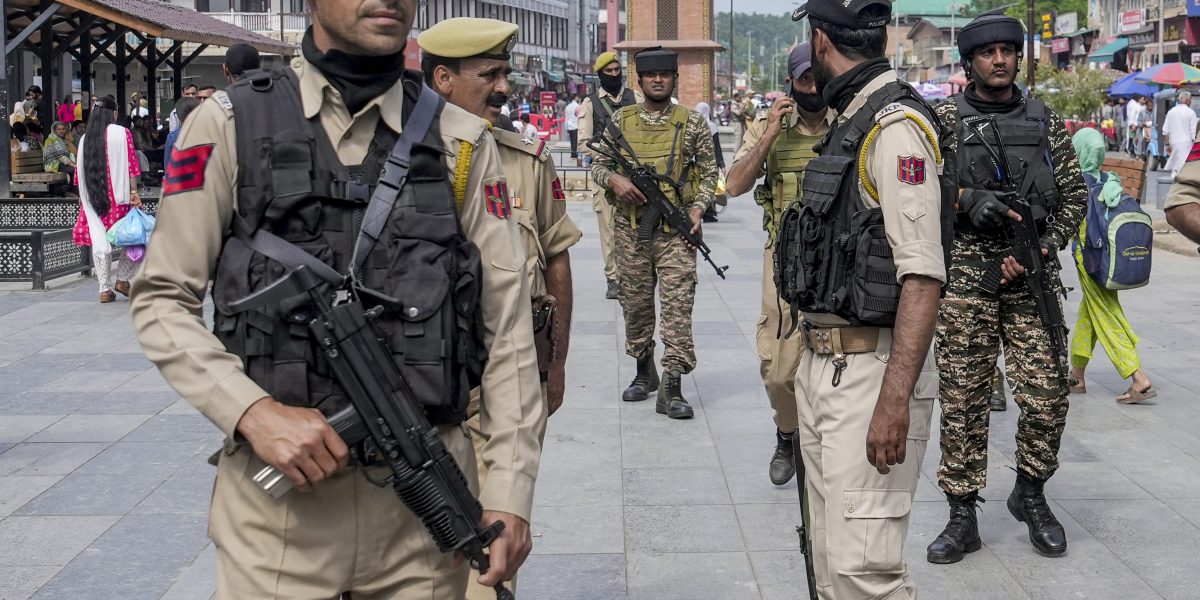
Srinagar: A court in Jammu on Monday (July 13) remanded three publishers to 10 days’ police custody in connection with an investigation into a case involving school books.
श्रीनगर: जम्मू की एक अदालत ने सोमवार (13 जुलाई) को स्कूल की किताबों से जुड़े एक मामले की जांच के सिलसिले में तीन प्रकाशकों को 10 दिन की पुलिस हिरासत में भेज दिया है.
It is known that Jammu’s Counter Intelligence Unit (CIJ) arrested the three publishers in a case concerning the publication and distribution of books containing “objectionable” material. Before these arrests, joint raids had also been carried out in Jammu and Delhi in this connection.
मालूम हो कि जम्मू की काउंटर इंटेलिजेंस यूनिट (सीआईजे) ने इन तीनों प्रकाशकों को ‘आपत्तिजनक’ सामग्री वाली किताबों के प्रकाशन और वितरण के मामले में गिरफ्तार किया है. इन गिरफ्तारियों से पहले इस संबंध में जम्मू और दिल्ली में संयुक्त छापेमारी अभियान भी चलाया गया था.
The accused have been identified as Inderpal Singh of Oberoi Book Service in Jammu, and Amardeep Singh and Girish Arora of Noida-based Dominant Publications. They were produced before the court virtually, after which the court sent them to 10 days’ custody.
आरोपियों की पहचान जम्मू के ओबेरॉय बुक सर्विस के इंदरपाल सिंह और नोएडा स्थित डोमिनेंट प्रकाशन के अमरदीप सिंह और गिरीश अरोड़ा के तौर पर हुई है. उन्हें वर्चुअल तरीके से अदालत के सामने पेश किया गया, जिसके बाद अदालत ने इन्हें दस दिन की हिरासत में भेज दिया है.
Notably, the controversy concerns 251 copies of two books. The first book is titled Personality and Legends of Jammu and Kashmir, co-authored by Hilal Ahmad and Santosh Meenam and published by Jammu’s Oberoi Book Service. The second is titled Great Personality of Jammu and Kashmir, written by Sushant Giri and published by Delhi’s Anurag Prakashan.
उल्लेखनीय है कि यह विवाद दो किताबों की 251 प्रतियों को लेकर है. पहली किताब का नाम ‘पर्सनालिटी एंड लेजेंड्स ऑफ जम्मू एंड कश्मीर’ है, जिसे हिलाल अहमद और संतोष मीनम ने मिलकर लिखा है और जम्मू के ओबेरॉय बुक सर्विस ने प्रकाशित किया है. वहीं, दूसरी किताब का नाम ‘ग्रेट पर्सनालिटी ऑफ जम्मू एंड कश्मीर’ है, जिसे सुशांत गिरि ने लिखा है और दिल्ली के अनुराग प्रकाशन ने प्रकाशित किया है.
Both books had been sent to government school libraries under the central government’s Samagra Shiksha scheme. Leaders of various parties have condemned the contents of these books.
ये दोनों किताबें केंद्र सरकार की ‘समग्र शिक्षा योजना’ के तहत सरकारी स्कूलों की लाइब्रेरी में भेजी गई थीं. अलग-अलग पार्टियों के नेताओं ने इन किताबों के सामग्री की निंदा की है.
Officials claim that both blacklisted books contained material promoting separatism and posed a risk of disturbing law and order in the region.
अधिकारियों का दावा है कि ब्लैकलिस्ट की गई इन दोनों किताबों में अलगाववाद को बढ़ावा देने वाला कंटेंट था और इनसे इलाके में कानून-व्यवस्था बिगड़ने का खतरा था.
On July 4, the administration of the lieutenant governor of Jammu and Kashmir issued a major order directing that the books be removed from school libraries. In addition, eight officials of the School Education Department associated with the book review process have been suspended.
जम्मू-कश्मीर के उपराज्यपाल के प्रशासन ने 4 जुलाई को स्कूल की लाइब्रेरी से किताबें हटाने का एक बड़ा आदेश जारी किया था. साथ ही किताब की समीक्षा प्रक्रिया से जुड़े स्कूल शिक्षा विभाग के आठ अधिकारियों को निलंबित कर दिया गया है.
Besides this, one contractual employee has also been removed, and the authors and publishers have been blacklisted. The administration has also ordered a high-level inquiry into the process by which the books were selected.
इसके अलावा एक अनुबंधित कर्मचारी को भी हटाया गया है और लेखकों व प्रकाशकों को ब्लैकलिस्ट कर दिया गया है. प्रशासन ने किताबों के चयन की प्रक्रिया की उच्च-स्तरीय जांच के आदेश भी दिए है.
The controversy began when the Bharatiya Janata Party (BJP), the Congress, and other political parties objected to the books. They alleged that the books distributed under the central government’s Samagra Shiksha Abhiyan contained “inappropriate material.”
गौरतलब है कि यह विवाद तब शुरू हुआ जब भारतीय जनता पार्टी (भाजपा), कांग्रेस और अन्य राजनीतिक दलों ने इन किताबों पर आपत्ति जताई. उनका आरोप था कि केंद्र सरकार के ‘समग्र शिक्षा अभियान’ के तहत वितरित इन किताबों में ‘अनुचित सामग्री’ थी.
The investigating agency, Counter Intelligence Kashmir (CIK), has registered an FIR under the Bharatiya Nyaya Sanhita (BNS) and the Unlawful Activities (Prevention) Act (UAPA). The charges include criminal conspiracy, endangering India’s sovereignty and integrity, promoting enmity, and circulating objectionable material.
जांच एजेंसी, काउंटर-इंटेलिजेंस कश्मीर (सीआईके) ने भारतीय न्याय संहिता (बीएनएस) और गैर-कानूनी गतिविधियां (रोकथाम) अधिनियम (यूएपीए) के तहत एफआईआर दर्ज की है. इसमें आपराधिक साजिश, भारत की संप्रभुता और अखंडता को खतरे में डालने, दुश्मनी को बढ़ावा देने और आपत्तिजनक सामग्री फैलाने जैसे आरोप शामिल हैं.
It is known that on July 6, CIK searched publishers’ premises in Jammu and Noida.
मालूम हो कि सीआईके ने 6 जुलाई को जम्मू और नोएडा में प्रकाशकों के ठिकानों पर तलाशी ली थी.
‘Heads of institutions may be held personally responsible’
‘संस्थानों के प्रमुखों को व्यक्तिगत रूप से जिम्मेदार ठहराया जा सकता है’
Officials said the investigation is examining the role of publishers in printing and distributing the books. They also said the possibility of further arrests could not be ruled out.
अधिकारियों ने बताया कि जांच में किताबें छापने और बांटने में प्रकाशकों की भूमिका की पड़ताल की जा रही है. साथ ही उन्होंने यह भी कहा कि और गिरफ्तारियों की संभावना से इनकार नहीं किया जा सकता.
The lieutenant governor’s administration held a high-level review meeting and directed all universities, colleges, schools, and libraries in Jammu and Kashmir to verify that no such material exists on their premises. Heads of institutions were warned that they would be personally responsible for any lapse and could face legal action.
उपराज्यपाल के प्रशासन ने एक उच्च स्तरीय रिव्यू मीटिंग की और जम्मू-कश्मीर के सभी यूनिवर्सिटी, कॉलेज, स्कूल और लाइब्रेरी को निर्देश दिया कि वे सत्यापित करें कि उनके परिसर में ऐसी कोई सामग्री मौजूद नहीं है. संस्थानों के प्रमुखों को चेतावनी दी गई कि किसी भी चूक के लिए वे व्यक्तिगत रूप से ज़िम्मेदार होंगे और उनके ख़िलाफ़ कानूनी कार्रवाई हो सकती है.
According to the statement, officials told the review meeting that books promoting separatism had been found in some educational institutions. The lieutenant governor directed that a system be created for the future procurement of academic material, including periodic review by academics, intellectuals, and senior officials. Digital repositories and university websites are also being examined.
बयान के अनुसार, अधिकारियों ने रिव्यू मीटिंग में बताया कि कुछ शिक्षण संस्थानों से अलगाववाद को बढ़ावा देने वाली किताबें मिली हैं. उपराज्यपाल ने भविष्य में एकेडमिक मटीरियल की खरीद के लिए एक सिस्टम बनाने का निर्देश दिया, जिसमें शिक्षाविदों, बुद्धिजीवियों और वरिष्ठ अधिकारियों द्वारा समय-समय पर समीक्षा शामिल होगी. डिजिटल रिपॉजिटरी और यूनिवर्सिटी की वेबसाइटों की भी जांच की जा रही है.
After the recommendation of expert committees, 463 books from 364 publishers had been approved for distribution to 18,328 government schools and 394 PM-SHRI schools under the Samagra Shiksha scheme.
विशेषज्ञ समितियों की सिफारिश के बाद, समग्र शिक्षा योजना के तहत 18,328 सरकारी स्कूलों और 394 पीएम-श्री स्कूलों में वितरण के लिए 364 प्रकाशकों की 463 किताबों को मंज़ूरी दी गई थी.
The FIR has been registered under Sections 49 (abetment), 61(2) (criminal conspiracy), 152 (acts endangering the sovereignty, unity, and integrity of India), 196 (promoting enmity), and 353 (printing or circulating false statements, rumours, or reports) of the BNS, as well as Section 13 of the UAPA.
यह एफआईआर, बीएनएस की धारा 49 (उकसावा), 61(2) (आपराधिक साजिश), 152 (भारत की संप्रभुता, एकता और अखंडता को खतरे में डालने वाले काम), 196 (दुश्मनी को बढ़ावा देना) और 353 (झूठे बयान, अफवाहें या रिपोर्ट छापना या फैलाना) के साथ-साथ यूएपीए की धारा 13 के तहत दर्ज की गई है.
The controversy has also raised larger questions about the monitoring of educational material and the process for selecting books for use in institutions across the Union Territory.
इस विवाद ने शैक्षणिक सामग्री की निगरानी और केंद्र शासित प्रदेश के संस्थानों में इस्तेमाल के लिए किताबों को चुनने की प्रक्रिया के बारे में भी बड़े सवाल खड़े कर दिए हैं.
Although the administration says these measures are intended to prevent material that could mislead or radicalize students from entering educational institutions, academics and members of civil society argue that debate over history and dissent is an essential part of democratic societies.
हालांकि प्रशासन का कहना है कि इन उपायों का मकसद ऐसी सामग्री को शिक्षण संस्थानों में आने से रोकना है जो छात्रों को गुमराह कर सकता है या उन्हें कट्टरपंथी बना सकता है, लेकिन शिक्षाविदों और नागरिक समाज के सदस्यों का तर्क है कि इतिहास और असहमति पर बहस लोकतांत्रिक समाजों का अहम हिस्सा है.
Kashmiri writer and journalist Rao Farman Ali told The Wire, “The task of deciding whether a publication is appropriate should not be left solely to a security-driven perspective. Autonomous academic bodies, including committees of vice-chancellors, principals, and subject experts, should examine such material and determine its educational relevance.”
कश्मीर के लेखक और पत्रकार राव फरमान अली ने ‘द वायर’ से कहा, ‘कोई प्रकाशन उचित है या नहीं, यह तय करने का काम सिर्फ़ सुरक्षा-आधारित नज़रिए पर नहीं छोड़ा जाना चाहिए. स्वायत्त शैक्षणिक निकायों – जिनमें वाइस-चांसलर, प्रिंसिपल और विषय विशेषज्ञों की समितियां शामिल हैं – को ऐसे मटीरियल की जांच करनी चाहिए और उसकी शैक्षणिक प्रासंगिकता तय करनी चाहिए.’
The administration has also proposed a standard operating procedure (SOP), under which books entering educational institutions will be screened and periodically reviewed before being made available to students.
प्रशासन ने एक मानक संचालन प्रक्रिया (एसओपी) का प्रस्ताव भी दिया है, जिसके तहत शिक्षण संस्थानों में आने वाली किताबों की छात्रों को उपलब्ध कराने से पहले स्क्रीनिंग और समय-समय पर समीक्षा की जाएगी.