Uttar Pradesh Governor Orders Anti-Conversion Cells in All Universities and Colleges
The directive to establish anti-conversion cells across Uttar Pradesh’s universities and colleges raises concerns over the expanding institutional reach of laws that critics say are often used to target minorities rather than prevent coercion.
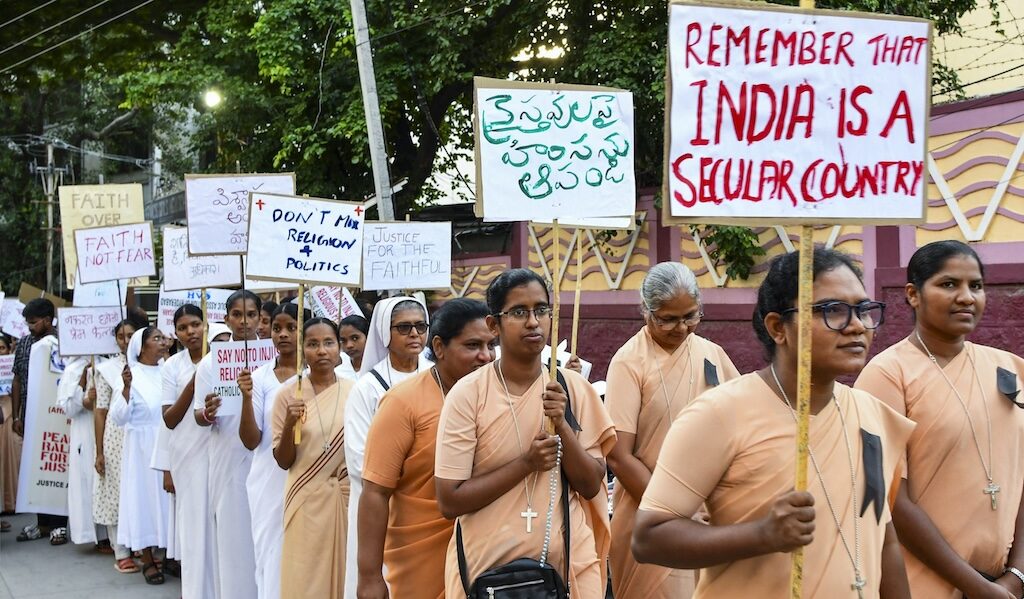
New Delhi: Uttar Pradesh Governor Anandiben Patel has directed that “anti-conversion cells” be set up in all universities, higher education institutions, and medical and dental colleges across the state.
नई दिल्ली: उत्तर प्रदेश की राज्यपाल आनंदीबेन पटेल ने राज्य के सभी विश्वविद्यालयों, उच्च शिक्षण संस्थानों और मेडिकल, डेंटल कॉलेजों में ‘धर्मांतरण-रोधी प्रकोष्ठ’ (anti-conversion cells) स्थापित करने का निर्देश दिया है.
According to a report in the Hindustan Times, the move has the backing of the state’s ruling Bharatiya Janata Party (BJP) government.
हिंदुस्तान टाइम्स की रिपोर्ट के अनुसार, इस कदम को राज्य की सत्तारूढ़ भारतीय जनता पार्टी (भाजपा) सरकार का समर्थन प्राप्त है.
In a letter sent by the Governor’s Secretariat to vice-chancellors, directors of all state universities and institutions, and all higher education institutions, including medical institutions and others, it was said that, in view of reports that students were allegedly being influenced for conversion through inducements, psychological pressure, or other unethical means, counselling services, monitoring systems, student welfare mechanisms, grievance and reporting procedures should be strengthened, and preventive safeguards put in place.
राज्यपाल सचिवालय द्वारा कुलपतियों, सभी राज्य विश्वविद्यालयों और संस्थानों के निदेशकों तथा सभी उच्च शिक्षण संस्थानों, जिनमें मेडिकल संस्थान और अन्य संस्थाएं शामिल हैं, को भेजे गए एक पत्र में कहा गया है कि छात्रों को कथित रूप से प्रलोभन, मनोवैज्ञानिक दबाव या अन्य अनैतिक तरीकों के माध्यम से प्रभावित किए जाने (धर्मांतरण के लिए) की खबरों के मद्देनज़र परामर्श सेवाओं, निगरानी प्रणालियों, छात्र कल्याण तंत्र, शिकायत एवं रिपोर्टिंग प्रक्रियाओं को मजबूत किया जाए और निवारक सुरक्षा उपाय स्थापित किए जाएं.
According to the Indian Express, the letter states: “Any kind of illegal or forced religious conversion attempt carried out by influencing students, instilling fear in them, exerting mental pressure, or offering unethical inducements is wholly unacceptable, unethical, and against the law.”
इंडियन एक्सप्रेस के अनुसार, पत्र में कहा गया है, ‘छात्रों को प्रभावित करके, उनमें भय पैदा करके, मानसिक दबाव बनाकर या अनैतिक प्रलोभन देकर किए जाने वाले किसी भी प्रकार के अवैध या जबरन धार्मिक धर्मांतरण के प्रयास पूरी तरह अस्वीकार्य, अनैतिक और कानून के खिलाफ हैं.’
The letter also claims that reports are being received continuously about “attempts to convert students through inducement or psychological pressure.” It says that “‘anti-radicalisation’ units or student welfare cells at the university and institutional level should be made highly active.”
पत्र में यह भी दावा किया गया है कि ‘प्रलोभन या मनोवैज्ञानिक दबाव के माध्यम से छात्रों का धर्मांतरण करने के प्रयासों’ संबंधी खबरें लगातार मिल रही हैं. ‘विश्वविद्यालय और संस्थान के स्तर पर ‘कट्टरपंथ-विरोधी’ इकाइयों या छात्र कल्याण प्रकोष्ठों को बहुत सक्रिय किया जाना चाहिए.’
The letter further suggests that institutions organise lectures and seminars on “moral values, rational thinking, and legal rights.” It also directs that if any organisation, group, or individual is found involved in suspicious activities connected with conversion attempts, the local administration and police should be informed immediately.
पत्र में यह भी सुझाव दिया गया है कि संस्थान ‘नैतिक मूल्यों, तार्किक सोच और कानूनी अधिकारों’ पर लेक्चर और सेमिनार आयोजित करें. साथ ही, यह निर्देश भी दिया गया है कि यदि कोई संगठन, समूह या व्यक्ति धर्मांतरण के प्रयासों से जुड़ी संदिग्ध गतिविधियों में संलिप्त पाया जाता है, तो इसकी सूचना तत्काल स्थानीय प्रशासन और पुलिस को दी जाए.
The letter goes on to say that action in such cases should be taken under the state’s anti-conversion laws.
पत्र में आगे कहा गया है कि ऐसे मामलों में राज्य के धर्मांतरण-विरोधी कानूनों के तहत कार्रवाई की जानी चाहिए.
It is worth noting that The Wire has previously reported that anti-conversion laws are often misused by enforcement agencies, either through suo motu action or under political direction. People associated with the Bajrang Dal, the Vishva Hindu Parishad, and other organisations also use them to harass minorities, especially Muslims. Any non-Hindu institution or group that runs a free clinic, offers scholarships, or even organises a friendly prayer meeting comes under scrutiny and is then subjected to harassment through both legal and extra-legal means.
गौरतलब है कि द वायर पहले भी अपनी रिपोर्ट में बता चुका है कि धर्मांतरण-विरोधी कानूनों का इस्तेमाल प्रवर्तन एजेंसियों द्वारा कई बार स्वतः संज्ञान लेकर या राजनीतिक निर्देशों के तहत दुरुपयोग के रूप में किया जाता है. बजरंग दल, विश्व हिंदू परिषद और अन्य संगठनों से जुड़े लोग भी इनका इस्तेमाल अल्पसंख्यकों, खासकर मुसलमानों को परेशान करने के लिए करते हैं. कोई भी गैर-हिंदू संस्थान या समूह जो मुफ्त क्लिनिक, स्कॉलरशिप या यहां तक कि एक मैत्रीपूर्ण प्रार्थना सभा का आयोजन करता है, वह जांच के दायरे में आ जाता है और उसके बाद कानूनी और गैर-कानूनी तरीके से परेशान किया जाता है.
There have been many cases in which, after a complaint was filed by a Hindu nationalist organisation, the police acted immediately despite weak or virtually nonexistent evidence. Given the low conviction rate, arrests, court cases, and violence affect social harmony. A perception has taken hold around these laws that they are being used not so much to prevent conversion as to serve as a weapon for intimidating minorities.
ऐसे कई मामले सामने आए हैं जिनमें किसी हिंदू राष्ट्रवादी संगठन द्वारा शिकायत दर्ज कराए जाने के बाद पुलिस ने कमजोर या लगभग न के बराबर सबूतों के बावजूद तुरंत कार्रवाई की. कम दोषसिद्धि दर को देखते हुए, गिरफ्तारियां, अदालती मुकदमे और हिंसा सामाजिक सौहार्द को प्रभावित करते हैं. इन कानूनों को लेकर यह धारणा बनी है कि उनका उपयोग धर्मांतरण रोकने के बजाय अल्पसंख्यकों को डराने करने के लिए एक हथियार के रूप में किया जा रहा है.
In April this year, while criticising the “worrying trend” of false FIRs being registered under the Uttar Pradesh Prohibition of Unlawful Conversion of Religion Act, 2021, the Allahabad High Court directed the state’s Additional Chief Secretary (Home) to file a personal affidavit clarifying what action was being taken in such cases.
इसी वर्ष अप्रैल में उत्तर प्रदेश विधि-विरुद्ध धर्मांतरण प्रतिषेध अधिनियम, 2021 के तहत दर्ज की जा रही झूठी एफआईआर की ‘चिंताजनक प्रवृत्ति’ की आलोचना करते हुए इलाहाबाद हाईकोर्ट ने राज्य के अतिरिक्त मुख्य सचिव (गृह) को निर्देश दिया था कि वे व्यक्तिगत हलफनामा दाखिल कर यह स्पष्ट करें कि ऐसे मामलों में क्या कार्रवाई की जा रही है.