Reader Submission
Taiwan’s exclusion from the WHA is a real gap in global health governance, but Taiwan can still build influence by turning its democratic health-system experience into usable, contestable, and co-created global public knowledge.
Reader submission讀者投書
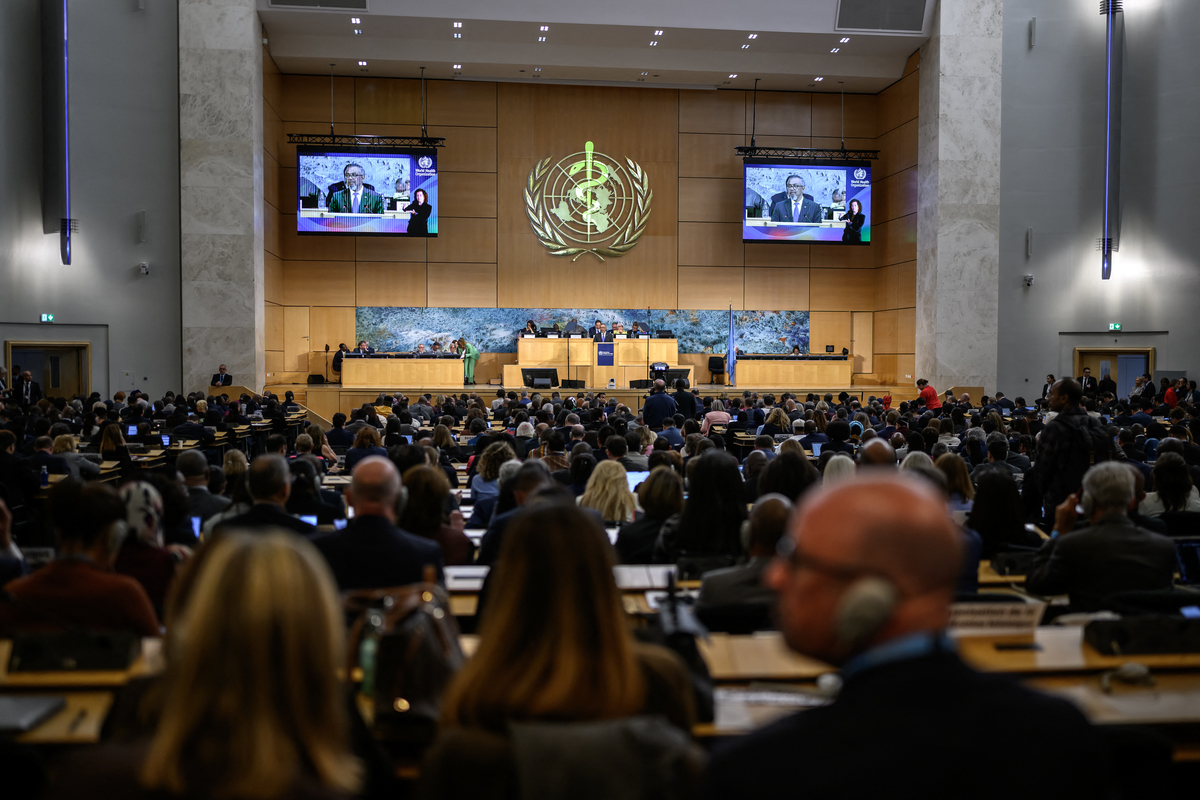
每年5月,WHA固定在瑞士日內瓦舉行。對台灣社會而言,最熟悉的新聞畫面與議題往往是:今年台灣是否有收到邀請函?哪些友好國家發言支持台灣?中國又如何再次阻撓台灣參與?
Every May, the WHA is held as a matter of course in Geneva, Switzerland. For Taiwanese society, the most familiar news images and questions are usually these: Has Taiwan received an invitation this year? Which friendly countries have spoken in support of Taiwan? And how has China once again obstructed Taiwan’s participation?
這些當然重要。台灣持續被排除在全球最重要的衛生政策場合,不只是外交挫折,同時也是全球衛生治理的缺口。大流行疫情、抗生素抗藥性、病原體與資訊分享、AI醫療與衛生人力流動,都不會因為台灣沒有席位跟聲音而繞過台灣。
These things are, of course, important. Taiwan’s continued exclusion from the world’s most important forum for health policy is not only a diplomatic setback; it is also a gap in global health governance. Pandemics, antimicrobial resistance, the sharing of pathogens and information, AI medicine, and the movement of health workers will not bypass Taiwan simply because Taiwan has no seat and no voice.
但這次我到日內瓦參與第79屆WHA周邊論壇後,感受到的是另一件事:WHA不只是萬國宮裡的正式會議,也不只是每年一次的外交攻防;同時更是會場外、非官方的政策與科技之全球衛生治理論述場域。
But after going to Geneva this time to take part in side forums around the 79th WHA, I came away feeling something else: the WHA is not only the formal meeting inside the Palais des Nations, nor merely an annual diplomatic contest. It is also, outside the venue and beyond the official proceedings, a global discursive field for health governance in policy and technology.
在萬國宮內,會員國討論疫情協定後續、國際衛生條例、全球健康架構改革、抗微生物藥物抗藥性、衛生人力、健康財政與各類疾病防治策略。在萬國宮外,國際組織、基金會、專業學會、病人團體、科技公司、甚至是國際藥廠,則用邊會(side events)、圓桌會議(roundtables)等場邊政策論壇,討論另一批同樣關鍵的問題:AI如何進入醫療體系?健康資料由誰掌握?衛生人力如何跨境流動?當傳統援助資金緊縮、全球健康機構面臨轉型時,全球健康要靠什麼來繼續交出成果?
Inside the Palais des Nations, member states discuss the follow-up to the pandemic agreement, the International Health Regulations, reform of the global health architecture, antimicrobial resistance, the health workforce, health financing, and strategies for the prevention and control of various diseases. Outside the Palais, international organizations, foundations, professional societies, patient groups, technology companies, and even multinational pharmaceutical firms use side events, roundtables, and other adjacent policy forums to discuss another set of equally critical questions: How will AI enter health systems? Who controls health data? How should health workers move across borders? When traditional aid funding is tightening and global health institutions face transformation, what will global health rely on to continue delivering results?
對一個連續10年未能受邀進入WHA正式會場的觀察員國家而言,這個「會場外」的位置,也許更貼近台灣真實能參與的全球衛生治理現場。會場內的議程是一回事,會場外那些更為坦率、政策辯論更為深入、台灣能參與的論壇,揭示的是一個「正在重塑的真實規則」,可能對台灣未來的衛生治理更具決定性與啟發性。
For an observer country that has been unable to enter the WHA’s formal venue for ten consecutive years, this position “outside the venue” may be closer to the real scene of global health governance in which Taiwan can participate. The agenda inside the room is one thing; the forums outside it, more candid, deeper in policy debate, and open to Taiwanese participation, reveal a “real set of rules” now being reshaped, one that may prove more decisive and more illuminating for Taiwan’s future health governance.
5月21日下午2點,在距離萬國宮約3公里的生物科技園區(Campus Biotech),由日內瓦大學主辦的日內瓦數位健康日(GDHD)上,Google DeepMind影響力總監波拉德(Catherine Pollard)正在談「AI與健康最前線」(At the frontier of AI & Health)。她在開場時做了一個有意思的措辭調整:這場的主題本來是討論AI在醫療上的應用該是「炒作還是現實」(hype vs. reality),但她認為兩個都不精準,更好的用法是「希望」(hope)──因為「我們既不在純粹的炒作階段,也還沒到真實實踐的程度,我們處於一段非常漫長旅程的起點」。
At 2 p.m. on May 21, at Campus Biotech, a biotechnology campus about three kilometers from the Palais des Nations, Catherine Pollard, impact director at Google DeepMind, was speaking at Geneva Digital Health Day, hosted by the University of Geneva, on “At the frontier of AI & Health.” At the outset, she made an interesting adjustment in wording: the session had originally been framed as a discussion of whether AI’s medical applications were “hype vs. reality,” but she thought neither term was quite precise. A better word, she said, was “hope,” because “we are neither in a stage of pure hype, nor have we yet reached the point of real practice; we are at the beginning of a very long journey.”
接著當她介紹Google與各國衛生體系合作的案例時,投影片中出現我們熟悉的畫面──台灣衛福部中央健康保險署的健保行動快易通/健康存摺App。具體的說,是Google與健保署合作,將第二型糖尿病的數據資料「打包成幫助患者做日常營養、飲食、運動決策的工具,並協助臨床醫師快速評估患者風險、排序時間配置」。
Then, as she introduced examples of Google’s collaborations with health systems in various countries, a familiar image appeared on the slides: Taiwan’s National Health Insurance Administration’s NHI Express / Health Bank app. More specifically, Google and the NHIA had worked together to package data on type 2 diabetes into a tool that helps patients make everyday decisions about nutrition, diet, and exercise, while also helping clinicians quickly assess patient risk and prioritize how they allocate their time.
這是WHA期間在日內瓦的舞台上、由一家全球頂尖人工智慧機構的影響力總監主動引用的台灣案例。那一刻,會場裡沒有人質問「為什麼是台灣」,也沒有人附加任何政治註腳。台灣就是台灣,作為一個可被引用、可被學習、可作為借鑑的「數位健康治理經驗」出現在日內瓦的全球衛生政策現場。
This was a Taiwanese case, cited on a Geneva stage during the WHA by the impact director of one of the world’s leading artificial intelligence institutions. In that moment, no one in the room asked “why Taiwan,” and no one attached any political footnote. Taiwan was simply Taiwan, appearing in Geneva’s global health policy space as an experience in “digital health governance” that could be cited, studied, and used as a reference.
這個畫面的意義,可能比任何官方聲明都來得有力。它證明了一件事:即使台灣被排除在WHO正式會議之外,我們的醫療科技經驗仍然可以用具體、技術性、可引用的方式,進入全球頂尖機構的政策論述體系。
The significance of that image may be more powerful than any official statement. It proves one thing: even when Taiwan is excluded from the WHO’s formal meetings, our experience in medical technology can still enter the policy discourse of the world’s leading institutions in concrete, technical, and citable ways.
But at the same GDHD, WHO scientist Tigest Tamrat offered a pointed reminder about the application of AI:但同場GDHD中,WHO科學家塔姆拉特(Tigest Tamrat)卻對AI應用提出一個尖銳的提醒:
「我們看到大量AI創新,這很好。但我們並未看到對應的醫療體系投資──去思考體系如何吸收這些技術所識別出的子癇前症、妊娠糖尿病、需要避孕的青少年。我給這個社群的呼籲是:不要把醫療體系拋在後面。」
“We are seeing a great deal of AI innovation, and that is good. But we are not seeing corresponding investment in health systems, investment in thinking about how systems will absorb the preeclampsia, gestational diabetes, and adolescents in need of contraception identified by these technologies. My appeal to this community is: do not leave health systems behind.”
菲律賓衛生部資訊長(CIO)多明哥(Albert Domingo)在同場稍後的專家座談中,也補充了一個讓全場印象深刻的說法:
Albert Domingo, chief information officer of the Philippine Department of Health, later added a remark in the same expert panel that left a strong impression on the room:
「當部長指派我擔任CIO時,我問『您確定要找一個醫師?我又不是IT人』。他微笑回答:『這不是技術問題,傻瓜,這是治理問題。』」
“When the minister appointed me CIO, I asked, ‘Are you sure you want a physician? I’m not an IT person.’ He smiled and answered, ‘It’s not a technology problem, stupid. It’s a governance problem.’”
塔姆拉特與多明哥兩段話,放在台灣脈絡中讀起來格外具啟發性。我國正在推動的健保AI應用、智慧醫療、精準健康等議程,其核心都是健康資料。而這裡不只涉及到資料品質,同時也涉及資料主權、隱私、信任與利益分配等議題。世界上許多低中所得國家在擁抱由科技巨頭公司所提供的服務的同時,正面臨著一個共同的困境:資料被蒐集、模型被訓練、產品被商業化,但資料提供者、病人社群與本地健康體系卻沒有得到相應的回饋。這也是台灣健保資料庫、醫療AI與跨境資料合作時,所必須面對的問題。
Read in Taiwan’s context, Tamrat’s and Domingo’s remarks are especially illuminating. The agendas Taiwan is now advancing, including AI applications in National Health Insurance, smart medicine, and precision health, all have health data at their core. And what is at stake here is not only data quality, but also data sovereignty, privacy, trust, and the distribution of benefits. Many low- and middle-income countries around the world, while embracing services provided by technology giants, are confronting a shared predicament: data are collected, models are trained, products are commercialized, yet the data providers, patient communities, and local health systems receive no commensurate return. This is also the issue Taiwan must face in relation to its NHI database, medical AI, and cross-border data cooperation.
本次除了GDHD2026外,我也參加了兩天由國際發展平台Devex舉辦的「WHA影響力之家」(Impact House @WHA)會議,以及美國聖路易華盛頓大學舉辦的「重新思考全球衛生治理」座談。在這場論壇上,我的博士指導老師、喬治城大學衛生法學者、同時也是WHO全球衛生法中心主任的高斯丁(Lawrence Gostin)教授,公開批評美國轉向雙邊衛生協議的路線──「我作為一個美國人,對此並不引以為傲。」當美國最具權威的衛生法學者都公開質疑這套作法時,台灣作為長期被排除者,反而在論述上找到了意想不到的同盟。
In addition to GDHD 2026, I also attended two days of Impact House @ WHA, organized by the international development platform Devex, as well as a panel hosted by Washington University in St. Louis on “Rethinking Global Health Governance.” At that forum, my doctoral adviser, Professor Lawrence Gostin of Georgetown University, a scholar of health law and director of the WHO Collaborating Center on National and Global Health Law, publicly criticized the United States’ turn toward bilateral health agreements: “As an American, I am not proud of this.” When the most authoritative health-law scholar in the United States publicly questions this approach, Taiwan, long excluded, unexpectedly finds an ally at the level of discourse.
同時,這些場外會議也讓我意識到,場外其實不是邊緣。相反地,對民間組織、專業社群、病人團體與學者而言,場外本身就是全球健康治理的另一個現場。正式決議固然重要,但許多新的概念、合作與政策語言,往往先在這些場外場域被測試、修正與連結。
At the same time, these off-site meetings also made me realize that the outside is not, in fact, marginal. On the contrary, for civil society organizations, professional communities, patient groups, and scholars, the outside is itself another scene of global health governance. Formal resolutions certainly matter, but many new concepts, collaborations, and policy vocabularies are often first tested, revised, and connected in these off-site spaces.
同時這次我也擔任世台聯合基金會在日內瓦主辦之「在變革世界中強化全民健康覆蓋」(Strengthening Universal Health Coverage in a Transforming World)論壇第一場座談「AI助力全民健康覆蓋:醫療資訊與系統」(AI for UHC: Medical Informatics and Systems)的主持人。這場論壇對我而言,不只是一次主持工作,更像是一個縮影:台灣雖然不在WHA正式席位上,卻可以透過民間與專業網絡,把真正重要的議題帶進日內瓦。
This time I also served as moderator for the first panel, “AI for UHC: Medical Informatics and Systems,” at the forum “Strengthening Universal Health Coverage in a Transforming World,” hosted in Geneva by the World Taiwanese United Foundation. For me, this forum was not only a moderating assignment; it was more like a microcosm. Although Taiwan does not have a formal seat at the WHA, it can, through civil and professional networks, bring the issues that truly matter into Geneva.
這場討論有4位講者,分別從不同角度回答同一個問題:AI與醫療資訊究竟如何服務全民健康覆蓋,而不是只讓少數醫療機構或科技公司受益?
There were four speakers in this discussion, each answering the same question from a different angle: How, exactly, can AI and medical informatics serve universal health coverage, rather than benefiting only a few medical institutions or technology companies?
他們從不同角度切入,卻都指向同一個結論:「AI助力全民健康覆蓋」不是技術展示,而是健康體系治理問題。日內瓦大學的洛維斯(Christian Lovis)教授提醒,資料必須先成為可理解、可追溯、可被臨床使用的知識;也就是說,我們必須先賦予資料(data)臨床上的「脈絡與意義」,AI技術才有可能轉化為真正能幫助患者的「醫療照護」(care)。曾任國際醫學資訊協會主席的李友專教授強調,AI可把醫療從被動治療推向早期預測與預防;國際認證組織TruMerit的執行長普萊希奧西(Peter Preziosi)指出,沒有衛生人力就沒有UHC;美國辛辛那提大學藥學院林純青(Alex Lin)教授則是以Pharmacy 5.0與數位孿生(digital twins)說明科技如何更貼近病人的日常照護。
They approached the question from different directions, but all pointed to the same conclusion: “AI for UHC” is not a technology showcase; it is a question of health-system governance. Professor Christian Lovis of the University of Geneva reminded us that data must first become knowledge that is comprehensible, traceable, and clinically usable. In other words, we must first give data clinical “context and meaning” before AI technology can be transformed into “care” that genuinely helps patients. Professor Yu-Chuan Li, former president of the International Medical Informatics Association, emphasized that AI can move medicine from passive treatment toward early prediction and prevention. Peter Preziosi, CEO of the international credentialing organization TruMerit, pointed out that without health workers, there is no UHC. Professor Alex Lin of the University of Cincinnati College of Pharmacy used Pharmacy 5.0 and digital twins to show how technology can move closer to patients’ everyday care.
這些討論讓我在主持時得到一個很清楚的結論:AI for UHC不是單純談演算法,也不是展示最新產品,它真正問的是資料能否變成臨床意義?預測能否轉化為預防?科技能否支持而非取代人力?數位工具能否進入病人的真實生活?
These discussions left me, as moderator, with a very clear conclusion: AI for UHC is not simply about algorithms, nor is it a display of the newest products. What it truly asks is whether data can become clinical meaning; whether prediction can be converted into prevention; whether technology can support, rather than replace, human workers; and whether digital tools can enter the real lives of patients.
換句話說,AI不能只讓醫療更聰明,也要讓醫療更公平。
In other words, AI must not only make medicine smarter; it must also make medicine fairer.
台灣常用「Taiwan Can Help」來描述自身國際貢獻。這句話有其力量,但在今天的全球健康環境中,也許還需要再往前一步:Taiwan Can Co-Create──台灣不只是幫忙,也可以共同設計規則、建立制度、甚至是承擔責任。
Taiwan often uses “Taiwan Can Help” to describe its international contributions. The phrase has power, but in today’s global health environment it may need to go one step further: Taiwan Can Co-Create. Taiwan is not only here to help; it can also help design rules, build institutions, and even shoulder responsibility.
台灣最有價值的,不只是我們有全民健保,也不只是我們有資通訊科技與醫療AI能力,而是這些能力如何被放進民主、法治、健保、醫療專業與公共信任之中。這才是可以和世界對話的「治理經驗」。
What is most valuable about Taiwan is not only that we have universal health insurance, nor only that we have information and communications technology and medical AI capabilities. It is how these capacities are placed within democracy, the rule of law, National Health Insurance, medical professionalism, and public trust. This is the “governance experience” with which Taiwan can speak to the world.
例如,在健保資料庫與健康資料「二次利用」(secondary use)上,台灣有豐富資料,也有憲法法庭判決與社會爭議。這些經驗如果整理得好,未必只是國內爭議,也可以成為國際討論健康資料治理、去識別化、公共利益與個人權利平衡的案例。
For example, on the NHI database and the “secondary use” of health data, Taiwan has abundant data, as well as Constitutional Court rulings and social controversy. If these experiences are properly organized, they need not remain merely domestic disputes; they could become cases for international discussion of health-data governance, de-identification, the public interest, and the balance between individual rights and collective benefit.
在醫療AI上,台灣有醫學中心、科技公司與資料基礎,但也需要回答責任歸屬、臨床驗證、偏誤監測、醫師與病人信任等問題。這些不是阻礙創新,而是讓創新能進入真實醫療體系的前提。
In medical AI, Taiwan has medical centers, technology companies, and a data foundation, but it must also answer questions of responsibility, clinical validation, bias monitoring, and the trust of physicians and patients. These are not obstacles to innovation; they are prerequisites for innovation to enter real health systems.
在衛生人力上,台灣既有外籍照護人力依賴,也有醫護工作負擔與人才流動問題。這些經驗可以讓台灣不只是談「缺工」,而是從全球衛生人力倫理、照護正義與長照制度設計來參與國際討論。
On the health workforce, Taiwan both depends on foreign care workers and faces problems of workload and talent mobility among medical and nursing staff. These experiences can allow Taiwan to speak not only of “labor shortages,” but to take part in international discussion from the perspectives of global health workforce ethics, care justice, and the design of long-term care systems.
如果說WHA79真正的主題是全球健康架構如何重塑,那麼台灣真正要準備的,不只是每年5月的外交聲明,而是一套長期的全球健康政策能力:追蹤國際規則、翻譯國內影響、提出政策方案、經營民間網絡,並把台灣經驗轉化為世界可以使用的語言。
If the real theme of WHA 79 is how the global health architecture is to be reshaped, then what Taiwan truly needs to prepare is not only a diplomatic statement every May, but a long-term capacity for global health policy: tracking international rules, translating their domestic implications, proposing policy solutions, cultivating civil networks, and turning Taiwan’s experience into language the world can use.
當國際情勢如此,台灣面對WHA似乎不應只重複「我們應該進去」這句正確但已經說了很多年的話。我們必須進一步問:即使暫時進不去,我們能不能在規則形成之前,透過場外、雙邊、小多邊、專業學會與民間網絡,把台灣的觀點送進去?
Given this international situation, Taiwan’s approach to the WHA should not seem to consist only of repeating the correct sentence we have uttered for many years: “We should be allowed in.” We must ask a further question: even if we cannot get in for the time being, can we, before the rules are formed, send Taiwan’s perspectives into the process through off-site venues, bilateral channels, minilateral arrangements, professional societies, and civil networks?
To that end, I believe three things can be strengthened at present. First, establish a regular mechanism for tracking the WHA agenda and connecting it to domestic policy:為此,我認為當前有3件事是可以強化的: 第一、建立常態性的WHA議程追蹤與國內對接機制:
每年WHA所通過的決議與決定,應該有系統地翻譯成台灣人能夠明白的政策語言,並呼應衛福部門、醫療機構與專業團體的實務需求。換言之,即使我們不能在場內討論,但國內相關單位與人士卻不能對這些發展沒有感覺、也沒有回應。
The resolutions and decisions adopted by the WHA each year should be systematically translated into policy language that Taiwanese people can understand, and connected to the practical needs of health and welfare agencies, medical institutions, and professional groups. In other words, even if we cannot discuss these matters inside the room, the relevant units and people at home cannot remain insensible to these developments, nor fail to respond to them.
Second, cultivate interdisciplinary talent in global health policy:第二、培養跨領域的全球衛生政策人才:
要做好前一項工作,我們需要大量的全球性人才。特別未來的全球健康不只需要醫師或外交官,也需要懂國際法、公共衛生、健保制度、資料治理、AI與產業政策的人,才能把國際規則翻譯成台灣可以理解的問題,同時也把台灣經驗翻譯成國際可以使用的方案。
To do the preceding work well, we need a large pool of global talent. The global health of the future will need not only physicians or diplomats, but also people who understand international law, public health, health insurance systems, data governance, AI, and industrial policy. Only such people can translate international rules into questions Taiwan can understand, while also translating Taiwan’s experience into solutions the international community can use.
Third, support civil society groups, patient organizations, professional societies, and younger generations in sustained participation in WHA side meetings:第三、支持民間團體、病友組織、專業學會與青年世代持續參與WHA周邊會議:
場外不應只是無法參加場內的替代品,而是在當前環境下台灣長期累積信任、合作與政策影響力的管道。台灣不能只靠一年一次的外交喊話,更要靠一次一次的專業參與。這需要掌握資源的衛福與外交等政府部門更有力的支持,真正將民間力量視為可以公私協力(Public-Private Partnership)攜手合作的夥伴而非只是點綴花絮。
The outside should not be merely a substitute for being unable to attend the inside. Under present conditions, it is a channel through which Taiwan can, over the long term, accumulate trust, cooperation, and policy influence. Taiwan cannot rely only on diplomatic appeals once a year; it must rely even more on repeated professional participation. This requires stronger support from government departments that control resources, such as health and welfare and foreign affairs agencies, and a real willingness to see civil society not as decorative color, but as a partner in public-private partnership.
在日內瓦的幾天,我一方面清楚感受到台灣被排除的現實,另一方面也看到場外網絡帶來的可能性。這種可能性不是空想但也並不簡單:場外參與需要人脈、資源、英文能力、專業內容、長期經營與足夠耐心。它不能取代正式參與,但可以在正式參與受阻時,讓台灣不至於完全缺席。
During my days in Geneva, I felt clearly, on the one hand, the reality of Taiwan’s exclusion; on the other, I also saw the possibilities created by off-site networks. These possibilities are not fantasies, but neither are they simple. Off-site participation requires connections, resources, English proficiency, substantive expertise, long-term cultivation, and sufficient patience. It cannot replace formal participation, but when formal participation is obstructed, it can keep Taiwan from being entirely absent.
而真正值得我們擔心的,不只是台灣沒有進入WHA,而是台灣社會若只把WHA看成一場年度外交新聞,就會錯過那些正在形成、未來會回頭影響我們的全球健康規則。
What should truly worry us is not only that Taiwan has not entered the WHA. It is that if Taiwanese society sees the WHA only as an annual item of diplomatic news, it will miss the global health rules that are now taking shape and will, in the future, turn back to affect us.
特別是如果有一天門真的打開,台灣準備好要帶什麼進去?如果我們帶進去的只是被排除的委屈,那當然不夠;如果我們帶進去的是全民健保、醫療資訊、健康資料治理、AI醫療、病人權益與民主法治經驗,而且能把這些經驗整理成世界可以使用、可以批判、也可以共同改造的方案,那麼台灣就不只是等待被邀請的旁觀者,而會逐步成為規則共創者。
Especially if one day the door really opens, what will Taiwan be ready to bring inside? If all we bring is the grievance of exclusion, that will of course not be enough. If what we bring is universal health insurance, medical informatics, health-data governance, AI medicine, patient rights, and the experience of democracy and the rule of law, and if we can organize these experiences into proposals the world can use, criticize, and jointly transform, then Taiwan will no longer be merely a bystander waiting to be invited; it will gradually become a co-creator of rules.
Taiwan cannot ask only, “When will the world let us in?” We must also ask, “What can we offer that will make the world need us?”台灣不能只問:「世界什麼時候讓我們進去?」我們也要問:「我們能提出什麼,讓世界需要我們?」
WHA場內沒有台灣,確實是全球健康治理的缺口,但台灣若能把自己的制度經驗轉化為可對話、可合作、可檢驗的公共知識,即使站在場外,也能一步一步累積影響力。
The absence of Taiwan inside the WHA is indeed a gap in global health governance. But if Taiwan can transform its own institutional experience into public knowledge that can be discussed, cooperated on, and tested, then even from outside the room it can accumulate influence step by step.
台灣不只要被世界看見,更要讓世界用得上。
Taiwan must not only be seen by the world; it must become useful to the world.
Seeking truth in depth, walking with many voices.深度求真 眾聲同行
獨立的精神,是自由思想的條件。獨立的媒體,才能守護公共領域,讓自由的討論和真相浮現。
An independent spirit is the condition of free thought. Only independent media can safeguard the public sphere, allowing free discussion and truth to emerge.
在艱困的媒體環境,《報導者》堅持以非營利組織的模式投入公共領域的調查與深度報導。我們透過讀者的贊助支持來營運,不仰賴商業廣告置入,在獨立自主的前提下,穿梭在各項重要公共議題中。
In a difficult media environment, The Reporter remains committed to using a nonprofit model to pursue investigation and in-depth reporting in the public sphere. We operate through support from reader sponsorship, do not rely on commercial advertising placement, and, on a foundation of independence and autonomy, move through the important public issues of our time.
今年是《報導者》成立十週年,請支持我們持續追蹤國內外新聞事件的真相,度過下一個十年的挑戰。
This year marks the tenth anniversary of The Reporter. Please support us as we continue to track the truth of news events at home and abroad and face the challenges of the next decade.