Crime, Crackdowns, and Democracy in Ecuador
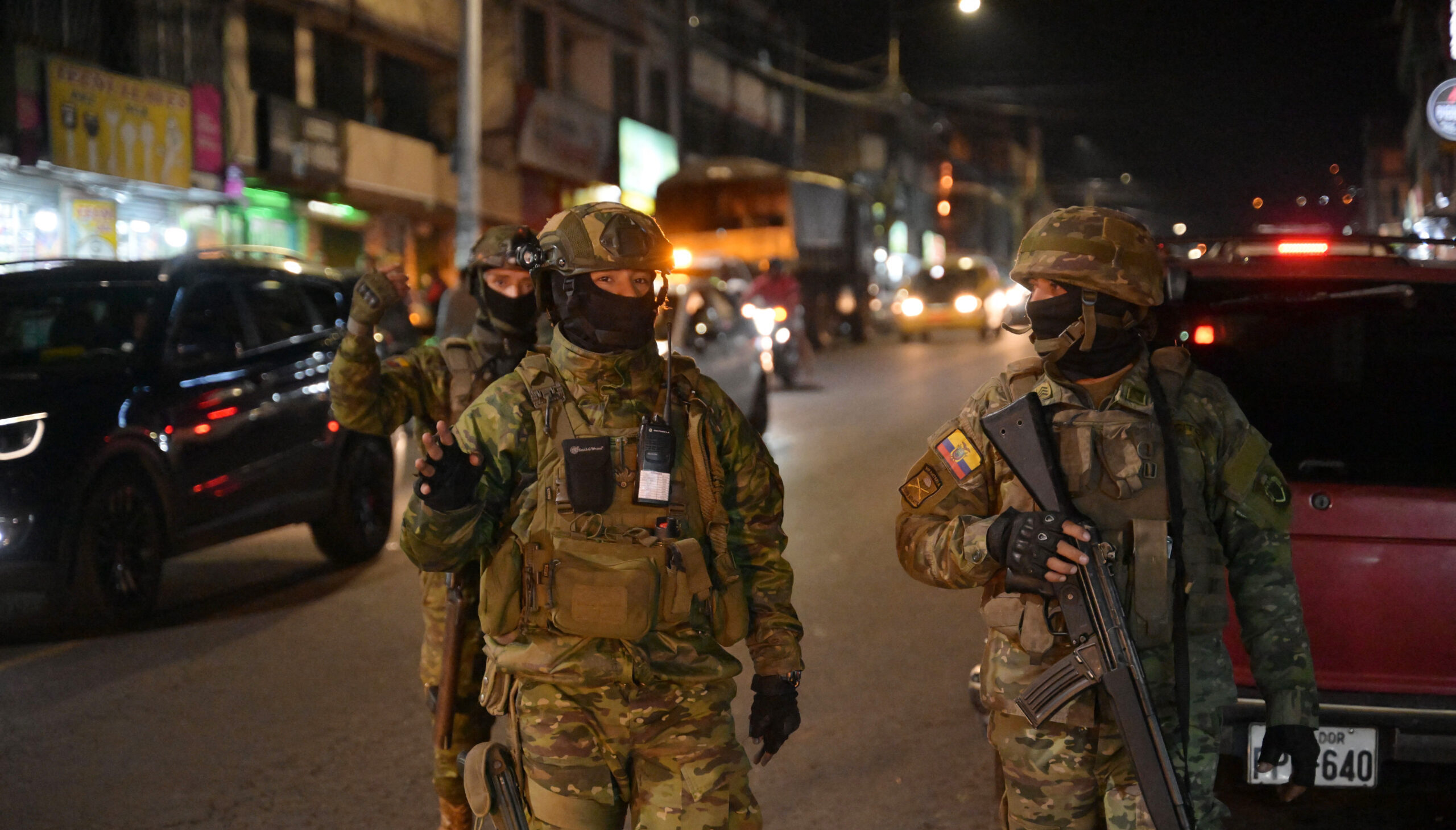
Ecuador has shifted from relative peace to extreme violence, with homicide rates soaring as state capacity and security institutions were dismantled after Rafael Correa’s presidency. Daniel Noboa, elected in 2023 and reelected in 2025, has responded with a militarized mano dura strategy, invoking internal armed conflict, frequent states of emergency, and expanded military roles. These measures have not reduced violence but have weakened judicial independence, constrained protest, and raised human-rights concerns. A failed 2025 referendum to reshape institutions and permit foreign bases exposed limits to Noboa’s mandate. The essay argues that rebuilding state capacity and preserving democratic checks are essential to confront crime effectively.
About the Authors Galo Mayorga
Galo Mayorga is a doctoral student in political science at the University of California, Santa Barbara.
Until recently, political scientists argued that democracy had poor chances of survival in a multiparty presidential regime. Latin America’s recent experience tells a different story.
Violence need not be lethal to pose a threat to democracy. Indeed, low-scale violence has proven to be a far more effective means of manipulating elections.