The 2026 World Cup in the United States, Canada, and Mexico
The 2026 World Cup promises to be the largest and most lucrative in history, but its soaring prices, unequal costs, punishing logistics, and climate risks expose the deep contradiction between football’s beauty and the moneyed politics that now governs it.
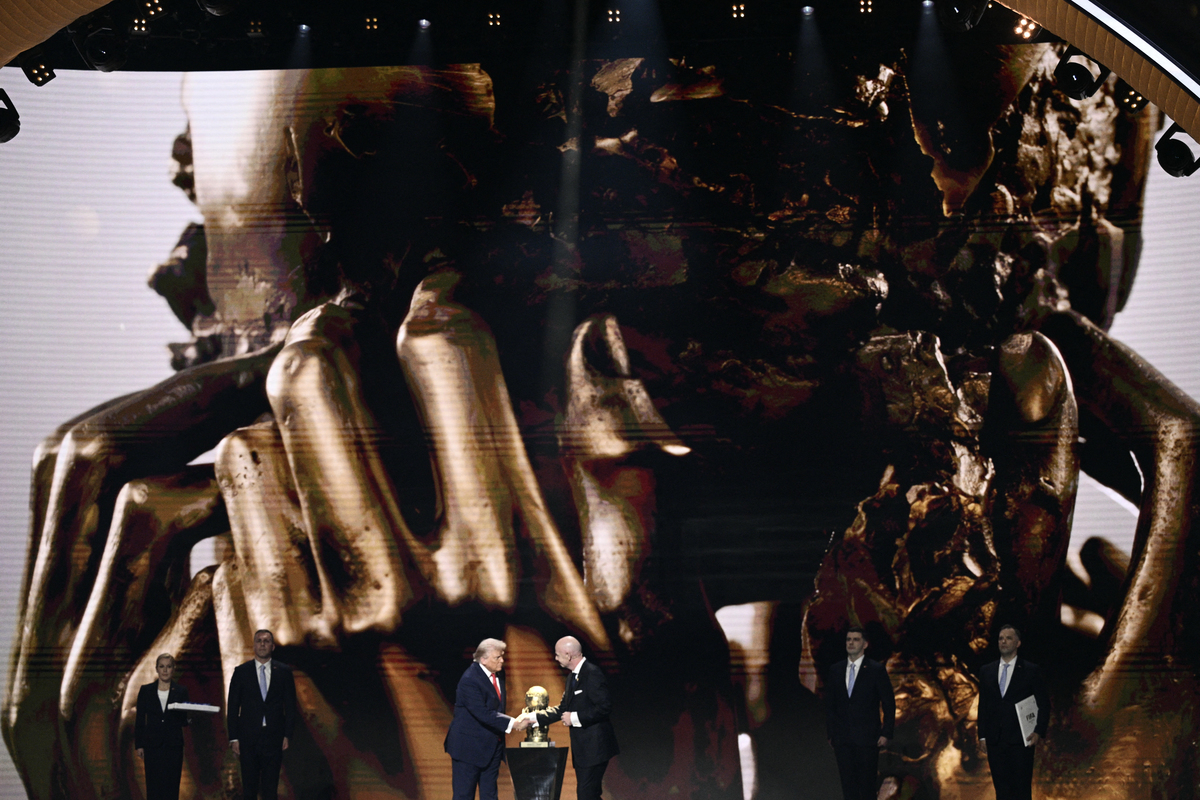
The 2026 World Cup in the United States, Canada, and Mexico2026美加墨世足
在美國、加拿大與墨西哥3國合辦下,4年一度的FIFA世界盃足球賽,將於台灣時間6月12日正式開打。本屆世界盃的參賽國家不僅從32隊擴編為48隊,總比賽場次也從64場暴增至104場。直到台灣時間7月20日清晨的決賽為止,來自全世界的觀賽球迷將橫跨3個主辦國、16座城市,參賽球隊也將面對數千公里的超遠移動距離,讓這屆總賽程超過一個月的足球盛會,成為史上規模最大的一屆世界盃。
Jointly hosted by the United States, Canada, and Mexico, the quadrennial FIFA World Cup will officially kick off on June 12, Taiwan time. This year’s tournament has not only expanded from 32 teams to 48; the total number of matches has also surged from 64 to 104. Until the final in the early hours of July 20, Taiwan time, fans from around the world will traverse three host countries and 16 cities, while the participating teams will face ultra-long journeys of thousands of kilometers. With a schedule stretching over more than a month, this football festival will become the largest World Cup in history.
但在足球場上蓄勢待發的同時,場外的種種爭議,卻讓2026年美加墨世界盃再次籠罩在金權政治的陰影下。除了賽事擴編帶來的球員負荷、移動距離與北美酷暑下的安全風險,首度採取「動態票價機制」的2026世界盃,平均票價更比前一屆賽事飆漲500%。但天價票價不僅讓球迷望而生畏,各個主辦城市也因為世界盃的降臨,而陷入不公平的財政危機。
Yet just as the action on the pitch is about to begin, controversies off the field have once again cast the 2026 World Cup in the shadow of money politics. Beyond the burdens on players, the travel distances, and the safety risks posed by North America’s searing summer heat that come with the expanded tournament, the 2026 World Cup will for the first time adopt a “dynamic pricing” mechanism, sending average ticket prices soaring by 500 percent compared with the previous tournament. These sky-high prices have not only intimidated fans; host cities, too, have been plunged into an unfair fiscal crisis by the arrival of the World Cup.
於是,這場史上「最資本主義風格」的世界盃,也再度引發世人質問:為什麼球票貴到不可思議?國際足總(FIFA)為何指定美國主導本屆世界盃?而當賽事愈辦愈大、場外變數卻愈來愈複雜之際,真正「贏得」世界盃的,究竟又是誰?
And so this most “capitalist” World Cup in history has again prompted the world to ask: Why are tickets so unimaginably expensive? Why did FIFA designate the United States to take the lead in this World Cup? And as the tournament grows ever larger while off-field variables become ever more complex, who, in the end, truly “wins” the World Cup?
2026年的美加墨世界盃足球賽,是繼2002年日韓世界盃後,歷史上第二次由多國合辦。然而,在長達39天的賽程中,加拿大與墨西哥各僅分到13場比賽,美國則包辦包括8強、4強與決賽在內的78場,這也反映出在聯合主辦的宣傳背後,本屆世界盃極為強烈的「美國主導」色彩。
The 2026 World Cup in the United States, Canada, and Mexico is only the second in history to be hosted by multiple countries, after the 2002 World Cup in Japan and South Korea. Yet over the 39-day schedule, Canada and Mexico will each receive only 13 matches, while the United States will host 78, including the quarterfinals, semifinals, and final. Behind the publicity of joint hosting, this reveals the unmistakably strong “U.S.-led” character of this World Cup.
儘管在傳統印象中,美國並非「足球狂熱」的國度,但1994年由美國首度舉辦的世界盃,卻是歷史上票房最佳、平均進場觀眾人數最高的一屆賽事。
Although the United States is not traditionally imagined as a country gripped by “football fever,” the 1994 World Cup, the first hosted by the United States, remains the tournament with the best box-office performance and the highest average attendance in history.
在1994年世界盃開幕前,美國社會對足球這項運動不僅冷漠、更極度陌生。根據美國哈里斯民調(Harris Poll)在開幕前100天的調查:當時只有20%的美國人「知道美國即將舉辦世界盃」,甚至僅有25%的人明白「世界盃和『足球』(soccer)有關」。
Before the opening of the 1994 World Cup, American society was not merely indifferent to football; it was profoundly unfamiliar with the sport. According to a Harris Poll conducted 100 days before the tournament opened, only 20 percent of Americans then “knew the United States was about to host the World Cup,” and only 25 percent even understood that “the World Cup had something to do with ‘soccer.’”
然而賽事開打後,隨著地主美國隊表現超乎預期,甚至在16強淘汰賽中讓後來的冠軍巴西隊吃足苦頭,足球熱潮也以空前之勢席捲全美。這場盛會不僅讓亟欲攻占美國市場的FIFA取得巨大商業成功,更幫助足球躋身美國主流運動,並進一步催生美國職業足球大聯盟(MLS)開踢,成為美國運動史上的重要轉捩點。
Yet once the matches began, the host U.S. team performed beyond expectations, even giving eventual champion Brazil a serious test in the round of 16, and a football craze swept across America with unprecedented force. The event not only brought enormous commercial success to FIFA, which was eager to conquer the U.S. market; it also helped football enter the mainstream of American sports and further gave rise to the launch of Major League Soccer, becoming an important turning point in U.S. sporting history.
然而,在世界盃睽違32年重返北美大陸之際,當年的成功經驗,卻也被FIFA轉化為一場更龐大的商業實驗──這不僅牽動著破紀錄的龐大商機,也讓原本標榜全球球迷都能共享足球美好的「世界盃精神」,又一次陷入嚴重爭議。
But as the World Cup returns to North America after 32 years, that earlier success has also been transformed by FIFA into a still larger commercial experiment. It is tied not only to record-breaking business opportunities, but also to another grave controversy over the “spirit of the World Cup,” which once claimed that fans everywhere could share in the beauty of football.
2025年12月11日,倫敦時間星期四晚上,許多死忠足球迷都在等待電子信箱裡的一封重要通知──一個星期前,48支晉級2026世界盃足球賽的球隊才剛完成分組抽籤;而這一天,FIFA也將開放指定賽程的搶票。
On December 11, 2025, a Thursday evening in London, many diehard football fans were waiting for an important notification in their email inboxes. One week earlier, the draw had just been completed for the 48 teams that had qualified for the 2026 World Cup; on this day, FIFA would also open ticket grabs for designated fixtures.
每逢大賽期間,只要英格蘭隊成功晉級,英格蘭足協所屬的英格蘭球迷旅行後援會(England Supporters Travel Club, ESTC)就會開始販售應援套票。這不僅能讓最死忠的球迷享受票價折扣,熱烈喧騰的球迷應援區,更是帶動球隊士氣的世界盃標誌性畫面。
Whenever England successfully qualifies for a major tournament, the England Supporters Travel Club under the Football Association begins selling supporter ticket packages. These not only allow the most devoted fans to enjoy discounted prices; the roaring, fervent supporter sections are also an iconic World Cup image that lifts a team’s morale.
然而,當FIFA公布各參賽隊伍的「應援票價」後,社群網路上卻湧現各國球迷震驚和憤怒的譴責聲浪。因為2026年世界盃的票價,昂貴得令人難以置信。以英格蘭為例,3場小組賽中,最便宜的應援門票就要220美元(約新台幣6,911元);如果英格蘭成功在淘汰賽一路過關斬將、如願打進決賽,8場比賽套票的最低售價更高達7,475美元(約新台幣23.5萬元)。
Yet after FIFA announced the “supporter ticket prices” for each participating team, social media filled with shocked and angry denunciations from fans around the world. The reason was that tickets for the 2026 World Cup were expensive beyond belief. Take England as an example: for the three group-stage matches, the cheapest supporter ticket costs US$220, about NT$6,911. If England successfully battles through the knockout rounds and reaches the final as hoped, the lowest price for an eight-match package climbs as high as US$7,475, about NT$235,000.
最令球迷傻眼的是,這種令人咋舌的票價,竟已是FIFA以專案限量提供的「官方最低折扣」,但均價仍比2022年卡達世界盃高出5倍以上──以決賽為例,應援球迷票就比上屆貴了7倍;若透過一般方案,球迷想買到同級座位,更至少得付出10倍天價。
What stunned fans most was that these jaw-dropping prices were already FIFA’s official lowest discount, provided in limited quantities through a special program, yet the average price was still more than five times higher than at the 2022 World Cup in Qatar. For the final, supporter tickets are seven times more expensive than last time; through ordinary channels, fans seeking seats of the same tier would have to pay at least ten times as much.
「這是對世界盃傳統不可原諒的背叛,也完全無視了球迷的支持與存在,才是成就這一足球盛會的關鍵。」組織並支持各國球迷權利的NGO歐洲足球支持者協會(Football Supporters Europe)指出:2026年美加墨世界盃的票價之所以失控飆漲,主因就是FIFA全新採用的「動態票價機制」(dynamic pricing),也就是所有球票的價格都會像股票一樣,隨著比賽的熱門程度與市場需求即時漲跌。
“This is an unforgivable betrayal of World Cup tradition, and a complete disregard for the support and presence of fans, which are the key to making this football festival possible,” said Football Supporters Europe, an NGO that organizes and supports fans’ rights across countries. It pointed out that the principal reason ticket prices for the 2026 World Cup have spiraled out of control is FIFA’s newly adopted “dynamic pricing” system: the price of every ticket rises and falls in real time like a stock, according to the popularity of the match and market demand.
然而外界質疑,動態票價照理應該「有起有落」,但本屆世界盃門票的價格卻一路狂飆;即便主辦城市的旅宿與交通預訂量遠低於預期──顯示各國球迷親臨現場的購票意願並不高──票價也毫無回跌跡象。此外,FIFA也一直拒絕對外說明售票狀況與票價的浮動公式,這都進一步加劇輿論對於FIFA惡性操控票價的疑慮。這種種的不合常理,不僅本末倒置地排擠死忠球迷,更讓世界盃淪為一場被演算法和投機客挾持的炒作遊戲。
Yet critics question that dynamic pricing should, in theory, “rise and fall,” whereas ticket prices for this World Cup have only rocketed upward. Even though hotel, lodging, and transportation bookings in host cities have fallen far short of expectations, suggesting that fans from various countries are not especially willing to buy tickets and attend in person, there has been no sign of prices coming back down. Moreover, FIFA has consistently refused to explain ticket sales conditions or the formula behind price fluctuations, further intensifying public suspicion that FIFA is malignly manipulating prices. All these irrationalities not only put the cart before the horse by squeezing out devoted fans; they also reduce the World Cup to a speculative game held hostage by algorithms and profiteers.
除了一般售票引爆爭議,本屆世界盃的二手票轉讓,也全部只能透過FIFA官方平台交易。但外界質疑,FIFA轉售平台不僅會對買賣雙方,各別收取成交金額15%的超高手續費,官方轉售機制也有助長炒作票價的嫌疑。
Beyond the controversy over ordinary ticket sales, all resale transfers for this World Cup must also take place through FIFA’s official platform. Critics question whether FIFA’s resale platform, which charges both buyer and seller an exceptionally high handling fee of 15 percent of the transaction amount, also risks encouraging ticket-price speculation through its official resale mechanism.
面對外界的「斂財」指控,FIFA則反駁:動態票價在美國體壇早已行之有年,不論是美式足球超級盃(Super Bowl)還是美國職棒大聯盟都已廣泛採用。FIFA主張,此機制不僅能打擊黃牛轉售、保護球迷免於詐騙,更重要的是能精準反映供需,透過市場機制確保每場比賽都「收入最大化」──因為FIFA高達9成以上的財政收入,全都仰賴世界盃4年一回的「大補血」。
Facing accusations of “money-grabbing,” FIFA has countered that dynamic pricing has long been practiced in American sports, and is widely used in everything from the Super Bowl to Major League Baseball. FIFA argues that the system can not only combat scalper resales and protect fans from fraud, but, more importantly, can accurately reflect supply and demand, using market mechanisms to ensure that every match “maximizes revenue,” since more than 90 percent of FIFA’s financial income depends on the once-every-four-years “major replenishment” of the World Cup.
根據FIFA的財務估算,2026年美加墨世界盃將帶來至少130億美元(約新台幣4,086億元)的收入,這不僅創下歷史新高,整體營收更將比4年前的卡達世界盃增加73%。
According to FIFA’s financial estimates, the 2026 World Cup in the United States, Canada, and Mexico will bring in at least US$13 billion, about NT$408.6 billion. This will not only set a new historical record; total revenue will also be 73 percent higher than that of the Qatar World Cup four years earlier.
而在這130億美元的總營收中,電視轉播權利金占40.5%,是FIFA最重要的收入來源;販售比賽門票與VIP套裝行程則以27.7%位居第二,占比甚至高於行銷權利金(25.7%),這也凸顯了動態票價之於FIFA的「金雞母」地位。
Of this US$13 billion in total revenue, television broadcasting rights account for 40.5 percent, making them FIFA’s most important source of income. Ticket sales and VIP package tours rank second at 27.7 percent, even exceeding marketing rights fees at 25.7 percent. This also underscores the status of dynamic pricing as FIFA’s cash cow.
除此之外,FIFA主席英凡提諾(Gianni Infantino)在替美加墨世界盃宣傳時,也曾提出一個極具商業說服力、卻同樣充滿爭議的說法:「美式足球的超級盃,是美國體壇最重要的賽事,它有多少觀眾?大概1.2億至1.3億之間。這聽起來很棒,但世界盃的觀眾總數,卻有60億人。」
In addition, when promoting the World Cup in the United States, Canada, and Mexico, FIFA president Gianni Infantino once advanced a claim that was commercially persuasive yet equally controversial: “The Super Bowl is the most important event in American sports. How many viewers does it have? Roughly between 120 million and 130 million. That sounds great, but the World Cup has a total audience of 6 billion people.”
“So one World Cup is equivalent to holding 104 Super Bowls within one month, or at least three Super Bowls every day.”「所以,一屆世界盃就相當於在1個月內舉辦104場超級盃,也就是每天至少舉辦3場超級盃。」
雖然這種簡單粗暴的論述,在美國體壇引發諸多爭辯,但英凡提諾卻也明顯點出FIFA的野心:美加墨世界盃的每一場比賽,都要有超級盃等級的最高規格與商業地位。因此,包括動態票價的飆漲,或者美國政府對海外球迷世界盃簽證比過往更嚴格的審查,本質上都是對球迷消費能力的階級篩選,藉此達成賽事精品化和品牌升格的戰略目的。
Although this blunt, simplistic argument stirred much debate in American sports circles, Infantino had also clearly revealed FIFA’s ambition: every match of the World Cup in the United States, Canada, and Mexico must possess Super Bowl-level specifications and commercial standing. Thus, whether it is the surge in dynamic ticket prices or the U.S. government’s stricter screening of World Cup visas for overseas fans than in the past, both are, in essence, a class-based sorting of fans by purchasing power, designed to achieve the strategic goal of making the tournament more boutique and elevating the brand.
2026年美加墨世界盃,不僅是FIFA史上第一次由「三國合辦」的大型賽事,球場與球場之間的移動總距離,也將創下歷史新高。但在世界盃這種短期大賽中,如何利用有限時間休息與調整狀態,是每支球隊問鼎冠軍的最大課題;因此,盡可能「縮短移動時間」,也就成了各國後勤備戰的重中之重。
The 2026 World Cup in the United States, Canada, and Mexico is not only the first major tournament in FIFA history to be “jointly hosted by three countries”; the total travel distance between stadiums will also set a new historical record. Yet in a short-term tournament like the World Cup, how to use limited time to rest and adjust form is the greatest challenge for every team aspiring to win the title. Therefore, minimizing travel time as much as possible has become the top priority in every country’s logistical preparations.
像是本屆世界盃中,阿根廷、英格蘭、荷蘭與阿爾及利亞這4支國家隊,不約而同將備戰基地設在美國中西部的堪薩斯市──身為宿敵的阿根廷與英格蘭,彼此的基地距離甚至不到30公里。列強之所以搶進堪薩斯,是因為該市的氣候條件與地理位置皆處於本屆世界盃的「黃金中間值」,無論在小組賽或淘汰賽階段,飛往各賽區的移動距離都相對適中。
In this World Cup, Argentina, England, the Netherlands, and Algeria have all chosen, independently of one another, to set up their preparation bases in Kansas City in the American Midwest. Argentina and England, old adversaries, will even have bases less than 30 kilometers apart. The powers are rushing into Kansas because the city’s climate and geographic location both sit at the “golden mean” of this World Cup: whether in the group stage or the knockout rounds, travel distances by air to the various competition zones are relatively moderate.
根據統計,本屆世界盃小組賽共計3場,此階段以球隊「訓練基地」往返前兩場比賽球場的距離,加上前往最後一場比賽球場的「單程」距離計算移動里程,參賽48支隊伍的平均移動距離高達4,091公里。其中,首度參賽的加勒比海島國古拉索(Curaçao),小組賽的移動總里程數就飆破8,545公里,成為全賽會最奔波的「勞碌命」球隊;相較之下,被分配在墨西哥進行小組賽的韓國隊則幸運得多,由於備戰基地距離比賽場地僅有12公里,小組賽期間總共只需移動689公里,成了各國當中最「以逸待勞」的省力幸運兒。
According to statistics, each team will play three group-stage matches in this World Cup. If travel mileage during this phase is calculated by adding the round-trip distance from a team’s “training base” to the stadiums for its first two matches and the one-way distance to the stadium for its final match, the 48 participating teams will average as much as 4,091 kilometers of travel. Curaçao, the Caribbean island nation making its first appearance, will see its total group-stage mileage exceed 8,545 kilometers, making it the most hard-traveled, “ill-fated” team of the tournament. By comparison, South Korea, assigned to play its group stage in Mexico, is far luckier: because its preparation base is only 12 kilometers from the match venues, it will need to travel a total of only 689 kilometers during the group stage, making it the most rested and fortunate among all countries.
儘管FIFA強調130億美元的收入將用於「支持全球足球發展」,但加拿大《環球郵報》(The Globe and Mail)取得的合約副本卻揭露:FIFA不僅未與主辦城市分享巨額利潤,更透過不平等條約,將財政重擔「債留主辦方」。
Although FIFA emphasizes that the US$13 billion in revenue will be used to “support the development of football worldwide,” contract copies obtained by Canada’s The Globe and Mail reveal that FIFA not only does not share its enormous profits with host cities, but also uses unequal treaties to leave the fiscal burden with the hosts.
因為世界盃賺取的電視轉播、門票、行銷贊助和商品銷售等巨額營收,幾乎全都直接流入FIFA口袋;主辦城市不但無法獲得票房分潤,也無法對FIFA匯回瑞士總部的豐厚收入課稅。相反地,從球場設備、交通疏運到場外球迷活動,FIFA對主辦城市開出了多如牛毛的數萬條要求,但執行預算與成本,卻全得由主辦城市自行籌款。若比賽期間出現市民抗議、球迷騷亂或維安事故,主辦城市甚至還得全額賠償FIFA的一切損失。
The reason is that the huge revenues earned from World Cup television broadcasts, tickets, marketing sponsorships, and merchandise sales flow almost entirely into FIFA’s pocket. Host cities cannot receive a share of ticket revenues, nor can they tax the rich income FIFA remits back to its Swiss headquarters. On the contrary, from stadium facilities and traffic dispersal to off-site fan activities, FIFA has issued tens of thousands of requirements to host cities. Yet the implementation budgets and costs must all be raised by the host cities themselves. If citizen protests, fan unrest, or security incidents occur during the tournament, the host cities must even compensate FIFA in full for all losses.
以世界盃期間的球場管制為例,在美國,大型球場通常位於缺乏大眾交通運輸系統的城市近郊,球迷們通常得自行開車才能往返場館。這一方面反映了美國是一個自駕文化盛行的「汽車社會」,二方面也形塑了美國特殊的比賽日傳統──也就是球迷們提前開車到球場周邊舉辦的「車尾派對」(Tailgate party)。
Take stadium controls during the World Cup as an example. In the United States, large stadiums are usually located on urban outskirts lacking mass-transit systems, so fans generally have to drive themselves to and from the venues. This reflects, on one hand, the United States as a car society with a thriving driving culture; on the other, it has shaped a distinctive American game-day tradition: the “tailgate party,” in which fans drive early to the area around the stadium and gather there before the match.
然而,2026年世界盃不僅將對自駕球迷收取每次100美元(約新台幣3,150元)的停車費,球場周邊車位也將大幅減少,車尾派對這項球迷傳統也被迫取消。這是因為FIFA要求主辦 城市必須將球場方圓2公里設為「管控區」(Controlled Area),在此區域內,所有非贊助商的產品、商標,甚至塗鴉標語都必須被徹底淨空,以確保FIFA對世界盃品牌與轉播畫面的商業獨占權。
Yet the 2026 World Cup will not only charge self-driving fans a parking fee of US$100 each time, about NT$3,150; parking spaces around the stadiums will also be drastically reduced, and the fan tradition of tailgating will be forced to disappear. This is because FIFA requires host cities to designate the two-kilometer radius around each stadium as a “Controlled Area,” within which all products, trademarks, and even graffiti slogans belonging to non-sponsors must be completely cleared away, ensuring FIFA’s commercial monopoly over the World Cup brand and broadcast images.
限制私家車通行的做法,讓球場疏運面臨極大壓力。但FIFA卻拒絕提供任何補助,並堅稱:提供觀賽球迷適當且可負擔的交通方式,是主辦城市自己的問題。於是,一部分主辦城市只能硬著頭皮,用政府預算倒貼球賽疏運巴士;其他城市則將短期調度的運量成本轉嫁給球迷,甚至出現比賽門票300美元、看球車票卻超過100美元的失衡狀況。
Restrictions on private cars have placed enormous pressure on stadium transport. Yet FIFA refuses to provide any subsidy, insisting that offering matchgoing fans appropriate and affordable transportation is the host cities’ own problem. As a result, some host cities can only grit their teeth and use government budgets to subsidize match-day shuttle buses; others pass the cost of short-term transport deployment on to fans, producing the imbalance of a US$300 match ticket paired with a transit fare of more than US$100.
不過,「主辦世界盃會大虧錢」也不是美加墨世界盃特有的狀況。自1966年英格蘭世界盃以來,除了帳務狀況不明、政商環境特殊的2018年俄羅斯世界盃之外,其它15屆世界盃主辦國全都陷入虧損。
Still, “hosting the World Cup means losing a great deal of money” is not a situation unique to the 2026 World Cup in the United States, Canada, and Mexico. Since the 1966 World Cup in England, apart from the 2018 World Cup in Russia, whose accounts are unclear and whose political and commercial environment was unusual, the other 15 World Cup host countries have all fallen into losses.
其中,FIFA雖然宣稱在2022年卡達世界盃創下75億美元(約新台幣2,359億元)營收紀錄,但其中只有12.6億美元(約新台幣396億元)用於支付卡達主辦比賽的營運成本;就算再加上世界盃期間各國球迷食宿與觀光消費帶來的170億美元(約新台幣5,348億元)收入,和卡達主辦世界盃所花費的3,000億美元(約新台幣9.4兆元)相比,仍只是杯水車薪。
FIFA claimed that the 2022 World Cup in Qatar set a revenue record of US$7.5 billion, about NT$235.9 billion, but only US$1.26 billion, about NT$39.6 billion, was used to pay Qatar’s operational costs for hosting the matches. Even adding the US$17 billion, about NT$534.8 billion, in spending by fans from various countries on food, lodging, and tourism during the World Cup, it was still a drop in the bucket compared with the US$300 billion, about NT$9.4 trillion, Qatar spent to host the tournament.
事實上,極高的主辦成本,也是世界盃之所以回到北美的主因──因為美加墨3國都有現成、且持續用於頂級運動賽事的大型球場,不必重演過去幾屆世界盃為了新建球場而大興土木、甚至工程延宕的災難經驗。
In fact, extremely high hosting costs are also the main reason the World Cup has returned to North America: the United States, Canada, and Mexico all have large, ready-made stadiums that are continually used for top-level sporting events, making it unnecessary to repeat the disastrous experiences of the past several World Cups, when new stadium construction brought massive building projects and even engineering delays.
但這些現成的比賽場地,卻也有著令各國參賽隊伍極為頭痛,甚至足以影響「奪冠機率」的隱憂:包含球場原本鋪設的人工草皮,以及北美夏季極端炎熱的高溫環境。
But these ready-made match venues also carry hidden worries that give participating teams from every country serious headaches, and may even affect their “chances of winning the title”: the artificial turf originally laid in some stadiums, and the extreme heat of North American summers.
FIFA規定,世界盃的比賽場地一律得使用天然草皮。但在美加墨世界盃的16座場地裡,就有8座球場原本使用人工草皮,其中7座在美國、1座在加拿大。因此開賽前夕,這些球場都得在原本的人工草皮上,再覆蓋一層天然草皮,以符合世界盃比賽需求。
FIFA stipulates that World Cup match venues must use natural grass. Yet among the 16 venues for the World Cup in the United States, Canada, and Mexico, eight originally use artificial turf: seven in the United States and one in Canada. On the eve of the tournament, these stadiums will therefore have to lay a layer of natural grass over the existing artificial turf in order to meet World Cup requirements.
然而,這種「真草蓋假草」的臨時鋪設,不僅無法百分之百還原天然草皮的腳感,也會明顯干擾控球,甚至增加球員受傷的風險。
However, this temporary installation of “real grass over fake grass” cannot fully reproduce the feel underfoot of natural turf. It also visibly interferes with ball control and may even increase the risk of player injury.
此外,若臨時草皮鋪設的厚度過淺,更會在比賽中產生類似「彈簧床」的效應,導致足球出現怪異且不規則的彈跳。不僅梅西(Lionel Messi)與阿根廷國家隊等頂尖球員曾公開批評這種場地難以控球,率領巴黎聖日耳曼(Paris Saint-Germain)奪下歐洲冠軍聯賽冠軍的西班牙名帥恩里克(Luis Enrique)更不留情面地表示,美國的場地「讓球在場上和兔子一樣到處亂跳」,直言這讓比賽節奏變得極其破碎,根本不適合舉行頂級足球賽。
Moreover, if the temporary grass is laid too shallowly, it can create a “spring mattress” effect during matches, causing the ball to bounce strangely and irregularly. Top players including Lionel Messi and the Argentina national team have publicly criticized such surfaces as difficult for ball control. Luis Enrique, the renowned Spanish coach who led Paris Saint-Germain to the UEFA Champions League title, was even more unsparing, saying that American pitches make the ball “jump around the field like a rabbit,” and bluntly stated that this makes the rhythm of the match extremely fragmented and fundamentally unsuitable for top-level football.
除了草皮材質,在北美舉行的世界盃還因為「時差」和「極端天氣」的關係,面臨著更嚴峻的高溫考驗。
Beyond the material of the turf, a World Cup held in North America also faces a harsher test of heat because of “time differences” and “extreme weather.”
然而,北美洲的夏季不僅豔陽高照,氣溫也經常逼近熱浪標準,這也導致世界盃歷史上不少傳奇比賽,其實都是在「可能對選手造成生命危險」的高溫中開踢。
North American summers, however, are not only blazing with sun; temperatures also often approach heat-wave standards. As a result, many legendary matches in World Cup history were in fact played in heat that “could have posed a mortal danger to athletes.”
例如1970年與1986年的墨西哥世界盃,以及1994年美國世界盃的決賽,全都為了顧及歐洲市場的轉播黃金時段,被FIFA安排在盛夏的中午12點開球。在1986年英格蘭─阿根廷的世仇大戰中,上演「上帝之手」與半場連過5人「世紀進球」的阿根廷球王馬拉度納(Diego Maradona),就曾在當屆賽事中號召各國選手向FIFA抗議:「在那麼炎熱的中午踢球,既不人道也不公平!」
For example, the Mexico World Cups of 1970 and 1986, as well as the final of the 1994 World Cup in the United States, were all scheduled by FIFA to kick off at noon in midsummer in order to accommodate prime broadcast hours in the European market. During the 1986 grudge match between England and Argentina, Diego Maradona, the Argentine king of football who produced both the “Hand of God” and the “Goal of the Century” after dribbling past five players from midfield, had called on players from around the world at that tournament to protest to FIFA: “Playing at such a hot noon is neither humane nor fair!”
至於美國主辦世界盃的酷熱經驗,更早在32年前的冠軍戰中就留下警示:在1994年世界盃決賽中,因踢飛最後一顆12碼罰球、導致義大利錯失冠軍的「憂鬱王子」巴吉歐(Roberto Baggio),比賽當天就是在加州中午超過38°C的酷暑高溫下,與巴西精疲力竭地鏖戰120分鐘,最終才悲情地倒在PK大戰。
As for the United States’ experience of hosting a World Cup in fierce heat, the warning had already been left 32 years ago in the championship match. In the 1994 World Cup final, Roberto Baggio, the “Divine Ponytail” whose miss on the final penalty caused Italy to lose the title, had that day fought Brazil to exhaustion for 120 minutes under a scorching California midday temperature of more than 38°C, before finally falling in sorrow in the penalty shootout.
FIFA對比賽高溫風險的衡量標準,是以「綜合溫度熱指數」(Wet Bulb Globe Temperature,以下簡稱WBGT)為準。這是因為單看氣溫並無法完整反映高溫對人體造成的影響,必須同時考慮讓皮膚升溫的溫度、輻射熱(陽光強度),以及直接影響選手出汗與散熱的濕度和風速。
FIFA measures the risk of heat in matches using the Wet Bulb Globe Temperature, or WBGT. This is because air temperature alone cannot fully reflect the impact of heat on the human body; one must also consider the temperature that warms the skin, radiant heat, meaning the intensity of sunlight, and the humidity and wind speed that directly affect athletes’ sweating and heat dissipation.
按照世界盃的規定,若WBGT指數超過32°C,比賽就必須推遲舉行;但實際上,WBGT只要超過28°C,對場上高強度奔跑的選手來說,就已經存在熱傷害的安全風險。
Under World Cup rules, if the WBGT exceeds 32°C, the match must be postponed. In reality, however, once the WBGT exceeds 28°C, there is already a safety risk of heat injury for athletes running at high intensity on the field.
但高溫和草皮造成的比賽變數,對世界盃的冠軍之路,又可能帶來什麼影響?
But what effect might the variables created by heat and turf have on the road to the World Cup title?
足球界大多認為,在高溫悶熱的酷暑環境中,足球比賽的節奏通常會變得比較緩慢,球員也更容易疲倦和受傷;若再加上狀況不佳的草皮條件,都會對以速度和衝擊力見長的球隊更為不利。
Most in football believe that in hot, muggy, and sweltering conditions, the tempo of a match usually slows, and players are more likely to tire and get injured. If poor turf conditions are added to the equation, teams known for speed and impact will be even more disadvantaged.
在美洲的酷暑下,現代足球那種衝刺更多、壓迫更猛、能量消耗更大的「高壓逼搶」踢法,恐怕會更快油盡燈枯;相反地,那些控球節奏較慢、更仰賴個人天才一閃與狡黠經驗的舊時代足球藝術──正如1970年奪冠的巴西球王比利(Pelé),或在1986年世界盃上「神魔一體」的馬拉度納──或許更有機會在這屆世界盃中意外復興,並為足球界再次帶回屬於世界盃的傳奇時刻。
Under the fierce heat of the Americas, the modern football style of “high pressing,” with more sprints, fiercer pressure, and greater energy consumption, may run out of fuel more quickly. By contrast, the old footballing art of slower possession rhythm, more reliant on flashes of individual genius and cunning experience, as embodied by Pelé, the Brazilian king of football who won the title in 1970, or Maradona, part god and part demon at the 1986 World Cup, may have a greater chance of unexpectedly reviving at this tournament, once again bringing football the legendary moments that belong to the World Cup.
但這種「場內美麗足球、場外金權暴利」的反差,不僅再次凸顯了世界盃令球迷又愛又恨的複雜情緒,也重新揭示了大型運動賽事的矛盾核心:只要哨音響起、比賽開打,所有的現實困境與爭議,都會在足球入網的狂熱瞬間,暫時停止。
Yet this contrast between “beautiful football on the field and profiteering money politics off it” not only once again highlights the complicated love-hate feelings the World Cup inspires in fans; it also reveals anew the contradictory core of large-scale sporting events: once the whistle sounds and the match begins, all real-world predicaments and controversies are temporarily suspended in the fevered instant when the ball hits the net.
Seeking truth in depth, walking with many voices.深度求真 眾聲同行
獨立的精神,是自由思想的條件。獨立的媒體,才能守護公共領域,讓自由的討論和真相浮現。
An independent spirit is the condition of free thought. Only independent media can safeguard the public sphere, allowing free discussion and truth to emerge.
在艱困的媒體環境,《報導者》堅持以非營利組織的模式投入公共領域的調查與深度報導。我們透過讀者的贊助支持來營運,不仰賴商業廣告置入,在獨立自主的前提下,穿梭在各項重要公共議題中。
In a difficult media environment, The Reporter persists in devoting itself, as a nonprofit organization, to investigation and in-depth reporting in the public sphere. We operate through reader sponsorship and support, without relying on commercial advertising placement, and on the premise of independence and autonomy we move among the major issues of public concern.
今年是《報導者》成立十週年,請支持我們持續追蹤國內外新聞事件的真相,度過下一個十年的挑戰。
This year marks the tenth anniversary of The Reporter. Please support us as we continue to track the truth of news events at home and abroad and face the challenges of the next decade.