بين سلطة سعيّد واتحاد حشاد: هل تكون 2026 سنة الحسم؟
As Kais Saied moves from isolating Tunisia’s intermediary bodies to denying the UGTT’s representative role altogether, the union faces a decisive 2026 in which its fight for survival is inseparable from its own internal reckoning.
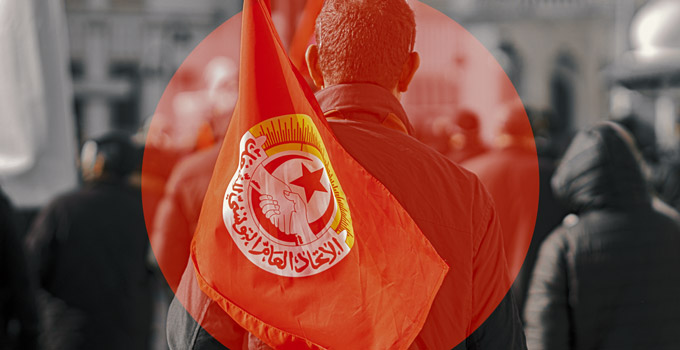
بعد انقلاب 25 جويلية 2021، تفادى سعيّد الدخول في معارك مع كل مكونات المشهد السياسي والنقابي والجمعياتي دفعة واحدة، بل اختار ضرب كل منها على حدة تفاديا لإمكانية اتحادها وعملها المشترك. كانت السلطة القضائية ومكوناتها أولى ضحايا مسار تركيز حكم الفرد، بحملة تشويه وعزل لعشرات القضاة المشكوك في ولائهم. لم تجد هياكل القضاء سندا قويا يذكر من باقي مكونات المجتمع المدني، التي ظنت أنها ستبقى بعيدة عن دائرة العسف بدرجة بعدها عن حركة النهضة وحلفائها في الحكم. ومع تتالي الأسابيع وتعاظم المظالم السياسية وتحويل كل نفس معارض إلى تآمر على أمن الدولة، بدا أن موعد التخلص من باقي الأجسام الوسيطة قد اقترب، خاصة تلك التي بقيت عصيّة على رداءة التسلط وتهافت جحافله وفي مقدمتها الاتحاد العام التونسي للشغل بثقله وامتداده التاريخي والجغرافي والبشري، ما حوّله إلى الخطر الأكبر على سلطة سعيّد المطلقة.
After the coup of July 25, 2021, Saied avoided entering into battles with all the components of the political, trade-union, and associational scene at once; instead, he chose to strike each of them separately, forestalling the possibility that they might unite and act together. The judiciary and its constituent bodies were the first victims of the course toward consolidating one-man rule, through a campaign of vilification and the dismissal of dozens of judges whose loyalty was in doubt. The judicial structures found no strong support to speak of from the rest of civil society, which imagined it would remain outside the circle of arbitrariness to the degree that it stood apart from Ennahda and its allies in government. But as the weeks passed, political grievances mounted, and every oppositional breath was turned into a conspiracy against state security, it appeared that the hour for disposing of the remaining intermediary bodies had drawn near, especially those that had remained resistant to the shoddiness of authoritarianism and the hollowness of its hordes. Foremost among them was the Tunisian General Labour Union, with its weight and its historical, geographic, and human reach, making it the greatest danger to Saied’s absolute power.
Maneuvers to Test the Waters and Buy Timeمناورات جس النبض وربح الوقت
محاولات سعيّد ارباك القوة النقابية الأولى لم تنتظر صائفة 2025، بل بدأت بمناوشات اعتمدت توظيف ما يمكن توظيفه من أدوات الدولة لضرب العمل النقابي وتشويه صورته في المجتمع، من ذلك عزل عدد من النقابيين وسجنهم أو الانفراد بتسوية مطالب رفعها الاتحاد لسنوات وإصدار المنشور عدد 20 الذي كان بداية التضييق على الحقّ في التفاوض وإلغاء التفرّغ النقابي، للتطبيع مع فكرة أن لا حاجة لتونس القيسية بمنظمة نقابية وإن كانت منظمة حشاد العريقة، كما كان الحال خلال الزيادة الأخيرة في الأجر الأدنى المضمون بصفة منفردة ومن ورائه جرايات التقاعد وتنقيح مجلة الشغل وإلغاء المناولة وغيرها من الملفات المفترض أن يكون حلها وتسويتها بمشاركة الاتحاد كطرف مقابل للدولة، في إطار المجلس الوطني للحوار الاجتماعي الذي ألحقه سعيد بقائمة ضحاياه دون ضجيج أو مقاومة تذكر.
Saied’s attempts to unsettle the foremost trade-union force did not wait until the summer of 2025. They began with skirmishes that made use of whatever instruments of the state could be deployed to strike at trade-union action and tarnish its image in society: dismissing a number of trade unionists and imprisoning them; unilaterally settling demands the union had raised for years; and issuing Circular No. 20, which marked the beginning of restrictions on the right to negotiate and the abolition of trade-union secondment. The aim was to normalize the idea that Saied’s Tunisia had no need of a trade-union organization, even if it was the venerable organization of Hached. The same logic was at work in the most recent unilateral increase in the guaranteed minimum wage, and behind it pensions, the amendment of the Labour Code, the abolition of subcontracting, and other files whose resolution and settlement were supposed to take place with the participation of the union as the state’s counterpart, within the framework of the National Council for Social Dialogue, which Saied added to his list of victims without noise or resistance worth mentioning.
The file of wage increases in the public sector and civil service remains one of the most important files Saied is trying to pull out from under the union’s feet. The government is expected to approve a wage increase after inserting it into the 2026 Finance Law through an article described as a political article directed against the union. The increase will not exceed 4 percent, which union leaders consider an illogical precedent that also includes wage increases in the private sector, striking a mortal blow at contractual policy after it had formed the pillar of social peace for decades through periodic negotiations among the three parties to production, according to what UGTT spokesperson Sami Tahri told Nawaat.
يبقى ملف الزيادة في الأجور في القطاع العام والوظيفة العمومية أحد أهم الملفات التي يُحاول سعيد سحبها من تحت أقدام الإتحاد ، فمن المنتظر أن يقع إقرار زيادة في الأجور من طرف الحكومة بعد تضمينها في قانون المالية لسنة 2026 عبر فصل وُصف بالفصل السياسي الموجه ضدّ الاتحاد، زيادة لن تتجاوز نسبة الـ 4 بالمائة، ما تعتبره قيادات الاتحاد سابقة غير منطقيّة تتضمّن كذلك الزيادة في أجور القطاع الخاصّ، مما يضرب السياسة التعاقدية في مقتل بعد أن مثلت عمود السلم الاجتماعية لعشرات السنوات بعقد مفاوضات دورية بين أطراف الإنتاج الثلاث، وفق ما افاد به لـنواة الناطق الرسمي باسم اتحاد الشغل سامي الطاهري.
Despite the importance of the wage-increase file, it remains no more than one detail in a larger problem: Saied’s decision, after the transport strike carried out between July 30 and August 1, not to negotiate with the union or any of its national and regional structures. This was followed by official written correspondence from the General Labour Inspectorate and the labour-dispute services to the union federation, informing it that negotiation and conciliation sessions in all sectors and regions had been suspended, as Taher Barbari, a member of the union’s executive bureau, explained to Nawaat.
ورغم أهمية ملف الزيادة في الأجور، فإنه لا يتجاوز كونه تفصيلا من تفاصيل الإشكالية الأكبر، وهي قرار سعيّد بعد إضراب النقل الذي تم تنفيذه بين 30 جويلية و1 أوت الماضيين، عدم التفاوض مع الإتحاد وكل هياكله الوطنية والجهوية، وما تبعه من مراسلات كتابية رسمية من التفقدية العامة للشغل ومصالح النزاعات الشغلية للمركزية النقابية، تعلم إيقاف عقد الجلسات التفاوضية والصلحية في كل القطاعات والجهات، وفق ما أوضحه لـنواة الطاهر البرباري عضو المكتب التنفيذي للاتحاد.
It is clear that the quasi-mind inside the regime tasked with abolishing the role of unions in the country tried to exploit the transport strike, given the paralysis it creates and the public resentment it provokes. This explains the unleashing, on August 7, of a number of July 25 “thugs” against the UGTT’s central headquarters, demanding the dissolution of the organization. Although the union received a campaign of support after this attack, Saied found no embarrassment in appearing publicly to defend the assailants of Mohamed Ali Square, insisting that they had had no intention to attack or storm the building. More dangerous, however, was his hint that “files” relating to the organization and its leaders would be opened, continuing his pastime of smearing opponents and inciting public opinion against them through the ready-made, easy stigma of corruption, collaboration, and treason.
من الواضح أن شبه العقل المكلف داخل السلطة بإلغاء دور النقابات في البلاد، حاول استغلال اضراب النقل باعتبار الشلل الذي يحدثه وحالة التذمر لدى المواطنين، ما يفسر تسليط عدد من ”فتوّات“ 25 جويلية يوم 7 أوت الماضي على المقر المركزي لاتحاد الشغل، مطالبة بحل المنظمة. ورغم حملة الاسناد التي حظي بها الاتحاد بعد هذه الهجمة، لم يجد سعيّد حرجا في الخروج والدفاع عن مهاجمي بطحاء محمد عبر التأكيد أن لم تكن لديهم نية الاعتداء أو الاقتحام، لكن يبقى الأخطر في حديثه هو التلميح بفتح ”ملفات“ متعلقة بالمنظمة وقياداتها، في مواصلة لهواية تشويه الخصوم وتأليب الرأي العام ضدّهم عبر الوصم السهل الجاهز بالفساد والعمالة والخيانة.
Abolishing the Organization and Banning Negotiationإلغاء المنظمة ومنع التفاوض
The assault by the July 25 militias on Mohamed Ali Square and on the regional labour union in Sfax produced the opposite of what the regime had dreamed of, pushing even opponents of the union leadership to support the organization and reject Saied’s replication of the scenarios of the Sayyah and Ennahda militias to bring the labour organization to heel. That rejection was embodied in a forceful response from the UGTT through a mass march involving its structures, supporters, backers, and a large part of the political class. The response made the presidency take a step back and play the card of closing the door to dialogue and collective bargaining with the union and all its structures at every level, even pressuring to prevent negotiation with the employers’ union and the remaining independent structures over wage increases in the private sector. The message was that the state would no longer recognize the union as the representative of workers and would no longer deal with it, through recommendations or orders issued to regional and central labour inspectorates and governors not to hold any sessions with unions.
هجوم ميليشيات 25 جويلية على بطحاء محمد علي والاتحاد الجهوي للشغل بصفاقس، خلّف نتيجة عكسية لأحلام السلطة، دفعت حتى معارضي قيادة الاتحاد إلى اسناد المنظمة ورفض استنساخ سعيّد لسيناريوهات ميليشيات الصيّاح والنهضة لتركيع المنظمة الشغيلة. رفض تجلى في رد قوي من اتحاد الشغل عبر مسيرة حاشدة بمشاركة هياكله وأنصاره ومسانديه وجزء كبير من الطبقة السياسية، رد جعل الرئاسة تتراجع خطوة إلى الوراء وتلعب ورقة غلق باب الحوار والتفاوض الجماعي مع الاتحاد وكل هياكله على كل المستويات، بل وحتى الضغط لمنع التفاوض مع اتحاد الأعراف وباقي الهياكل المستقلة حول الزيادة في أجور القطاع الخاص، في رسالة مفادها أن الدولة لن تعترف مستقبلا بالاتحاد كممثل للعمال ولن تتعامل معه وذلك بإصدار توصيات أو أوامر للتفقديات الجهوية والمركزية للشغل والولاة بعدم عقد اي جلسات مع النقابات.
Taher Mezzi, assistant secretary-general of the UGTT responsible for the private sector, said in a meeting with Nawaat that the authorities’ decision to halt negotiations completely with the union’s structures, through a written communication from the General Labour Inspectorate, violates the constitution and the international conventions signed by the Tunisian state. Such a violation, he said, cannot be an administrative position; it is a political position par excellence. Its aim goes beyond isolating the organization; it seeks to abolish the union and the role of organizations in general, because the abolition of negotiation and dialogue includes all the other organizations representing social partners and some sectors, not only the Tunisian General Labour Union. The member of the union federation then added:
الأمين العام المساعد لاتحاد الشغل المسؤول عن القطاع الخاصّ الطاهر المزّي، اعتبر خلال لقاء مع نواة أن قرار السلطة إيقاف التفاوض كليا مع هياكل الاتحاد، عبر مراسلة كتابية من التفقدية العامة للشغل، مخالف للدستور والاتفاقيات الدولية الممضاة من طرف الدولة التونسية، وهذه المخالفة لا يمكن ان تكون موقف إداري بل هو موقف سياسي بإمتياز، يتجاوز هدفه عزل المنظمة، بل إلغاء الإتحاد ودور المنظمات عموما، لأن إلغاء التفاوض والحوار يشمل كل المنظمات الأخرى الممثلة للأطراف الاجتماعية وبعض القطاعات وليس فقط الإتحاد العام التونسي للشغل. ليستدرك عضو المركزية النقابية بالتأكيد:
There are clear messages the authorities are sending to the union, unlike to other organizations and intermediary bodies, beginning with the amendment of the Labour Code without consulting the organization and outside its legal framework, namely the National Council for Social Dialogue, which the president also abolished. We now find ourselves in a situation where labour laws are amended without consulting the union that is most representative of workers. Today we are suffering the consequences of that decision and of certain amendments that were introduced in the wrong place, and that the organization will not accept.
هناك رسائل واضحة توجهها السلطة للاتحاد دون بقية المنظمات والأجسام الوسيطة، بداية من تنقيح مجلة الشغل دون استشارة المنظمة، وفي إطاره القانوني المتمثل في المجلس الوطني للحوار الاجتماعي الذي بدوره قام الرئيس بإلغائه، لنجد أنفسنا اليوم أمام وضعية تنقّح فيها قوانين الشغل دون استشارة النقابة الأكثر تمثيلية للعمال، وحاليا نُعاني تبعات ذلك القرار وبعض التنقيحات التي طرأت في غير محلّها والتي لن تقبل بها المنظمة.
Pressure and Fear Among Employers’ Representativesضغط وتخوّف ممثلي الأعراف
As we have noted, the orders not to sit down or negotiate with the union’s structures extended as far as private-sector negotiations, in which the government is supposed to have no role beyond bringing viewpoints closer between the employers’ union and the workers’ union. But it is clear that representatives of business owners, especially Tunisian enterprises, fear the authorities’ reaction should they sign agreements on private-sector wage increases with union representatives. This has resulted in sudden withdrawals by employers’ representatives after negotiating sessions, some of which had reached agreement on signing the wage-increase amendment annex, as in the insurance, banking, and financial-institutions sectors.
كما أشرنا، فإن الأوامر بعدم الجلوس والتفاوض مع هياكل الاتحاد بلغت حد مفاوضات القطاع الخاص المفترض أن لا دور فيه للحكومة سوى تقريب وجهات النظر بين اتحادي الاعراف والعمال، لكن من الواضح أن ممثلي أرباب العمل خاصة من المؤسسات التونسية، متخوفون من رد فعل السلطة في حال أمضوا اتفاقات للزيادة في أجور القطاع الخاص مع ممثلي الاتحاد، ما أسفر عن انسحاب مفاجئ لممثلي الأعراف بعد جلسات تفاوضية بلغ بعضها الاتفاق على إمضاء الملحق التعديلي للزيادة في الأجور كما الحال في قطاع التأمين والبنوك والمؤسسات المالية.
According to union sources who spoke to Nawaat, negotiations in the banking, financial-institutions, and insurance sectors had advanced to the point of agreement on the value of the wage increase. But without any justification or explanation, employers’ representatives withdrew from the negotiations. This pushed the General Federation of Banks, Insurance, and Financial Institutions to protest against the attack on the right to collective bargaining and to carry out a strike on November 3 and 4, 2025. No conciliation session was held to try to cancel or postpone the strike, as had been customary, because of the president’s order barring labour inspectorates from dealing with the union and all its structures. The federation therefore moved to threaten another three-day strike at the end of this December, before the date of the national general strike was set.
فوفق ما أكدته مصادر نقابية لـنواة، تقدمت المفاوضات بين قطاع البنوك والمؤسسات المالية والتأمين إلى درجة الاتفاق على قيمة الزيادة في الأجور، لكن دون أي تبريرات أو توضيحات انسحب ممثلو الأعراف من المفاوضات، ما دفع الجامعة العامة للبنوك والتأمينات والمؤسسات المالية إلى الاحتجاج على ضرب الحق في التفاوض الجماعي وتنفيذ إضراب يومي 3 و4 نوفمبر 2025. اضراب لم تعقد أي جلسة صلحية لمحاولة إلغائه أو تأجيله كما جرت العادة والسبب أمر الرئيس بمنع تعامل تفقديات الشغل مع الاتحاد وكل هياكله، ما جعل الجامعة تمرّ إلى التلويح بتنفيذ إضراب آخر بـ 3 أيام نهاية ديسمبر الجاري، قبل إقرار موعد الاضراب العام الوطني.
In this context, union federation member Taher Mezzi explains to Nawaat that many independent structures representing employers are prepared to pay increases in workers’ wages, but are waiting for the authorities’ declaration and approval. “There are companies that entered into negotiations with us, but asked that the information not be published out of fear of the authorities’ reaction.”
وفي هذا السياق يوضح عضو المركزية النقابية الطاهر المزي لـنواة أن عديد الهياكل المستقلة الممثلة للأعراف مستعدة لصرف زيادات في أجور العمال، ولكنها تنتظر تصريح السلطة وموافقتها. ”هناك شركات دخلت معنا في مفاوضات، لكنها طلبت عدم نشر المعلومة تخوّفا من رد فعل السلطة.“
Negotiation Without the Government’s Presence or Approval Is Legal, But...
التفاوض دون حضور وموافقة الحكومة قانوني، ولكن..
At the end of April and the beginning of May 2025, the Ministry of Social Affairs invited the labour union and the employers’ union to a separate session, followed by a tripartite session during which the union’s demands and the employers’ position on them were presented for negotiations over private-sector wage increases. Meanwhile, a meeting of the International Labour Organization was held from June 4 to 14, 2025, during which the minister of social affairs stressed to representatives of the two organizations the need to speed up the resumption of private-sector negotiations and conclude them as quickly as possible. But after returning to Tunisia, communication was cut off between the Ministry of Social Affairs and the UGTT on the one hand, and between the employers’ union and the labour union on the other. This prompted the labour organization to send a letter to the Ministry of Social Affairs on June 23, 2025, and then a second letter on July 23, demanding the resumption of negotiating sessions, but it had received no reply up to the time of writing.
نهاية شهر أفريل وبداية ماي 2025، دعت وزارة الشؤون الاجتماعية اتحادي الشغل والاعراف الى جلسة منفردة تبعتها جلسة ثلاثية تم خلالها طرح مطالب الاتحاد وموقف الاعراف منه للمفاوضات حول الزيادة في أجور القطاع الخاص، في الاثناء انعقد اجتماع لمنظمة العمل الدولية، من 4 الى 14 جوان 2025، أكد خلاله وزير الشؤون الاجتماعية لممثلي المنظمتين على ضرورة التسريع باستئناف مفاوضات القطاع الخاص وانهائها في أسرع وقت، لكن بعد العودة إلى تونس انقطع التواصل بين وزارة الشؤون الاجتماعية واتحاد الشغل من جهة واتحادي الاعراف والشغل من جهة اخرى، ما دفع المنظمة الشغيلة لتوجيه مراسلة إلى وزارة الشؤون الاجتماعية في 23 جوان 2025 ومن ثم مراسلة ثانية في 23 جويلية، للمطالبة باستئناف جلسات التفاوض لكنها لم تتلقى أي رد إلى حدود كتابة هذه الأسطر.
Mezzi explains in this context:
يفسر المزّي في هذا السياق:
I cannot put myself forward as a spokesperson for the employers’ organization, but what I can confirm is that UTICA has come to refuse negotiation with the union. Under international conventions, it is legal for the union to enter into bilateral negotiations with the private sector despite the authorities’ refusal, and to reach a general agreement on the percentage of wage increases, as happened with the 2022, 2023, and 2024 increases, when the framework agreement for private-sector wage increases was signed only between the labour union and the employers, despite the government side’s refusal at the time to sign, attend with us, or organize negotiation sessions at the Ministry of Social Affairs and sign at the Government Presidency, as is customary. Therefore, if the Union of Industry and Commerce had the will to negotiate, it would negotiate.
أنا لا أستطيع أن أضع نفسي ناطقا باسم منظمة الأعراف، ولكن ما أؤكده هو أن ”الأوتيكا“ صارت ترفض التفاوض مع الإتحاد، فوفق الاتفاقيات الدولية من القانوني أن تدخل النقابة في مفاوضات ثنائية مع القطاع الخاص رغم رفض السلطة وتصل إلى اتفاق عام على نسبة الزيادة في الأجور، كما حصل في زيادات 22/23/24 حيث تم إمضاء الاتفاق الإطاري للزيادات في أجور القطاع الخاص بين إتحاد الشغل والأعراف فقط، رغم رفض الطرف الحكومي الإمضاء آنذاك والحضور معنا أو تنظيم جلسات التفاوض في مقر وزارة الشؤون الاجتماعية والإمضاء في مقر رئاسة الحكومة كما هو مُعتاد، بالتالي لو كانت هناك إرادة للتفاوض لدى اتحاد الصناعة والتجارة، لفاوض.
What Mezzi said finds an echo in what happened in the Sfax region after the strike of November 18, which covered 68 enterprises that refused to negotiate, while work proceeded normally in the private enterprises that had granted workers their wage increases and were excluded from the strike. This is the rule that will be adopted when the general strike is carried out on January 21, 2026, with regard to the private sector.
ما ذكره المزي نجد صداه فيما حصل بجهة صفاقس بعد تنفيذ إضراب 18 نوفمبر الماضي الذي شمل 68 مؤسسة رفضت التفاوض، فيما كان سير العمل عاديا في المؤسسات الخاصة التي مكّنت العمال من زياداتهم في الأجور، وتم استثناؤها من الإضراب، وهي القاعدة التي سيقع اعتمادها خلال تنفيذ الإضراب العام في 21 جانفي 2026 بالنسبة للقطاع الخاص.
The UGTT: A Loud Voice or Silent Struggle?
اتحاد الشغل، صوت عال أم نضال صامت؟
10/23/2024: The Response to the General Strike23/10/2024 الردّ على الإضراب العام
After all that has been mentioned, the union had to respond. This is what the union federation decided, beginning in the third week of last October to “set the machine in motion” in preparation for the general strike. On Tuesday, October 14, the union’s national executive bureau met and discussed the closing of the door to negotiation, the attack on trade-union rights, and an initial conception of a plan to respond to the authorities’ flight forward. Then all the organization’s institutions concerned with carrying out the general strike met in succession, beginning with the expanded executive bureau, the Council of Sectors, and the private-sector conference, passing through cadre conferences, and culminating in the national administrative commission, which decided on January 21 as the date of the general strike, to be preceded by workers’ gatherings for mobilization and preparation.
بعد كل ما سبق ذكره، كان لابدّ للاتحاد من الردّ، وهو ما قرّرته المركزية النقابية عبر الانطلاق منذ بداية الاسبوع الثالث من أكتوبر الماضي في ”إدارة الماكينة“ تحضيرا للإضراب العام. حيث انعقد يوم الثلاثاء 14 أكتوبر الماضي المكتب التنفيذي الوطني للاتحاد، وناقش غلق باب التفاوض وضرب الحق النقابي ووضع تصور أولي لخطة للردّ على هروب السلطة إلى الامام. ثم انعقدت تباعا كل مؤسسات المنظمة المعنية بتنفيذ الإضراب العام، بداية من المكتب التنفيذي الموسع ومجلس القطاعات وندوة القطاع الخاص مرورا بندوات الإطارات وصولا إلى الهيئة الإدارية الوطنية التي قررت 21 جانفي كتاريخ للإضراب العام، على أن تسبقه تجمعات عمالية للتعبئة والاعداد.
It is clear that carrying out a general strike more than 14 months after the principle of carrying it out was approved, in circumstances marked by an unprecedented assault on intermediary bodies and the widening circle of political prisoners, is not a choice but the only remaining path before the UGTT in defense of its existence. It is also clear that Saied, who has still not digested even a sectoral strike, will not remain idle in the face of a nationwide general strike across all sectors. The coming period therefore carries the possibility of developments open to every contingency, including efforts to make the general strike fail and incitement against it, after contempt had been the official reaction to the strike carried out by the union on June 16, 2022, as illustrated by an image, strange by the norms of government communication, showing the Council of Ministers and its head, Najla Bouden, laughing and mocking, published by the Government Presidency on the morning of the strike.
ومن الواضح أن تنفيذ إضراب عام بعد أكثر من 14 شهرا عن إقرار مبدأ تنفيذه، في ظرف يتّسم بهجمة غير مسبوقة على الأجسام الوسيطة وتوسيع دائرة المساجين السياسيين، ليس خيارا، بل الطريق الوحيد المتبقي أمام اتحاد الشغل دفاعا عن وجوده. من الواضح كذلك أن سعيّد الذي لم يهضم بعد مجرد اضراب قطاعي لن يبقى مكتوف الايدي تجاه اضراب عام على كامل البلاد وفي كل القطاعات، مما يجعل الفترة المقبلة تحمل إمكانية تطوّرات مفتوحة على كل الاحتمالات، بما فيها العمل على إفشال الإضراب العام والتحريض ضدّه بعد أن كان الاستخفاف هو رد الفعل الرسمي على الإضراب الذي نفذه الإتحاد في 16 جوان 2022، كما وضحته صورة غريبة عن نواميس الاتصال الحكومي تظهر ضحك وسخرية مجلس الوزراء ورئيسته نجلاء بودن، نشرتها رئاسة الحكومة صبيحة الإضراب.
What is certain is that the time of dealing with union mobilizations through mockery and laughter has passed, never to return. The evidence is the tension Saied displayed after the European Union ambassador to Tunisia met Taboubi and Ben Gadour at the UGTT headquarters, and his official expression of disapproval and anger. Yet we saw no similar position from Saied regarding the meeting between the EU ambassador and a delegation from the employers’ union only 48 hours before his visit to the leaders of the labour union. It seems, however, that a foreigner’s meeting with those who have shown loyalty and obedience to the authorities is different from the same foreigner’s meeting with those who oppose them.
الأكيد أن زمن التعامل مع التحركات النقابية بسخرية وضحك قد ولّى دون رجعة، بدليل التشنج الذي أظهره سعيّد بعد لقاء سفير الإتحاد الأوروبي بتونس مع الطبوبي وبن قدور بمقر اتحاد الشغل، وتعبيره رسميا عن استهجانه وغضبه، في حين لم نرى موقفا مشابها من سعيّد إزاء لقاء سفير الاتحاد الاوروبي ووفد من اتحاد الأعراف، 48 ساعة فقط قبل زيارته لقيادات اتحاد الشغل. لكن يبدو أن لقاء الأجنبي بمن أبدى الولاء والطاعة للسلطة يختلف عن لقاء نفس الأجنبي بمن يعارضها.
The Extraordinary Congress: A Conflict Punctuated by the Strikeالمؤتمر الإستثنائي: صراع يتخلّله الإضراب
Alongside the tense relationship with the authorities, one cannot ignore the prominent internal disputes within the union, foremost among them the date of the extraordinary general congress, expected to be held on March 25, 26, and 27, 2026, in Tunis. This occupies a large share of debate, especially in relation to the push by a number of members of the administrative commission who support the four members to move its date forward, in addition to the problem of who will assume the administration and finance portfolio after the death of Mnaem Amira and the assignment of Salah Eddine Salmi, against the demand of the faction of the ten that it be granted to Mohsen Youssefi, who clings to it to the point of threatening resignation.
في مقابل العلاقة المتوترة مع السلطة، لا يمكن التغاضي عن الخلافات الداخلية البارزة صلب الاتحاد وعلى رأسها موعد المؤتمر العام الاستثنائي، المنتظر انعقاده أيام 25 و26 و27 مارس 2026 بتونس العاصمة، والذي يحتلّ مساحة كبيرة من النقاشات خاصة في علاقة بدفع عدد من أعضاء الهيئة الإدارية من مساندي الـ4 أعضاء، إلى تقديم موعده، بالإضافة إلى إشكالية تولي خطة الإدارة والمالية بعد وفاة منعم عميرة وتكليف صلاح الدين السالمي، مقابل مطالبة شٌق العشرة بمنحها لمحسن اليوسفي الذي يتشبّث بها حدّ التلويح بالاستقالة.
This disputed file made the administrative commission held on December 5 continue for two days in form, and witness verbal altercations, disagreements, and threats in substance. The threats reached the point of hinting at non-participation in the general strike and refusal of final agreement on some points. This led the administrative commission to witness withdrawals, reversals, and threats of resignation by a number of members of the union federation. Fortunately for the organization, all those disputes ended with agreement on January 21 as the date for carrying out the general strike, with full involvement in mobilizing for it and making it succeed, and with an administrative commission to be held as soon as possible to continue discussing preparations for the organization’s general congress.
ملفّ خلافي، جعل من الهيئة الإدارية المنعقدة في 5 ديسمبر الجاري تستمرّ ليومين من حيث الشكل، وتشهد ملاسنات وخلافات وتهديدات من حيث المضمون، تهديدات بلغت حد التلويح بعدم الانخراط في الإضراب العام والاتفاق النهائي على بعض النقاط، مما جعل الهيئة الإدارية تشهد انسحابات وتراجعات وتهديدات بالاستقالة من طرف عدد من أعضاء المركزية النقابيّة، لتنتهي كل تلك الخلافات لحسن حظ المنظمة بالاتفاق على تاريخ 21 جانفي لتنفيذ الإضراب العام مع الانخراط الكامل في التعبئة له وإنجاحه مع عقد هيئة إدارية في أقرب وقت لمواصلة مناقشة التحضير للمؤتمر العام للمنظمة.
Those familiar with the rules of UGTT congresses know very well that the battle over delegations will determine the direction of the anticipated extraordinary congress. These delegations will number around 630, and their selection has begun through a marathon of congresses for basic, regional, and sectoral unions. This issue is considered the axis of struggle between the two sides of the dispute inside the union and their supporters from the sectors and regions, which have the greatest role in determining delegations, since they are legally responsible for accepting candidacies and overseeing the congresses of basic unions. Nothing demonstrates this more than the conflict recently witnessed at the congress of the basic union of the Tunisian Company of Petroleum Activities, where it was postponed after skirmishes that reached the point of police intervention to break them up.
العارفون بنواميس مؤتمرات الاتحاد يعلمون جيدا أن معركة النيابات ستحدد اتجاه المؤتمر الاستثنائي المنتظر، نيابات سيكون عددها في حدود الـ630 نيابة، والتي انطلق تحديدها عبر ماراطون من المؤتمرات للنقابات الأساسية والجهوية والقطاعية، قضية تعتبر محور صراع بين شقي الخلاف داخل الاتحاد ومسانديهم من القطاعات والجهات التي لها الدور الأكبر في تحديد النيابات باعتبار أنها من تشرف قانونا على قبول الترشحات وعلى مؤتمرات النقابات الأساسية، وما أدل على ذلك إلا الصراع الذي شهده مؤخرا مؤتمر النقابة الأساسية للشركة التونسية للأنشطة البترولية، حيث تم تأجيله بعد مناوشات بلغت حد تدخل البوليس لفضّها.
To preserve its standing and effectiveness, and more than that, to preserve its very existence, the year 2026 appears decisive in the history of the union, with a national general strike and an extraordinary congress scheduled in its first quarter. It is a year in which the union must answer the voices that complain of the absence of internal democracy on the one hand, and thwart the authorities’ efforts to abolish its existence on the other. It is a year of resistance and trade-union struggle par excellence, in which Hached’s organization must affirm the union’s role as a common shelter for the living forces of society, or relinquish it definitively to other organizations that have become a destination for democratic forces in the face of hesitation and the choice of silent struggle, which has served the union in no way.
حفاظا على مكانته وفاعليته وأكثر من ذلك حفاظا على وجوده، تبدو سنة 2026 مصيرية في تاريخ الاتحاد ببرمجة اضراب عام وطني ومؤتمر استثنائي في ثلاثيّتها الاولى. سنة يتعين فيها على الاتحاد إجابة الأصوات التي تشتكي غياب الديمقراطية الداخلية من جهة وإحباط مساعي السلطة في إلغاء وجوده من جهة أخرى. سنة مقاومة ونضال نقابي بامتياز يتوجب على منظمة حشاد فيها تأكيد دور الاتحاد كخيمة جامعة للقوى المجتمعية الحية، أو التخلي عنها نهائيا لفائدة منظمات أخرى باتت مزارا للقوى الديمقراطية أمام التردد وخيار النضال الصامت الذي لم يفد الاتحاد في شيء.