New Developments in Gaza and the Future Balance of Power in West Asia
The dissolution of Hamas’s civilian administrative structure in Gaza signals not a simple victory or defeat, but a broader strategic adjustment whose consequences will reshape Iran, the Axis of Resistance, and the regional order in West Asia.
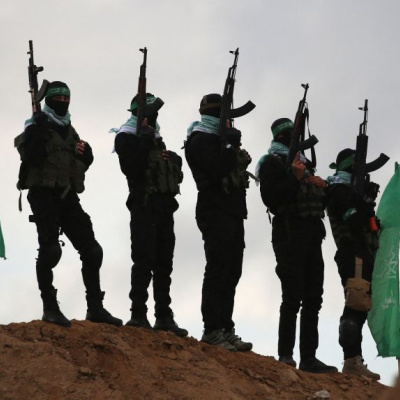
Reconsidering the strategic consequences for Iran and the Axis of Resistance:
بازخوانی پیامدهای راهبردی برای ایران و محور مقاومت:
New Developments in Gaza and the Future Balance of Power in West Asiaتحولات جدید غزه و آینده موازنه قدرت در غرب آسیا
Author: Amirhossein Asgari, senior researcher at the Saramad Think Tank and doctoral researcher in public international law
نویسنده: امیرحسین عسگری، پژوهشگر ارشد اندیشکده سرآمد و پژوهشگر دکتری حقوق بینالملل عمومی
Iranian Diplomacy: Recent developments in the Gaza Strip, especially the announcement of the dissolution of the Hamas-affiliated governmental emergency committee and civilian administrative structure after nearly two decades, are among the most important political events in the region in recent months. This move has taken place within the framework of the ceasefire agreement and the mediated political process among the parties to the conflict, paving the way for the transfer of part of the executive and service responsibilities to the National Committee for Administration of Gaza, or NCAG, a body composed of Palestinian managers and experts with the support of several international actors, including the United Nations. This development comes as the Gaza Strip continues to face a vast humanitarian crisis, destroyed infrastructure, severe economic restrictions, an Israeli military presence in parts of the territory, and uncertainty over the future of security and political arrangements.
دیپلماسی ایرانی: تحولات اخیر در نوار غزه، بهویژه اعلام انحلال کمیته اضطراری دولتی و ساختار اداری غیرنظامی وابسته به حماس پس از حدود دو دهه، از جمله مهمترین رخدادهای سیاسی این منطقه در ماههای اخیر محسوب میشود. این اقدام در چارچوب توافق آتشبس و روند سیاسی میانجیگریشده میان طرفهای درگیر انجام شده و زمینه انتقال بخشی از مسئولیتهای اجرایی و خدماتی به «کمیته ملی اداری غزه» (National Committee for Administration of Gaza or NCAG)، نهادی متشکل از مدیران و کارشناسان فلسطینی با حمایت برخی بازیگران بینالمللی از جمله سازمان ملل، را فراهم کرده است. این تحول در شرایطی رخ میدهد که نوار غزه همچنان با بحران انسانی گسترده، تخریب زیرساختها، محدودیتهای شدید اقتصادی، حضور نظامی اسرائیل در بخشهایی از این منطقه و ابهام درباره آینده ترتیبات امنیتی و سیاسی مواجه است.
The dissolution of Hamas’s governing structure: retreat or strategic recalibration?
انحلال ساختار حکمرانی حماس؛ عقبنشینی یا بازتنظیم راهبرد؟
This decision can be examined from several angles. On the one hand, some analysts see it as a sign of Hamas’s diminished capacity to administer Gaza directly as a result of the war, military pressure, and complex humanitarian conditions. On the other hand, another group believes the move may be part of an adaptive strategy aimed at reducing the costs of governance, increasing the chances that political agreements will be implemented, and allowing the movement to continue playing a role in Palestinian political and social life without accepting direct responsibility for the day-to-day administration of Gaza.
این تصمیم را میتوان از زوایای مختلف مورد بررسی قرار داد. از یک سو، برخی تحلیلگران آن را نشانهای از کاهش توان حماس برای اداره مستقیم غزه در نتیجه جنگ، فشارهای نظامی و شرایط پیچیده انسانی میدانند. از سوی دیگر، گروهی دیگر معتقدند که این اقدام میتواند بخشی از یک راهبرد تطبیقی باشد که هدف آن کاهش هزینههای حکمرانی، افزایش شانس اجرای توافقهای سیاسی و فراهم کردن امکان ادامه نقشآفرینی این جنبش در عرصه سیاسی و اجتماعی فلسطین، بدون پذیرش مسئولیت مستقیم اداره روزمره غزه است.
According to this reading, handing over executive affairs does not necessarily mean Hamas’s complete exit from Palestinian equations. The movement still possesses an organizational structure, a social network, and considerable military capacity, and it is expected to remain one of the principal actors on the Palestinian political scene in the future. Opponents of this view, by contrast, argue that continued military pressure, the extensive damage caused by the war, and rising public demands in Gaza may, over the long term, affect the group’s political and social standing.
بر اساس این برداشت، واگذاری امور اجرایی لزوماً به معنای خروج کامل حماس از معادلات فلسطینی نیست. این جنبش همچنان دارای ساختار سازمانی، شبکه اجتماعی و ظرفیت نظامی قابل توجهی است و انتظار میرود در آینده نیز یکی از بازیگران اصلی صحنه سیاسی فلسطین باقی بماند. در مقابل، مخالفان این دیدگاه معتقدند که تداوم فشارهای نظامی، خسارتهای گسترده جنگ و افزایش مطالبات عمومی در غزه ممکن است در بلندمدت بر جایگاه سیاسی و اجتماعی این گروه تأثیرگذار باشد.
At the same time, one of the most important issues in dispute among the parties to the conflict is the future of Hamas’s military structure and the manner in which the next stages of the ceasefire agreement will be implemented. Israel emphasizes changes to security arrangements and the restriction of the group’s military capacity, while Hamas has so far declared its opposition to complete disarmament. These very disagreements have led many observers to assess the current process as fragile and to regard a return of tensions as still not out of the question.
همزمان، یکی از مهمترین موضوعات مورد اختلاف میان طرفهای درگیر، مسئله آینده ساختار نظامی حماس و نحوه اجرای مراحل بعدی توافق آتشبس است. اسرائیل بر تغییر ترتیبات امنیتی و محدود شدن توان نظامی این گروه تأکید دارد، در حالی که حماس تاکنون مخالفت خود را با خلع سلاح کامل اعلام کرده است. همین اختلافات موجب شده است که بسیاری از ناظران، روند کنونی را شکننده ارزیابی کنند و احتمال بازگشت تنشها را همچنان منتفی ندانند.
The Axis of Resistance under new conditions: reduced capacity or a changed pattern of action?
محور مقاومت در شرایط جدید؛ کاهش ظرفیت یا تغییر الگوی عمل؟
On a broader level, these developments also affect the position of the constellation of actors commonly known as the “Axis of Resistance.” This constellation, which included Iran and aligned groups in Lebanon, Palestine, Iraq, Yemen, and, until Syria’s recent developments, that country as well, has faced significant military, political, and economic pressures over the past two years. Israeli military operations in Gaza and Lebanon, repeated attacks on positions in Syria, shifts in Syria’s internal balances, the expanded military presence of the United States in some areas, and economic pressure resulting from sanctions have created new conditions for this regional network.
در سطحی گستردهتر، این تحولات بر وضعیت مجموعه بازیگرانی که معمولاً با عنوان «محور مقاومت» شناخته میشوند نیز تأثیرگذار است. این مجموعه که ایران و گروههای همسو در لبنان، فلسطین، عراق، یمن و تا پیش از تحولات اخیر سوریه در آن کشور را نیز شامل میشد، طی دو سال گذشته با فشارهای نظامی، سیاسی و اقتصادی قابل توجهی روبهرو بوده است. عملیات نظامی اسرائیل در غزه و لبنان، حملات مکرر به مواضعی در سوریه، تغییر موازنههای داخلی سوریه، افزایش حضور نظامی ایالات متحده در برخی مناطق و همچنین فشارهای اقتصادی ناشی از تحریمها، شرایط جدیدی را برای این شبکه منطقهای ایجاد کرده است.
In Lebanon, Hezbollah, in addition to border clashes, faces domestic economic and political challenges as well, and has devoted part of its capacity to managing internal conditions and rebuilding damaged areas. In Gaza, Hamas is contending not only with military issues but also with broad humanitarian consequences and the destruction of infrastructure. In Iraq, groups close to Iran have been affected by domestic developments and external pressures, while in Yemen, Ansar Allah, while preserving its deterrent capacity, faces economic and logistical constraints and the consequences of prolonged conflict.
در لبنان، حزبالله علاوه بر درگیریهای مرزی، با چالشهای اقتصادی و سیاسی داخلی نیز مواجه است و بخشی از توان خود را صرف مدیریت شرایط داخلی و بازسازی مناطق آسیبدیده کرده است. در غزه، حماس علاوه بر مسائل نظامی، با پیامدهای گسترده انسانی و تخریب زیرساختها روبهرو است. در عراق نیز گروههای نزدیک به ایران تحت تأثیر تحولات داخلی و فشارهای خارجی قرار دارند و در یمن نیز انصارالله ضمن حفظ توان بازدارندگی خود، با محدودیتهای اقتصادی، لجستیکی و پیامدهای درگیریهای طولانیمدت مواجه است.
Yet the degree to which these developments will affect the future of this constellation remains disputed among experts. Some believe that recent pressures have reduced the cohesion and operational capacity of this network and that, should current conditions persist, its role and function may be redefined. Others, by contrast, maintain that the decentralized structure of the constellation and the relative independence of each of its members have made adaptation to new conditions possible and prevented its complete collapse. The experience of recent years has also shown that, at various junctures, this network has been able to adjust its methods of activity in line with changes in the strategic environment.
با این حال، ارزیابی میزان تأثیر این تحولات بر آینده این مجموعه، محل اختلاف میان کارشناسان است. برخی معتقدند که فشارهای اخیر کاهش انسجام و ظرفیت عملیاتی این شبکه را موجب شده است و در صورت تداوم شرایط موجود، احتمال بازتعریف نقش و کارکرد آن وجود دارد. در مقابل، گروهی دیگر بر این باورند که ساختار غیرمتمرکز این مجموعه و استقلال نسبی هر یک از اعضا، امکان سازگاری با شرایط جدید را فراهم کرده و مانع از فروپاشی کامل آن شده است. تجربه سالهای گذشته نیز نشان داده که این شبکه در مقاطع مختلف توانسته است متناسب با تغییر محیط راهبردی، شیوههای فعالیت خود را تعدیل کند.
Iran’s place in the region’s new equationsجایگاه ایران در معادلات جدید منطقه
From the perspective of Iranian foreign policy, recent developments are of particular importance. In past years, support for aligned groups in the region has been one component of the Islamic Republic of Iran’s deterrence policy and regional security posture. At the same time, mounting economic pressure, international sanctions, security costs, and the need to focus more closely on domestic development have caused the relationship between regional policy and internal economic imperatives to receive greater attention in expert circles than before. From this perspective, some analysts emphasize the need to strike a balance among security considerations, economic interests, and regional diplomacy.
از منظر سیاست خارجی ایران، تحولات اخیر اهمیت ویژهای دارد. طی سالهای گذشته، حمایت از گروههای همسو در منطقه یکی از مؤلفههای سیاست بازدارندگی و امنیت منطقهای جمهوری اسلامی ایران بوده است. در عین حال، افزایش فشارهای اقتصادی، تحریمهای بینالمللی، هزینههای امنیتی و ضرورت تمرکز بیشتر بر مسائل توسعه داخلی، موجب شده است که بحث درباره نسبت میان سیاست منطقهای و الزامات اقتصادی داخلی بیش از گذشته مورد توجه محافل کارشناسی قرار گیرد. از این منظر، برخی تحلیلگران بر ضرورت ایجاد توازن میان ملاحظات امنیتی، منافع اقتصادی و دیپلماسی منطقهای تأکید دارند.
Possible scenarios before Iran and West Asiaسناریوهای محتمل پیش روی ایران و غرب آسیا
First scenario: relative stabilization and gradual reconstructionسناریوی نخست: تثبیت نسبی و بازسازی تدریجی
The first scenario, and in the view of many analysts the most likely in the short term, is the relative stabilization of the ceasefire and the beginning of a gradual process of reconstruction in Gaza. In this scenario, the administration of civilian affairs is entrusted to Palestinian technocratic institutions, international aid increases, and the level of direct confrontation declines, though fundamental disagreements among the parties will remain. Under such conditions, Iran will probably seek to preserve its regional position by expanding relations with countries in the region, cooperating with powers such as China and Russia, and participating in diplomatic processes. In this situation, aligned groups may also focus more than before on deterrence and the preservation of existing capacities.
نخستین و از نگاه بسیاری از تحلیلگران محتملترین سناریو در کوتاهمدت، تثبیت نسبی آتشبس و آغاز فرایند تدریجی بازسازی غزه است. در این سناریو، اداره امور غیرنظامی به نهادهای تکنوکراتیک فلسطینی واگذار میشود، کمکهای بینالمللی افزایش مییابد و سطح درگیریهای مستقیم کاهش پیدا میکند، هرچند اختلافات اساسی میان طرفها همچنان باقی خواهد ماند. در چنین شرایطی، ایران احتمالاً تلاش خواهد کرد از طریق گسترش روابط با کشورهای منطقه، همکاری با قدرتهایی مانند چین و روسیه و مشارکت در روندهای دیپلماتیک، جایگاه منطقهای خود را حفظ کند. در این وضعیت، گروههای همسو نیز ممکن است بیش از گذشته بر بازدارندگی و حفظ ظرفیتهای موجود تمرکز کنند.
Second scenario: the return of controlled tensionsسناریوی دوم: بازگشت تنشهای کنترلشده
If the ceasefire agreement fails, Israeli military operations continue, or political and security pressure on regional actors increases, limited but persistent confrontations may occur. Under such conditions, increased activity by some armed groups on various regional fronts becomes a possibility, and the level of tension among Iran, Israel, and the United States may also rise. Although none of the principal actors is likely to seek an all-out war, an increase in miscalculations or unforeseen events could heighten the risk that the crisis will expand.
در صورت شکست توافق آتشبس، ادامه عملیات نظامی اسرائیل یا افزایش فشارهای سیاسی و امنیتی بر بازیگران منطقهای، احتمال وقوع درگیریهای محدود اما مستمر وجود خواهد داشت. در چنین شرایطی، امکان افزایش فعالیت برخی گروههای مسلح در جبهههای مختلف منطقه مطرح میشود و سطح تنش میان ایران، اسرائیل و ایالات متحده نیز ممکن است افزایش یابد. هرچند هیچیک از بازیگران اصلی احتمالاً خواهان جنگ فراگیر نخواهند بود، اما افزایش محاسبات اشتباه یا رخدادهای پیشبینینشده میتواند خطر گسترش بحران را افزایش دهد.
Third scenario: increased economic pressure and a redefinition of prioritiesسناریوی سوم: افزایش فشارهای اقتصادی و بازتعریف اولویتها
The continuation of sanctions, domestic economic difficulties, limited financial resources, and shifting priorities among some regional actors may reduce the level of Iran’s influence or change the manner of its engagement with its allies. Within this framework, developing relations with neighboring countries, reducing regional tensions, and focusing on economic cooperation could form part of a strategy for managing these conditions. The success of this path, too, will depend to a large extent on the state of the domestic economy, the course of foreign negotiations, and developments in the regional environment.
ادامه تحریمها، مشکلات اقتصادی داخلی، محدودیت منابع مالی و تغییر اولویتهای برخی بازیگران منطقهای ممکن است کاهش سطح نفوذ یا تغییر شیوه تعامل ایران با متحدان خود را موجب شود. در این چارچوب، توسعه روابط با کشورهای همسایه، کاهش تنشهای منطقهای و تمرکز بر همکاریهای اقتصادی میتواند بخشی از راهبرد مدیریت این شرایط باشد. موفقیت این مسیر نیز تا حد زیادی به وضعیت اقتصاد داخلی، روند مذاکرات خارجی و تحولات محیط منطقهای وابسته خواهد بود.
Fourth scenario: movement toward a new regional orderسناریوی چهارم: حرکت به سوی نظم منطقهای جدید
Over the long term, a different regional order may take shape, with the role of proxy conflicts diminishing and state actors assuming a larger share in the region’s security arrangements. In this scenario, geopolitical rivalries will continue, but economic tools, technology, multilateral cooperation, and diplomacy will play a more prominent role than in the past.
در افق بلندمدت، احتمال شکلگیری نظم منطقهای متفاوت با کاهش نقش درگیریهای نیابتی و افزایش سهم بازیگران دولتی در ترتیبات امنیتی منطقه وجود دارد. در این سناریو، رقابتهای ژئوپلیتیکی همچنان ادامه خواهد داشت، اما ابزارهای اقتصادی، فناوری، همکاریهای چندجانبه و دیپلماسی نقش پررنگتری نسبت به گذشته پیدا میکنند.
For Iran as well, in such an environment, developing technological capacities, strengthening the economy, increasing cooperation with regional organizations, and expanding relations with emerging powers may become more important than traditional patterns of competition.
برای ایران نیز در چنین فضایی، توسعه ظرفیتهای فناورانه، تقویت اقتصاد، افزایش همکاری با سازمانهای منطقهای و گسترش روابط با قدرتهای نوظهور میتواند اهمیت بیشتری نسبت به الگوهای سنتی رقابت پیدا کند.
Conclusionنتیجهگیری
The dissolution of the Hamas-affiliated administrative structure cannot be interpreted merely as a sign of victory or defeat for one of the parties to the conflict. More than expressing a definitive outcome, this move reflects the efforts of actors to adapt to new conditions after a period of extensive conflict. The future of this decision will depend on the degree to which political agreements are successfully implemented, the course of Gaza’s reconstruction, the manner in which security disputes are managed, and the behavior of regional and international actors.
انحلال ساختار اداری وابسته به حماس را نمیتوان صرفاً به عنوان نشانه پیروزی یا شکست یکی از طرفهای درگیر تفسیر کرد. این اقدام بیش از آنکه بیانگر یک نتیجه قطعی باشد، بازتابدهنده تلاش بازیگران برای انطباق با شرایط جدید پس از یک دوره درگیری گسترده است. آینده این تصمیم به میزان موفقیت اجرای توافقهای سیاسی، روند بازسازی غزه، نحوه مدیریت اختلافات امنیتی و رفتار بازیگران منطقهای و بینالمللی بستگی خواهد داشت.
The future of the constellation known as the Axis of Resistance, too, is likely to be shaped not by a single factor but by a set of military, political, economic, and social variables. The internal cohesion of the network’s members, the course of developments in Palestine, the situation in Lebanon, the future of Syria, Iran’s relations with Arab countries and global powers, and the condition of Iran’s domestic economy will all play a role in determining the trajectory of events.
آینده مجموعه موسوم به محور مقاومت نیز احتمالاً بیش از آنکه تابع یک عامل واحد باشد، تحت تأثیر مجموعهای از متغیرهای نظامی، سیاسی، اقتصادی و اجتماعی قرار خواهد گرفت. میزان انسجام داخلی اعضای این شبکه، روند تحولات فلسطین، وضعیت لبنان، آینده سوریه، روابط ایران با کشورهای عربی و قدرتهای جهانی و همچنین شرایط اقتصاد داخلی ایران، همگی در تعیین مسیر تحولات نقش خواهند داشت.
What matters more than anything else under current conditions is reducing tension, creating durable mechanisms for managing disputes, and preparing the ground for the reconstruction of damaged areas. The achievement of long-term stability in West Asia requires addressing security, political, and humanitarian issues simultaneously, establishing inclusive regional arrangements, and finding solutions capable of managing the demands of the various parties, as far as possible, within political mechanisms. Although reaching such a state will not be easy, given the complexity of regional and international rivalries, without movement toward political solutions the likelihood that alternating cycles of crisis and conflict will persist will remain high.
آنچه در شرایط کنونی بیش از هر موضوع دیگری اهمیت دارد، کاهش تنش، ایجاد سازوکارهای پایدار برای مدیریت اختلافات و فراهم شدن زمینه بازسازی مناطق آسیبدیده است. تحقق ثبات بلندمدت در غرب آسیا مستلزم رسیدگی همزمان به مسائل امنیتی، سیاسی و انسانی، ایجاد ترتیبات منطقهای فراگیر و یافتن راهحلهایی است که بتواند مطالبات طرفهای مختلف را تا حد امکان در قالب سازوکارهای سیاسی مدیریت کند. هرچند دستیابی به چنین وضعیتی با توجه به پیچیدگی رقابتهای منطقهای و بینالمللی آسان نخواهد بود، اما بدون حرکت به سمت راهکارهای سیاسی، احتمال تداوم چرخههای متناوب بحران و درگیری همچنان بالا باقی خواهد ماند.