Tunisia’s Lawyers and the Battle Over Justice
In Tunisia after July 25, the confrontation between the authorities and the legal profession has become a struggle over whether justice will remain a realm of rights or be absorbed into the machinery of political power.
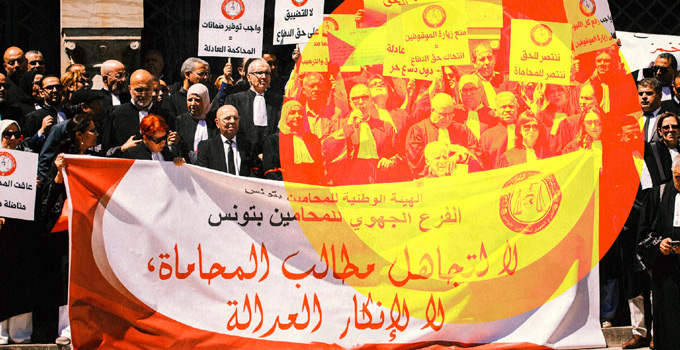
في بلد يتآكل فيه المجال العام تدريجيا وتُستنزف فيه السياسة من داخلها، تبدو المحاماة واحدة من آخر المهن التي ما تزال تحتفظ بقدرة نسبية على التنظّم والاعتراض وإنتاج خطاب مضاد. لذلك لم يكن غريبا أن تتحوّل العلاقة بين السلطة والمحامين خلال السنوات الأخيرة، من توتّر متقطّع إلى صدام مفتوح يتجاوز الملفات المهنيّة نحو أسئلة أكبر تتعلّق بالحريات واستقلال القضاء وحدود السلطة نفسها. صدام دفع هيئة المحامين إلى اعلان جملة من التحركات الاحتجاجية الجهوية، تنتهي بإضراب عام وطني يوم 18 جوان 2026، في صورة تواصل سياسة الانكار والهروب إلى الامام التي احترفتها السلطة.
In a country where the public sphere is gradually being eroded and politics is being drained from within, the legal profession appears to be one of the last professions still retaining a relative capacity to organize, object, and produce a counter-discourse. It was therefore not strange that, in recent years, the relationship between the authorities and lawyers should shift from intermittent tension into open confrontation, one that exceeds professional files and reaches larger questions concerning freedoms, the independence of the judiciary, and the very limits of power. It is a confrontation that has pushed the Bar Association to announce a series of regional protest actions, culminating in a nationwide general strike on June 18, 2026, should the authorities continue the policy of denial and flight forward in which they have become practiced.
لم يكن المحامي في تونس يوما مجرّد تقني قانوني يدير النزاعات داخل قاعات المحاكم، فقطاع المحاماة لعب تاريخيا أدوارا سياسية ووطنية وحقوقية مركزية، من مقاومة الاستعمار إلى مواجهة الاستبداد، ومن الدفاع عن المعارضين إلى صناعة الانتقال الديمقراطي بعد 2011. لكن هذا الدور نفسه يبدو اليوم مستهدفا أو على الأقل محاصرا داخل مناخ سياسي جديد يقوم على الشكّ في الأجسام الوسيطة والنفور من المؤسسات المستقلة والرغبة في إعادة تشكيل المجال العام على صورة سلطة أكثر مركزية وأقل قبولا للاختلاف وتعارض الرؤى.
In Tunisia, the lawyer has never been merely a legal technician managing disputes inside courtrooms. The bar has historically played central political, national, and rights-based roles: from resisting colonialism to confronting despotism, from defending dissidents to helping shape the democratic transition after 2011. Yet that very role now appears targeted, or at least besieged, within a new political climate founded on suspicion of intermediary bodies, aversion to independent institutions, and a desire to reshape the public sphere in the image of a more centralized power, one less accepting of difference and competing visions.
For this reason, the lawyers’ battle today seems to go far beyond a strike or a protest. It is a battle over the meaning of justice itself in post-July 25 Tunisia.
لهذا تبدو معركة المحامين اليوم أبعد من مجرد إضراب أو احتجاج. إنّها معركة حول معنى العدالة ذاتها في تونس ما بعد 25 جويلية.
The Legal Profession in Tunisia: A Long History of Entanglement with Powerالمحاماة في تونس: تاريخ طويل من الاشتباك مع السلطة
The legal profession in Tunisia has never been merely a technical occupation tied to pleadings and judicial procedure. Since the beginnings of the twentieth century, it has become one of the most important spaces to shelter political and rights-minded elites opposed to power, whether that power was colonial rule or an authoritarian national state.
لم تكن المحاماة في تونس يوما مجرّد مهنة تقنية مرتبطة بالمرافعات والإجراءات القضائية. إذ تحوّلت منذ بدايات القرن العشرين، إلى أحد أهم الفضاءات التي احتضنت النخب السياسية والحقوقية المعارضة للسلطة، سواء كانت سلطة احتلال أو دولة وطنية استبدادية.
During the period of French occupation, lawyers played a pivotal role within the national movement. A number of the most prominent leaders of the anti-colonial struggle were lawyers or graduates of law faculties, among them Habib Bourguiba, Salah Ben Youssef, Tahar Sfar, Bahri Guiga, and Albert Bessis. Lawyers’ offices in the capital were also spaces for political debate and clandestine organization, while the courts themselves became platforms for confronting the occupation administration.
خلال فترة الاحتلال الفرنسي، لعب المحامون دورا محوريا داخل الحركة الوطنية. فقد كان عدد من أبرز قادة النضال ضد الاستعمار من المحامين أو خريجي كليات الحقوق، على غرار الحبيب بورقيبة وصالح بن يوسف والطاهر صفر والبحري قيقة وألبار بسيس. كما كانت مكاتب المحامين في العاصمة فضاءات للنقاش السياسي والتنظّم السري، فيما تحوّلت المحاكم نفسها إلى منابر لمواجهة إدارة الاحتلال.
After independence in 1956, the relationship between power and the legal profession entered a more complex phase. President Habib Bourguiba, despite his legal background, looked with suspicion upon every body capable of producing political or symbolic autonomy outside the centralized state. As the dominance of the Destourian party expanded, the legal profession in turn was subjected to attempts at gradual domestication.
بعد الاستقلال سنة 1956، دخلت العلاقة بين السلطة والمحاماة مرحلة أكثر تعقيدا. فالرئيس الحبيب بورقيبة، رغم خلفيته القانونية، كان ينظر بعين الريبة إلى كل جسم قادر على إنتاج استقلالية سياسية أو رمزية خارج الدولة المركزية. ومع توسّع هيمنة الحزب الدستوري، تعرّضت المحاماة بدورها لمحاولات تدجين تدريجية.
Yet despite this, the National Bar Association remained one of the few spaces that relatively preserved a margin of independence, especially compared with the judiciary, which was brought almost entirely under the control of the executive branch.
لكن رغم ذلك، بقيت الهيئة الوطنية للمحامين واحدة من المساحات القليلة التي حافظت نسبيا على هامش من الاستقلال، خصوصا مقارنة بالقضاء الذي جرى إخضاعه بشكل شبه كامل للسلطة التنفيذية.
During the 1970s and 1980s, lawyers played a prominent role in defending trade unionists, students, and leftist and Islamist opponents subjected to political trials under Bourguiba. Names such as Mansour Cheffi, Fethi Snni, and Abderraouf Ayadi emerged as rights figures associated with the defense of political prisoners.
وخلال سبعينات وثمانينيات القرن الماضي، لعب المحامون دورا بارزا في الدفاع عن النقابيين والطلبة والمعارضين اليساريين والإسلاميين الذين تعرّضوا للمحاكمات السياسية في عهد بورقيبة. وبرزت أسماء مثل منصور الشفي وفتحي السني وعبد الرؤوف العيادي كوجوه حقوقية ارتبطت بالدفاع عن المعتقلين السياسيين.
But the most confrontational phase came, without doubt, during the rule of Zine El Abidine Ben Ali.
لكن المرحلة الأكثر صدامية جاءت، دون شك، خلال حكم زين العابدين بن علي.
In the 1990s, as repression widened against Islamists, opponents, and rights activists, lawyers’ offices became one of the last spaces still receiving dissidents and providing them with legal and media cover. The lawyer at the time was not merely a defender inside the courtroom, but part of a broader network of civil resistance.
ففي تسعينات القرن الماضي، ومع اتّساع القمع ضد الإسلاميين والمعارضين والحقوقيين، تحوّلت مكاتب المحامين إلى أحد آخر الفضاءات التي ما تزال تستقبل المعارضين وتوفّر لهم غطاء قانونيا وإعلاميا. لم يكن المحامي آنذاك مجرد مدافع داخل المحكمة، بل جزءا من شبكة مقاومة مدنية أوسع.
A large number of lawyers during that period were subjected to surveillance, assaults, and bans from work, especially lawyers connected with the Tunisian League for the Defense of Human Rights or with the political opposition.
وقد تعرّض عدد كبير من المحامين خلال تلك الفترة إلى المراقبة والاعتداءات والمنع من العمل، خاصة المحامين المرتبطين بالرابطة التونسية للدفاع عن حقوق الإنسان أو بالمعارضة السياسية.
In 2005, lawyers played a prominent role in the October 18 hunger strike and then in its body for rights and freedoms, which brought together Islamists, leftists, nationalists, and independents in one of the most important opposition initiatives against the Ben Ali regime.
وفي سنة 2005، لعب المحامون دورا بارزا في اضراب جوع 18 أكتوبر ثم في هيئتها للحقوق والحريات، التي جمعت إسلاميين ويساريين وقوميين ومستقلين في واحدة من أهم المبادرات المعارضة ضد نظام بن علي.
Then came the mining basin uprising in 2008, once again confirming this historical role. Lawyers were among the most prominent defenders of detainees and trade unionists in Gafsa, and the Bar Association became one of the few platforms that broke the media blackout imposed on the protests.
ثم جاءت انتفاضة الحوض المنجمي سنة 2008 لتؤكد مجددا هذا الدور التاريخي. فقد كان المحامون من أبرز من تولّوا الدفاع عن المعتقلين والنقابيين في قفصة، وتحولت هيئة المحامين إلى إحدى المنصات القليلة التي كسرت التعتيم الإعلامي المفروض على الاحتجاجات.
As for the Tunisian revolution at the end of 2010 and the beginning of 2011, lawyers played a central role in the street as well, not only inside the courts. On January 6, 2011, hundreds of lawyers went out in massive protests in the capital and several regions, in a scene that became one of the strongest visual symbols of the Tunisian revolution. At that moment, the black robe was not merely professional attire, but a clear declaration of engagement in confronting power.
أمّا خلال الثورة التونسية أواخر 2010 وبداية 2011، لعب المحامون دورا مركزيا في الشارع أيضا، لا داخل المحاكم فقط. ففي 6 جانفي 2011، خرج مئات المحامين في احتجاجات ضخمة بالعاصمة وعدة جهات، في مشهد تحوّل إلى أحد الرموز البصرية الأقوى للثورة التونسية. حينها، لم تكن الجبّة السوداء مجرد زيّ مهني، بل إعلان انخراط واضح في مواجهة السلطة.
For precisely this reason, the current crisis carries all this sensitivity. The confrontation between the authorities and lawyers in Tunisia is not a circumstantial disagreement, but an extension of a long history in which the legal profession has remained one of the last spaces capable of resisting the state’s total monopoly over politics, justice, and the public sphere.
ولهذا السبب تحديدا، تحمل الأزمة الحالية كل هذه الحساسية. فالصدام بين السلطة والمحامين في تونس ليس مجرد خلاف ظرفي، بل امتداد لتاريخ طويل ظلت فيه المحاماة واحدة من آخر المساحات القادرة على مقاومة احتكار الدولة الكامل للسياسة والعدالة والمجال العام.
From July 25 to Today: How Has the Relationship Between Power and Lawyers Changed?
من 25 جويلية إلى اليوم: كيف تغيّرت علاقة السلطة بالمحامين؟
Since the coup of July 25, 2021, Tunisia has entered a new political phase whose principal heading is the abolition of pluralism and the reconcentration of power within the presidency, accompanied by the gradual weakening of intermediary bodies and independent institutions.
منذ انقلاب 25 جويلية 2021، دخلت تونس مرحلة سياسية جديدة عنوانها الأساسي إلغاء التعددية وإعادة تركيز السلطة داخل مؤسسة الرئاسة، مقابل إضعاف متدرّج للأجسام الوسيطة والمؤسسات المستقلة.
At first, part of the legal profession seemed sympathetic to the discourse of “correcting the course,” especially amid popular anger at the parties and the previous political system. But the relationship soon began to grow more complicated as arrests and trials of a political character expanded, and as criticisms concerning judicial independence and the rights of the defense increased.
في البداية، بدا جزء من المحامين متعاطفا مع خطاب ”تصحيح المسار“، خاصة في ظل حالة السخط الشعبي من الأحزاب والمنظومة السياسية السابقة. لكن سرعان ما بدأت العلاقة تتعقّد مع توسّع الإيقافات والمحاكمات ذات الطابع السياسي، وتزايد الانتقادات المتعلقة باستقلال القضاء وحقوق الدفاع.
The file of the dismissed judges in 2022 was one of the most revealing stations in this transformation. A number of lawyers considered the dismissal of dozens of judges by presidential decision to be a serious blow to judicial independence, while the authorities saw it as part of “cleansing the judiciary.” Later, the Bar Association became one of the bodies that received a number of dismissed judges, as the Association Council decided in February 2026 to enroll seven dismissed judges on the bar roll.
كان ملف القضاة المعفيين سنة 2022 أحد أبرز المحطات الكاشفة لهذا التحول. فقد اعتبر عدد من المحامين أن إعفاء عشرات القضاة بقرار رئاسي مثّل ضربة خطيرة لاستقلال القضاء، فيما رأت السلطة أن الأمر يدخل ضمن ”تطهير القضاء“. لاحقا، تحوّلت هيئة المحامين إلى إحدى الجهات التي احتضنت عددا من القضاة المعفيين، حيث قرّر مجلس الهيئة في فيفري 2026 ترسيم سبعة قضاة معفيين بجدول المحاماة.
Gradually, lawyers became more present in sensitive political files, whether in the cases of opposition figures, journalists, activists, businesspeople, or even the “conspiracy” cases. With every new file, the relationship with the authorities grew more tense, especially as lawyers’ complaints recurred about restrictions on the right of defense and about being prevented at times from visiting their clients or viewing case files.
تدريجيا، أصبح المحامون أكثر حضورا في الملفات السياسية الحساسة، سواء في قضايا المعارضين أو الصحفيين أو النشطاء أو رجال الأعمال أو حتى قضايا ”التآمر“. ومع كل ملف جديد، كانت العلاقة مع السلطة تزداد توتّرا، خصوصا مع تكرار شكاوى المحامين من التضييق على حق الدفاع ومنعهم أحيانا من زيارة منوبيهم أو الاطلاع على الملفات.
From Escalation to Accommodation: How the Bar Association Lost Part of Its Role Under Mziou
من التصعيد إلى المهادنة: كيف فقدت هيئة المحامين جزءا من دورها في عهد مزيو؟
To understand the mounting anger today within the legal profession, it is not enough to look only at the policies of the authorities. Part of the crisis is also connected to what a broad number of lawyers and rights activists regard as a state of retreat experienced by the National Bar Association during the deanship of Hatem Mziou, who led the Association between 2022 and 2025 in one of the most sensitive periods in modern Tunisian history.
لفهم الغضب المتصاعد اليوم داخل قطاع المحاماة، لا يكفي النظر فقط إلى سياسات السلطة. فجزء من الأزمة يرتبط أيضا بما يعتبره عدد واسع من المحامين والحقوقيين حالة تراجع عاشتها الهيئة الوطنية للمحامين خلال عمادة حاتم مزيو، الذي قاد الهيئة بين 2022 و2025 في واحدة من أكثر الفترات حساسية في تاريخ تونس الحديث.
At a time when the country was gradually entering a more closed political climate after July 25, the Association, in the eyes of its critics, appeared less confrontational with the authorities than the legal profession had historically been, and more inclined to “manage tension” than to wage a clear confrontation in defense of judicial independence and freedoms.
ففي الوقت الذي كانت فيه البلاد تدخل تدريجيا في مناخ سياسي أكثر انغلاقا بعد 25 جويلية، بدت الهيئة، في نظر منتقديها، أقل صدامية مع السلطة مقارنة بما عرفته المحاماة تاريخيا، وأكثر ميلا إلى ”إدارة التوتر“ بدل خوض مواجهة واضحة دفاعا عن استقلال القضاء والحريات.
This retreat was not always explicit or direct. Rather, it took the form of a cautious gray discourse that continually tried to avoid a rupture with the authorities. On more than one occasion, Mziou stressed that the Bar Association was neutral and did not side with any political party, considering that some wanted to push the Association into political alignment against the authorities.
هذا التراجع لم يكن دائما صريحا أو مباشرا، بل اتّخذ شكل خطاب رمادي حذر، يحاول باستمرار تفادي القطيعة مع السلطة. ففي أكثر من مناسبة، شدّد مزيو على أن هيئة المحامين محايدة ولا تنحاز إلى أي طرف سياسي، معتبرا أن البعض يريد دفع الهيئة إلى الاصطفاف السياسي ضد السلطة.
Part of the legal profession regarded that discourse as a continuous attempt to position the Association in a middle ground that no longer exists in practice within post-July 25 Tunisia: either a clear defense of judicial independence and freedoms, or a gradual transformation into a professional body stripped of its political and rights-based teeth.
ذلك الخطاب اعتبره جزء من المحامين محاولة مستمرة للتموقع في منطقة وسطى لم تعد موجودة عمليّا داخل تونس ما بعد 25 جويلية؛ فإما الدفاع الواضح عن استقلال القضاء والحريات، أو التحوّل التدريجي إلى جسم مهني منزوعة أنيابه السياسية والحقوقية.
This contradiction was plainly visible during the police raid on the Lawyers’ House in May 2024, which represented one of the most shocking moments within the profession. On the night of May 11, 2024, a masked police unit stormed the Lawyers’ House headquarters in the capital to execute a summons against attorney Sonia Dahmani, inside a space lawyers consider to hold a particular professional and sovereign symbolism. The operation was accompanied by chaos, assaults, and the smashing of journalistic equipment, creating a broad shock within rights and media circles.
وقد تجلّى هذا التناقض بوضوح خلال أحداث اقتحام البوليس لدار المحامي في ماي 2024، التي مثّلت واحدة من أكثر اللحظات صدمة داخل القطاع. ففي ليلة 11 ماي 2024، اقتحمت مجموعة بوليسية ملثمة مقر دار المحامي بالعاصمة لتنفيذ بطاقة جلب في حق الاستاذة سنية الدهماني، داخل فضاء يعتبره المحامون ذا رمزية مهنية وسيادية خاصة. العملية رافقتها حالة من الفوضى والاعتداءات وتكسير معدات صحفية، ما خلق صدمة واسعة داخل الأوساط الحقوقية والإعلامية.
Only two days later, on May 13, 2024, security forces returned again to the Lawyers’ House, this time to arrest attorney Mehdi Zagrouba from inside the same headquarters, in a scene rights organizations considered “a grave violation of the sanctity of the profession.”
وبعد ذلك بيومين فقط، يوم 13 ماي 2024، عادت قوات الأمن مجددا إلى دار المحامي، وهذه المرة لإيقاف المحامي مهدي زقروبة من داخل المقر نفسه، في مشهد اعتبرته منظمات حقوقية ”انتهاكا خطيرا لحرمة المهنة“.
Despite the gravity of what happened, many lawyers saw Dean Hatem Mziou’s reaction as falling short of the event. Instead of moving toward an open political and legal confrontation with the authorities, he chose a relatively conciliatory discourse, affirming that “lawyers have no problem with President Kais Saied” and calling on the president himself to intervene to contain the crisis.
ورغم خطورة ما حدث، رأى كثير من المحامين أن رد فعل العميد حاتم مزيو ظل دون مستوى الحدث. فبدل الذهاب نحو مواجهة سياسية وقانونية مفتوحة مع السلطة، اختار خطابا تصالحيا نسبيا، أكّد فيه أن ”لا مشكلة للمحامين مع الرئيس قيس سعيّد“، داعيا رئيس الجمهورية نفسه إلى التدخل لاحتواء الأزمة.
Even the language used at the time seemed, to his critics, more cautious than it should have been. In his statements after the raid, Mziou stressed that “the legal profession is not against prosecuting anyone who has erred,” and that the problem concerned only procedures and respect for the sanctity of the Lawyers’ House.
حتى اللغة التي استُخدمت آنذاك بدت، بالنسبة إلى منتقديه، حذرة أكثر مما ينبغي. ففي تصريحاته إثر الاقتحام، شدّد مزيو على أن ”المحاماة ليست ضد تتبّع كل من أخطأ“، وأن المشكلة تتعلق فقط بالإجراءات واحترام حرمة دار المحامي.
Later, the dean preferred to go to the Ministry of Interior and hold a meeting with Minister Khaled Nouri on May 30, 2024, where the Association’s communiqué spoke of “reviewing procedural violations and emphasizing the need to respect procedures,” formulations that part of the legal profession regarded as strikingly softened in comparison with the scale of what had occurred inside the Association’s own headquarters.
لاحقا، فضّل العميد الذهاب إلى وزارة الداخلية وعقد لقاء مع الوزير خالد النوري يوم 30 ماي 2024، حيث تحدّث بلاغ الهيئة عن ”استعراض التجاوزات الإجرائية والتشديد على ضرورة احترام الإجراءات“، وهي صياغات اعتبرها جزء من المحامين مخففة بشكل لافت مقارنة بحجم ما جرى داخل مقر الهيئة نفسها.
For a broad sector of young lawyers and rights activists, the problem lay not only in the weakness of the escalation, but in the political message conveyed by this behavior: an Association historically linked with resisting despotism had begun to appear more concerned with not angering the authorities than with imposing a balance of power in defense of the profession and freedoms.
بالنسبة إلى قطاع واسع من المحامين الشباب والحقوقيين، لم تكن المشكلة فقط في ضعف التصعيد، بل في الرسالة السياسية التي حملها هذا السلوك: هيئة تاريخيا ارتبطت بمقاومة الاستبداد، أصبحت تبدو حريصة على عدم إغضاب السلطة أكثر من حرصها على فرض ميزان قوة دفاعا عن المهنة والحريات.
What deepened this impression further was perhaps the contrast between Mziou’s discourse at the beginning of Kais Saied’s rule and his discourse later. In January 2023, the dean spoke in a sharper tone, rejecting “the assault on rights, freedoms, and judicial independence,” and affirming that the legal profession “will not remain with folded arms before despotism.” But with the passage of time, the Association seemed gradually to move from a position of symbolic confrontation to a position of managing the crisis with the least possible degree of collision.
ولعل ما عمّق هذا الانطباع أكثر هو التباين بين خطاب مزيو في بداية عهد قيس سعيّد وخطابه لاحقا. ففي جانفي 2023، كان العميد يتحدث بلهجة أكثر حدّة، رافضا ”ضرب الحقوق والحريات واستقلال القضاء“، ومؤكدا أن المحاماة ”لن تبقى مكتوفة الأيدي أمام الاستبداد“. لكن مع مرور الوقت، بدا أن الهيئة انتقلت تدريجيا من موقع المواجهة الرمزية إلى موقع إدارة الأزمة بأقل قدر ممكن من الصدام.
This transformation created a silent internal division within the profession: between those who believed the political circumstance imposed realism and the avoidance of a complete break with the authorities, and those who considered that accommodation itself had helped encourage the authorities to go further in encircling the legal profession, the judiciary, and the rights sphere more generally.
هذا التحوّل خلق انقساما داخليا صامتا داخل القطاع: بين من رأى أن الظرف السياسي يفرض الواقعية وتجنّب كسر كامل مع السلطة، وبين من اعتبر أن المهادنة نفسها ساهمت في تشجيع السلطة على الذهاب أبعد في تطويق المحاماة والقضاء والمجال الحقوقي عموما.
From Silent Anger to a “Punitive Vote”: Boubaker Belthabet as Dean of Lawyers
من الغضب الصامت إلى ”التصويت العقابي“: بوبكر بالثابت عميدا للمحامين
Boubaker Belthabet’s victory as dean of lawyers in September 2025 was not merely an ordinary rotation in the Association’s leadership. It seemed closer to a “punitive vote” against an entire phase during which a broad sector of lawyers felt that their Association had gradually lost its historical role as a confrontational body and a defender of freedoms.
لم يكن فوز بوبكر بالثابت بعمادة المحامين في سبتمبر 2025 مجرد تداول عادي على قيادة الهيئة، بل بدا أقرب إلى ”تصويت عقابي“ ضد مرحلة كاملة شعر خلالها قطاع واسع من المحامين بأن هيئتهم فقدت تدريجيا دورها التاريخي كجسم صدامي ومدافع عن الحريات.
Since the humiliating police raid on the Lawyers’ House, a new electoral mood had begun to take shape within the legal profession. The debate no longer revolved only around professional files, the pension fund, or the conditions of the courts, but around a deeper question: is the Association still capable of playing its historical role as a body of resistance, or has it become an institution seeking only coexistence with power?
فمنذ اقتحام البوليس المهين لدار المحاماة، بدأ يتشكّل داخل المحاماة مزاج انتخابي جديد. لم يعد النقاش يدور فقط حول الملفات المهنية أو صندوق التقاعد أو أوضاع المحاكم، بل حول سؤال أعمق: هل ما تزال الهيئة قادرة على لعب دورها التاريخي كجسم مقاوم، أم تحوّلت إلى مؤسسة تبحث فقط عن التعايش مع السلطة؟
In this context, Boubaker Belthabet appeared as a candidate expressing the desire of a broad segment of lawyers to restore the “dignity of the legal profession.” He did not present himself as a direct political opponent, but as a voice that wanted to return the Association to its old traditions of explicit defense of judicial independence, the right of defense, and public rights and freedoms.
في هذا السياق، ظهر بوبكر بالثابت كمرشح يعبّر عن رغبة جزء واسع من المحامين في استعادة ”هيبة المحاماة“. لم يقدّم نفسه كمعارض سياسي مباشر، بل كصوت يريد إعادة الهيئة إلى تقاليدها القديمة في الدفاع الصريح عن استقلال القضاء وحق الدفاع عن الحقوق والحريات العامة.
When the elections were held on September 13, 2025, it was clear that the professional body wanted to make a break with the previous phase. The vote witnessed record participation exceeding four thousand women and men lawyers, in one of the Association’s most mobilized elections in years.
وعندما جرت الانتخابات يوم 13 سبتمبر 2025، بدا واضحا أن الجسم المهني يريد إحداث قطيعة مع المرحلة السابقة. فقد شهد الاقتراع مشاركة قياسية تجاوزت أربعة آلاف محامية ومحام، في واحدة من أكثر انتخابات الهيئة تعبئة منذ سنوات.
Boubaker Belthabet won in the first round with nearly 57 percent of the vote, after receiving 2,193 votes, far ahead of his closest competitors, Mohamed Mahjoub Mahjoub, who received 498 votes, and Mohamed Hadfi, with 422 votes.
وفاز بوبكر بالثابت من الدور الأول بنسبة قاربت 57 بالمائة من الأصوات، بعدما حصد 2193 صوتا، متقدما بفارق كبير عن أقرب منافسيه محمد محجوب محجوب الذي حصل على 498 صوتا، ومحمد حدفي بـ422 صوتا.
Belthabet’s language seemed different from that of his predecessor. While Mziou tended toward a cautious institutional discourse, the new dean used sharper vocabulary: “predation,” “targeting the right of defense,” “violating fair trial.” It was a language that restored, for part of the legal profession, the image of the Association as a body capable of resisting abuses of power, not merely accommodating them out of fear of the palace’s anger.
لغة بالثابت بدت مختلفة عن سلفه. فبينما كان مزيو يميل إلى خطاب مؤسساتي حذر، استخدم العميد الجديد مفردات أكثر حدّة: ”التغوّل“، ”استهداف حق الدفاع“، ”انتهاك المحاكمة العادلة“، وهي لغة أعادت إلى جزء من المحامين صورة الهيئة كجسم قادر على التصدي لانتهاكات السلطة لا مجرد مسايرتها خوفا من غضب القصر.
It was no accident that one of his first symbolic steps was to open the door of the legal profession to the dismissed judges, in a move regarded as a clear political and legal message: that the Association wanted to return to the position of defending judicial independence in the face of the executive branch.
ولم يكن عبثا أن تصبح أولى خطواته الرمزية فتح باب المحاماة أمام القضاة المعفيين، في خطوة اعتُبرت رسالة سياسية وقانونية واضحة مفادها أن الهيئة تريد العودة إلى موقع الدفاع عن استقلال القضاء في مواجهة السلطة التنفيذية.
Lawyers’ movements for the right to a fair trial and respect for the right of defense have returned to the forefront of events after the National Bar Association of Tunisia called for a day of anger in protest against deteriorating conditions in the courts, the Ministry of Justice’s poor management of the justice system, and violations of the right of defense and the foundations of a fair trial. Lawyers raised slogans against “the judiciary of instructions” and against the practices of “the police state,” in addition to demanding freedom for lawyers detained because of their representation in political cases or because of their opinions and political positions. It is a new movement amid the readiness of bar structures to escalate their protest if the ministry does not respond to their demands.
تحركات المحامين من أجل الحق في المحاكمة العادلة واحترام حق الدفاع تعود إلى واجهة الأحداث بعد دعوة الهيئة الوطنية للمحامين التونسيين ليوم غضب احتجاجا على تردي الأوضاع في المحاكم وسوء تسيير مرفق العدالة من قبل وزارة العدل وانتهاك حق الدفاع ومقومات المحاكمة العادلة. رفع المحامون شعارات ضد “قضاء التعليمات” وضد ممارسات “دولة البوليس”، بالإضافة إلى المطالبة بالحرية للمحاميين الموقوفين على خلفية نيابتهم في قضايا سياسية أو على خلفية اراءهم ومواقفهم السياسية. تحرك جديد وسط استعداد من هياكل المحاماة لتصعيد احتجاجهم ما لم تستجب الوزارة لمطالبهم.
The Courts Become a Space of Political Tensionالمحاكم تتحوّل إلى فضاء للتوتر السياسي
In Tunisia today, the court is no longer a purely judicial space. It has become a direct extension of the general political congestion. For precisely this reason, the lawyers’ battle appears highly sensitive.
في تونس اليوم، لم تعد المحكمة مجرد فضاء قضائي بحت. لقد أصبحت امتدادا مباشرا للاحتقان السياسي العام. ولهذا السبب تحديدا، تبدو معركة المحامين شديدة الحساسية.
In recent months, the National Bar Association has escalated its tone in an unprecedented manner. In February 2026, lawyers organized a protest in front of the Palace of Justice in the capital to demand respect for the right of defense and the opening of dialogue with the Ministry of Justice. During the action, Dean of Lawyers Boubaker Belthabet said that “the situation can no longer bear postponement.”
خلال الأشهر الأخيرة، صعّدت الهيئة الوطنية للمحامين لهجتها بشكل غير مسبوق. ففي فيفري 2026، نظم المحامون وقفة احتجاجية أمام قصر العدالة بالعاصمة للمطالبة باحترام حق الدفاع وفتح حوار مع وزارة العدل. وخلال التحرك، قال عميد المحامين بوبكر بالثابت إن ”الوضع لم يعد يحتمل الإرجاء“.
The crisis exploded further with the case of former dean Chawki Tabib in April 2026. The Bar Association considered that the issuance of a committal order sending him to prison had taken place without full respect for the rights of the defense, and Dean Boubaker Belthabet affirmed that the investigating judge had issued the order “before hearing him.”
الأزمة انفجرت أكثر مع قضية العميد السابق شوقي الطبيب في أفريل 2026. فقد اعتبرت هيئة المحامين أن إصدار بطاقة إيداع بالسجن في حقه تم دون احترام كامل لحقوق الدفاع، وأكد العميد بوبكر بالثابت أن قاضي التحقيق أصدر البطاقة ”قبل سماعه“.
For lawyers, the case did not concern Chawki Tabib as a person alone; it was tied to one of the symbols of the profession and one of the figures associated with the anti-corruption file after the revolution. The case therefore became a moment of broad mobilization within the profession.
بالنسبة إلى المحامين، لم تكن القضية تخص شوقي الطبيب كشخص فقط، بل كانت مرتبطة برمز من رموز المهنة ومن الشخصيات المرتبطة بملف مكافحة الفساد بعد الثورة. لذلك تحولت القضية إلى لحظة تعبئة واسعة داخل القطاع.
The General Strike and the Challenge to the Conference: The Battle for Legitimacyالإضراب العام والطعن في المؤتمر: معركة الشرعية
The escalation reached its peak during the extraordinary general assembly of lawyers on May 1, 2026, when the National Bar Association approved a one-day nationwide general strike accompanied by a national march, while authorizing the Association Council to take escalatory steps that could reach an open-ended strike.
بلغ التصعيد ذروته خلال الجلسة العامة الاستثنائية للمحامين يوم 1 ماي 2026، حيث أقرت الهيئة الوطنية للمحامين إضرابا عاما وطنيا بيوم واحد مرفوقا بمسيرة وطنية، مع تفويض مجلس الهيئة لاتخاذ خطوات تصعيدية قد تصل إلى الإضراب المفتوح.
But only days later, on May 11, 2026, the public prosecutor at the Tunis Court of Appeal announced a challenge to the procedures by which the assembly had been convened, considering that the legal quorum had not been met according to Article 54 of the decree governing the legal profession.
لكن بعد أيام فقط، وفي 11 ماي 2026، أعلن الوكيل العام لدى محكمة الاستئناف بتونس الطعن في إجراءات انعقاد الجلسة، معتبرا أن النصاب القانوني لم يكن متوفرا وفق الفصل 54 من مرسوم المحاماة.
For many lawyers, the challenge was not merely a procedural dispute over quorum, but a direct attempt to strip the Association’s decisions of legitimacy and break the wave of escalation led by Boubaker Belthabet. In their view, the authorities no longer confront intermediary bodies only by force, but through the law itself: challenges, procedures, judicial confusion, and the attempt to encircle every space capable of organization and mobilization.
بالنسبة إلى كثير من المحامين، لم يكن الطعن مجرد جدل إجرائي حول النصاب، بل محاولة مباشرة لنزع الشرعية عن قرارات الهيئة وضرب موجة التصعيد التي يقودها بوبكر بالثابت. فالسلطة، في نظرهم، لم تعد تواجه الأجسام الوسيطة بالقوة فقط، بل عبر القانون نفسه: الطعون، والإجراءات، والإرباك القضائي، ومحاولة تطويق كل فضاء قادر على التنظيم والتعبئة.
Thus the battle is gradually transformed from a professional disagreement into a deeper conflict over who possesses the right to define justice and the limits of the law inside post-July 25 Tunisia.
وهكذا تتحول المعركة تدريجيا من خلاف مهني إلى صراع أعمق حول من يملك حق تعريف العدالة وحدود القانون داخل تونس ما بعد 25 جويلية.
The series of actions approved by the National Bar Association began after the extraordinary general resolution held in early May 2026, which considered that the condition of the justice system had reached a stage requiring escalation. On May 19, the first stage began with a regional strike covering the branches of Greater Tunis, Nabeul, and Zaghouan, accompanied by a protest at the Court of First Instance in Tunis during which lawyers raised slogans denouncing what they considered a retreat in judicial guarantees and a disregard for the profession’s demands. As scheduled, the movement expanded on May 21 to include the branches of Bizerte, Beja, Jendouba, Kef, and Siliana, before moving on May 25 to Sfax, Gafsa, Tozeur, and Sidi Bouzid, in a step confirming that the protest was no longer confined to the capital or the coast but had extended to the interior regions. The process continued on June 1 with a strike by the lawyers of Medenine, Gabes, Kebili, and Tataouine, then on June 8 with a strike by the branches of Sousse, Monastir, Mahdia, Kairouan, and Kasserine, so that mobilization came to include nearly the entire country.
انطلقت سلسلة التحركات التي أقرتها الهيئة الوطنية للمحامين إثر اللائحة العامة الاستثنائية المنعقدة مطلع ماي 2026، والتي اعتبرت أن أوضاع مرفق العدالة بلغت مرحلة تستوجب التصعيد. وفي 19 ماي انطلقت أولى المحطات بإضراب جهوي شمل فروع تونس الكبرى ونابل وزغوان، تخللته وقفة احتجاجية بالمحكمة الابتدائية بتونس رفع خلالها المحامون شعارات تندد بما اعتبروه تراجعا للضمانات القضائية وتجاهلا لمطالب المهنة. كما كان مقررا توسعت الحركة يوم 21 ماي لتشمل فروع بنزرت وباجة وجندوبة والكاف وسليانة، قبل أن تنتقل يوم 25 ماي إلى صفاقس وقفصة وتوزر وسيدي بوزيد، في خطوة أكدت أن الاحتجاج لم يعد محصورا في العاصمة أو الساحل بل امتد إلى الجهات الداخلية. وتواصل المسار يوم 1 جوان بإضراب محامي مدنين وقابس وقبلي وتطاوين، ثم يوم 8 جوان بإضراب فروع سوسة والمنستير والمهدية والقيروان والقصرين، لتشمل التعبئة كامل البلاد تقريبا.
During this period, the Association decided to continue wearing the red armband inside courts as a permanent protest symbol. On June 10, the Association announced the culmination of this process in a nationwide general strike on June 18, 2026, in all courts of the republic, with a central gathering at the Palace of Justice in Tunis, affirming that the escalation came after months of correspondence and reform proposals that received no response from the authorities. Thus the actions were transformed from a series of scattered regional strikes into a unified national campaign in which the legal profession presented itself not only as a defender of its professional interests, but also as a voice protesting what it considers a deeper crisis touching the entire justice system.
وخلال هذه الفترة أقرت الهيئة مواصلة حمل الشارة الحمراء داخل المحاكم كرمز احتجاجي دائم، وفي 10 جوان أعلنت الهيئة تتويج هذا المسار بإضراب عام وطني يوم 18 جوان 2026 بكافة محاكم الجمهورية مع تجمع مركزي بقصر العدالة بتونس، مؤكدة أن التصعيد جاء بعد أشهر من المراسلات والمقترحات الإصلاحية التي لم تلق أي تجاوب من السلطات. وهكذا تحولت التحركات من سلسلة إضرابات جهوية متفرقة إلى حملة وطنية موحدة قدمت فيها المحاماة نفسها ليس فقط كمدافع عن مصالحها المهنية، بل أيضاً كصوت يحتج على ما تعتبره أزمة أعمق تمس منظومة العدالة برمتها.
Power Is Hostile to Civil Societyالسلطة تعادي المجتمع المدني
Historically, democracies do not fall only when the opposition is repressed, but also when the intermediary bodies that organize society and prevent the state from turning into an entirely solitary power collapse.
تاريخيا، لا تسقط الديمقراطيات فقط عندما تُقمع المعارضة، بل أيضا عندما تنهار الأجسام الوسيطة التي تنظّم المجتمع وتمنع تحوّل الدولة إلى سلطة منفردة بالكامل.
In Tunisia today, the trajectory seems clear: parties are marginalized, associations are besieged, unions are drained, the media is gradually tamed, and now the legal profession in turn enters an open confrontation with the authorities.
في تونس اليوم، يبدو المسار واضحا: الأحزاب تُهمّش، والجمعيات تُحاصر، والنقابات تُستنزف، والإعلام يُروّض تدريجيا، والآن تدخل المحاماة بدورها في مواجهة مفتوحة مع السلطة.
Each time, the matter is presented as a struggle against “lobbies,” “the corrupt,” or “obstructionists.” But the final result appears the same: the dismantling of every structure capable of creating balance inside the public sphere. For this reason, the lawyers’ crisis does not seem a passing event. It is part of a deeper transformation Tunisia has been experiencing for years, as the country gradually moves from a state governed by balances and institutions, however fragile, toward a more individual form of power, less able to tolerate objection.
وفي كل مرة، يُقدَّم الأمر باعتباره صراعا مع ”لوبيات“ أو ”فاسدين“ أو ”معطّلين“. لكن النتيجة النهائية تبدو واحدة: تفكيك كل البنى القادرة على خلق توازن داخل المجال العام. لهذا لا تبدو أزمة المحامين مجرد حدث عابر. إنها جزء من تحوّل أعمق تعيشه تونس منذ سنوات، حيث يجري الانتقال تدريجيا من دولة تحكمها التوازنات والمؤسسات، مهما كانت هشاشتها، إلى سلطة أكثر فردانية وأقل احتمالا للاعتراض.
The battle lawyers are waging no longer concerns only fees, working conditions, or even the independence of the profession. It is a battle over whether the law will remain a space for protecting rights, or whether it will gradually become an instrument within the balances of political power.
فالمعركة التي يخوضها المحامون لم تعد تتعلق فقط بالأتعاب أو ظروف العمل أو حتى استقلالية المهنة. إنها معركة حول ما إذا كان القانون سيبقى فضاء لحماية الحقوق، أم سيتحول تدريجيا إلى أداة ضمن موازين القوة السياسية.
For this reason, the authorities seem disturbed by lawyers, not because they are the strongest, but because they remind them of something the new Tunisia is gradually trying to rid itself of: the idea that the state is not above the law, that justice is not merely an administrative apparatus, and that the right of defense is not a detail that can be bypassed when politics becomes more tense.
ولهذا السبب، تبدو السلطة منزعجة من المحامين، ليس لأنهم الأقوى، بل لأنهم يذكّرونها بشيء تحاول تونس الجديدة التخلّص منه تدريجيا: فكرة أن الدولة ليست فوق القانون، وأن العدالة ليست مجرد جهاز إداري، وأن حق الدفاع ليس تفصيلا يمكن تجاوزه عندما تصبح السياسة أكثر توتّرا.
In the end, lawyers may succeed or fail in imposing their demands. The battle may widen or recede. But what is certain is that the justice system is living through one of its darkest periods, and that the issue does not concern lawyers and their Association alone, but an entire homeland watching the collapse and unable to confront it. A tense authority has succeeded in creating its bitterest adversaries by accumulating injustice and absurdity in a phase in which protest and criticism have become a conspiracy leading into the depths of prison, under the applause of hordes of fake accounts trying to frighten public opinion and spread terror within it.
في النهاية، قد ينجح المحامون أو يفشلون في فرض مطالبهم. قد تتوسع المعركة أو تنحسر. لكن المؤكد أن مرفق العدالة يعيش إحدى أحلك فتراته وأن القضية لا تعني المحامين وهيأتهم فقط، بل تعني وطنا بأسره يراقب الانهيار ولا يقوى على المواجهة. فالسلطة المتشنجة نجحت في صناعة ألدّ خصومها بمراكمة الظلم والعبث في مرحلة أصبح فيها الاحتجاج والنقد مؤامرة تقود إلى غياهب السجون، تحت تصفيق جحافل الحسابات الوهمية التي تحاول تخويف الرأي العام وبث الرعب فيه.