كيف تنظر تركيا إلى الحرب الأمريكية الإسرائيلية على إيران؟
Turkey opposes the U.S.-Israeli war on Iran not out of alignment with Tehran, but because an Iranian collapse could expose Ankara to Kurdish militancy, refugee pressures, economic losses, and a more volatile regional balance with Israel.
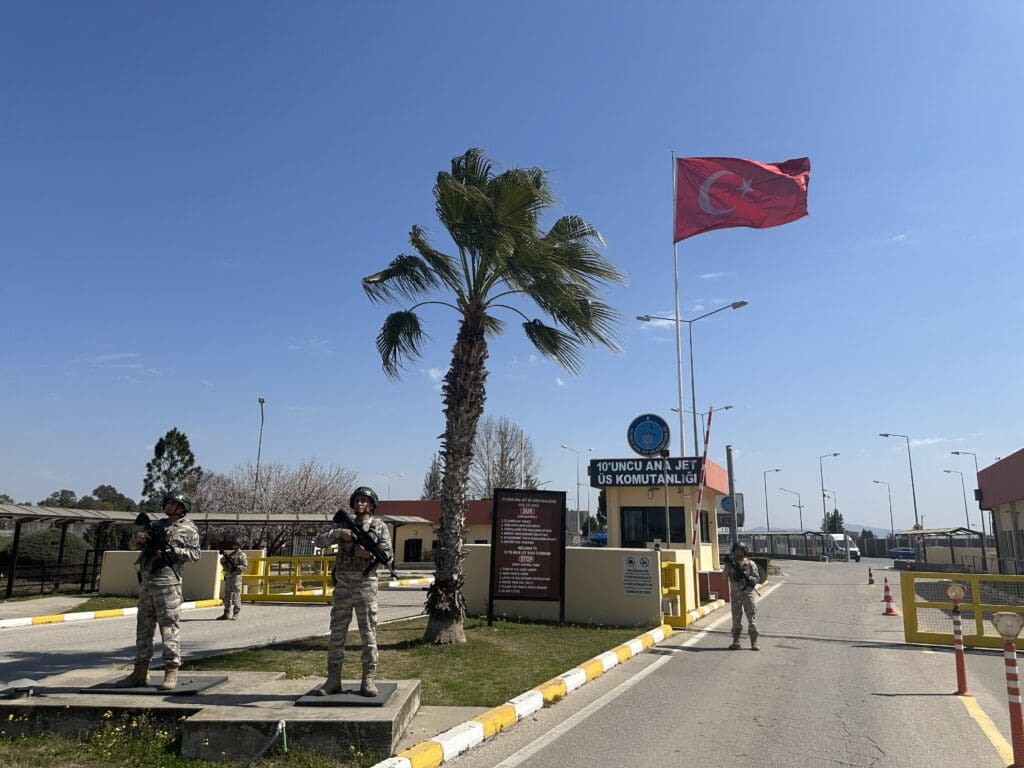
تهدف الحرب التي تشنّها الولايات المتّحدة وإسرائيل ضد إيران إلى إضعاف النظام الإيراني وتدمير بنيته التحتية العسكرية، بما في ذلك قدراته التسلحية الحالية والمحتملة. في بداية الصراع، توقّع عدد من المراقبين أن يؤدّي الضغط العسكري إلى اضطرابات داخلية قد تفضي في نهاية المطاف إلى تغيير النظام. غير أن التطوّرات خلال المرحلة الأولى من الحرب تشير إلى أن هذا السيناريو غير مرجّح في المدى القريب. فخلافاً لهذه التوقّعات، لم تشهد إيران انتفاضة شعبية ضد الحكومة، ما يجعل الهدف الواقعي للحرب أقرب إلى إضعاف إيران استراتيجياً ودفعها في نهاية المطاف إلى القبول بالشروط التي تفرضها الولايات المتحدة وإسرائيل.
The war being waged by the United States and Israel against Iran aims to weaken the Iranian regime and destroy its military infrastructure, including its current and potential armament capabilities. At the outset of the conflict, a number of observers expected military pressure to produce internal unrest that might ultimately lead to regime change. Yet developments in the first phase of the war suggest that this scenario is unlikely in the near term. Contrary to those expectations, Iran has not witnessed a popular uprising against the government, making the realistic objective of the war closer to weakening Iran strategically and eventually compelling it to accept the terms imposed by the United States and Israel.
ليس واضحاً أيّ من الطرفين سيُضطر إلى التراجع أولاً مع تصاعد تكلفة هذا الصراع الذي تبدو فيه إيران أكثر عرضة لتحمل أكبر قدر من الخسائر. لكن من المؤكد أن الحرب بدأت تفرز تداعيات خطيرة على الدول المجاورة، لا سيّما دول الخليج التي أصبحت أهدافا مباشرة لردود إيران الانتقامية. أما تركيا، فلم تتعرّض لضربات مباشرة من الحرس الثوري الإيراني باستثناء صاروخ أفادت تقارير بأنه عبَر أجواء محافظة هاتاي في جنوب البلاد قبل أن يعترضه نظام دفاع جوي تابع لحلف شمال الأطلسي. وبعد أن حذرت أنقرة طهران من استهداف قواعد الناتو على الأراضي التركية، نَفت السلطات الإيرانية إطلاق أي صواريخ باتجاه تركيا.
It is unclear which side will be forced to retreat first as the cost of this conflict rises, with Iran appearing more exposed to bearing the greater share of the losses. What is certain, however, is that the war has begun to generate grave repercussions for neighboring states, especially the Gulf countries, which have become direct targets of Iran's retaliatory responses. Turkey, for its part, has not been directly struck by the Iranian Revolutionary Guard, except for a missile that reports said crossed the airspace of Hatay Province in the south of the country before being intercepted by a NATO air-defense system. After Ankara warned Tehran against targeting NATO bases on Turkish territory, Iranian authorities denied launching any missiles toward Turkey.
The Turkish government, for its part, strongly opposes the American-Israeli military campaign against Iran, but this does not reflect a political alignment with Tehran. On the contrary, Ankara would prefer Iran to be weaker and more inward-looking within its own borders. Like many countries in the region, Turkey has long viewed with concern Iran's attempts to expand its influence through allied Shiite organizations that have used violence to achieve Tehran's strategic objectives. The activities of Iran-backed militias in Syria, which have helped destabilize the region and have affected Turkey as well, remain a vivid example in the minds of Turkish decision-makers. Yet Ankara's greater concern lies in the damage Turkey may suffer as a result of this conflict, damage that could exceed what is borne by the parties directly engaged in it. In other words, Turkey fears becoming one of the indirect losers in a conflict to which it is not a party.
بدورها تعترض الحكومة التركية بشدّة على الحملة العسكرية الأمريكية–الإسرائيلية ضد إيران، إلا أنّ ذلك لا يعكس اصطفافاً سياسياً مع طهران. فعلى العكس من ذلك، تُفضّل أنقرة أن تكون إيران أضعف وأكثر انكفاءً داخل حدودها. وكحال الكثيرين من دول المنطقة، لطالما نظرت تركيا بقلق إلى محاولات إيران توسيع نفوذها عبر منظّمات شيعية حليفة استخدمت العنف لتحقيق أهداف طهران الاستراتيجية. وتظلّ أنشطة الميليشيات المدعومة من إيران في سوريا، التي أسهمت في زعزعة الاستقرار الإقليمي وأثّرت في تركيا أيضاً مثالاً حاضراً في أذهان صانعي القرار الأتراك. غير أن القلق الأكبر في أنقرة يتمثل بالأضرار التي قد تُصيب تركيا نتيجة لهذا الصراع التي تفوق ما قد تتعرّض له الأطراف المنخرطة فيه مباشرة. بعبارة أخرى، تخشى تركيا أن تتحوّل إلى أحد الخاسرين غير المباشرين في صراع ليست طرفاً فيه.
In this context, the possibility that Iran might fragment along ethnic or sectarian lines is among Turkey's foremost concerns. If the Iranian state collapses or loses control over parts of its territory, the possibility of a multi-sided civil war becomes plausible, given the country's ethnic plurality, which includes Persians, Azeris, Kurds, Lurs, Baloch, Turkmen, and Arabs. For Turkey, this scenario raises fears linked to armed Kurdish organizations. The Kurdistan Free Life Party, the Iranian branch of the Kurdistan Workers' Party, may seek to exploit the potential chaos to expand its activity. Turkish officials believe this organization is already receiving external support from the United States and Israel.
في هذا السياق، يُعدّ احتمال تفكّك إيران على أسس عرقية أو طائفية من أبرز المخاوف التركية. فإذا انهارت الدولة الإيرانية أو فقدت السيطرة على أجزاء من أراضيها، تُصبح إمكانية اندلاع حرب أهلية متعددة الأطراف احتمالاً وارداً، نظراً إلى التعدد الإثني في البلاد، الذي يضم الفرس والأذريين والأكراد واللور والبلوش والتركمان والعرب. وبالنسبة إلى تركيا، يثير هذا السيناريو مخاوف ترتبط بالتنظيمات الكردية المسلحة. فقد يسعى حزب الحياة الحرة في كردستان، الفرع الإيراني لحزب العمال الكردستاني، إلى استغلال الفوضى المحتملة لتعزيز نشاطه. ويرجحّ مسؤولون أتراك أن هذا التنظيم يتلقى بالفعل دعماً خارجياً من الولايات المتحدة وإسرائيل.
Although the Kurdistan Workers' Party recently announced its intention to dissolve itself, that process has not yet been completed. In the same framework, Turkey has been able to exert considerable pressure on the People's Protection Units, the party's Syrian branch, largely through its support for the central government in Syria. Nevertheless, Ankara fears that instability in Iran could open a new arena for the activity of groups linked to the Kurdistan Workers' Party through the Kurdistan Free Life Party. In this scenario, after the end of the American-Israeli military campaign, Turkey may find itself compelled to intervene militarily against the organization's fighters across the Iranian border, which would in practice mean confronting the Kurdistan Workers' Party once again, but in a different geographic theater.
على الرغم من إعلان حزب العمال الكردستاني مؤخراً نيته حلّ نفسه، فإن هذه العملية لم تُستكمل بعد. في الإطار نفسه، تمكّنت تركيا من ممارسة ضغط كبير على وحدات حماية الشعب، الفرع السوري للحزب، إلى حدّ بعيد من خلال دعمها للحكومة المركزية في سوريا. ومع ذلك، تخشى أنقرة أن يؤدي عدم الاستقرار في إيران إلى فتح ساحة جديدة لنشاط الجماعات المرتبطة بحزب العمال الكردستاني عبر حزب الحياة الحرة في كردستان. في هذا السيناريو، وبعد انتهاء الحملة العسكرية الأمريكية–الإسرائيلية، قد تجد تركيا نفسها مضطرة للتدخل عسكرياً ضد مقاتلي هذا التنظيم عبر الحدود الإيرانية، ما يعني عملياً مواجهة حزب العمال الكردستاني مرة أخرى، ولكن في مسرح جغرافي مختلف.
In addition, the possibility of a new refugee crisis is a source of deep concern for Ankara. If Iran slides into civil war, millions of people may seek refuge in neighboring countries. Turkey already hosts large numbers of migrants and refugees from Afghanistan and Iraq, and especially from Syria. Under current economic conditions, the Turkish state's capacity to absorb a new wave of displacement appears extremely limited.
بالإضافة إلى ذلك، تُشكّل احتمالية ظهور أزمة لجوء جديدة مصدر قلق بالغ لأنقرة. ففي حال انزلاق إيران إلى حرب أهلية، قد يسعى ملايين الأشخاص إلى اللجوء إلى الدول المجاورة. وتستضيف تركيا بالفعل أعداداً كبيرة من المهاجرين واللاجئين من أفغانستان والعراق، ولا سيما من سوريا. وفي ظل الظروف الاقتصادية الحالية، تبدو قدرة الدولة التركية على استيعاب موجة نزوح جديدة محدودة للغاية.
Even if Turkey were able to contain such a wave, the political repercussions could be severe, coinciding as they would with the rise of anti-migrant sentiment within Turkish society in recent years, including among some supporters of President Recep Tayyip Erdogan's government. A new refugee crisis could therefore become a source of pressure on domestic political stability and on the results of forthcoming elections.
وحتى لو تمكّنت تركيا من احتواء مثل هذه الموجة، فإن التداعيات السياسية قد تكون وخيمة بالتزامن مع تصاعد المشاعر المعادية للمهاجرين داخل المجتمع التركي في السنوات الأخيرة، بما في ذلك بين بعض أنصار حكومة الرئيس رجب طيب أردوغان. ومن ثم قد تتحول أزمة لجوء جديدة إلى عامل ضاغط على الاستقرار السياسي الداخلي وعلى نتائج الانتخابات المقبلة.
Historical experience suggests that these fears may intensify, as Turkey received large numbers of Iraqi refugees during the first and second Gulf wars. The collapse of central authority in northern Iraq also enabled the Kurdistan Workers' Party to establish bases in the Qandil Mountains, which it used to launch attacks against Turkish security forces and which remain to this day one of its most important strongholds.
بحسب التجارب التاريخية، فإنّ هذه المخاوف قابلة للزيادة، حيث استقبلت تركيا أعداداً كبيرة من اللاجئين العراقيين خلال حربَي الخليج الأولى والثانية. كما أدى انهيار السلطة المركزية في شمال العراق إلى تمكين حزب العمال الكردستاني من إنشاء قواعد في جبال قنديل، التي استخدمها لشنّ هجمات ضد قوات الأمن التركية، ولا تزال حتى اليوم أحد أهم معاقله.
The Syrian civil war added another security and humanitarian challenge. As millions of Syrians fled Bashar al-Assad's regime, roughly five million entered Turkey. At the same time, the People's Protection Units linked to the Kurdistan Workers' Party took control of about one-third of Syrian territory, while the Islamic State carried out attacks inside Syria and Turkey. These developments pushed the Turkish army to conduct several military operations in northern Syria. Although the most immediate threats have largely been contained, the presence of millions of Syrian refugees remains a highly sensitive political issue in Turkey, one that far-right groups often exploit to pressure the government.
كذلك، أضافت الحرب الأهلية السورية تحدياً أمنياً وإنسانياً آخر. فمع فرار ملايين السوريين من نظام بشار الأسد، دخل نحو خمسة ملايين منهم إلى تركيا. وفي الوقت نفسه، سيطرت وحدات حماية الشعب المرتبطة بحزب العمال الكردستاني على نحو ثلث الأراضي السورية، بينما نفذ تنظيم داعش هجمات داخل سوريا وتركيا. وقد دفعت هذه التطوّرات الجيش التركي إلى تنفيذ عمليات عسكرية عدة في شمال سوريا. على الرغم من احتواء التهديدات الأكثر إلحاحاً بنسبة كبيرة، فإن وجود ملايين اللاجئين السوريين لا يزال قضية سياسية شديدة الحساسية في تركيا، وغالباً ما تستغلها جماعات اليمين المتطرف للضغط على الحكومة.
Turkish decision-makers expect similar dynamics to return if Iran collapses into comparable chaos: renewed activity by armed Kurdish groups, large-scale migration pressures, and significant economic losses. Economic considerations also play an important role in Ankara's calculations. Iraq, Syria, and Iran are among Turkey's most important trading partners in the region, importing large quantities of Turkish goods. Yet prolonged instability in Iraq and Syria, together with international sanctions imposed on Iran, has already disrupted trade relations and inflicted heavy losses on Turkish companies. At certain periods, commercial activity with these countries' markets nearly came to a complete halt. In this sense, Turkey has repeatedly borne the cost of wars unfolding in its immediate neighborhood.
يتوقع صانعو القرار الأتراك عودة ديناميات مماثلة إذا انهارت إيران في حالة فوضى مشابهة: نشاط متجدد للجماعات الكردية المسلحة، وضغوط هجرة واسعة النطاق، وخسائر اقتصادية كبيرة. كذلك تؤدي الاعتبارات الاقتصادية دوراً مهماً في حسابات أنقرة. فالعراق وسوريا وإيران تعد من أهم الدول الشريكة تجارياً في المنطقة، إذ تستورد كميات كبيرة من السلع التركية. غير أن عدم الاستقرار الطويل في العراق وسوريا، إلى جانب العقوبات الدولية المفروضة على إيران، أدى بالفعل إلى تعطيل العلاقات التجارية وإلحاق خسائر كبيرة بالشركات التركية. وفي بعض الفترات كادت الأنشطة التجارية مع أسواق هذه الدول أن تتوقف بالكامل. وبهذا المعنى، تحمّلت تركيا مراراً كلفة الحروب الدائرة في جوارها المباشر.
As for public opinion, it constitutes another important dimension in understanding Turkey's position on the war, since many Turks view this conflict through a religious lens and not merely as a geopolitical confrontation. Although Turkish society does not generally sympathize with the Iranian regime, the references some actors in the conflict have made to religious concepts such as the "Promised Land" and "Armageddon," or to crusader narratives, have led many to believe that the war may ultimately target the broader Islamic world, not Iran alone. As a result, Turkish public opinion has adopted a sharply critical stance toward the United States and toward Israel in particular, even if it is not necessarily supportive of Iran.
أمّا فيما يتعلّق بالرأي العام، فإنّه يُشكّل بعداً مهماً آخر في فهم الموقف التركي من الحرب، حيث يرى الكثيرون من الأتراك هذا الصراع من منظور ديني لا باعتباره مواجهة جيوسياسية فحسب. وعلى الرغم من أن المجتمع التركي لا يتعاطف عموماً مع النظام الإيراني، فإن الإشارات التي استخدمها بعض الفاعلين في الصراع إلى مفاهيم دينية مثل «الأرض الموعودة» و«هرمجدون» أو السرديات الصليبية دفعت كثيرين إلى الاعتقاد بأن الحرب قد تستهدف في نهاية المطاف العالم الإسلامي الأوسع وليس إيران وحدها. ونتيجة لذلك، يتبنى الرأي العام التركي موقفاً شديد الانتقاد للولايات المتحدة ولإسرائيل على وجه الخصوص حتى وإن لم يكن بالضرورة مؤيداً لإيران.
In parallel, relations between Turkey and Israel have deteriorated markedly in recent years. After the collapse of Bashar al-Assad's regime in December 2024, some Israeli officials began increasingly to speak of Turkey as a potential adversary. Ankara's sharp criticism of Israel's actions in Gaza has also heightened tensions between the two sides. Some Israeli analysts even find that Turkey represents a greater long-term strategic challenge than Iran, given its relatively strong military capabilities and the rapid development of its defense industry. Ankara, by contrast, stresses that it poses no threat to any state unless its security is directly targeted. Turkish decision-makers often point out that Israel has carried out military operations in a number of countries in recent years and, in some cases, expanded its territorial control, which Ankara interprets as part of a broader strategy to enlarge Israeli influence in the region and firmly deter its regional opponents.
على خطّ مواز، شهدت العلاقات بين تركيا وإسرائيل تدهوراً ملحوظاً في السنوات الأخيرة. فبعد انهيار نظام بشار الأسد في ديسمبر 2024، بدأ بعض المسؤولين الإسرائيليين يتحدّثون بصورة متزايدة عن تركيا بوصفها خصماً محتملاً. كذلك، فإنّ الانتقادات الحادّة التي وجهتها أنقرة لإجراءات إسرائيل في غزة زادت من حدّة التوتر بين الطرفين. بل إن بعض المحللين الإسرائيليين يجدون أن تركيا تمثل تحدياً استراتيجياً طويل الأمد أكبر من إيران، نظراً إلى قدراتها العسكرية القوية نسبياً وتطور صناعتها الدفاعية بوتيرة سريعة. في المقابل، تؤكد أنقرة أنها لا تشكل تهديداً لأي دولة ما لم يُستهدف أمنها مباشرة. وكثيراً ما يشير صانعو القرار الأتراك إلى أن إسرائيل نفذت عمليات عسكرية في عدد من الدول خلال السنوات الأخيرة، ووسّعت سيطرتها الإقليمية في بعض الحالات، وهو ما يُفسَّر في أنقرة باعتباره جزءاً من استراتيجية أكثر تساعاً لتوسيع النفوذ الإسرائيلي في المنطقة وردع معارضيها الإقليمين بشكل حازم.
For Turkey, these developments cannot be ignored. Although it does not fear Israeli threats, it takes them seriously, since Israeli strategists understand that Turkey possesses military capabilities that would allow it to respond effectively. This leads some analysts to believe that any potential confrontation between the two sides, should it occur, might require a surprise and preemptive strike, akin to the operations Israel has carried out against other regional actors.
بالنسبة إلى تركيا، لا يمكن تجاهل هذه التطورات. فعلى الرغم من أنها لا تخشى تهديدات إسرائيل، إلا أنها تأخذها على محمل الجدّ، حيث يدرك الاستراتيجيون الإسرائيليون أن تركيا تمتلك قدرات عسكرية تسمح لها بالرد بفاعلية، الأمر الذي يدفع بعض المحللين إلى الاعتقاد بأن أي مواجهة محتملة بين الطرفين، إن حدثت، قد تتطلب ضربة مفاجئة واستباقية، على غرار العمليات التي نفّذتها ضد أطراف إقليمية أخرى.
The course of the war with Iran remains a decisive factor in determining the shape of the region. If Iran manages to prolong the conflict and impose substantial costs on its adversaries, Israel may hesitate to confront a regional power such as Turkey. But if Iran is rapidly weakened, especially with the direct involvement of the United States in the war, Turkey may find itself facing a more ambiguous regional security environment.
يبقى مسار الحرب مع إيران عاملاً حاسماً في تحديد شكل المنطقة. فإذا تمكّنت إيران من إطالة أمد الصراع وفرض تكاليف كبيرة على خصومها، فقد تتردد إسرائيل في مواجهة قوة إقليمية مثل تركيا. أما إذا تعرضت إيران لضعف سريع، ولا سيّما مع انخراط مباشر للولايات المتحدة في الحرب، فقد تجد تركيا نفسها أمام بيئة أمنية إقليمية أكثر غموضاً.
At present, Ankara is watching developments in the war cautiously, while preparing for possible scenarios that its outcomes may impose. From a Turkish strategic perspective, a future confrontation is a possibility that cannot be ruled out; indeed, Ankara treats the hostile discourse emanating from Israel with seriousness and regards war as a scenario for which it must prepare.
في الوقت الراهن، تُراقب أنقرة تطوّرات الحرب بحذر، بينما تستعد لسيناريوهات محتملة قد تفرضها نتائجها. من منظور استراتيجي تركي، فإنّ المواجهة المستقبلية احتمالاً لا يُمكن استبعاده، بل تتعامل أنقرة بجدية مع الخطاب العدائي الصادر عن إسرائيل، وتعتبر في الحرب سيناريو يجب الاستعداد له.