Южный Кавказ в переломный момент между суверенитетом, экономическими ограничениями и геополитическими вызовами
In 2026, the South Caucasus will be shaped less by declarations of alignment than by the hard politics of logistics, infrastructure, investment, and the region’s ability to turn transit into sovereignty.
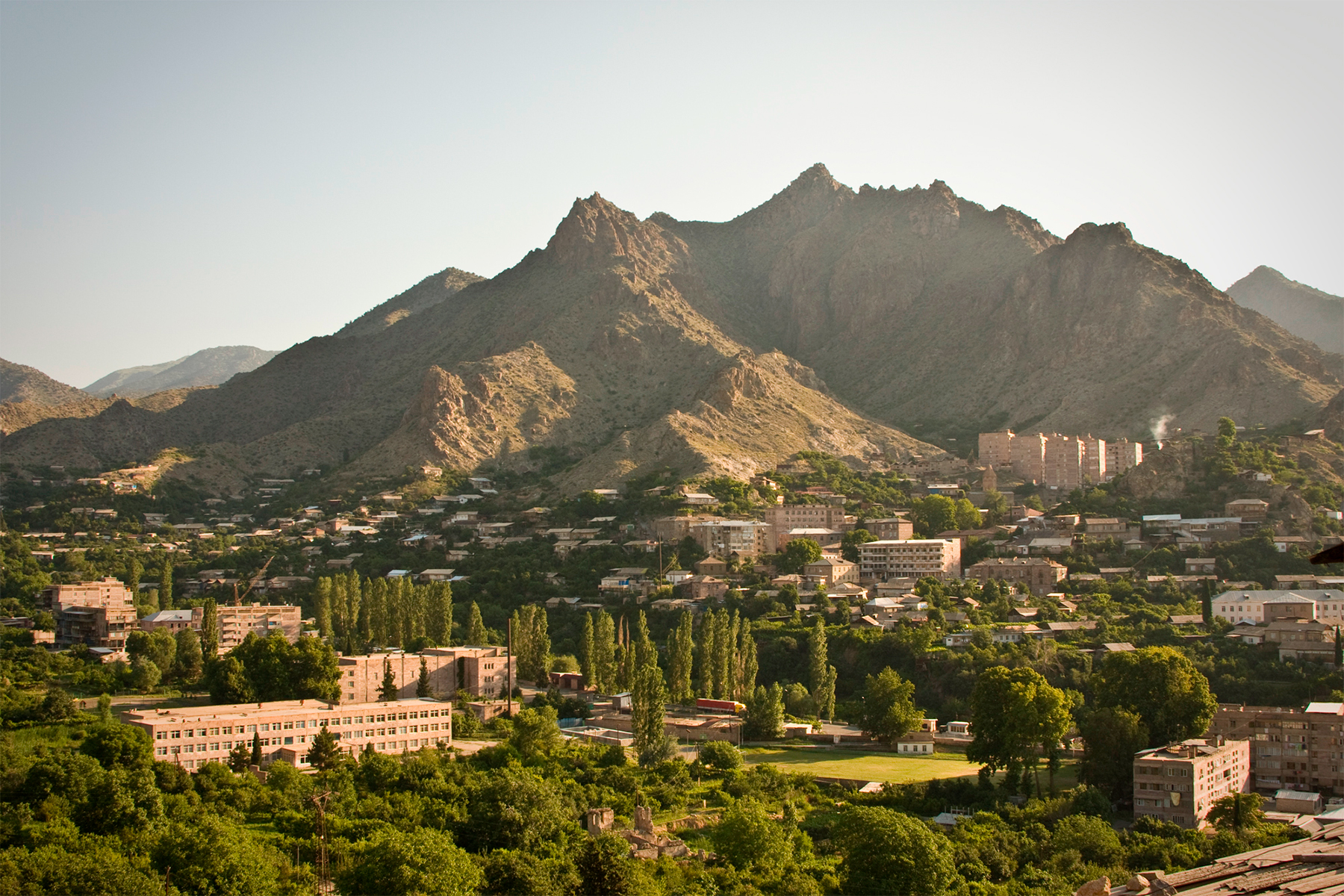
В 2026 г. Южный Кавказ входит как один из наиболее сложных и нестабильных регионов мира, где напрямую сталкиваются интересы великих держав на фоне историко-этнических и современных конфликтов. Как показывает опыт постсоветских десятилетий, кардинально изменить траекторию развития стран Южного Кавказа способно не только влияние внешних акторов, но и идущее вразрез с ними самоопределение правящих элит.
The South Caucasus enters 2026 as one of the world’s most complex and unstable regions, where the interests of great powers collide directly against the backdrop of both historical-ethnic and contemporary conflicts. As the experience of the post-Soviet decades shows, the development trajectory of the South Caucasian states can be radically altered not only by the influence of external actors, but also by the self-determination of ruling elites when it runs counter to that influence.
Ключевым фактором устойчивости и динамики развития макрорегиона станет логистика. От эффективности транспортной инфраструктуры, ликвидации «бутылочных горлышек» и способности стран региона эффективно управлять обменом ресурсами будет зависеть не только экономическая стабильность, но и политическая самостоятельность.
The key factor in the macroregion’s stability and developmental dynamics will be logistics. Not only economic stability but also political autonomy will depend on the efficiency of transport infrastructure, the elimination of bottlenecks, and the ability of the region’s states to manage the exchange of resources effectively.
In this context, the parliamentary elections in Armenia in June 2026 will be a particularly important event. Their outcome will serve as a litmus test of the country’s political preferences and will determine the vector of its foreign-policy ties. The balance of power across the entire South Caucasus will depend on whether Russia’s previous influence in Armenia is preserved, taking into account the transformation of its role in the post-Soviet space, or whether there is a substantial reassessment of priorities.
В этом контексте особенно важным событием станут парламентские выборы в Армении в июне 2026 г. Их исход станет лакмусовой бумажкой политических предпочтений страны и определит вектор внешнеполитических связей. От того, сохранится ли прежнее влияние России в Армении — с учетом трансформации ее роли на постсоветском пространстве — или произойдет существенный пересмотр ориентиров, будут зависеть и баланс сил на всем Южном Кавказе.
Regional players have already entered a period of uncertainty: against the background of rapidly shifting geopolitical alliances and intensifying competition over transit corridors, every decision, from the arrival of Arab investors in Georgia to the launch of fuel exports from Azerbaijan to Armenia, will have a multiplier effect. In the end, the future of the South Caucasus will be determined not only by political choices or economic projects, but also by the degree to which logistical, financial, and infrastructural strategies are integrated into a single macroregional context. Here logistics is not merely an instrument for moving goods, but an indicator of how far the countries of the region are able to adapt to new global realities.
Региональные игроки уже вошли в период неопределенности: на фоне быстро меняющихся геополитических альянсов и усиливающейся конкуренции за транзитные коридоры каждое решение — от прихода арабских инвесторов в Грузию до запуска экспорта топлива из Азербайджана в Армению — будет иметь мультипликативный эффект. В конечном счете будущее Южного Кавказа будет определяться не только политическими выборами или экономическими проектами, но и степенью интеграции логистических, финансовых и инфраструктурных стратегий в единый макрорегиональный контекст. Логистика здесь выступает не просто как инструмент перемещения товаров, но как индикатор того, насколько страны региона способны адаптироваться к новым глобальным реалиям.
Abkhazia and South Ossetia: A New Wave of InvestmentАбхазия и Южная Осетия: новая волна инвестиций
At the beginning of 2026, South Ossetia and Abkhazia appear to be the most stable cases, having emerged from a prolonged period of political turbulence. Both republics are expecting a large influx of investment: Russia’s Ministry of Economic Development has signed interstate agreements to assist in implementing their state programs of socioeconomic development through 2030. These agreements provide only for direct state investment; private investment is to be attracted through state incentives, such as preferential lending by state banks. The main goal is to increase the GDP of both republics by 60 percent by 2030, and to bring household incomes into line with the Russian national average.
Наиболее стабильными в начале 2026 г. представляются Южная Осетия и Абхазия, где завершился длительный период политической турбулентности. Обе республики ожидают масштабный приток инвестиций: Минэкономразвития России подписало межгосударственные соглашения о содействии реализации их госпрограмм социально-экономического развития до 2030 г. Они предусматривают только прямые госинвестиции, а для привлечения частных — государственные стимулы (например, льготное кредитование госбанками). Основная цель заключается в увеличении ВВП обеих республик на 60% к 2030 г., а также выравнивании уровня доходов населения со среднероссийским.
As President Alan Gagloev noted in his year-end review, one of the main sources of recent turbulence in South Ossetia remained the case concerning the death of Inal Dzhabiev. Yet the acuteness of this issue has declined markedly over the past several years and no longer bears comparison with the initial crisis of 2020, which in effect cost many of the republic’s leaders their positions and ended with Anatoly Bibilov’s electoral defeat.
Как отметил президент Алан Гаглоев в ходе подведения итогов года, в Южной Осетии одним из главных факторов турбулентности последнего времени продолжало оставаться дело о смерти Инала Джабиева. Однако острота этого вопроса за последние годы значительно снизилась и уже не идет ни в какое сравнение с первоначальным кризисом 2020 г., фактически стоившим кресла многим руководителям республики и завершившимся поражением на выборах Анатолия Бибилова.
From an economic point of view, South Ossetia, especially in comparison with Abkhazia, is not yet implementing major investment projects. One such project, in the president’s view, could be the construction of a railway from Vladikavkaz to Tskhinval. The idea was also supported by South Ossetian Foreign Minister Akhsar Dzhioev, who noted that the only artery between the two countries for now is the road. For the time being, the republic’s main successes in 2025 were the holding of the First International Investment Forum, at which a number of agreements were signed, including with Adygea and Abkhazia.
С экономической точки зрения Южная Осетия (особенно на фоне Абхазии) пока не реализует крупных инвестиционных проектов. Таким могло бы стать, по мнению президента, строительство железной дороги от Владикавказа до Цхинвала. Поддержал эту идею и глава югоосетинского МИД Ахсар Джиоев, отметив, что пока что единственная артерия между двумя странами — автодорога. Пока же основные успехи республики в 2025 г. — проведение I международного инвестиционного форума, на котором был подписан ряд соглашений, в том числе с Адыгеей и Абхазией.
Abkhazia, which from the outset has possessed greater potential by virtue of its larger territory, population, and natural and climatic diversity, demonstrated the implementation of major projects in 2025. As President Badra Gunba noted in his address to parliament, the key ones were the opening of Sukhumi International Airport and the resumption of direct rail service between Sukhumi and Sochi.
Абхазия, обладающая изначально более значительным потенциалом в силу больших площади, населения и природно-климатического разнообразия, в 2025 г. продемонстрировала реализацию крупных проектов. Как отметил в послании парламенту президент Бадра Гунба, ключевыми из них стали открытие международного аэропорта Сухума и возобновление прямого железнодорожного сообщения между Сухумом и Сочи.
Political struggle in Abkhazia in 2025, however, was exceptionally fierce, often crossing every conceivable line. It is enough to recall the provocative actions, including attacks on polling stations in Arakich, Makhadyr, Tsandripsh, and Gyachrypsh on the day of the presidential election, March 1. At the same time, the municipal elections in November passed without incidents, though turnout was low. By the beginning of 2026, the country’s general situation bore little resemblance to the one that preceded the so-called Mandarin Revolution of November 2024, which cost Aslan Bzhania the presidency. Nevertheless, certain points of tension remain, for example the idea, criticized by the non-systemic opposition, of constructing apartment complexes in eastern Abkhazia. According to nationalists, as many as 60,000 people of non-Abkhaz ethnicity could allegedly settle in the Ochamchira, Tkuarchal, and Gal districts.
Однако политическая борьба в Абхазии в 2025 г. отличалась чрезвычайной жесткостью, нередко переходившей все мыслимые границы. Достаточно вспомнить провокационные акции, включая нападения на избирательные участки в Аракиче, Махадыре, Цандрипше и Гячрыпше в день президентских выборов 1 марта. При этом муниципальные выборы в ноябре прошли без эксцессов, хотя и при низкой явке. К началу 2026 г. общая ситуация в стране уже мало напоминала ту, что предшествовала так называемой мандариновой революции в ноябре 2024 г., стоившей президентского кресла Аслану Бжании. Тем не менее некоторые точки напряженности сохраняются, например, критикуемая несистемной оппозицией идея строительства апартаментов в восточных районах Абхазии. Согласно националистам, на территории Очамчырского, Ткуарчалского и Галского районов якобы могли поселиться до 60 тыс. лиц не-абхазской национальности.
Overall, it should be noted that both Alan Gagloev and Badra Gunba, in summing up 2025 and forecasting developments in 2026, are conveying a similar message: the development of both republics is possible only through close interaction with Russia. At the same time, it is also necessary to address a number of socioeconomic development problems common to the two countries: the limited domestic market caused by the absence of broad international recognition, low levels of investment, infrastructural constraints, and seasonal fluctuations in production.
В целом же необходимо отметить, что и Алан Гаглоев, и Бадра Гунба, подводя итоги 2025 г. и прогнозируя развитие в 2026 г., транслируются схожий посыл — развитие обеих республик возможно только при тесном взаимодействии с Россией. Вместе с тем необходимо решить и ряд проблем социально-экономического развития, объединяющих две страны: ограниченограниченность внутреннего рынка из-за отсутствия широкого международного признания, низкий уровень инвестиций, инфраструктурные ограничения и сезонные колебания производства.
A new stage of economic cooperation should help both republics strengthen their economic base, ensure social stability, and create the conditions for sustainable development. At the same time, the economic resilience of South Ossetia and Abkhazia is closely tied to the agricultural sector, which requires modernization and greater efficiency.
Новый этап экономического сотрудничества должен помочь обеим республикам укрепить свою экономическую базу, обеспечить социальную стабильность и создать условия для устойчивого развития. При этом экономическая устойчивость Южной Осетии и Абхазии тесно связана с аграрным сектором, который требует модернизации и повышения эффективности.
Georgia: Sitting on Several Chairs at OnceГрузия: усидеть на нескольких стульях
Georgia begins 2026 at a crossroads. Its many-year strategy of integration into Western structures, the EU and NATO, has in effect been exhausted; the country is more and more confidently shaping its own foreign-policy course, one that in some respects resembles the Azerbaijani model.
Грузия начинает 2026 г. на перепутье. Многолетняя стратегия интеграции в западные структуры (ЕС и НАТО) оказалась фактически исчерпанной; страна все увереннее формирует собственный внешнеполитический курс, в чем-то схожий с азербайджанской моделью.
The domestic political situation in the country in 2025 was marked by high tension. The ruling Georgian Dream party faced accusations from the West of weakening the effectiveness of democratic institutions, exerting pressure on the opposition, and risking the monopolization of power. As a result, the European Union described Georgia’s status as that of only a “nominal candidate,” noting its lag behind the necessary reforms.
Внутриполитическая ситуация в стране в 2025 г. отличалась высокой напряженностью. Правящая партия «Грузинская мечта» столкнулась с обвинениями со стороны Запада в снижении эффективности демократических институтов, давлении на оппозицию и риском монополизации власти. В результате Евросоюз охарактеризовал статус Грузии лишь как «номинального кандидата», констатируя отставание от необходимых реформ.
At the same time, the authorities demonstrated resolve in the fight against corruption. The beginning of 2026 was marked by the conclusion of one of the highest-profile cases in the country’s recent history: former prime minister Irakli Garibashvili admitted guilt and received a prison sentence on charges of laundering a large bribe. This is the first precedent for holding such a high-ranking representative of the political elite criminally liable.
В то же время власти продемонстрировали решительность в борьбе с коррупцией. Начало 2026 г. ознаменовалось завершением одного из самых громких дел в новейшей истории страны: бывший премьер-министр Ираклий Гарибашвили признал вину и получил тюремный срок по обвинению в легализации крупной взятки. Это первый прецедент привлечения к уголовной ответственности столь высокопоставленного представителя политической элиты.
Critics of the authorities, meanwhile, are concerned by a tendency toward autocratization: the dominance of the ruling party in parliament and a weak opposition are creating a de facto one-party political landscape. They are also troubled by Tbilisi’s rapprochement with Moscow. In reality, Georgia, as already noted, this recalls the Azerbaijani model rather than the Armenian one, is increasingly moving away from a pro-European vector and building partnerships with various countries of the Global South, not only Russia but also China, Turkey, and the Arab states.
Критики власти, вместе с тем, обеспокоены тенденцией к автократизации: доминирование правящей партии в парламенте и слабая оппозиция формируют де-факто однопартийный политический ландшафт. Вызывает у них озабоченность и сближение Тбилиси с Москвой. На самом деле Грузия (как уже отмечалось, это напоминает модель Азербайджана, а не Армении), все заметнее отходя от проевропейского вектора, выстраивает партнерские отношения с разными странами глобального Юга — не только с Россией, но также с Китаем, Турцией, арабскими странами.
This diversification is probably connected with the growing importance of the Middle Corridor as a strategic transit axis. Among the largest projects one may note, in particular, the construction of the deep-water port of Anaklia on the Black Sea, whose investor is China Communications Construction Company. Other Chinese initiatives include the modernization of the East-West corridor, the laying of an undersea cable along the bottom of the Black Sea, and the construction of a new tunnel to the Russian-Georgian border.
Вероятно, такая диверсификация связана с растущим значением «Среднего коридора» как стратегической транзитной оси. Среди крупнейших проектов можно отметить, в частности, строительство глубоководного порта Анаклия на Черном море, инвестором которого выступает China Communications Construction Company. К другим китайским инициативам относятся модернизация коридора «Восток–Запад», прокладка подводного кабеля по дну Черного моря и строительство нового тоннеля к российско-грузинской границе.
Logistics, however, is not the only driver. The rapidly growing tourist market also plays an important role. Arab investors plan to carry out in Georgia one of the largest development projects in the post-Soviet space: the construction of a new city on the Black Sea coast between Batumi and the settlement of Gonio, aimed above all at tourists.
Однако логистика — не единственный драйвер. Важную роль играет стремительно растущий туристический рынок. Арабские инвесторы планируют реализовать в Грузии один из крупнейших на постсоветском пространстве девелоперских проектов — строительство между Батуми и поселком Гонио нового города на берегу Черного моря, ориентированного прежде всего на туристов.
Yet it is China that today is the largest partner in realizing the Georgian elite’s ambitions to strengthen the country’s role in global supply chains. As early as 2023, Beijing concluded a strategic partnership with Tbilisi, which to a considerable extent became the stimulus for investment in the development of the Middle Corridor. Other South Caucasian countries signed analogous documents with China later: Azerbaijan in April 2025, and Armenia in August 2025.
Однако именно Китай сегодня выступает крупнейшим партнером для реализации амбиций грузинской элиты по укреплению роли страны в глобальных цепочках поставок. Еще в 2023 г. Пекин заключил с Тбилиси стратегическое партнерство, что во многом и стало стимулом для инвестиций в развитие «Среднего коридора». Другие страны Южного Кавказа подписали аналогичные документы с Китаем позднее: Азербайджан — в апреле 2025 г., а Армения — в августе 2025 г.
Armenia and Azerbaijan: The Western Corridor Against the Middle OneАрмения и Азербайджан: Западный коридор против Среднего
For decades, the geoeconomic situation in the South Caucasus was defined by tension between Armenia and Azerbaijan, at the center of which stood questions of the status of Nagorno-Karabakh and territorial integrity. After the armed clashes of 2020 and 2023, relations between Yerevan and Baku remained extremely difficult, while attempts at international mediation by Russia and the EU brought only partial success and failed to secure a lasting peace. Even the signing in 2025 of a peace “road map” mediated by the United States, intended formally to end the conflict and open cross-border trade and the movement of people, remains for now more a symbolic gesture.
Десятилетиями геоэкономическая ситуация на Южном Кавказе определялась напряженностью между Арменией и Азербайджаном, центральным элементом которой были вопросы о статусе Нагорного Карабаха и территориальной целостности. После вооруженных столкновений 2020 и 2023 гг. отношения между Ереваном и Баку оставались крайне сложными, а попытки международного посредничества со стороны России и ЕС принесли лишь частичные успехи, но не смогли обеспечить прочный мир. При этом даже подписание в 2025 г. мирной «дорожной карты» при посредничестве США, призванной формально завершить конфликт, открыть трансграничную торговлю и движение людей, пока остается скорее символическим жестом.
The signing of the document, of course, did not resolve all the problems. Earlier conflicts left wounds in society that run too deep, and the establishment of economic ties requires overcoming not only political disagreements but also internal social contradictions. This was vividly apparent, for example, in the mass boycott of the first shipment of Azerbaijani gasoline that arrived in Armenia in December 2025.
Подписание документа, разумеется, не привело к разрешению всех проблем. Предыдущие конфликты оставили слишком глубокие раны в обществе, и налаживание экономических связей требует преодоления не только политических разногласий, но и внутренних социальных противоречий. Это ярко проявилось, например, в массовом бойкоте первой партии азербайджанского бензина, поступившей в Армению в декабре 2025 г.
The level of mutual trust remains low, and the activity of nationalist-minded opposition forces complicates the implementation of any peace initiatives, above all at the everyday level. Public reaction in Armenia is divided: one part of society sees peace as a strategic necessity, another as an excessively high price, especially in connection with territorial concessions.
Уровень взаимного доверия остается низким, а активность националистически настроенной оппозиции усложняет реализацию любых мирных инициатив прежде всего на бытовом уровне. Общественная реакция в Армении расколота: часть общества воспринимает мир как стратегическую необходимость, другая — как чрезмерно высокую цену, особенно в связи с территориальными уступками.
Prime Minister Nikol Pashinyan, who is actively promoting the idea of “Real Armenia” as opposed to a “historical” Armenia that includes Nagorno-Karabakh and a number of other territories, faces resistance inside the country, where some political forces and elements of civil society are critical of rapid rapprochement with Azerbaijan on the proposed terms.
Премьер-министр Никол Пашинян, который активно продвигает идею «Реальной Армении» (в противовес «исторической», включающей Нагорный Карабах и еще ряд территорий), сталкивается с сопротивлением внутри страны, где часть политических сил и гражданского общества критически относится к быстрому сближению с Азербайджаном на предложенных условиях.
Azerbaijan, by contrast, displays confidence in the achievement of its long-term goals, aided by economic stability thanks to oil and gas revenues, a hard-edged foreign policy, and Turkey’s comprehensive support. One attempt to bring the two countries’ positions closer together has been a transport-corridor project linking Azerbaijan with its exclave of Nakhichevan through Armenian territory, the so-called Trump Route. Ideally, it could provide benefits from growth in trade, transport flows, and investment. The main problem, however, lies in its imbalance: Azerbaijan and the United States will receive 74 percent of the shares in the management company, while Armenia, through whose territory the route will pass, will receive only 26 percent, although the corridor will operate under Armenian law.
Азербайджан, напротив, демонстрирует уверенность в достижении своих долгосрочных целей, чему способствуют экономическая стабильность благодаря нефтегазовым доходам, жесткая внешняя политика и всеобъемлющая поддержка Турции. Одной из попыток сблизить позиции двух стран стал проект транспортного коридора, связывающего Азербайджан с его эксклавом Нахичеванью через территорию Армении, — так называемый Маршрут Трампа. В идеале он мог бы обеспечить выгоды от роста торговли, транспортных потоков и инвестиций. Однако главная проблема заключается в его несбалансированности: 74% акций управляющей компании получат Азербайджан и США, тогда как Армении, по территории которой пройдет трасса, достанется лишь 26%, хотя и функционировать коридор будет по армянскому законодательству.
Under these conditions, it is unlikely that the peace process will be rapidly translated into practice in 2026. Additional cooling factors include the trial in Azerbaijan of former leaders of the unrecognized Nagorno-Karabakh Republic and the unresolved issue of constitutional changes in Armenia, from which Baku demands a renunciation of territorial claims. But the greatest obstacle to full de-escalation is the catastrophically low level of intercommunal trust, a factor that cannot be corrected simply by changing laws or signing agreements, and one that politicians oriented toward quick reconciliation deals, including Donald Trump, often underestimate.
В этих условиях маловероятно, что в 2026 г. мирный процесс получит быстрое практическое воплощение. Дополнительными факторами охлаждения остаются судебный процесс в Азербайджане над бывшими лидерами непризнанной Нагорно-Карабахской Республики и нерешенный вопрос о конституционных изменениях в Армении (от которых Баку требует отказа от территориальных претензий). Но в наибольшей степени полноценной деэскалации препятствует катастрофически низкий уровень межобщинного доверия — фактор, который нельзя исправить лишь сменой законов или подписанием соглашений и который часто недооценивается политиками (в том числе Д. Трампом), ориентированными на быстрые сделки по примирению.
Despite the active development of pro-American diplomacy, rapprochement with China, and periodic cooling in relations, Armenia and Azerbaijan retain close trade and political ties with Russia in the South Caucasus. In 2026, a three-year Russian-Armenian investment program will begin, comprising more than 20 major projects. Moscow remains a key partner in expanding the Armenian Nuclear Power Plant and developing new projects in the nuclear sector, and it is also participating in the modernization of the republic’s railway infrastructure.
Несмотря на активное развитие проамериканской дипломатии, сближение с Китаем и периодическое охлаждение в отношениях, Армения и Азербайджан сохраняют тесные торговые и политические связи с Россией на Южном Кавказе. В 2026 г. стартует трехлетняя российско-армянская инвестиционная программа, включающая более 20 крупных проектов. Москва остается ключевым партнером в расширении Армянской АЭС и развитии новых проектов в ядерной сфере, а также участвует в модернизации железнодорожной инфраструктуры республики.
A “road map” for economic interaction with Azerbaijan will also be in force in 2026, covering dozens of fields, from logistics to agriculture. Many projects are connected with the development of the western route of the North-South International Transport Corridor. At the same time, Armenia, Azerbaijan, and Georgia are actively developing its alternative, the Middle Corridor, in which China, expanding its investment and political presence in the region, has a particular interest.
С Азербайджаном в 2026 г. также будет действовать «дорожная карта» экономического взаимодействия, охватывающая десятки сфер — от логистики до сельского хозяйства. Многие проекты связаны с развитием западного маршрута международного транспортного коридора «Север — Юг». При этом Армения, Азербайджан и Грузия активно развивают его альтернативу — Средний коридор, в котором особенно заинтересован Китай, наращивающий свое инвестиционное и политическое присутствие в регионе.
******
Thus, the key factor in the macroregion’s stability and developmental dynamics will be logistics. Not only economic stability but also political autonomy will depend on the efficiency of transport infrastructure, the elimination of bottlenecks, and the ability of the region’s states to manage the exchange of resources effectively.
Таким образом, ключевым фактором устойчивости и динамики развития макрорегиона станет логистика. От эффективности транспортной инфраструктуры, ликвидации «бутылочных горлышек» и способности стран региона эффективно управлять обменом ресурсами будет зависеть не только экономическая стабильность, но и политическая самостоятельность.