С такими друзьями даже дорогая нефть не спасет
Russia’s dependence on China has become a structural trap: even amid a looming energy shock, Beijing has alternatives, while Moscow has failed to turn the crisis into leverage.
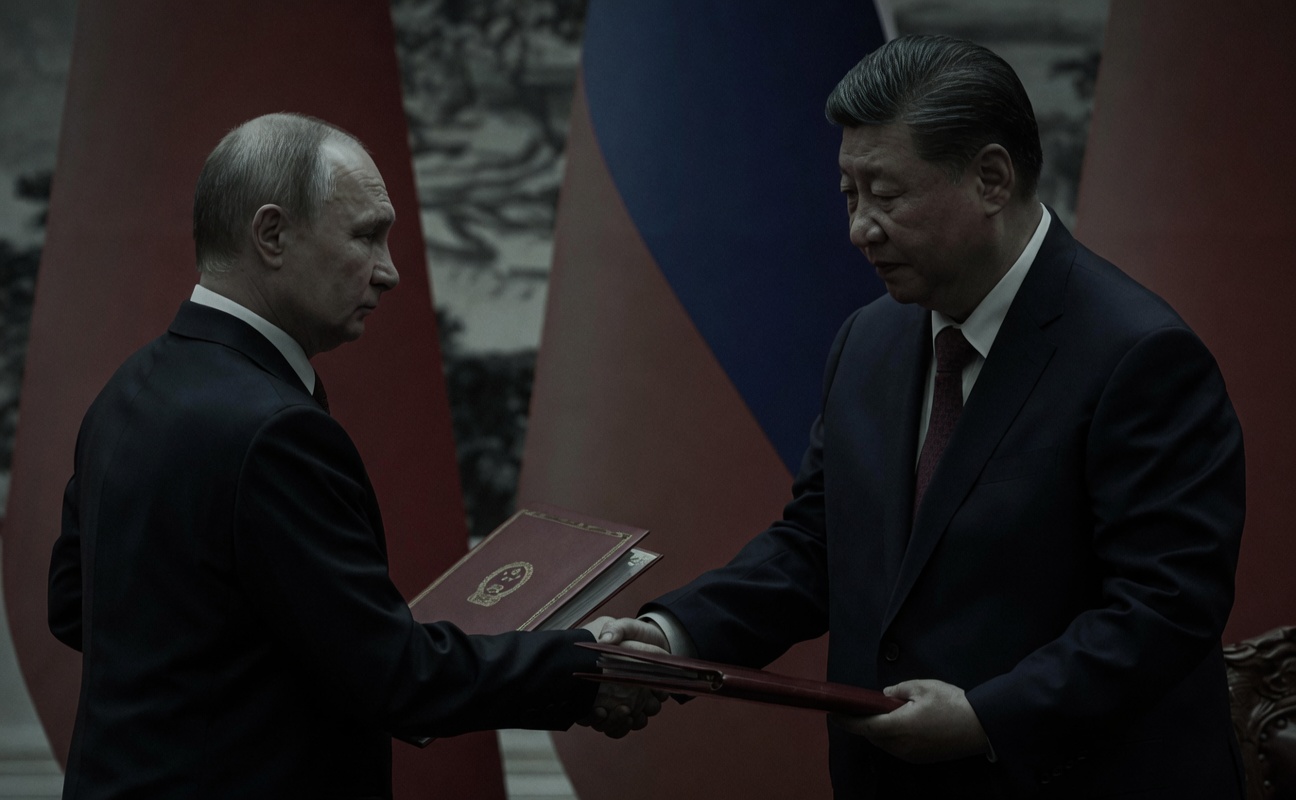
Тот факт, что Владимир Путин посетил Пекин всего через несколько дней после встречи Дональда Трампа с Си Цзиньпином, четко характеризует российско-китайские отношения. Россия оказалась в структурной ловушке, превратившись в младшего партнера Китая. При этом ее ценность в этом качестве для Пекина неуклонно снижается. Отражением этой проблемы Москвы стал провал переговоров по газопроводу «Сила Сибири — 2». Даже в ситуации надвигающегося энергетического шока беспрецедентного масштаба у Китая остаются альтернативные опции. У российских же властей других вариантов нет. Они отчаянно нуждаются в том, чтобы экспортеры получали доходы, налоговая база не сокращалась, в страну поступала валюта. Иначе государство не сможет компенсировать внутренние дисбалансы и сдерживать инфляцию.
The fact that Vladimir Putin visited Beijing only a few days after Donald Trump’s meeting with Xi Jinping speaks clearly to the nature of Russian-Chinese relations. Russia has found itself in a structural trap, reduced to the role of China’s junior partner. At the same time, its value to Beijing in that capacity is steadily declining. The failure of negotiations over the Power of Siberia 2 gas pipeline reflected this problem for Moscow. Even in the face of an approaching energy shock of unprecedented scale, China still has alternatives. The Russian authorities, by contrast, have none. They desperately need exporters to earn revenue, the tax base not to shrink, and foreign currency to keep flowing into the country. Otherwise, the state will be unable to offset domestic imbalances and restrain inflation.
Украина с недавних пор пользуется преимуществом на поле боя благодаря тому, что смогла увеличить дальность дроновых ударов (пусть даже российские войска сейчас перегруппировываются для нового наступления). Это лишь усугубляет дилемму, стоящую перед Москвой. Китай продолжит поставлять ей все необходимое для ведения войны и насыщения внутреннего рынка. Однако в целом у Китая другие приоритеты: отношения с США гораздо важнее. И тот факт, что Россия сейчас полностью от него зависит, Китай использует как козырь в этих переговорах.
Ukraine has recently gained an advantage on the battlefield by extending the range of its drone strikes, even if Russian forces are now regrouping for a new offensive. This only deepens Moscow’s dilemma. China will continue to supply it with everything it needs to wage the war and stock the domestic market. But China’s priorities, broadly speaking, lie elsewhere: relations with the United States matter far more. And the fact that Russia is now wholly dependent on China is something Beijing uses as a trump card in those negotiations.
Markets are still underestimating the risk of a sharp rise in energy prices. On the gas market, it is true that the situation is not yet especially tense. China and other countries able to do so have temporarily switched from gas to coal. But by autumn the problem will present itself in full force: Europe and other major importers will have to fill their underground storage facilities. Oil is more complicated. Stocks of crude and petroleum products have not yet been fully depleted, but sooner or later they will be. Then we will see an explosive, nonlinear jump in prices. In conditions of physical shortage, prices will cease to obey ordinary market logic. The longer the Strait of Hormuz remains closed, the greater the likelihood of this scenario.
Рынки по-прежнему недооценивают риск резкого роста цен на энергоносители. На газовом рынке ситуация пока действительно не слишком напряженная. Китай и другие страны, у которых есть такая возможность, временно перешли с газа на уголь. Однако к осени проблема встанет в полный рост: Европе и другим крупным импортерам придется заполнять свои подземные хранилища. С нефтью сложнее. Запасы нефти и нефтепродуктов полностью еще не израсходованы, но рано или поздно это произойдет. И тогда мы увидим взрывной, нелинейный скачок цен. В условиях физического дефицита цены перестанут подчиняться обычной рыночной логике. Чем дольше Ормузский пролив остается закрытым, тем выше вероятность этого сценария.
Even if one leaves aside the absence of any substantial results from Putin’s visit to Beijing, there are two serious problems in Russian-Chinese economic relations. Whether the Kremlin likes it or not.
Даже если оставить за скобками отсутствие весомых результатов по итогам визита Путина в Пекин, в российско-китайских экономических отношениях есть две серьезные проблемы. Нравится это Кремлю или нет.
First, Russia cannot solve all its problems through exports alone. The main drivers of growth now lie in investment, domestic consumption, and higher labor productivity, not in raw-material shipments. Even despite a 40 percent surge in budget revenues from oil and gas in May, the overall forecast for the year remains discouraging. Exports of agricultural products to China, in dollar terms, grew by 38 percent from January through April, reaching $3.5 billion. The jump is certainly powerful, but on the scale of the Russian economy the sum is modest. Worse still, rising prices first for raw materials and then for food, toward the end of the year because of a poor harvest, will spur inflation inside Russia itself. Food accounts for around 40 percent of spending by the average Russian household.
Во-первых, Россия не может решить все свои проблемы исключительно за счет экспорта. Главные драйверы роста сейчас кроются в инвестициях, внутреннем потреблении и повышении производительности труда, а вовсе не в поставках сырья. Даже несмотря на 40-процентный всплеск нефтегазовых доходов бюджета в мае, общий прогноз на год остается неутешительным. Экспорт сельхозпродукции в Китай в долларовом выражении с января по апрель вырос на 38%, достигнув $ 3,5 млрд. Скачок, конечно, мощный, но в масштабах российской экономики это скромная сумма. Хуже того, рост цен сначала на сырье, а затем и на продовольствие (ближе к концу года — из-за плохого урожая) подстегнут инфляцию в самой России. А ведь на продукты питания приходится около 40% расходов среднестатистического российского домохозяйства.
Logistical problems make the situation worse. The high key interest rate limits investment and forces Russian Railways and other operators to raise tariffs. That accelerates inflation further, since in Russia transport costs play a much more important role in price formation than in most countries with comparable or higher incomes. In a war economy, dependence on raw materials sets off predominantly negative feedback loops. And neither the state of the budget nor the ruble’s exchange rate can tell us how badly consumers will suffer in the end.
Ситуацию усугубляют логистические проблемы. Высокая ключевая ставка ограничивает инвестиции и вынуждает РЖД и других операторов повышать тарифы. Это еще сильнее разгоняет инфляцию, поскольку в России транспортные расходы играют гораздо более важную роль в ценообразовании, нежели в большинстве стран с сопоставимыми или более высокими доходами. В военной экономике сырьевая зависимость запускает преимущественно негативные обратные связи. И ни по состоянию бюджета, ни по курсу рубля нельзя судить о том, насколько сильно в итоге пострадают потребители.
Second, China’s strategy of economic security and its leadership in clean technologies are bearing fruit precisely now, in the midst of this crisis. Beijing has the largest oil reserves of any country in the world. Diversified supply and a safety cushion are key parameters of its energy policy. By the most conservative estimates, at the start of the Iranian war China’s reserves stood at between 1.3 and 1.5 billion barrels. They cover roughly four months of domestic consumption. According to the U.S. Department of Energy, in 2025 China was adding to its stocks at a rate of about 1 million barrels per day. In April, crude oil imports fell by 20 percent year on year, but because refineries cut their purchases even more sharply, net crude inventories continued to rise.
Во-вторых, стратегия экономической безопасности Китая и его лидерство в сфере чистых технологий приносят плоды именно сейчас, в условиях этого кризиса. Пекин располагает крупнейшими нефтяными резервами среди всех стран мира. Диверсификация поставок и наличие подушки безопасности — ключевые параметры его энергетической политики. По самым скромным оценкам, к началу иранской войны резервы Китая составляли от 1,3 до 1,5 млрд баррелей. Они покрывают примерно четыре месяца внутреннего потребления. По данным Минэнерго США, в 2025 году Китай пополнял запасы примерно на 1 млн баррелей в сутки. В апреле импорт сырой нефти упал на 20% в годовом выражении, но поскольку нефтеперерабатывающие заводы сократили закупки еще сильнее, чистые запасы сырья продолжали расти.
We should also take into account the dynamics of China’s green-technology sector and broader macroeconomic trends. The electrification of transport cannot collapse oil demand overnight, but its effect is already visible. Global electric-vehicle sales rose sharply in 2025, and with the onset of the current crisis the process accelerated. This year, electric cars are expected to account for almost 30 percent of all passenger-car sales worldwide. Each month China exports more than $25 billion worth of wind turbines, solar panels, and electric vehicles. Demand is especially strong from the world’s poorest countries, which are hit particularly hard by rising oil and gas prices. There are, of course, constraining factors, and Chinese manufacturers are already beginning to face rising costs. Yet this structural shift is gradually depriving Beijing of incentives to deepen its partnership with Russia. The effect will become still more visible when Chinese companies shift long-haul freight transport, traditionally dependent on diesel, to electric traction on a mass scale. That process has already begun. Beijing is prepared for the worst scenarios. And when it eventually returns to the open market for new volumes of oil, prices will quickly move downward.
Примем также во внимание динамику развития китайского сектора зеленых технологий и общие макроэкономические тренды. Электрификация транспорта не способна обрушить спрос на нефть мгновенно, но ее эффект уже заметен. Мировые продажи электромобилей резко пошли вверх в 2025 году, а с началом нынешнего кризиса процесс ускорился. В текущем году на электрокары, как ожидается, придется почти 30% всех мировых продаж легковых автомобилей. Ежемесячно Китай экспортирует ветрогенераторы, солнечные батареи и электромобили более чем на $ 25 млрд. Причем особенно высокий спрос наблюдается со стороны беднейших стран мира, по которым особенно сильно бьет рост цен на нефть и газ. Безусловно, есть и сдерживающие факторы, и китайские производители уже начинают сталкиваться с ростом издержек. Однако этот структурный сдвиг постепенно лишает Пекин стимулов к углублению партнерства с Россией. Эффект станет еще более заметным, когда китайские компании массово переведут на электротягу грузовые магистральные перевозки, традиционно зависящие от дизеля. Этот процесс уже запущен. Пекин готов к худшим сценариям. И когда он в итоге вернется на открытый рынок за новыми объемами нефти, цены быстро пойдут вниз.
There is, then, nothing surprising in the fact that the Russian delegation left Beijing practically empty-handed. And the timing could hardly have been worse. Although the economy is not in free fall, everything suggests that it is in recession. The Central Bank reported that annual inflation in April slowed from 5.9 percent to 2.4 percent. For Russia, inflation below 3 percent is a negative indicator. The structure took shape during Putin’s first term: wage growth is tightly tied to inflation, competition is limited and depends on a sector’s importance to the Kremlin, and the opportunities to invest in expanding production are insufficient. If inflation really has fallen so sharply, it means conditions are deteriorating at speed.
Таким образом, нет ничего удивительного в том, что российская делегация уехала из Пекина практически с пустыми руками. И момент для этого вряд ли мог быть хуже. Хотя экономика и не находится в свободном падении, все говорит о том, что она переживает рецессию. ЦБ сообщил, что годовая инфляция в апреле замедлилась с 5,9% до 2,4%. Для России инфляция ниже 3% — негативный показатель. Структура сложилась еще в первый срок Путина: рост зарплат жестко завязан на инфляцию, конкуренция ограничена (и зависит от значимости отрасли для Кремля), а возможностей инвестировать в расширение производства недостаточно. Если инфляция действительно упала так сильно, это значит, что условия ухудшаются стремительно.
The sectoral programs proposed by the Ministry of Economic Development to raise labor productivity by 25 percent by 2030 are highly revealing. The state is trying to manufacture growth artificially where market conditions do not support it. Demand for cement in the private sector is falling, taxi services are losing money, and sales of new housing in April collapsed by 14.9 percent year on year, even though mortgage lending rose in nominal terms. Bad news follows bad news.
Предложенные Минэкономразвития отраслевые программы повышения производительности труда на 25% к 2030 году весьма показательны. Государство пытается искусственно создать рост там, где рыночные условия его не поддерживают. Спрос на цемент в частном секторе падает, службы такси теряют деньги, а продажи первичного жилья в апреле рухнули на 14,9% в годовом выражении — и это несмотря на то, что выдача ипотечных кредитов в номинальном выражении выросла. Плохие новости следуют одна за другой.
However hard some commentators may try to portray Russia as the chief beneficiary of the war in the Persian Gulf, the results of Putin’s visit to Beijing refute that entirely. Even the prospect of the gravest energy crisis in half a century did not force China to change its approach. It is prepared to buy more Russian oil on the open market. That is all. But Ukraine now has the strike capacity to destroy, on a large scale, a wide range of facilities inside Russia, including refining, transport, and export infrastructure. Even if Putin had secured something more from China, it would not have been enough to compensate for the imbalances eroding the potential of the Russian economy. But he secured nothing. The question arises: if Putin could not use the threat of oil at $200 a barrel as leverage, what can he count on at all?
Как бы ни пытались некоторые комментаторы представить Россию главным бенефициаром войны в Персидском заливе, итоги визита Путина в Пекин полностью это опровергают. Даже перспектива самого тяжелого энергетического кризиса за последние полвека не заставила Китай изменить свой подход. Он готов покупать больше российской нефти на открытом рынке. И это все. Но теперь Украина обладает ударным потенциалом для масштабного уничтожения самых разных объектов на территории России, включая нефтеперерабатывающие, транспортные и экспортные мощности. Даже если бы Путин добился от Китая чего-то большего, этого было бы недостаточно, чтобы скомпенсировать дисбалансы, подтачивающие потенциал российской экономики. Но он не добился ничего. Возникает вопрос: если Путин не смог использовать как рычаг давления угрозу нефти по $ 200 за баррель, на что он вообще может рассчитывать?