May 22, 2026: Searching for Dry Bread Around Mirdamad, a Note from Tehran
An errand for dry bread on the eve of threatened bombardment becomes a Tehran chronicle of war, propaganda, apocalyptic imagination, and the intimate grammar of fear.
May 22, 2026: Searching for Dry Bread Around Mirdamad, a note from Tehran.
22 مه 2026 جستجوی نانِ خشک در حوالی میرداماد یادداشتی از تهران
He had said he wanted to destroy the infrastructure. Among other things, to hit the power plants, that is, to bomb them. Before the war began they had told us to buy certain necessities and keep them at home. I had bought them all. I was at my mother's house. On the day whose night was supposed to bring the bombing of the power plants, around two in the afternoon my girlfriend, who had gone back to her own city to be with her family, asked me: Did you get dry bread? And I remembered that I had bought everything from a small camping stove to a flashlight and packs of mineral water, cans of beans, and so on, but I had forgotten the dry bread. In our area, around Mirdamad, Najmabadi Square, Shams-e Tabrizi Street, dry bread could no longer be found. And procuring dry bread turned into a day-long mission.
گفته بود میخواهد زیرساختها را نابود کند. از جمله نیروگاههای برق را بزند، یعنی بمبباران کند. پیش از شروع جنگ گفته بودند ملزوماتی را تهیه کنیم و بگذاریم خانه. همه را تهیه کرده بودم. در خانهی مادرم بودم. روزی که شبش بنا بود نیروگاهها بمباران شوند، حوالی دو بعدازظهر دوستدخترم که به شهر خودشان و پیش خانواده برگشته بود از من پرسید نان خشک گرفتید؟ و من یادم افتاد از اجاق گاز کوچک کمپی تا چراغ قوه و بستههای آب معدنی، کنسرو لوبیا ... را گرفته بودم ولی نان خشک یادم رفته بود. نان خشک در منطقهی ما، حوالی میرداماد-میدان نجمآبادی-خیابان شمس تبریزی، دیگر گیر نمیآمد. و تهیهی نان خشک به مأموریتی یکروزه تبدیل شد.
The search began at the supermarkets around the house, until finally I went toward the Gholhak fruit and vegetable market, which also had a large supermarket inside with so-called government prices. Opposite the market entrance they had built what they themselves called mowkebs. I did not really know what a mowkeb was. Here they call the mostly small stands made with metal scaffolding, tarpaulin, and little tables mowkebs. They also set up large loudspeakers from which ideological eulogies are broadcast. In the recitations of these days, the importance of "Khaybar" is far greater than that of other events in Shiite history or prominent Islamic figures. Khaybar was a fortress belonging to Jews, whose gate Imam Ali tore from its hinges in the battle, the ghazwa, of the same name. It is, of course, also the name of a missile that has been used a great deal in this recent war.
جستجو از سوپرمارکتهای اطراف خانه شروع شد تا در نهایت رفتم سمت بازار میوه و ترهبار قلهک که داخلش سوپر مارکتی بزرگ با قیمت بهاصطلاح دولتی هم بود. در مقابل ورودی بازار، به قول خودشان موکبهایی ساخته بودند. من درست نمیدانستم موکب چیست. اینجا به جایگاههای اغلب کوچکی که با داربست فلزی و پارچهی برزنتی و میزهای کوچک میسازند، میگویند موکب. بلندگوهای بزرگی هم میگذارند که مدیحههای ایدئولوژیک از آن پخش میکنند. در مداحیهای این ایام اهمیت «خیبر» خیلی بیشتر از دیگر وقایع تاریخ تشیع و چهرههای برجسته اسلامی است. خیبر قلعهای متعلق به یهودیان بود که درش را امام علی در جنگی (غزوهای) به همین نام، از جا کند. البته نام موشکی هم هست که در این جنگ اخیر بسیار از آن استفاده شده است.
I reached the Gholhak market at four, which is usually late for going there. There was a strange crush of people. People were anxious. The space of the produce market, chaotic and dirty, reminded me that I absolutely had to bathe tonight. And absolutely had to shave. Later I learned that almost everyone I knew had taken a bath that night. When I entered the market, the big loudspeakers inside the mowkeb were playing a song, anthem, or eulogy recorded in a studio with music: "Once more Haydar's blade rests above Marhab's head / the sound of the Khaybar missile has become Zion's nightmare." Later, as I was leaving the market empty-handed and defeated, I heard another eulogist singing: "It seems Khaybar has been repeated / once again your Marhab has been humbled." Marhab was the great Jewish warrior of the fortress of Khaybar who was defeated and killed by the Imam.
ساعت چهار رسیدم به بازار قلهک که معمولاً ساعت دیری برای رفتن به این بازار است. ازدحام عجیبی بود. مردم مضطرب بودند. فضای میدان ترهبار که آشفته و کثیف بود، یادم انداخت باید امشب حتماً به حمام بروم. و حتماً صورتم را اصلاح کنم. بعدها فهمیدم تقریباً هر کسی که میشناختم آن شب حمام رفته بود. وقتی وارد بازار شدم از بلندگوهای بزرگ داخلِ موکب ترانه/سرود /مدیحهای پخش میشد که در استودیو با موسیقی ضبط شده بود: «دوباره بر سر مرحب نشسته تیغ حیدر/ شده کابوس صهیون صدای موشک خیبر» بعد وقتی داشتم دستخالی و شکستخورده از بازار بیرون میآمدم شنیدم مداح دیگری میخواند: «گویا خیبر تکرار شده/ باز هم مرحبتان خوار شده». مرحب جنگجوی بزرگ یهودی از قلعهی خیبر بود که از امام شکست خورد و کشته شد.
At the time I did not realize it was another eulogist, because in both pieces Khaybar was the key word. I imagined they had been playing the same eulogy for half an hour. Later I understood that they were two separate lamentations. Afterward, out of curiosity, I listened to several eulogies from the recent war. All had been recorded in studios. Before this, a eulogist would usually recite in a gathering, and that same live performance would be recorded and broadcast.
آن موقع نفهمیدم مداح دیگری است، چون در هر دو خیبر کلمهی کلیدی بود. تصور کردم که نیمساعت داشتند یک مدیحه را پخش میکردند. بعد فهمیدم که دو نوحهی جداست. بعدها از سرکنجکاوی چندین مدیحهی دوران جنگ اخیر را گوش کردم. همه در استودیو ضبط شده بود. تا پیش از این معمولاً مداحی در مجلسی میخواند و همان اجرای زنده را ضبط و پخش میکردند.
Of the roughly twenty eulogies I listened to, ten repeated the words Khaybar, Zion, or both. All the eulogies referred to the current matters of the war, and the religious-historical figures of Shiism served as pretexts for bridging into the events of today.
از حدود بیست مدیحهای که گوش کردم در ده نوحه کلمات خیبر، صهیون یا هر دو تکرار شده بود. همهی مدیحهها به مسائل روز جنگ اشاره میکرد و چهرههای مذهبی-تاریخی تشییع بهانهای برای پل زدن به ماجراهای امروز بودند.
There is no need to go back to the distant past. During the eight-year war with Iraq, one heard eulogy-songs that were ideological but had different content: "The road and the horse are ready, come, let us go / Karbala awaits us, come, let us go / the sun stands interpreting resurrection / that side of the event is visible, come, let us go..."
لازم نیست به گذشتهی دور برویم، در دوران جنگ هشت ساله با عراق مدیحه-ترانههایی شنیده میشد که ایدئولوژیک بودند اما محتوایی متفاوت داشتند: «ﺟﺎده و اﺳﺐ ﻣﻬﻴﺎﺳﺖ ﺑﻴﺎ ﺗﺎ ﺑﺮوﻳﻢ/ ﻛﺮﺑﻠﺎ ﻣﻨﺘﻈﺮ ﻣﺎﺳﺖ ﺑﻴﺎ ﺗﺎ ﺑﺮوﻳﻢ/ اﻳﺴﺘﺎده اﺳﺖ ﺑﻪ ﺗﻔﺴﻴﺮِ ﻗﻴﺎﻣﺖ خورشید/ آن ﺳﻮی واﻗﻌﻪ ﭘﻴﺪاﺳﺖ ﺑﻴﺎ ﺗﺎ ﺑﺮوﻳﻢ...».
Around six I reached Najmabadi Square and went to get at least a few sangak flatbreads instead of dry bread. On the way I was thinking that in our contemporary literature we do not have an apocalyptic novel; perhaps we do, and I have not read it. Of course all my friends know that I am fond of science fiction, fantasy, and apocalyptic stories; if there were anything substantial, I surely would have heard about it from them.
حدود ساعت ۶ رسیدم به میدان نجمآبادی و رفتم تا حداقل تعدادی نان سنگک به جای نان خشک بگیرم. در راه فکر میکردم ما در ادبیات معاصرمان رمان آخرالزمانی نداریم، شاید هم داریم و من نخواندهام. البته همهی دوستانم میدانند که من به قصههای علمی-تخیلی، فانتزی و آخرالزمانی علاقه دارم، اگر چیز دندانگیری بود حتماً از آنها شنیده بودم.
In these days apocalyptic Hollywood series and films kept coming back to me. As it happened, in the days just before the war I had been watching Fallout, whose story takes place in America after atomic explosions, and which shows, among other things, the complications of finding clean water and safe food. During the days of the war, the fact that we did not leave the house except for necessities also reminded me of the famous series The Walking Dead, in which human beings must under no circumstances go out at night because the zombies are at work. In that series the zombies were the majority and the humans who had remained human were the minority. I thought the creators of the series must have imagined that if they made the zombies the majority and the humans the remaining minority, the film would have more fear and suspense. But I think the story would have been more terrifying, with a more intense suspense, if in the story a majority of several tens of millions were in their homes while the zombies were a minority of several tens of thousands, making trouble at night, and if, say, in that same situation missiles and explosive spacecraft were being launched at Earth from another planet with the intention of killing the zombies, though it was unclear who else besides the zombies would be killed. In that form, the two genres of science fiction and horror would be fused.
در این روزها سریالها و فیلمهای هالیوودی آخرالزمانی خیلی یادم میآمد. اتفاقاً دقیقاً در روزهای پیش از جنگ داشتم سریال فال اوت را میدیدم که داستانش آمریکای بعد از انفجارهایی اتمی بود، و از جمله پیچیدگیهای پیدا کردن آب و غذای سالم را نشان میداد. در روزهای جنگ، اینکه از خانه بیرون نمیآمدیم جز برای ضروریات مرا یادِ سریال مشهور واکینگ دد هم میانداخت که انسانها شبها نباید به هیچوجه از خانه میآمدند بیرون چون زامبیها مشغول کار بودند. در این سریال زامبیها اکثریت بودند و انسانهای انسانمانده، اقلیت. فکر کردم طراحان سریال تصورشان این بوده که اگر زامبیها را اکثریت بگیرند و انسانها را اقلیتِ باقیمانده، فیلم ترس و تعلیق بیشتری خواهد داشت. ولی من فکر میکنم قصهای هولناکتر با تعلیقی شدیدتر میشد اگر در داستان اکثریتی چند ده میلیونی در خانههاشان بودند و اقلیت چند ده هزار نفری زامبی بودند و شبها مزاحمت ایجاد میکردند و مثلاً در همین وضعیت از سیارهای دیگر موشک و سفینههای انفجاری به زمین پرتاب میشد به نیت کشتن زامبیها ولی معلوم نبود بهجز زامبیها چه کسان دیگری کشته میشوند... به این شکل، دو ژانر علمیتخیلی و وحشت تلفیق میشد!
Imagine not knowing which house around you contains a zombie, while extraterrestrials who have no understanding of your life on Earth want to destroy them at any cost. Now you worry that perhaps the neighbor next door is also a zombie, and that because of him we too are going to be killed. Then, in the midst of all this, the activated zombies prowl the streets every night. And this, of course, is no longer a science-fiction horror story; it is the reality of our life today.
فکرش را بکنید نمیدانید کدام خانه در اطراف شما زامبی دارد که آدمفضاییهایی که هیچ درکی از زندگی شما روی زمین ندارند، میخواهند آنها را به هر قیمتی از بین ببرند. حالا شما نگرانید نکند همسایهی بغلی ما هم زامبی است و قرار است به خاطر او ما هم کشته شویم. بعد این وسط زامبیهای فعالشده هم هر شب در خیابانها جولان بدهند... و این البته دیگر داستان تخیلی-ترسناک نیست، واقعیت زندگی امروز ماست.
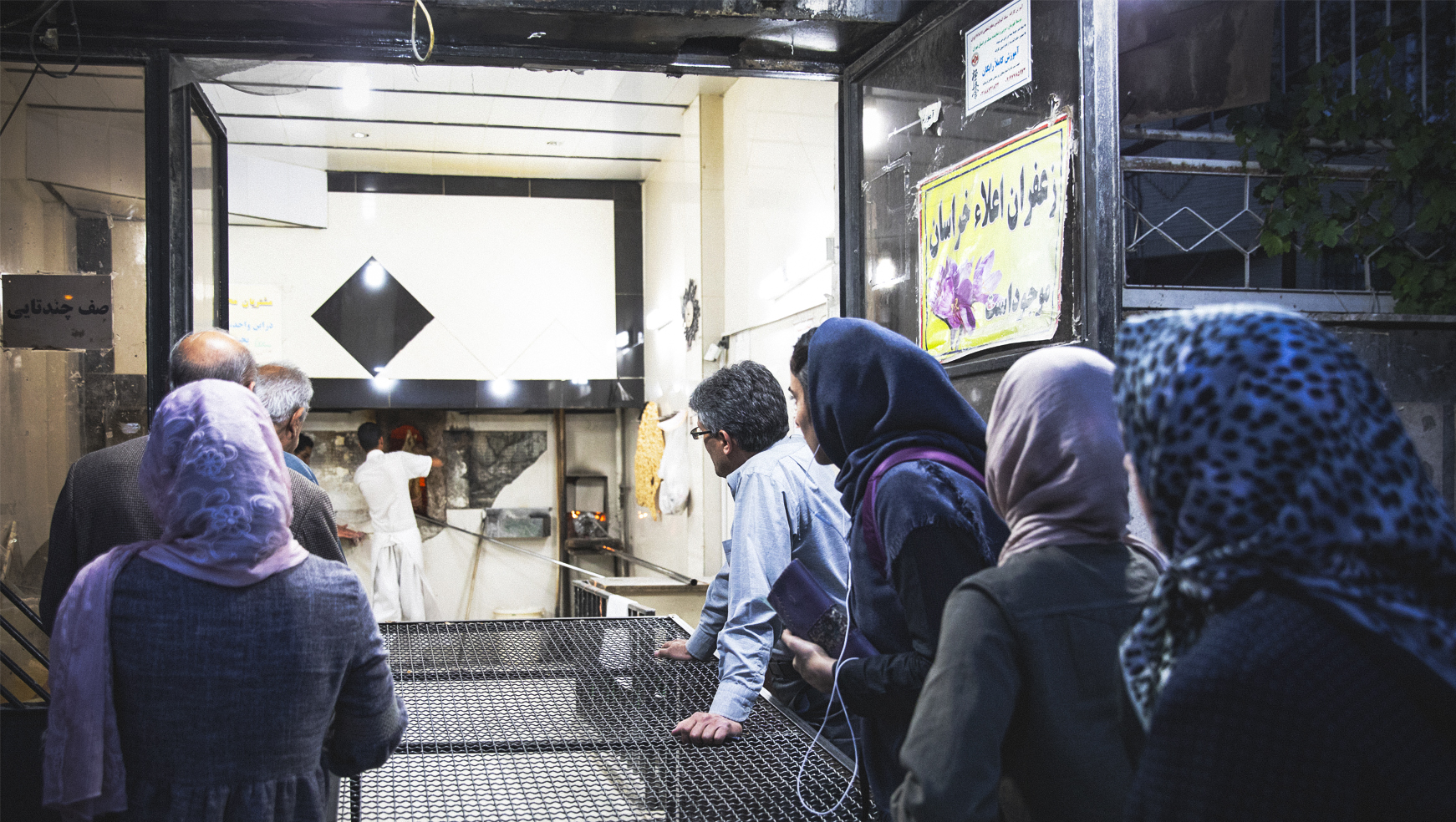
When I reached the sangak bakery, a few people were lined up behind one another, or in fact beside one another, in something like a semicircle. A young man of about thirty was standing at a distance from the semicircular line, as though he were the last person and had given up hope of getting bread. I went up to him and asked, Are you the last person? With a gesture of his hand he said, "No, that older man and that woman are ahead of me." I was about to ask why, then, he was standing as the last person and at such a distance, but I said to myself, What is the point? In this situation the man had come to get bread and go; what did it matter whether he stood a meter this way or that?
وقتی رسیدم به سنگکی چند نفری شبیه نیمدایره پشت هم، یا در واقع کنار هم، صف کشیده بودند. مردِ جوان سی سالهای هم با فاصله از صفِ نیمدایرهای ایستاده بود انگار که آخرین نفر باشد و ناامید از نان گرفتن. رفتم سراغش پرسیدم شما آخرین نفر هستید؟ با اشارهی دست گفت: «نه آن مرد سنوسالدار و آن خانم پیش از من هستند.» آمدم بپرسم چرا پس آخرین نفر آن هم با این فاصله ایستادید، گفتم چه کاری است. در این وضعیت طرف آمده نان بگیرد و برود، حالا یک متر این طرف یا آن طرف ایستادن چه اهمیتی دارد؟
Unlike the quiet young man, who was not last and stood silently at a distance, the semicircular line was full of heat. Everyone was listening with curiosity to a young woman who was hugging a boy of about ten from behind. The woman was in line ahead of me. She held the ten-year-old as though he were a mischievous child who might run off at any moment, but the boy was calm and silent, and the young woman, perhaps in her thirties, was telling a story: "... I sprang up from where I was, but I froze. The whole house was covered in dust. It was as though there were fog, a gray-brown fog. I was afraid to take a step in case I fell down. The tremor was so severe and the sound so tremendous that I was afraid the house might have collapsed right there in front of my feet in the bedroom. My voice would not come out; I was even afraid to call my little brother [later I understood she meant this same little boy she had brought with her to the bakery and was holding so tightly]. It seems there was someone in the house across from ours, someone we did not know about. They had hit that place..."
برخلاف جوان آرام که آخرین نفر نبود و در سکوت با فاصله ایستاده بود صف نیمدایره حرارت زیادی داشت. همه داشتند با کنجکاوی به زن جوانی گوش میکردند که پسری حدوداً ده ساله را از پشت بغل کرده بود. زن در صف جلوی من بود. پسر ده ساله را طوری بغل کرده بود که انگار بچهی بازیگوشی است و هر لحظه امکان دارد برود ولی پسرک آرام و بیصدا بود و زن جوان ــ شاید سی و چند ساله ــ داشت ماجرایی را تعریف میکرد: «... از جام پریدم ولی خشکم زد. تمام خانه را گرد و خاک گرفته بود. انگار مه شده بود، مه خاکستری-قهوهای. میترسیدیم قدم بردارم بیفتم پایین. لرزه شدید و صدا آنقدر مهیب بود که میترسیدم خانه از همین جا جلوی پای من در اتاق خواب فرو ریخته باشد. صدام در نمیآمد حتی میترسیدم برادر کوچکم را صدا کنم [بعد فهمیدم منظورش همین پسربچهای است که با خودش آورده نانوایی و اینطور سفت بغلش کرده] خانه روبهروییِ ما انگار کسی بود که ما نمیدانستیم. آن جا را زده بودند...»
I did not understand exactly where her house was. But the terrible tremor she spoke of had happened to us four times too. It was probably one of those four times. Twice, a week apart, they hit the Expediency Discernment Council building on Naft Street; another time they hit another building in the same vicinity; and there was another tremendous explosion in one of the alleys around Najmabadi Square. The young woman, who had come out without a headscarf, in a short-sleeved T-shirt and what the new generation calls a "vest" (I say sleeveless jacket!), had had her home damaged in the fourth explosion.
دقیق نفهمیدم خانهشان کجا بود. ولی لرزش مهیبی که میگفت چهار بار برای ما هم اتفاق افتاد. احتمالاً یکی از این چهار مرتبه بوده. دو بار با فاصلهی یک هفته ساختمان مجمع تشخیص مصلحتِ خیابان نفت را زدند و یک بار دیگر ساختمانی دیگر در همان حوالی را و انفجار مهیب دیگری هم در یکی از کوچههای حوالی میدان نجم آبادی بود. زن جوان که بدون روسری و با یک تیشرت آستین کوتاه و به قول نسل جدیدیها «وِستْ» (من میگویم کاپشن بدون آستین!) بیرون آمده بود، خانهاش در انفجار چهارم آسیب دیده بود.
I moved away from the semicircle. I also moved away from the young man standing apart and lit a cigarette. The young man who had been standing apart came closer to me. He said, "You lit that cigarette in such a way that you made me crave one. I didn't think the wait would be this long; I didn't bring my cigarettes from home," and asked me to give him one. When he said the last sentence, his right hand was scratching the back of his neck, and a small shame came over his face at having to ask someone else for a cigarette. When a single ordinary cigarette has become ten thousand tomans, a person cannot ask anyone but an acquaintance for one. I lit the cigarette for him. He said, "I haven't watched satellite television in a long time. I keep my head down and do my own work. These people" - he meant the semicircle - "are all..." He paused, as though he did not want to utter the words war and missile and drone and so on, "talking about the very things we're caught up in. I don't like hearing it, so I moved away."
از نیمدایره فاصله گرفتم. از مرد جوان دور ایستاده هم فاصله گرفتم و سیگاری روشن کردم. مرد جوان دورایستاده، نزدیکم شد. گفت «طوری سیگار روشن کردید که هوس سیگار کردم. من فکر نمیکردم آنقدر معطلی داشته باشد، سیگارم را از خانه نیاوردم» و خواست که به او سیگاری بدهم. وقتی جملهی آخر را گفت دست راستش داشت پشت گردنش را میخاراند و از اینکه سیگار از دیگری درخواست میکند، شرمی کوچک به صورتش آمد. وقتی یک نخ سیگار معمولی ده هزار تومان شده آدم نمیتواند از کسی جز آشنا سیگار طلب کند. سیگار را برایش روشن کردم. گفت: «من خیلی وقت است ماهواره نگاه نمیکنم سرم به کار خودم است. اینها (منظورش نیمدایره بود) همهش دارند...» مکثی کرد، انگار نمیخواست کلمات جنگ و موشک و پهپاد و ... را به زبان بیاورد، «حرف میزنند از همین چیزها که درگیرش هستیم. دوست ندارم بشنوم، فاصله گرفتم.»
I was about to say that I do not like hearing it either, but my nosiness has undone me; but wit on a night when everything may turn black is an Iranian virtue I do not possess. I said nothing and tried only, with a smile and a nod, to say that I understood. We smoked together in silence. Suddenly the sound of an airplane came. The young woman squeezed her little brother tighter in her arms and said loudly, "Ya Hossein," and pressed herself against the wall of the sangak bakery. It was not a wall, but a glass partition with tall iron lines running from floor to ceiling, and the woman leaned against it. The semicircle turned into a line and everyone pressed themselves against the wall on the other side of the bakery entrance, so that the A4 sheet on which someone had written in poor handwriting with a thick marker, We give no more than five breads, disappeared from view.
آمدم بگویم من هم دوست ندارم بشنوم ولی فضولی امانم را بریده، ولی شوخطبعی در شبی که امکان دارد همه چیز سیاه شود، فضیلتی ایرانی است که من ندارم. حرفی نزدم و فقط با لبخند و سر تکان دادن سعی کردم بگویم که درک میکنم. با هم در سکوت سیگار میکشیدیم. یک مرتبه صدای هواپیمایی آمد. زنِ جوان برادر کوچکش را محکمتر در بغل فشار داد و بلند گفت: «یا حسین» و به دیوار سنگکی چسبید. دیوار که نبود حایل شیشهای با خطوط آهنی بلندی بود از کف تا سقف که زن تکیه داد به آن. نیمدایره تبدیل به خطی شد و همه چسبیدند به دیوار آن سوی ورودی سنگکی. طوری که کاغذ آچهاری که رویش با خط بدی با ماژیک کلفتی نوشته شده بود پنج نان بیشتر نمیدهیم، از دید خارج شد.
The seventy-year-old man, after whom my turn would come, said, "That's an F-35." Everyone was frightened. To no one did it matter what type this airplane, or whatever the hell it was, might be. We were in the street, and if a missile were fired in our vicinity it would be far more dangerous than being at home. But the man would not let it go, and on the pretext of the airplane being an F-35 he began narrating the story of Mohammad Reza Shah buying F-14s from America, and I heard things in broken fragments. Within a few seconds he went from Mohammad Reza Shah and Reagan to ElBaradei; for a few seconds I did not hear what he said, and then he arrived at the situation today, and at the fact that America does not build for anyone else the F-35s it builds for itself, and so far has sold even the ordinary F-35 to only two countries, and so on. I could not understand the connection between his sentences.
مرد هفتاد ساله که نوبت من پس از او بود، گفت « این اف-۳۵ است». همه ترسیده بودند. برای کسی مهم نبود این هواپیما یا هر «کوفتی» که هست، از چه نوعیست. در خیابان بودیم و اگر حوالی ما موشکی پرتاب میشد بسیار خطرناکتر بود از وضعیت درخانهبودن. مرد اما ولکن نبود و به بهانهی اف-۳۵ بودن هواپیما شروع کرد به روایت کردن داستان اف-۱۴ خریدن محمدرضا شاه از آمریکا و من بریدهبریده چیزهایی میشنیدم. در فاصلهی چند ثانیه از محمدرضا شاه و ریگان رسید به البرادعی و چند ثانیه نشنیدم چه گفت و بعد رسید به وضعیت امروز و اینکه آمریکا اف-۳۵هایی را که برای خودش میسازد، برای کس دیگر نمیسازد و تا حالا اف-۳۵ معمولی را هم فقط به دو کشور فروخته و ... ارتباط جملاتش به هم را نمیفهمیدم.
…the essay continues at the source.