Taxi Driver at Fifty
The essay reads Taxi Driver as Scorsese’s visual poem of urban loneliness and modern alienation, tracing how Travis Bickle’s wounded spirituality turns the same rage toward treachery or heroism by the thinnest of social distinctions.
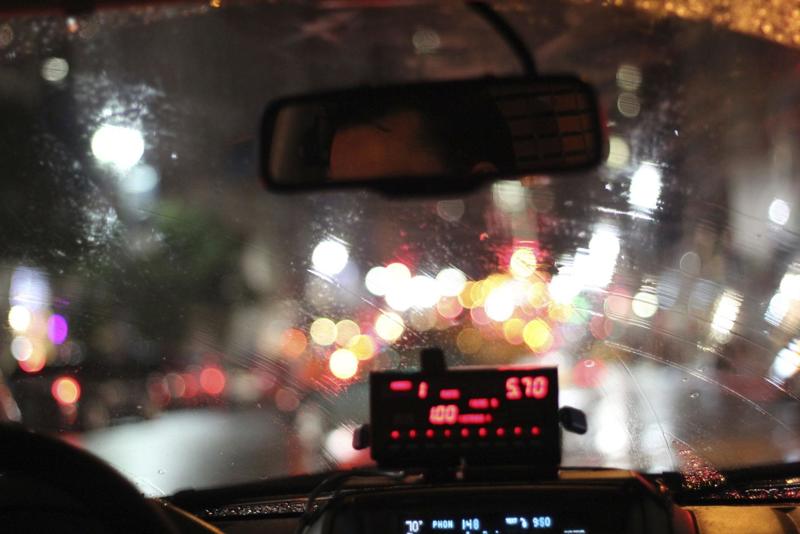
Taxi Driver arose, in large part, from my feeling that films are really a kind of being in a dream, or in a haze.
Taxi Driver, büyük ölçüde, filmlerin aslında bir nevi rüyada ya da dumanlı bir kafada olma hali olduğuna dair hissiyatımdan doğdu.
(Martin Scorsese, 54)(Martin Scorsese, 54)
Sorrow, too, has its own code. That is to say, dashing sorrows befit the rebellious expression taxi drivers carry on their faces. They harbor a secret and impoverished love. That is the reason for their roughness.
Hüznün de bir raconu vardır. Yani kostak hüzünler yaraşır taksi şoförlerinin yüzlerinde taşıdıkları asi anlatıma. Gizli ve yoksul bir sevgi barındırırlar. Hoyratlıklarına budur sebep.
(Murathan Mungan, 41)(Murathan Mungan, 41)
A magnificent expression of urban loneliness and modern alienation; one of the greatest films of all time, Taxi Driver is fifty years old. Martin Scorsese’s 1976 film Taxi Driver opens with precisely that sensation of dreaming which the director describes in the quotation above. On a rainy night, the streets have become a play of light through the reflections of wetness; the colors are blurred and bleed into one another; the fluid melodies of the saxophone complete the slick texture of the streets. But, in the way only a dream can do, whose feeling we remember very well but can never put into words, that fleeting, calm, romantically flowing saxophone is suddenly interrupted by percussion announcing an approaching catastrophe. The moment an endless uncanniness settles at the very center of the atmosphere, we find ourselves once more in the saxophone’s tender arms. But within a few seconds the saxophone flies away again, and the percussion returns in all its gloom. These transitions are as rapid and sharp as they could only be felt within the dream’s peculiar conception of time.
Kent yalnızlığı ve modern yabancılaşmanın muhteşem ifadesi; tüm zamanların en iyi filmlerinden Taxi Driver elli yaşında. Martin Scorsese’nin 1976 tarihli filmi Taxi Driver (Taksi Şoförü), yönetmenin tam da yukarıdaki alıntıda bahsettiği o rüyada olma hissiyatı ile açılır. Yağmurlu gecede caddeler, ıslaklığın yansımalarıyla bir ışık oyununa dönüşmüştür, renkler fludur ve iç içe geçmektedir, saksafonun akışkan melodileri sokaklardaki kaygan dokuyu tamamlar. Ama, ancak, duygusunu çok iyi hatırladığımız ama sözcüklere asla dökemediğimiz bir rüyada olabileceği şekilde; o uçucu, sakin ve romantik akan saksafon sanki yaklaşmaktaki bir felaketi haber veren vurmalılarla bölünüverir. Sonsuz bir tekinsizlik, atmosferin tam ortasına yerleştiği anda yeniden saksafonun şefkatli kollarında buluruz kendimizi. Ama birkaç saniye içinde saksafon bir kez daha uçup gider ve vurmalılar tüm kasvetiyle geri gelir. Bu geçişler, ancak rüyanın o kendine özgü zaman mefhumu içinde hissedilebilecek kadar hızlı ve keskindir.
The wet, gleaming streets we watch to the accompaniment of the music likewise turn, as they might in a dream, into signs wholly opposed to one another: the streets at night as a fleeting, calm, romantic atmosphere, and the streets at night as the site of an infinitely chilling uncanniness... Before the viewer has any chance to cool the feelings produced by this difficult ebb and flow, the camera focuses on the eyes of the film’s protagonist, Travis. Travis is watching the night attentively. The ebb and flow through which we have just passed is Travis’s mind.
Müzik eşliğinde izlemekte olduğumuz ıslak ışıltılı sokaklar da yine aynı bir rüyada olabilecek şekilde birbirine tamamen zıt göstergelere dönüşür: uçucu, sakin, romantik bir atmosfer olarak gecenin sokakları ve sonsuz ürperticilikte bir tekinsizliğin mekânı olarak gecenin sokakları… Seyirci bu zorlayıcı gelgitin yarattığı duyguları soğutacak fırsat bulamadan kamera, filmin başkarakteri Travis’in gözlerine odaklanır. Travis geceyi dikkatle izlemektedir. Az önce içinden geçtiğimiz gelgit, Travis’in zihnidir.
******
The viewer, who as yet knows nothing about Travis’s (Robert De Niro) identity, begins watching the film with powerful knowledge of the character’s inner world. After the opening sequence, we see Travis applying for work as a taxi driver because he cannot sleep at night. He is already wandering outside at night on the subway and buses, he says; “might as well get paid for it.” We learn that he is twenty-six, that his schooling was “here and there,” and that he was discharged in 1973 from the army, where he served as a Marine; thus we understand that he has returned from Vietnam.
Travis’in (Robert de Niro) kimliğine dair henüz hiçbir şey bilmeyen seyirci, karakterin ruh dünyasına dair güçlü bir bilgiyle başlar filmi izlemeye. Açılış sekansının ardından, Travis’i, geceleri uyuyamadığı için taksi şoförü olarak işe başvururken görürüz. Metroyla, otobüsle geceleri zaten dışarda dolaşmaktadır, “bari para kazanayım” der. Yirmi altı yaşında olduğunu, okul eğitiminin “orada burada” geçtiğini, denizci olarak bulunduğu ordudan 1973’te terhis olduğunu öğreniriz, böylece Vietnam’dan dönmüş olduğunu anlarız.
In the next scene, we see him returning home one morning; he takes a sip from a bottle wrapped in a paper bag and keeps walking, with an energetic air about him. The ground-floor apartment where he lives is a stifling interior. He sits down at his diary and begins to write. Throughout the film, we hear Travis’s inner voice through the sentences he writes in his diary.
Bir sonraki sahnede bir sabah vakti evine dönerken görürüz onu, kesekağıdına sarılı bir şişeden bir yudum alıp yürümeye devam eder, enerjik bir hali vardır. Yaşadığı giriş katı daire iç boğucu bir ortamdır. Günlüğünün başına geçip yazmaya başlar. Film boyunca, Travis’in iç sesini günlüğüne yazdığı cümlelerle dinleriz.
In the first page we hear, the lines dated May 10, Travis thanks God “for the rain which has helped wash away the garbage and the trash off the sidewalks.” He writes in his diary that he works “from six in the evening to six in the morning, sometimes eight.” “Six days a week, sometimes seven.” But he is content with his lot; “it keeps me busy,” he says. He earns 300 to 350 dollars a week, sometimes even more. He continues:
Duyduğumuz ilk sayfa olan 10 Mayıs tarihli satırlarda “kaldırımları temizleyen yağmuru yağdırdığı için” Tanrı’ya şükretmektedir Travis. “Akşam altıdan sabah altıya, bazen sekize kadar” çalıştığını yazar günlüğüne. “Haftada altı bazen yedi gün.” Ama halinden memnundur, “beni iyi oyalıyor” der, haftada 300-350 dolar kazanmaktadır, hatta bazen daha fazla. Şöyle devam eder:
“All the animals come out at night. Whores, skunk pussies, buggers, queens, fairies, dopers, junkies. Sick, venal. Someday a real rain will come and wash all this scum off the streets.”
“Gece olunca bütün hayvanlar dışarıdadır. Fahişeler, hırsızlar, uğursuzlar, ibneler, hapçılar, keşler. Hasta ruhlu satılmışlar. Bir gün iyi bir yağmur yağacak ve bütün bu pislikleri temizleyecek.”
He has worked for twelve hours, yet still cannot sleep; finding nothing else to do, he goes, as he has done before, to a porno theater. He defines the course of his life as follows: “The days go on and on. They don’t end.”
On iki saat çalışmıştır ama yine de uyuyamamıştır, yapacak bir şey bulamayınca (daha öncelerde de yaptığı gibi) porno sinemasına gitmiştir. Hayatının akışını şöyle tanımlar: “Günler geçip gidiyor ama bir türlü bitmiyor.”
Encountering an AngelBir Melekle Karşılaşma
It is on one of these interminable days that he meets Betsy (Cybill Shepherd). Betsy works at the campaign headquarters of presidential candidate Senator Charles Palantine. When Travis first sees her, Betsy is wearing a white dress; she looks “like an angel out of this filthy mess.” After going to and from the campaign headquarters several times, Travis gets Betsy to agree first to have coffee with him, then to go out one evening. But on the evening they go out, he takes Betsy to see an “adult film”: when they arrive at the theater, Betsy feels a suspicion but cannot be sure. A few minutes after the film begins, the situation becomes clear, and Betsy angrily leaves the theater. Travis runs after her and apologizes, but it is no use. In the days that follow, Travis’s apartment fills with bouquets he has sent to Betsy, returned because she would not accept them. The slowly wilting flowers become a heartbreaking image of Travis’s feelings; for, at the critical moment of rupture in his inner world, he will burn these withered flowers (though there is still time before that).
İşte bu bitip tükenmeyen günlerden birinde Betsy (Cybill Shepherd) ile tanışır. Betsy, başkanlık adayı Senatör Charles Palantine’ın kampanya merkezinde çalışmaktadır. Travis, onu ilk gördüğünde Betsy’nin üzerinde beyaz bir elbise vardır, “bütün bu pisliğin içinde bir melek gibi” gözükmektedir. Kampanya merkezine birkaç kez gidip gelen Travis, Betsy’ye önce birlikte bir kahve içmeyi, ardından da bir akşam çıkmayı kabul ettirir. Ama, çıktıkları akşam Betsy’yi ‘yetişkin filmi’ izlemeye götürür: Betsy, sinemaya vardıklarında bir şüphe duyar ama emin olamaz. Film başladıktan birkaç dakika sonra durum netleşir ve Betsy öfkeyle salonu terk eder. Travis, ardından koşar, özür diler ama işe yaramaz. Takip eden günlerde, Travis’in dairesi, Betsy’ye yolladığı ama kabul edilmediği için geri gelmiş buketlerle dolar. Yavaş yavaş solan çiçekler Travis’in duygularına dair iç burkucu bir imgeye dönüşür; zira, ruh dünyasındaki kritik parçalanma anında bu solmuş çiçekleri yakacaktır (ama buna henüz vakit vardır).
We cannot understand why Travis makes such an absurd mistake. Even if he wanted to watch an “adult film” together, how could he fail to think that he should propose this at a much later stage of the relationship, and within the privacy of the home? And yet he has gone to meet Betsy like a perfect gentleman, with a tie around his neck and a gift in his hand. When Travis, unable to get a response to his messages and calls, goes to the campaign headquarters in the hope of speaking face to face, and is roughly removed by Betsy’s colleague, he says: “She was like the rest of them, cold and distant. Many people are like that. Women for sure. They’re like a union.”
Travis’in neden bu kadar saçma bir hata yaptığını anlayamayız. Birlikte ‘yetişkin filmi’ izlemeyi istese bile bunu ilişkinin çok daha ileriki bir aşamasında ve evin mahremiyeti içinde önermesi gerektiğini nasıl düşünemez? Oysaki, boynunda kravatı, elinde hediyesiyle, tam bir beyefendi gibi gitmiştir Betsy ile buluşmaya. Mesajlarına ve aramalarına yanıt alamayan Travis, yüz yüze konuşmak umuduyla kampanya merkezine gittiğinde Betsy’nin iş arkadaşı tarafından yaka paça uzaklaştırılınca şöyle der: “O da diğerleri gibiymiş, soğuk ve mesafeli. İnsanların çoğu böyledir. Hele kadınlar. Sanki birlik olmuşlar.”
It would be facile to explain Travis’s condition, crushed as he is under sleeplessness, the feeling of having been left outside, inner distress, and a sense of emptiness, as post-traumatic stress disorder. Having been in Vietnam has of course wounded his soul. But at the center of Travis’s spiritual anguish lies not so much the traumatic effect of war as a feeling of alienation that began long before the war and was intensified by having been there. He is lonely, isolated, buried in his inner world; his social interactions are superficial; he has no one with whom he has formed a deep bond. But we understand from these words of his that this is not a condition that began after the war: “Loneliness has followed me my whole life, everywhere... I am God’s lonely man.”
Uykusuzluğun, dışarda kalmışlık duygusunun, iç sıkıntısının, boşluk hissinin altında ezilmekte olan Travis’in durumunu travma sonrası stres bozukluğu olarak açıklamak kolaycılık olacaktır. Vietnam’da bulunmak ruhunu elbette ki yaralamıştır. Ama, Travis’in ruh sancısının merkezinde savaşın travmatik etkisinden çok daha önce başlamış olan ve savaşta bulunmakla iyice şiddetlenen yabancılaşma duygusu vardır. Yalnızdır, izoledir, iç dünyasına gömülüdür, sosyalleşmeleri yüzeyseldir, derinden bağ kurduğu hiç kimsesi yoktur. Ama bunun savaştan sonra başlamış bir durum olmadığını şu sözlerinden anlarız: “Yalnızlık, hayatım boyunca hiç peşimi bırakmadı… Ben Tanrı’nın yalnızıyım.”
The Antihero on the Streets of New YorkNew York Sokaklarındaki Anti-kahraman
In the final paragraph of Dostoevsky’s tremendous 1864 work Notes from Underground, the word antihero is heard from the mouth of the novel’s main character, that is, from the antihero himself:
Dostoyevski’nin 1864 tarihli muazzam eseri Yeraltından Notlar’ın son paragrafında antikahraman ifadesi romanın baş karakterinin yani antikahramanın ağzından duyulur:
“Of course, there is nothing interesting in telling at length how I have wasted my whole life in a corner through moral corruption, how through malicious, empty pride I withdrew underground by severing every bond with the living world; besides, a novel must have a hero, whereas in mine all the traits that are the opposite of a hero have deliberately been gathered in an antihero.” (138)
“Bir köşeye çekilip ahlak bozukluğumla bütün bir ömrü nasıl heba ettiğimi, kötücül, boş gururum yüzünden yaşayan âlemle her türlü bağı keserek nasıl yeraltına çekildiğimi uzun bir öykü gibi anlatmanın hiçbir ilginç yanı yok elbette; hem romanda bir kahraman olmalıdır, halbuki benimkinde bir kahramanın tersi olan ne kadar özellik varsa kasten bir antikahramanda toplanmış.” (138)
Martin Scorsese, in fact, wanted to make a film about this character: Dostoevsky’s antihero. Paul Schrader, too, wrote the screenplay of Taxi Driver thinking that Brian De Palma would direct it. For a reason he did not specify, De Palma recommended the screenplay to Scorsese. Thinking that Taxi Driver was the screenplay that could come closest to the world of Notes from Underground, Scorsese decided to make the film (Scorsese, 53-62).
Martin Scorsese aslında bu karakterin filmini çekmek istemiştir: Dostoyevski’nin antikahramanının. Paul Schrader de Taxi Driver’ın senaryosunu Brian de Palma’nın yöneteceğini düşünerek yazmıştır. De Palma, belirtmediği bir nedenle, senaryoyu Scorsese’ye önerir. Scorsese, Taxi Driver’ın, Yeraltından Notlar’ın dünyasına olabilecek en yakın senaryo olduğunu düşünerek filmi çekmeye karar verir (Scorsese, 53-62).
Both the screenwriter Schrader and the director Scorsese convey, with an admirable rhythm, Travis’s gradual transformation into an angel of vengeance: at first, he is trying, by methods of his own, to endure a serious insomnia problem (working nights, going to porno theaters open until morning, and so on); although he feels within himself a serious rage at the filth in society, he manages to keep it under control. Through Scorsese’s eyes, we see the New York in which this antihero lives. Scorsese shows that this alienation is an urban alienation. It is a form of alienation possible only within city life and valid for all cities:
Hem senarist Schrader, hem yönetmen Scorsese, başta ciddi bir insomnia sorununa kendince yöntemlerle (geceleri çalışmak, sabaha kadar açık porno sinemalarına gitmek vs.) tahammül etmeye çalışan; içinde, toplumdaki pisliğe dair ciddi bir öfke hissetse de bunu kontrol altında tutmayı başaran Travis’in giderek bir intikam meleğine dönüşmesini hayranlık uyandırıcı bir ritimle aktarır. Scorsese’nin gözünden, bu antikahramanın yaşadığı New York’u görürüz. Scorsese, bu yabancılaşmanın kentsel bir yabancılaşma olduğunu gösterir. Bu, sadece kent hayatı içinde mümkün olan ve bütün kentler için geçerli olan bir yabancılaşma biçimidir:
“The entire film is based largely on the impressions I acquired from growing up in New York and living in the city. There is a scene in the film where the camera is mounted on the hood of the taxi and passes in front of a place on Broadway called ‘Fascination.’ The image of this angel of vengeance gliding through the city streets, the idea of fascination, represents all cities for me.” (Scorsese, 54) ***
“Filmin tamamı büyük ölçüde New York'ta büyümek ve kentte yaşamak sonucu edindiğim izlenimlere dayanıyor. Filmde, kameranın, taksinin kaputuna monte edildiği ve Broadway'de 'Fascination' [Büyülenme] isimli mekânın önünden geçtiği bir sahne var. Kentin sokaklarında süzülen bu intikam meleğinin görüntüsü, büyülenme fikri, benim için tüm kentleri temsil ediyor.” (Scorsese, 54) ***
On June 8, Travis writes in his diary: “The days go on and on. They are all the same. One long continuous chain... And then, suddenly, there is a change.”
Travis, 8 Haziran’da günlüğüne şöyle yazar: “Günler geçip gidiyor. Her gün aynı. Uzun, sürekli bir zincir... Ve sonra, birden bir değişiklik.”
This change is his purchase of two suitcases full of guns. Travis’s process of becoming an angel of vengeance has begun. The soldier inside him returns; every morning he does fifty push-ups and lifts weights fifty times; he stops taking pills (we have seen him swallow a pill at various moments before) and eating unhealthily. He begins target practice; meanwhile, one day while shopping, he shoots and kills a thief who attempts to rob the market (but the incident is covered up). In the days that follow, he tries to act like an older brother to Iris (Jodie Foster), a child prostitute whom he has encountered a few times before: he goes to her in the guise of a customer and talks to her; a few days later they meet in a cafe; he tries to persuade Iris to return to her family. But Iris is in love with Sport (Harvey Keitel), who pimps her, and has no intention of escaping the mire in which she lives.
Bu değişiklik iki bavul dolusu silah satın almasıdır. Travis’in intikam meleğine dönüşme süreci başlamıştır. İçindeki asker geri döner; her sabah elli şınav çeker, elli kere ağırlık kaldırır; ilaç almayı (daha önce çeşitli anlarda bir hap yuttuğunu görürüz) ve sağlıksız beslenmeyi bırakır. Atış talimleri yapmaya başlar; bu esnada bir gün alışveriş yaparken markette soyguna kalkışan hırsızı vurarak öldürür (ama olay örtbas edilir). Takip eden günlerde, daha önce birkaç kez rastladığı çocuk fahişe Iris’e (Jodie Foster) abilik etmeye çalışır: müşteri kılığında yanına giderek onunla konuşur, birkaç gün sonra bir kafede buluşurlar, Iris’i ailesinin yanına dönmeye ikna etmeye çabalar. Ama, Iris, onu pazarlayan Sport’a (Harvey Keitel) âşıktır ve yaşadığı bataklıktan kurtulmaya hiç niyeti yoktur.
Whom will Travis, the angel of vengeance, choose to kill? Feeling that he has cleansed the world, if only a little, of the wicked will probably soothe the emptiness inside him to some degree. But Travis does not decide to kill the wicked. The person he will kill is Senator Charles Palantine, Betsy’s idol. This decision is the nihilistic expression of the pain of love.
İntikam meleği Travis, öldürmek için kimi, kimleri seçecektir? Dünyayı kötülerden biraz olsun temizlediğini hissetmek içindeki boşluğu bir nebze dindirebilecektir muhtemelen. Ama Travis, kararını kötüleri öldürmek yönünde vermez. Öldüreceği kişi, Betsy’nin idolü olan Senatör Charles Palantine’dır. Aşk acısının nihilistik ifadesidir bu karar.
The Fine Line Between Heroism and TreacheryKahramanlık ve Hainlik Arasındaki İnce Çizgi
Travis cuts his hair into a Mohawk and prepares to kill Palantine as though for a ritual. But the bodyguards notice him. Travis cannot kill Palantine; he manages to flee home without being caught. That evening, he raids the brothel to kill Sport: he kills Sport, the mafioso who is Iris’s customer, and Sport’s man. Then he tries to shoot himself, but he has no bullets left.
Travis saçlarını Mohikan yapar, Palantine’ı öldürmeye bir ritüelmişçesine hazırlanır. Ama, korumalar onu fark eder. Travis, Palantine’ı öldüremez, yakalanmadan evine kaçmayı başarır. O akşam, Sport’u öldürmek için genelevi basar: Sport’u, Iris’in müşterisi olan mafyözü ve Sport’un adamını öldürür. Ardından kendini vurmaya kalkar ama mermisi kalmamıştır.
After some time, the wounded Travis is discharged from the hospital. No case is brought against him; on the contrary, the media portrays him as a hero. Iris returns to her family; her mother and father write Travis a letter of thanks and invite him to their home. Meanwhile, one night, Betsy gets into Travis’s taxi, says she read about what happened in the newspaper, and asks how he is. It is as if she is ready to give him another chance. After Betsy gets out of the taxi, the film ends as Travis continues on his way into the night.
Yaralanan Travis, bir süre sonra taburcu olur. Hakkında dava açılmaz, tersine medya onu bir kahraman olarak yansıtır. Iris, ailesinin yanına döner, anne ve babası Travis’e bir şükran mektubu yazıp onu evlerine davet ederler. Bu arada, bir gece, Betsy, Travis’in taksisine biner, yaşadıklarını gazetede okuduğunu söyler, hatırını sorar. Sanki ona bir şans daha vermeye hazır gibidir. Betsy taksiden indikten sonra, Travis gecenin içinde yoluna devam ederken film biter.
In his interview with Terry Gross, the screenwriter Paul Schrader says that Travis first plans to kill Palantine, the father figure of Betsy, that is, the good girl; when he cannot kill him, he kills Sport, the father figure of Iris, that is, the bad girl; and that these two are not very different in Travis’s mind, but in the eyes of society this act makes him a hero (Gross). Had he killed Palantine, Travis would have been seen as a traitor; because he kills Sport, he is perceived as a hero.
Senarist Paul Schrader, Terry Gross’a verdiği röportajda, Travis’in önce Betsy’nin yani iyi kızın baba figürü olan Palantine’ı öldürmeyi planladığını, onu öldüremeyince kötü kızın yani Iris’in baba figürü olan Sport’u öldürdüğünü söyler ve bu ikisinin Travis’in zihninde çok farklı olmadığını; ama toplumun gözünde bu eylemin onu bir kahraman yaptığını söyler (Gross). Eğer, Palantine’ı öldürseydi bir hain olarak görülecek olan Travis, Sport’u öldürdüğü için bir kahraman olarak algılanır.
One reason Taxi Driver is remembered today as such a singular film is probably that the act of vengeance takes place in so nuanced a way. Had Travis killed Palantine, he would have vomited up the rage inside him cruelly. By killing Sport and his accomplices, he directs the rage inside him toward a noble aim. But the rage is the same rage. Scorsese says that Travis has very good intentions, that he wants to “cleanse his life, his mind, his soul” (62). He notes that Travis is a person with a very powerful spiritual side, but that the force of this spirituality flows in the wrong direction, and adds:
Taxi Driver’ın, bugün bu kadar özel bir film olarak hatırlanmasının bir nedeni intikam eyleminin bu kadar nüanslı bir şekilde gerçekleşmiş olmasıdır muhtemelen. Travis, Palantine’ı öldürseydi içindeki öfkeyi zalimce kusmuş olacaktı. Sport’u ve suç ortaklarını öldürürken içindeki öfkeyi yüce bir hedefe yöneltmiş olur. Ama öfke, aynı öfkedir. Scorsese, Travis’in çok iyi niyetlere sahip olduğunu, “hayatı, zihnini, ruhunu temizlemek” istediğini söyler (62). Onun, manevi yanı çok güçlü bir insan olduğunu, ama bu maneviyatın gücünün yanlış yöne aktığını belirtir ve ekler:
“The key point of the film is the idea of being brave enough to admit that you have these feelings, and then to act them out. Instinctively, I showed that acting them out is not the right way, and this added ironic twists to what happens.” (62) The Uncanny “Happy Ending”
“Filmin kilit noktası, bu duygulara sahip olduğunu itiraf edecek kadar cesur olmak ve sonra da bunları eyleme dökmek fikridir. İçgüdüsel olarak ben, eyleme dökmenin doğru yol olmadığını gösterdim ve bu da olup bitene ironik dolambaçlar kattı.” (62) Tekinsiz ‘Mutlu Son’
The film’s closing sequence closely resembles its opening sequence. After wishing Betsy good night and continuing on his way, we move with Travis through the New York night within the optimistic atmosphere of the saxophones. As we watch the surroundings through Travis’s eyes, a sense of peace fills us. Then suddenly Travis’s gaze catches on some point; an uneasy expression forms on his face; we do not know what it is. After the saxophones continue a little longer, the percussion that appears all at once closes the film on a dark note. For Travis, a dark page will probably open again at some point. We feel this. Despite the happy ending composed of Travis appearing in the newspapers as a hero, Iris rescued (we have learned from her parents’ letter that she is continuing school), and Betsy reappearing before him in her angelic beauty, Taxi Driver ends with an uncanny feeling.
Filmin kapanış sekansı açılış sekansına çok benzer. Betsy’ye iyi geceler dileyip yoluna devam eden Travis’le, saksafonların iyimser atmosferi içinde New York gecesi içinde ilerleriz. Travis’in gözünden etrafı izlerken içimizi bir huzur kaplar. Sonra birden Travis’in bakışları bir noktaya takılır, yüzünde huzursuz bir ifade oluşur, ne olduğunu bilmeyiz. Saksafonlar biraz daha sürdükten sonra ansızın beliren vurmalılar karanlık bir notada filmin kapanışını yapar. Travis için, muhtemelen bir noktada yeniden karanlık bir sayfa açılacaktır. Bunu hissederiz. Kahraman olarak gazetelere çıkan Travis, kurtarılmış Iris (okuluna devam ettiğini anne-babasının mektubunda duymuşuzdur) ve meleksi güzelliğiyle yeniden karşısına çıkan Betsy ile müteşekkil mutlu sona rağmen tekinsiz bir duyguyla biter Taxi Driver.
With his film, Martin Scorsese wrote the visual poem of urban loneliness and modern alienation. Taxi Driver is regarded by many critics as the best film of the 1970s.
Filmiyle, kent yalnızlığının, modern yabancılaşmanın görsel şiirini yazmıştır Martin Scorsese. Taxi Driver, birçok eleştirmen tarafından 1970’lerin en iyi filmi olarak kabul edilir.
In an episode of his highly successful podcast The Thinking Mind, the psychiatrist Alex Curmi, discussing the film with his guest, the director Tom Shkolnik, asks in the context of the violence it contains whether “such a film could be made today.” Leaving the matter of violence aside, we can say that, for other reasons, even if such a film were made today, its reception would probably be very different.
Psikiyatrist Alex Curmi, The Thinking Mind isimli son derece başarılı podcast’ının bir bölümünde, konuğu yönetmen Tom Shkolnik’le filmi tartışırken, içerdiği şiddet bağlamında “bugün böyle bir film yapılabilir miydi” diye sorgular. Şiddet konusunu bir kenara bırakırsak, muhtemelen başka nedenlerle, bugün böyle bir film yapılsa da algılanışı çok farklı olurdu diyebiliriz.
Within the censorship mechanism of the dogma of political correctness, the branding of a character who says, “Many people are like that. Women for sure. They’re like a union,” as a misogynist, and the cancellation of the director, would probably be completed within a few hours. Those who tried to point out that this character had saved a twelve-year-old girl from prostitution would most likely fall victim to a second wave of cancellation.
Politik doğruculuk dogmasının sansür mekanizması içinde: “İnsanların çoğu böyledir. Hele kadınlar. Sanki birlik olmuşlar” diyen bir karakterin kadın düşmanı olarak yaftalanıp yönetmenin cancel’lanması muhtemelen birkaç saat içinde tamamlanırdı. Bu karakterin on iki yaşındaki bir kız çocuğunu fahişelikten kurtarmış olduğunu hatırlatmaya kalkışanlar da ikinci dalga cancel’lanmaya kurban giderdi büyük ihtimalle.
From the words in the quotation above, “whores, thieves, lowlifes, fags, pill-poppers, junkies,” we may infer that Travis is homophobic. As Scorsese also notes, Travis is an antihero. The film asks us not to approve of him, only to understand him. The split in his soul, his contradictions, his weaknesses... But today a very different apparatus of power operates over cultural and artistic production. So be it. Travises find life somehow. In the magical realm of cinema, neither nights nor hazy lonelinesses ever come to an end...
Yukarıdaki alıntıda yer alan “fahişeler, hırsızlar, uğursuzlar, ibneler, hapçılar, keşler” sözlerinden Travis’in homofobik olduğunu çıkarabiliriz. Scorsese’nin de belirttiği gibi Travis bir antikahramandır. Film bizden onu onaylamamızı değil, anlamamızı bekler sadece. Ruhundaki bölünmüşlüğü, çelişkilerini, zaaflarını… Ama bugün kültür-sanat üretimi üzerinde çok farklı bir güç düzeneği işliyor. Olsun. Travis’ler bir şekilde hayat bulur. Sinemanın büyülü âleminde ne geceler biter ne dumanlı yalnızlıklar…
BibliographyKaynakça
Curmi, Alex. The Thinking Mind. Episode 168.
Curmi, Alex. The Thinking Mind. 168. bölüm.
Dostoevsky, Fyodor Mikhailovich. 2020 [1864]. Notes from Underground. Türkiye İş Bankası Kültür Yayınları.
Dostoyevski, Fyodor Mihayloviç. 2020 [1864] Yeraltından Notlar. Türkiye İş Bankası Kültür Yayınları.
Gross, Terry. Interview with Paul Schrader. NPR. https://www.npr.org/transcripts/nx-s1-5702412 .
Gross, Terry. Paul Schrader röportajı. PNR. https://www.npr.org/transcripts/nx-s1-5702412 .
Mungan, Murathan. 2010 [1998]. Metinler Kitabı. “A Text for Taxi Drivers,” p. 39, Metis.
Mungan, Murathan. 2010 [1998]. Metinler Kitabı. “Taksi Şoförleri İçin Bir Metin”, s. 39, Metis.
Scorsese, Martin. 1996 [1989]. Scorsese on Scorsese. Edited by David Thompson and Ian Christie. Faber & Faber.
Scorsese, Martin. 1996 [1989]. Scorsese on Scorsese. Editörler, David Thompson ve Ian Christie. Faber & Faber.