Chen Yaoli and Taiwan’s First License Revocation for Overseas Organ Brokerage
The Chen Yaoli case exposes a long-neglected structural dilemma in Taiwan, where transplant ethics, medical oversight, and the desperation of patients fighting to survive collide across borders.
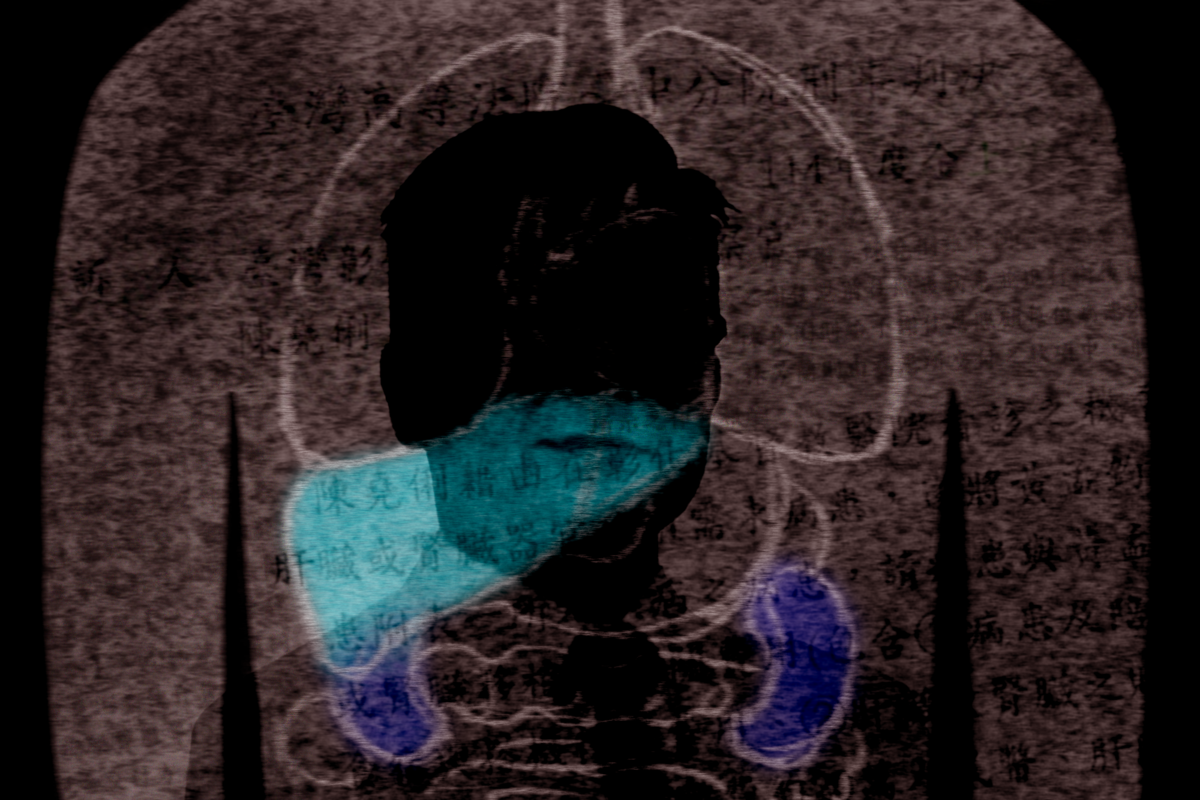
被視為台灣肝臟移植權威的陳堯俐,在過去20年來成功執行超過700例肝臟移植手術,是許多末期肝病患者眼中的最後希望。如今他卻成為台灣首位因涉及境外器官仲介而遭衛福部撤照的醫師,永久失去行醫資格。
Chen Yaoli, regarded as an authority on liver transplantation in Taiwan, has successfully performed more than 700 liver transplants over the past 20 years, making him the last hope in the eyes of many patients with end-stage liver disease. Now he has become the first physician in Taiwan to have his license revoked by the Ministry of Health and Welfare for involvement in overseas organ brokerage, permanently losing his qualification to practice medicine.
此案開頭,是檢察官長達兩年的追查。他們調查發現,這些跨境移植不只牽涉醫師違法撮合交易、仲介收取高額費用等少數個案,實際上更是一宗由病患絕望、醫療專業信任、器官來源資訊落差與跨境仲介共同撐起的移植生意。有人抵押房產籌措換肝費用;有人支付近千萬元赴中移植,術前卻被告知只剩兒童肝臟;其中少數人雖然活了下來,卻始終摸不清手術和捐贈器官細節,在反覆感染中備受折磨。
The case began with a two-year investigation by prosecutors. They found that these cross-border transplants involved not merely isolated instances of physicians illegally arranging transactions or brokers charging exorbitant fees, but in fact a transplant business sustained by patients’ desperation, trust in medical expertise, disparities in information about organ sources, and cross-border intermediaries. Some mortgaged property to raise the cost of a liver transplant; some paid nearly NT$10 million to go to China for transplantation, only to be told before surgery that only a child’s liver was available. A small number survived, but they never fully understood the details of the operation or the donated organ, and suffered through repeated infections.
針對此案,法院認定有償仲介確實涉及醫學倫理問題,但考量轉介地點皆為中國合格醫院,沒有證據證明這些醫院涉及「強摘器官」,二審仍維持一審緩刑判決。相對於衛福部祭出撤照的行政處分,陳堯俐案在司法與行政裁量的重大落差正顯示,台灣在器官移植倫理、醫療監管與病患求生需求之間,長期存在卻未被正視的結構性困境。
In this case, the court found that paid brokerage did indeed involve issues of medical ethics, but, considering that all referrals were to qualified hospitals in China and that there was no evidence proving those hospitals were involved in “forced organ harvesting,” the second instance upheld the first-instance suspended sentence. Set against the Health Ministry’s administrative decision to revoke his license, the sharp divergence between judicial and administrative discretion in the Chen Yaoli case reveals a structural predicament that has long existed in Taiwan, yet has never been squarely faced: the conflict among organ-transplant ethics, medical regulation, and patients’ need to survive.
2024年7月,移植名醫陳堯俐因仲介國人赴中國接受器官移植,一審遭判處2年有期徒刑、緩刑5年。法院認定其違反《人體器官移植條例》,但考量其一時失慮,犯後坦承犯行、繳回犯罪所得等因素,未要求入監服刑。
In July 2024, the renowned transplant physician Chen Yaoli was sentenced at first instance to two years in prison, suspended for five years, for brokering Taiwanese citizens’ travel to China to receive organ transplants. The court found that he had violated the Human Organ Transplant Act, but, taking into account that he had acted out of a momentary lapse in judgment, admitted the offense after the fact, and returned the proceeds of the crime, it did not require him to serve time in prison.
對承辦檢察官而言,這樣的結果難以接受。在他們看來,陳堯俐並非一時失慮,而是長期透過仲介安排病患赴中國接受器官移植,甚至從中獲取上千萬元利益,因而就緩刑部分提起上訴。
For the prosecutors handling the case, this outcome was difficult to accept. In their view, Chen Yaoli had not merely suffered a momentary lapse in judgment; over a long period, he had arranged through brokers for patients to go to China for organ transplants, and had even reaped profits of more than NT$10 million from doing so. They therefore appealed the suspended-sentence portion of the judgment.
2026年2月,二審維持原判。檢方放棄上訴,但爭議並未因此落幕。
In February 2026, the second instance upheld the original judgment. Prosecutors declined to appeal further, but the controversy did not end there.
就在外界普遍認為案件已告一段落之際,衛福部於5月27日公布行政處分結果,依《人體器官移植條例》第16條廢止陳堯俐醫師證書,使其永久喪失執業資格。
Just as the outside world generally believed the case had come to a close, the Ministry of Health and Welfare announced the result of its administrative disposition on May 27: pursuant to Article 16 of the Human Organ Transplant Act, it revoked Chen Yaoli’s medical license, permanently stripping him of the right to practice.
根據衛福部回應,案件送交醫事審議委員會討論時,委員一致認定陳堯俐違法情節重大,然而在行政裁量幅度上,意見並不一致。部分委員主張僅廢止其器官移植相關專科資格,也有人建議限制執業範圍。
According to the ministry’s response, when the case was referred to the Medical Affairs Review Committee for discussion, the members unanimously found Chen Yaoli’s violation to be grave. On the scope of administrative discretion, however, their views were not unanimous. Some members argued that only his specialist qualifications relating to organ transplantation should be revoked, while others suggested restricting the scope of his practice.
與此同時,中山醫學大學附屬醫院(簡稱中山附醫)也迅速發布聲明,強調已停聘陳堯俐,這是台灣首起醫師因涉及器官仲介而遭撤照的案例。
At the same time, Chung Shan Medical University Hospital also swiftly issued a statement emphasizing that it had suspended Chen Yaoli’s appointment. This is the first case in Taiwan of a physician having his license revoked for involvement in organ brokerage.
對照衛福部火速祭出嚴厲的行政處分,過往司法判決結果顯得格外不同。
Against the ministry’s rapid imposition of a severe administrative penalty, the outcomes of prior judicial rulings appear especially different.
該案在2025年7月一審判決出爐,根據判決書內容,陳堯俐透過醫學交流結識中國青島大學附屬醫院器官移植中心主任臧運金,以及湖南長沙中南大學湘雅三醫院器官移植中心主任明英姿等人,並與仲介黃孟鈞、楊岱霖及林芳蘭合作,經營跨境器官移植業務。
The first-instance judgment in the case was handed down in July 2025. According to the judgment, Chen Yaoli became acquainted through medical exchanges with Zang Yunjin, director of the Organ Transplant Center at the Affiliated Hospital of Qingdao University, and Ming Yingzi, director of the Organ Transplant Center at the Third Xiangya Hospital of Central South University in Changsha, Hunan. He then worked with brokers Huang Mengjun, Yang Dailin, and Lin Fanglan to operate a cross-border organ-transplant business.
2016年至2019年間,他們仲介9名國人赴中國接受肝臟及腎臟移植,地點即包括上述兩間醫院。
Between 2016 and 2019, they brokered nine Taiwanese citizens’ trips to China to receive liver and kidney transplants, including at the two hospitals named above.
期間,團隊依個案收取不同費用,其中肝臟移植約500萬至750萬元、腎臟移植約300萬至350萬元。他們收的款項包含:病患及陪同家屬前往中國食宿與搭機、人民幣20萬元(當時約新台幣92萬元)的腎臟購買費用或人民幣35萬元至40萬元(當時約新台幣162萬至185萬元)的肝臟購買費用,以及中國醫師報酬、仲介費、聘僱戒護人員與專任護理人員等費用。
During that period, the team charged different fees depending on the case: roughly NT$5 million to NT$7.5 million for a liver transplant, and roughly NT$3 million to NT$3.5 million for a kidney transplant. The sums they collected covered food, lodging, and flights to China for patients and accompanying relatives; a kidney purchase fee of RMB 200,000, then about NT$920,000, or a liver purchase fee of RMB 350,000 to 400,000, then about NT$1.62 million to NT$1.85 million; as well as remuneration for Chinese physicians, brokerage fees, and the cost of hiring security personnel and dedicated nursing staff.
檢方追查金流後發現,三年間陳堯俐入帳1,466萬元,黃孟鈞140萬元、楊岱霖85萬元、林芳蘭330萬元。檢方因而認定幾人有從中牟取私利的意圖,隨後法院也根據《人體器官移植條例》第16條第1項和第12條,器官移植應以「無償方式」為之而判決幾人有罪,並點名他們為謀私利,仲介急迫等待肝、腎臟移植病患前往中國進行器官移植,並收取高額費用,破壞器官移植應為無償及平等原則。
After tracing the flow of funds, prosecutors found that over three years Chen Yaoli had received NT$14.66 million, Huang Mengjun NT$1.4 million, Yang Dailin NT$850,000, and Lin Fanglan NT$3.3 million. Prosecutors therefore concluded that the group had acted with the intent to profit personally. The court later convicted them under Article 16, Paragraph 1 and Article 12 of the Human Organ Transplant Act, which require organ transplantation to be conducted “without compensation.” The court named them as having, for private gain, brokered patients urgently awaiting liver and kidney transplants to travel to China for organ transplantation, charged high fees, and undermined the principles that organ transplantation should be gratuitous and equal.
對於法院給予緩刑的結果,承辦檢察官高如應與陳顗安始終難以認同。
The prosecutors handling the case, Kao Ju-ying and Chen Yi-an, never accepted the court’s decision to grant suspended sentences.
這起因於起訴書中的9名患者裡,有6人在移植後5年內死亡。其中一人返台不到一週即出現嚴重排斥反應離世。對照健保署統計,國內肝臟移植5年存活率約79%,這些赴中移植患者的預後明顯不理想。
This was because, among the nine patients listed in the indictment, six died within five years after transplantation. One returned to Taiwan and died of a severe rejection reaction less than a week later. Compared with National Health Insurance Administration statistics showing a domestic five-year survival rate of about 79 percent for liver transplants, the prognoses of these patients who underwent transplantation in China were plainly poor.
“Almost every family member we spoke with, in fact, regretted it.”「我們問過的家屬,其實幾乎每個人都很後悔。」
陳顗安回憶,2022年接到檢舉後,檢警在案情一片模糊的情況下,循線來到彰化市路邊一間花藝店。店裡只有一名女性獨自顧店。作為老闆的她告訴檢察官,丈夫赴中國換肝後死在手術台上。手術失敗後,她只能抱著先生的骨灰,獨自從中國返台。
Chen Yi-an recalled that after receiving a tip in 2022, prosecutors and police, with the facts of the case still murky, followed the trail to a flower shop on a roadside in Changhua City. Inside, only one woman was tending the shop alone. As the owner, she told the prosecutors that her husband had gone to China for a liver transplant and died on the operating table. After the surgery failed, she could only carry her husband’s ashes and return alone from China to Taiwan.
這是檢方第一次確認,有患者透過陳堯俐安排赴中國接受器官移植並因此死亡。
This was the first time prosecutors confirmed that a patient had gone to China for an organ transplant arranged through Chen Yaoli and had died as a result.
鎖定方向後,檢方開始調閱病歷。很快地,他們在文件上反覆看到同一句英文:「Transplant in China」。
Once they had fixed on a direction, prosecutors began retrieving medical records. Very soon, they repeatedly saw the same English phrase in the documents: “Transplant in China.”
短短三個字,概括一場器官移植手術。但對於原本應該詳細記錄檢查結果、診斷過程與治療經過的病歷來說,這樣的記載顯得簡略不合理。隨著調閱範圍擴大,檢方發現這句話幾乎出現在所有境外移植個案的病歷中,相關文件多達數十份。
Those three brief words summed up an organ-transplant operation. But in medical records that ought to have documented examination results, the diagnostic process, and the course of treatment in detail, such an entry was unreasonably terse. As the scope of retrieved records expanded, prosecutors found that this phrase appeared in the medical records of almost every overseas transplant case, with related documents numbering in the dozens.
更讓檢方意外的是,這些問題並非首次出現。
What surprised prosecutors even more was that these problems had not appeared for the first time.
他們回頭調查發現,早在2008年與2011年,陳堯俐經手的境外移植個案便曾發生病患死亡事件。其中一名患者術後不久病逝,另一名前往湖南湘雅三醫院接受移植的患者,更在手術當場死亡。
Looking back, they found that as early as 2008 and 2011, overseas transplant cases handled by Chen Yaoli had already involved patient deaths. One patient died not long after surgery; another, who went to Hunan’s Third Xiangya Hospital for a transplant, died during the operation itself.
檢方甚至在通訊紀錄中發現,陳堯俐曾向仲介抱怨湘雅三醫院環境髒亂。即便如此,這套跨境移植模式仍持續運作十餘年。
Prosecutors even found in communication records that Chen Yaoli had complained to a broker about the dirty and disorderly environment at Third Xiangya Hospital. Even so, this cross-border transplant model continued to operate for more than a decade.
檢察官陳顗安透露,起訴書中相關的病患僅有9例,但陳經手的境外移植個案起碼高達30、40例。多數不列入參考,是因為《人體器官移植條例》自2015年修法後才將行政罰改為刑事罰,修法前的案例因此被排除計算。
Prosecutor Chen Yi-an disclosed that the indictment involved only nine patients, but that overseas transplant cases handled by Chen numbered at least 30 or 40. Most were not included for reference because the Human Organ Transplant Act was amended in 2015 to turn administrative penalties into criminal penalties; cases before the amendment were therefore excluded from the calculation.
在陳堯俐經手的個案中,術後狀況不佳時有所聞,但其中最令檢方印象深刻的是患者洪健程的個案。根據判決書內容顯示,當時60歲的洪健程因患有淋巴癌第四期,並轉移至肝臟而急需換肝,經親戚介紹找到當時在彰基任職的陳堯俐後,仲介便出現在洪看診的台大醫院,詳細向他說明赴中換肝的所有流程。
Among the cases handled by Chen Yaoli, poor postoperative conditions were not uncommon. But the one that left the deepest impression on prosecutors was that of patient Hung Chien-cheng. According to the judgment, Hung, then 60, had stage-four lymphoma that had metastasized to the liver and urgently needed a liver transplant. After a relative introduced him to Chen Yaoli, who was then working at Changhua Christian Hospital, a broker appeared at National Taiwan University Hospital, where Hung was receiving care, and explained in detail the entire process of going to China for a liver transplant.
最終,雙方敲定以近千萬元台幣為代價,在2016年11月22日前往湖南省長沙市中南大學湘雅三醫院進行移植。豈料洪家抵達當地後,卻被仲介告知原本配對的供體沒有到位,只剩下一個兒童的肝臟可供移植,還必須加價100萬人民幣(當時約新台幣462萬元),不然就得回台繼續等。
In the end, the two sides agreed on a price of nearly NT$10 million, and Hung was to travel on November 22, 2016, to the Third Xiangya Hospital of Central South University in Changsha, Hunan Province, for transplantation. Unexpectedly, after the Hung family arrived, the broker told them that the originally matched donor had not come through; only a child’s liver remained available for transplant, and they would have to pay an additional RMB 1 million, then about NT$4.62 million, or return to Taiwan and keep waiting.
對於已經飛抵中國、已處在癌末階段的病患來說,幾乎沒有回頭的選擇。迫於無奈,家屬接受手術。11月27日完成移植後,洪健程於12月2日回台,卻在回來不到四天內開始出現嚴重排斥反應,旋即過世。
For a patient who had already flown to China and was already in the terminal stage of cancer, there was almost no turning back. With no real alternative, the family accepted the surgery. After the transplant was completed on November 27, Hung Chien-cheng returned to Taiwan on December 2, but within less than four days of coming back he began to show severe rejection reactions and soon died.
親身經歷這起悲劇,洪健程兒子洪偉涵在檢方訊問過程中,強調自己曾多次勸阻父親,也跟著見到了移植環境的髒亂,所以始終反對前往中國移植。他在資料中如此批評道:「我曾聽父親說不想動手術……我認為我父親死得很冤枉,仲介他們做這件事情不是出於善意,而是要營利。」
Having lived through this tragedy, Hung Chien-cheng’s son, Hung Wei-han, stressed during prosecutors’ questioning that he had tried many times to dissuade his father, and that after seeing the dirty transplant environment with his own eyes, he had remained opposed to going to China for transplantation. In the records he criticized the matter this way: “I once heard my father say he did not want surgery... I believe my father died unjustly. The brokers did this not out of goodwill, but for profit.”
洪健程的案例說明境外器官移植裡的資訊不對等,而另一名死亡個案林志鴻,則是凸顯了患者在面對移植機會時如抓住最後一根稻草的孤注一擲。
Hung Chien-cheng’s case illustrates the asymmetry of information in overseas organ transplantation. Another fatal case, that of Lin Chih-hung, highlights how patients, when faced with the chance of a transplant, may grasp at the last straw and stake everything on it.
判決書顯示,2016年林志鴻因罹患肝癌尋求陳堯俐協助。在彰基門診中,陳告知有中國管道可以換肝,可以省去跟其他一千多名台灣患者一同排隊等候的時間,於是林和太太協商,抵押他們在高雄的房產貸款取得500萬元用以支付換肝費用。過程中,陳堯俐並保證會親自動刀,肝臟來源則是當地車禍患者所捐贈。
The judgment shows that in 2016 Lin Chih-hung sought Chen Yaoli’s help after developing liver cancer. At an outpatient clinic at Changhua Christian Hospital, Chen told him there was a channel in China for a liver transplant, allowing him to avoid the wait in line with more than a thousand other Taiwanese patients. Lin and his wife therefore discussed it and mortgaged their property in Kaohsiung to obtain a NT$5 million loan to pay for the transplant. During the process, Chen Yaoli also guaranteed that he would personally perform the operation, and that the liver would come from a local traffic-accident patient who had donated it.
2017年7月,夫妻倆前往中國青島醫院進行移植。兩人行程由仲介楊岱霖全程協助,她陪著患者到當地等候器官,手術時也隨侍在側,直到見到陳堯俐醫師與助手從手術室中走出,宣告換肝成功,一行人才如釋重負。
In July 2017, the couple went to a hospital in Qingdao, China, for the transplant. Their itinerary was assisted throughout by broker Yang Dailin, who accompanied the patient locally while he waited for an organ and stayed by his side during the surgery. Only when they saw Dr. Chen Yaoli and his assistant emerge from the operating room and announce that the liver transplant had succeeded did the group breathe a sigh of relief.
只是手術回台後不到一年,林志鴻卻開始白血球飆高,直到2018年5月過世。「我先生當初癌末去找陳堯俐時,身體已經很不舒服,所以很聽醫師的話去大陸換肝。如果不去的話,也許不會那麼快過世⋯⋯」林志鴻太太杜雪蓮在訊問時透露她的無奈。
Yet less than a year after returning to Taiwan from surgery, Lin Chih-hung’s white blood cell count began to surge, and he died in May 2018. “When my husband, already in terminal cancer, first went to see Chen Yaoli, he was very unwell, so he listened closely to the doctor and went to the mainland for a liver transplant. If he had not gone, perhaps he would not have died so quickly...” Lin Chih-hung’s wife, Tu Hsueh-lien, revealed her helplessness during questioning.
當然,並非所有赴中國移植的案例都是以死亡告終。現年81歲的曾德平,就是少數存活至今的的患者之一。曾德平如今待在家鄉雲林的一棟透天厝內安享天年,他在訪問中告訴《報導者》,自己對移植並不後悔,因為正是這段經歷,把他從鬼門關前拉回來。
Of course, not every case of transplantation in China ended in death. Tseng Te-ping, now 81, is one of the few patients who have survived to the present. Tseng Te-ping now lives out his old age in a townhouse in his hometown of Yunlin. In an interview with The Reporter, he said he did not regret the transplant, because it was precisely that experience that pulled him back from the gates of death.
7年前,原本就只剩一顆腎臟的曾德平,因為腫瘤導致腎功能急速下降,只得臨時闖入陳堯俐的診間尋求協助。留下電話和姓名後,仲介黃孟鈞開始接手這宗生意,數天後雙方約在彰基院內洽談移植事宜,黃要求他必須先支付全額費用380萬元才能代為安排,並指定收款方式為現金260萬元和匯款120萬元,其中匯款更必須分為三次40萬元,避免引起金融機構察覺。
Seven years ago, Tseng Te-ping, who already had only one kidney left, suffered a rapid decline in kidney function because of a tumor and had no choice but to walk into Chen Yaoli’s consultation room at short notice to seek help. After he left his phone number and name, broker Huang Mengjun began taking over the business. Several days later, the two sides met inside Changhua Christian Hospital to discuss the transplant. Huang required him to pay the full fee of NT$3.8 million in advance before arrangements could be made, and specified that payment be made as NT$2.6 million in cash and NT$1.2 million by bank transfer; the transfer, moreover, had to be divided into three installments of NT$400,000 to avoid drawing the attention of financial institutions.
付款完成後一週,曾和家屬在2019年3月正式前往山東青島醫院進行腎臟移植,在不知道供體來源和執刀醫師等細節下完成手術,並於一週內返回彰基就診。
One week after payment was completed, Tseng and his family formally traveled in March 2019 to a hospital in Qingdao, Shandong, for a kidney transplant. Without knowing details such as the source of the donor or the operating surgeon, he underwent the operation and returned within a week to Changhua Christian Hospital for follow-up care.
真正的考驗發生在返台後。曾的兒子告訴我們,即便手術完成,回台灣後,父親因為反覆感染先在加護病房住了一個月,轉回普通病房一個月後出院,隨即又因恢復狀況不佳加上病毒感染,在醫院和家中往返,每次都得在病房中待上半個月。
The real test came after his return to Taiwan. Tseng’s son told us that even though the surgery had been completed, after coming back to Taiwan his father was hospitalized for a month in the intensive care unit because of repeated infections, then transferred to a general ward for another month before discharge. Soon afterward, because his recovery remained poor and he developed viral infections, he began shuttling between hospital and home, each time having to stay in the ward for half a month.
曾家想遍了各種方法,最終決定舉辦超度法會,央請神明協助。曾德平的兒子解釋:「如果去那邊(中國)是全部都合法的話,我們都是支持,問題是都不合法。不合法之後,就是那個東西就跟回來,要他的(命)。後面(冤魂)又花了很多時間處理,跟祂商量,狀況才好一點。」
The Tseng family tried every possible method and finally decided to hold a ritual to release the dead from suffering, beseeching the gods for help. Tseng Te-ping’s son explained: “If going over there, to China, had all been legal, we would have supported it. The problem is that none of it was legal. Once it was illegal, that thing followed him back and wanted his life. Later on, those wronged spirits took a great deal of time to deal with; only after negotiating with them did his condition improve a little.”
將希望寄託於宗教與精神世界,是曾家所能盡的最大努力。所幸在經歷了一連串煎熬後,曾德平平安地活了下來,成為陳堯俐案中少數存活的見證。
Placing their hopes in religion and the spiritual world was the greatest effort the Tseng family could make. Fortunately, after a succession of torments, Tseng Te-ping survived safely, becoming one of the few living witnesses in the Chen Yaoli case.
無論最終存活與否,上述患者的處境在在凸顯一個問題:器官移植從來就不只是取得器官、完成手術而已。
Whether they ultimately survived or not, the circumstances of the patients above all point to one problem: organ transplantation has never been merely a matter of obtaining an organ and completing an operation.
臺大醫院外科部實驗外科主任李志元指出,移植手術並不需要豪華的設備與刀械,要提升病人存活率,最重要還是團隊合作,從前期的配對檢驗、手術的執行、到後期照護和抗排斥的用藥調整,都必須經過準確的溝通和協調,才能將風險降至最低。
Li Chih-yuan, director of experimental surgery in the Department of Surgery at National Taiwan University Hospital, points out that transplant surgery does not require luxurious equipment or instruments. To improve patient survival rates, the most important thing is still teamwork. From early-stage matching tests and the execution of the operation to later care and adjustment of anti-rejection medication, every step requires accurate communication and coordination in order to minimize risk.
這也是許多醫師對跨境移植最擔心的地方。當患者跨境取得器官、手術在另一個國家完成、術前評估、手術執行、術後照護被切割成不同環節,風險也隨之增高。加上居中的醫師和仲介從中得利,利益誘因是否更推向完成移植的交易。
This is also what worries many physicians most about cross-border transplantation. When patients obtain organs across borders, the operation is performed in another country, and preoperative assessment, surgical execution, and postoperative care are severed into separate segments, the risks rise accordingly. Add to this the fact that the physicians and brokers in the middle profit from the process, and one must ask whether the profit incentive pushes the transaction all the more toward completing the transplant.
回頭再看陳堯俐的醫療成績,更說明他並非缺少技術能力。根據中山附醫統計:陳堯俐醫師從2002年開始,一共經手過742例肝臟移植,平均每年可達50、60例。這些例子中,病人住院死亡率均小於6%,是全國的前段班。
Looking back at Chen Yaoli’s medical record further shows that he was not lacking in technical ability. According to statistics from Chung Shan Medical University Hospital, Dr. Chen Yaoli had handled a total of 742 liver transplants since 2002, averaging 50 to 60 cases a year. Among these cases, the inpatient mortality rate was less than 6 percent, placing him among the top tier nationally.
對照這樣優異的成績,陳堯俐經手赴中移植的個案死亡率卻遠遠高過於此。儘管陳在法庭上強調手術都是在中國合法醫院進行,且是以病人安全為目的,他後續也在多間醫院做肝藏移植技術指導,持續對醫界貢獻,但在這些生意中獲利,卻也是不爭的事實。
Measured against such outstanding results, however, the mortality rate of China-bound transplant cases handled by Chen Yaoli was far higher. Although Chen emphasized in court that the operations were all performed in legal hospitals in China and were intended to protect patient safety, and although he later provided technical guidance on liver transplantation at several hospitals and continued to contribute to the medical field, it is also an indisputable fact that he profited from these businesses.
Thus, when everything becomes a business, its effects do not remain only on the individual level. This was also the main reason prosecutors chose to appeal after the first-instance result was announced:因此,當一切成為生意,所帶來的影響並不只會停留在個人層面,這也是檢方在一審結果出爐後選擇上訴的主要原因:
本案中結合醫師、護理人員、仲介,是組織集團化的犯罪,也是非法的海外器官利用之類型。當中存在的器官買賣,是涉及生存權及平等權的剝削,當器官是稀缺資源,有錢人可以去買器官,就會排擠沒有錢的人獲取器官的可能性及來源,國際社會也強烈呼籲禁止器官販售,遏止器官買賣職業化的傾向。
This case combined physicians, nursing personnel, and brokers; it was organized, collectivized crime, and also a form of illegal overseas organ use. The buying and selling of organs within it involves exploitation of the rights to life and equality. When organs are a scarce resource, the wealthy can buy organs, thereby crowding out the possibility and sources through which those without money may obtain organs. The international community has also strongly called for a ban on organ sales and for curbing the tendency toward the professionalization of organ trading.
再者,如果靠錢就能夠買到器官,公眾對於捐贈系統信賴性就會大幅減少,自願捐贈的人也會大幅減少。破壞自願無償捐贈原則,就等於是動搖了器官捐贈制度的核心價值,這也是為何有必要把有償仲介刑罰化的原因,並防範非法的海外器官。尤其境外來源不明的器官移植,是否是倚靠非法手段取得人體器官,這是有疑慮的事情,故立法要切斷非法的器官供應鏈,僅靠行政罰不能夠有效遏阻,故而要刑罰化。
Furthermore, if organs can be bought with money, public trust in the donation system will be greatly reduced, and the number of voluntary donors will also fall sharply. To undermine the principle of voluntary, uncompensated donation is tantamount to shaking the core value of the organ-donation system. This is why it is necessary to criminalize paid brokerage and to guard against illegal overseas organs. In particular, there are doubts as to whether organ transplants of unknown overseas origin rely on illegal means to obtain human organs. Legislation must therefore cut off illegal organ supply chains; administrative penalties alone cannot effectively deter them, which is why criminalization is necessary.
在檢方看來,問題不只是有人可以花錢換到器官,而是當器官可以被購買時,器官捐贈賴以維持的公平分配與無償捐贈原則,也會被侵蝕。
In prosecutors’ view, the problem is not only that some people can spend money to obtain organs. It is that once organs can be purchased, the principles of fair allocation and uncompensated donation on which organ donation depends will also be eroded.
這也是為何國際移植醫學界長期反對器官買賣與移植旅遊。2008年由國際移植醫學界與世界衛生組織共同提出的《伊斯坦堡宣言》便明確指出,器官取得與分配應建立在公平、透明、利他與自主原則之上,並反對以金錢介入器官取得。
This is also why the international transplant-medicine community has long opposed organ trafficking and transplant tourism. The Declaration of Istanbul, jointly put forward in 2008 by the international transplant-medicine community and the World Health Organization, clearly states that the procurement and allocation of organs should be founded on the principles of fairness, transparency, altruism, and autonomy, and opposes the involvement of money in organ procurement.
「仲介器官移植這件事情,如果單純以協助民眾求醫的角度出發,看起來並不是什麼罪大惡極的事情;但若從更大的視角來看整件事情,就會發現更大的影響其實是在創造買賣器官的需求。」彰化地檢署主任檢察官高如應強調: 「仲介就是那個關鍵的造市角色。為了生意,患者死亡的副作用都可以被忽略不計。」
“If brokering organ transplantation is viewed simply from the angle of helping people seek medical care, it does not appear to be some monstrous crime. But if one looks at the whole matter from a larger perspective, one discovers that the greater impact is in fact the creation of demand for buying and selling organs,” emphasized Kao Ju-ying, chief prosecutor at the Changhua District Prosecutors Office. “The broker is the key market-making role. For the sake of business, even the side effect of patient death can be treated as negligible.”
司法體系兩次審判的結果選擇給陳堯俐緩刑,而行政端上看到的不是只有「刑事責任」。《人體器官移植條例》第16條規定,主管機關對違法醫師「得」廢止醫師證書,這意味著主管機關保有裁量空間。此次,衛福部最終決議祭出處分,廢止陳堯俐的醫師證書。
The judicial system, in two trials, chose to give Chen Yaoli a suspended sentence, while the administrative side saw more than “criminal liability” alone. Article 16 of the Human Organ Transplant Act provides that the competent authority “may” revoke the medical license of a physician who violates the law, meaning the authority retains room for discretion. This time, the Ministry of Health and Welfare ultimately decided to impose the penalty and revoke Chen Yaoli’s medical license.
處分出爐後,衛福部部長石崇良再度重申政府立場,他強調,器官移植應建立在自願、無償及可追溯的制度基礎上,政府將持續強化境外器官移植通報與查核機制,避免非法器官交易破壞醫療倫理與社會信任。
After the disposition was announced, Minister of Health and Welfare Shih Chung-liang reiterated the government’s position. He stressed that organ transplantation should be built on a system based on voluntariness, nonpayment, and traceability, and that the government would continue strengthening reporting and auditing mechanisms for overseas organ transplantation to prevent illegal organ transactions from damaging medical ethics and social trust.
不過,醫界對於撤照的決定,看法並不完全一致。
However, views within the medical community on the decision to revoke the license are not entirely unanimous.
前健保署署長、國立成功大學醫學院外科學科教授李伯璋回溯過往慣例指出,早年不少病人都有意前往中國移植,加上兩岸醫師交流頻繁,「當時內科醫師在中國開會認識對岸醫師,之後便協助安排病人到中國大陸接受手術。」即便如此,他仍認為關鍵在於醫師的角色與分際:「我們不會主動鼓勵或介紹病人前往接受移植,更不應該牽涉任何金錢往來。」
Lee Po-chang, former director-general of the National Health Insurance Administration and professor of surgery at the College of Medicine of National Cheng Kung University, looked back on past practice and noted that in earlier years many patients intended to go to China for transplantation, and physicians on the two sides of the Strait also interacted frequently. “At that time, internal-medicine physicians would meet mainland physicians at conferences in China and later help arrange for patients to go to mainland China for surgery.” Even so, he believes the key lies in the physician’s role and boundaries: “We would not actively encourage or introduce patients to go for transplantation, and we should be involved in no monetary dealings whatsoever.”
對照司法判決和行政處分的差距,一位北部長年深耕心臟移植的醫師認為,不屬於移植領域的醫師,可能會認為陳堯俐是單純為了病人好,但具備移植專業的醫生則會覺得仲介器官是在破壞制度,「醫界推器官勸募這麼辛苦,打破遊戲規則是讓大家更難做。」他強調,此次撤照的決定正好凸顯醫界對於涉及器官買賣與移植爭議的倫理堅持,高於法律責任本身的認定。
Contrasting the gap between the judicial judgment and the administrative penalty, a northern Taiwan physician who has long worked in heart transplantation believes that physicians outside the transplant field may think Chen Yaoli was simply acting for the patient’s good, but doctors with transplant expertise would see organ brokerage as a destruction of the system. “The medical community has worked so hard to promote organ solicitation and donation; breaking the rules of the game makes everyone’s work harder.” He stressed that the decision to revoke the license this time highlights the medical community’s ethical insistence regarding organ trading and transplant controversies, an insistence that stands above the finding of legal liability itself.
儘管支持撤照的決定占多數,但也有部分醫界人士認為,討論此案時不能忽略患者求生的處境。陳堯俐長期投入移植醫療領域,也曾協助患者延續生命,他具備的技術還可以造福其他患者,是否直接採取最重的廢照處分,仍值得進一步討論。
Although the majority support the decision to revoke the license, some in the medical community also believe that discussion of the case cannot ignore the circumstances of patients struggling to survive. Chen Yaoli devoted himself for many years to the field of transplant medicine and also helped patients prolong their lives. The skills he possesses could still benefit other patients. Whether the severest penalty of license revocation should be imposed directly remains worthy of further discussion.
無論支持與反對,台灣醫療史上首宗因為涉及境外器官仲介而遭撤照的處分已成定案,但那些付出生命和大筆金錢為代價的患者們,多數生命已無法再延續。
Whether supported or opposed, the first disposition in Taiwan’s medical history revoking a license for involvement in overseas organ brokerage has now become final. But most of the patients who paid with their lives and large sums of money can no longer continue living.
陳堯俐案凸顯的問題,並不只在於「撤照」與否,而是那些站在生死邊緣、願意抵押房產、付出數百萬元,甚至飛往海外等待一顆來源不明器官的患者,為何仍然相信這是他們最有希望的選擇。只要這樣的焦慮依然存在,跨境器官移植的需求就不會消失。因此,該如何在病患求生需求與器官移植倫理之間取得平衡,並讓更多患者不必冒著風險遠赴海外拿生命下注,或許才是該案真正留下的考題。
The problem exposed by the Chen Yaoli case lies not only in whether his license should be revoked, but in why patients standing at the edge of life and death, willing to mortgage their homes, pay millions of dollars, and even fly overseas to wait for an organ of unknown origin, still believed this was their most hopeful choice. As long as such anxiety persists, demand for cross-border organ transplantation will not disappear. How to strike a balance between patients’ need to survive and the ethics of organ transplantation, and how to ensure that more patients need not risk traveling overseas to stake their lives on a gamble, may be the real question this case leaves behind.
Seeking truth in depth, walking together with many voices.深度求真 眾聲同行
獨立的精神,是自由思想的條件。獨立的媒體,才能守護公共領域,讓自由的討論和真相浮現。
An independent spirit is the condition of free thought. Only independent media can safeguard the public sphere and allow free discussion and truth to emerge.
在艱困的媒體環境,《報導者》堅持以非營利組織的模式投入公共領域的調查與深度報導。我們透過讀者的贊助支持來營運,不仰賴商業廣告置入,在獨立自主的前提下,穿梭在各項重要公共議題中。
In a difficult media environment, The Reporter persists in devoting itself to investigative and in-depth reporting in the public sphere through a nonprofit model. We operate with the support of reader sponsorship, do not rely on commercial advertising placements, and, on the premise of independence and autonomy, move among important public issues of every kind.
今年是《報導者》成立十週年,請支持我們持續追蹤國內外新聞事件的真相,度過下一個十年的挑戰。
This year marks the tenth anniversary of The Reporter. Please support us as we continue to track the truth behind news events in Taiwan and abroad, and as we face the challenges of the next decade.