Pax Hebraica: становление израильско-американского господства на Ближнем Востоке
The essay argues that the Gaza war and the weakening of the “Axis of Resistance” have accelerated the emergence of an Israeli-American security order in the Middle East, while Arab states and the international community are failing to defend Palestinian statehood.
Log in if you are already registered.Авторизуйтесь, если вы уже зарегистрированы
PhD in Political Science, Чрезвычайный и Полномочный посол Армении в Великобритании (2001–2002), независимый эксперт
PhD in Political Science; Ambassador Extraordinary and Plenipotentiary of Armenia to the United Kingdom (2001-2002); independent expert.
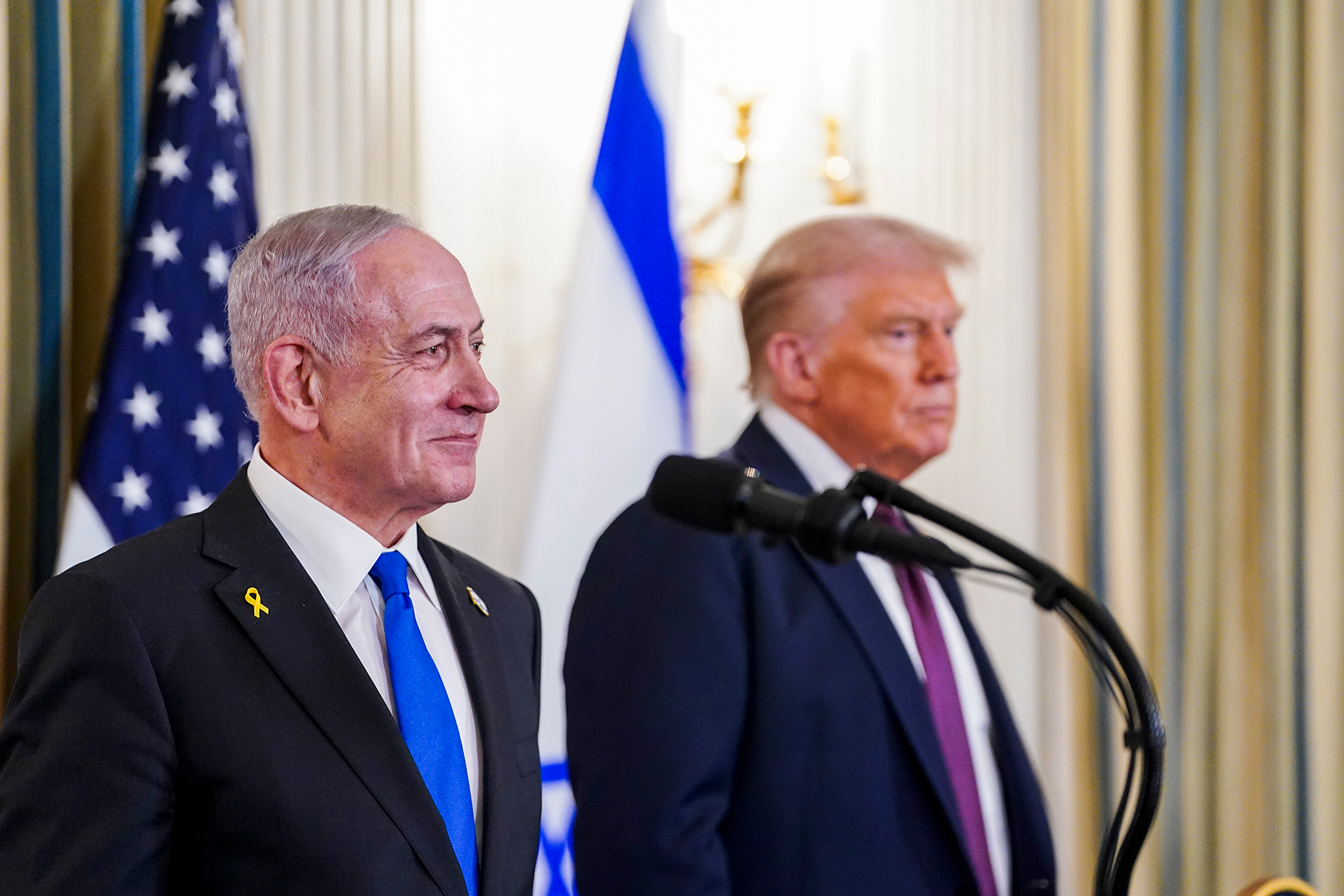
Кровавые события октября 2023 г. запустили процесс ускоренного разрешения ближневосточного кризиса в пользу израильско-американского тандема. В течение всего лишь двух лет Биньямину Нетаньяху и Дональду Трампу удалось то, что на протяжении долгих десятилетий не удавалось ни одному израильскому премьеру и ни одному американскому президенту. Никогда еще еврейский народ не стоял так близко к осуществлению своей древней мечты — обретению полного господства над Землей обетованной. Хребет «Оси сопротивления», состоящей в основном из шиитов, сломлен: Иран сильно ослаблен, в Сирии свергнут режим Асада, ливанское военно-политическое движение «Хезболла» обезглавлено, ХАМАС загнан в угол.
The bloody events of October 2023 set in motion an accelerated resolution of the Middle Eastern crisis in favor of the Israeli-American tandem. In just two years, Benjamin Netanyahu and Donald Trump have managed what no Israeli prime minister and no American president had managed over many long decades. Never before has the Jewish people stood so close to realizing its ancient dream: attaining full dominion over the Promised Land. The backbone of the “Axis of Resistance,” composed mainly of Shiites, has been broken: Iran is greatly weakened, the Assad regime has been overthrown in Syria, Lebanon’s military-political movement Hezbollah has been decapitated, and Hamas has been driven into a corner.
There can be no question of creating a sovereign Palestinian state, despite the loud declarations of the leaders of the overwhelming majority of the world’s countries. The Arab countries are largely preoccupied with anticipating the fruits of coming economic prosperity, long-awaited peace, and well-being in the Middle East; the fact that the Palestinian problem is being consigned to oblivion troubles few people.
О создании суверенного палестинского государства, несмотря на громкие заявления лидеров подавляющего большинства стран мира, не может быть и речи. Арабские страны преимущественно заняты тем, что предвкушают плоды грядущего экономического процветания, долгожданного мира и благоденствия на Ближнем Востоке, а то, что палестинская проблема предается забвению, мало кого волнует.
The Arab countries now face a dilemma: either to follow an independent path, ignoring the Abraham Accords, which contradict the Beirut Declaration adopted by the Arab League countries in 2002, and struggle for a military-political order in the region under Arab leadership; or, in the words of the founder of Revisionist Zionism, Vladimir Jabotinsky, to “yield their homeland for a good network of railways,” accepting the military-political security system imposed by the Israeli-American tandem.
В настоящее время перед арабскими странами стоит дилемма: либо идти самостоятельным путем, игнорируя соглашения Авраама, которые противоречат принятой в 2002 г. странами ЛАГ Бейрутской декларации, и бороться за военно-политическое устройство в регионе под арабским началом, либо, говоря словами основателя ревизионистского сионизма Владимира Жаботинского, «уступить свою родину за хорошую сеть железных дорог», принимая навязанную израильско-американским тандемом военно-политическую систему безопасности.
Neutralizing the Iranian threat is one of the key tasks before the United States and Israel, but it is not the main one; as recent events have shown, they can suppress Iran’s military potential without outside help. The true purpose of creating a Middle Eastern NATO, or “Abraham Alliance,” is to establish Pax Hebraica: a security system in which present and future signatories of the Abraham Accords will bind their security and stability to the American-Israeli center of power. Iran, of course, could have impeded these far-reaching plans, but it has been weakened, and the chief instrument of its influence, the Arab “Axis of Resistance,” has effectively been destroyed. Turkey, which would not mind establishing its own hegemony in the region, may prove a far more serious obstacle to the tandem’s hegemonic ambitions. Here we are dealing with a rather unusual situation, in which serious disagreements may arise in the Middle Eastern context between NATO members, the United States and Turkey.
Нейтрализация иранской угрозы — одна из ключевых, но не главная задача, стоящая перед США и Израилем, ведь, как показали прошедшие события, для подавления иранского военного потенциала они могут обойтись и без посторонней помощи. Истинная цель создания ближневосточного НАТО, или «Альянса Авраама», заключается в установлении Pax Hebraica — системы безопасности, при которой нынешние и будущие подписанты соглашений Авраама будут связывать свою безопасность и стабильность с американо-израильским центром силы. Разумеется, Иран мог бы препятствовать этим далеко идущим планам, однако он ослаблен, а главный инструмент его влияния — арабская «Ось сопротивления» — фактически уничтожен. Куда более серьезной помехой на пути осуществления гегемонистских устремлений тандема может стать Турция, которая не прочь установить собственную гегемонию в регионе. Здесь мы имеем дело с довольно-таки необычной ситуацией, когда между членами НАТО — США и Турцией — в ближневосточном контексте могут возникнуть серьезные разногласия.
Life, of course, is far more varied than any possible scenarios, especially since the Middle Eastern region has always been marked by military-political instability and therefore by a certain measure of unpredictability. Nevertheless, the general logic of events is quite clear: Pax Hebraica, or the establishment of Israeli-American dominion in the Middle East, is meeting no serious resistance from either the Arab states or the international community, and therefore appears inevitable.
Разумеется, жизнь куда более многообразна, чем возможные сценарии, тем более что Ближневосточный регион всегда отличался военно-политической нестабильностью, а значит, и определенной долей непредсказуемости. Тем не менее общая логика развития событий прослеживается довольно четко: Pax Hebraica, или становление израильско-американского господства на Ближнем Востоке, не встречает сколько-нибудь серьезного сопротивления — ни со стороны арабских государств, ни со стороны международного сообщества, а посему представляется неизбежным.
The bloody events of October 7, 2023 set in motion an accelerated resolution of the Middle Eastern crisis in favor of the Israeli-American tandem (hereafter, the Tandem). In just two years, Benjamin Netanyahu and his American associate Donald Trump have managed what no Israeli prime minister and no American president had managed over many long decades. Never before has the Jewish people stood so close to realizing its ancient dream: attaining full dominion over the Promised Land. The backbone of the “Axis of Resistance,” composed mainly of Shiites, has been broken: Iran is greatly weakened, the Assad regime has been overthrown in Syria, Lebanon’s military-political movement Hezbollah has been decapitated, and Hamas has been driven into a corner.
Кровавые события 7 октября 2023 г. запустили процесс ускоренного разрешения ближневосточного кризиса в пользу израильско-американского тандема (далее — Тандем). В течение всего лишь двух лет Биньямину Нетаньяху и его американскому соратнику Дональду Трампу удалось то, что на протяжении долгих десятилетий не удавалось ни одному израильскому премьеру и ни одному американскому президенту. Никогда еще еврейский народ не стоял так близко к осуществлению своей древней мечты — обретению полного господства над Землей обетованной. Хребет «Оси сопротивления», состоящей в основном из шиитов, сломлен: Иран сильно ослаблен, в Сирии свергнут режим Асада, ливанское военно-политическое движение «Хезболла» обезглавлено, ХАМАС загнан в угол.
Natural questions may arise: are these assertions premature; is it too early to write off the “Axis of Resistance”; and have the Arab countries really abandoned the struggle for an independent Palestinian state? At the present stage, answers to these questions still seem uncertain and premature. Yet the trend in the region, the insistent talk of a “new Middle East,” and, more than that, the Tandem’s purposeful actions, cynical and demagogic in their essence, leave not a shadow of doubt that the establishment of Israeli-American hegemony across the Middle Eastern expanses is inevitable. In the end, we are dealing with a forced variation in chess: the moves have not yet been made, but their sequence is already clearly visible, and no possible alternative can be discerned for the opponents.
Могут возникнуть закономерные вопросы: не поспешны ли эти утверждения, не рано ли списывать со счетов «Ось сопротивления», и действительно ли арабские страны отказались от борьбы за независимое палестинское государство? На нынешнем этапе ответы на эти вопросы все еще кажутся неопределенными и преждевременными. Однако тенденция развития ситуации в регионе, настойчивые разговоры о «новом Ближнем Востоке», более того, целенаправленные действия Тандема — циничные и демагогические по своей сути — не оставляют и тени сомнения в том, что установление израильско-американской гегемонии на ближневосточных просторах неизбежно. В итоге мы имеем дело с форсированным вариантом в шахматах: когда ходы еще не сделаны, но их последовательность уже четко проглядывается, и у противников не просматривается возможной альтернативы.
Israel’s Policy of Seizure in Gaza and the West BankЗахватническая политика Израиля в Газе и на Западном берегу
How, then, did confrontation in the Middle East lead to the present state of affairs? A number of factors determined this alignment, chief among them the Netanyahu government’s use of brute military force with subtle diplomatic calculation, and Donald Trump’s return to power at a timely moment for the Israelis.
Как же противостояние на Ближнем Востоке привело к нынешнему положению дел? Существует ряд определивших этот расклад факторов, главные из которых — применение грубой военной силы с тонким дипломатическим расчетом правительством Нетаньяху и своевременное для израильтян возвращение к власти Дональда Трампа.
Brute military force is being applied against territory that, according to UN General Assembly Resolution No. 181 of November 29, 1947, was allocated to the Palestinian Arabs for the proclamation of an independent state. This means the Gaza Strip and the West Bank of the Jordan River, or rather what remains of them after decades of wars and territorial seizures carried out by Israel. In the context of the Gaza Strip, combat operations have been conducted, and if necessary will continue to be conducted, not only against Hamas but also against the civilian population. There are no options left: either the organization’s fighters will continue resisting and be destroyed, or they will lay down their arms. In both cases, this will mean the final defeat of the “Axis of Resistance.”
Грубая военная сила применяется в отношении территории, которая, согласно резолюции Генеральной ассамблеи ООН № 181 от 29 ноября 1947 г., была отведена палестинским арабам для провозглашения независимого государства. Речь идет о секторе Газа и Западном береге реки Иордан, вернее о том, что осталось от них после десятилетий войн и территориальных захватов, осуществленных Израилем. В контексте сектора Газа боевые действия велись и при необходимости продолжатся не только против ХАМАС, но и против мирного населения. Вариантов не остается: либо боевики организации продолжат сопротивление и будут уничтожены, либо сложат оружие. В обоих случаях это будет означать окончательный разгром «Оси сопротивления».
The Israeli leadership has set itself the aim of getting rid of the Palestinian presence by any means. And “presence” here means not only physical presence. Perhaps deportation will not ultimately take place, but the residents of Gaza will be deprived not only of the right to self-determination, but also of everything that makes a dignified life possible. To avoid speaking without evidence, let us cite indisputable facts. First, the scale of human casualties and suffering is staggering. According to the UN Office for the Coordination of Humanitarian Affairs (OCHA), from October 7, 2023 to October 15, 2025, the number of dead had reached about 68,000, and the number of wounded 170,000. In a report by the Special Rapporteur on the situation of human rights in the Palestinian territories occupied since 1967, Francesca Albanese, published on October 1, 2024, it is noted: “The violence Israel has unleashed against Palestinians after 7 October does not occur in a vacuum, but is part of a long-term, intentional, systematically organized state campaign of forcible displacement of Palestinians and re-settlement of the territories. If nothing changes, irreparable harm may be done to the very existence of the Palestinian people in Palestine.” It is no accident that the report’s subtitle is “Genocide as colonial erasure.”
Израильское руководство задалось целью избавиться от присутствия палестинцев любым способом. Причем «присутствие» подразумевается не только физическое. Возможно, в конечном итоге депортации не произойдет, но жители Газы будут лишены не только права на самоопределение, но и всего того, что обеспечивает достойную жизнь. Чтобы не быть голословными, приведем неоспоримые факты. Во-первых, поражает масштаб человеческих жертв и страданий. По данным Управления по координации гуманитарных вопросов (УКГВ) ООН, начиная с 7 октября 2023 г. и по состоянию на 15 октября 2025 г. число погибших достигло около 68 тыс. человек, раненых — 170 тыс. человек. В докладе Специального докладчика по вопросу о положении в области прав человека на палестинских территориях, оккупируемых с 1967 г., Франчески Альбанезе, опубликованном 1 октября 2024 г., отмечается: «Насилие, учиняемое Израилем над палестинцами после 7 октября, не происходит в вакууме, а является частью долгосрочной, преднамеренной, систематически организованной государством кампании насильственного перемещения палестинцев и перезаселения территорий. Если ничего не изменится, может быть нанесен непоправимый ущерб самому существованию палестинского народа в Палестине». Не случайно, что подзаголовок доклада — «Геноцид как колонизаторская тактика стирания нации».
The same policy of seizure is being pursued with regard to the West Bank of the Jordan River (in the Israeli version, Judea and Samaria). The same report cites facts concerning the seizure of lands where Palestinians had previously lived: “Israel demolished, confiscated, or ordered the demolition of more than 1,416 Palestinian structures, resulting in the displacement of more than 3,200 Palestinians, including about 1,400 children.”
Такая же захватническая политика проводится и в отношении Западного берега реки Иордан (по израильской версии — Иудея и Самария). В том же докладе приводятся факты захвата земель, где ранее проживали палестинцы: «Израиль снес, изъял или приказал снести более 1 416 палестинских строений, в результате чего более 3 200 палестинцев, в том числе около 1 400 детей, были вынуждены покинуть свои дома».
It is noteworthy that such actions are reinforced by the adoption of legal documents designed to justify the Israeli leadership’s political expansionism. Thus, on July 23, 2025, the Knesset approved a resolution calling for “the application of Israeli sovereignty, legislation, jurisdiction, and administration to all areas of Jewish settlement of any type in Judea, Samaria, and the Jordan Valley.” It was emphasized that the West Bank is “an integral part of the Land of Israel, the natural, historical, and legal right of the people of Israel.” As if to confirm this, on October 22 the Knesset adopted a bill extending Israeli jurisdiction this time not only to the seized lands, but to the entire territory of the West Bank.
Примечательно, что подобные действия подкрепляются принятием юридических документов, призванных оправдать политический экспансионизм израильского руководства. Так, 23 июля 2025 г. Кнессет одобрил резолюцию, призывающую «применить израильский суверенитет, законодательство, юрисдикцию и управление ко всем районам еврейских поселений любого типа в Иудее, Самарии и долине реки Иордан». При этом было подчеркнуто, что Западный берег представляет собой «неотъемлемую часть Земли Израиля, являющуюся естественным, историческим и законным правом народа Израиля». Как бы в подтверждение этого 22 октября Кнессет принял законопроект, на сей раз распространяющий израильскую юрисдикцию не только на захваченные земли, но и на всю территорию Западного Берега.
To summarize the foregoing, let us stress that with regard to Gaza and the West Bank of the Jordan River, that is, the part of Palestine lying west of the Jordan River as far as the Mediterranean Sea, the current Israeli authorities are pursuing a policy of ethnic cleansing, or at the very least of unconditional subordination of the Palestinian Arabs to the State of Israel. This policy is being implemented through the combined use of scorched-earth tactics, territorial expansion in the occupied Palestinian territories, and the adoption of political decisions and legislative acts that confront the Palestinians, the Arab countries, and the world community with a fait accompli.
Резюмируя вышесказанное, подчеркнем, что в отношении Газы и Западного берега реки Иордан — то есть части Палестины, лежащей западнее реки Иордан до Средиземного моря, — нынешние израильские власти проводят политику этнической чистки, или, во всяком случае, беспрекословного подчинения палестинских арабов государству Израиль. Эта политика реализуется посредством комплексного применения тактики выжженной земли, территориальной экспансии на оккупированных палестинских территориях, а также путем принятия политических решений и законодательных актов, ставящих палестинцев, арабские страны и мировое сообщество перед свершившимся фактом.
The Price of Blockade: How War Is Deepening the Humanitarian Crisis in Gaza
Цена блокады: как война усугубляет гуманитарный кризис в Газе
The Abraham Accords: A Means of Coercion into a False PeaceСоглашения Авраама — средство принуждения к ложному миру
If, with respect to Palestine west of the Jordan River, the Tandem is betting on coercion through brute force and military-political settlement, then with respect to the other Middle Eastern countries it resorts to political and diplomatic means of coercion. All this, moreover, is served up “with a sauce” of universal well-being, economic prosperity, in a word, a happy life in which eternal peace reigns instead of enmity and mutual hatred.
Если применительно к Палестине, лежащей западнее реки Иордан, Тандем делает ставку на принуждение через грубую силу и военно-политическое урегулирование, то в отношении остальных ближневосточных стран он прибегает к политико-дипломатическим средствам принуждения. Причем все это подается «под соусом» всеобщего благоденствия, экономического процветания, одним словом, счастливой жизни, где вместо вражды и обоюдной ненависти царствует вечный мир.
In his address to Knesset members on October 14, 2025, the U.S. president spoke of a “golden age of Israel” and a “golden age of the Middle East,” of the arrival of a “historic dawn over a new Middle East,” and of “eternal peace.” True, during the speech two deputies began shouting slogans about the Palestinians’ right to an independent state, but they were immediately removed from the hall. This episode eloquently attests to the Israeli political beau monde’s categorical rejection, followed by that of society, of the formula of coexistence between two states.
В своем выступлении перед депутатами Кнессета 14 октября 2025 г. президент США говорил o «золотом веке Израиля» и «золотом веке Ближнего Востока», о наступлении «исторической зари над новым Ближним Востоком» и о «вечном мире». Правда, двое депутатов во время выступления стали выкрикивать лозунги о праве палестинцев на независимое государство, но были тут же выдворены из зала. Данный эпизод красноречиво свидетельствует о категорическом неприятии израильским политическим бомондом, а вслед за ним и обществом, формулы сосуществования двух государств.
In the context of this article, it will not be superfluous to cite another passage from the American president’s speech. He stated, in particular: “The United States has the greatest and most powerful military... in the history of the world. ...we have weapons that no one has ever dreamed of. ... We make the best weapons in the world, and we have a lot of them. And, frankly, we have given quite a few to Israel.” It is not so important whether the U.S. army is indeed the strongest in the world. What matters is something else: such conviction gives the Tandem additional motivation to pursue a policy of imposing its will from a position of strength. And one must admit frankly: this approach is proving highly viable.
В контексте данной статьи не будет излишним привести еще один отрывок из выступления американского президента. Он, в частности, заявил: «Соединенные Штаты располагают величайшей и самой мощной армией... за всю мировую историю. ...у нас есть оружие, о котором никто даже не мечтал. ... Мы производим лучшее оружие в мире — и у нас его много. И, откровенно говоря, немало мы передали Израилю». Не столь важно, действительно ли армия США является самой сильной в мире. Важно другое: такая убежденность придает Тандему дополнительную мотивацию проводить политику навязывания своей воли с позиции силы. И надо признать откровенно: такой подход оказывается весьма жизнеспособным.
The chief instrument in realizing the Tandem’s hegemonic aspirations is the Abraham Accords. In addition to bilateral agreements, there is also the “Declaration of the Abraham Accords,” a framework document appealing to noble ideas of peace, prosperity, human dignity, freedom of religion, and a shared vision of peace in the Middle East and throughout the world. Yet neither the Declaration itself nor the bilateral agreements with Bahrain, Morocco, the UAE, and Sudan contain the slightest mention of the Palestinian people’s right to self-determination, or even a passing reference to the Palestinian question. For that matter, the earlier peace treaties between Israel and Egypt (1979) and Israel and Jordan (1994), which may be considered predecessors of the Abraham Accords, did not particularly dwell on this question either. What matters most to the Arab-side signatories is bilateral relations and their own interests. For Egypt, for example, the most important point was the withdrawal of Israeli troops from the Sinai Peninsula; for Morocco, recognition of its sovereignty over Western Sahara.
Главным инструментом в осуществлении гегемонистических устремлений Тандема являются соглашения Авраама. Помимо двусторонних договоренностей существует еще и «Декларация о соглашениях Авраама» — рамочный документ, взывающий к благородным идеям мира, процветания, человеческого достоинства, свободы вероисповедания и общности видения мира на Ближнем Востоке и во всем мире. Однако ни в самой Декларации, ни в двусторонних соглашениях с Бахрейном, Марокко, ОАЭ и Суданом не содержится ни малейшего упоминания о праве палестинского народа на самоопределение или о палестинском вопросе хотя бы вскользь. Впрочем, и ранее заключенные договоры о мире между Израилем и Египтом (1979), Израилем и Иорданией (1994), которые можно считать предшественниками соглашений Авраама, особо не заостряли внимания на этом вопросе. Главное для подписантов с арабской стороны — двусторонние отношения и собственные интересы. Для Египта, например, важнейшим пунктом был отвод израильских войск с Синайского полуострова, для Марокко — признание его суверенитета над Западной Сахарой.
Thus, the Abraham Accords entirely ignore the peace initiative of the League of Arab States (LAS) set out in the Beirut Declaration of March 28, 2002. At that time the Arab countries declared their readiness to recognize the State of Israel, but put forward three preliminary conditions:
Таким образом, соглашения Авраама полностью игнорируют мирную инициативу Лиги арабских государств (ЛАГ), изложенную в Бейрутской декларации от 28 марта 2002 г. Тогда арабские страны заявили о своей готовности признать государство Израиль, но выдвинули три предварительных условия:
a) withdrawal from the territories occupied since June 1967 to the borders of June 4, 1967, including the Golan Heights and the lands seized in southern Lebanon;
а) отступление с оккупированных с июня 1967 г. территорий до границ 4 июня 1967 г. включая Голанские высоты и захваченные на юге Ливана земли;
b) a just resolution of the problem of Palestinian refugees on the basis of UN General Assembly Resolution No. 194;
б) справедливое разрешение проблемы палестинских беженцев на основе резолюции № 194 Генеральной ассамблеи ООН;
c) consent to the creation of an independent and sovereign Palestinian state in the West Bank of the Jordan River and in the Gaza Strip, with East Jerusalem as its capital.
в) согласие на создание независимого и суверенного палестинского государства на Западном берегу реки Иордан и в секторе Газа со столицей в Восточном Иерусалиме.
It must be emphasized that the Palestinian question includes not only securing the Palestinian people’s rights to self-determination, a just resolution of the refugee problem, or the proclamation of East Jerusalem as the capital of an independent Palestine. This question has another, deeper meaning as well. It is the question capable of uniting the disparate Arab states, with their differing levels of political, economic, and cultural development, around a single idea. It is precisely the idea of an independent Palestinian state that reflects, at least at this historical juncture, the spirit, aspirations, and hopes of the Arab nation, or ummah, as a whole. Retreat from this idea means nothing less than the hollowing out of the very essence of Arab being, the Arab worldview.
Необходимо подчеркнуть, что палестинский вопрос включает не только обеспечение прав палестинского народа на самоопределение, справедливое разрешение проблемы беженцев или провозглашение Восточного Иерусалима столицей независимой Палестины. Вопрос этот имеет еще и другой, более глубокий смысл. Это тот вопрос, который способен объединить разрозненные арабские государства с их разным уровнем политического, экономического, культурного развития вокруг единой идеи. Именно идея независимого палестинского государства отражает, во всяком случае на данном историческом отрезке, дух, стремления и чаяния арабской нации или уммы в целом. Отступление от этой идеи означает ни что иное, как выхолащивание самой сути арабского бытия, арабского мировоззрения
Consequently, there is an irreconcilable contradiction between the Beirut Declaration and the Abraham Accords. Acceptance of the Abraham Accords, which mention none of the preliminary conditions listed above, effectively means, first, abandoning the struggle for recognition of the sovereign State of Palestine and, second, what may be even more dangerous for the Arab states, unconditional submission to the political will of the Tandem for the sake of calm and trade, but at the expense of national dignity.
Стало быть, между Бейрутской декларацией и соглашениями Авраама существует непреодолимое противоречие. Принятие соглашений Авраама, где не упоминается ни одно из вышеприведенных предварительных условий, фактически означает, во-первых, отказ от борьбы за признание суверенного государства Палестины, а во-вторых, что может быть еще опаснее для арабских государств, — беспрекословное подчинение политической воле Тандема ради спокойствия и торговли, но в ущерб национальному достоинству.
How can one not recall the founder of Revisionist Zionism, Vladimir Jabotinsky, who called for the use of forceful methods against the Palestinian Arabs and was convinced there was no other path, since they would not make concessions for any benefits. In his epochal article “The Iron Wall (We and the Arabs),” he wrote: “The conciliators among us try to persuade us that the Arabs are either fools, who can be deceived by a ‘softened’ formulation of our true aims, or a venal tribe that will yield us their primacy in Palestine for cultural and economic benefits. I absolutely refuse to accept this view of the Palestinian Arabs”[i]. And further: “...the childish fantasy that they will voluntarily agree to the realization of Zionism in exchange for the cultural or material conveniences the Jewish colonizer will bring them derives among our ‘Arabophiles’ from a certain prejudiced contempt for the Arab people, from some sweeping notion of this race as a bribable rabble ready to yield its homeland for a good network of railways. Such an idea has no foundation whatsoever”[ii].
Как тут не вспомнить основателя ревизионистского сионизма Владимира Жаботинского, призывавшего к применению силовых методов в отношении палестинских арабов и убежденного, что иного пути нет, поскольку они не пойдут на уступки ради каких-либо выгод. В своей эпохальной статье «О железной стене (Мы и арабы)» он писал: «Примирители в нашей среде пытаются уговорить нас, будто арабы — или глупцы, которых можно обмануть «смягченной» формулировкой наших истинных целей, или продажное племя, которое уступит нам свое первенство в Палестине за культурные и экономические выгоды. Отказываюсь наотрез принять этот взгляд на палестинских арабов»[i]. И далее: «...детская фантазия о том, что они добровольно согласятся на осуществление сионизма в обмен на культурные или материальные удобства, которые принесет им еврейский колонизатор, вытекает у наших “арабофилов” из какого-то предвзятого презрения к арабскому народу, из какого-то огульного представления об этой расе как о сброде подкупном, готовом уступить свою родину за хорошую сеть железных дорог. Такое представление ни на чем не основано»[ii].
The article “The Iron Wall” was published in 1923, and although a hundred years have passed since then, it remains topical to this day. It offers a concise and precise characterization of the future Abraham Accords, those very “softened formulations of our true aims.” And it expresses sincere respect, strange as this may be for an outstanding figure of the right-wing political current of Zionism, for the Arabs as an incorruptible people who place the idea of independence and national dignity above all else.
Статья «Железная стена» была опубликована в 1923 г., и, хотя с тех пор прошло сто лет, она до сих пор остается злободневной. В ней дается емкая и точная характеристика будущих соглашений Авраама — тех самых «смягченных формулировок наших истинных целей». И в ней выражается искреннее уважение, как ни странно для выдающегося деятеля правого политического течения сионизма, к арабам как к народу неподкупному, ставящему выше всего идею независимости и национального достоинства.
In light of recent events, a question arises involuntarily: was the great prophet mistaken; did he exaggerate the Arab nation’s capacity to defend its national idea at any price? One would like to believe that he was not mistaken, notwithstanding the fact that all this uproar at the UN General Assembly around recognition of the “two-state” formula, and the subsequent meeting in Sharm el-Sheikh, testify to the contrary.
В свете последних событий невольно возникает вопрос: не ошибся ли великий провидец, не преувеличил ли он способность арабской нации отстаивать любой ценой национальную идею? Хотелось бы верить, что нет, не ошибся — вопреки тому, что весь этот сыр-бор, разгоревшийся на Генассамблее ООН вокруг признания формулы «два государства», и последующая встреча в Шарм-эш-Шейхе свидетельствуют об обратном.
War and Peace: Where Is the World Headed?
Война и мир: куда движется мир?
The New York Declaration and the UN “Isolation” of IsraelНью-Йоркская Декларация и ООНовская «изоляция» Израиля
The session of the UN General Assembly devoted to recognizing the independent State of Palestine and nailing Israel to the pillory was greeted with enthusiasm by almost the entire world community. This “historic event” was preceded by a high-level international conference held in New York on the initiative of Saudi Arabia and France from June 28 to 30, 2025. The final document, with the long title “New York Declaration on the Peaceful Settlement of the Question of Palestine and the Implementation of the Two-State Solution,” emphasizes that the principle of two-state coexistence remains the basis for a Middle Eastern settlement, and speaks of the need for “the establishment of an independent, sovereign, economically viable and democratic State of Palestine, which will live side by side with Israel in peace and security, thereby making possible full regional integration and mutual recognition.”
Заседание Генассамблеи ООН, посвященное признанию независимого Государства Палестина и пригвождению Израиля к позорному столбу, было встречено с восторгом чуть ли не всем мировым сообществом. Этому «историческому событию» предшествовала Международная конференция высокого уровня, проходившая в Нью-Йорке по инициативе Саудовской Аравии и Франции с 28 по 30 июня 2025 г. В итоговом документе под длинным названием «Нью-Йоркская декларация по мирному урегулированию вопроса о Палестине и реализации решения, предусматривающего сосуществование двух государств» подчеркивается, что принцип сосуществования двух государств остается основой ближневосточного урегулирования, говорится о необходимости «образования независимого, суверенного, экономически жизнеспособного и демократического Государства Палестина, которое будет жить бок о бок с Израилем в условиях мира и безопасности, и тем самым обеспечить возможность для полной региональной интеграции и взаимного признания».
Thus, the New York Declaration reflects the vision of the UN and, indeed, of the overwhelming majority of international public opinion, including Russia, regarding the system of regional security in the Middle East after settlement of the Arab-Israeli conflict. As for the 80th session of the UN General Assembly itself, on September 12 the New York Declaration was adopted by an overwhelming majority of member states (142 votes in favor, 10 against, 12 abstentions), thereby giving the Declaration the status of an official UN document. The Tandem, of course, was among those voting against. Let us add that this was followed by a cascade of recognitions of the independent Palestinian State, including by countries that at one time could hardly have been suspected of any particular pro-Arab sympathies (the United Kingdom, Canada, Portugal, France, and so on).
Таким образом, Нью-Йоркская декларация отражает видение ООН и, собственно, подавляющего большинства международной общественности, в том числе России, относительно системы региональной безопасности на Ближнем Востоке после урегулирования арабо-израильского конфликта. Что касается самой 80-й сессии Генассамблеи ООН, то 12 сентября Нью-Йоркская декларация была принята подавляющим большинством государств-членов (142 голосов — за, 10 против, 12 воздержались), тем самым придав Декларации статус официального документа ООН. Разумеется, Тандем был в числе проголосовавших против. Добавим, что вслед за этим произошел каскад признаний независимого Палестинского государства, в том числе со стороны тех стран, которых в свое время трудно было заподозрить в особых проарабских симпатиях (Великобритания, Канада, Португалия, Франция и т.д.).
In his address to the session on September 26, Prime Minister Netanyahu stated that the Palestinian Arabs want a state not alongside Israel but instead of Israel, emphasizing that the existence of the Jewish state is unacceptable not only to Hamas but also to the so-called moderate Palestinian authorities. The Israeli prime minister is right, but only half right. In exactly the same way, the idea of creating a State of Palestine is unacceptable both to the Israeli authorities and to Israelis as a whole. The age of Israeli “Arabophiles” is long past.
В своем выступлении на сессии 26 сентября премьер-министр Нетаньяху заявил, что палестинские арабы хотят государство не рядом с Израилем, а вместо Израиля, подчеркнув, что существование еврейского государства неприемлемо не только для ХАМАС, но и для так называемых умеренных палестинских властей. Премьер-министр Израиля прав, но лишь наполовину. Точно таким же образом мысль о создании Государства Палестина неприемлема как для израильских властей, так и для израильтян в целом. Время израильских «арабофилов» давно прошло.
And one last point concerning the 80th UN General Assembly: before Netanyahu’s speech, most delegates left the hall. Together with the vote adopting the New York Declaration and the subsequent wave of recognitions of the State of Palestine, this conduct by the delegations gave many politicians, analysts, and journalists occasion to gloat over Israel’s isolation. Yet so long as Israel and the United States of America remain the closest strategic partners, there can be no talk of Israel’s international isolation. The military-political authority of the United States is too indisputable, its influence on international affairs too weighty, not to mention the Middle Eastern region. The best proof of this argument was the enthusiastic approval of the “Trump Plan” by the very world community that only a few days earlier, from the high rostrum of the UN, had set itself against the Tandem by staging an obstruction against Israel and, indirectly, against the United States.
И последнее, что касается 80-й Генассамблеи ООН: перед выступлением Нетаньяху большинство делегатов покинуло зал заседаний. Вкупе с голосованием по принятию Нью-Йоркской декларации и шквалом последующих признаний Государства Палестина такое поведение делегаций дало повод многим политикам, аналитикам, журналистам злорадствовать по поводу изоляции Израиля. Однако до тех пор, пока Израиль и Соединенные Штаты Америки являются теснейшими стратегическими партнерами, о международной изоляции Израиля не может быть и речи. Слишком уж непререкаем военно-политический авторитет США, слишком уж весомо их влияние на международные дела, не говоря уже о Ближневосточном регионе. Лучшим доказательством этого аргумента стало восторженное одобрение «Плана Трампа» тем самым мировым сообществом, которое всего несколькими днями ранее с высокой трибуны ООН противопоставляло себя Тандему, устроив обструкцию против Израиля и, опосредованно, против Соединенных Штатов.
Hezbollah in the New Reality: Dying Force or Black Swan?
Хезболла в новой реальности — умирающий или черный лебедь?
Trump’s Plan for the Reconstruction of Gaza and “Eternal Peace” in the Middle East
План Трампа по реконструкции Газы и «вечному миру» на Ближнем Востоке
On September 29, 2025, at a press conference after meeting with B. Netanyahu in Washington, Donald Trump unveiled a comprehensive plan for establishing “eternal peace in the Middle East.” The first stage envisages the cessation of hostilities, followed by the disarmament and amnesty of Hamas fighters, now former fighters, as well as the withdrawal of the Israeli army to the so-called “yellow line.” This means that initially more than 50% of the Gaza Strip will remain under Israeli control. A second withdrawal, to the “red line,” is planned after the deployment of International Stabilization Forces, to which control over the Gaza Strip will be transferred, temporarily, of course. To resolve the politically far more complex question of who is to hold power in the Gaza Strip, the creation of a transitional “technocratic, apolitical Palestinian Committee” is envisaged; it will carry out administrative governance under the supervision of an international transitional Board of Peace headed by the U.S. president himself. The mandate of the Board of Peace and of the International Stabilization Forces will continue until the Palestinian Authority completes its reform program.
29 сентября 2025 г. на пресс-конференции после встречи с Б. Нетаньяху в Вашингтоне Дональд Трамп обнародовал всеобъемлющий план по установлению «вечного мира на Ближнем Востоке». Первый этап предполагает прекращение боевых действий с последующим разоружением и амнистированием — теперь уже бывших — боевиков ХАМАС, а также отход израильской армии к так называемой «желтой линии». Это означает, что первоначально более 50% сектора Газа останется под контролем Израиля. Второе отступление — к «красной линии» — намечено после развертывания Международных сил стабилизации, которым будет передан контроль над сектором Газа (разумеется, временно). Для решения политически гораздо более сложного вопроса — относительно власть предержащих в секторе Газа — предусматривается создание переходного «технократического аполитичного Палестинского комитета», который будет осуществлять административное управление под опекой международного переходного Совета мира (Board of Peace) во главе с самим президентом США. Мандат Совета мира, Международных сил стабилизации будет продолжаться до тех пор, пока Палестинские власти не завершат программу реформирования.
The last two points of the Plan, concerning the formation of Palestinian statehood, are of particular interest. Point 19 emphasizes that after Gaza’s restoration, in the English original “re-development,” and the completion of the Palestinian Authority’s reform program, conditions will finally be created for a credible path toward Palestinian self-determination and statehood. And according to Point 20, covered by an even denser veil of uncertainty, the United States will establish a dialogue between Israel and the Palestinians to reach agreement on a “political horizon” for peaceful and prosperous coexistence. In the month that has passed since the Plan was proclaimed, it has become clear that implementation of even the first stage is highly problematic. Hamas has still not disarmed, which risks the resumption of full-scale hostilities with new civilian casualties. Many Palestinians have serious doubts about the composition of both the Palestinian Committee and the Board of Peace. The same applies to the composition of the International Stabilization Forces. For Israel, for example, the presence of Turkish representatives in Gaza is unacceptable. Yet the greatest concern is caused by uncertainty over the Palestinian people’s right to self-determination, to an independent and sovereign state.
Особый интерес вызывают последние два пункта Плана, касающиеся формирования палестинской государственности. В пункте 19 подчеркивается, что после восстановления Газы (в английском оригинале — re-development) и завершения программы реформ Палестинских властей наконец-то будут созданы условия для надежного продвижения к палестинскому самоопределению и государственности. А согласно пункту 20, покрытому еще более густой завесой неопределенности, Соединенные Штаты учредят диалог между Израилем и палестинцами для достижения согласия по «политическому горизонту» с целью мирного и процветающего сосуществования. За месяц, прошедший после провозглашения Плана, стало очевидно, что реализация уже первого этапа весьма проблематична. ХАМАС до сих пор не разоружился, что чревато возобновлением полномасштабных военных действий с новыми жертвами среди мирного населения. У многих палестинцев вызывает большие сомнения состав как Палестинского комитета, так и Совета мира. То же самое касается и состава Международных сил стабилизации. Для Израиля, к примеру, неприемлемо присутствие в Газе представителей Турции. Однако самые большие опасения вызывает неопределенность в вопросе права палестинского народа на самоопределение, на независимое и суверенное государство.
At a meeting with representatives of Arab media, Russian Foreign Minister Sergei Lavrov pointed to the circumstance that “...D. Trump’s peace plan speaks only of the Gaza Strip. Statehood is mentioned there, but in fairly general terms. These approaches must certainly be made more specific, including determining what will happen in the West Bank of the Jordan River, because UN decisions envisage the creation of a single, territorially contiguous Palestinian state within the 1967 borders.” Despite the clear position and joint efforts of the overwhelming majority of UN member states, including Russia, toward a Middle Eastern settlement based on two-state coexistence, one cannot speak of any tangible progress on this issue. Rather the opposite: most countries received the Trump Plan with enthusiasm, as demonstrated by the “Summit for Peace and Reconstruction in the Middle East” held in Sharm el-Sheikh.
Министр иностранных дел РФ Сергей Лавров на встрече с представителями арабских СМИ указал на то обстоятельство, что «...в мирном плане Д. Трампа говорится только о секторе Газа. Там упоминается государственность, но в достаточно общих выражениях. Предстоит обязательно конкретизировать эти подходы, в том числе определить, что будет на Западном берегу реки Иордан, потому что решения ООН предполагают создание единого, территориально целостного палестинского государства в границах 1967 г.». Несмотря на четкую позицию и совместные усилия подавляющего большинства государств — членов ООН, в том числе России, по ближневосточному урегулированию на основе сосуществования двух государств, говорить о сколько-нибудь ощутимом прогрессе в этом вопросе не приходится. Скорее наоборот — большинство стран с энтузиазмом восприняло План Трампа, о чем свидетельствует и прошедший в Шарм-эш-Шейхе «Саммит за мир и реконструкцию на Ближнем Востоке».
The Summit in Egypt: A Declaration of Intentions Without Israel; the Sharm el-Sheikh Rendezvous
Саммит в Египте: декларация о намерениях без Израиля Шарм-эш-Шейхское рандеву
The Summit for Peace and Reconstruction in the Middle East, held on October 13, 2025, was attended by representatives of Arab and Muslim countries, Western Europe, Asia, and Africa, as well as the UN Secretary-General and the Secretary-General of the Arab League. Israel and Hamas were absent, although one may say that Israel was represented by the United States, while Hamas was avoided like a leper. As a result, the presidents of Egypt, the United States, and Turkey, and the emir of the State of Qatar, signed the “Trump Declaration for Enduring Peace and Prosperity.” The document welcomes President Trump’s sincere efforts to end the war in Gaza and ensure lasting peace in the Middle East. Thus, the Declaration speaks of implementing not only the first stage (ceasefire, release of hostages, and so forth), but the entire Trump Plan. In this regard the signatories pledge to make efforts aimed at ensuring peace, security, and stability for all the peoples of the region, including both Palestinians and Israelis.
В Саммите за мир и реконструкцию на Ближнем Востоке, состоявшемся 13 октября 2025 г., приняли участие представители арабских и мусульманских стран, Западной Европы, Азии и Африки, а также Генеральный секретарь ООН и генеральный секретарь ЛАГ. Израиль и ХАМАС отсутствовали, хотя, можно сказать, Израиль был представлен США, а ХАМАС сторонились как прокаженного. В итоге президенты Египта, США, Турции и эмир государства Катар подписали «Декларацию Трампа за устойчивый мир и процветание». В документе приветствуются искренние усилия президента Трампа положить конец войне в Газе и обеспечить устойчивый мир на Ближнем Востоке. Таким образом, в Декларации говорится о реализации не только первого этапа (прекращение огня, освобождение заложников и т.д.), но и всего Плана Трампа. В этой связи подписанты обязуются прилагать усилия, направленные на обеспечение мира, безопасности и стабильности для всех народов региона, включая как палестинцев, так и израильтян.
The Declaration further notes that lasting peace means prosperity for Palestinians and Israelis while respecting fundamental human rights, guaranteeing their security, and respecting their dignity. Otherwise, the Declaration contains standard passages on interfaith harmony, the struggle against extremism and terrorism, and the need to resolve disputes exclusively by peaceful means. It is noteworthy that the document’s concluding paragraph welcomes the progress achieved in establishing friendly and mutually beneficial relations between Israel and its neighbors in the region.
Далее в Декларации отмечается, что устойчивый мир означает процветание палестинцев и израильтян при соблюдении фундаментальных прав человека, гарантировании их безопасности и уважения их достоинства. В остальном Декларация содержит стандартные пассажи о межконфессиональном согласии, борьбы с экстремизмом и терроризмом, необходимости разрешать споры исключительно мирными средствами. Примечательно, что в завершающем параграфе документа приветствуется прогресс, достигнутый в установлении дружественных и взаимовыгодных отношений между Израилем и его соседями в регионе.
A more or less attentive reading of the document brings its exceptional feature into sharp relief: whereas in the New York Declaration the achievement of a Middle Eastern settlement is seen in the creation of an independent Palestinian state and in the coexistence of two states, the Sharm el-Sheikh Declaration says not a word about this. There are only non-binding, high-flown statements about human rights, dignity, and the like. It is all the stranger that the very same states that beat their breasts and, foaming at the mouth, defended the solution based on the coexistence of two states have now reverently received the Trump Plan, which in effect reduces to zero the possibility of a just solution to the Palestinian problem that would take into account the interests of both Israelis and Palestinians.
При более или менее внимательном чтении документа бросается в глаза его исключительная особенность: если в Нью-Йоркской декларации достижение ближневосточного урегулирования видится в создании независимого палестинского государства и в сосуществовании двух государств, то в Шарм-эш-Шейхской декларации об этом нет ни слова. Есть только ни к чему не обязывающие высокопарные заявления о правах человека, достоинстве и т. п. Тем более странно, что те же самые государства, которые били себе в грудь и с пеной у рта отстаивали решение, основанное на сосуществовании двух государств, теперь с благоговением восприняли План Трампа, который фактически сводит возможность справедливого решения палестинской проблемы, с учетом интересов как израильтян, так и палестинцев, к нулю.
Nor is the document’s ending accidental, where the need to establish friendly and mutually beneficial relations between Israel and its neighbors in the region is emphasized. This is a more than transparent allusion to the Abraham Accords and to the role assigned to them in establishing the Tandem’s hegemony in the region.
Не случайна и концовка документа, где подчеркивается необходимость установления дружественных и взаимовыгодных отношений между Израилем и его соседями в регионе. Это более чем прозрачный намек на соглашения Авраама и ту роль, которая им отводится в установлении гегемонии Тандема в регионе.
Extra-Regional Actors in the Middle EastВнерегиональные акторы на Ближнем Востоке
Two Other Scenarios for a Middle Eastern SettlementДругие два сценария ближневосточного урегулирования
As noted above, events in the Middle East are developing like a forced variation in a chess game, which will ultimately lead to the establishment of the Tandem’s hegemony in the region. Nevertheless, let us dwell on two more scenario-options, not because they are realistic, but for the sake of completeness of analysis.
Как было отмечено выше, события на Ближнем Востоке развиваются наподобие форсированного варианта шахматной партии, который в конечном итоге приведет к установлению гегемонии Тандема в регионе. Тем не менее остановимся еще на двух вариантах-сценариях — не потому, что они реалистичны, а ради полноты анализа.
Scenario 1. The Creation of an Independent State of Palestine and the Peaceful Coexistence of Palestine and Israel
Сценарий 1. Создание независимого Государства Палестины и мирное сосуществование Палестины и Израиля
The facts cited above show with complete clarity that Israel has set a course for the occupation of Gaza and the West Bank of the Jordan River, while all-round military and diplomatic support from the United States lends this process an irreversible character. It is telling that the thunderous declarations by the overwhelming majority of UN member states about recognizing an independent Palestine have been and remain empty sound, especially after the world community, with rare exceptions, received with enthusiasm the Trump Plan for establishing peace and reconstruction in the Gaza Strip. All this leads to the conclusion that the creation of a State of Palestine is impossible in the foreseeable future, and peaceful coexistence between Palestinian Arabs and Jews is no more than a myth.
Приведенные выше факты со всей очевидностью показывают, что Израиль взял курс на оккупацию Газы и Западного берега реки Иордан, а всемерная военная и дипломатическая поддержка со стороны США придает этому процессу необратимый характер. Показательно, что громогласные заявления подавляющего большинства государств — членов ООН о признании независимой Палестины как были, так и остаются пустым звуком, особенно после того, как мировое сообщество за редким исключением с воодушевлением восприняло План Трампа по установлению мира и реконструкции в секторе Газа. Все это подводит к выводу, что создание государства Палестина в обозримой перспективе невозможно, а мирное сосуществование между арабами-палестинцами и евреями не более чем миф.
Let us return once more to the aforementioned article by V. Jabotinsky, where he writes of “voluntary reconciliation between the Palestinian Arabs and us,” of which “there can be no question, either now or within the foreseeable future”[iii]. All subsequent decades have eloquently borne out the founder of Revisionist Zionism: bloodshed and wars alternated with peace negotiations, and at times it seemed that just a little more, and a just peace in the Middle East would be achieved. So it was at the signing of Oslo I (1993), Oslo II (1995), and Israeli prime minister Ehud Barak went so far in making concessions[iv] that it seemed the Palestinians would be sinning not to seize the moment.
Еще раз вернемся к вышеупомянутой статье В. Жаботинского, где он пишет о «добровольном примирении между палестинскими арабами и нами», о котором «не может быть никакой речи, ни теперь, ни в пределах обозримого будущего»[iii]. Все последующие десятилетия красноречиво свидетельствуют о правоте основателя ревизионистского сионизма: кровопролития и войны чередовались с мирными переговорами, и иногда казалось, что еще чуть-чуть, и справедливый мир на Ближнем Востоке будет достигнут. Так было и во время подписания Осло I (1993), Осло II (1995), а израильский премьер Эхуд Барак пошел на такие уступки,[iv] что, казалось, палестинцам грех было не воспользоваться моментом.
Can it really be that between Palestinian Arabs and Jews “there can be no question of voluntary reconciliation”? If this is so, what is the cause of this stalemate? What is the cause of the failure of the UN, of bilateral and multilateral diplomatic initiatives, and of pressure on both sides?
Неужели между палестинскими арабами и евреями действительно «о добровольном примирении не может быть никакой речи»? Если это так, то в чем же причина этой патовой ситуации? В чем причина провала ООН, двусторонних и многосторонних дипломатических инициатив и давления на обе стороны?
The “Promised Land” or the “Land of al-Sham”?
«Земля обетованная» или «страна аль-Шам»?
To answer this question, one must look into the roots of the Arab-Israeli conflict, which reach deep into the centuries. If one tries to dig down to its primary cause, one may discover that the origins of the enmity lie in the fact that both Arabs and Jews lay claim to roughly the same geographic spaces. For Jews, this is the Promised Land spoken of in Holy Scripture: “On that day the Lord made a covenant with Abram, saying: To your descendants I give this land, from the river of Egypt to the great river, the river Euphrates” (Genesis 15:18). There are differing interpretations of the geographical borders of the Promised Land, but most views agree that it means Palestine (both west and east of the Jordan River, that is, present-day Jordan), Syria, Lebanon, and, in part, Iraq. Yet the matter lies not so much in the geographical boundaries themselves as in the Jewish people’s age-old striving to return to the Promised Land. And the transformation of this religious-historical idea into a political project gave that striving entirely concrete forms, which we are witnessing now[v].
Для ответа на этот вопрос необходимо заглянуть в корни арабо-израильского конфликта, уходящие вглубь веков. Если попытаться докопаться до его первопричины, можно обнаружить, что истоки вражды заключаются в том, что и арабы, и евреи претендуют приблизительно на одни и те же географические пространства. Для евреев это — Земля обетованная, о которой говорится в Священном Писании: «В этот день заключил Господь завет с Аврамом, сказав: потомству твоему даю Я землю сию, от реки Египетской до великой реки, реки Евфрата» (Бытие 15:18). Существуют разные толкования географических границ Земли обетованной, однако большинство мнений сходятся на том, что под ней подразумеваются Палестина (как к западу, так и к востоку от реки Иордан, то есть нынешняя Иордания), Сирия, Ливан и, частично, Ирак. Но дело даже не столько в самих географических границах, сколько в вековом стремлении еврейского народа к возвращению на Землю обетованную. А превращение этой религиозно-исторической идеи в политический проект придало этому стремлению совершенно конкретные формы, свидетелями чего мы являемся сейчас[v].
At the same time, however, what for Jews is the Promised Land has an entirely different designation for Arabs and carries a different semantic weight. This concerns the expanses that since ancient times have been associated with the land of al-Sham, encompassing the territories of modern Syria, Lebanon, and Palestine, both west and east of the Jordan River (present-day Jordan). If the Promised Land is spoken of in the Bible, several surahs of the Quran mention the “blessed land” (al-ard allati barakna fiha), which well-known Muslim theologians, al-Tabari, Ibn Kathir, and others, interpret as the land of al-Sham. It should be noted, however, that while Zionism gave new impetus and political coloration to the idea of return to the Promised Land, the Arabs did not have, and still do not have, a clearly expressed political project for uniting the disparate lands that once formed part of the land of al-Sham[vi].
В то же самое время, однако, то, что для евреев является Землей обетованной, для арабов имеет совершенно иное обозначение и несет иную смысловую нагрузку. Речь идет о тех просторах, которые с давних времен ассоциируются со страной аль-Шам, охватывающей территории современных Сирии, Ливана, Палестины — как к западу, так и к востоку от реки Иордан (нынешняя Иордания). Если о Земле обетованной говорится в Библии, то в нескольких сурах Корана упоминается о «благословенной земле» (аль-ард аллати баракна фиhа), что известными мусульманскими богословами — ат-Табари, Ибн Касир и другими — истолковывается как страна аль-Шам. Однако следует отметить, что если сионизм придал новый импульс и политическую окраску идее возвращения на Землю обетованную, то у арабов не было и до сих пор нет четко выраженного политического проекта относительно объединения разрозненных земель, некогда входивших в состав страны аль-Шам[vi].
Undoubtedly, the chief reason for this state of affairs is the 1916 agreement between the representative of the British Foreign Office, Sir Mark Sykes, and the French foreign minister, Francois Georges-Picot, according to which entirely artificial Arab state formations were created on the ruins of the Ottoman Empire: Lebanon, Syria, Transjordan, Palestine, and Iraq. Since then the imperial principle of “divide and rule” has operated with few interruptions, while attempts by Egyptian president Gamal Abdel Nasser or the Arab Socialist Baath Party in the 1950s and 1960s to achieve Arab unity remained mere attempts, and in a certain sense even aggravated the existing fragmentation. And here we move to the next scenario.
Несомненно, главной причиной такого положения дел является соглашение 1916 г. между представителем британского Форин-офиса сэром Марком Сайксом и министром иностранных дел Франции Франсуа Жоржем-Пико, согласно которому на развалинах Османской империи были созданы совершенно искусственные арабские государственные образования: Ливан, Сирия, Трансиордания, Палестина и Ирак. С тех пор имперский принцип «разделяй и властвуй» действует без особых перебоев, а попытки египетского президента Гамаля Абдель Насера или Партии арабского социалистического возрождения (Баас), предпринятые в 1950-х и 1960-х гг. для достижения арабского единства, так и остались попытками, а в некотором смысле даже и усугубили существующую разобщенность. И здесь мы переходим к следующему сценарию.
Scenario 2. Overcoming the Borders Established by the Sykes-Picot Agreement and Forming a System of Military-Political Security in the Middle East Led by the Arab Countries
Сценарий 2. Преодоление границ, установленных соглашением Сайкс-Пико, и формирование системы военно-политической безопасности на Ближнем Востоке во главе с арабскими странами
The Arabs’ chief historical and political task appears to be overcoming the borders “in the sand” established as a result of the partition of the Middle East between Britain and France under the Sykes-Picot Agreement[vii]. This does not mean merging the above-mentioned states into a single whole or forming confederative structures. The main thing is the formation of a military-political alliance, a kind of security architecture for the Middle East under the leadership precisely of the Arab countries.
Главной историко-политической задачей арабов представляется преодоление границ «на песке», установленных в результате раздела Ближнего Востока между Великобританией и Францией по соглашению Сайкс-Пико[vii]. Это не означает слияние вышеназванных государств в одно целое или образование конфедеративных структур. Главное — формирование военно-политического альянса, своего рода архитектуры безопасности для Ближнего Востока под предводительством именно арабских стран.
The main obstacle here is not so much the Tandem’s expansionism as the absence among the Arab states of a clearly expressed political will to resist that expansion. Quite the opposite tendencies are being observed, as discussed above. The absence of an Arab leader, or of a clearly defined leading country, also makes itself felt, significantly dispersing any efforts toward joint, coordinated action in this direction.
Главным препятствием здесь является не столько экспансионизм Тандема, сколько отсутствие у арабских государств четко выраженной политической воли противостоять этой экспансии. Наблюдаются как раз обратные тенденции, о которых говорилось выше. Сказывается также и отсутствие арабского лидера или четко выраженной лидирующей страны, что в значительной мере разобщает любые усилия к совместным слаженным действиям в этом направлении.
Some researchers believe that the center of gravity in the Arab world has shifted to the Arabian Peninsula[viii]. Indeed, the monarchies of the Persian Gulf are showing enviable diplomatic activity in settling the Palestinian question. Thus, Saudi Arabia, together with France, initiated the above-mentioned high-level international conference in New York. But that same Saudi Arabia was ready to sign the Abraham Accords had it not been for the events of October 7, 2023. Nor should we forget Donald Trump’s visit to Riyadh in May 2025, during which Saudi Arabia announced its readiness to invest enormous financial resources in the U.S. economy.
Некоторые исследователи считают, что центр тяжести в арабском мире сместился на Аравийский полуостров[viii]. Действительно, монархии Персидского залива проявляют завидную дипломатическую активность в урегулировании палестинского вопроса. Так, Саудовская Аравия совместно с Францией выступила инициатором вышеупомянутой Международной конференции высокого уровня в Нью-Йорке. Но та же Саудовская Аравия была готова подписать соглашения Авраама, если бы не события 7 октября 2023 г. Не забудем также о визите Дональда Трампа в Эр-Рияд в мае 2025 г., в ходе которого было объявлено о готовности Саудовской Аравии инвестировать огромные финансовые ресурсы в экономику США.
The Arab countries now face a dilemma: either to follow an independent path, ignoring the Abraham Accords, and struggle for a military-political order in the region under Arab leadership; or, in Vladimir Jabotinsky’s words, to “yield their homeland for a good network of railways,” accepting the military-political security system imposed by the Tandem.
В настоящее время перед арабскими странами стоит дилемма: либо идти самостоятельным путем, игнорируя соглашения Авраама, и бороться за военно-политическое устройство в регионе под арабским началом, либо, говоря словами Владимира Жаботинского, «уступить свою родину за хорошую сеть железных дорог», принимая навязанную Тандемом военно-политическую систему безопасности.
Events in the region testify rather in favor of the latter alternative, making the possibility of Scenario 2 extremely remote.
События в регионе скорее свидетельствуют в пользу последней альтернативы, делая возможность осуществления Сценария 2 чрезвычайно низкой.
The “Housing Question” in Palestine ***«Квартирный вопрос» в Палестине ***
Summing up the foregoing, one may conclude that the most likely scenario for the Middle East is the establishment of a military-political security system imposed by the Tandem. It is not for nothing that Benjamin Netanyahu called for creating an analogue of NATO in the Middle East, proposing to call this military-political alliance the “Abraham Alliance.” In his address to both houses of the U.S. Congress in July 2024, the Israeli prime minister stated in particular: “America and Israel today can forge a security alliance in the Middle East to counter the growing Iranian threat. All countries that are at peace with Israel should be invited to join the alliance.”
Подытоживая вышесказанное, можно прийти к выводу, что наиболее вероятным сценарием для Ближнего Востока является установление навязанной Тандемом военно-политической системы безопасности. Недаром Биньямин Нетаньяху призывал создать аналог НАТО на Ближнем Востоке, предложив назвать этот военно-политический союз «Альянсом Авраама». В своем выступлении перед обеими палатами Конгресса США в июле 2024 г. израильский премьер-министр, в частности, заявил: «Америка и Израиль сегодня могут создать союз безопасности на Ближнем Востоке, чтобы противостоять растущей иранской угрозе. Все страны, которые находятся в мире с Израилем, должны быть приглашены в союз».
And once again Benjamin Netanyahu is not telling the whole truth. Neutralizing the Iranian threat is one of the key tasks before the Tandem, but, we venture to suppose, not the main one. Events following the Israeli prime minister’s speech clearly showed that the United States and Israel can suppress Iran’s military potential without outside help. The true purpose of creating a Middle Eastern NATO, an “Abraham Alliance,” is to establish Pax Hebraica: a security system in which present and future signatories of the Abraham Accords will bind their security and stability to the American-Israeli center of power. Iran, of course, could have impeded these far-reaching plans, but it has been weakened, and the chief instrument of its influence, the Arab “Axis of Resistance,” has effectively been destroyed. Turkey may prove a far more serious obstacle to the Tandem’s hegemonic ambitions. This is a topic for a separate discussion, but let us nevertheless note that the heir to the Ottoman Empire would not mind establishing its own hegemony in the region. Here we are dealing with a rather unusual situation, in which serious disagreements may arise in the Middle Eastern context between NATO members, the United States and Turkey.
И вновь Биньямин Нетаньяху не высказывает всей правды. Нейтрализация иранской угрозы — одна из ключевых, но, смеем предположить, не главная задача, стоящая перед Тандемом. Последующие за выступлением израильского премьера события наглядно показали, что для подавления иранского военного потенциала США и Израиль могут обойтись и без посторонней помощи. Истинная цель создания ближневосточного НАТО, «Альянса Авраама», заключается в установлении Pax Hebraica — системы безопасности, при которой нынешние и будущие подписанты соглашений Авраама будут связывать свою безопасность и стабильность с американо-израильским центром силы. Разумеется, Иран мог бы препятствовать этим далеко идущим планам, однако он ослаблен, а главный инструмент его влияния — арабская «Ось сопротивления» — фактически уничтожен. Куда более серьезной помехой на пути осуществления гегемонистских устремлений Тандема может стать Турция. Это тема отдельного разговора, и все же отметим, что наследница Османской империи не прочь установить собственную гегемонию в регионе. Здесь мы имеем дело с довольно-таки необычной ситуацией, когда между членами НАТО — США и Турцией — в ближневосточном контексте могут возникнуть серьезные разногласия.
The dismantling of the Sykes-Picot Agreement is an urgent historical task for the Arab world. The paradox is that the peace imposed by the Tandem is also directed against that system, since a “Middle Eastern NATO,” provided it is implemented, creates the preconditions for overcoming existing borders by forming common military-political mechanisms of interaction among the participating states. In this connection, a recent speech by the U.S. ambassador to Turkey and the American president’s special envoy for Syria, Thomas Barrack, at the annual Middle East security forum, the Manama Dialogue, merits attention. Characterizing the Balfour Declaration and the Sykes-Picot Agreement as the result of an imperial approach that divided the Arab countries, he put forward, on Trump’s behalf, a new model of security in the region: while preserving sovereignty, these countries should unite in a single alliance under the aegis of “the man from Washington who wants to lead this process and bring it to completion.”
Демонтаж соглашения Сайкс-Пико является насущной исторической задачей арабского мира. Парадокс в том, что навязываемый Тандемом мир также направлен против этой системы, поскольку «Ближневосточная НАТО», при условии ее реализации, создает предпосылки для преодоления существующих границ, формируя общие военно-политические механизмы взаимодействия между государствами-участниками. В связи с этим заслуживает внимания недавнее выступление посла США в Турции и спецпосланника американского президента по Сирии Томаса Баррака на ежегодном форуме по вопросам безопасности на Ближнем Востоке «Диалоге Манама». Охарактеризовав декларацию Бальфура и соглашение Сайкс-Пико как результат имперского подхода, разделившего арабские страны, от имени Трампа он выдвинул новую модель безопасности в регионе: при сохранении суверенитета эти страны должны сплотиться в единый союз под эгидой «человека из Вашингтона, который желает руководить этим процессом и довести его до завершения».
Nor did he fail to mention the Abraham Accords as part of this process, expressing the nearly confident hope that Syria and Lebanon would also join them. The American ambassador cited Armenia and Azerbaijan as examples of countries moving toward peace and cooperation. Let us note that this is either a misunderstanding of the essence of the processes taking place in Transcaucasia or, more likely, a rather transparent hint at the aspiration for U.S. dominance in that region as well.
Не преминул он упомянуть и соглашения Авраама как часть этого процесса, выразив близкую к уверенности надежду, что Сирия и Ливан тоже примкнут к ним. Американский посол привел пример Армении и Азербайджана как стран, которые движутся в направлении мира и сотрудничества. Отметим, что это либо непонимание сути процессов, происходящих в Закавказье, либо, скорее всего, довольно прозрачный намек на стремление к доминации США и в этом регионе.
If the “peace” imposed on Western and Turkish-Azerbaijani tandem terms will mean the hollowing out of Armenian national consciousness, with the gradual loss of Armenian statehood, then the “peace” imposed by the American-Israeli tandem and the formation under its aegis of a military-political alliance will inflict irreparable damage on Arab self-consciousness, turning the Arab states that sign the Abraham Accords into entities dependent on the military-political will of the Middle Eastern hegemon.
Если навязанный на условиях Запада и турецко-азербайджанского тандема «мир» будет означать выхолащивание национального сознания армян с постепенной утратой армянской государственности, то навязанный американо-израильским тандемом «мир» и формирование под его эгидой военно-политического альянса нанесут непоправимый ущерб арабскому самосознанию, превратив арабские государства — подписантов соглашений Авраама — в образования, зависящие от военно-политической воли ближневосточного гегемона.
Life, of course, is far more varied than the scenarios described, especially since the Middle Eastern region has always been marked by military-political instability and therefore by a certain measure of unpredictability. Nevertheless, the general logic of events is quite clear. Pax Hebraica, or the establishment of Israeli-American dominion in the Middle East, is meeting no serious resistance from either the Arab states or the international community, and therefore appears inevitable.
Разумеется, жизнь куда более многообразна, чем описанные сценарии, тем более что Ближневосточный регион всегда отличался военно-политической нестабильностью, а значит, и определенной долей непредсказуемости. Тем не менее общая логика развития событий прослеживается довольно четко. Pax Hebraica, или становление израильско-американского господства на Ближнем Востоке, не встречает сколько-нибудь серьезного сопротивления — ни со стороны арабских государств, ни со стороны международного сообщества, а посему представляется неизбежным.
[i] Vladimir (Ze’ev) Jabotinsky, “On the Iron Wall: Speeches, Articles, Memoirs” (from the series “One Hundred Years of Zionism”). Minsk, 2004, p. 264.
[i] Владимир (Зеэв) Жаботинский «О железной стене — речи, статьи, воспоминания» (из серии «Сто лет сионизма»). Минск, 2004. С. 264.
[ii] Ibid.
[ii] Там же.
[iii] Ibid., p. 262.
[iii] Там же. С. 262.
[iv] Israel agreed to President Clinton’s proposals, put forward in December 2000, which envisaged the creation of an independent State of Palestine covering 97% of the territory of the West Bank and the entire Gaza Strip. It was also proposed to divide Jerusalem into Israeli and Palestinian parts. However, the chairman of the Palestine Liberation Organization (PLO), Yasser Arafat, rejected the proposal.
[iv] Израиль согласился на предложения президента Клинтона, выдвинутые в декабре 2000 г., которые предусматривали создание независимого Государства Палестины, охватывающего 97% территории Западного Берега и весь сектор Газа. При этом предлагалось разделить Иерусалим на израильскую и палестинскую части. Однако председатель Организации освобождения Палестины (ООП) Ясер Арафат отклонил это предложение.
[v] The Israeli scholar Moshe Weinfeld, for example, writes that “The promise of the land became not only a religious symbol, but also a justification for claims to specific lands” (Moshe Weinfeld, “The Promise of the Land: the Inheritance of the Land of Canaan by the Israelites,” Taubman Lectures in Jewish Studies 3. Berkeley: University of California Press, 1993, pp. 19-27, 32-35).
[v] Израильский исследователь Моше Вайнфельд, к примеру, пишет, что «Обещание земли стало не только религиозным символом, но и оправданием притязаний на конкретные земли» (Moshe Weinfeld, „The Promise of the Land: the Inheritance of the Land of Canaan by the Israelites “, Taubman Lectures in Jewish Studies 3. Berkeley: University of California Press, 1993, pp. 19-27, 32-35).
On the Promised Land and the political significance of the idea of return to it, see also: Ben Zion Dinur, “Israel and the Diaspora,” Jewish Publication Society of America, 1969; Shlomo Sand, “The Invention of the Land of Israel: from Holy Land to Homeland,” London: Verso, 2012; Edward Said, “The Question of Palestine,” New York, Vintage Books, 1992.
О земле обетованной и политическом значении идеи возвращения на нее см. также: Ben Zion Dinur „Israel and the Diaspora“, Jewish Publication Society of America, 1969; Shlomo Sand „The Invention of the Land of Israel: from Holy Land to Homeland“, London: Verso, 2012; Edward Said, „The Question of Palestine“, New York, Vintage Books, 1992.
[vi] The exception is IS (recognized as terrorist and banned on the territory of the Russian Federation), whose ideological doctrine included a political project for creating a supranational Islamic state. This, however, is a delicate subject requiring special analysis.
[vi] Исключение составляет ИГ (признана террористической и запрещена на территории РФ), чья идеологическая доктрина включала политический проект создания наднационального исламского государства. Однако это щепетильная тема, нуждающаяся в особом анализе.
[vii] For more on the Sykes-Picot Agreement, see, for example: James Barr, “A Line in the Sand: Britain, France and the Struggle that Shaped the Middle East,” Simon and Schuster, 2011.
[vii] Подробнее о соглашении Сайкс-Пико см., к примеру: James Barr „A Line in the Sand: Britain, France and the Struggle that shaped the Middle East”, Simon and Schuster, 2011.
[viii] Busse, Jan, and Anna Reuss. “‘Abraham Accords’: Israel und die Arabische Halbinsel.” In Die Arabische Halbinsel: Geographie und Politik, ed. Thomas Demmelhuber and Nadine Scharfenort, 284-285. Berlin: Springer, 2025.
[viii] Busse, Jan, and Anna Reuß. “‘Abraham Accords’: Israel und die Arabische Halbinsel.” In Die Arabische Halbinsel: Geographie und Politik, Hrsg. Thomas Demmelhuber and Nadine Scharfenort, 284-285. Berlin: Springer, 2025.
…the essay continues at the source.