From the Dream of Power to the Struggle Over the Guide’s Chair
On the eve of its centenary, the Muslim Brotherhood appears less like a unified organization than a splintered idea, its old dream of rule reduced to a contest over legitimacy, resources, and a symbolic leadership hollowed out by repression, exile, and internal failure.
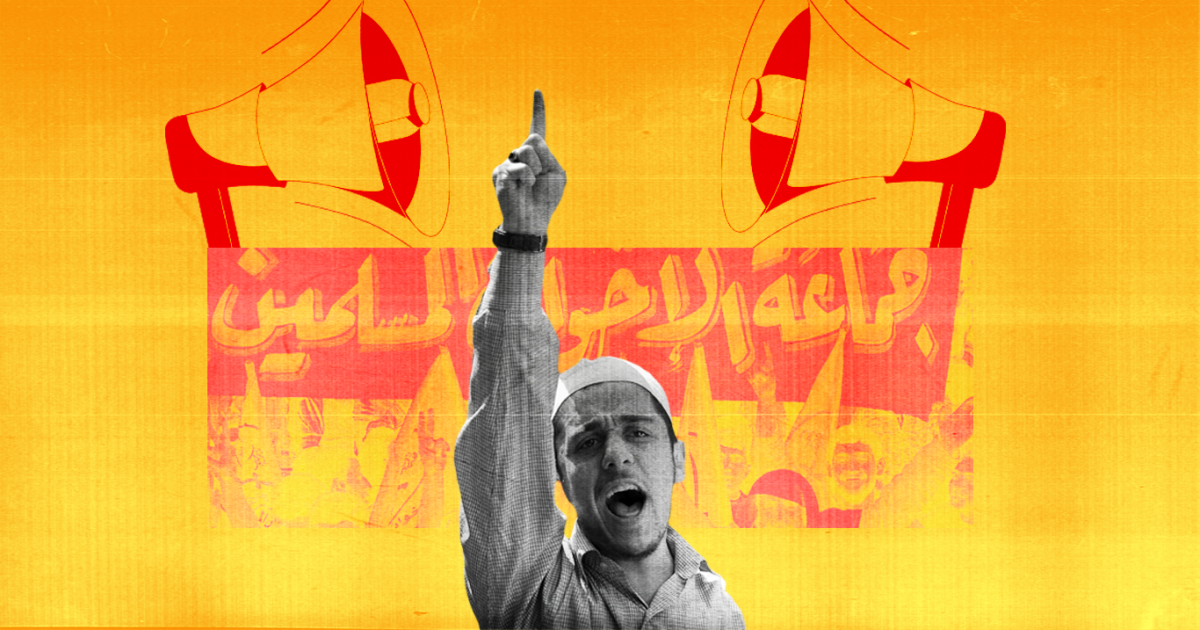
From the dream of power to the struggle over the Guide’s chairمن حلم السلطة إلى الصراع على كرسي المرشد
في الثالث من يوليو/تموز هذا العام، تمر 13 سنة كاملة على اللحظة التي أطاح فيها الجيش بالرئيس محمد مرسي، أول رئيس مدني منتخب في تاريخ البلاد، وتكون جماعة الإخوان المسلمين قطعت هي الأخرى 98 عامًا من عمرها، أي أنها تقف على بُعد عامين فقط من مئويتها الأولى، التي تحلّ في 2028.
On July 3 of this year, thirteen full years will have passed since the army overthrew President Mohamed Morsi, the first elected civilian president in the country’s history. The Muslim Brotherhood, too, will have completed ninety-eight years of its life, standing only two years away from its first centenary, which falls in 2028.
بين هذين التاريخين؛ يوم العزل وعتبة القرن، تتكثّف حكاية صعود أهم تنظيم في تاريخ الإسلام السياسي الحديث، وكذلك حكاية أفوله. فالجماعة التي أسسها حسن البنا في عام 1928 لم تعد كيانًا واحدًا له مركز قرار، إنما باتت فكرة مشتّتة وشبكات متناثرة بين المنافي، والسؤال الذي يفرض نفسه على عتبة المئوية ليس "هل تبقى الجماعة؟" بمعنى بقاء الاسم، بل "أيّ جماعة ستبقى، وعلى أيّ أساس؟".
Between these two dates, the day of removal and the threshold of a century, the story of the rise of the most important organization in the history of modern political Islam is condensed, as is the story of its decline. The group founded by Hassan al-Banna in 1928 is no longer a single entity with a center of decision-making. It has become a scattered idea and dispersed networks across places of exile. The question that imposes itself on the threshold of the centenary is not, “Will the group remain?” in the sense of the name surviving, but rather: “What group will remain, and on what basis?”
A decrepit body with three headsجسد متهالك بثلاثة رؤوس
On June 20, 2026, the anniversary of President Mohamed Morsi’s death, Mahmoud Hussein, one of two men who today each bear the title of acting General Guide of the Brotherhood, issued a statement titled “Our Vision: One Group... One Leadership.” In it, he called for recognition that “the cohesion and unity of the ranks on the group’s principles and constants has become an urgent necessity from which there is no escape, no possibility of postponement, and no room for neglect.” He argued that “the plurality of interpretations within the group can be a source of strength rather than division, if it is managed through consultation and institutional practice.”
في الـ20 من يونيو/حزيران 2026، ذكرى رحيل الرئيس محمد مرسي، أصدر محمود حسين، واحد من رجلَين يحمل كلٌّ منهما اليوم لقب القائم بأعمال المرشد العام للإخوان، بيانًا بعنوان "رؤيتنا: جماعة واحدة.. قيادة واحدة"، دعا فيه إلى "أن التحام الصف ووحدته على أصول الجماعة وثوابتها بات ضرورة ملحّة لا مناص منها ولا سبيل لتأجيلها ولا مجال لتجاهلها"، ورأى أن "تعدّد الاجتهادات داخل الجماعة يمكن أن يكون مصدر قوة لا انقسام، إذا أُدير بالشورى والمؤسسية".
The timing of the statement was no coincidence. The anniversary of the president’s death is the clearest embodiment of the peak of the Brotherhood’s rise and the beginning of its collapse. It also condenses the distance the organization has traveled in thirteen years: from a dream of power to a struggle over a symbolic title for a worn-out entity.
ليس اختيار توقيت البيان من قبيل المصادفة، إذ تعد ذكرى موت الرئيس خير تجسيد لذروة صعود الجماعة وبداية انهيارها، كما تختصر المسافة التي قطعها التنظيم في 13 عامًا من حلمٍ بالسلطة إلى صراعٍ على لقبٍ رمزي لكيانٍ متهالك.
What befell the Brotherhood after 2013 was not a passing setback in a long trajectory, but a transformation in the nature of the entity itself.
ما أصاب الإخوان بعد 2013 ليس انتكاسةً عابرةً في مسار طويل بل تحوّلٌ في طبيعة الكيان نفسه
And if Hussein’s appeal seems noble on its surface, seeking unity and cohesion, at its core it is an admission that the group has neither unity nor a single leadership to begin with. The man calling for “one leadership” is himself a party to the split in leadership, speaking from the position of a claimant to another camp that contests the same post.
وإن بدا نداءُ حسين في ظاهرِه نبيلًا ينشد الوحدة والالتحام، لكنه في باطنه اعترافٌ بأن الجماعة بلا وحدةٍ ولا قيادةٍ واحدةٍ من الأساس. فالرجل الذي يهيب بـ"قيادةٍ واحدةٍ" هو نفسه طرفٌ في انقسام القيادة، يخاطب من موقع المتنازع جبهةً أخرى تنازعه المنصب ذاته.
The irony is that anyone searching today for the “center” of this organization can hardly find one. Instead, one stands before three camps disputing the inheritance of General Guide Mohamed Badie, who has been imprisoned since 2013 under death and life sentences; of his acting successor Mahmoud Ezzat, who was himself arrested in Cairo in August 2020; and of Ezzat’s successor Ibrahim Munir, who led the group from London until his death in November 2022.
المفارقة أن من يبحث اليوم عن "مركز" هذا التنظيم لا يكاد يعثر عليه، إنما يقف أمام جبهات ثلاث تتنازع إرث المرشد العام محمد بديع الذي يقبع في سجنه منذ 2013 تحت أحكام بالإعدام والمؤبد، والذي خلفه القائم بأعماله محمود عزت وهو مَن اعتُقل بدوره في القاهرة في أغسطس/آب 2020، وخليفته إبراهيم منير الذي قاد الجماعة من لندن حتى وفاته في نوفمبر/تشرين الثاني 2022.
What happened to the Brotherhood after 2013 cannot be described as a passing setback in a long path filled with ordeals. It is, rather, a transformation in the nature of the entity itself: from a centralized, hierarchical organization that possessed decision-making power, resources, and a social incubator into its present state of dispersal in both meaning and structure, split among local networks and communities in exile without an overarching leadership.
لا يوصف ما أصاب الإخوان بعد 2013 باعتباره انتكاسة عابرة في مسار طويل امتلأ بالمحن، إنما هو تحوّلٌ في طبيعة الكيان نفسه؛ من تنظيمٍ هرمي مركزي يملك قرارًا وموارد وحاضنة إلى ما هو عليه الآن من تشتتٍ في المعنى والمبنى بين الشبكات المحلية والجاليات في المنافي بدون قيادة جامعة.
The division at which the group arrived was not so much a surprise as an accumulation. In his analysis for the Arab Center Washington DC, researcher Khalil al-Anani dates the public beginning of the split to October 2021, when Ibrahim Munir issued a decision freezing the membership of six senior leaders and referring them for investigation, foremost among them Secretary-General Mahmoud Hussein. Those whose membership had been frozen responded by announcing Munir’s own dismissal, and he in turn declared their decision void.
ما انتهت إليه الجماعة من انقسام لم يكن مفاجئًا بقدر ما كان تراكمًا. يؤرخ الباحث خليل العناني في تحليله للمركز العربي في واشنطن، بداية الانقسام العلنية في أكتوبر/تشرين الأول 2021، حين أصدر إبراهيم منير قرارًا بتجميد عضوية ستة من كبار القادة وإحالتهم إلى التحقيق، على رأسهم الأمين العام محمود حسين، وردّ المجمَّدين بإعلان عزل منير نفسه، ليردّ هو باعتبار قرارهم باطلًا.
Thus the group split into two camps: one in London led by Munir, then by Salah Abdel Haq after him, and another in Istanbul led by Mahmoud Hussein and those with him. What followed was an era of conflict that went beyond the bounds of personal disagreement. In al-Anani’s description, it became a dispute over who manages the organization, who controls its financial assets, who runs its media platforms, and who sets its agenda.
هكذا انقسمت الجماعة إلى جبهتين؛ واحدة في لندن يقودها منير، ثم خلفه صلاح عبد الحق، وأخرى في إسطنبول بمحمود حسين ومن معه، لنشهد حقبة صراع أبعد من حدود الخلاف الشخصي، إذ تحول، بتوصيف العناني، إلى نزاعًا على مَن يدير التنظيم، ومَن يسيطر على أصوله المالية ومَن يدير منابره الإعلامية، ومَن يحدّد أجندته.
While the Istanbul camp held the keys to money, media, and the management of organizational activity, the London camp monopolized the group’s international network and its relations with Western governments, among which Munir had lived for roughly five decades.
وبينما أمسكت جبهة إسطنبول بمفاتيح المال والإعلام وإدارة النشاط التنظيمي، استفردت جبهة لندن بالشبكة الدولية للجماعة وعلاقاتها بالحكومات الغربية، حيث عاش منير نحو خمسة عقود.
The fissure widened with the entry of a third front, which defines itself as the General Office of the Muslim Brotherhood. This is a group of cadres who had come under the leadership of Mohamed Kamal, a member of the Guidance Bureau and former head of the Brotherhood’s Higher Administrative Committee, a leadership body formed inside Egypt in 2014 to manage the organization’s internal affairs.
زاد من رقعة الانشقاق دخول جبهة ثالثة تُعرّف نفسها باسم المكتب العام للإخوان المسلمين، وهم مجموعة من الكوادر التي انضوت تحت قيادة محمد كمال، عضو مكتب الإرشاد والرئيس السابق للجنة الإدارية العليا لجماعة الإخوان المسلمين، وهي هيئة قيادية تشكلت داخل الجماعة في مصر عام 2014 لإدارة شؤون التنظيم داخليًّا.
Each of the parties claims legitimacy, while the base is torn between loyalties. So the Brotherhood has ended in a split unlike any it has known since its launch in 1928.
كلٌّ من الأطراف يدّعي الشرعية والقاعدة ممزّقة بين الولاءات.. هكذا انتهى الحال بالإخوان إلى انقسام لم تشهده منذ انطلاقتها عام 1928
That committee originally arose after internal organizational disputes broke out over the functions of the “Guidance Bureau,” amid prosecutions and the imprisonment of the historic leadership. Mahmoud Ezzat later dissolved the committee, prompting the group under Kamal’s leadership to rebel. Kamal was accused by Egyptian authorities of managing violence in 2015, before the Ministry of Interior announced that he and another prominent Brotherhood member had been killed during a raid to arrest them.
نشأت هذه اللجنة في الأصل عقب اندلاع خلافات تنظيمية داخلية حول مهام "مكتب الإرشاد" بسبب الملاحقات القضائية وسجن القيادات التاريخية. ثم حل محمود عزت تلك اللجنة لاحقًا، لتتمرد المجموعة المنضوية تحت قيادة كمال، المتهم من السلطات المصرية بإدارة العنف عام 2015، قبل أن تعلن وزارة الداخلية قتله مع عضو بارز آخر بالجماعة أثناء مداهمتها للقبض عليهما.
After that, this group established what became known as the General Office of the Muslim Brotherhood, from which emerged the “Midan Foundation,” which claims that it seeks to change the regime and presents itself as an alternative to it.
بعد ذلك أسّست هذه المجموعة ما عُرف باسم المكتب العام للإخوان المسلمين، وانبثق عنه "مؤسسة ميدان" التي تزعم أنها تسعى لتغيير النظام وتقدم نفسها بديلًا عنه.
When al-Banna’s ordeal seems lighterحين تكون محنة "البنا" أخف وطأة
Each of the parties claims legitimacy, while the base is torn between loyalties. This is how the Brotherhood has ended in a split unlike any it has known since its launch in 1928. It is true that disputes and defections accompanied its path from its earliest days, to the point that a group of followers of the founder, Hassan al-Banna, broke away from him during his lifetime.
كلٌّ من الأطراف يدّعي الشرعية والقاعدة ممزّقة بين الولاءات؛ هكذا انتهى الحال بالإخوان إلى انقسام لم تشهده منذ انطلاقتها عام 1928. صحيح أن خلافاتٍ وانشقاقاتٍ رافقت مسيرتها منذ أيامها الأولى، حتى إن مجموعةً من أتباع المؤسس حسن البنا انفصلت عنه في حياته.
Yet the defectors would leave in order to found new entities; they did not dispute the group’s name or the legitimacy of its Guide. Today, however, the dispute is over the name itself and over the title of “Guide”: two main camps in London and Istanbul, from which, in the estimation of some Brotherhood members, a third party branches off, each claiming legitimacy and casting the others as having departed from the group.
غير أن المنشقّين كانوا يغادرون ليؤسّسوا كياناتٍ جديدة، ولم ينازعوا الجماعة على اسمها ولا على شرعية مرشدها. أما اليوم فالنزاع قائمٌ على الاسم ذاته وعلى لقب "المرشد"؛ جبهتان رئيسيتان في لندن وإسطنبول، يتفرّع عنهما في تقدير بعض أبناء الجماعة طرفٌ ثالثٌ، يدّعي كلٌّ منهما الشرعية وأن ما عداه خارج على الجماعة.
Worse still, an organization that built its history on secrecy and the preservation of an image of unity had never before known this degree of public mutual denunciation and reciprocal accusations of financial and administrative corruption, broadcast without embarrassment on media outlets and social platforms. Accusations of corruption exceeded the bounds of loose polemic and reached their peak in May 2019, before the London-Istanbul split, when members of the group circulated an audio recording attributed to Amir Bassam, a member of the organization’s Shura Council. In it, he accused Mahmoud Hussein and Mahmoud al-Ibiary, who is currently counted among Salah Abdel Haq’s camp, of seizing the group’s money and registering balances, real estate, and luxury cars in the names of leaders abroad, amid demands from inside the organization to open an investigation into the fate of donations and funding.
الأنكى أن التنظيم الذي بنى تاريخه على السرية وحفظ صورة الوحدة لم يعرف من قبل هذا القدر من التنابذ العلني والاتهامات المتبادلة بالفساد المالي والإداري لتُبثّ على المنابر ومنصّات التواصل بلا حرج. إذ تجاوزت الاتهامات بالفساد حدود السجال المرسل، وبلغت ذروتها في مايو/أيار 2019، قبل انقسام جبهتي لندن - أسطنبول، حين تداول أعضاء الجماعة تسجيلًا صوتيًّا منسوبًا إلى أمير بسّام عضو مجلس شورى التنظيم، يتّهم فيه محمود حسين ومحمود الإبياري، المحسوب حاليًا على جبهة صلاح عبدالحق، بالاستيلاء على أموال الجماعة وتسجيل أرصدةٍ وعقاراتٍ وسياراتٍ فارهة بأسماء قياداتٍ في الخارج، مع مطالباتٍ من داخل التنظيم بفتح تحقيقٍ في مصير التبرعات والتمويلات.
The raging struggle over the title of “Guide” in an organization that has lost its compass has become a battle over a seat, not over a direction.
تحول الصراع المحتدم على لقب "المرشد" في تنظيمٍ فقد بوصلته إلى معركة على مقعد لا على الوجهة
Because the source of the accusation this time was a member of the group’s own body, not an external adversary, its impact was heavier, even if hostile platforms magnified it. And when thousands of those who had offered up their sons to prisons and exile saw their leaders abroad fighting over money, property, and cars, the feeling of shared victimhood turned into a sense of betrayal by a summit dividing the spoils while the base paid the price.
ولأن مصدر الاتهام هذه المرة عضوٌ في هيئة الجماعة لا خصمٌ خارجي، كان وقعه أثقل، حتى وإن ضخّمته منابر معادية. وعندما رأى آلافٌ ممن قدّموا أبناءهم للسجون والمنافي قياداتهم في الخارج تتنازع على المال والعقارات والسيارات، انقلب الإحساس بالمظلومية المشتركة إلى شعورٍ بالخذلان من قمةٍ تتقاسم الغنيمة بينما تدفع القاعدة الثمن.
What compounds the gravity of the scene is that it is unfolding at a moment all three Brotherhood parties agree to describe as an “ordeal.” Everyone sees it as an existential ordeal, and then they fight over who will lead it. The irony is that repression, which in the past used to weld the ranks together and nourish solidarity, has after 2013 come to fragment the group rather than unite it.
يضاعف من فداحة المشهد أنه يقع في لحظةٍ تتّفق أطراف الجماعة الثلاثة على وصفها بـ"المحنة"؛ الكلّ يرى أنها محنةٌ وجوديةٌ ثم يتقاتل على مَن يقودها. والمفارقة أن القمع الذي كان في الماضي يلحم الصفوف ويغذّي التضامن، صار فيما بعد 2013 يفتّت الجماعة بدل أن يجمعها.
The wanderingالتيه
If we return to Mahmoud Hussein’s statement, its deeper significance lies not in its call for unity. Such calls recur every year. Rather, it lies in what the statement reveals about the shrinkage of the group’s horizon into a discourse centered on closing ranks, restoring trust, and regulating “institutionalism,” without offering a vision for the country, a conception of a political exit, or a strategy for what comes after the ordeal.
إذا عدنا إلى بيان محمود حسين، فإن دلالته الأعمق ليست دعوته إلى الوحدة. فتلك تتكرّر كل عام، بل فيما يكشفه عن انكماش أفق الجماعة إلى خطاب يتمحور حول لمّ الصف واستعادة الثقة وضبط "المؤسسية"، من دون تقديم رؤيةٍ للبلاد، ولا تصوّرٍ لمخرجٍ سياسي، ولا استراتيجيةٍ لما بعد المحنة.
Even when it refers to “restoring the reformist role,” it does so as a postponed end that comes after repairing the internal house, not as an existing program. The raging struggle over the title of “Guide” in an organization that has lost its compass thus becomes a battle over a seat, not over a direction: who will be the elderly man leaning on an exhausted body? Meanwhile, the harder question, “Where to?” remains unanswered.
حتى حين يشير إلى "استعادة الدور الإصلاحي" يفعل ذلك بوصفه غايةً مؤجَّلة تأتي بعد إصلاح البيت الداخلي، لا برنامجًا قائمًا. ويتحول الصراع المحتدم على لقب "المرشد" في تنظيمٍ فقد بوصلته إلى معركة على مقعد، لا على الوجهة؛ مَن يكون الرجل المسنّ الذي يستند على جسدٍ منهك؟ بينما يبقى السؤال الأصعب "إلى أين؟" بلا جواب.
Yet reading Hussein’s statement is incomplete unless one remembers that it is not new. For years the man has been repeating the call for “one group and one leadership,” reproducing it on every occasion. Here he invokes it specifically on the anniversary of Morsi’s death as a tool in the battle for control of the organization, not as a genuine reform project. The “unity” Hussein calls for is, in practice, unity under his own leadership, and the “one leadership” he heralds is his leadership alone, without rival.
على أن قراءة بيان حسين لا تكتمل إلا بتذكّر أنه ليس جديدًا، فالرجل لم يفتأ يردّد الدعوة لـ"الجماعة الواحدة والقيادة الواحدة" منذ سنوات، ويعيد إنتاجها في كل مناسبة، وها هو يستحضرها في ذكرى مرسي تحديدًا كأداة في معركة السيطرة على التنظيم، وليس بوصفها مشروع إصلاحٍ حقيقيًّا. فـ"الوحدة" التي يدعو إليها حسين هي عمليًّا الوحدةَ تحت قيادته هو، و"القيادة الواحدة" التي يبشّر بها هي قيادته هو دون منازع.
Morsi’s death condenses the fate of an entire political project: from the presidential palace to the cell to death in court.
موت مرسي تكثيف لمصير مشروعٍ سياسي بأكمله: من قصر الرئاسة إلى الزنزانة إلى الموت في المحكمة
If Hussein raised the slogan of “one leadership” from a position of outbidding, the London camp did not remain silent. Salah Abdel Haq sent signals of calm from the position of someone searching for a way out.
وإذا كان حسين رفع شعار "القيادة الواحدة" من موقع المزايدة، فإن جبهة لندن لم تقف صامتة، وأرسل صلاح عبد الحق إشارات تهدئةٍ من موقع الباحث عن مخرج.
Since 2024, Abdel Haq’s current has adopted a different discourse under the title of reconciliation. It put forward a national reconciliation initiative that would trade the release of thousands of detainees and the annulment of sentences for the group’s withdrawal from political “competition” for at least ten years. It also issued a statement stressing the group’s disavowal of violence and its view that the violation of blood is a crime.
تبنى تيار عبد الحق منذ 2024 خطابًا مغايرًا عنوانه المصالحة، وطرح مبادرة مصالحة وطنية تقايض الإفراج عن آلاف المعتقلين وإلغاء الأحكام مقابل انسحاب الجماعة من "المنافسة" السياسية عشر سنوات على الأقل، وأصدر بيانًا شدّد فيه على تنصّل الجماعة من العنف واعتبار استباحة الدماء جريمة.
Thus the very discourse of closing ranks turns into a weapon in the division. Each camp raises the banner of unity to mean swallowing the other, and the appeal becomes another face of the struggle over the spoils.
هكذا ينقلب خطاب لمّ الصف نفسه إلى سلاحٍ في الانقسام؛ كلّ جبهةٍ ترفع راية الوحدة لتعني بها ابتلاع الأخرى، فيصير النداء وجهًا آخر للنزاع على الغنيمة.
The body hunted in prison and exileالجسد المطارَد في السجن والمنفى
If the leadership has evaporated, the body represented by the group’s members, with its complex structure, has remained hunted. The story begins with the dispersal of the Rabaa and Nahda sit-ins in August 2013, when at least 800 people were killed, and perhaps more than a thousand, according to documentation by Human Rights Watch, which described what happened as one of the largest unlawful killings of protesters in a single day in modern history. Then came the official designation of the Brotherhood as a terrorist group in December 2013, beginning a prolonged campaign of arrests, confiscation of funds, and the drying up of associations and companies linked to the group.
إذا كانت القيادة تبخّرت، فإن الجسد الممثل في أعضاء الجماعة بهيكلها المعقد ظلّ مطارَدًا. والحكاية تبدأ من فضّ اعتصامي رابعة والنهضة في أغسطس 2013، حين قُتل ما لا يقل عن 800 شخص، وربما أكثر من ألف، وفق توثيق هيومن رايتس ووتش التي وصفت ما جرى بأنه من أوسع عمليات القتل غير المشروع للمتظاهرين في يومٍ واحدٍ في التاريخ الحديث. ثم جاء التصنيف الرسمي للإخوان جماعةً إرهابيةً في ديسمبر/كانون الأول 2013، لتبدأ حملةٌ ممتدةٌ من الاعتقال ومصادرة الأموال وتجفيف الجمعيات والشركات المرتبطة بالجماعة.
Thirteen lean years followed, during which those associated with the group have languished in prisons, bound by a generalized pattern of practices that begins with prolonged detention, recycling into new cases, and imprisonment under harsh conditions that have been widely documented.
مرت بعد ذلك 13 عامًا عجافًا، فيها يقبع المحسوبين على الجماعة في السجون مقيدين بنمط مُعمَّم من الممارسات يبدأ باحتجاز مطوّل، وتدوير في قضايا جديدة، وسجن في أوضاع قاسية موثّقة على نطاق واسع.
The Egyptian authorities refrain from publishing any official count of the number of people imprisoned on political grounds, which prompted Human Rights Watch in 2023 to publicly demand that they disclose the number of prison inmates. Estimates by rights organizations and opposition groups speak of tens of thousands of political detainees, while rights groups continue to document deaths in custody, most of them attributed to medical neglect and poor detention conditions.
وتمتنع السلطات المصرية عن نشر أي إحصاء رسمي لأعداد المحبوسين على خلفية سياسية، ما دفع هيومن رايتس ووتش إلى مطالبتها علنًا في 2023 بالكشف عن أعداد نزلاء السجون. وتتحدث تقديرات منظمات حقوقية ومعارضة عن عشرات الآلاف من المعتقلين السياسيين، فيما تواصل منظمات حقوقية توثيق وفياتٍ داخل الحجز تُعزى في غالبها إلى الإهمال الطبي وسوء ظروف الاحتجاز.
The pursuit does not stop at prison. In March 2024, an Egyptian court upheld death sentences against General Guide Mohamed Badie and a number of first-rank leaders in a series of trials that international rights organizations described as lacking the standards of a fair trial.
لا تتوقف المطاردة عند السجن فقط، ففي مارس/آذار 2024 أيّدت محكمة مصرية أحكامًا بالإعدام بحق المرشد محمد بديع وعددٍ من قيادات الصف الأول في سلسلة محاكماتٍ وصفتها منظمات حقوقية دولية بأنها تفتقر إلى معايير المحاكمة العادلة.
The greatest symbol of this stage, however, was Morsi’s own death inside the defendants’ cage in June 2019 during a session of his trial: a dramatic moment in which many saw the fate of an entire political project condensed, from the presidential palace to the cell to death in court within six years.
أما الرمز الأكبر لهذه المرحلة فكان موت مرسي نفسه داخل قفص الاتهام في يونيو 2019 أثناء جلسة محاكمته؛ لحظة درامية رأى فيها كثيرون تكثيفًا لمصير مشروعٍ سياسي بأكمله: من قصر الرئاسة إلى الزنزانة إلى الموت في المحكمة خلال ست سنوات.
If the ordeal that struck the organization afflicted thousands of its members and followers, between detainees and exiles, the Brotherhood is a mass organization, numbering in the millions, with a strict hierarchical structure extending from the summit down to the “families” in the village and neighborhood.
إن كانت المحنة التي ضربت التنظيم، أصابت الآلاف من أعضائه وأتباعه بين معتقل ومنفي، فإن الإخوان جماعة مليونية ذات تنظيم هرمي صارم يمتدّ من القمة إلى "الأسر" في القرية والحيّ.
There are at least tens of thousands of the group’s members who were neither arrested nor emigrated. Where are they? Where are the millions of followers and supporters, the voting bloc, those who gathered before polling stations and in demonstrations and events?
هناك عشرات الآلاف على الأقل من عناصر الجماعة لم يُعتقلوا ولم يهاجروا، فأين هم؟ أين الملايين من الأتباع والأنصار والكتلة التصويتية والمحتشدين أمام اللجان وفي المظاهرات والفعاليات؟
These are the silent mass around which the real question turns. Most likely, the grip of the central leadership over them has largely disintegrated. While repression tore apart the hierarchical structure that transmitted instructions, collected dues, and regulated movement, many in the base shifted into a mode of “individual survival”: withdrawal into the self, or local activity without a central reference.
هؤلاء هم الكتلة الصامتة التي يدور حولها السؤال الحقيقي، والأرجح أن قبضة القيادة المركزية عليهم تفكّكت إلى حدٍّ بعيدٍ؛ وبينما مزق القمع البنية الهرمية التي كانت تنقل التعليمات وتجمع الاشتراكات وتضبط الحركة، تحوّل كثيرٌ من القواعد إلى وضع "النجاة الفردية"؛ انكفاءٌ على الذات أو نشاطٌ محلي بلا مرجعية مركزية.
Most of these people no longer care, in the first place, who bears the title of “acting General Guide.” The struggle over it appears to them as a quarrel among exiles far removed from their concerns.
معظم هؤلاء لم يعودوا يكترثون أصلًا بمن يحمل لقب "القائم بأعمال المرشد"، إذ يبدو الصراع عليه شجارًا بين منفيين بعيدين عن همومهم.
The incubators wash their hands of itالحواضن تنفض يدها
The Brotherhood’s rise was never a purely Egyptian affair, nor is its decline. Throughout the decades from its founding until the end of the Cold War, the group did not lose its incubators and supporters. Arab and international divisions gave it margins of movement, and a portion of the West viewed it as an ally against the communist and nationalist tide.
لم يكن صعود الإخوان يومًا شأنًا مصريًّا خالصًا، ولا أفولهم كذلك. فطوال العقود الممتدة من تأسيسها حتى نهاية الحرب الباردة، والجماعة لا تفقد حواضنها وداعميها؛ إذ أتاحت لها الانقسامات العربية والدولية هوامش حركة، كما نظر إليها جانبٌ من الغرب بوصفها حليفًا في مواجهة المدّ الشيوعي والقومي.
What is new after 2013 is that these margins have narrowed to the utmost degree, and the capitals that embraced the Brotherhood during the years of the Arab Spring have rearranged their priorities. Indeed, the incubator has often become the pursuer. Turkey, the most prominent refuge for the group’s media and cadres, began in 2021 to rein in its media platforms and asked them to lower the tone of their attacks on Cairo, in preparation for a normalization that was later completed with the restoration of relations at the highest level.
الجديد بعد 2013 أن هذه الهوامش ضاقت إلى أبعد حد، والعواصم التي احتضنتها في سنوات الربيع العربي أعادت ترتيب أولوياتها، بل تحوّل الحاضن في أحيان كثيرة إلى ملاحِق. تركيا، الملاذ الأبرز لإعلام الجماعة وكوادرها، بدأت منذ 2021 في تقيين منابرها الإعلامية وطلبت منها خفض نبرة الهجوم على القاهرة، تمهيدًا لتطبيعٍ اكتمل لاحقًا باستعادة العلاقات على أعلى مستوى.
The matter did not stop at media. In March 2019, Ankara deported twelve members of the group to Egypt. Then, in 2025, it arrested leaders who had sought refuge there amid reports that it intended to hand them over, a sign of the seriousness of reconciliation at the expense of those it had sheltered only yesterday.
لم يقف الأمر عند الإعلام؛ ففي مارس 2019 رحّلت أنقرة 12 من أعضاء الجماعة إلى مصر، ثم أوقفت في 2025 قياداتٍ لجأت إليها وسط تقارير عن اعتزامها تسليمهم، في إشارةً إلى جدية المصالحة على حساب من آوتهم بالأمس.
Qatar, the historic financial supporter, also repositioned itself in light of Gulf reconciliation and openness toward Cairo. In September 2014, under Saudi, Emirati, and Egyptian pressure, it gave seven senior Brotherhood leaders one month to leave its territory.
قطر، الداعم المالي التاريخي، هي الأخرى أعادت تموضعها في ضوء المصالحة الخليجية والانفتاح على القاهرة، وأمهلت في سبتمبر 2014 سبعةً من كبار قيادات الجماعة شهرًا لمغادرة أراضيها تحت ضغطٍ سعودي وإماراتي ومصري.
The group found itself in a hostile environment even from those who had hosted it, and the scene does not concern Egypt alone. In Jordan, the group was dissolved by judicial decision and its headquarters were confiscated in 2024. In Tunisia, the Ennahda movement is being pursued under Kais Saied’s rule. It is a simultaneous decline suggesting that what is taking place is the recession of an entire phase of activist political Islam, not the crisis of an Egyptian branch.
وجدت الجماعة نفسها في بيئةٍ معاديةٍ حتى من جانب من احتضنها، والمشهد لا يخصّ مصر وحدها، ففي الأردن حُلّت الجماعة بقرارٍ قضائي وصودرت مقارها في 2024، وفي تونس تُلاحَق حركة النهضة في ظل حكم قيس سعيّد؛ أفولٌ متزامن يوحي بأن ما يجري انحسارٌ لطورٍ كامل من الإسلام السياسي الحركي، لا أزمة فرعٍ مصري.
Britain placed the Muslim Brotherhood under close review in late 2025.وضعت بريطانيا جماعة الإخوان أواخر 2025 تحت مراجعة دقيقة
The image of the “safe Western refuge” is no longer what it was, either. The last prop on which the group had leaned to escape Arab repression has been shaken, to the point that even the leadership headquarters in London has come under threat.
كما أن صورة "الملاذ الغربي الآمن" نفسها لم تعد كما كانت، إذ اهتز آخر سندٍ كانت الجماعة تتّكئ عليه هربًا من القمع العربي، حتى أصبح حتى مقرّ القيادة في لندن موضع تهديد.
France led the scene when Interior Minister Bruno Retailleau presented an official report to the Defense Council in May 2025 titled “The Muslim Brotherhood and Political Islam in France.” It warned of “entryism” as a slow and systematic strategy for penetrating institutions, schools, and municipalities, and counted around 280 associations and 21 schools associated with the current. In its wake, President Emmanuel Macron ordered new financial and administrative measures, including the freezing of funding and the expansion of administrative dissolution to include endowment funds.
وتصدّرت فرنسا المشهد حين عرض وزير الداخلية برونو روتايو، في مايو 2025، أمام مجلس الدفاع تقريرًا رسميًّا بعنوان "الإخوان المسلمون والإسلام السياسي في فرنسا"، حذّر من "التغلغل" كاستراتيجيةٍ بطيئة ومنهجية لاختراق المؤسسات والمدارس والبلديات، وأحصى نحو 280 جمعية و21 مدرسة محسوبةً على التيار. وعلى أثره أمر الرئيس إيمانويل ماكرون بإجراءاتٍ ماليةٍ وإدارية جديدة تشمل تجميد التمويلات وتوسيع نطاق الحلّ الإداري ليطول صناديق الأوقاف.
The British government, seat of one of the two contending camps, also placed the group in late 2025 under close review in preparation for the possibility of banning it under terrorism laws, amid mounting pressure for designation. The Swedish government, represented by Minister for Education and Integration Simona Mohamsson, likewise announced the opening of an official investigation into Islamist entryism centered on the Brotherhood, and formed a committee to assess the penetration of political Islam into public institutions, local councils, and associations funded with public money.
حكومة بريطانيا، مقرّ إحدى الجبهتين المتصارعتين، هي الأخرى وضعت الجماعةَ في أواخر 2025 تحت مراجعة دقيقة تمهيدًا لاحتمال حظرها بموجب قوانين الإرهاب، وسط ضغوطٍ متصاعدةٍ بالتصنيف. كما أعلنت الحكومة السويدية ممثلةً في وزيرة التعليم والاندماج سيمونا محمسون فتح تحقيقٍ رسمي في التغلغل الإسلامي محوره الإخوان، وشكّلت لجنةً لتقييم نفاذ الإسلام السياسي إلى المؤسسات العامة والمجالس المحلية والجمعيات المموَّلة من المال العام.
In November 2025, an American executive order designating the group a terrorist organization gave a new dimension to the pressure, in a regional context in which attempts to dry up the sources of resistance are escalating. What is striking is that the logic of this decision almost mirrors security investigations in prefabricated cases, and intersects with Arab governments’ use of the Brotherhood file to tighten their grip on the public sphere. Yet the available facts do not elevate the larger mass of the group to the description of terrorism, except in individual cases mostly linked to Mohamed Kamal’s group, which does not represent an original tendency; the two larger wings were not involved in any acts of violence, especially when they were together, and even after their split.
وفي نوفمبر 2025، أعطى قرارٌ تنفيذيٌّ أمريكيٌّ تصنيف الجماعة منظمة إرهابية بُعدًا جديدًا للضغط، في سياقٍ إقليمي تتصاعد فيه محاولات تجفيف منابع المقاومة. اللافت أن منطق هذا القرار يكاد يماثل التحرّيات الأمنية في القضايا المعلَّبة، ويتقاطع مع توظيف حكوماتٍ عربية ملفَّ الإخوان لإحكام القبضة على المجال العام. غير أن المعطيات المتوفرة لا ترقى بالكتلة الأكبر من الجماعة إلى وصف الإرهاب، إلا في حالاتٍ فردية يرتبط أغلبها بمجموعة محمد كمال، وهي لا تمثّل توجّهًا أصيلًا، حيث لم يتورط الجناحان الكبيران في أي أعمال عنف خاصة حينما كانا معًا وحتى بعد انشقاقهما.
It is true that the Brotherhood’s political and strategic errors are a legitimate subject of criticism, but criticism is one thing and terrorist designation is another. Confusing it with Hamas and other armed jihadist organizations ignores fundamental differences in intellectual and activist structure, bearing in mind that Hamas, according to most international charters and standards, is a national liberation movement resisting an occupation, not a terrorist group.
صحيح أن أخطاء الإخوان السياسية والاستراتيجية محلّ نقدٍ مشروع، لكن النقد شيءٌ والتصنيف الإرهابي شيءٌ آخر. فالخلط بينها وبين حركة حماس والتنظيمات الجهادية المسلّحة الأخرى يتجاهل اختلافاتٍ جوهرية في البناء الفكري والحركي، علمًا بأن حماس، وفق أغلب المواثيق والمعايير الدولية، حركةُ تحرّرٍ وطني تقاوم احتلالًا وليست جماعة إرهابية.
It remains to underscore the compounded effect of the Brotherhood’s regional retreat. It does not merely dry up the group’s resources and refuges; it strikes at its narrative about itself as a transnational current and turns its internal dispute into a war over resources. When incubators and financing grow scarce, the struggle over what remains intensifies. That is the essence of the dispute between the London and Istanbul camps: a shrinking resource, and parties fighting over what is left of it.
يبقى أن نؤكد على الأثر المضاعف للانكفاء الإقليمي للإخوان، فهو لا يجفّف موارد الجماعة وملاذاتها فحسب، بل يضرب سرديتها عن نفسها بوصفها تيارًا عابرًا للحدود، ويحوّل خلافها الداخلي إلى حرب موارد. فحين تشحّ الحواضن والتمويل، يحتدم الصراع على ما تبقّى، وهذا جوهر النزاع بين جبهتي لندن وإسطنبول؛ موردٌ يتقلّص، وأطرافٌ تتنازع ما تبقّى منه.
“Review” before “violence”
"المراجعة" قبل "العنف"
In 2014, researcher Ashraf El-Sherif, in a study for the Carnegie Endowment, sketched five scenarios for the group’s future: total eradication; triumphant return; reconciliation with the regime in a formula resembling the Mubarak era; fragmentation into one moderate wing and another hard-line wing; or renewal through deep self-review.
في عام 2014 رسم الباحث أشرف الشريف في دراسةٍ لمركز كارنيجي، خمسة سيناريوهات لمستقبل الجماعة: الاستئصال التام، أو العودة الظافرة، أو المصالحة مع النظام على صيغةٍ شبيهة بعهد مبارك، أو التفكك إلى جناحٍ معتدل وآخر متشدّد، أو التجديد عبر مراجعةٍ ذاتية عميقة.
What is striking is that neither of the two extreme scenarios has been realized after thirteen years, which makes a prolonged middle path more likely, grounded in the essence of El-Sherif’s diagnosis that we are facing a group that is “quick at tactical adaptation, slower at strategic reshaping, and lagging when it comes to intellectual and cultural review.”
اللافت أن أيًّا من السيناريوهين الحدّيين لم يتحقق بعد ثلاث عشرة سنة، وهو ما يرجّح سلوك مسار وسطي مطوّل، يستند إلى جوهر تشخيص الشريف لكوننا أمام جماعة "سريعة في التأقلم التكتيكي، أبطأ في إعادة تشكيل الاستراتيجية، ومتخلّفة حين يتعلق الأمر بالمراجعة الفكرية والثقافية".
The Brotherhood’s dissolving itself may be the last thing the Egyptian regime wants. Part of its legitimacy has been built on the binary of the state confronting the group.
حلّ الإخوان لنفسها قد يكون آخر ما يتمنّاه النظام المصري.. فجانبٌ من شرعيته بُني على ثنائية الدولة في مواجهة الجماعة
At the heart of this dilemma stands the question of violence. After a decade of repression, Omar Ashour, professor of security studies, raised the question of whether part of the group’s youth might drift toward political violence as a reaction to the blocked horizon and the failure of the peaceful and electoral option.
في قلب هذه المعضلة يقف سؤال العنف. فبعد عقدٍ من القمع، طرح عمر عاشور أستاذ الدراسات الأمنية سؤالًا حول مّا إذا كان جزءٌ من شباب الجماعة قد ينجرف نحو العنف السياسي كردّ فعلٍ على انسداد الأفق وفشل الخيار السلمي والانتخابي.
Although the group’s official discourse still clings to the rejection of violence, its control over its angry youth base has declined. Here, review becomes an existential matter, not an intellectual luxury, for the leadership vacuum may be filled by extremism just as it may be filled by moderation.
ورغم أن خطاب الجماعة الرسمي ما زال يتمسّك بنبذ العنف، فإن سيطرتها على قواعدها الشبابية الغاضبة تراجعت. وهنا تصبح المراجعة مسألةً وجوديةً لا ترفًا فكريًّا، فالفراغ القيادي قد يملؤه التطرف بقدر ما قد يملؤه الاعتدال.
In this context, El-Sherif draws attention to how misleading the claim is that this is “a struggle between a hard-line older generation and a moderate younger generation.” Positions cut across ages, and among the young there are those who are more radical, not less.
في هذا السياق يلفت الشريف إلى مدى تضليل مقولة "الصراع بين جيلٍ مسنّ متشدّد وجيلٍ شاب معتدل"؛ فالمواقف تتقاطع عبر الأعمار، وبين الشباب من هو أكثر راديكاليةً لا أقل.
What is striking with respect to the review desired from the Brotherhood is that the disagreements around it revolve primarily around timing and tactics, not ideology. The likely split is not between doves and hawks, but between those who accept limited integration on the state’s terms and those who see it as surrender that undermines the organization’s legitimacy before its base.
اللافت فيما يخص المراجعة المنشودة من الإخوان، أن الخلافات حولها تدور بالأساس حول التوقيت والتكتيك لا حول الأيديولوجيا، كما أن الانقسام المحتمل ليس بين حمائم وصقور، بل بين من يقبل إدماجًا محدودًا بشروط الدولة، ومن يراه استسلامًا يقوّض شرعية التنظيم أمام قاعدته.
Even so, declaring the death of political Islam seems like theoretical talk. Historical experience indicates that banning the group or crushing it by force has never ended its presence: not after the assassination of its first founder, Hassan al-Banna, nor during the era of Gamal Abdel Nasser, when it was criminalized and repressed more than once before returning to the forefront. For this reason, the fate of the idea depends not on the scale of the blows it receives so much as on two factors: whether credible political alternatives arise to fill that space, and how prepared the group itself is to change from within.
مع ذلك، يبدو الإعلان عن موت الإسلام السياسي كلامًا نظريًّا، فالتجربة التاريخية تشير إلى أن حظر الجماعة أو سحقها بالقوة لم يُنهِ حضورها يومًا؛ سواء عقب اغتيال مؤسسها الأول حسن البنا، أو في حقبة جمال عبدالناصر، إذ جُرّمت وقُمعت أكثر من مرة ثم عادت إلى الواجهة. لهذا فإن مصير الفكرة لا يتوقف على حجم الضربات التي تتلقّاها بقدر ما يتوقف على عاملين: هل تنشأ بدائل سياسية ذات صدقية تملأ تلك المساحة؟ وما مدى استعداد الجماعة نفسها للتغيّر من الداخل؟
There is a proposal more radical than mere review, one engaged by researchers from within and around the Brotherhood milieu, among them Essam Talima. Its substance is that the group should dissolve its organizational structure, not its idea or its values, and announce that it will not seek a political path in the old formula. This would allow its members, in any coming democratic horizon, to found new entities with updated names and programs.
ثمة طرحٌ أكثر جذرية من مجرد المراجعة، اشتبك معه باحثون من داخل البيئة الإخوانية وعلى هامشها، من بينهم عصام تليمة، مؤدّاه أن تُقدِم الجماعة على حلّ هيكلها التنظيمي، لا فكرتها ولا قيمها، وتُعلن عدم سعيها إلى مسارٍ سياسي بالصيغة القديمة، بما يتيح لأبنائها في أي أفق ديمقراطي مقبل أن يؤسّسوا كياناتٍ جديدةً بأسماء وبرامج محدَّثة.
This is not surrender, but an acknowledgment that an entity born in the 1920s has exhausted its form, and that clinging to the name and structure has become a burden on the idea rather than a vehicle for it. The vision also has telling precedents in organizations emerging from the Brotherhood family that loosened their link to the center or abandoned the name: from Ennahda in Tunisia to repositioning experiments in Morocco and Iraq through the separation of preaching from party politics. Indeed, Hamas announced in its 2017 document the severing of its organizational connection to the Brotherhood in order to preserve its movement and the rights of its people.
هذا ليس استسلامًا، بل اعترافٌ بأن كيانًا وُلد في عشرينيات القرن الماضي قد استنفد صيغته، وأن التمسّك بالاسم والهيكل صار عبئًا على الفكرة لا حاملًا لها، كما أن للرؤية سوابق دالّة تتمثل في تنظيمات منبثقة عن العائلة الإخوانية خفّفت ارتباطها بالمركز أو تخلّت عن الاسم؛ من النهضة في تونس إلى تجارب إعادة التموضع في المغرب والعراق عبر الفصل بين الدعوي والحزبي؛ بل إن حركة حماس أعلنت في وثيقتها عام 2017 فكّ ارتباطها التنظيمي بالجماعة حفاظًا على حركتها وحقوق شعبها.
Talima here captures a striking paradox: the organization’s dissolving itself may be the last thing the Egyptian regime itself wants. Part of the authority’s legitimacy has been built on the binary of “the state confronting the Brotherhood,” and on presenting the group as a permanent scarecrow that justifies security measures and closes the public sphere. Naturally, the disappearance of the organized adversary would deprive this narrative of its pillar.
يلتقط تليمة هنا مفارقةً لافتة هي أن حلّ التنظيم لنفسه قد يكون آخر ما يتمنّاه النظام المصري ذاته. فجانبٌ من شرعية السلطة بُني على ثنائية "الدولة في مواجهة الإخوان"، وعلى تقديم الجماعة "فزّاعةً" دائمة تبرّر الإجراءات الأمنية وتُغلق المجال العام، وبالطبع اختفاء الخصم المنظَّم يُفقد هذه السردية ركيزتها.
Things remain as they areيبقى الحال على ما هو عليه
In my estimation, the group will remain as it is for the foreseeable future: divided, splintered among three discourses none of which completes the others. Salah Abdel Haq’s team in London sends messages hinting at a desire for reconciliations and settlement. Mahmoud Hussein’s team in Istanbul outbids it, raising the slogan that it is the sole legitimate representative of the Brotherhood without offering a vision beyond proving itself. Above both stands a more escalatory and outbidding discourse adopted by the “General Office” group and the “Midan” platform, which describes itself as revolutionary and capable of competing with the regime politically.
في تقديري، ستبقى الجماعة كما هي على المدى المنظور: منقسمةً متشظّيةً بين ثلاثة خطاباتٍ لا يكمل أحدها الآخر. فريق صلاح عبد الحق في لندن يبعث رسائل تلمّح إلى رغبةٍ في إجراء مصالحاتٍ وتسوية، فيزايد عليه فريق محمود حسين في إسطنبول الذي يرفع شعار أنه الممثل الشرعي الوحيد للإخوان دون أن يقدّم رؤيةً تتجاوز إثبات الذات، فوقهما خطابٌ أشدّ تصعيدًا ومزايدةً تتبنّاه مجموعة "المكتب العام" ومنصّة "ميدان" التي تصف نفسها بالثورية وبالقادرة على منافسة النظام سياسيًّا.
This reality will not change on its own. Its transformation depends on one of two things, both outside the group’s will: either the Egyptian regime decides to abandon the narrative of the “Brotherhood scarecrow” on which it builds part of its legitimacy, or the regional scene changes in a way that redeploys the Brotherhood and restores it as a card in new balances.
هذا الواقع لن يتغيّر من تلقاء نفسه؛ فتبدّله مرهونٌ بأحد أمرين يقعان خارج إرادة الجماعة: إما أن يقرّر النظام المصري التخلّي عن سردية "الفزّاعة الإخوانية" التي يبني عليها جانبًا من شرعيته، أو أن يتبدّل المشهد الإقليمي بما يعيد توظيف الإخوان واستعادتهم كورقةً في توازناتٍ جديدة.
Unless one of these two things happens, the situation will remain as it is: an organization without a unifying leadership, a hunted body, and an idea suspended between a past that will not return and a future that has not yet taken shape.
ما لم يقع أحد هذين، سيظلّ الحال على ما هو عليه: تنظيمٌ بلا قيادةٍ جامعة، وجسدٌ مطارَد، وفكرةٌ معلّقة بين ماضٍ لا يعود ومستقبلٍ لم يتشكّل بعد.
Violence will not defeat political Islam.العنف لن ينتصر على الإسلام السياسي
Any conception that wants to remove “political Islam” entirely from our societies, treating it as a thing of the past, is a manipulation of people’s minds. No sooner does it subside than it becomes active; no sooner does it stagger than it stands on its feet.
أي تصور يريد إزاحة "الإسلام السياسي" تمامًا من مجتمعاتنا، باعتباره من الماضي، هو تلاعب بعقول الناس. فهو ما إن يخمد حتى ينشط، وما إن يترنح حتى يقف على قدميه.
June 22, 2024: Why did God not create me a penguin?
22-6-2024 لماذا لم يخلقني الله بطريقًا؟
My father tried to persuade the Brotherhood leaders who had not yet been arrested to decide to disperse the Rabaa sit-in in order to spare bloodshed. But no one responded, and some accused him of collaborating with the security services.
حاول أبي إقناع قادة الإخوان الذين لم يُقبض عليهم بعد باتخاذ قرار بفض اعتصام رابعة حقنًا للدماء، لكن لم يستجب أحدٌ واتهمه بعضهم بالعمالة لأجهزة الأمن.
July 10, 202610-7-2026
Zohran Mamdani writes about his experience: Bearded in Cairoزهران ممداني يكتب عن تجربته: ملتحٍ في القاهرة
Those who had had no voice in shaping society were given the chance to speak, with a promise that their voice would find an echo among thousands.
أولئك الذين لم يكن لهم صوت في رسم ملامح المجتمع، مُنحوا فرصة الكلام، مع وعد بأن صوتهم سيجد صدى لدى الآلاف.
July 2, 20252-7-2025
Premarital examinations: the lie of this year and every yearفحوصات المقبلين على الزواج.. أكذوبة العام وكل عام
…the essay continues at the source.