The Occupied: Housing as a Deferred Revolution
The essay argues that the seizure of abandoned social-housing units after Egypt’s January Revolution was not a criminal trespass but a material challenge to a housing regime that produces vacancy, exclusion, and deferred life.
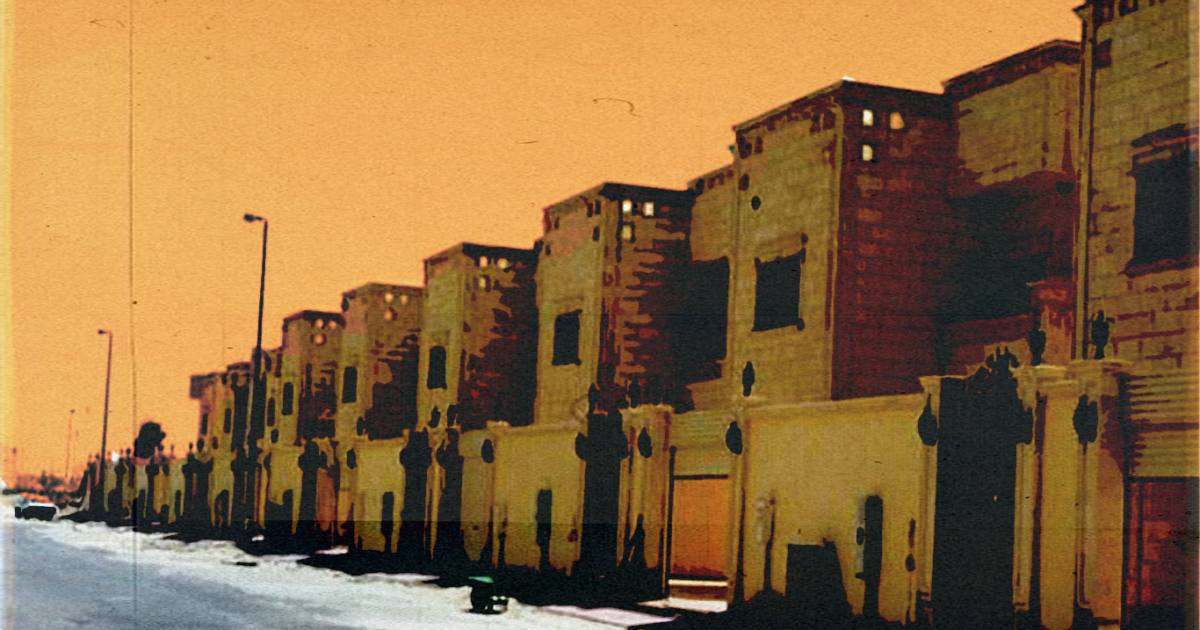
في ليلة جمعة من شهر فبراير/شباط 2017، وبعد ست سنوات على ثورة يناير، أمسك محمود النجار الميكرفون في فرح ابنه في الحي الذي يُدعى المُحتلة، وأعلن "عليّا الطلاق، ليلتنا حلوة وهتكمل غصب عن أي حد. إحنا ما أذيناش حد، واللي هيأذينا هنأذيه".
On a Friday night in February 2017, six years after the January Revolution, Mahmoud al-Naggar took the microphone at his son’s wedding in the neighborhood known as al-Muhtalla, “the Occupied,” and declared: “By my wife’s divorce, our night is beautiful and it will go on, whether anyone likes it or not. We haven’t harmed anyone, and whoever harms us, we will harm him.”
كانت الكلمات موجهةً إلى الخارج، إلى العالم الذي يرفض الاعتراف بهم، والذي يحاصر فرحتهم بتحقيقات وتراخيص. الفرح هنا، في هذا الحي الذي نبت على أنقاض وعدٍ مُتعثّر، ليس احتفالًا عاديًا، إنه إعلان وجود وتحدٍ لواقع ظلّ لست سنوات يقول لهم "وجودكم مؤقت".
The words were directed outward, toward the world that refuses to recognize them, the world that hems in their joy with investigations and permits. A wedding here, in this neighborhood that sprang up on the ruins of a faltering promise, is no ordinary celebration. It is a declaration of existence and a defiance of a reality that, for six years, had been telling them: your presence is temporary.
Mahmoud is one of hundreds who broke into abandoned apartment blocks in Masakin al-Nahda in early 2011, then became a crucial link between the residents of this parallel urban entity and the official world of the state surrounding them.
محمود واحدٌ من مئاتٍ اقتحموا عمارات مهجورة في مساكن النهضة أوائل 2011، ثم أصبح حلقة وصل أساسية بين سكان هذا الكيان العمراني الموازي وعالم الدولة الرسمي المحيط بهم.
That very night, before giving his speech, Mahmoud had spent hours at the nearby police station, negotiating the release of the DJ, who had been arrested for not having a work permit. Then he returned, his face marked by fatigue and determination, to continue his son’s wedding.
في تلك الليلة بالذات، وقبل أن يلقي خطابه، أمضى محمود ساعات في قسم الشرطة القريب، يفاوض للإفراج عن "الدي جيه" الذي قُبض عليه لعدم حيازته ترخيصًا للعمل. ثم عاد، بوجهٍ يعتليه التعب والإصرار، ليُكمل فرح ابنه.
A New Geographyجغرافيا جديدة
“The Occupied” is the name residents gave to dozens of giant apartment blocks of social-housing units in Masakin al-Nahda, at Cairo’s far northeastern edge, built in the 1980s and then left empty for more than two decades. These concrete masses posed an urban and moral riddle: how does the state produce “social housing,” then leave it vacant for decades? That question remained suspended until January created a different reality.
"المحتلة" هو الاسم الذي أطلقه السكان على عشرات العمارات العملاقة من وحدات الإسكان الاجتماعي في مساكن النهضة، أقصى شمال شرق القاهرة، التي بُنيت في ثمانينيات القرن الماضي ثم تُركت خاوية أكثر من عقدين. هذه الكتل الخرسانية مثلت لغزًا عمرانيًا وأخلاقيًا: كيف تُنتج الدولة "إسكانًا اجتماعيًا"، ثم تتركه فارغًا لعقود؟ هذا السؤال بقي معلقًا حتى خلقت يناير واقعًا مغايرًا.
The seizure of the units was not a random rush, but a conscious collective decision discussed among the families themselves.
لم يكن اقتحام الوحدات اندفاعًا عشوائيًا بل قرار جماعي واعٍ ناقشته الأسر فيما بينها
After January 28, 2011, while all eyes were fixed on the squares, a silent transformation took place in the geography of the forgotten city. With an unprecedented retreat of security and administration, many families found themselves facing a practical existential choice, after many had been expelled from precarious dwellings or had spent years trapped in temporary rooms that had become permanent residence without horizon. In this context, the empty blocks of al-Nahda appeared as a tangible answer to the question of housing.
عقب 28 يناير 2011، بينما الأنظار مشدودة إلى الميادين، حدث تحوّلٌ صامتٌ في جغرافيا المدينة المنسية؛ فمع الانكفاء الأمني والإداري غير مسبوق، وجدت أسر عديدة نفسها أمام خيار وجودي عملي، بعد أن طُرد كثيرون منهم من مساكن هشّة أو علقوا لسنوات في غرف مؤقتة تحولت إلى إقامة دائمة بلا أفق، في هذا السياق بدت عمارات "النهضة" الخاوية إجابة ملموسة على سؤال السكن.
The seizure of these units was not a random rush, but a conscious collective decision discussed among the families themselves: had they not been built with public money, classified by the state as “social” housing, and then, in practice, abandoned by those entitled to them? The anger that shook the squares was translated into a direct material act: not a slogan about dignity or a discourse on justice, but a door opened for children without a room, a roof to shield them from the rain. People turned administrative vacancy from an abstract bureaucratic concept into a bathroom, electricity, and unsettled neighborly relations in the corridors.
لم يكن اقتحام هذه الوحدات اندفاعًا عشوائيًا، بل قرار جماعي واعٍ ناقشته الأسر فيما بينها: ألم تبنِ بالمال العام وتصنّفتها الدولة سكنًا "اجتماعيًّا" ثم تخلّت عمليًا عن مستحقيها؟ تحوّل الغضب الذي هزّ الميادين إلى فعل مادي مباشر، ليس شعارًا عن الكرامة أو خطابًا عن العدالة، لكنه باب يُفتح لأطفال بلا غرفة، سقف يحمي من المطر. حوّل الناس الفراغ الإداري من مفهوم بيروقراطي مجرّد إلى دورة مياه، وكهرباء، وعلاقات جيرة مرتبكة في الممرات.
Here it is not enough to describe January as a political event. The city must be understood as a moving context in which popular action, vacancy, and accumulated urban policies intersect, in an attempt to grasp what it means for a city to be abandoned, and for the poor to occupy state units built for them but never inhabited. Thus this moment can be read as a collective response to a set of accumulated urban, social, and political conditions, as documented in my field research.
هنا لا ينبغي الاكتفاء بتوصيف يناير باعتبارها حدثًا سياسيًّا، إنما يجب فهم المدينة كسياق متحرك تتقاطع فيه الفعل الشعبي والفراغ والسياسات العمرانية المتراكمة في محاولة لمعرفة معنى أن تكون المدينة متروكةً، وأن يحتل الفقراء وحدات الدولة التي بُنيت لهم ولم تُسكّن، بالتالي يمكن قراءة هذه اللحظة استجابةً جماعيةً لمجموعة تراكمات عمرانية واجتماعية وسياسية، كما وثقتها دراستي الميدانية.
Why “Occupation” and Not “Trespass”?
لماذا "احتلال" وليس "تعدّيًا"؟
What happened in Masakin al-Nahda cannot be understood as a criminal trespass against state property; it was an occupation. “Trespass” is a narrow legal description that isolates the act from its social and political context, turning it into an individual deviation instead of reading it as a collective phenomenon produced by a defective housing structure. The use of the term “occupation,” by contrast, is neither a moral justification of the act nor a call to repeat it in a different historical moment, where its cost would be higher. It is an attempt to make language correspond to a specific material reality: units built with public money, left empty for decades, and families structurally excluded from the housing-allocation system.
لا يمكن فهم ما حدث في مساكن النهضة بوصفه تعديًا جنائيًّا على أملاك الدولة إنما هو احتلال. "التعدي" توصيف قانوني ضيق يعزل الفعل عن سياقه الاجتماعي والسياسي، ويحوّله إلى انحراف فردي بدلًا من قراءته كظاهرة جماعية نتجت عن بنية إسكانية مختلة. أما استخدام مصطلح "الاحتلال" فهو ليس تبريرًا أخلاقيًا للفعل، ولا دعوة لتكراره في لحظة تاريخية مختلفة وتكلفتها أعلى، بل محاولة لضبط اللغة على واقع مادي محدد؛ وحدات بُنيت من المال العام، تُركت فارغة لعقود، وأسر مُستبعدة بنيويًا من منظومة التسكين.
The poor did not occupy homes that were not theirs; they entered homes officially classified as social housing and then left without residents.
لم يحتل الفقراء بيوتًا ليست لهم بل دخلوا بيوتًا صُنّفت رسميًا إسكانًا اجتماعيًّا ثم تُركت بلا سكان
Housing here, in addition to being an abstract social demand, is a site of struggle over property, over vacancy, and over the right to housing and to the city. The state built these units, classified them as “social” housing, then effectively disabled their use, at the same time as the groups for whom this housing was supposedly intended were being administratively and economically excluded from the system of entitlement.
السكن هنا بالإضافة إلى كونه مطلبًا اجتماعيًا مجردًا، هو موقع صراع على الملكية، وعلى الفراغ، وعلى الحق في السكن والمدينة. الدولة بنت هذه الوحدات، وصنّفتها إسكانًا "اجتماعيًّا"، ثم عطّلت استخدامها فعليًا، في الوقت نفسه الذي كانت فيه الفئات المفترضة لهذا السكن تُقصى إداريًا واقتصاديًا من منظومة الاستحقاق.
In the field research I conducted as part of my master’s thesis in integrated urbanism and sustainable design at the University of Stuttgart, I documented 21 cases of social-housing occupation that took place over a short period between 2011 and 2012, in ten governorates, most of them in Greater Cairo, all exclusively in units built by the state and left empty for years. This temporal and spatial concentration turns the act from an isolated incident into a social phenomenon tied to a specific political moment and to defective housing policies.
في البحث الميداني الذي أنجزتُه في إطار رسالة الماجستير في العمران المتكامل والتصميم المستدام من جامعة شتوتجارت، وثقت 21 حالة احتلال إسكان اجتماعي وقعت خلال فترة قصيرة بين عامي 2011 و2012، في عشر محافظات، معظمها في القاهرة الكبرى، وكلها بشكل حصري لوحدات بنتها الدولة وتُركت خالية لسنوات. هذا التركز الزمني والمكاني يحوّل الفعل من واقعة معزولة إلى ظاهرة اجتماعية مرتبطة بلحظة سياسية محددة وبسياسات إسكان مختلة.
The poor did not occupy homes that were not theirs. They entered homes officially classified as social housing, then left without residents in a city already suffering from a structural crisis in housing policy. This contradiction is what makes the description of the act as trespass inadequate, and turns occupation into a direct interrogation of housing policy itself.
لم يحتل الفقراء بيوتًا ليست لهم، بل دخلوا بيوتًا صُنّفت رسميًا إسكانًا اجتماعيًّا، ثم تُركت بلا سكان في مدينة تعاني أصلًا من أزمة سياسات سكن هيكلية. هذا التناقض هو ما يجعل توصيف الفعل تعدٍّ توصيفًا قاصرًا، ويحوّل الاحتلال إلى مساءلة مباشرة لسياسات الإسكان نفسها.
How Was “the Occupied” Made?
كيف صُنعت "المحتلّة"؟
What happened in Masakin al-Nahda was an emergency and conscious solution to a chronic housing crisis that exploded in an exceptional political moment, not a random break-in or an instantaneous act born of some alleged social chaos. Most of those who entered these buildings were precarious workers with no contracts and no fixed income: microbus drivers, finishing workers, street vendors, nurses working for themselves, and workers in Obour’s factories and market, alongside a notable proportion of families headed by women after divorce, imprisonment, or death. They were not activists, nor even “thugs,” despite the necessarily tangible role of violence.
ما حدث في مساكن النهضة حل اضطراري وواعٍ لأزمة سكن مزمنة انفجرت في لحظة سياسية استثنائية وليس اقتحامًا عشوائيًا أو فعلًا لحظيًا من فوضى اجتماعية مزعومة. أغلب من دخلوا هذه العمارات كانوا عمالةً هشةً بلا عقود ولا دخل ثابت؛ سائقو ميكروباص، عمال تشطيبات، باعة جائلون، ممرضات يعملن لحسابهن، وعمال مصانع العبور وسوقها، إلى جانب نسبة ملحوظة من أسر تعولها نساء بعد طلاق أو سجن أو وفاة. لم يكونوا ناشطين ولا حتى "بلطجية"، رغم دور العنف الملموس بالضرورة.
Many of them had lived under unstable hosting arrangements, or in the homes of relatives and acquaintances, and were expelled collectively after January with the first economic and security tremor.
كثيرون منهم عاشوا بعقود استضافة غير مستقرة أو في بيوت أقارب أو معارف، وطُردوا جماعيًا بعد يناير مع أول اهتزاز اقتصادي وأمني.
The January moment did not create the need for housing, but it broke the barrier that prevented people from touching what they had known about for years: closed social-housing blocks only meters away, while they were crammed into shared rooms or cast out into the street. With the disappearance of the police and the collapse of administrative control on the city’s edges, urban vacancy became a real option, not a symbolic one.
لم تخلق لحظةُ يناير الحاجةَ إلى السكن، لكنها كسرت الحاجز الذي يمنع الناس من لمس ما يعرفونه منذ سنوات؛ عمارات إسكان اجتماعي مغلقة على بُعد أمتار، بينما يتكدسون في غرف مشتركة أو يطردون إلى الشارع. في ظل اختفاء الشرطة وانهيار السيطرة الإدارية على أطراف المدينة تحوّل الفراغ العمراني إلى خيار واقعي لا رمزي.
They did not find homes ready for life, but structures stripped of doors and bathrooms, without electricity, water, or sewage. The first thing they did, before establishing ownership, was establish permanence: they collected fifty pounds from each apartment to connect a single light bulb, then cooperated to connect water, sewage, and electricity in rudimentary ways. This cooperation represented the first form of the social collective that took shape there, before any language of rights or revolution.
لم يجدوا بيوتًا جاهزةً للحياة، إنما هياكل مسروقة الأبواب والحمّامات، بلا كهرباء ولا مياه ولا صرف صحي، وأول ما فعلوه قبل أن يُثبتوا الملكية، ثبّتوا البقاء، جمعوا خمسين جنيهًا من كل شقة لتوصيل لمبة واحدة، ثم تعاونوا لتوصيل المياه والصرف والكهرباء بشكل بدائي. هذا التعاون مثّل أول أشكال الجماعة الاجتماعية التي تشكّلت هناك، قبل أي لغة عن الحقوق أو الثورة.
More importantly, people did not treat what they had done as a crime. They were aware that they were entering units owned by the state, not private property, and in almost the same tone they described their act as a correction of an obvious dysfunction.
الأهم أن الناس لم تتعامل مع ما فعلوه بوصفه جريمةً. كانوا واعين أنهم يدخلون وحداتٍ مملوكةً للدولة لا ملكًا خاصًا، وبنبرة واحدة تقريبًا وصفوا فعلهم تصحيحًا لاختلال واضح.
From here, occupation represented a response to poverty and a silent challenge to the logic of a state that produces housing as a commodity, then punishes those who use it as a right. Here anger became habitable vacancy, and housing became a political act without the raising of a single slogan.
من هنا، مثّل الاحتلال استجابةً للفقر وتحديًا صامتًا لمنطق دولة تنتج السكن كسلعة، ثم تعاقب من يستخدمه كحق في الوقت نفسه. هنا صار الغضب فراغًا صالحًا للسكن، وبات السكن فعلًا سياسيًا دون رفع شعار واحد.
Housing as a Store of Valueالسكن مخزنًا للقيمة
Housing policies accumulated over decades produced housing in the form of an administrative commodity, which created the extended vacancy in parts of al-Nahda. This was not merely a planning error or a flaw in execution.
أنتجت سياسات الإسكان التي تراكمت عبر عقودٍ سكنًا في صورة سلعة إدارية، وهو ما خلق الفراغ الممتد في أجزاء من "النهضة"، والذي لم يكن مجرد خطأ تخطيطي أو خلل تنفيذي.
The difference lies at the heart of what happened. The administrative commodity is reduced to a unit that can be numbered and distributed; its value is measured by its submission to procedures and files, not by its capacity to embrace daily life. The housing unit was materially produced, but remained “uninhabitable” according to the system’s conventions unless it entered a closed circuit of return, control, and loyalty. The unit was ready for living, but not ready to enter the logic of the state.
الفرق في جوهر ما حدث. السلعة الإدارية تُختزل إلى وحدةٍ قابلةٍ للترقيم والتوزيع، قيمتها تُقاس بمدى خضوعها للإجراءات وملفاتها، لا بقدرتها على احتضان الحياة اليومية. كانت الوحدة السكنية تُصنع ماديًا، لكنها تظل "غير صالحة للسكن" في عرف النظام، إلا إذا دخلت دورة مغلقة من العائد والتحكم والولاء. الوحدة كانت جاهزة للعيش، لكنها غير جاهزة للدخول في منطق الدولة.
Planning in this context turned from a tool of organization into a tool of “suspension.” When the time of construction, already long, is separated from the time of dwelling and its urgent need, the project becomes a body both complete and incomplete: standing walls and a social void. It becomes a tool for postponing life, not organizing it. The longer this administrative suspension lasts, the more material neglect accumulates, and vacancy shifts from a temporary condition into a permanent structure. Actual vacancy, the absence of residents, was not the only problem. “Administrative vacancy” was the real mechanism: a decision disguised as the absence of a decision, justified by technical procedures, but at its core producing relations of power and redefining who has the right to housing, and when.
التخطيط في هذا السياق تحوّل من أداة تنظيم إلى أداة "تعليق". حين يُفصل زمن البناء، الطويل أصلًا، عن زمن السكن وحاجته الملحة، يصبح المشروع جسدًا مكتملًا وناقصًا في آن، جدران قائمة وفراغ اجتماعي. يتحول إلى أداة لتأجيل الحياة، لا لتنظيمها. وكلما طالت مدة هذا التعليق الإداري، يتراكم الإهمال المادي ويتحول الفراغ من حالة مؤقتة إلى بنية دائمة. لم يكن الفراغ الفعلي؛ غياب السكان، هو المشكلة الوحيدة، بل كان "الفراغ الإداري" الآلية الحقيقية: قرار مقنع بغياب القرار، يبرر بإجراءات تقنية لكنه ينتج في جوهره علاقات قوة، ويعيد تعريف من يحق له السكن ومتى.
The act was not directed against the state, but “against vacancy itself,” against the violence of closed units existing while families had no roof.
لم يكن الفعل موجهًا ضد الدولة بل "ضد الفراغ نفسه" ضد عنف وجود وحدات مغلقة بينما العائلات بلا سقف
This logic is what produced the split within the neighborhood itself: a settled south that had actually been allocated, entering the cycle of life and services, and a north suspended between construction and distribution. The main axis was transformed from a connecting street into a “social boundary” separating a used space from an abandoned one. Vacancy here was not a defect; it became a political tool, a means of indirect discipline, of deferring the right, and an open space for conditional redistribution in the future.
هذا المنطق هو ما أنتج الانفصام داخل الحي نفسه؛ جنوب مستقر وتم تسكينه بالفعل، دخل دورة الحياة والخدمات، وشمال معلق بين البناء والتوزيع. تحول المحور الرئيسي من شارع موصل إلى "حد اجتماعي" يفصل بين فضاء مُستخدم وآخر متروك. الفراغ هنا لم يكن خللًا، بل أصبح أداة سياسية، وسيلة للضبط غير المباشر، وتأجيل الحق، وحيزًا مفتوحًا لإعادة التوزيع المشروط في المستقبل.
But when vacancy persists too long, its moral legitimacy is shaken before urgent need. The existence of a unit without a resident becomes more violent than breaking into it, even if that happens outside the official framework. For this reason, the later “occupation” was not merely a breach of the law. It exposed a legal logic that had produced lifeless units and prevented their use in the name of protecting order and procedure.
لكن، حين يطول أمد الفراغ، تهتز شرعيته الأخلاقية أمام الحاجة الملحّة. يصبح وجودُ الوحدة بلا ساكن أكثر عنفًا من اقتحامها، حتى لو كان خارج الإطار الرسمي. لهذا، لم يكن "الاحتلال" اللاحق مجرد كسر للقانون، بل كان كشفًا عن منطق قانوني أنتج وحدات بلا حياة، ومنع استخدامها باسم حماية النظام، والإجراءات.
It was a violent correction, born of society itself, to a long-suspended course. Through its direct action, society said that when planning is detached from the right to daily life, it produces a vacancy that only social action can fill. Vacancy was not an urban accident. It was the inevitable result of a logic that sees housing as a store of value and control before seeing it as a home for life.
كان تصحيحًا عنيفًا، وليد المجتمع نفسه، لمسار مُعلق طويل. لقد قال المجتمع، بفعله المباشر، إن التخطيط حين ينفصل عن الحق في الحياة اليومية، ينتج فراغًا لا يملؤوه إلا الفعل الاجتماعي. الفراغ لم يكن صدفةً عمرانيةً، بل كان النتيجة الحتمية لمنطق يرى في السكن مخزنًا للقيمة والتحكم، قبل أن يراه بيتًا للحياة.
The January Moment: When the Logic Broke Downلحظة يناير: حين تعطّل المنطق
The January 2011 moment was not merely a passing political change; it was a deep breach in everyday material reality. In neighborhoods such as al-Nahda, the mechanisms that had governed space for years broke down. Security disappeared first, then administration was shaken, and the area became a fragile space, open to reinterpretation.
لحظة يناير 2011 لم تكن مجرد تغيير سياسي عابر؛ كانت اختراقًا عميقًا للواقع المادي اليومي. في أحياء مثل "النهضة"، تعطلت الآليات التي كانت تحكم الفضاء لسنوات، اختفى الأمن أولًا، ثم تضعضعت الإدارة، فتحولت المنطقة إلى حيز هش، مفتوح لإعادة التفسير.
Two interconnected logics were disrupted, even if only temporarily: the “logic of the market,” which had turned units into assets traded under fragile contracts, and the “logic of control,” which protected this system through security and surveillance. The state did not withdraw entirely, but its direct tools lost their effectiveness, and a historical opening appeared. The poor who rushed to occupy the abandoned units did not see this as an “abolition of property,” but as a “temporary suspension” of it: a calculated risk taken to obtain safe shelter at last, then negotiate its legalization, with an awareness that the window might not remain open for long.
تعطل، ولو مؤقتًا، منطقان مترابطان: "منطق السوق" الذي حوّل الوحدات إلى أصول تُتداول في ظل عقود هشة، و"منطق السيطرة" الذي كان يحمي هذا النظام عبر الأمن والرقابة. لم تنسحب الدولة كليًا، لكن أدواتها المباشرة فقدت فاعليتها، فظهرت ثغرة تاريخية. لم يرها الفقراء الذين اندفعوا لشغل الوحدات المتروكة على أنها "إسقاط للملكية"، بل "تعليق مؤقت" لها، فرصة محسوبة المخاطرة للحصول على مأوى آمن أخيرًا، ثم التفاوض على تقنينها، وسط وعي بأن النافذة قد لا تبقى مفتوحة طويلًا.
The act was not random or individual. Although it surged forward amid an obvious security vacuum, it took a semi-organized collective form. Families and households, especially those coming from overcrowded or threatened dwellings, distributed themselves across the units according to spontaneous geographic patterns driven by networks of neighborhood and kinship. The act was not directed against the state as a political idea, but “against vacancy itself,” against the violence of closed units existing while families had no roof. This is what made it a “clear and direct” act, exposed and unhidden, because it argued from an undeniable material need.
الفعل لم يكن فرديًا عشوائيًا. رغم اندفاعه في ظل فراغ أمني واضح، فإنه اتخذ شكلًا جماعيًا شبه منظم، توزعت العائلات والأسر، خصوصًا تلك القادمة من مساكن مكتظة أو مهددة، عبر الوحدات وفق أنماط جغرافية عفوية، مدفوعة بشبكات الجوار والقرابة. لم يكن الفعل موجهًا ضد الدولة كفكرة سياسية، بل وُجه "ضد الفراغ نفسه"، ضد عنف وجود وحدات مغلقة بينما العائلات بلا سقف. هذا ما جعله فعلًا "واضحًا ومباشرًا"، مكشوفًا، لأنه يحاجج بحاجة مادية لا يمكن إنكارها.
Herein lay the danger of the act: it was not a vocal protest in a square that could be dispersed, but a lasting material change that was difficult to reverse. It threatened the idea of “regulated property” through practical action, without raising a single slogan. It transformed the question “Who owns the apartment?” an abstract legal question, into another, tangible and urgent one: “Who needs it?” In that moment, legitimacy moved from the text of the law to the balance of power and need on the ground, announcing that the right to housing, when organized in order to be denied, may impose itself through another logic: the logic of life itself.
بهذا يكمن خطر الفعل، هو ليس احتجاجًا صوتيًا في الميدان يمكن تفريقه، بل تغيير مادي دائم يصعب عكسه. لقد هدد فكرة "الملكية المنظمة" من خلال الممارسة العملية، دون أن يرفع شعارًا واحدًا. حوّل سؤال "من يملك الشقة؟"، وهو سؤال قانوني مجرد إلى آخر ملموس وعاجل: "من يحتاجها؟". في تلك اللحظة، انتقلت الشرعية من نص القانون إلى ميزان القوة والحاجة على الأرض، معلنةً أن حق السكن، حين يُنظم ليُمنع، قد يفرض نفسه بمنطق آخر، منطق الحياة نفسها.
Why Was the Act Left Alone?
لماذا تُرك الفعلُ وحيدًا؟
While grand speeches were being delivered in the squares, another act was taking place in neighborhoods such as al-Nahda: people were turning administrative vacancy into residential reality. This separation between the political and the lived was no accident. It resulted from a long structure of conflict focused on central authority and ignoring the city as a field of daily material struggle.
بينما كانت الخطابات الكبرى تُلقى في الميادين، كان فعل آخر يجري في أحياء مثل "النهضة"، أناسٌ يحوّلون الفراغ الإداري إلى واقع سكني. هذا الفصل بين السياسي والمعيشي لم يكن صدفة، إنما نتج عن بنية صراع طويلة تركز على السلطة المركزية وتتجاهل المدينة كساحة صراع مادي يومي.
When the revolutionary wave broke out, the struggle became a race against time around major headings: elections, the constitution, political violence. Amid this momentum, acts such as the occupation of housing, despite their deep social root, remained outside the prevailing conceptual frame. At best, they were merely a livelihood demand, not a field of structural struggle.
عندما اندلعت الموجة الثورية، تحول الصراع إلى سباق مع الزمن حول عناوين كبرى: الانتخابات، الدستور، العنف السياسي. في هذا الزخم، ظلت أفعال مثل احتلال السكن، رغم جذرها الاجتماعي العميق، خارج الإطار المفاهيمي السائد: في أفضل الأحوال هي مجرد مطلب معيشي، وليس مجالًا للصراع البنيوي.
When people broke into the homes of the state, the revolution found no one to represent this act politically.
حين اقتحم الناس بيوت الدولة لم تجد الثورة من يمثّل هذا الفعل سياسيًا
Even the rare attempts at connection, such as the Ahyaa campaign in name only, were quickly buried. The movement thus lost the chance to build a bridge between urgent need on the ground and political representation. The organizations did not merely fail to understand; the context itself was hostile to any attempt to organize this spontaneous material act.
حتى المحاولات النادرة للتواصل، كحملة أحياء بالاسم فقط، تم وأدها سريعًا. ليفقد الحراك فرصة بناء جسر بين الحاجة الماسة على الأرض والتمثيل السياسي. عجزت التنظيمات عن الفهم فحسب، وعادى السياق أي محاولة لتنظيم هذا الفعل المادي العفوي.
Thus, while people were practically redefining “legitimacy” by occupying vacancy, political discourse remained caught in the orbit of abstract concepts. When people broke into the homes of the state, the revolution found no one to represent this act politically.
هكذا، بينما كان الناس يعيدون تعريف "الشرعية" عمليًا من خلال شغل الفراغ، بقي الخطاب السياسي يدور في فلك مفاهيم مجردة. فحين اقتحم الناس بيوت الدولة، لم تجد الثورة من يمثّل هذا الفعل سياسيًا.
The result was a tragic division: a revolution in the street with no tools to represent material needs, and actors on the ground with no organizational framework to protect their gains. This absence did not only weaken the social act in its own moment; it made it more vulnerable to later recuperation. It was a harsh lesson: political liberation remains incomplete if it does not touch the foundations of people’s material lives.
النتيجة كانت انقسامًا مأساويًا: ثورة في الشارع بلا أدوات لتمثيل الحاجات المادية، وفاعلون على الأرض بلا إطار تنظيمي يحمي مكتسباتهم. هذا الغياب لم يُضعف الفعل الاجتماعي في لحظته فحسب، إنما جعله أكثر عرضة للاستعادة لاحقًا. كان درسًا قاسيًا، التحرر السياسي يظل ناقصًا إذا لم يمسّ أسس الحياة المادية للناس.
Open Conclusion: Housing as a Deferred Revolutionخاتمة مفتوحة: السكن ثورة مؤجلة
What happened in “the Occupied” was deeper than protest. It was a harsh moment of revelation about a real crisis: the crisis of the city itself. The empty homes exposed a fundamental contradiction: a state that builds homes in order to leave them empty, and a people searching for a roof in the land of maps and papers. The seizure of the empty units in “the Occupied” and elsewhere was a material answer to a question policy had not answered: for whom is the city built?
ما حدث في "المحتلة" كان أعمق من الاحتجاج، كان لحظة كشف قاسية عن أزمة حقيقية: أزمة المدينة نفسها. لقد كشفت البيوت الفارغة عن تناقض جوهري، دولة تبني بيوتًا لتتركها فارغة، وشعب يبحث عن سقف في أرض الخرائط والأوراق. كان اقتحام الوحدات الفراغة في "المحتلة" وغيرها إجابة مادية على سؤال لم تُجب عليه السياسات: لمن تُبنى المدينة؟
Today, 15 years later, the question seems more urgent, and the conflict clearer. The basic structure that produced vacancy has not changed; it has deepened. The state has become a real-estate developer that sees land as an opportunity for value, not for life, and housing is managed as part of a speculative market, where units are sold on paper before they are built and exclusion is reproduced with more violent tools. The city itself, with its streets and spaces, has become a material representation of the defeat of the right to housing, and a blatant bias toward a logic that treats the poor as a burden, not as citizens.
اليوم، بعد 15 عامًا، يبدو السؤال أكثر إلحاحًا، والصراع أكثر وضوحًا. لم تتغير البنية الأساسية التي أنتجت الفراغ؛ بل تعمقت. تحولت الدولة إلى مطور عقاري يرى في الأرض فرصةً للقيمة لا للحياة، ويُدار السكن كجزء من سوق المضاربة، حيث تُباع الوحدات على الورق قبل أن تُبنى، ويُعاد إنتاج الإقصاء بأدوات أكثر عنفًا. المدينة نفسها، بشوارعها ومساحاتها، أصبحت تمثيلًا ماديًا لهزيمة الحق في السكن، وانحيازًا صارخًا لمنطق يعامل الفقراء عبئًا، لا مواطنين.
What has not changed is the essence of the struggle: who has the right to shape space, and for whose service the city is produced. What has changed is that the “deferred revolution,” the revolution of the right to housing and the just city, has seen its conditions worsen and become more urgent. It is a deferred revolution because it is a necessary act that has not been completed, because the material needs of millions do not wait forever.
ما لم يتغير هو جوهر الصراع، من يملك الحق في تشكيل الفضاء، ومن تُنتج المدينة لخدمته. ما تغير هو أن "الثورة المؤجلة"، ثورة الحق في السكن والمدينة العادلة، تفاقمت شروطها، وأصبحت أكثر إلحاحًا. إنها ثورة مؤجلة، لأنها فعل ضروري لم يكتمل، لأن حاجات الملايين المادية لا تنتظر إلى الأبد.
The question that now poses itself, then, is not what happened, but what we will do with this understanding. Will we continue in the same direction, where the city is measured by the square meter and the sale price, or will we begin to think in another way, where it is measured by its capacity to embrace a dignified life for all?
فالسؤال الذي يطرح نفسه الآن ليس عما حدث، بل عما سنفعله بهذا الفهم. هل سنستمر في الاتجاه نفسه، حيث تُقاس المدينة بالمتر المربع وسعر البيع، أم سنبدأ في التفكير بطريقة أخرى، حيث تُقاس بقدرتها على احتضان الحياة الكريمة للجميع؟
(*) The names used are pseudonyms to protect the safety of those concerned. Urban Imaginaries: If the Revolution Had Succeeded
(*) الأسماء المستخدمة مستعارة للحفاظ على أمان أصحابها خيالات عمرانية.. لو كانت الثورة نجحت
The stripping away of green spaces and the commodification of housing are among the manifestations of a plan that preceded the January Revolution and is being implemented at present. 22-2-2024
نزع المساحات الخضراء وتسليع السكن من بين تجليات مخطط سابق على ثورة يناير يتم تطبيقه في الوقت الراهن 22-2-2024
A Rental Apartment in a Popular Neighborhood: A Simple Dream Beyond the Reach of the Poorشقة إيجار بحي شعبي.. حلم بسيط يستعصي على الفقراء
Mustafa never stops searching for an apartment at a suitable rent, Fatma dreams of a larger unit, and Mahmoud wants to hasten his marriage on the condition that he find an apartment whose rent he can afford. The question remains: will the state extend its hand to regulate the market?
لا يتوقف مصطفى عن البحث عن شقة بإيجار مناسب وتحلم فاطمة بوحدة أوسع، ويريد محمود التعجيل بزواجه شرط أن يجد شقة يستطيع تحمل تكلفة إيجارها، ويبقى السؤال هل تمد الدولة يدها لضبط السوق.
7-9-20257-9-2025
Does the State Profit from Social-Housing Reservation Deposits?
هل تتربح الدولة من مقدم حجز الإسكان الاجتماعي؟
The state collects hundreds of millions from down payments for reserving social-housing units, then returns them to rejected applicants; over several months, it earns enormous interest on these sums.
تجني الدولة مئات الملايين من مقدمات حجز وحدات الإسكان الاجتماعي، ثم تعيدها للمرفوضين، وخلال عدة أشهر تجمع فوائد ضخمة على هذه المبالغ.
8-5-20258-5-2025
Emergency Intervention: The Supreme Constitutional Court Forces Parliament to Amend the Old Rent Law
تدخل اضطراري.. "الدستورية العليا" تجبر البرلمان على تعديل قانون الإيجار القديم
Parliament has become compelled to open the file of the old rent law, announcing its commitment to implementing the Constitutional Court ruling that the fixed rental value is unconstitutional, pending the liberalization of the relationship between landlord and tenant. 10-11-2024
أصبح البرلمان مضطرًا لفتح ملف قانون الإيجار القديم، فأعلن التزامه بتطبيق حكم المحكمة الدستورية الذي يقضي بعدم دستورية ثبات القيمة الإيجارية، لحين تحرير العلاقة بين المالك والمستأجر 10-11-2024
“Maskan,” the Investment Version of the “Build Your Home” Project
"مسكن" النسخة الاستثمارية من مشروع "ابني بيتك"
Housing officials do not deny the investment character that currently dominates the project, but their justification is that some citizens exploited the cheap land sold in the past and traded in it.
لا ينكر مسؤولو الإسكان الطابع الاستثماري الذي يطغى على المشروع حاليًا، لكن تبريرهم أن بعض المواطنين استغلوا الأراضي الرخيصة المباعة في السابق وتاجروا فيها.
29-5-202429-5-2024
Profit at the Expense of the Social Role: The State’s Commodification of Land and Housingالربح على حساب الدور الاجتماعي.. تسليع الدولة للأرض والسكن
The New Urban Communities Authority is expanding its production of profit-oriented housing units, while commodification policies extend to dollarizing land sold for the construction of private-sector units, which has made housing exorbitantly expensive.
تتوسع هيئة المجتمعات العمرانية في إنتاج وحدات سكنية هادفة للربح، وتمتد سياسات التسليع إلى دولرة الأراضي المباعة لبناء وحدات القطاع الخاص، ما أدى إلى غلاء السكن على نحو مبالغ فيه.