Tunisia’s Intermediary Bodies Under Siege
Tunisia’s weekly protests expose a public sphere being remade by executive dominance, economic crisis, judicial pressure, and the systematic sidelining of the parties, unions, and civil society bodies that once mediated political conflict.
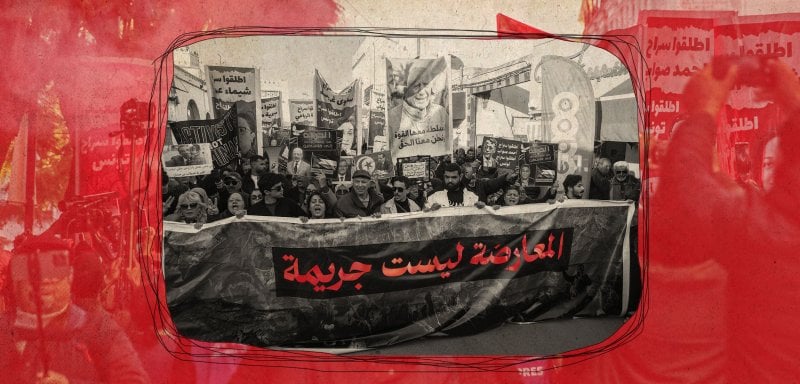
تعيش تونس في الآونة الأخيرة موجةً من الاحتجاجات الأسبوعية، التي تنطلق من شارع الحبيب بورقيبة خصوصاً، للمطالبة بإطلاق سراح السجناء السياسيين ووقف ما يصفه المحتجون بـ"القمع وتجريم المعارضة السياسية". وتأتي هذه التحرّكات في لحظة دقيقة تستند إلى ثلاثة مؤشرات مركزية: تراجع سيادة القانون، وتفاقم الأزمة الاقتصادية، وغياب شبه تام للأجسام الوسيطة عن الحياة السياسية.
Tunisia has recently been living through a wave of weekly protests, setting out in particular from Habib Bourguiba Avenue, to demand the release of political prisoners and an end to what protesters describe as “repression and the criminalization of political opposition.” These mobilizations come at a delicate moment, grounded in three central indicators: the erosion of the rule of law, the worsening economic crisis, and the near-total absence of intermediary bodies from political life.
Indicators of a Deteriorating Situation in 2025مؤشرات تدهور الوضع في 2025
وفق تقرير "مؤشر سيادة القانون 2025"، الصادر عن منظمة World Justice Project في تشرين الأول/ أكتوبر 2025، تراجعت تونس إلى المرتبة 85 عالمياً من أصل 142 دولة، وهو أدنى ترتيب لها منذ ثورة عام 2011. ويشير التقرير بوضوح إلى توسّع المحاكمات الاستثنائية، وضعف الرقابة القضائية، واعتماد السلطة التنفيذية على مراسيم واسعة لتقييد حرية التعبير وتقييد عمل المجتمع المدني.
According to the Rule of Law Index 2025 report, issued by the World Justice Project in October 2025, Tunisia fell to 85th place worldwide out of 142 countries, its lowest ranking since the 2011 revolution. The report points clearly to the expansion of exceptional trials, weak judicial oversight, and the executive authority’s reliance on broad decrees to restrict freedom of expression and constrain the work of civil society.
An unprecedented retreat in the political and democratic landscapes: Tunisia falls to 85th place in the Rule of Law Index and is classified as “not free” for 2025. How is Qais Saied’s authority re-engineering the public sphere through flawed trials and the use of Decree 54 to silence critical voices?
تراجع غير مسبوق في المشهدين السياسي والديمقراطي، تونس تهبط إلى المرتبة 85 في "مؤشر سيادة القانون" وتُصنّف "دولة غير حرة" لعام 2025… كيف تعيد سلطة قيس سعيد هندسة المجال العام عبر محاكمات معيبة وتوظيف "المرسوم 54" لكتم الأصوات المنتقدة لها؟
On the democratic front, Freedom House recorded, in its Freedom in the World 2025 report issued in March 2025, the continued classification of Tunisia as a “not free” country, with deterioration in indicators of judicial independence, press freedom, and political participation, reflecting the suffocation of the public sphere and the declining ability of citizens to exert influence through institutional mechanisms.
أما على الصعيد الديمقراطي، فقد سجّلت Freedom House في تقرير "الحريات في العالم 2025"، الصادر في آذار/ مارس 2025، استمرار تصنيف تونس كـ"دولة غير حرة"، مع تدهور في مؤشرات استقلال القضاء وحرية الصحافة والمشاركة السياسية، ما يعكس اختناق المجال العام وتراجع قدرة المواطنين على التأثير عبر الآليات المؤسساتية.
The situation is no better economically, as debate over the 2026 finance bill reveals a worsening financial crisis that limits the state’s capacity to respond to rising social demands concerning employment and wage increases, especially amid high unemployment rates reaching 24% among holders of higher degrees. By contrast, according to announced official figures, state revenues are estimated at 52.560 billion dinars, against expenditures exceeding 63.5 billion dinars, or about $22 billion, meaning a deficit of more than 11 billion dinars, or around $3.4 billion. These are indicators that restrict the state’s solutions for creating jobs and improving social conditions.
الوضع ليس أفضل حالاً اقتصادياً حيث تكشف مناقشة مشروع قانون المالية لعام 2026 عن أزمة مالية متفاقمة تُقيّد قدرة الدولة على الاستجابة للمطالب الاجتماعية المتصاعدة بخصوص التشغيل وزيادة الأجور، لا سيّما في ظل ارتفاع معدلات البطالة التي تصل إلى 24% لدى حاملي الشهادات العليا. في المقابل، ووفق ما تشير إليه الأرقام الرسمية المعلنة، تُقدَّر مداخيل الدولة بـ52.560 مليار دينار، مقابل نفقات تفوق 63.5 مليار دينار (نحو 22 مليار دولار)، أي بعجز يتجاوز 11 مليار دينار (نحو 3.4 مليارات دولار). وهي مؤشرات تحد من حلول الدولة في إيجاد فرص العمل وتحسين الظروف الاجتماعية.
To cover this deficit, the Tunisian government revealed its intention to resort to external borrowing worth 6.8 billion dinars, or about $2.2 billion, in addition to domestic borrowing of 19.1 billion dinars, or about $6.3 billion. This deepens the dependence of public finances on the local market amid difficulties in accessing international financing and sharp criticism over the government’s continued borrowing from the Central Bank of Tunisia.
ولتغطية هذا العجز، كشفت الحكومة التونسية عن نيتها اللجوء إلى اقتراض خارجي بقيمة 6.8 مليارات دينار (نحو 2.2 ملياري دولار(، إضافة إلى اقتراض داخلي يبلغ 19.1 مليار دينار (نحو 6.3 مليارات دولار)، وهو ما يعمّق ارتهان المالية العمومية للسوق المحلية في ظل صعوبات النفاذ إلى التمويل الدولي وسط انتقادات شديدة بخصوص مواصلة الحكومة الاقتراض من البنك المركزي التونسي.
The draft financial budget for 2026 also showed the enormous pressure exerted on available resources by public debt servicing, the wage bill, and commitments to social negotiation, shrinking the margin for investment and widening the gap between citizens’ needs and the state’s actual capacities.
كذلك أظهر مشروع ميزانية المالية لسنة 2026 ضغطاً هائلاً تمارسه خدمة الدين العمومي، إلى جانب كتلة الأجور والتزامات التفاوض الاجتماعي، على الموارد المتاحة، بما يقلّص هامش الاستثمار ويوسّع الفجوة بين حاجيات المواطنين والإمكانيات الفعلية للدولة.
This fragile financial situation was directly reflected in parliamentary sessions, where the assembly witnessed altercations between MPs and the finance minister after the latter deemed demands for wage improvements and some proposed articles serving social demands to be “unrealistic” in the absence of the necessary resources. In return, MPs accused their colleagues of serving the interests of economic lobbies by obstructing proposed legal articles intended to protect consumers and ease tax burdens.
هذا الوضع المالي الهش انعكس مباشرة خلال الجلسات البرلمانية، حيث شهد المجلس مشادات بين نواب ووزيرة المال بعدما اعتبرت الأخيرة أن مطالب تحسين الأجور وبعض الفصول المقترحة خدمة للمطالب الاجتماعية "غير واقعية" في ظل غياب الموارد اللازمة. في المقابل، اتهم نوابٌ زملاءهم بخدمة مصالح لوبيات اقتصادية عبر تعطيل مقترحات فصول قانونية لحماية المستهلكين وتخفيف الأعباء الجبائية.
All this comes as the executive authority moves toward excluding the Tunisian General Labour Union from social negotiations, while putting forward a new vision under which the government would unilaterally determine annual wage-increase rates instead of opening the door to social negotiations, as has been the practice for decades between the Labour Union, the country’s largest union structure, and the government. This is happening at a time when MPs and trade unionists are demanding increases above 5% to confront the deterioration of purchasing power, a rate the government considers impossible under the “current financial situation.”
ويأتي كل هذا بينما تتجه السلطة التنفيذية إلى استبعاد الاتحاد العام التونسي للشغل من المفاوضات الاجتماعية، مع طرح تصور جديد يقوم على أن تحدد الحكومة نسب الزيادة السنوية في الأجور بشكل أحادي عوضاً من فتح باب المفاوضات الاجتماعية كما هو معمول به منذ عقود بين اتحاد الشغل كأكبر هيكل نقابي في البلاد والحكومة في وقت يطالب فيه نواب ونقابيون بزيادات تفوق 5% لمواجهة تدهور القدرة الشرائية وهي نسبة تعتبرها الحكومة مستحيلة في ظل "الوضع المالي الحالي".
This general deterioration has been accompanied by the almost complete sidelining of intermediary bodies, including parties, professional organizations, and associations, which have been gradually neutralized since 2021. Political life has become confined between the presidency and the street, without mediators capable of framing the conflict or offering alternatives. Even the Tunisian General Labour Union, the last organized social force, has entered into direct tension with the authorities, reaching its peak when President Saied accused the European Union of “foreign interference” after a meeting between the union’s secretary-general, Noureddine Taboubi, and the EU ambassador to Tunisia.
هذا التدهور العام ترافق مع تغييب شبه كامل للأجسام الوسيطة بما فيها الأحزاب، والمنظمات المهنية، والجمعيات التي تم تحييدها تدريجياً منذ 2021. فالحياة السياسية باتت محصورة بين مؤسسة الرئاسة والشارع، دون وسطاء قادرين على تأطير النزاع أو تقديم بدائل. وحتى الاتحاد العام التونسي للشغل، آخر قوة اجتماعية منظَّمة، دخل في توتر مباشر مع السلطة بلغ ذروته حين اتهم الرئيس سعيّد الاتحاد الأوروبي بـ"التدخل الأجنبي" عقب لقاء جمع أمين عام الاتحاد نور الدين الطبوبي بسفير الاتحاد الأوروبي في تونس.
A Systematic Tightening That Remakes the Public Sphereتضييق منهجي يعيد صوغ المجال العام
In this political vacuum, the parliament that emerged from the 2022/2023 elections and was formed through an individual-candidacy voting mechanism has become an arena for populist discourse, where the language of treason and accusations of “collaboration” prevail, in a scene that reflects the weakness of the legislative institution and its inability to play any real balancing or oversight role.
وفي ظل هذا الفراغ السياسي، يتحوّل البرلمان المنبثق من انتخابات 2022/2023، والمُشكّل وفق آلية الاقتراع على الأفراد، إلى ساحة للخطاب الشعبوي، حيث تسود لغة التخوين واتهامات "العمالة"، في مشهد يعكس ضعف المؤسسة التشريعية وعجزها عن لعب دور توازني أو رقابي فعلي.
Between a suffocating economic crisis, institutional retreat, and the absence of mediation, the weekly protests appear to be the last remaining voice in the public sphere, in a country witnessing a profound reshaping of the maps of political power.
وبين أزمة اقتصادية خانقة، تراجع مؤسساتي، وغياب الوساطة، تبدو الاحتجاجات الأسبوعية الصوت الأخير المتبقي في المجال العام، في بلد يشهد إعادة تشكيل عميقة لخرائط القوة السياسية.
The year 2025 saw a striking escalation in the level of rights violations in Tunisia, as trials and heavy penalties became part of the daily political scene. With the expanded use of Decree 54, officially aimed at combating false news, the legal text turned into an instrument of silencing, used against journalists, bloggers, and civil society activists. Human Rights Watch documented in its annual report, issued in January 2025, that the Tunisian authorities “adopted a punitive approach against opponents based on swift trials, harsh sentences, and an attempt to criminalize human rights work.”
شهد عام 2025 تصعيداً لافتاً في مستوى الانتهاكات الحقوقية في تونس حيث أصبحت المحاكمات والعقوبات الثقيلة جزءاً من المشهد السياسي اليومي. ومع توسّع استعمال المرسوم 54 – الموجّه رسمياً لمكافحة الأخبار الزائفة – تحوّل النص القانوني إلى أداة إسكات، استُخدمت ضد الصحافيين والمدونين ونشطاء المجتمع المدني. وقد وثّقت "هيومن رايتس ووتش" في تقريرها السنوي (الصادر في كانون الثاني/ يناير 2025) أنّ السلطات التونسية "اعتمدت نهجاً عقابياً ضد المعارضين يقوم على المحاكمات السريعة والأحكام المشدّدة ومحاولة تجريم العمل الحقوقي".
This trajectory was clearly reflected in the judgments issued in November 2025 in what is known as the “conspiracy against state security” case, in which around 34 defendants were tried and sentenced to terms ranging from 10 to 45 years, while charges were dropped against Hattab Salama after more than two years in prison without coherent evidence, and against Noureddine Boutar, the owner of Radio Mosaique, who had earlier been released on financial bail. Human rights organizations considered that the ruling exposed the fragility of the case and “the selective nature of the charges.”
وتجلّى هذا المسار بوضوح في الأحكام الصادرة في تشرين الثاني/ نوفمبر 2025 في ما يعرف بـ"قضية التآمر على أمن الدولة"، وهي القضية التي حوكم فيها نحو 34 متهماً بأحكام تراوحت بين 10 و45 عاماً، بينما تم إسقاط التهم عن حطاب سلامة بعد أكثر من عامين في السجن دون أدلة متماسكة ونور الدين بوطار مالك إذاعة موزاييك الذي كان قد أفرج عنه في وقت سابق مقابل ضمان مالي. وقد اعتبرت منظمات حقوقية أن الحكم كشف هشاشة الملف و"طابع الانتقائية في توجيه التهم".
Ben Omar tells Raseef22 that the tightening of restrictions on civil society in Tunisia is part of a broader global wave, since there is “a global context in which populism and the far right are growing, and this is finding its echo today in Tunisia. For civil society, this is a phase of resistance and of proving its existence.”
يرى بن عمر، في حديثه إلى رصيف22، أنّ التضييق على المجتمع المدني في تونس جزء من موجة عالمية أوسع إذ ثمّة "سياق عالمي تتنامى فيه الشعبوية واليمين المتطرف، وهذا يجد صداه اليوم في تونس. المرحلة بالنسبة إلى المجتمع المدني هي مرحلة مقاومة وإثبات وجود"
In the same context, the case of lawyer and media figure Sonia Dahmani confirmed the widening of the policy of deterrence. Her arrest under Decree 54 prompted a wave of local and international solidarity, while her release came moments after a plenary session of the European Parliament explicitly called for her immediate release, raising questions about the authorities’ susceptibility to external pressure.
وفي السياق نفسه، جاءت قضية المحامية والإعلامية سنية الدهماني لتؤكد اتساع سياسة الردع، إذ أدّى توقيفها بموجب المرسوم 54 إلى موجة تضامن محلية ودولية، بينما جاء الإفراج عنها لحظات بعد جلسة عامة للبرلمان الأوروبي دعا فيه صراحة إلى إطلاق سراحها فوراً، وهو ما أثار تساؤلات حول قابلية السلطة للتأثر بالضغط الخارجي.
Yet the deeper violations concern the deterioration of the civil society space, as explained by activist and spokesperson for the Tunisian Forum for Economic and Social Rights, Romdhane Ben Omar, who believes that organizations are now facing “an unprecedented phase of stigmatization and marginalization.”
غير أنّ الانتهاكات الأكثر عمقاً تتعلّق بتدهور فضاء المجتمع المدني، كما يوضح ذلك الناشط والناطق باسم المنتدى التونسي للحقوق الاقتصادية والاجتماعية رمضان بن عمر، الذي يرى أنّ المنظمات باتت تواجه "مرحلة غير مسبوقة من الوصم والتهميش".
He tells Raseef22: “Associations today live under many-sided pressure: smear campaigns on social networks, financial and tax prosecutions, and administrative decisions intended to exhaust them. The authorities are no longer content with political pressure; they have begun to target the very legitimacy of civil society’s existence.”
ويقول لرصيف22: "تعيش الجمعيات اليوم تحت ضغط متعدّد الأوجه، حملات تشويه على الشبكات الاجتماعية، وملاحقات مالية وجبائية، وقرارات إدارية تهدف إلى إنهاكِها. السلطة لم تعد تكتفي بالضغط السياسي، بل باتت تستهدف شرعية وجود المجتمع المدني نفسه".
Ben Omar adds, explaining the pattern of restriction: “Whenever the authorities face a crisis, whether social, environmental, or political, they resort to attacking associations and holding them responsible for protests. We saw this during the environmental mobilizations in Gabes, where the discourse of treason was used to close down discussion of pollution.” He notes that the greatest danger threatens small local associations in particular, especially since “these associations work in narrow spaces and are the most vulnerable to targeting because they are closest to citizens. The authorities can isolate and pick them off easily because their resources are limited.”
ويردف بن عمر مفسّراً نمط التضييق: "كلما واجهت السلطة أزمة – اجتماعية أو بيئية أو سياسية – تلجأ إلى مهاجمة الجمعيات وتحميلها مسؤولية الاحتجاجات. رأينا ذلك خلال تحركات قابس البيئية، حيث استُخدم خطاب التخوين لإغلاق النقاش حول التلوث". ويلفت إلى أنّ الخطر الأكبر يهدّد الجمعيات المحلية الصغرى لا سيّما وأن "هذه الجمعيات تعمل في فضاءات ضيقة، وهي الأكثر عرضة للاستهداف لأنها الأقرب للمواطنين. السلطة تستفرد بها بسهولة بسبب محدودية مواردها".
Ben Omar stresses that the current phase has revealed divergences within civil society, since “civil society is not a single bloc. There are organizations that chose confrontation and the defense of public space, while a small part drifted along with the state’s narratives.” Ben Omar also sees the tightening around civil society as part of a broader global wave: “There is a global context in which populism and the far right are growing, and this is finding its echo today in Tunisia. For civil society, this is a phase of resistance and of proving its existence, and it requires the highest levels of coordination and networking to defend civic space.”
ويؤكد بن عمر أنّ المرحلة الحالية كشفت عن تباين داخل المجتمع المدني إذ إن "المجتمع المدني ليس كتلةً واحدة. هناك منظمات اختارت المواجهة والدفاع عن الفضاء العام، وفي المقابل جزء صغير انجرف مع سرديات الدولة"، كما يرى بن عمر أنّ التضييق على المجتمع المدني جزء من موجة عالمية أوسع: "هناك سياق عالمي تتنامى فيه الشعبوية واليمين المتطرف، وهذا يجد صداه اليوم في تونس. المرحلة بالنسبة إلى المجتمع المدني هي مرحلة مقاومة وإثبات وجود، وتتطلّب أقصى درجات التنسيق والتشبيك للدفاع عن الفضاء المدني".
Ben Omar also recalls the fluctuating relationship between the authorities and civil society since July 25, 2021, explaining that “the president of the republic, Qais Saied, was hostile toward associations from the beginning, but when he needed them on July 26, 2021, he summoned professional and human rights organizations to send a message abroad that there was a participatory process. Once his interest had ended, he returned to his hostile discourse and repressed associations that contradicted his narrative.”
كما يستعيد بن عمر العلاقة المتقلّبة بين السلطة والمجتمع المدني منذ 25 تموز/ يوليو 2021، شارحاً أن "رئيس الجمهورية (قيس سعيد) كان عدائياً تجاه الجمعيات منذ البداية، لكنه عندما احتاجها في 26 تموز/ يوليو 2021، استدعى المنظمات المهنية والحقوقية لتمرير رسالة للخارج بأنّ هناك مساراً تشاركياً. وبعد انتهاء مصلحته، عاد إلى خطابه المعادي وقمع الجمعيات التي تخالف سرديّته".
He offers the recent Gabes protests as an example: “The campaign that targeted environmental organizations after the Gabes mobilizations was not random. When the president found himself embarrassed before a discourse that contradicted his statements about the environment, he chose to divert the discussion by closing associations and accusing them of collaboration and corruption.”
ويضرب مثالاً باحتجاجات قابس الأخيرة: "الحملة التي استهدفت منظمات بيئية بعد تحركات قابس لم تكن اعتباطية. عندما وجد الرئيس نفسه محرجاً أمام خطاب يناقض تصريحاته حول البيئة، اختار تحويل وجهة النقاش عبر إغلاق الجمعيات واتهامها بالعمالة والفساد".
Ben Omar emphasizes that this method has become systematic, since “whenever the authorities face social or political pressure, they resort to conspiracy theories and the criminalization of dissenters. Civil society is the first to pay the price.” Even so, he stresses that abolishing civic space or constricting it will not stop the movement: “Even if the authorities restore tutelage over civil society or restrict its legal space, we will continue the struggle as individuals and organizations, and by the means available, in defense of the values we have believed in since before the revolution.”
ويؤكد بن عمر أنّ هذا الأسلوب أصبح ممنهجاً حيث أنه "كلما واجهت السلطة ضغطاً اجتماعياً أو سياسياً، تلجأ إلى نظريات المؤامرة وتجريم المخالفين. المجتمع المدني هو أوّل من يدفع الثمن". ومع ذلك، يؤكد أنّ إلغاء الفضاء المدني أو التضييق عليه لن يوقف الحراك "حتى لو أعادت السلطة القوامة على المجتمع المدني أو قيّدت فضاءه القانوني، فإننا سنواصل النضال كأفراد ومنظمات، وبالوسائل المتاحة، دفاعاً عن القيم التي نؤمن بها منذ قبل الثورة".
Ben Omar concludes his assessment by saying: “All scenarios are open. We may witness new campaigns of repression at any moment, but the legal and human rights confrontation will continue. Civil society was not created to surrender, but to stand in the front lines defending rights and freedoms.”
ويختم بن عمر تقييمه بالقول إن "كل السيناريوهات مفتوحة. قد نشهد حملات قمع جديدة في أي لحظة، لكن المواجهة القانونية والحقوقية ستستمر. المجتمع المدني لم يُخلق ليستسلم، بل ليكون في الصفوف الأمامية للدفاع عن الحقوق والحرّيات".
For its part, Amnesty International, in its November 2025 report, considers that “the current pattern of restriction represents a dramatic retreat in guarantees of freedom of association,” and that these developments reveal a coercive reshaping of the public sphere, as the authorities try to control every site capable of producing criticism, through the judiciary, administrative oversight, and organized campaigns in the digital sphere.
ومن جانبها، ترى منظمة العفو الدولية، في تقريرها لشهر تشرين الثاني/ نوفمبر 2025، أنّ "النمط الحالي من التضييق يمثل تراجعاً دراماتيكياً في ضمانات حرية تكوين الجمعيات"، وأن هذه التطورات تكشف عن إعادة تشكيل قسرية للمجال العام، حيث تحاول السلطة التحكم في كل موقع قادر على إنتاج نقد، من خلال القضاء، والرقابة الإدارية، والحملات المنظَّمة على الفضاء الرقمي.
Re-engineering the Opposition Under Pressureإعادة هندسة المعارضة تحت الضغط
The weekly protest mobilizations began in conjunction with the exceptional sentences issued in the “conspiracy against state security” case; the most prominent were marches that set out from Habib Bourguiba Avenue to demand the release of detainees and an end to “the punitive course against the opposition.” These protests, in which lawyers, students, families of detainees, and political figures took part, reflected a striking shift in the public mood, as the circle of rejection widened compared with the situation in 2023 and 2024, when fear and repression were enough to weaken any attempt to gather.
انطلقت التحرّكات الاحتجاجية الأسبوعية تزامناً مع صدور الأحكام الاستثنائية في قضية "التآمر على أمن الدولة"،، كان أبرزها المسيرات التي انطلقت من شارع الحبيب بورقيبة للمطالبة بالإفراج عن الموقوفين ووقف "المسار العقابي للمعارضة". هذه الاحتجاجات، التي شارك فيها محامون، طلاب، عائلات الموقوفين وشخصيات سياسية، عكست تحوّلاً لافتاً في المزاج العام، حيث تمدّدت دائرة الرفض مقارنة بما كان عليه الوضع في 2023 و2024، حين كان الخوف والقمع كفيلين بإضعاف أي محاولة للتجمّع.
In this context, political activist Hatem Nafti offers Raseef22 a precise reading of this transformation, stressing that what is happening today “is not a political alliance in the traditional sense,” but rather a convergence of awareness among different strands of the opposition that have realized they have become a shared target of an authoritarian approach based on “targeting all intermediary bodies,” foremost among them parties, unions, and civil organizations. Nafti considers that the sentencing of figures such as Ahmed Souab, Ahmed Nejib Chebbi, Chaima Issa, and Ayachi Hammami constituted a decisive moment that allowed segments of public opinion to see the punitive nature of the political process, after the measures reached figures who, until recently, had been considered “outside the circle of targeting.”
في هذا السياق، يقدّم الناشط السياسي حاتم النفطي قراءة دقيقة لهذا التحوّل، عبر رصيف22، مؤكداً أنّ ما يحدث اليوم "ليس تحالفاً سياسياً بالمعنى التقليدي"، بل تلاقي وعي بين أطياف مختلفة من المعارضة أدركت أنها أصبحت هدفاً مشتركاً لنهج سلطوي يقوم على "استهداف كل الأجسام الوسيطة"، وعلى رأسها الأحزاب والنقابات والمنظمات المدنية. ويعتبر النفطي أنّ الحكم على شخصيات مثل أحمد صواب، وأحمد نجيب الشابي، وشيماء عيسى، والعياشي الهمامي، شكّل لحظة فاصلة سمحت لشرائح من الرأي العام برؤية الطبيعة العقابية للمسار السياسي"، بعد أن طالت الإجراءات شخصيات كانت تعتبر حتى وقت قريب "خارج دائرة الاستهداف".
Nafti says that what unsettles the authorities today is the change in the positions of groups that had previously been reserved toward some opposition symbols. He cites the case of Chaima Issa, who faced reservations from feminist and political currents when she was arrested in 2023, before that position turned today into broad solidarity, “because the blows that come from an individual authority erase the traditional differences among opponents.”
ويقول النفطي إن ما يربك السلطة اليوم هو تغيّر مواقف فئات كانت سابقاً متحفِّظة تجاه بعض رموز المعارضة. ويستشهد بحالة شيماء عيسى، التي واجهت تحفظاً من تيارات نسوية وسياسية عند توقيفها في 2023، قبل أن يتحوّل هذا الموقف اليوم إلى تضامن واسع، "لأن الضربات التي تأتي من سلطة فردية تلغي الفوارق التقليدية بين المعارضين".
He also points out that the judiciary, since 2021, has become “completely brought to its knees,” especially after the dismissal of judges in 2022 and the refusal to reinstate some of them despite a court ruling, which leaves the opposition “in the sights of a domesticated judiciary” issuing heavy sentences of a purely political character.
ويشير كذلك إلى أن القضاء، منذ 2021، أصبح "مُركّعاً بالكامل"، خصوصاً بعد إعفاء القضاة في 2022 ورفض إعادة منصفين منهم بحكم قضائي، وهو ما يجعل المعارضة "في مرمى قضاء مُدجَّن" يصدر أحكاماً ثقيلة ذات طابع سياسي بحت.
Despite these indicators, however, Nafti believes that the protests remain elite-driven and concentrated in the capital, and have not yet turned into a broad social wave. He considers their expansion to depend on the degree of economic and social deterioration in the coming weeks, as well as on the reaction of the Tunisian General Labour Union, which is also threatening escalation.
لكن رغم هذه المؤشرات، يرى النفطي أن الاحتجاجات لا تزال نخبوية ومركّزة في العاصمة، ولم تتحوّل بعد إلى موجة اجتماعية واسعة. ويعتبر أنّ توسّعها يظل رهيناً بمستوى التأزم الاقتصادي والاجتماعي خلال الأسابيع المقبلة، إضافة إلى رد فعل الاتحاد العام التونسي للشغل الذي يلوّح بدوره بالتصعيد.
Families at the Forefront, and the Judiciary as an Instrument of Intimidationالعائلات في الواجهة… والقضاء أداة للترهيب
If the protests express a rising wave of political and social anger, the testimony of the families of detained men and women reveals another side no less important: the human and rights dimensions of exceptional rulings, and the severity of the measures taken against well-known figures. In this framework, Fidaa Hammami, daughter of detained lawyer and activist Ayachi Hammami, offers a close-up image of what families are living through today, stressing that the latest ruling with immediate enforcement “was not a normal judicial step, but a clear political message.”
إذا كانت الاحتجاجات تعبّر عن موجة غضب سياسية واجتماعية متصاعدة، فإنّ شهادة عائلات الموقوفين/ات تكشف جانباً آخر لا يقل أهمية: البعدين الإنساني والحقوقي للأحكام الاستثنائية، وحدّة الإجراءات التي تُتخذ ضد شخصيات معروفة. في هذا الإطار، تقدم فداء الهمامي، ابنة المحامي والناشط الموقوف العياشي الهمامي، صورة مقرّبة عن ما تعيشه العائلات اليوم، مؤكدةً أنّ الحكم الأخير بالنفاذ العاجل "لم يكن خطوة قضائية طبيعية، بل رسالة سياسية واضحة".
Fidaa explains to Raseef22 that her father, who had been tried while at liberty since the case began, had never violated any procedure and was always present at every hearing, which makes his sudden arrest after the appellate ruling “a step that can only be understood in the context of intimidating opponents.”
توضح فداء، لرصيف22، أن والدها، الذي كان يحاكم في حالة سراح منذ انطلاق القضية، لم يخلّ يوماً بأي إجراء، وكان دائم الحضور في كل الجلسات، ما يجعل توقيفه المفاجئ بعد الحكم الاستئنافي "خطوة لا يمكن فهمها إلا في سياق ترهيب المعارضين".
She indicates that what the authorities today consider a “conspiracy case” is, according to the defense team, a conspiracy against the opposition, not against the state, because the acts attributed to her father and to the other detainees do not go beyond the bounds of legitimate political activity. She adds that “the case is entirely devoid of criminal acts,” and that all the documents it contains relate to “ordinary political activities: encounters, meetings, contacts between well-known figures and political actors,” practices she regards as “the essence of political work, not an entry point for terrorist descriptions.”
وتشير إلى أنّ ما تعتبره السلطة اليوم "قضية تآمر" هو، وفق هيئة الدفاع، قضية تآمر على المعارضة لا على الدولة، لأن الوقائع المنسوبة لوالدها ولغيره من الموقوفين لا تتجاوز حدود نشاط سياسي مشروع، وتضيف أن "القضية خالية تماماً من الأفعال الإجرامية"، وأن كل ما تحمله من وثائق يتعلّق بـ"أنشطة سياسية عادية: لقاءات، اجتماعات، اتصالات بين شخصيات معروفة وفاعلين سياسيين"، وهي ممارسات تعدها "جوهر العمل السياسي، لا مدخلاً لتوصيفات إرهابية".
She goes further, saying that the so-called “terrorist agreement” of which her father is accused includes “civilian figures such as Khayam Turki, Ghazi Chaouachi, and Issam Chebbi,” emphasizing that they “met in a normal framework to discuss the general situation, not to plan any acts of violence or harm to the state.” She considers the inclusion of the terrorism charge to be nothing but “an attempt to confer an artificial criminal character on a case that is political par excellence.”
وتذهب أبعد من ذلك بالقول إن ما يسمّى "الوفاق الإرهابي" الذي يُتهم به والدها يضم "شخصيات مدنية مثل خيام التركي، وغازي الشواشي، وعصام الشابي"، مبرزةً أنهم "اجتمعوا في إطار طبيعي لمناقشة الوضع العام، لا للتخطيط لأي أعمال عنف أو مسّ بالدولة". وتعتبر أن إدراج تهمة الإرهاب ليست سوى "محاولة لإضفاء طابع جنائي مصطنع على قضية سياسية بامتياز".
Despite this, Fidaa expresses her conviction that human rights solidarity is expanding, and that exposing the case’s abuses to public opinion is “part of a larger battle to defend the right to a fair trial.” Fidaa continues: “I still have hope that Tunisians will understand, with time, that the accused have nothing to do with terrorism, and that these ridiculous allegations will not stand. In the end, citizens will ask themselves: Will their lives improve by arresting these people? Will the economic situation change? Of course not. Everyone will realize that getting out of the crisis requires moving away from the discourse of hatred and political targeting.”
ورغم ذلك، تعبّر فداء عن قناعتها بأن التضامن الحقوقي يتّسع، وأن كشف تجاوزات الملف إلى الرأي العام "جزء من معركة أكبر للدفاع عن الحق في المحاكمة العادلة". وتتابع فداء: "لا يزال لديّ أمل في أن يفهم التونسيون، مع الوقت، أن لا علاقة للمتهمين بالإرهاب، وأن هذه الادعاءات السخيفة لن تصمد. في النهاية، سيتساءل المواطنون: هل ستتحسن حياتهم بتوقيف هؤلاء الناس؟ هل سيتغيّر الوضع الاقتصادي؟ بالطبع لا. وسيدرك الجميع أن الخروج من الأزمة يتطلّب الابتعاد عن خطاب الحقد والاستهداف السياسي".
The siege of intermediary bodies in Tunisia: the authorities seek to neutralize parties, unions, and associations through campaigns of treason accusations and judicial prosecutions, as well as the “systematic sidelining” of civil society, leaving the street and the presidency face to face. What impact can the weekly protests have in the face of repression?
حصار الأجسام الوسيطة في تونس… السلطة تسعى إلى تحييد الأحزاب والنقابات والجمعيات عبر حملات التخوين والملاحقات القضائية، فضلاً عن "تغييب ممنهج" للمجتمع المدني بما يجعل الشارع ومؤسسة الرئاسة وجهاً لوجه. فأي تأثير تضطلع به الاحتجاجات الأسبوعية في وجه القمع؟
As for violations of the right to a fair trial, Fidaa stresses that they are “countless,” and that they began on the first day in 2023, when the case was opened. She explains that all the detainees, without exception, were denied the conditions of a fair trial, as documented by multiple human rights organizations and associations.
أما في شأن الخروقات في الحق بالمحاكمة العادلة، فتؤكد فداء أنّها "لا تُحصى ولا تُعد"، وأنها بدأت منذ اليوم الأول في عام 2023 حين تم فتح القضية. وتوضح أنّ جميع الموقوفين، دون استثناء، لم تتوافر لهم شروط المحاكمة العادلة، وهو ما وثّقته منظمات حقوقية وجمعيات متعدّدة.
According to her, the violations include arbitrary arrests and the absence of a clear legal basis; reliance on reports built on anonymous witnesses; failure to enable the defense to review the full case file; holding trial sessions in the absence of the accused; and issuing exceptional, harsh judgments not based on serious evidence.
وتشمل الخروقات، وفق قولها: الإيقافات العشوائية وغياب سند قانوني واضح، واعتماد محاضر مبنية على شهود مجهولين، وعدم تمكين الدفاع من الاطلاع على كامل الملف، وتنظيم جلسات محاكمة في غياب المتهمين، وإصدار أحكام استثنائية مشدّدة لا تستند إلى أدلة جدّية.
This human testimony places the escalating protests in a broader context: a society that sees the authorities using the judiciary as a political weapon, and that sees the aim as no longer merely punishing opponents, but redrawing the boundaries of what is permitted and forbidden in public work. With every heavy sentence or new arrest, civic space shrinks, and the conviction grows among citizens and human rights defenders that what is happening goes beyond a mere judicial dispute, becoming a “political engineering of a new reality,” in which the opposition is subjected to a systematic approach of subjugation.
هذه الشهادة الإنسانية تضع الاحتجاجات المتصاعدة في سياق أوسع: مجتمع يرى أن السلطة تستخدم القضاء كسلاح سياسي، وأن الهدف لم يعد فقط معاقبة الخصوم، بل إعادة رسم حدود المسموح والممنوع في العمل العام. ومع كل حكم ثقيل أو عملية توقيف جديدة، تتقلّص المساحة المدنية وتزداد قناعة المواطنين/ات والحقوقيين/ات بأن ما يجري يتجاوز مجرّد نزاع قضائي، إلى "هندسة سياسية لواقع جديد"، حيث تخضع المعارضة إلى نهج تركيع ممنهج.
Raseef22 is a nonprofit organization. The money we raise from the Raseef community, and from institutional funding, goes directly to supporting our journalistic work. We do not receive funding from major corporations or political funding, and we do not publish paid content.
رصيف22 منظمة غير ربحية. الأموال التي نجمعها من ناس رصيف، والتمويل المؤسسي، يذهبان مباشرةً إلى دعم عملنا الصحافي. نحن لا نحصل على تمويل من الشركات الكبرى، أو تمويل سياسي، ولا ننشر محتوى مدفوعاً.
To support our journalism, which puts public affairs first, and to keep our pages available to all readers, click here.
لدعم صحافتنا المعنية بالشأن العام أولاً، ولتبقى صفحاتنا متاحةً لكل القرّاء، انقر هنا.