How Russia Neutralized U.S. and European Union Sanctions During the War with Ukraine
The essay argues that Russia withstood Western sanctions and wartime pressure by refusing strategic retreat, shifting toward non-Western partners, adapting economically, and sustaining its military advance.
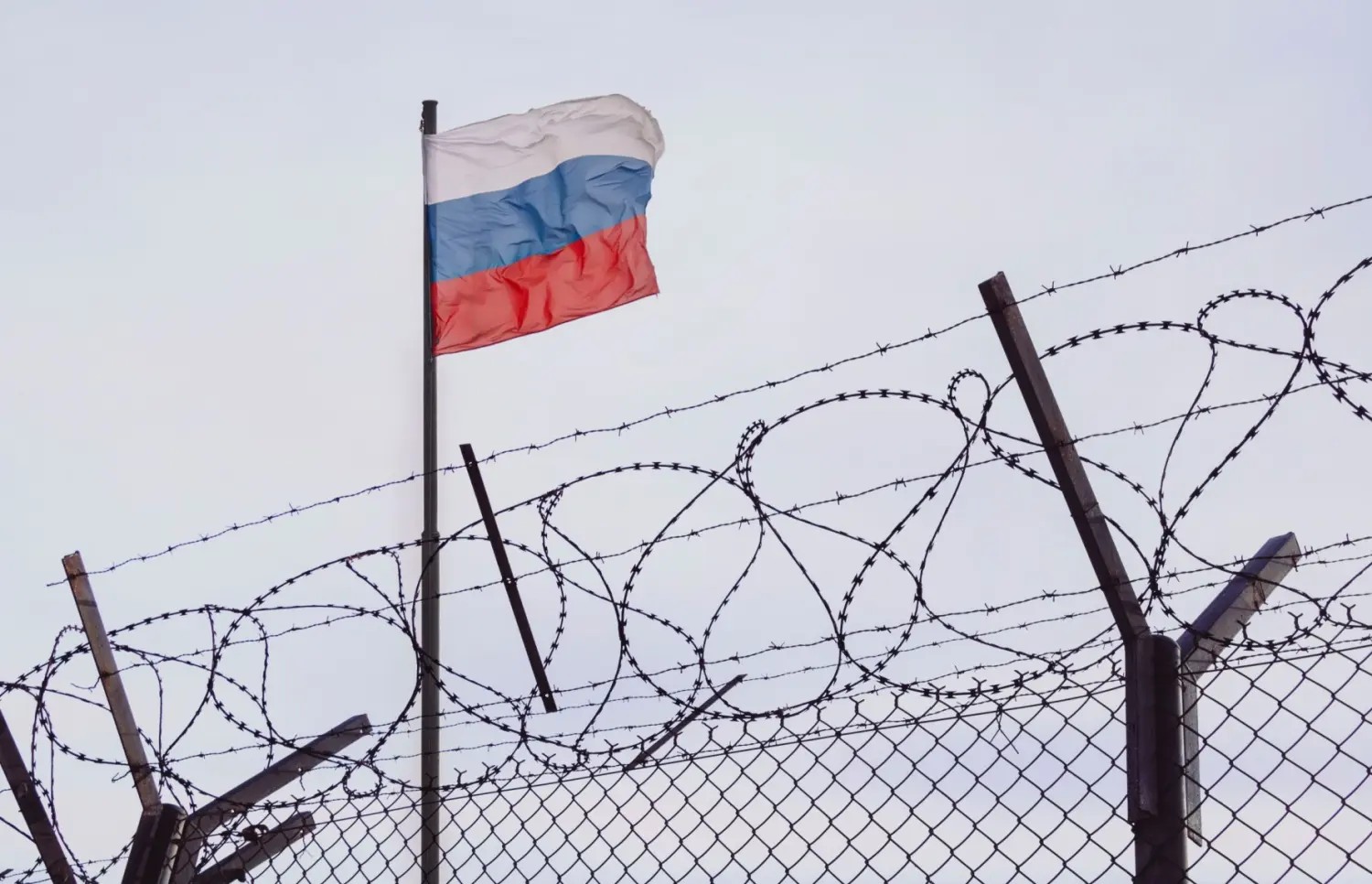
A note from the Center for Strategic and International Analysis examining Russia’s performance in neutralizing U.S. and European Union sanctions during the war with Ukraine.
یادداشت مرکز تحلیل راهبردی و بین الملل و بررسی عملکرد روسیه در خنثی سازی تحریم های آمریکا و اتحادیه اروپا در طول جنگ با اوکراین
Soheil Fazli, researcher at the Center for Strategic and International Analysis.سهیل فضلی، پژوهشگر مرکز تحلیل راهبردی و بین الملل
After the outbreak of the Ukraine war in 2022, and the imposition of sanctions and the intensification of political and economic pressure against Russia, many believed that Ukraine would become Russia’s Vietnam and that the country would sink into its quagmire. Many predicted that Russia’s economy would be shaken under Western sanctions and that Russia would soon retreat. Yet after three years of war, Russia has not retreated in any economic, military, diplomatic, or media sphere; indeed, Russia-U.S. negotiations in Saudi Arabia and subsequent statements by American officials showed that Russia holds the superior hand in the broader state of the Ukraine crisis.
پس از آغاز جنگ اوکراین در سال 2022 و اعمال تحریم ها و افزایش فشارهای سیاسی و اقتصادی علیه روسیه، بسیاری معتقد بودند که اوکراین ویتنام روسیه خواهد شد و این کشور در باتلاق آن فرو خواهد رفت. بسیاری پیشبینی میکردند که اقتصاد روسیه ذیل تحریمهای غرب متزلزل شده و به زودی روسیه عقبنشینی خواهد کرد. اما با گذشت سهسال از جنگ نهتنها روسیه در هیچ یک از زمینههای اقتصادی، نظامی، دیپلماتیک و رسانهای عقب نشینی نکرد بلکه مذاکرات روسیه و آمریکا در عربستان و سپس اظهارات مقامات آمریکایی نشان داد که روسیه دست برتری در وضعیت کلان بحران اوکراین دارد.
It is therefore worth reflecting on how Russia was able, despite the West’s unstinting resolve and effort to bring the country to its knees, to continue on its path with strength and hold the upper hand in negotiations. An analysis of Russia’s conduct can offer useful lessons for Iran, whose circumstances, from the standpoint of Western pressure, are very similar to Russia’s.
بدین ترتیب این موضوع که روسیه چگونه توانست با وجود همت و تلاش بیوقفه غرب برای به زانو درآوردن این کشور با قدرت به مسیر خود ادامه دهد و دست بالایی در مذاکرات داشته باشد جای تامل دارد. تحلیل رفتار روسیه میتواند آموزههای خوبی برای ایران که شرایط بسیار مشابهی از منظر فشارهای غرب با روسیه دارد به همراه داشته باشد.
Steadfastness on Positions and Strategic Objectivesاستقامت بر روی مواضع و اهداف کلان
With Ukraine drawing ever closer to the West after the events surrounding the 2014 Ukrainian elections, and with growing speculation and action around that country’s accession to NATO, Russia grew concerned about the expansion of this military bloc to its own borders. Although Russia has always emphasized factors such as the coup in Ukraine’s 2014 elections or the vindication of the rights of ethnic Russians living in Ukraine, NATO expansion can be regarded as Russia’s principal reason for entering the war with Ukraine. Russia first tried to remind the Western side of this issue through verbal and rhetorical warnings, but in the end it did not refrain from using military means to preserve its red lines.
با نزدیکی بیش از پیش اوکراین به غرب پس از حوادث انتخابات سال 2014 اوکراین و افزایش گمانهها و اقدامات پیرامون پیوستن این کشور به ناتو، روسیه نگران گسترش این بلوک نظامی به مرزهای خود شد. هرچند همواره روسیه بر عواملی همچون کودتا در انتخابات 2014 اوکراین و یا احقاق حقوق روستبارهای ساکن اوکراین تاکید کرده است، اما گسترش ناتو را میتوان اصلی ترین دلیل روسیه برای ورود به جنگ با اوکراین دانست. روسیه سعی کرد ابتدا با هشدارهای کلامی و لفظی این موضوع را به طرف غربی یادآوری کند اما در نهایت از استفاده از ابزار نظامی برای حفظ خطوط قرمز خود دریغ نکرد.
Now that Russia-U.S. negotiations are under way, Russia continues to emphasize its overarching position: that Ukraine must not become a member of NATO. In addition, Russia continues to stress the rights of ethnic Russians. During the war, Russia even declared Volodymyr Zelensky illegitimate and called for his removal and for elections to be held in Ukraine. Thus Russia has not only refrained from retreating from its strategic positions, but has consistently underscored them and used every opportunity in Russian and non-Russian forums and media to express them.
اکنون که مذاکرات روسیه و آمریکا در جریان است، روسیه همچنان بر موضع کلان خود یعنی عدم عضویت اوکراین در ناتو تاکید دارد. به علاوه روسیه همچنان بر حقوق روستبارها تاکید میکند. در حین جنگ روسیه حتی با نامشروع خواندن ولادیمیر زلنسکی خواهان برکناری او و برگزاری انتخابات در اوکراین شد. بدین ترتیب روسیه نهتنها از مواضع کلان خود عقب نشینی نکرد بلکه همواره بر روی این مواضع تاکید کرده و از هر فرصتی در مجامع و رسانههای روسی و غیر روسی برای ابراز آن بهره جسته است.
Forceful in the Economic Arena Despite Problems and Hardshipsپر قدرت در عرصه اقتصادی با وجود مشکلات و سختیها
Economic sanctions and the restrictions imposed on the banking sector and on imports of Russian goods may perhaps be considered the West’s most important and severe measures against Russia: sanctions first imposed because of the events in Crimea in 2014, and sanctions imposed from 2022 onward. It must be said that the sanctions did in fact affect the Russian economy. But Russia never retreated in the face of these pressures.
شاید تحریم های اقتصادی و محدودیتهای اعمالی بر حوزه بانکی و واردات اقلام روسی را بتوان مهم ترین و سختترین اقدام غرب علیه روسیه دانست. تحریمهایی که ابتدا به دلیل حوادث کریمه در سال 2014 اعمال شدند و تحریمهایی که از سال 2022 اعمال شدند. بایستی گفت که درواقع تحریمها توانست بر اقتصاد روسیه تاثیرگذار باشد. اما روسیه هیچگاه در برابر این فشارها عقب نشینی نکرد.
Russia has consistently tried to expand its economic relations with its former partners. Russia has sought to form new economic relationships. In this context, Russia has always actively strengthened its ties with various countries around the world. These include the expansion of relations with China, India, Arab countries, African countries, Latin American countries, and the deepening of relations with Central Asian states. Russia’s greater activity in forums such as BRICS and the Shanghai Cooperation Organization falls within this same framework. As a result, instead of seeking to revive economic relations with the West, Russia focused on building new relationships.
روسیه همواره تلاش کرد روابط اقتصادی خود را با شرکای سابق خود گسترش دهد. روسیه سعی کرده است که روابط اقتصادی جدیدی را شکل دهد. در این بین روسیه همواره به طوری فعال روابط خود با کشورهای مختلف جهان را تقویت کرد. از جمله میتوان به گسترش روابط با چین، هند، کشورهای عربی، کشورهای آفریقایی، کشورهای آمریکای لاتین و تعمیق روابط با کشورهای آسیای مرکزی اشاره کرد. فعالیت بیشتر روسیه در مجامعی همچون بریکس و شانگهای در همین راستا است. در نتیجه روسیه به جای آن که به دنبال احیای روابط اقتصادی با غرب برود، بر ساختن روابط جدید تمرکز کرد.
At the same time, Russia managed to produce a relatively sound performance in the monetary sphere and, by moving rapidly toward the use of the ruble, prevented its headlong collapse. Rather than focusing on banking relations with Western partners, the Central Bank of Russia placed greater emphasis on expanding relations with new, non-Western partners. Russia also made good use of opportunities. It quickly noticed economic openings and adapted itself to them. It also swiftly resolved economic problems and challenges, showing appropriate agility in this regard.
در عین حال روسیه توانست عمل کرد نسبتا مناسبی در حوزه پولی برجای بگذارد و با حرکت سریع به سمت استفاده از روبل، از سقوط بی مهابای آن جلوگیری کرد. بانک مرکزی روسیه به جای تمرکز بر روابط بانکی با شرکای غربی بر گسترش روابط با شرکای جدید غیر غربی تمرکز بیشتری کرد. همچنین روسیه به خوبی از فرصتها بهره جست. روسیه به سرعت به فرصتهای اقتصادی توجه کرد و خود را با آن سازگار نمود. همچنین که به سرعت مسائل و چالشهای اقتصادی را مرتفع کرد و در این زمینه چابکی مناسبی را از خود نشان داد.
For example, after Europe sharply reduced its imports of gas from Russia, Russia diverted the surplus gas toward domestic industries. In particular, the production of agricultural fertilizers using surplus gas grew in that country. These fertilizers were then exported to Europe and captured European markets. Thus Russia quickly adapted itself to the new conditions and, instead of expressing helplessness over its inability to export gas, turned the threat that had arisen into an opportunity. Accordingly, in the economic sphere, although Russia faced problems, the country never professed inability; rather, it constantly sought to open a new path for itself. Instead of focusing on reviving relations with Western partners, it concentrated on expanding ties with new partners and non-Western partners. As a result, we see Sergei Lavrov saying in an interview that Russia would not even raise the issue of lifting sanctions in negotiations with the American side.
به طور مثال پس از کاهش شدید واردات گاز از روسیه توسط اروپا، روسیه گاز مازاد را به سمت صنایع داخلی منحرف کرد. به طور خاص در این کشور تولید کودهای کشاورزی با استفاده از گاز مازاد رشد پیدا کرد. سپس این کودها به اروپا صادر شد و بازارهای اروپایی را تسخیر کرد. بدین ترتیب روسیه به سرعت خود را به شرایط جدید سازگار نمود و به جای ابراز ناتوانی در صادرات گاز از تهدید پیش آمده فرصت ساخت. بدین ترتیب در حوزه اقتصادی هرچند روسیه با مشکلاتی مواجه شد اما هیچگاه این کشور ابراز ناتوانی نکرد بلکه همواره تلاش کرد مسیر جدیدی برای خود بگشاید. این کشور به جای تمرکز بر احیای روابط با شرکای غربی بر گسترش روابط با شرکای جدید و شرکای غیرغربی تمرکز کردند. در نتیجه شاهد هستیم که سرگئی لاوروف در مصاحبهای گفت که حتی موضوع رفع تحریمها را در مذاکرات با طرف آمریکایی مطرح نخواهیم کرد.
Continuing the Advance on the Groundتداوم پیشروی بر روی زمین
In the battlefield arena, Russia has never retreated from advancing. Even now, when the issue of negotiations is on the table, Russia continues its ground advance, even if this proceeds slowly. In this sphere too, Russia had set red lines and has always stood by them. For example, from the beginning of the war Russia stressed that Western countries must not provide Ukraine with long-range and offensive weapons. But after Ukraine used U.S.- and British-made ATACMS and Storm Shadow long-range missiles in November 2024, Russia immediately used its hypersonic missile to warn Ukraine and the West.
در عرصه میدانی روسیه هیچگاه از پیشروی عقبنشینی نکرده است. حتی در حال حاضر که موضوع مذاکرات مطرح است روسیه به پیشروی زمینی خود ادامه میدهد هرچند که این امر به شکلی کند در جریان باشد. در این حوزه نیز روسیه خطوط قرمزی را تعیین کرده بود و همواره بر روی این خطوط ایستادگی کرد. به طور مثال روسیه از ابتدای جنگ تاکید کرد که کشورهای غربی نبایستی سلاحهای دوربرد و تهاجمی در اختیار اوکراین قرار دهند. اما پس از آن که اوکراین در نوامبر 2024 از موشکهای دوربرد ATACMS و STORM-SHADOW ساخت آمریکا و انگلیس استفاده کرد، روسیه بلا فاصله از موشک هایپرسونیک خود برای هشدار به اوکراین و غرب استفاده کرد.
Analysisتحلیل
Without doubt, the occurrence of war and its costs confront any power with fundamental problems. On the other hand, the imposition of sanctions by a power such as the United States and its European partners can confront the sanctioned actor with serious challenges. But Russia showed that even simultaneous entanglement with these two phenomena does not mean certain defeat. The key point in confronting the two lies in how one faces them. Through its measures in response to these pressures, and by refusing to retreat or grow despondent in the face of developments, Russia was able to emerge victorious from its highly challenging competition.
بدون شک وقوع جنگ و هزینههای آن هر قدرتی را با مشکلات اساسی روبرو میکند. از سویی اعمال تحریم توسط قدرتی همچون آمریکا و شرکای اروپایی آن میتواند بازیگر تحریم شونده را با چالشهایی روبرو کند. اما روسیه نشان داد که حتی درگیری همزمان با این دو پدیده به معنی شکست حتمی نیست. چگونگی مواجهه با این دو چالش نکته کلیدی رویارویی با این دو است. روسیه با تدابیر خود در برابر این فشارها و عدم عقبنشینی و ناامید شدن از پیش آمدها توانست از رقابت پر چالش خود پیروز بیرون آید.
Making use of opportunities, attending to non-Western actors, building relations and cooperating with new partners, acting actively in response to phenomena and events, and adapting itself to new conditions and pressure were all among Russia’s approaches toward Western sanctions. The secret of Russia’s success was that it did not retreat or surrender before the demands and objectives of the opposing side. In the economic sphere, breaking and neutralizing sanctions took precedence over lifting sanctions; thus Russia, without showing any sign of weakness, persisted on its path and, while emphasizing its strategic objectives, pursued them seriously in the field of action as well.
بهرهگیری از فرصتها، توجه به بازیگران غیرغربی، ساخت روابط و همکاری با شرکای جدید، بازیگری فعال در برابر پدیدهها و حوادث، سازگاری خود با شرایط جدید و فشار، همگی از رویکردهای روسیه در قبال تحریمهای غرب بود. رمز موفقیت روسیه عدم عقبنشینی و تسلیم نشدن در برابر خواستهها و اهداف طرف مقابل بود. در حوزه اقتصادی، شکستن و خنثی سازی تحریم بر رفع تحریم ارجحیت و بدین ترتیب روسیه بدون اینکه نشانهای از ضعف نشان دهد در مسیر خود مداومت داشت و ضمن تاکید بر اهداف کلان خود، در میدان عمل نیز آنها را به جد دنبال کرد.