«Отодвинуть старые группы влияния». Как стратегические активы в добывающей отрасли Казахстана меняют владельцев
The transfer of Kazakhstan’s largest mining assets to previously little-known construction businessmen appears to be a politically charged redistribution of strategic wealth away from Nazarbayev-era groups, raising urgent questions about financing, transparency, and national interest.
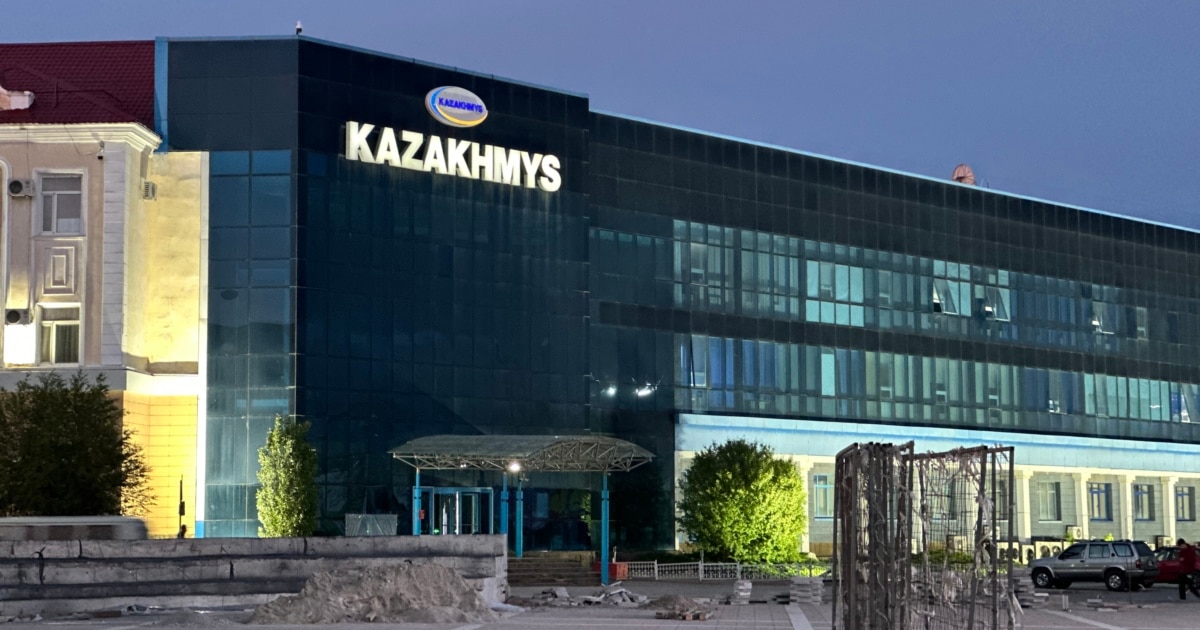
В самом центре Алматы, рядом с городским акиматом и площадью Республики, компания Qazaq Stroy строит президентскую библиотеку и апарт-отель. Еще недавно лакомый кусок земли в престижном районе принадлежал частным структурам, связанным с Тимуром Кулибаевым, зятем экс-президента Нурсултана Назарбаева. В 2023 году участок изъяли и вернули государству. В 2024 году его отдали во временное безвозмездное землепользование Qazaq Stroy — компании Нурлана Артыкбаева. Прежде малоизвестный предприниматель впервые вошел в список богатейших бизнесменов казахстанского Forbes только в прошлом году, под занавес которого завершил сделку по приобретению медного гиганта — корпорации «Казахмыс».
In the very center of Almaty, beside the city akimat and Republic Square, Qazaq Stroy is building a presidential library and an apart-hotel. Until recently, this coveted plot of land in a prestigious district belonged to private entities linked to Timur Kulibayev, the son-in-law of former president Nursultan Nazarbayev. In 2023, the site was seized and returned to the state. In 2024, it was granted for temporary, free land use to Qazaq Stroy, the company of Nurlan Artykbayev. A previously little-known entrepreneur, he entered the Kazakhstani Forbes list of the country’s richest businessmen for the first time only last year, at the close of which he completed a deal to acquire the copper giant Kazakhmys Corporation.
К Артыкбаеву активы «Казахмыса» перешли из рук так называемого «кошелька Назарбаева» Владимира Кима, чье состояние оценивалось в 5,7 миллиарда долларов, и еще одного олигарха Эдуарда Огая (761 миллион долларов). Капитал же Артыкбаева, бизнес которого был сосредоточен на девелоперских проектах, Forbes оценил в 228 миллионов долларов.
The Kazakhmys assets passed to Artykbayev from the hands of Vladimir Kim, the so-called “wallet of Nazarbayev,” whose fortune was estimated at $5.7 billion, and another oligarch, Eduard Ogay, with $761 million. Artykbayev’s own capital, by contrast, built around development projects, was estimated by Forbes at $228 million.
Kazzinc, owned by Switzerland’s Glencore, may soon change hands as well, as may Eurasian Resources Group, or ERG, behind which for many years stood the “old guard” oligarchs close to Nazarbayev: the Eurasian trio of Alexander Mashkevich, who died in March 2025, Patokh Shodiev, and Alijan Ibragimov, who died in 2021. These assets are to be acquired by Integra Construction KZ, the construction group of Shakhmurat Mutalip.
Сменить владельца скоро может и «Казцинк», принадлежащий швейцарской Glencore, а также компания Eurasian Resources Group (ERG), за которой много лет стояли олигархи «старой гвардии», приближенные к Назарбаеву, — евразийское трио Александр Машкевич (скончался в марте 2025 года), Патох Шодиев и Алиджан Ибрагимов (умер в 2021 году). Приобрести эти активы собирается строительная группа Integra Construction KZ Шахмурата Муталипа.
Some analysts describe both the completed and the potential change of ownership at major mining companies as a “transit of assets,” tightly interwoven with the politics of the new authorities.
Уже состоявшуюся и возможную смену собственников крупных горнодобывающих компаний некоторые аналитики называют «транзитом активов», тесно переплетенным с политикой новой власти.
“In my view, this was done precisely to push certain old groups of influence away from powerful assets that can affect the country’s political, economic, and social condition. And if we take into account that ‘old Kazakhstan,’ or the first president, has many different assets, and Kazakhmys is one of the largest, then we can assume that removing such an asset from the old clan group represents a serious economic and political weakening of that group,” says economist Aidar Alibayev. “A redistribution of assets is taking place, in my view. And quite possibly even under pressure from the new authorities on the old ones.”
— На мой взгляд, это именно сделано, чтобы отодвинуть некие старые группы влияния от мощных активов, которые могут повлиять на политическое, экономико-социальное самочувствие страны. А если учитывать, что «старый Казахстан» или первый президент имеет много разных активов и «Казахмыс» — один из самых крупных, — мы можем предположить, что увод такого актива из клановой группы старой — это серьезное ее экономическое и политическое ослабление, — говорит экономист Айдар Алибаев. — Происходит перераспределение активов, на мой взгляд. Причем даже возможно под давлением новой власти на старую власть.
FROM CONSTRUCTION TO EXTRACTIONИЗ СТРОИТЕЛЬСТВА — В ДОБЫЧУ
Until 2025, neither Nurlan Artykbayev nor Shakhmurat Mutalip was known to the wider public.
И Нурлан Артыкбаев, и Шахмурат Муталип, до 2025-го не были известны широкой общественности.
For many years, Artykbayev’s principal asset was Qazaq Stroy, founded in 2003. The company built residential complexes, business centers, and hotels, receiving development sites in busy districts of Almaty and in the suburbs.
Главным активом Артыкбаева на протяжении многих лет была основанная в 2003 году Qazaq Stroy. Компания строила жилые комплексы, бизнес-центры и гостиницы, получая участки для застройки в оживленных районах Алматы и в пригороде.
Artykbayev began diversifying his business in 2023, after the events of Bloody January weakened the influence of the first president, his relatives, and his entourage. Qazaq Stroy merged with another major developer, Exclusive Qurylys; that same year, Artykbayev and the Singaporean company Qazaq Potassium Pte. Ltd. established Qazaq Kalium Ltd., which began mining and producing potassium. The project envisaged the construction of a plant for processing and producing potassium fertilizers in West Kazakhstan Region.
Диверсифицировать свой бизнес Артыкбаев начал в 2023-м, после событий Кровавого января, ослабивших влияние первого президента, его родственников и окружения. Qazaq Stroy слилась с другим крупным застройщиком — Exclusive Qurylys, в том же 2023 году Артыкбаев вместе с сингапурской компанией Qazaq Potassium Pte. Ltd. создал компанию Qazaq Kalium Ltd., которая занялась добычей и производством калия. Проект предусматривал строительство завода по обогащению и производству калийных удобрений в Западно-Казахстанской области.
At the same time, Qazaq Stroy announced that it would begin renovating the building of the National Academy of Sciences in Almaty at its own expense. A year later, it emerged that the company had also become an investor in the construction of the presidential library and apart-hotel, and had received, free of charge, land worth 6 billion tenge across the road from the city akimat.
Параллельно с этим Qazaq Stroy объявила о начале ремонта здания Национальной академии наук в Алматы за свой счет. Через год выяснилось, что компания также стала инвестором в строительстве президентской библиотеки и апарт-отеля и безвозмездно получила землю стоимостью 6 миллиардов тенге через дорогу от акимата города.
In June 2024, Artykbayev registered another company, Telecom Systems Ltd. Less than six months later, at the end of 2024, TSL bought 8.1 percent of Kazakhtelecom shares from Jusan Bank, an entity once controlled by the Nazarbayev Fund, established by the former president, and now owned by Galimzhan Yessenov, the former son-in-law of Nazarbayev’s relative Akhmetzhan Yessimov. The amount of the deal was not disclosed.
В июне 2024 года Артыкбаев зарегистрировал еще одну компанию — Telecom Systems Ltd. Менее чем через полгода, в конце 2024 года, TSL выкупила 8,1 процента акций «Казахтелекома» у банка Jusan Bank — структуры, которая когда-то контролировалась учрежденным экс-президентом «Назарбаев Фондом», а сейчас принадлежит Галимжану Есенову, бывшему зятю родственника Назарбаева Ахметжана Есимова. Сумма сделки не раскрывалась.
In March 2024, Artykbayev created Gas Solutions Ltd., through which he acquired a 75 percent stake in Taiqonyr Energy in 2025. That company was established to develop a large field in southern Kazakhstan. A 25 percent stake is held by a firm owned by the national company QazaqGaz.
В марте 2024 года Артыкбаев создал компанию Gas Solutions Ltd. и через нее в 2025 году приобрел 75 процентов доли в Taiqonyr Energy. Эта компания создана для освоения крупного месторождения на юге Казахстана. 25-процентная доля находится во владении фирмы, принадлежащей нацкомпании QazaqGaz.
“The dominant stake in the enterprise developing the Pridorozhnoye gas field was obtained by Gas Solutions without any competitive selection, following direct negotiations,” the business agency Inbusiness.kz wrote. “By some estimates, Pridorozhnoye is the largest gas field among QazaqGaz’s assets. According to Samruk-Kazyna’s 2023 report, its remaining recoverable reserves are estimated at 9.5 billion cubic meters, which may even exceed the available reserves of the already depleting Amangeldy field. It is therefore unclear why a private company with no oil and gas experience received 75 percent in the development of Pridorozhnoye.”
«Доминирующая доля в предприятии по освоению газового месторождения Придорожное была получена Gas Solutions без какого-либо конкурсного отбора по итогам прямых переговоров, — писало деловое агентство Inbusiness.kz. — По некоторым оценкам, Придорожное — это крупнейшее газовое месторождение из активов QazaqGaz. Согласно отчету "Самрук-Казына" за 2023 год, его остаточные извлекаемые запасы оцениваются в 9,5 млрд кубометров, что даже может превышать имеющиеся резервы уже истощающегося Амангельдинского месторождения. Поэтому непонятно, почему частная компания без нефтегазового опыта получила 75% в освоении Придорожного».
Information about negotiations to buy Kazakhmys appeared on November 27. By December 10, Eduard Ogay and Vladimir Kim had signed a framework agreement on the change of control over Kazakhmys with Nurlan Artykbayev’s company Qazaq Acquisition. The value of the deal has not been disclosed.
Информация о переговорах о покупке «Казахмыса» появилась 27 ноября. Уже 10 декабря Эдуард Огай и Владимир Ким подписали рамочное соглашение о смене контроля над «Казахмысом» с компанией Qazaq Acquisition Нурлана Артыкбаева. Стоимость сделки не разглашается.
Shakhmurat Mutalip, 35, who intends to buy Kazzinc and ERG, has never appeared on the Kazakhstani Forbes list. Little is known about him: he began his career at 18 as a fitter at Bent LLP, a plant producing reinforced-concrete sleepers. At the time, the company belonged to businessman Dilmurat Kuziyev and Erik Gukasov, a former high-ranking official in the USSR. Over seven years, Mutalip rose to become first vice president.
35-летний Шахмурат Муталип, намеревающийся купить «Казцинк» и ERG, в списке казахстанского Forbes никогда не значился. О нем известно немного: начал карьеру в 18 лет в качестве слесаря в ТОО «Бент», завода по производству железобетонных шпал. Тогда компания принадлежала бизнесмену Дильмурату Кузиеву и бывшему высокопоставленному в СССР чиновнику Эрику Гукасову. За семь лет Муталип проделал путь до первого вице-президента.
At 26, he became adviser to the chairman of the board of directors of the Kazakhsilmash concern, which belongs to Dolores Pshembayeva, daughter of former Mazhilis deputy Meiram Pshembayev.
В 26 лет он стал советником председателя совета директоров концерна «Казахсельмаш» — он принадлежит Долорес Пшембаевой, дочери экс-мажилисмена Мейрама Пшембаева.
By the age of 30, Mutalip had joined Integra Construction KZ LLP as general director. One of Kazakhstan’s largest companies, it then belonged to Orifjan Shadiev, the nephew of ERG co-owner Patokh Shodiev.
К 30 годам Муталип пришел в ТОО Integra Construction KZ в качестве гендиректора. Это одна из крупнейших компаний Казахстана, в то время она принадлежала племяннику совладельца ERG Патоха Шодиева Орифджану Шадиеву.
Mutalip worked as general director for only nine months. From February 2021, he became chairman of the supervisory board, and later the company’s sole owner and beneficial owner.
Муталип проработал на должности генерального директора всего девяти месяцев. С февраля 2021 года Муталип стал председателем наблюдательного совета, а затем — единоличным владельцем и бенефициарным собственником компании.
Before information appeared online about the start of negotiations for Artykbayev and Mutalip to buy the mining giants, both men visited Aqorda in November. President Kassym-Jomart Tokayev received them separately. Both “informed” the head of state about projects being carried out by their companies, Aqorda reported. The press release did not say whether plans to acquire major mining companies were discussed.
Перед тем как в Сети появилась информация о начале переговоров о покупке Артыкбаевым и Муталипом горнодобывающих гигантов, оба в ноябре побывали в Акорде. Их по отдельности принял президент Касым-Жомарт Токаев. Оба «проинформировали» главу государства о реализуемых своими компаниями проектах, сообщила Акорда. В пресс-релизе не содержится информации, обсуждались ли планы приобретения крупных добывающих компаний.
Last autumn, Mutalip met Tokayev twice: in September, he was received at the president’s residence in the capital as head of the Kazakhstan Boxing Federation. Less than two months later, Mutalip traveled to Washington as part of the presidential delegation for the Central Asia-U.S. summit.
Муталип минувшей осенью встречался с Токаевым дважды: в сентябре он был принят в столичной резиденции президента как глава Федерации бокса Казахстана. Менее чем через два месяца Муталип в составе президентской делегации посещал Вашингтон, где проходил саммит «Центральная Азия — США».
In late December, the British newspaper Financial Times, citing sources, wrote that Shakhmurat Mutalip had submitted a bid to acquire 40 percent of ERG shares, but according to the paper, the talks had dragged on because the group’s CEO, Shukhrat Ibragimov, son of ERG’s late founder Alijan Ibragimov, had not yet waived his right to buy the stakes of the other shareholders, Shodiev and Mashkevich’s daughter.
В конце декабря британская газета Financial Times со ссылкой на источники написала, что Шахмурат Муталип подал заявку на приобретение 40 процентов акций ERG, но, по данным издания, переговоры затянулись, так как гендиректор группы и сын ныне покойного основателя ERG Алиджана Ибрагимова Шухрат еще не отказался от своего права на покупку долей других акционеров — Шодиева и дочери Машкевича.
The possible deal was valued at $1.4 billion, while 70 percent of Kazzinc shares were valued at $3.5 billion.
Стоимость возможной сделки оценили в 1,4 миллиарда долларов, а 70 процентов акций «Казцинка» — в 3,5 миллиарда долларов.
A BET ON COPPERСТАВКА НА МЕДЬ
The mismatch between the businessmen’s financial standing and the value of the companies they were acquiring immediately prompted a question in society: “Where is the money from?”
Несоответствие финансового состояния бизнесменов и стоимости приобретаемых ими компаний в обществе сразу вызвало вопросы: «Откуда деньги?»
It later emerged that Artykbayev would partly pay for Kazakhmys with borrowed funds. They will be provided by one of the world’s largest trading companies, Switzerland’s Mercuria Energy Group Ltd.
Позже выяснилось, что за «Казахмыс» Артыкбаев частично расплатится кредитными деньгами. Их даст одна из крупнейших трейдинговых компаний мира — швейцарская Mercuria Energy Group Ltd.
According to Bloomberg, Mercuria issued a loan of $1.2 billion for eight years. But Artykbayev will not pay in cash. Instead, he is handing over raw material: 200,000 tons of copper cathodes annually for the first four years, and then a percentage of production volumes for the remaining four years.
По данным Bloomberg, Mercuria выдала кредит в размере 1,2 миллиарда долларов на восемь лет. Но платить денежными средствами Артыкбаев не будет. Вместо этого он отдает сырье: 200 тысяч тонн медных катодов ежегодно в течение первых четырех лет, а затем — процент от объемов производства на оставшиеся четыре года.
“I believe that carrying out such purchase-and-sale schemes, at least in their present form, runs counter to Kazakhstan’s interests, and they must be prohibited. Kazakhmys cannot be sold under this scheme, because from every side it is disadvantageous for our country. Of course it benefits these people, but it contradicts our national interests,” economist Aidar Alibayev argues. “Before this, for better or worse, a large share of copper revenues may have gone off to dubious accounts somewhere, but nevertheless something still went into the budget: taxes, a portion from sales, and so on. Now, when Swiss money is given to Artykbayev, that money simply goes to the previous owners, who take it out of Kazakhstan. It turns out that for this money, which landed in the accounts of Kim or Nazarbayev, or whoever, Kazakhstan will, for an unknown number of years and for no reason at all, be giving copper to the Swiss. What use is that to us? What benefit do we get from it?”
— Я считаю, что осуществлять такие схемы купли-продажи — по крайней мере в нынешнем виде — противоречит интересам Казахстана, и их надо запретить. Нельзя осуществлять продажу «Казахмыса» по этой схеме, потому что со всех сторон это невыгодно для нашей страны. Конечно, это выгодно этим людям, но это противоречит нашим национальным интересам», — рассуждает экономист Айдар Алибаев. — До этого худо-бедно пусть уходила большая доля выручки от меди куда-то на левые счета, но, тем не менее, что-то шло и в бюджет: налоги, часть от продажи и так далее. Сейчас, когда швейцарские деньги даются Артыкбаеву, эти деньги просто уходят предыдущим владельцам, которые выводят их из Казахстана. Получается, что за эти деньги, которые легли на счета Кима или Назарбаева — или кого там — за неизвестное количество лет Казахстан будет ни с того ни с сего отдавать медь швейцарцам. Какой нам от этого толк? Какая нам от этого выгода?
Financial analyst Rasul Rysmambetov also speaks of the importance of a considered approach when deals involving strategic assets are concluded.
О важности обдуманного подхода при заключении сделок со стратегическими активами рассуждает и финансовый аналитик Расул Рысмамбетов.
“These are budget-forming enterprises, not merely oligarch-forming ones, for five or six regions of Kazakhstan, and the price of managing them properly is VERY high. The social effect of success or mistakes is hard to overstate. In other words, this means either the flourishing and prosperity of the regions, or hungry marches on Astana in quarry dump trucks, or mass departure and internal refugees. This is not a billion dollars this way or that, ‘brother, let’s sort it out.’ This is effectively Kazakhstan’s industrial backbone and the foundation for further development, or for catastrophe,” Rysmambetov writes on his Telegram channel. “That is why transparency and accountability are badly needed.”
«Это бюджетообразующие (а не только олигархообразующие) предприятия для 5-6 регионов Казахстана –— цена правильного управления ими ОЧЕНЬ высока. Социальный эффект успехи или ошибки — тяжело переоценить. Другими словами это или расцвет и процветание регионов или голодные марши на Астану на карьерных самосвалах или массовый отъезд и внутренние беженцы. Это не миллиард долларов туда-сюда, «брат, давай порешаем». Это фактический индустриальный хребет Казахстана и фундамент для дальнейшего развития или катастрофы, — пишет Рысмамбетов в telegram-канале. — Поэтому очень нужна прозрачность, подотчетность».
The value of the Kazakhmys deal remains unclear. The National Bank wrote that an audit had valued it at $3.85 billion, but later deleted the information. If Kazakhmys really is worth that much, and the company includes mines, copper smelters, and processing plants, then the question of where Nurlan Artykbayev obtained the money beyond the funds issued under the credit line remains plain to see.
Стоимость сделки по «Казахмысу» остается неясной. Нацбанк писал, что аудит оценил ее в 3,85 миллиарда долларов, но позже удалил информацию. Если стоимость «Казахмыса» действительно такая — а компания включает рудники, медеплавильные заводы и обогатительные фабрики — это значит, что вопрос о том, откуда Нурлан Артыкбаев взял деньги помимо выданных в рамках кредитной линии, остается на поверхности.
Aidar Alibayev emphasizes that this is an important question:
Айдар Алибаев подчеркивает, что это важный вопрос:
“It can be stated with considerable confidence that Artykbayev could not have had his own funds to buy Kazakhmys. Until yesterday, no one knew who he was. The entire question comes down to one thing: ‘Where’s the money from, Zin?’”
— Можно достаточно уверенно утверждать, что у Артыкбаева не могло быть собственных средств для покупки «Казахмыса». Еще вчера его никто не знал. Весь вопрос упирается в одно: «Откуда деньги, Зин?»
Azattyk Asia’s editors sent an inquiry to Qazaq Acquisition about the value of the deal, the funds for the purchase, and the company’s plans after acquiring Kazakhmys. No response had been received by the time of publication.
Редакция Азаттык Азия направила запрос в Qazaq Acquisition относительно стоимости сделки, средств на приобретение и планов компании после покупки «Казахмыса». Ответ на момент публикации не поступил.
Where Shakhmurat Mutalip plans to obtain the money, and on what terms, is still unknown. In October, ERG concluded a three-year copper supply contract with Mercuria Energy Group. The trading company provided ERG with an advance of $100 million to accelerate the development of deposits in Congo.
Откуда и на каких условиях планирует взять деньги Шахмурат Муталип, пока неизвестно. В октябре ERG заключила с Mercuria Energy Group трехлетний контракт на поставку меди. Трейдинговая компания предоставила ERG аванс в размере 100 миллионов долларов на ускорение разработки месторождений в Конго.
In Kazakhstan, ERG’s assets include such industrial enterprises as Kazchrome, the Sokolov-Sarybai Mining Production Association, Aluminium of Kazakhstan, the Kazakhstan Electrolysis Plant, and the Eurasian Energy Corporation.
В Казахстане активы ERG охватывают такие промышленные предприятия, как «Казхром», Соколовско-Сарбайское горно-обогатительное производственное предприятие, «Алюминий Казахстана», Казахстанский электролизный завод и Евроазиатскую энергетическую корпорацию.
Nor is there information about the Kazzinc deal. On January 10, a report appeared that the company’s owner, Switzerland’s Glencore, was in talks with another major concern, Rio Tinto, about a merger. They are reorienting their activity toward copper mining.
Нет информации и о сделке по «Казцинку». 10 января появилось сообщение, что собственник компании — швейцарская Glencore — ведет переговоры с другим крупным концерном Rio Tinto о слиянии. Свою деятельность они переориентируют на добычу меди.
At the end of the year, Glencore and Mercuria placed their bet on copper. According to Mercuria analysts, this is now a “decisive moment for copper price growth.” It should be noted that against the backdrop of shifting decisions by U.S. President Donald Trump on introducing import tariffs, the price of copper rose significantly. Over the year, refined copper went up from $9,000 per ton to $13,000.
В конце года Glencore и Mercuria сделали ставку на медь. По данным аналитиков Mercuria, сейчас «решающий момент для роста цен на медь». Отметим, что на фоне меняющихся решений президента США Дональда Трампа о вводе пошлин на импорт стоимость меди значительно возросла. За год рафинированная медь подорожала с 9 тысяч долларов за тонну до 13 тысяч.
Against a backdrop of rising prices and optimistic expectations about copper’s value, the attractiveness of Kazakhstan’s raw materials has increased. Thus, in late December, a joint Chinese-British enterprise announced a $65 million investment to launch the Verkhnyaya Uba copper deposit in East Kazakhstan.
На фоне роста цен и оптимистичных ожиданий по поводу стоимости меди привлекательность казахстанского сырья увеличилась. Так, в конце декабря совместное китайско-британское предприятие заявило о вложении 65 миллионов долларов в запуск медного месторождения Верхняя Уба в Восточном Казахстане.
Last year, the government said that copper ore production in the country would more than double by 2030. Evidently, this will already happen under the new owner of Kazakhmys, which controls two major projects: the Aidarly deposit in Abai Region and Koksay in Zhetysu Region, both of which are expected to be launched in the coming years.
В прошлом году в правительстве заявляли, что добыча медной руды в стране вырастет более чем вдвое в 2030 году. Очевидно, это произойдет уже с новым собственником «Казахмыса», который контролирует два крупных проекта — месторождения Айдарлы в Абайской области и Коксай в Жетысуской, запуск в эксплуатацию которых прогнозируется в ближайшие годы.