June 30 Was a Clear Message, Like January 25 Before It
Khaled Ali reads June 30 as the result of the Brotherhood's arrogance and the opposition's wager on the military, a double failure that squandered January's democratic promise and left Egypt facing another social explosion.
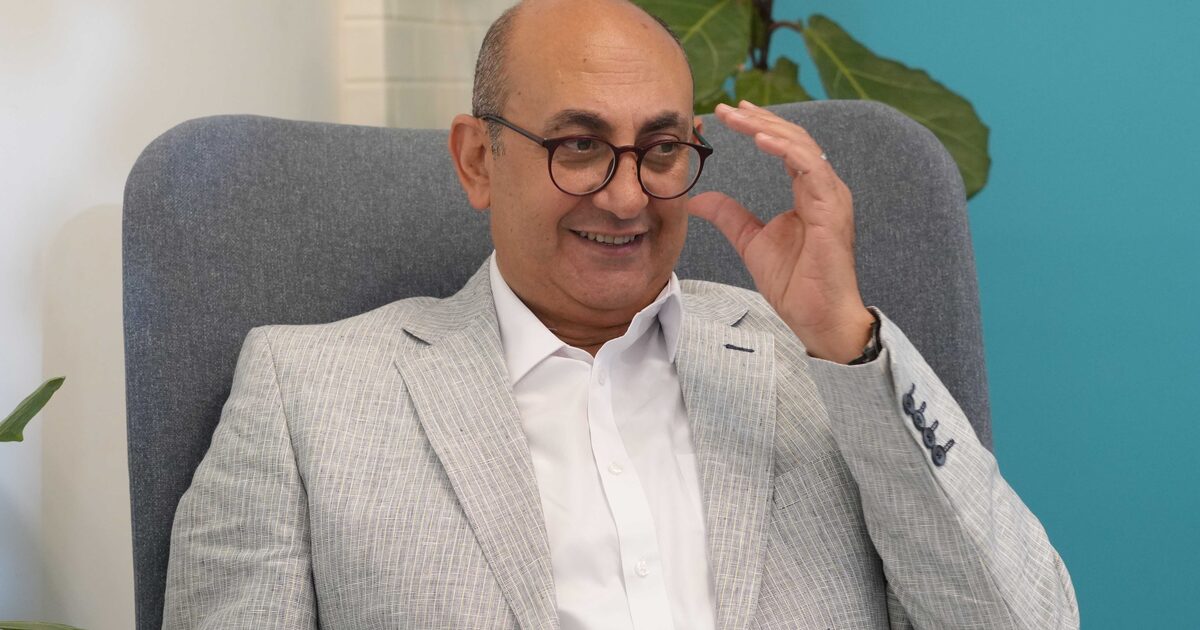
"30 يونيو رسالة واضحة، كما 25 يناير قبلها: إذا لم تستمع السلطة لصوت الناس فسيحدث تغيير، بغض النظر عما سيُسفر عنه هذا التغيير، وسواء كان في مصلحة الناس أم لا، سيحدث حتمًا".
"June 30 was a clear message, just as January 25 had been before it: if authority does not listen to the people's voice, change will happen, regardless of what that change produces, and whether or not it serves the people's interests. It will happen inevitably."
هذه الخلاصة التي وردت على لسان المحامي اليساري والمرشح الرئاسي السابق خالد علي في حواره مع المنصة. بعد 13 عامًا على احتجاجات 30 يونيو، يذكرنا بتيارٍ ثالثٍ كان من رموزه؛ رفضَ التمترس خلف أيٍّ من قطبي الأزمة في لحظة الانقسام الكبير بين تحالف جبهة الإنقاذ مع المؤسسة العسكرية والأجهزة الأمنية من جهة، وجماعة الإخوان المسلمين وحلفائها من جهة أخرى.
This is the conclusion voiced by the leftist lawyer and former presidential candidate Khaled Ali in his interview with Al Manassa. Thirteen years after the June 30 protests, he reminds us of a third current of which he was one of the symbols: one that refused to entrench itself behind either pole of the crisis at the moment of the great division between the National Salvation Front's alliance with the military establishment and the security agencies, on the one hand, and the Muslim Brotherhood and its allies, on the other.
Today, after the years have passed and the division has not ended, Khaled Ali returns to read the present scene in light of the June 30 split, when the late president Mohamed Morsi squandered every available opportunity to avert the explosion, and the National Salvation Front chose to consolidate the political power of the military establishment. The two sides thus wasted the chances of realizing the principles of the January revolution: freedom, justice, democracy, and the transfer of power. They brought Egypt to a moment in which it is living "on the mouth of an explosion of social anger that exists. When will it come out? God knows. In what form and shape, and for what reasons? God knows that too."
واليوم، بعدما مرَّت السنوات ولم ينتهِ الانقسام، يعود خالد علي ليقرأ المشهد الحالي على ضوء انقسام 30 يونيو، حين أهدر الرئيس الراحل محمد مرسي كل الفرص المتاحة لتلافي الانفجار، فاختارت جبهة الإنقاذ ترسيخ السلطة السياسية للمؤسسة العسكرية، ليُضيغ الطرفان فرص تحقيق مبادئ ثورة يناير من حرية وعدالة وديمقراطية وتداول للسلطة، ويصلان بمصر إلى لحظة تعيش فيها "على فوّهة انفجار من غضب اجتماعي موجود.. متى سيخرج؟ الله أعلم. وفي أي صورة وشكل وما أسبابه؟ الله أعلم أيضًا".
No Military, No Brotherhoodلا عسكر ولا إخوان
Keeping away from the two poles of the crisis on June 30 was not Khaled Ali's choice alone. This current already existed in the Egyptian street and carved out for itself a third path distinct from the other two, "because it did not feel that the Muslim Brotherhood was taking the country along the path we had hoped for, especially after the constitutional declaration. This was so clear that a very important number of advisers who worked with Dr. Mohamed Morsi in the presidency, from different political currents, resigned because they saw that this was not the right path that could achieve the revolution's demands. On the other side, there was the path of the National Salvation Front, and there was a clear alliance between it and the military establishment."
لم يكن الابتعاد عن قطبي الأزمة في 30 يونيو خيار خالد علي وحده، فهذا التيار كان موجودًا بالفعل في الشارع المصري، واختط لنفسه مسارًا ثالثًا مفارقًا للمسارين؛ "لأنه لم يشعر أن الإخوان المسلمين كانوا يسيرون بالبلاد في المسار الذي كنا نتمنى، خاصة بعد الإعلان الدستوري. كان هذا واضحًا لدرجة أن عددًا مهمًا جدًا من المستشارين الذين عملوا مع الدكتور محمد مرسي في الرئاسة، من أطياف سياسية مختلفة، استقالوا لأنهم رأوا أن هذا ليس المسار الصحيح الذي يمكن أن يحقق مطالب الثورة. من الناحية الأخرى، كان هناك مسارُ جبهة الإنقاذ، وكان هناك تحالف واضح بينها وبين المؤسسة العسكرية".
Since the 1980s, Khaled Ali has been active as a leftist labor lawyer, taking on many major labor cases such as the minimum wage, opposition to privatization, and union independence. After the January revolution, he ran in the presidential election as the youngest candidate, and his campaign received broad support from young people in the emerging political currents. He also joined in founding the Socialist Popular Alliance Party, later withdrew from it, and sought to establish the leftist Bread and Freedom Party.
منذ الثمانينيات نشط خالد علي كمحامٍ عماليٍّ يساريٍّ، وتصدى للعديد من القضايا العمالية الرئيسية مثل الحد الأدنى للأجور ومناهضة الخصخصة واستقلال النقابات. وعقب ثورة يناير خاض انتخابات الرئاسة كأصغر مرشح، وشهدت حملته دعمًا واسعًا من شباب التيارات الشابة. كما انضم لحزب التحالف الشعبي الاشتراكي في تأسيسه، وانسحب منه لاحقًا وسعى لتأسيس حزب "العيش والحرية" اليساري أيضًا.
With Morsi's assumption of the presidency in June 2012, this current settled on its rejection of the new rule, especially the constitutional declaration issued by the late president Morsi on November 22, 2012, granting himself broad powers. That marked a dividing point in the position of many political forces toward his rule, and more importantly revived fears of the Brotherhoodization of the state, not only among politicians but also among sectors of the Egyptian street, especially Christians.
ومع تولّي مرسي رئاسته في يونيو/حزيران 2012، حسم هذا التيار موقفه الرافض للحكم الجديد، بالأخص الإعلان الدستوري الذي أصدره الرئيس الراحل مرسي في 22 نوفمبر/تشرين الثاني 2012 مانحًا لنفسه صلاحيات واسعة، ما مثّل نقطةً فاصلةً في موقف الكثير من القوى السياسية من حكمه، والأهم أنه أنعش المخاوف من أخونة الدولة، ليس بين السياسيين فقط، لكن لدى قطاعات في الشارع المصري خاصة المسيحيين.
My assessment is that a call for early presidential elections would have been enough to change the entire scene, even before reaching the June 30 moment.
تقديري أن الدعوة إلى انتخابات رئاسية مبكرة كانت كافيةً لتغيير المشهد كله، حتى قبل الوصول إلى لحظة 30 يونيو
These fears, which troubled everyone, some chose to confront through the National Salvation Front alliance, which was formed on the day of "Morsi's constitutional declaration" as a direct reaction. Its alliance with the military establishment was not clear at the time, in Khaled Ali's view, but he sees it today as clearer: "Now, when you listen to the conversations of some party leaders, you discover that there were telephone calls, and meetings away from its formal meetings, taking place over the National Salvation Front and over the decisions this front was supposed to issue."
هذه المخاوف التي راودت الجميع، اختار البعض مواجهتها بتحالف جبهة الإنقاذ التي تشكلت يوم "إعلان مرسي الدستوري" في رد فعل مباشر، ولم يكن تحالفها مع المؤسسة العسكرية وقتها واضحًا برأي خالد علي، الذي يراه اليوم أكثر وضوحًا؛ "الآن عندما تسمع حوارات بعض رؤساء الأحزاب تكتشف أنه كانت هناك اتصالات تليفونية، ولقاءات بعيدة عن اجتماعاتها كانت تتم في شأن جبهة الإنقاذ وفي شأن القرارات اللي مفروض تخرج بها هذه الجبهة".
Ali sees the same thing with regard to the Tamarod movement, founded on April 20, 2013, which was transformed from "an important youth initiative into a tool placed within a framework moving in the same direction."
الأمر نفسه يراه علي فيما يخص حركة تمرد التي تأسست 20 أبريل/نيسان 2013، وتحوّلت من "مبادرة شبابية مهمة إلى أداة وُضعت في إطار يسير في نفس الاتجاه".
This is how the human rights lawyer and leftist politician defines the formation of the third current between the two paths: "the Brotherhood, and the National Salvation Front, and between them ordinary people in the street who see that this path is wrong and want real change." He stresses that what distinguished the third current was its ability to analyze the situation more deeply, its serious rejection of the military establishment's intervention in the transitional phase, and its rejection of the remnants of the Mubarak regime.
هكذا يحدد المحامي الحقوقي والسياسي اليساري كيف تشكل التيار الثالث بين المسارين؛ "الإخوان، وجبهة الإنقاذ، وبينهما الناس العاديون في الشارع الذين يرون أن هذا المسار غير صحيح ويريدون تغييرًا حقيقيًّا"، مؤكدًا أن ما يميز التيار الثالث قدرتُه على تحليل الوضع بشكل أعمق، ورفضه الجدي لتدخل المؤسسة العسكرية في المرحلة الانتقالية، بالإضافة لرفضه فلول نظام مبارك.
Stations of Collapseمحطات السقوط
Khaled Ali expands on what preceded the June 30 moment, recalling the events of that heated year and the successive positions of the Muslim Brotherhood that led to the loss of trust in them. He identifies what he calls "shocking stations" in Mohamed Morsi's rule: "They were not shocking to us alone, or to the street alone, but also to the advisers themselves. I mean the group from the civil current who agreed to be present in the management of the country's affairs near Dr. Mohamed Morsi, and bore the cost of that, but over time saw that it was difficult for them to continue along this path."
يتوسع خالد علي في الحديث عمّا قبل لحظة 30 يونيو، مسترجعًا أحداث ذلك العام الساخن، والمواقف المتتالية للإخوان المسلمين التي أدت لفقدان الثقة فيهم، ويحدد ما يطلق عليه "محطات صادمة" في حكم محمد مرسي؛ "لم تكن صادمة لنا وحدنا أو للشارع فقط، بل كانت صادمة أيضًا للمستشارين أنفسهم، وأقصد المجموعة من التيار المدني التي قبلت أن تكون موجودة في إدارة شؤون البلاد بالقرب من الدكتور محمد مرسي، وتحملت تكلفة ذلك، لكنها مع الوقت رأت أنه يصعب عليها الاستمرار في هذا المسار".
Ali believes that one of the most prominent of those stations was what happened at Cairo Stadium, when Morsi announced the severing of relations with Syria: "Bashar al-Assad was dropping bombs and barrels on the Syrian people, and there was a Syrian revolution. But in the end, you do not announce the severing of relations with a state in Cairo Stadium, in the middle of a conference for which you have mobilized your supporters. This is an important sign of how the state was being managed, because in such a matter there are many considerations connected to relations between states on the one hand, and relations between peoples on the other."
يرى علي أن أبرز تلك المحطات ما جرى في استاد القاهرة، حين أعلن مرسي عن قطع العلاقات مع سوريا؛ "بشار الأسد كان يُلقي القنابل والبراميل على الشعب السوري، وثمة ثورة سورية موجودة. لكن في نهاية المطاف، أنك لا تُعلن قطع العلاقات مع دولة في استاد القاهرة وسط مؤتمر حشدت فيه أنصارك. هذا ملمح مهم في كيفية إدارة الدولة، لأن في مثل هذا الأمر اعتبارات كثيرة تتصل بعلاقات الدول ببعضها من ناحية، و(علاقات) الشعوب من ناحية أخرى".
Khaled Ali returns again to the station of the constitutional declaration, "which was issued in a form saying it could not be challenged in any way whatsoever, to the point that part of the independent judiciary, not the Brotherhood and not those connected to Mubarak, attacked this constitutional declaration."
يعود خالد علي مرة أخرى لمحطة الإعلان الدستوري "الذي أُصدر بصيغة أنه لا يجوز الطعن عليه بأي شكل من الأشكال، حتى أن جزءًا من القضاء المستقل، لا الإخوان ولا المرتبطين بمبارك، هاجم هذا الإعلان الدستوري".
He also reminds us of the meeting to discuss the Grand Ethiopian Renaissance Dam file, "which was broadcast live on air" and raised obvious problems. Then there was the economic path, for "the economic discourse of Brotherhood leaders in Mubarak's days did not differ from Ahmed Ezz's economic discourse."
يُذكّرنا أيضًا باجتماع مناقشة ملف سد النهضة "الذي بُثّ على الهواء مباشرة"، وأثار إشكاليات واضحة. ثم المسار الاقتصادي؛ فـ"الخطاب الاقتصادي لقيادات الإخوان أيام مبارك لم يكن يختلف عن الخطاب الاقتصادي لأحمد عز".
He stresses that the Brotherhood's way of dealing with files of such size and importance showed that they were not prepared. To that he adds the way the constituent assembly for drafting the constitution was formed: "I was one of the people who filed a lawsuit against the committee that Dr. Mohamed Morsi formed to prepare the constitution, and I obtained a ruling from the Administrative Court to re-form this committee so there would be a better balance."
يؤكد أن طريقة تعامل الإخوان مع ملفات بهذا الحجم والأهمية بيّنت أنهم لم يكونوا مستعدين، يضيف لذلك طريقة تشكيل اللجنة التأسيسية لكتابة الدستور؛ "أنا واحد من الناس اللي رفعت دعوى قضائية على اللجنة اللي شكلها الدكتور محمد مرسي لإعداد الدستور وأخدت حكم من القضاء الإداري بإعادة تشكيل هذه اللجنة حتى يكون هناك توازن أفضل".
Faced with all those positions, the leftist politician insists that they used only political tools in the movement: "With these political tools we expressed our rejection, and we were not against there being an evolution in the brothers' vision of how to manage the state." He notes that "the Brotherhood wasted the period from January to May, which represented a very important space in which they could analyze the situation, pay attention to the anger inside the political blocs belonging to the revolution, and begin building consensus around the disputed elements that had accumulated."
أمام كل تلك المواقف، يشدد السياسي اليساري على أنهم لم يستخدموا إلا الأدوات السياسية في الحراك؛ "بهذه الأدوات السياسية بنعبر عن رفضنا وما كناش ضد إن يبقى فيه تطور في رؤية الإخوة لكيفية إدارة الدولة"؛ مشيرًا إلى أن "الإخوان ضيعوا المرحلة من يناير/كانون الثاني حتى مايو/أيار، التي مثلت مساحة مهمة جدًا ليحللوا فيها الوضع، ويلتفتوا للغضب الموجود داخل الكتل السياسية المنتمية للثورة، ويبدأوا في بناء توافق حول العناصر الخلافية التي تراكمت".
The ruling regime paid no attention to any of the appeals and squandered every opportunity, according to Khaled Ali, who sees the June 30 scene as the outcome of what preceded it: "The matter is not tied to June 30 alone. June 30 was the moment of climax and final boiling over, but what came before it was more important."
لم يلتفت النظام الحاكم لكل النداءات، وأهدر كل الفرض، حسب خالد علي الذي يرى أن مشهد 30 يونيو جاء محصلة لما سبقه؛ "الأمر ليس مرتبطًا بـ30 يونيو وحدها. 30 يونيو كانت لحظة الذروة والفوران الأخير، لكن ما قبلها كان الأهم".
Brotherhood Arroganceالصلف الإخواني
On the threshold of June 2013, the Brotherhood's options narrowed amid the rising movement. Even so, Khaled Ali believes escape from the impasse was not impossible: "My assessment is that a call for early presidential elections would have been enough to change the entire scene, even before reaching the June 30 moment. The Egyptian street at that time was going out to demonstrate almost every day, and the Brotherhood were losing part of their allies daily. That was an indicator that could not be ignored."
على مشارف يونيو 2013، ضاقت الخيارات أمام الإخوان في خضم الحراك المتصاعد، رغم ذلك يرى خالد علي أن النجاة من المأزق لم تكن مستحيلة؛ "تقديري أن الدعوة إلى انتخابات رئاسية مبكرة كانت كافيةً لتغيير المشهد كله، حتى قبل الوصول إلى لحظة 30 يونيو. فالشارع المصري في تلك الفترة كان يخرج للتظاهر تقريبًا كل يوم، والإخوان كانوا يفقدون يوميًّا جزءًا من حلفائهم. كان ذلك مؤشرًا لا يمكن تجاهله".
The former presidential candidate understands that the option of relinquishing power is not easy for a large political current the size of the Brotherhood, but he points to the difficulty of the remaining options: "In such cases you have one of two paths before you: either read reality, understand the rejection that has formed against you organizationally and popularly, and seek to dissolve it, or ignore it and cling to the legitimacy of the ballot box."
يدرك المرشح الرئاسي السابق أن خيار التخلي عن السلطة ليس سهلًا بالنسبة لتيار سياسي كبير بحجم الإخوان، لكنه يشير إلى صعوبة باقي الخيارات؛ "أمامك في مثل هذه الحالات أحد مسارين: إما قراءة الواقع وفهم الرفض الذي تشكّل ضدك تنظيميًا وجماهيريًا والسعي لفضّ هذا الأمر، أو التجاهل والتمسك بشرعية الصندوق".
No matter who swears that there was no coordination between the National Salvation Front and the military establishment, I will not believe it.
مهما حد يحلف أنه ما كانش فيه تنسيق بين جبهة الإنقاذ والمؤسسة العسكرية، مش هاصدّق
Khaled Ali believes that "the Brotherhood chose the second path without paying attention to the major indicators present in the street. The opposition to Morsi in the street was genuinely large, had a popular backing, and was not fabricated." He considers the reshuffling of the government another wasted opportunity, after the opportunity to call early elections, that could have lessened the severity of the crisis: "The Brotherhood kept Dr. Hisham Qandil as prime minister, and that in itself was an expression of defiance and arrogance."
يرى خالد علي أن "الإخوان اختاروا المسار الثاني دون الالتفات للمؤشرات الكبيرة الموجودة في الشارع. المعارضة لمرسي في الشارع كانت كبيرة فعلًا، وكان لها ظهير شعبي ولم تكن مصطنعة". ويعتبر إعادة تشكيل الحكومة فرصةً أخرى مهدرةً، بعد فرصة الدعوة لانتخابات مبكرة، كان بإمكانها التخفيف من حدة الأزمة؛ "الإخوان أبقوا على الدكتور هشام قنديل رئيسًا للوزراء، وكان ذلك في حد ذاته تعبيرًا عن التحدي والصلف".
Despite what was said about the civil forces' refusal to cooperate with Mohamed Morsi, the former presidential candidate believes that a little flexibility from the Muslim Brotherhood would have pushed some to cooperate if there had been serious offers to that effect: "If someone had come to me and said that the indicators are difficult and threaten the revolution's demands, and that we realize we have made some mistakes, and that we need to reunite the forces of the revolution, and we ask you to participate in forming the government, and are prepared not to be alone in it, indeed not even to be the majority, as a gesture of goodwill toward the idea of partnership everyone was talking about, I think that approach would have encouraged acceptance and would have created a supportive element in the middle of the crisis."
ورغم ما أشيع عن رفض القوى المدنية التعاون مع محمد مرسي، يرى المرشح الرئاسي السابق أن قليلًا من المرونة من الإخوان المسلمين كان من شأنها أن تدفع البعض للتعاون إذا كانت هناك عروض جادة لذلك؛ "لو جاءني أحدهم وقال إن المؤشرات صعبة وتُهدد مطالب الثورة، وإننا ندرك أننا وقعنا في بعض الأخطاء، ونحتاج إلى إعادة التحام قوى الثورة، ونطلب منكم المشاركة في تشكيل الحكومة، ومستعدون ألا نكون وحدنا فيها بل وألا نكون الأغلبية، بمنطق تقديم بادرة حسن نية لفكرة الشراكة التي كان الكل يتحدث عنها، أعتقد أن هذه الطريقة كانت مشجعة للقبول وكانت ستخلق عنصرًا داعمًا في وسط الأزمة".
The conflict was not confined to Ittihadiya and Tahrir Square. Khaled Ali tries to build a broader picture of the crisis the country lived through and whose dimensions the Brotherhood did not fully grasp: "We always looked at the conflict from above, and did not look at it from below. The conflict in the villages was fierce. Brotherhood groups took control of youth centers and community development associations, and their struggle in the villages and hamlets was bitter against National Democratic Party groups on one side and the revolution's youth counted among the civil current on the other. There was a clear expression of the idea of spreading the largest possible number of Brotherhood members inside the body of the state and inside all the organizational structures present in society."
لم ينحصر الصراع في الاتحادية وميدان التحرير؛ يحاول خالد علي بناءَ صورة أوسع للأزمة التي عاشتها البلاد ولم يدرك الإخوان أبعادها كاملة؛ "كنا دائمًا ننظر إلى الصراع من فوق، ولم ننظر إليه من تحت. الصراع في القُرى كان شرسًا؛ مجموعات الإخوان سيطرت على مراكز الشباب وجمعيات تنمية المجتمع، وكان صراعها مريرًا في القرى والكفور مع مجموعات الحزب الوطني من جهة، وشباب الثورة المحسوبين على التيار المدني من جهة أخرى. وكان هناك تعبير واضح عن فكرة نشر أكبر قدر من الإخوان داخل جسم الدولة وداخل كل الهياكل التنظيمية الموجودة في المجتمع".
Although any party's arrival in power through the ballot box gives it legitimacy to assume various political and executive positions in the state, this situation is not proper when it comes in the wake of a revolution like January's, as Khaled Ali sees it: "You did not come alone. You are the expression of a collective condition of diverse groups with a minimum set of demands. Expressing these groups requires partnership in government, because you are in a transitional phase in which you must make all parties to the revolution feel that they are part of this phase and bear responsibility within it."
ورغم أن وصول أي حزب للحكم عبر الصندوق يمنحه شرعية تولي مختلف المناصب السياسية والتنفيذية في الدولة، فإن هذا الوضع لا يصح حين يأتي في أعقاب ثورة كثورة يناير، كما يرى خالد علي؛ "لم تأتِ بمفردك؛ أنت تعبير عن حالة جماعية لمجموعات متنوعة لها حد أدنى من المطالب. والتعبير عن هذه المجموعات يستلزم ضرورة وجود شراكة في الحكم، لأنك في مرحلة انتقالية ينبغي أن تُشعِر فيها كل أطراف الثورة بأنها جزءٌ من هذه المرحلة وتتحمل فيها المسؤولية".
The False Dawnالفجر الكاذب
Given this complex scene, reaching June 30 was not surprising. The signs of where things were headed, even before the demonstrations broke out, were clear and warned that rule would fall as easy spoils into the hands of military rule: "Anyone close to political work, not necessarily possessing great political experience, knows that in moments of crisis the one who possesses the elements of power is the one who will control the transitional phase. The one who had the elements of power in that crisis was, in truth, the military establishment, and therefore it controlled the transitional phase. This control did not begin on June 30; it existed before then."
أمام هذا المشهد المعقد لم يكن الوصول لـ30 يونيو مفاجئًا، فالمؤشرات على ما ستؤول إليه الأمور حتى قبل أن تندلع المظاهرات كانت واضحة وتنذر بأن الحكم سيسقط غنيمة سهلة في يد الحكم العسكري؛ "أي شخص قريب من العمل السياسي، ولا يمتلك بالضرورة خبرة سياسية كبيرة، يعرف أنه في لحظات الأزمة من يملك عناصر القوة هو من سيتحكم في المرحلة الانتقالية. ومن كانت لديه عناصر القوة في تلك الأزمة كانت في الحقيقة المؤسسة العسكرية، وبالتالي هي تحكّمت في المرحلة الانتقالية. وهذا التحكم لم يبدأ من 30 يونيو، بل كان موجودًا قبلها".
Accordingly, can we say that the National Salvation Front folded itself into this movement supported by the army's power? Khaled Ali does not regard the existence of a relationship between the National Salvation Front and the military establishment as a mere conclusion or expectation. He speaks more in the language of certainty: "If someone swore every oath known to Muslims that there was no coordination with the military establishment, I would not believe it. There was coordination taking place by some leaders of the National Salvation Front. I hope people speak clearly about what happened. And there was resistance too. I mean there was a faction inside the National Salvation Front that resisted and tried. Tried to refuse."
عليه، هل يمكن أن نقول إن جبهة الإنقاذ انطوت في هذا الحراك المدعوم بسطوة الجيش؟ لا يعتبر خالد علي وجود علاقة بين جبهة الإنقاذ والمؤسسة العسكرية مجرد استنتاج أو توقُّع، ويتحدث أكثر بلغة اليقين؛ "حد هيحلف بأيمانات المسلمين أنه ما كانش فيه تنسيق مع المؤسسة العسكرية، مش هاصدّق، كان فيه تنسيق بيحصل من بعض قيادات جبهة الإنقاذ، أتمنى الناس تتكلم بشكل واضح عن اللي حصل. وكان فيه مقاومة كمان، يعني كان فيه فصيل داخل جبهة الإنقاذ كان بيقاوم وبيحاول. بيحاول يرفض".
Khaled Ali gives as an example of this faction Ahmed Fawzi, a leader in the Egyptian Social Democratic Party: "In one of the front's meetings, when Dr. Abu al-Ghar assigned him to represent him, he had contrary positions. Likewise Mr. Abdel Ghaffar Shokr, head of the Socialist Popular Alliance Party."
يضرب خالد علي مثلًا على هذا الفصيل بأحمد فوزي، القيادي في الحزب المصري الديمقراطي الاجتماعي؛ "في أحد اجتماعات الجبهة، حين كلّفه الدكتور أبو الغار بتمثيله، كانت لديه مواقف مخالفة. وكذلك الأستاذ عبد الغفار شكر، رئيس حزب التحالف الشعبي".
But the voices rejecting this path were not enough to change it. On the contrary, they became the object of accusation and sometimes pursuit. The voice of reason was the last thing that could be heard then: "Unfortunately, the sharpness of the conflict made every voice in the middle count as a traitor. Each side considered every centrist voice to be with the other side. If you discussed matters with the Brotherhood and told them that what they were doing was dangerous and they should act differently, they considered you to be with the military establishment. And if you spoke before the military establishment about the importance of the democratic experiment and real democratic exits, they considered you a supporter of the Brotherhood."
لكن الأصوات الرافضة لهذا المسار لم تكن كافيةً لتغييره، على العكس أصبحت محل اتهام وأحيانًا ملاحقة. كان صوت العقل آخر ما يمكن سماعه وقتها؛ "للأسف، حدّية الصراع جعلت كل صوت في المنتصف يُحسب على أنه خائن. كل صوت وسطي كان كل طرف يعتبره مع الطرف الآخر. لو ناقشت الإخوان وقلت لهم إن ما تفعلونه خطر وينبغي التصرف بطريقة مختلفة، اعتبروك مع المؤسسة العسكرية. ولو تحدثت عن أهمية التجربة الديمقراطية والمخارج الديمقراطية الحقيقية أمام المؤسسة العسكرية، اعتبروك داعمًا للإخوان".
The Brotherhood dragged the conflict onto the terrain of violence. And when violence begins, the sound of bullets rises and the voice of politics disappears.
الإخوان جرّوا الصراع على أرضية العنف. وحين يبدأ العنف يعلو صوت الرصاص ويختفي صوت السياسة
Even so, Ali does not see what happened as a compulsory path that the political forces had no choice but to follow: "There are no compulsory paths in politics, but whoever possesses the elements of power controls the transitional phase." Here he puts his finger on the main error into which the National Salvation Front fell: "They were chiefly concerned with bringing down the Brotherhood, without concern for the alternative path, how to preserve an ongoing democratic condition, genuine early elections, and keeping state institutions away from those elections."
مع ذلك لا يرى علي أن ما حدث كان مسارًا إجباريًا لم يكن أمام القوى السياسية سوى السير فيه؛ "لا توجد في السياسة مسارات إجبارية، لكن من يملك عناصر القوة يتحكم في المرحلة الانتقالية". وهنا يضع يده على الخطأ الرئيسي الذي وقعت فيه جبهة الإنقاذ، وهو "أنهم اهتموا بشكل رئيسي بإسقاط الإخوان، دون اهتمام بالمسار البديل وكيفية الحفاظ على حالة ديمقراطية مستمرة وانتخابات مبكرة حقيقية وإبعاد مؤسسات الدولة عن هذه الانتخابات".
Millions May Not Be Enoughالملايين قد لا تكفي
It seems strange that such criticism should come from one of the political actors, for what he criticizes in the National Salvation Front could rebound on him as well. Here Khaled Ali acknowledges that their movement as an alternative current was also weak and late: "There were very many groups in the middle, and they formed what became known as the Revolutionaries' Front. Many groups rejected both paths and said that the third path was for us to move in a different way. But in the end they were organizationally weak groups. Talk of the third path began in practice after Morsi's removal, but the point is that whoever possesses power is the one who draws the direction."
يبدو غريبًا أن يأتي نقدٌ كهذا من أحد الفاعلين السياسيين، فما ينتقده في جبهة الإنقاذ يمكن أن يرتد عليه أيضًا، وهنا يقرُّ خالد علي بأن حراكهم كتيار بديل كان ضعيفًا ومتأخرًا كذلك؛ "كانت هناك مجموعات كثيرة جدًا في الوسط، وشكّلوا ما عرف بـ جبهة ثوار. مجموعات كثيرة رفضت المسارين وقالت إن المسار الثالث هو أن نتحرك بطريقة مختلفة. لكن في النهاية كانت مجموعات ضعيفة تنظيميًا. والحديث عن المسار الثالث بدأ فعليًا بعد عزل مرسي، لكن الفكرة أن مَن يملك القوة هو مَن يرسم الاتجاه".
In the equation of power, the presence of millions in the street may not be enough to impose democracy. Khaled Ali considers this wager closer to an adventure because it lacked real tools: "There was a belief that people coming out into the street in very large numbers would make the Brotherhood read the scene and deal with it with intelligence and political professionalism. Meaning they would appreciate this turnout and not consider it imaginary. Thus the millions in the street would have the same weight as the ballot box, and what was required then was not how to keep power, but how to continue as part of the fabric of this homeland."
في معادلة القوة، قد لا يكفي وجود الملايين في الشارع لفرض الديمقراطية، هذا رهان يعتبره خالد علي أقرب للمغامرة لأنه بدون أدوات حقيقية؛ "كان هناك تصور أن خروج الناس في الشارع بأعداد كبيرة جدًا سيجعل الإخوان يقرؤون المشهد ويتعاملون معه بذكاء وحرفنة سياسية. بمعنى أنهم سيقدّرون هذا الخروج ولن يعتبروه وهميًّا. وبالتالي الملايين في الشارع سيكون شأنهم شأن الصندوق، وما ينبغي وقتها ليس كيفية الاحتفاظ بالسلطة، بل كيفية الاستمرار كجزء من نسيج هذا الوطن".
Here he stresses that, in his view, the people's coming out was real: "Were there agencies playing a role in magnifying this turnout? Of course. And any ruler must expect that."
وهنا يشدد على أن خروج الناس من وجهة نظره كان خروجًا حقيقيًا "هل كانت هناك أجهزة تلعب دورًا في تعظيم هذا الخروج؟ طبعًا. وأى حاكم لازم يكون متوقع ذلك".
The Brotherhood and their supporters' turn to violence after Morsi's ouster pushed the country toward the worst path. Ali asks: "Who burned the churches? Who burned Christians' property? Who dragged the conflict onto the terrain of violence? When the conflict is dragged onto the terrain of violence, the voice of bullets is the one that rises and the voice of politics is the one that disappears."
اتجاه الإخوان ومؤيدوهم للعنف عقب الإطاحة بمرسي دفع البلاد نحو المسار الأسوأ؛ يتساءل علي؛ "مَن حرق الكنائس؟ مَن حرق ممتلكات المسيحيين؟ مَن جرّ الصراع على أرضية العنف؟ حين ينجرّ الصراع على أرضية العنف، صوت الرصاص هو الذي يعلو وصوت السياسة هو الذي يختفي".
This road inevitably led to July 3 and what followed: the return to military rule, even if it wore civilian dress, represented in the assumption of the presidency by the head of the Constitutional Court, the choice of Beblawi's government, and Dr. Mohamed ElBaradei's presence in the picture.
مهدَّ هذا الطريق حتمًا إلى الثالث من يوليو، وما تلاه من العودة إلى الحكم العسكري، وإن ارتدى الزيّ المدنيّ ممثلًا في تولي رئيس المحكمة الدستورية رئاسة البلاد واختيار حكومة الببلاوي ووجود الدكتور محمد البرادعي في الصورة.
The obsession the political authority has now is not the civil current or the Brotherhood, but Mubarak.
الهاجس اللي عند السلطة السياسية دلوقتي مش التيار المدني ولا الإخوان ولكن مبارك
When Khaled Ali reads what happened in the year during which Morsi held the presidency, and the Brotherhood's reaction to June 30, he equates the cost of the Brotherhood's remaining in power with the cost of what followed June 30: "I am not comparing bad with worse. Both are very costly, and both, in my view, wasted very many opportunities for the Egyptian people. The Egyptian people's struggle is an ongoing struggle, and the number of those in prison bears witness to that."
عندما يقرأ خالد علي ما جرى في العام الذي تقلد فيه مرسي رئاسة الجمهورية، ورد فعل الإخوان على 30 يونيو، يساوي بين تكلفة بقاء الإخوان في السلطة، وتكلفة ما تلا 30 يونيو؛ "أنا لا أقارن بين السيئ والأسوأ. الاثنان مكلفان جدًا، والاثنان من وجهة نظري أضاعا على الشعب المصري فرصًا كثيرة جدًا. ونضال الشعب المصري نضال مستمر، وحجم الموجودين في السجون شاهد على ذلك".
But does Khaled Ali, and the current to which he belongs, not bear part of the responsibility for where we have ended up? The presidential candidate, who came seventh in the 2012 elections with only about 130,000 votes, denies any guilt or responsibility for himself, and denies it as well for the revolutionary currents and the youth movement, placing full responsibility on authority and the parties close to it: "The choices of those outside power were weak. The main choice was in the hands of whoever possessed power."
لكن ألا يتحمل خالد علي والتيار الذي ينتمي له جزءًا من مسؤولية ما انتهينا إليه؟ ينفي المرشح الرئاسي الذي حلَّ سابعًا في انتخابات 2012 بنحو 130 ألف صوت فقط، أي ذنب أو مسؤولية، كما ينفيها عن التيارات الثورية والحراك الشبابي، محملًا المسؤولية كاملة على السلطة والأطراف القريبة منها؛ "اختيارات مَن كانوا خارج السلطة كانت ضعيفة. الاختيار الرئيسي كان بيد من يملك السلطة".
He defends himself further: "Was my role to send messages to the Brotherhood? That happened. Was my role to file cases? We filed cases, sessions were held, and dialogue took place. Was my role to demonstrate? That happened. Was my role to express my point of view and my rejection of this path? That happened. The other side's role was to hear me or imprison me, and that also happened."
يدافع عن نفسه أكثر؛ "دوري كان أن أُرسل رسائل للإخوان؟ حصل. دوري كان أن أرفع قضايا؟ كنا نرفع قضايا وتُعقد جلسات ويحدث حوار. دوري أن أتظاهر؟ حصل. دوري أن أُعبّر عن وجهة نظري ورفضي لهذا المسار؟ حصل. الطرف الآخر هو الذي كان دوره أن يسمعني أو يحبسني، وهذا أيضًا حصل".
The Coming Explosionالانفجار القادم
Khaled Ali surprises us in his reading of the political situation today by saying that ousted president Mohamed Hosni Mubarak is the greatest challenge facing the current ruling system: "The obsession the political authority has now is not the civil current or the Brotherhood, but Mubarak. The great challenge for the current authority is answering a question turning in the mind of everyone in the Egyptian street: how did Mubarak manage it? Prices were not like this, education was not like this, class differences were not like this. So the main question has become: why, until now, have we not been able to return to the same point? There is a comparison going around in people's minds, even if it is silent, and even if the media hides it and politicians hide it. There is a comparison between Mubarak's time and the present time."
يفاجئنا خالد علي في قراءته للوضع السياسي اليوم بأن الرئيس المخلوع محمد حسني مبارك هو التحدي الأكبر أمام نظام الحكم الحالي؛ "الهاجس اللي عند السلطة السياسية دلوقتي مش التيار المدني ولا الإخوان ولكن مبارك. التحدي الكبير لدى السلطة الحالية هو الإجابة عن سؤال يدور في عقل كل حد في الشارع المصري، هو مبارك كان مدورها إزاي؟ الأسعار ما كانتش كده، التعليم ما كانش كده والفوارق الطبقية ما كانتش كده، فبقى السؤال الرئيسي هو ليه لحد دلوقتي ما إحناش قادرين نرجع لنفس النقطة. وفيه مقارنة تدور في الأذهان حتى لو كانت صامتة وحتى لو الإعلام بيخفيها والسياسيين بيخفوها، فيه مقارنة ما بين وقت مبارك والوقت الحالي".
We asked him whether people, when making this comparison, blame the January revolution rather than the current regime. He said: "January 25 ended on March 19. The forces that came out on January 25 were fragmented by the constitutional declaration issued on March 19, then came the period of Muslim Brotherhood rule, then the transitional phase of June 30, which we are living until now. From June 30 to this moment, we are on a political path connected to the military establishment and to July, with its positives and negatives."
سألناه لو كانت الناس تلوم ثورة يناير عند عقد هذه المقارنة وليس النظام الحالي، قال؛ "25 يناير انتهت في 19 مارس. القوى التي خرجت في 25 يناير تفتّتت بالإعلان الدستوري الصادر في 19 مارس، ثم جاءت فترة حكم الإخوان المسلمين، ثم المرحلة الانتقالية لـ30 يونيو التي نعيشها حتى الآن. من 30 يونيو حتى هذه اللحظة نحن في مسار سياسي مرتبط بالمؤسسة العسكرية وبيوليو بإيجابياته وسلبياته".
After 13 years, Khaled Ali believes that the post-June 30 authority, which derived its existence from the inevitability of eliminating the Muslim Brotherhood, has failed even to finish off the group. They "are present until this moment, even if they do not express themselves. And to anyone who imagines that prisons will lead to the elimination of the Muslim Brotherhood, I say: your idea is wrong." He rejects building today's political discussion on "who was right and who was wrong 13 years ago. This is an illusion."
بعد 13 عامًا يرى خالد علي أن سلطة ما بعد 30 يونيو، التي استمدت وجودها من حتمية القضاء على الإخوان المسلمين؛ فشلت حتى في الإجهاز على الجماعة؛ فهم "متواجدون حتى هذه اللحظة حتى لو لم يعبّروا عن أنفسهم. وأي شخص يتخيل أن السجون ستؤدي إلى القضاء على الإخوان المسلمين أقول له: فكرتك خاطئة"، رافضًا أن يُبنى النقاش السياسي اليوم على "مين كان صح ومين كان غلط من 13 سنة. هذا وهم".
More important, according to the leftist politician, is "how we answer the questions of the future connected to democracy, education, and health." He warns that "Egypt is living on the mouth of an explosion of social anger that exists. Is there a force in the Egyptian street capable of telling people to go out, and they go out? No, there is no force capable of that. And if they go out, is there a force capable of absorbing them?" Here he foresees that the coming movement will produce "its natural leaders" from within itself: leaders we do not know, at a moment that cannot be defined. And that is not necessarily a bad thing.
الأهم، حسب السياسي اليساري، هو "كيف نجيب عن أسئلة المستقبل المرتبطة بالديمقراطية والتعليم والصحة"، ويحذر من "أن مصر تعيش على فوّهة انفجار من غضب اجتماعي موجود. هل هناك قوة في الشارع المصري قادرة على أن تقول للناس اخرجوا فيخرجوا؟ لا، لا توجد قوة قادرة على ذلك. وإذا خرجوا، هل هناك قوة قادرة على استيعابهم؟"؛ هنا يستشرف أن الحراك القادم سيفرز "قادته الطبيعيين" من باطنه؛ قيادات لا نعرفها في لحظة لا يمكن تحديدها. وهذا ليس بالضرورة أمرًا سيئًّا.
Interview | Mounir Fakhry Abdel Nour: This Is Not What We Dreamed of on June 30حوار| منير فخري عبد النور: ليس هذا ما حلمنا به في 30 يونيو
I personally was filled with hope, optimistic to the utmost degree, and I saw that we were approaching a completely different world. It is completely different, but not the difference I was seeking and hoping for: more freedom.
أنا شخصيًا كنت مفعم بالأمل، وكنت متفائل إلى أقصى حد، وشايف إنه إحنا مقبلين على عالم مختلف تمامًا. هو مختلف تمامًا بس ليس الاختلاف الذي كنت أبحث عنه وأتأمل فيه: مزيد من الحرية.
June 29, 202629-6-2026
Amr Moussa: An Opportunity Squandered by Drawing Near the Palaceعمرو موسى.. فرصة أضاعها الاقتراب من القصر
We too wronged you when we counted you as part of the Mubarak regime, but we had an excuse: during the revolution's roaring wave, you offered nothing that would make the revolutionaries see otherwise, and you gave the Brotherhood an opening to impugn you.
نحن أيضًا أخطأنا في حقك، حين حسبناك على نظام مبارك، لكننا كنا معذورين، إذ لم تقدم أثناء الموجة الهادرة للثورة ما يجعل الثوار يرون غير ذلك، وأعطيت فرصة لجماعة الإخوان أن تقدح فيك.
February 22, 202522-2-2025
Hamdeen Sabahi: Egypt Will Not Allow the Constitution to Be Amended, and These Are My Messages to Sisiحمدين صباحي: مصر لن تسمح بتعديل الدستور وهذه رسائلي للسيسي
With grievances accumulating, economic and political conditions worsening, and the role of the political component and civil society receding, Hamdeen Sabahi warns that "the coming explosion will not be in the manner of January 25 and June 30."
مع تراكم المظالم وسوء الأوضاع الاقتصادية والسياسية، وتراجع دور المكون السياسي والمجتمع المدني، يحذر حمدين صباحي من أن "الانفجار القادم لن يكون على طريقة 25 يناير و30 يونيو".
February 10, 202510-2-2025
My Share of the Error | The Trade in Fear and the Spoils of Victimhoodنصيبي من الخطأ| تجارة الخوف وغنيمة المظلومية
Whenever I remember that answer, I am ashamed of it. I was wrong; indeed, it was a massacre. It was the widest and most painful. I regret that I witnessed it without having the power to prevent it, and I apologize because I condemned it in a faint voice.
كلما تذكرت هذه الإجابة خجلت منها. لقد أخطأت، بل هي مجزرة. وهي الأوسع والأوجع. يؤسفني أنني شهدتها، وليس بيدي قدرة على منعها، وأعتذر ﻷنني استنكرتها بصوتٍ خافت.
January 28, 202528-1-2025
Hisham Kassem: I Will Not Retreat from My Political Path, and Military Rule Must End
هشام قاسم: لن أتراجع عن مساري السياسي ويجب إنهاء الحكم العسكري
The politician and publisher Hisham Kassem believes that his six-month imprisonment was originally meant to remove him from the political scene at the time of the presidential election, and he believes that the Arab-Israeli conflict will only be resolved through negotiations. March 5, 2024. Why Did God Not Create Me a Penguin?
يرى السياسي والناشر هشام قاسم أن حبسه ستة أشهر كان في الأصل لإبعاده عن المشهد السياسي وقت الانتخابات الرئاسية، ويعتقد أن الصراع العربي الإسرائيلي لن يُحل إلا بالمفاوضات 5-3-2024 لماذا لم يخلقني الله بطريقًا؟
My father tried to persuade the Brotherhood leaders who had not yet been arrested to decide to disperse the Rabaa sit-in in order to spare bloodshed, but no one responded, and some accused him of collaboration with the security agencies.
حاول أبي إقناع قادة الإخوان الذين لم يُقبض عليهم بعد باتخاذ قرار بفض اعتصام رابعة حقنًا للدماء، لكن لم يستجب أحدٌ واتهمه بعضهم بالعمالة لأجهزة الأمن.