Custom, Religion, and Law: The Symbolic Triad That Governs Society
The piece argues that custom, religion, and law do not merely coexist in society, but continually shape, absorb, and sometimes overtake one another, especially in Amazigh social and legal traditions.
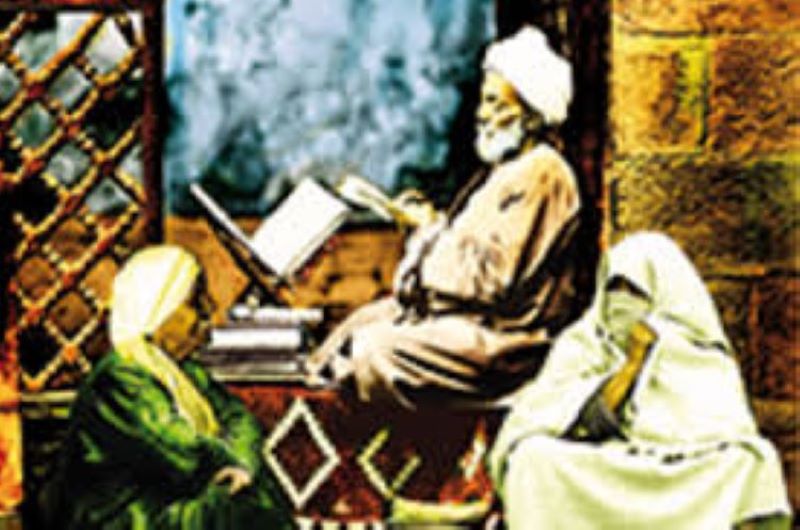
في المجتمع، نصادف العرف، الشرع، القانون. أحيانا يؤخذ كل طرف مساراً خاصاً به. وأحيانا أخرى يتقاطعون في مُلتقى الطرق، لتحدث تفاعلات كانت على امتداد محطات للتجاوز والقطيعة وأحيانا الالتقاء.
In society, we encounter custom, religious law, and civil law. At times each takes a path of its own. At other times they intersect at a crossroads, giving rise to interactions that, across different stages, have meant overstepping, rupture, and sometimes convergence.
فكيف يحدث ذلك؟
How does this happen?
Custom, religion, law: the triad of symbolic interactions in society.
العرف، الدين، القانون… ثالوث التفاعلات الرمزية في المجتمع.
Religion is influenced by custom, and both influence the law. At times custom is more deeply rooted, given its antiquity and its closer connection to rules formulated by consensus, unlike sharia and statutory law.
يتأثر الدين بالعرف ويؤثران في القانون، وأحيانا، يكون العرف أكثر تجدراً، بالنظر لقدمه وارتباطه أكثر بقواعد صيغت بشكل توافقي، عكس الشريعة والقانون.
Between rupture, transcendence, and assimilation, this triad interacts with society, which prompts the question: Who controls society? And to what extent did custom shape social behavior in the past, and does it still do so today?
بين القطيعة والتجاوز والاستيعاب، يتفاعل الثالوث مع المجتمع، وهو ما يدفع لطرح السؤال: من المتحكم في المجتمع؟ وإلى أي حد يؤثر العرف في سلوك المجتمع قديما، واليوم أيضا؟
Mutual Influencesتأثيرات مُتبادلة
Mohsen El Waddouari, a doctoral researcher, tells Marayana that the triad of law, custom, and religion governs all societies, though by varying degrees.
محسن الودواري، طالب باحث بسلك الدكتوراه، يعتبر في حديث لمرايانا أن ثالوث القانون، العرف، والدين، هو متحكم في كل المجتمعات، حسب الدرجات.
The researcher argues that this control extends into the field it affects, and that at times we may find one side of this triad derived from another. Law, for instance, may be derived from religion or from custom. Such matters are relative and tied to contexts and spatial interactions.
يتجه الباحث إلى أن التحكم يصل امتداده إلى المجال الذي يؤثر فيه، وأحيانا قد نجد أحد أضلع هذا الثالوث مستمدا من آخر. مثلا، القانون مستمد من الدين أو العرف. هذه الأمور نسبية وترتبط بسياقات وتفاعلات مجالية.
There is, then, according to El Waddouari, a networked relationship among the parties, a relation of mutual influence and being influenced, whose positions sometimes shift according to need and according to their place within society.
هناك إذن، حسب الودواري، علاقة تشبيك بين الأطراف، وعلاقة تأثير وتأثر متبادلة، تتغير مواقعها أحيانا حسبَ الحاجة وحسبَ تموقُعها في المجتمع.
El Waddouari says: What predominates in society’s legal and regulatory interactions is religion, in terms of the reference point on which they rely. Religion has a weighty social presence, and it finds its justifications from a legal standpoint, even if the wording is not religious in dimension but legal.
يقول الودواري: المُهيمن في تفاعلات المجتمع القانونية/ التنظيمية، هو الدين من حيث المرجعية المُستند إليها، فالدين له حضور وازن مجتمعيا، ويجدُ مسوغاته من الناحية القانونية، رغم أن التنصيص لا يكون ذا بعد ديني، بل ببعد قانوني.
If we take, for example, according to the researcher, issues related to breaking the fast during Ramadan or consensual relationships, among the most important references invoked is the religious frame of reference.
إذا ما أخذنا على سبيل المثال، وحسب الباحث، القضايا المتعلقة بالإفطار في رمضان أو العلاقات الرضائية… فإن من بين أهم المراجع التي يستند إليها، هو المرجعية الدينية.
The researcher continues to develop his view of the triad of religion, custom, and law, stressing that custom is present in society’s regulatory interactions, especially at the local level in hamlets and villages.
يسترسل الباحث في مقاربة رأيه في ثالوث الدين والعرف والقانون، مشدداً على أن العرف يحضُر في تفاعلات المجتمع التنظيمية، خصوصا على المستوى المحلي في المداشر والقرى.
He says: “Take, for example, the regulation of water use and irrigation for farming and agriculture. This process rests on customs agreed upon for years, far from the legal text, because the latter may sometimes obstruct the orderly conduct of social affairs.”
يقول المتحدث: “لنأخذ مثلا، تنظيم استغلال المياه والسقي للفلاحة والزراعة. هذه العملية تستند إلى أعراف متوافق عليها منذ سنوات، بعيدا عن النص القانوني، لأنه قد يكون أحيانا معرقلا للسير التنظيمي للشؤون الاجتماعية”.
Custom Above the Lawعرف فوقَ القانون
Mohsen El Waddouari takes us into what seems a complex matter: custom in Amazigh society, whose dimensions require much reflection if we are to understand them.
ينقلنا محسن الودواري إلى عملية تبدو مُعقَّدة وهي العُرف في المجتمع الأمازيغي، الذي يحتاج منا الكثير من التأمل لفهم أبعاده.
In this regard, Marayana questions Yahya Chouta, a researcher in Amazigh culture, who begins from the premise that Moroccan society, and Amazigh society in particular, developed its local culture and reinforced it through traditions and customs that served as authorities to which people would appeal.
في هذا الاتجاه، مرايانا تسائل الباحث في الثقافة الأمازيغية، يحيى شوطا، الذي ينطلق من مُقاربة مفادها أن المجتمع المغربي، والأمازيغي بشكل خاص، قد طور ثقافته المحلية وعززها بتقاليد وأعراف كانت بمثابة مرجعيات يتم الاحتكام إليها.
Chouta says: “Amazigh customs were able to establish controls that guaranteed collective and individual rights, and they also helped consolidate security and preserve both individual and collective property, in all its geographic and economic manifestations.”
يقول شوطا: “استطاعت الأعراف الأمازيغية أن تضع ضوابط ضمنت الحقوق الجماعية والفردية، كما أسهمت في استتباب الأمن وحفظ الملكية الفردية والجماعية على السواء في كل تمظهراتها الجغرافية والاقتصادية”.
According to Ahmed Arhmouch in his book Custom and Law as a Tributary of Amazigh Culture, custom is a legal rule with binding force, especially after it has circulated as an agreed matter among a group of people. And according to Robert Aspinion, author of Customs of the Zaian Tribes, it is “the law that frames society on the basis of customary rules that determine the conduct of that society.”
حسب أحمد أرحموش في كتابه “العرف والقانون كرافد من روافد الثقافة الأمازيغية”، فالعرف هو قاعدة قانونية لها إلزامية، خاصة بعد تداولها كمادة اتفاق بين مجموعة من الناس. وهو حسب روبير أسبينيون، صاحب كتاب ” أعراف قبائل زايان”، “القانون الذي يؤطر المجتمع بناء على قواعد عرفية تحدد سلوك هذا المجتمع”.
Chouta notes that customs worked to bridge relations between tribes, and were sometimes a barrier against the outbreak of disputes and clashes. They also contributed to preserving social peace; even the manner in which customs were established reflects a desire to involve all segments of society.
يشير شوطا إلى أنَّ الأعراف قامت على تجسير العلاقة بين القبائل، وكانت أحياناً حائلا دون قيام النزاعات والتصادمات، كما أسهمت في حفظ السلم الاجتماعي، فحتى طريقة وضع الأعراف تعكس رغبة في إشراك جميع فئات المجتمع.
The researcher states that custom, or “azref,” was recorded in the presence of the community and under the supervision of the elite known as the “infilas.” As al-Faqih al-Othmani noted in his book The Tablets of Jazula and Islamic Legislation: A Study of the Customs of the Souss Tribes in Light of Islamic Legislation, custom was more sacred to society than modern law.
يورد الباحث أن العرف أو “أَزْرْفْ”، يُدوَّن بحضور الجماعة وتحت إشراف النخبة التي تسمى “ئينفلاس”. وكما أشار الفقيه العثماني في كتابه “ألواح جزولة والتشريع الإسلامي: دراسة لأعراف قبائل سوس في ضوء التشريع الإسلامي”، فالعرف كان مقدسا عند المجتمع أكثر من القانون العصري.
According to the researcher, anyone examining the customary judicial system in Souss, for example, will encounter a stable judicial order that managed to incorporate Islamic sharia in a manner particular to the region. The clearest example here is what is called “al-kadd wa al-si‘aya,” a custom that preserves a wife’s right to property acquired after marriage.
حسبَ الباحث، فإن المطلع على النظام القضائي العرفي بسوس مثلاً، سيقف على نظام قضائي قار، استطاع إدماج الشريعة الإسلامية بفهم تنفرد به المنطقة. وأبرز مثال هنا ما يسمى بـ “الكد والسعاية”، وهو عُرفٌ يحفظ حقَّ الزوجة في الأموال المكتسبة بعد الزواج.
What is clear from Yahya Chouta’s remarks is that this custom reveals the advanced character of these customs, alongside others such as “zuwag,” whose origin is the Amazigh root “azwag,” meaning a man’s request for protection from another, or his entering under another’s shelter in appeal to him and in pursuit of his pardon. From here, incidentally, we find in Moroccan Darija the expression “ana mzawag fik,” meaning: I take refuge in you.
الواضح من حديث يحيى شوطا، أن هذا العرف يُبرز تقدم هاته الأعراف، إلى جانب أعراف أخرى كـ “الزواگ” والتي أصلها من المصدر الأمازيغي “أزواگ”، وتعني طلب الرجل الحماية من الآخر أو الدخول في كنفه استعطافا له وطلبا لعفوه. ومن هنا، بالمناسبة، نجد في الدارجة المغربية عبارة “أَنَا مْزَاوْكْ فيك” بمعنى أنا لائذ بك.
The researcher concludes in this respect that Amazigh customs must be present among the references and philosophy of legislation, for Amazigh custom created a singular system that deserves to be preserved.
يخلص الباحث في هذا الصدد إلى أن الأعراف الأمازيغية، يجب أن تكون حاضرة ضمن مرجعيات التشريع وفلسفته، فالعرف الأمازيغي أبدع نظاما متفردا يستحق أن يُحافظ عليه.
What are the limits of distinction in custom?
ماهي حدود التميز في العرف؟
This question is answered by the researcher El Hussein Asaken in his book The Relationship Between Azref and Sharia During the Medieval Period, where he stresses that what distinguishes the spirit and philosophy of Amazigh azref, and the social systems that produced it, are the values of freedom and respect for human dignity.
هذا السؤال يجيبنا عنه الباحث الحسين أساكن في كتاب “العلاقة بين أزرف والشرع خلال العصر الوسيط”، حيث يشدد على أنَّ ما يميز روح وفلسفة أزرف الأمازيغي، والنظم الاجتماعية التي أفرزته، هي قيم الحرية واحترام كرامة الإنسان.
A Customary Pilgrimageحَجٌ عُرفي
Abderrahim Oudemjan, a researcher in religious studies, approaches with Marayana the problem of the triad of custom, society, and religion, invoking the model of the pilgrimage, which is considered one of the most prominent examples embodying this interaction.
عبد الرحيم أودمجان، الباحث في الدراسات الدينية، يُقاربُ مع مرايانا إشكالية ثالوث العُرف والمجتمع والدين، مستحضراً نموذج الحج الذي يُعتبر واحداً من أبرز الأمثلة التي تجسد هذا التفاعل.
According to the researcher, in the collective religious conscience, the hajj is regarded as one of the five pillars of Islam. It is obligatory once in a lifetime for every adult Muslim who is able, and it is performed in the twelfth month of the Hijri calendar.
حسبَ الباحث، في الضمير الديني الجمعي، يُعتبر الحجُّ ركنًا من أركان الإسلام الخمسة، وهو واجب على كل مسلم بالغ وقادر مرة واحدة في العمر، ويتم إقامته في الشهر الثاني عشر من التقويم الهجري.
Oudemjan says: “The symbolic interactions in the hajj include many aspects connected with society, custom, and religion. From the social side, the hajj is a social event that brings together Muslims from all parts of the world, where knowledge and experiences are exchanged among pilgrims of different nationalities and cultures, and where social bonds and cooperation among them are strengthened. Pilgrims feel that they belong to what is called the ‘Islamic umma’ and that they are integrated into this gathering.”
يقول اودمجان: “تتضمَّن التفاعلات الرمزية في الحج العديد من الجوانب المُرتبطة بالمجتمع والعرف والدين. فمن الجانب المجتمعي، يُعد الحج حدثًا اجتماعيًا يجمع المسلمين من مختلف أنحاء العالم، حيث يتم تبادل الخبرات والتجارب بين الحجاج من جنسيات وثقافات مختلفة، ويتم تعزيز الروابط الاجتماعية والتعاون بينهم. يشعر الحجاج بالانتماء لما يسمى “الأمة الإسلامية والاندماج في هذا التجمع”.
From the standpoint of custom, according to the speaker, the pilgrim performs rites and rituals that reflect Islamic heritage and traditions, and that also show a kind of reverence for those who have performed them. In this way, for many people, he receives a form of esteem and becomes, customarily, the holder of the certificate of “hajj.”
من ناحية العرف، حسب المتحدث، يقوم الحاج بأداء طقوس وشعائر تعكس التراث والتقاليد الإسلامية، كما تظهر نوعاً من التوقير لأصحابه. وهو بهذا، عند الكثيرين، يحظى بنوع من التقدير ويصبح عرفيا حاصلاً على شاهدة “حاج”.
In these ways, according to Oudemjan, society, custom, and religion interact at religious levels that go beyond rites and doctrinal practices, moving into practices that strengthen social belonging to the tribe or the group and indicate that there is interaction between the two sides.
بهذه الطرق، وحسب اودمجان، يتفاعل المجتمع والعُرف والدين في مستويات دينية تتجاوز الشعائر والممارسات العقائدية، إلى ممارسات تُعزز الانتماء الاجتماعي للقبيلة أو الجماعة وتفيد أن هناك تفاعلاً بين الطرفين.
An “Amazighized” Sharia
شرع “مُتُأُمْزِغْ”
This discussion leads the researcher to Amazigh society, where he agrees with Yahya Chouta’s proposition, adding that we can say we are before an “Amazighization” of certain social issues, moving them from religious dress into customary dress.
هذا الحديث يقود الباحث إلى المُجتمع الأمازيغي، حيث يتَّفق مع يحيى شوطا في طرحه، مضيفاً أنه بإمكاننا القول إنَّنا أمام “تَمْزيغِ” بعض القضايا الاجتماعية من لباس ديني إلى لباس عرفي.
The researcher adds that the question of the killer in custom differs from sharia and from law: sharia speaks of retribution, while the law has another view. By contrast, in old custom, we find that some Amazigh tribes moved beyond retribution toward other solutions, such as exile outside the tribe.
يضيف الباحث أن قضية القاتل في العرف، تختلف عن الشرع والقانون، فالشرع يقول بالقصاص، بينما للقانون رأي آخر. في المقابل، نجد في العرف قديما، أن بعض القبائل الأمازيغية تتجاوز القصاص إلى حلول أخرى، كالنفي خارج القبيلة.
Our support here, in this discussion, is the verse that says: “The only recompense of those who wage war against God and His Messenger and strive to spread corruption in the land is that they be killed or crucified, or that their hands and feet be cut off on opposite sides, or that they be exiled from the land. That is disgrace for them in this world, and in the Hereafter they shall have a great punishment.”
سندنا هنا في هذا الحديث، هو الآية التي تقول “إنما جزاء الذين يحاربون الله ورسوله ويسعون في الأرض فسادا أن يقتلوا أو يصلبوا أو تقطع أيديهم وأرجلهم من خلاف أو ينفوا من الأرض ذلك لهم خزي في الدنيا ولهم في الآخرة عذاب عظيم”.
At the end of the verse, exile is mentioned, and Amazigh custom here acts through exile more than it resorts to the other rulings. In this way, it may not contradict sharia, but rather seeks to find the ruling that causes no harm and does not lead to killing.
في آخر الآية ورد النفي، والعرف الأمازيغي هنا يعمل بالنفي أكثر من لجوئه إلى باقي الأحكام، وهو بهذا قد لا يُناقض الشريعة، وإنما يحاول أن يجد الحكم الذي لا يسبب ضرراً ولا يقود للقتل.
Exile in custom does not run counter to sharia; rather, it is an expression of tolerance and the granting of a new opportunity to the perpetrator instead of sentencing him to death. Examples abound, such as independent reasoning in matters of retribution and theft, where custom refuses to cut off the thief’s hand and finds solutions that do not differ from sharia.
النفي في العرف لا يتنافى مع الشرع، بل هو تعبير عن التسامح وإعطاء فرصة جديدة للفاعل عوض الحكم عليه بالقتل. والأمثلة كثيرة، كالاجتهاد في القصاص والسرقة، حيث يرفض العرف قطع يد السارق ويجد حلولاً لذلك لا تختلف مع الشريعة.
Such was the interaction among the triad of custom, religion, and law. At times custom surpasses sharia, and at times some rulings of sharia are customary; at still other times, the networking between them takes place apart from the law.
هكذا كانَ التفاعل بين ثالوث العرف والدين والقانون. أحيانا يتجاوز العرف الشريعة وأحيانا تكون بعض أحكام الشريعة عُرفية، وفي آحيان أخرى يكون التشبيك بينهما في معزل عن القانون.