Medium-Range Strikes. Ukraine Has Again Begun Knocking Out Russian Logistics
Ukraine’s renewed campaign against Russian transport and supply routes shows how the war’s decisive contest is shifting toward dispersed, drone-threatened logistics, where adaptability and economic endurance matter as much as firepower.
ArticlesСтатті
Medium-Range Strikes. Ukraine Has Again Begun Knocking Out Russian Logistics
Удари на середню відстань. Україна знову почала вибивати російську логістику
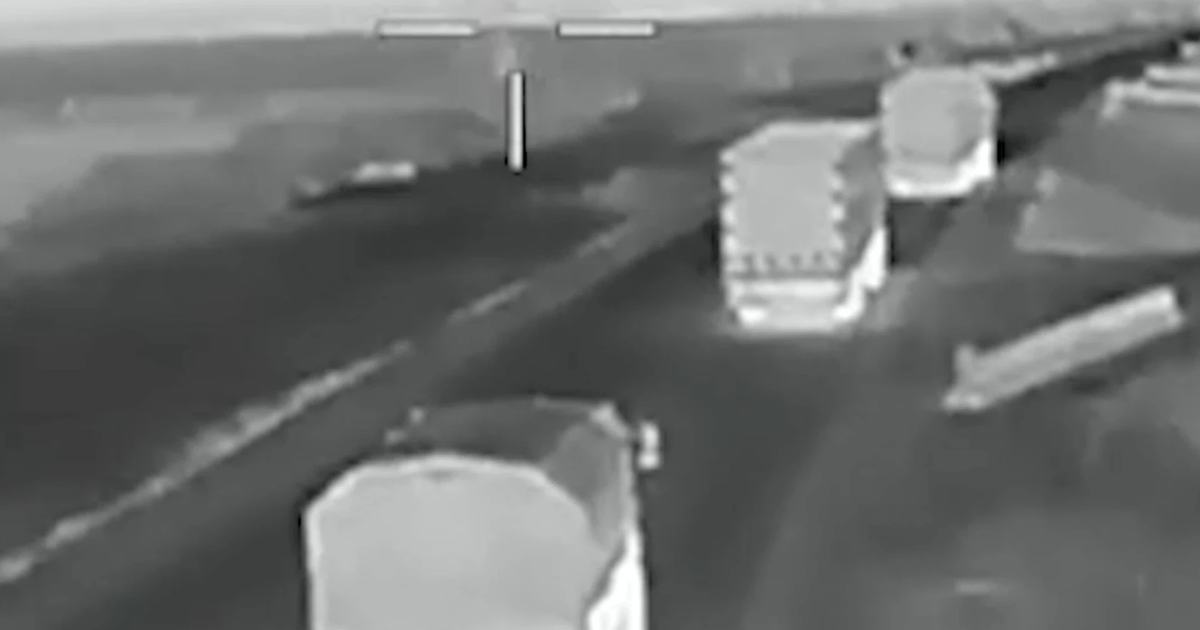
Ukraine’s Defense Forces have increased the number of strikes on enemy transport in the occupied South, at distances of up to 150 kilometers from the front. In May alone, Ukrainians destroyed around a hundred Russian military trucks, the French OSINT analyst Clement Molin observes, adding that videos of the strikes are “coming in an uninterrupted stream.” Russian Z-bloggers are panicking.
Сили оборони України наростили кількість ударів по ворожому транспорту на окупованому Півдні — на відстані до 150 км від фронту. Лише в травні українці знищили близько сотні військових вантажівок росіян, констатує французький осінтер Клемент Молін і додає, що відео уражень «ідуть безперервним потоком». Російські зет-блогери в паніці.
Voiced with AI in the voice of Valeriia PavlenkoОзвучено за допомогою ШІ голосом Валерії Павленко
The supply of the occupation forces “may be close to critical in the coming months,” they write. Texty.org.ua explains why military logistics is so important and how it has changed in this war.
Постачання окупаційних військ «може бути близьким до критичного вже в найближчі місяці», пишуть вони. Texty.org.ua пояснюють, чому військова логістика така важлива і як вона змінилася в цій війні.
It is worth noting that in the second half of 2022, when Ukraine received the now famous HIMARS systems, our army began systematically taking out enemy logistics 50 to 60 kilometers from the front line.
Цікаво, що в другій половині 2022 року, коли Україна отримала славнозвісні HIMARS, наша армія почала системно виносити логістику ворога за 50–60 км від передової.
Later the enemy adapted, while the Armed Forces of Ukraine, for a time, forgot about such effective and classic measures as cutting off delivery routes. The General Staff, it seems, did not issue instructions to keep striking warehouses and roads at distances of up to 100 kilometers, nor did it plan to create or procure the appropriate means. If warehouses and routes were being hit, it was sporadic, without a systematic campaign and on local initiative.
Згодом ворог адаптувався, а ЗСУ на певний час забули про такі ефективні й класичні дії, як обрізання шляхів доставки. Генштаб, схоже, не давав вказівок і далі бити по складах і дорогах на відстані до 100 км, не планував створювати чи закуповувати відповідні засоби. Якщо по складах і шляхах билося, то спорадично, без системної кампанії та з місцевої ініціативи.
But life goes on, and now, in 2026, individual military units, working with manufacturers, have developed new drones specifically for taking out logistical routes. In the South this has produced good results, and there is cautious hope that the practice will spread along the entire front line.
Але життя триває, і ось у 2026 році окремі військові частини в співпраці з виробниками розробили нові дрони саме для виносу логістичних шляхів. На Півдні це дало хороші результати, і є обережна надія, що така практика пошириться на всю лінію фронту.
Let us recall the saying: wars are started by politicians, waged by soldiers, and won or lost by logisticians. This refers to the people who organize the movement of cargo and soldiers, who are responsible for delivering ammunition, fuel, equipment, and food. Breaking supply chains is one of the main tasks in seizing the initiative in war.
Нагадаємо вислів: війни починають політики, ведуть військові, а виграють чи програють логісти. Йдеться про людей, які організовують рух вантажів і солдатів, відповідають за доставку боєприпасів, пального, техніки та їжі. Зламати ланцюги поставок — одне з основних завдань для перехоплення ініціативи у війні.
Fire on the RearВогонь по тилах
After the strikes on the Kerch Bridge and the ferry crossing, land remained the only permanent supply route to Crimea. Today, it too has come under the sights of Ukraine’s Defense Forces.
Після ударів по Керченському мосту та поромній переправі суходіл залишався єдиним постійним шляхом постачання Криму. Сьогодні й він опинився під прицілом Сил оборони України.
Videos show the aftermath of Ukrainian strikes on Russian military trucks on the M-14 highway, Mariupol-Berdiansk-Melitopol-Henichesk, and on the H-20 road, Mariupol-Donetsk.
Відео показують наслідки українських ударів по російських військових вантажівках на трасі М-14 Маріуполь — Бердянськ — Мелітополь — Генічеськ та автошляху Н-20 Маріуполь — Донецьк.
As a result, on May 21, Vladimir Saldo, the Gauleiter of the occupied part of Kherson region, signed a decree restricting truck traffic on the Mariupol-Henichesk section of the M-14 highway.
Як наслідок — 21 травня гауляйтер окупованої частини Херсонщини Володимир Сальдо підписав указ про обмеження руху вантажівок на ділянці траси М-14 Маріуполь — Генічеськ.
Strikes on logistics hubs and military convoys along the land corridor are being recorded at varying distances. On the Taganrog-Mariupol axis, the highway runs on average 70 to 110 kilometers from the front, while in the Novoazovsk area some strikes have been recorded at distances of up to 150 kilometers. On the Mariupol-Melitopol section, the main supply routes lie 90 to 120 kilometers from the front line.
Удари по логістичних вузлах і військових колонах уздовж сухопутного коридору фіксуються на різній відстані. На напрямку Таганрог — Маріуполь траса проходить у середньому за 70–110 км від фронту, а в районі Новоазовська окремі удари фіксувалися на відстані до 150 км. На ділянці Маріуполь — Мелітополь основні маршрути постачання за 90–120 км від передової.
On the Melitopol-Dzhankoi axis, the distance to transport routes ranges from roughly 80 kilometers in the north of Zaporizhzhia region to deeper rear areas inside Crimea. Because of systematic strikes, these logistical arteries are gradually becoming ever more dangerous for the delivery of personnel and army cargo.
На напрямку Мелітополь — Джанкой відстань до транспортних шляхів коливається від приблизно 80 км на півночі Запорізької області до глибших тилових районів на території Криму. Через систематичні удари ці логістичні артерії поступово стають дедалі небезпечнішими для доставки людей та армійських вантажів.
Let us also recall that last summer Ukraine’s Defense Forces disabled three Russian railway ferries at the Kerch crossing: Avangard, Slavyanin, and Conro Trader. The Russians lost a key channel for delivering fuel to the occupied peninsula.
Також нагадаємо, що Сили оборони України влітку минулого року вивели з ладу три російські залізничні пороми на Керченській переправі: «Авангард», «Славянин» і «Конро Трейдер». Росіяни втратили ключовий канал доставки пального на окупований півострів.
Factors in LogisticsФактори логістики
In any war, front-line logistics has a number of characteristic vulnerabilities. Above all, it is critically dependent on infrastructure. Roads, bridges, railway junctions, fuel depots: these are the foundation of the supply system. The fewer alternative routes and transport interchanges there are, the more vulnerable the logistical chain becomes.
У будь-якій війні фронтова логістика має низку характерних уразливостей. Передусім вона критично залежить від інфраструктури. Дороги, мости, залізничні вузли, склади пального — основа системи забезпечення. Що менше альтернативних маршрутів і транспортних розв’язок, то уразливішим стає логістичний ланцюг.
Modern military logistics relies to a great extent on information systems: communications, satellite navigation, and digital accounting systems. Any disruption in the unified information circuit of command can sharply reduce the effectiveness of supply.
Сучасна військова логістика значною мірою спирається на інформаційні системи: зв’язок, супутникову навігацію, цифрові системи обліку. Будь-які збої в єдиному інформаційному контурі управління можуть різко знизити ефективність постачання.
Warehouses. Large centralized bases make it possible to stockpile resources efficiently, but at the same time they are more vulnerable. A distributed system of small depots, by contrast, is far more resilient, though also more expensive to maintain.
Склади. Великі централізовані бази дають змогу ефективно накопичувати ресурси, але водночас вони й уразливіші. Натомість розподілена система дрібних складів значно стійкіша, хоча й дорожча в утриманні.
A characteristic feature of today’s military logistics is “drip-feed” delivery, in which cargo is transported in small batches by pickup trucks, minibuses, motorcycles, or even pack animals. Such “droplets” are harder to hit.
Характерна риса сьогоднішньої військової логістики — «крапельна» доставка, коли вантажі перевозять невеликими партіями на пікапах, мікроавтобусах, мотоциклах чи навіть в’ючних тваринах. Такі «крапельки» важче уразити.
The human factor. Corruption, especially at the points of contact with civilian suppliers, human exhaustion, weak discipline, or planning errors often inflict losses on a logistical system no smaller than those inflicted by the enemy.
Людський фактор. Корупція, особливо на стиках із цивільними постачальниками, перевтома людей, слабка дисципліна або помилки планування нерідко завдають логістичній системі не менших втрат, ніж противник.
Features of the WarОсобливості війни
The Russo-Ukrainian war has several characteristics that determine the resilience and vulnerability of logistics.
Російсько-українська війна має кілька характеристик, що визначають стійкість та уразливість логістики.
The first is space. The theater of operations is highly extended and has a high density of settlements. At the same time, infrastructure is unevenly developed. The southern districts, Zaporizhzhia region and Kherson region, are open steppe with few natural shelters and are easy to observe.
Перша з них — простір. Театр бойових дій має значну протяжність і високу щільність населених пунктів. Водночас інфраструктура розвинена нерівномірно. Південні райони — Запорізька область, Херсонщина — це відкритий степ із малою кількістю природних укриттів, який добре проглядається.
The Donbas conurbation has a dense industrial and transport network, with many secondary roads. On the left bank of the Dnipro, water obstacles play an important role.
Донбаська агломерація має щільну промислову й транспортну мережу, багато другорядних доріг. На лівобережжі Дніпра важливу роль відіграють водні перешкоди.
As a result, the closer one gets to the line of combat contact, the more logistics is broken down into short delivery segments.
У результаті що ближче до лінії бойового зіткнення, то більше логістика дробиться на короткі ділянки доставки.
After the first HIMARS rocket systems entered service with the Armed Forces of Ukraine, the Russians were forced to change their approach to logistics substantially. Whereas in 2022 a centralized model prevailed, with large warehouses and massed vehicle columns, vulnerable to long-range strikes, in 2023 a transition began toward a distributed system. Warehouses were dispersed, and the size of convoys was reduced.
Після появи на озброєнні ЗСУ перших реактивних систем HIMARS росіяни були змушені суттєво змінити свій підхід до логістики. Якщо у 2022 році переважала централізована схема: великі склади, масові колони техніки з їхньою уразливістю до ударів із далекої відстані, то у 2023-му почався перехід до розподіленої системи. Склади розосереджували, розміри колон зменшували.
By 2024-2025, a model of micrologistics had taken shape: resources are delivered in small batches by light transport.
До 2024–2025 років сформувалася модель мікрологістики: ресурси доставляють малими партіями легким транспортом.
Modern drones and artillery create the effect of a “transparent rear.”
Сучасні безпілотники й артилерія створюють ефект «прозорого тилу»
The resilience of this system is limited by several factors. First, modern drones and artillery create the effect of a “transparent rear” for tens of kilometers.
Стійкість цієї системи обмежується кількома факторами. По-перше, сучасні безпілотники й артилерія створюють ефект «прозорого тилу» на десятки кілометрів.
Second, the so-called supply haul is important. The farther positions are from railway junctions and major bases, the more fuel is consumed, the faster equipment wears out, and the greater the need for intermediate accumulation points; in other words, delivery becomes more expensive.
По-друге, важливе так зване плече підвезення. Що далі від залізничних вузлів і великих баз розташовані позиції, то більше пального витрачається, швидше зношується техніка й зростає потреба в проміжних пунктах накопичення (доставка дорожчає).
Third, there is considerable informational dependence: navigation and route adjustment depend entirely on stable communications.
По-третє, значна інформаційна залежність: навігація та коригування маршрутів цілковито залежать від стабільного зв’язку.
Finally, seasonality plays its part: the spring and autumn mud seasons, winter wear on equipment, and the worsening of concealment after leaves have fallen.
Нарешті, свою роль відіграє сезонність: весняне й осіннє бездоріжжя, зимовий знос техніки й погіршення маскування після опадання листя.
Horses, Donkeys, MotorcyclesКоні, осли, мотоцикли
Under such conditions the Russians are also turning to unconventional solutions: the use of horses, donkeys, motorcycles, or buggies. This is not a laughable return to archaic forms of warfare, but rather an adaptation to new conditions. Such means have certain advantages: a low thermal signature and better cross-country mobility. At the same time, their carrying capacity is limited, and their effectiveness depends on the frequency of “runs.”
У таких умовах у росіян з’являються й нетипові рішення. Використання коней, ослів, мотоциклів або багі. Це не смішне повернення до архаїчних форм війни, а радше адаптація до нових умов. Такі засоби мають певні переваги: низьку теплову помітність і кращу прохідність. Водночас їхня вантажопідйомність обмежена, а ефективність залежить від частоти «рейсів».
Us and Them: Different ModelsМи і вони — різні моделі
The Russian model has historically been based on the Soviet system of deeply echeloned supply, with a key role for railways and large rear hubs. Its strengths are the use of substantial stocks of equipment, centralized command, and the ability to move large volumes of cargo quickly over long distances.
Російська модель історично ґрунтується на радянській системі глибоко ешелонованого забезпечення з ключовою роллю залізниці та великих тилових вузлів. Її сильні сторони — використання значних запасів техніки, централізоване управління і можливість швидкого транспортування великих обсягів вантажів на далекі відстані.
The Ukrainian model is based on a combination of Soviet infrastructure and Western management standards. It has a more distributed structure and a high level of digitalized accounting; it is integrated with supplies from abroad, a long strategic haul that makes those supplies more complicated. Ukrainians also face difficulties in maintaining diverse types of Western equipment.
В основі української моделі поєднання радянської інфраструктури й західних стандартів управління. Вона має більш розподілену структуру й високий рівень цифровізації обліку, інтегрована з поставками з-за кордону — довге стратегічне плече, що ускладнює їх. Українці також стикаються з труднощами в обслуговуванні різнотипної західної техніки.
For Ukraine, the continuity of external aid is crucial.Для України ключовою є безперервність зовнішньої допомоги
The economic aspect of logistics is also important. In a dispersed, distributed system, delivering one tonne of cargo to the front-line zone today costs several times more than it did at the start of the full-scale war.
Економічний аспект логістики також важливий. У розосередженій дисперсній системі доставка однієї тонни вантажу в прифронтову зону сьогодні коштує в кілька разів дорожче, ніж на початку великої війни.
In the long term, the condition of the industrial base and transport system, and the availability of fuel, remain critical for Russia. For Ukraine, the key factors are the continuity of external aid, the protection of energy and transport infrastructure, and the ability to manage a heterogeneous fleet of equipment.
У довгостроковій перспективі для Росії критичними залишаються стан промислової бази й транспортної системи та доступність пального. Для України ключовими є безперервність зовнішньої допомоги, захист енергетичної й транспортної інфраструктури, здатність керувати різнорідним парком техніки.
The Role of Middle StrikesРоль мідлстрайків
An important factor in the transformation of the rear has been the “drone revolution.” Because of the use of medium-range strike drones, or middle strikes, the Russians can no longer feel safe at distances measured in tens of kilometers from the front.
Важливим фактором трансформації тилу стала «дронова революція». Через застосування ударних безпілотників середньої дальності — мідлстрайків — росіяни вже не можуть почуватися в безпеці на відстанях, які вимірюються десятками кілометрів від фронту.
The destruction of the means used to deliver cargo, ammunition, and personnel makes it impossible to accumulate reserves and significantly reduces the Russians’ capacity for offensive action.
Знищення засобів доставки вантажів, боєприпасів, особового складу унеможливлює накопичення резервів і значно зменшує здатність росіян до наступу.
Overall, today both sides are being forced to shift to micrologistics: small groups of vehicles, nighttime runs, and frequent changes of route.
Загалом сьогодні сторони змушені переходити до мікрологістики — малих груп транспорту, нічних рейсів і частої зміни маршрутів.
From the point of view of long-term resilience, what may prove decisive is not so much the volume of resources as the speed with which they can be replenished, the capacity to repair equipment, and the stability of transport and energy systems.
З погляду довгострокової стійкості вирішальними можуть стати не так обсяги ресурсів, як швидкість їх відтворення, можливості ремонту техніки, стабільність транспортної та енергетичної систем.
What Next?
Що далі?
In the future, several scenarios of development are possible. One is gradual exhaustion, in which the front changes slowly while logistics becomes ever more microscopic and expensive.
У майбутньому можливі кілька сценаріїв розвитку. Один із них — поступове виснаження, коли фронт змінюється повільно, а логістика стає дедалі більш мікроскопічною й дорогою.
Another scenario is connected with a technological breakthrough: the mass use of autonomous ground robotic platforms and aerial delivery systems.
Інший сценарій пов’язаний із технологічним проривом — масовим використанням автономних наземних роботизованих платформ і повітряних систем доставки.
A third option envisions the point at which an economic limit is reached, when the cost of maintaining logistical chains itself begins to constrain the tempo of combat operations.
Третій варіант передбачає досягнення економічної межі, коли саме вартість підтримання логістичних ланцюгів починає обмежувати темп бойових дій.
In sum, modern war is turning military logistics into a distributed, constantly adaptive, and technologically saturated system. Under such conditions, the decisive factor becomes not the number of warehouses or pieces of equipment, but the speed of command decisions, the ability to rebuild supply routes, and the overall economic resilience of the system.
У підсумку сучасна війна перетворює військову логістику на розподілену, постійно адаптивну й технологічно насичену систему. У таких умовах вирішальним фактором стає не кількість складів чи техніки, а швидкість управлінських рішень, здатність перебудовувати маршрути постачання та загальна економічна стійкість системи.