Hamas’s Decision: Administrative in Form, Political in Essence
The article argues that Hamas’s announced dissolution of Gaza’s governing emergency body is less a mere administrative handover than a calculated political move to force renewed negotiations over Gaza’s transitional administration and preempt more dangerous Israeli-American scenarios.
Also available in EnglishAlso available in English
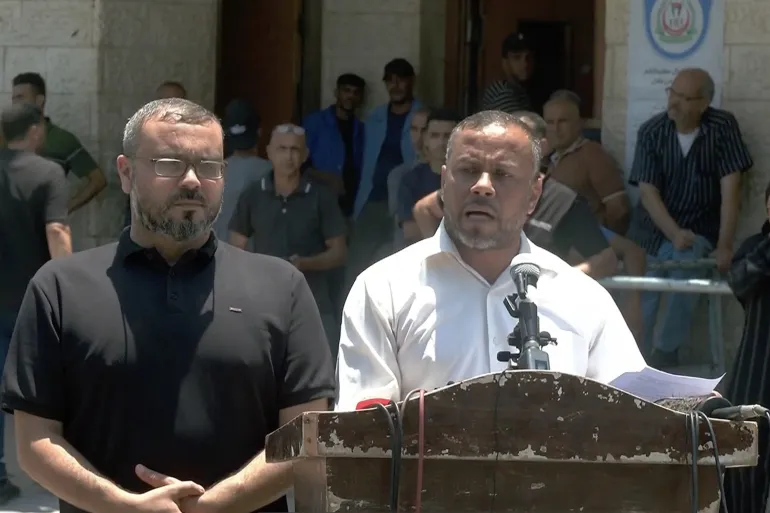
في خطوة دراماتيكية لم يسبقها تمهيد إعلامي أو تلميح سياسي، أعلن المكتب الإعلامي الحكومي في قطاع غزة أن رئيس لجنة الطوارئ الحكومية، ورئيس اللجنة الحكومية بالإنابة، التي تتولى مسؤولية إدارة مفاصل العمل الحكومي في قطاع غزة بشقيه المدني والأمني، قد قدّم استقالته.
In a dramatic step, preceded by no media preparation or political hint, the government media office in the Gaza Strip announced that the head of the Government Emergency Committee, and acting head of the government committee responsible for managing the machinery of governmental work in Gaza, in both its civil and security branches, had submitted his resignation.
الاستقالة قُدِّمت تعبيرًا عن خطوة تهدف إلى فتح المجال أمام تسلُّم اللجنة الوطنية لإدارة قطاع غزة -المشكَّلة وفقًا لخطة الرئيس الأمريكي دونالد ترامب- مسؤولية العمل الحكومي وإدارة الشأن العام في القطاع، كجزء من ترتيب انتقالي متفق عليه دوليًا إلى حين إعادة ترتيب النظام السياسي الفلسطيني وتوحيد المؤسسات الحكومية ضمن السلطة الفلسطينية.
The resignation was submitted as an expression of a step intended to open the way for the National Committee for the Administration of the Gaza Strip, formed according to the plan of U.S. President Donald Trump, to assume responsibility for governmental work and the administration of public affairs in the Strip, as part of an internationally agreed transitional arrangement pending the reordering of the Palestinian political system and the unification of government institutions within the Palestinian Authority.
Although the statements responding to this announcement were not welcoming in the way Hamas wanted or aspired to, the movement did, in principle, succeed in achieving the main purpose of this step: restoring, publicly and seriously, discussion of the file of transferring responsibility for governmental work, and departing from the current situation, which constitutes nothing but a gain for the Israeli occupation and material for its coming escalatory intentions.
وبالرغم من أن التصريحات المقابلة لهذا الإعلان لم تأتِ مرحبةً بالشكل الذي تريده أو تطمح إليه حركة حماس، فإنها، من حيث المبدأ، نجحت في تحقيق الهدف الرئيسي من هذه الخطوة، والمتمثل في إعادة النقاش، علنًا وبجدية، حول ملف نقل مسؤولية العمل الحكومي، ومغادرة الوضع الحالي الذي لا يشكّل سوى مكسب للاحتلال الإسرائيلي ومادةً لنواياه التصعيدية القادمة.
The Technocrats’ Committee and the Winding Pathلجنة التكنوقراط والمسار المتعرج
Talk of a technocrats’ committee as an option for administering the transitional phase was not an innovation that arrived with the launch of U.S. President Donald Trump’s twenty-point plan. Discussion of the idea, its composition, and its formation goes back to October 2024, within rounds of factional dialogue in the Egyptian capital, Cairo, which saw direct participation by Egyptian intelligence in the search for a formula to administer the Gaza Strip and end Hamas’s rule there.
لم يكن الحديث عن لجنة التكنوقراط خيارًا لإدارة المرحلة الانتقالية بدعةً حلّت مع تدشين خطة الرئيس الأمريكي دونالد ترامب ذات النقاط العشرين، إذ يعود الحديث عن الفكرة وتركيبتها وتشكيلها إلى أكتوبر/تشرين الأول 2024، ضمن جولات من الحوار الفصائلي في العاصمة المصرية القاهرة، شهدت مشاركة مباشرة من المخابرات المصرية في البحث عن صيغة لإدارة قطاع غزة وإنهاء حكم حركة حماس فيه.
The idea came as an alternative to the outcomes of the Beijing meeting of the Palestinian factions, which included moving toward a Palestinian national unity government. Palestinian President Mahmoud Abbas had preempted this by forming the “Mohammad Mustafa” government, creating a political wall that prevented the reconstitution of a Palestinian government within a limited period of time.
جاءت الفكرة بديلًا من مخرجات لقاء بكين للفصائل الفلسطينية، التي تضمنت الذهاب إلى حكومة وحدة وطنية فلسطينية، وكان الرئيس الفلسطيني محمود عباس قد استبقها بتشكيل حكومة “محمد مصطفى”، ما أدى إلى خلق حائط سياسي حال دون إعادة تشكيل حكومة فلسطينية خلال مدة زمنية محدودة.
In an attempt to find approaches that might pierce this wall, the proposal to form a “Community Support Committee” for the Gaza Strip was introduced, as a body composed of professional technocratic figures that would assume responsibility for the transitional phase in Gaza and be part of the structure of the official Palestinian political system and of the institutions of the Palestinian Authority.
وفي إطار محاولة إيجاد مقاربات لاختراق هذا الجدار، أُدخل مقترح تشكيل “لجنة الإسناد المجتمعي” لقطاع غزة، بوصفها تشكيلًا من شخصيات مهنية تكنوقراطية تتولى مسؤولية المرحلة الانتقالية في قطاع غزة، وتكون جزءًا من تركيبة النظام السياسي الفلسطيني الرسمي، ومن مؤسسات السلطة الفلسطينية.
Yet this option failed to reach internal Palestinian consensus, because of Palestinian disagreements over its reference authority, the method of its formation, and the extent of the powers granted to it. This sent the file, like other Palestinian files connected to national unity and the arrangements of the internal scene, into a state of freeze.
إلا أن هذا الخيار لم ينجح في الوصول إلى توافق فلسطيني داخلي، بسبب الخلافات الفلسطينية حول المرجعية، وطريقة التشكيل، وحجم الصلاحيات الممنوحة لهذه اللجنة، ما أدخل هذا الملف، كغيره من الملفات الفلسطينية المرتبطة بالوحدة الوطنية وترتيبات المشهد الداخلي، إلى حيز التجميد.
After a full year of this interaction, which yielded no results, and with the resumption of the war of genocide with greater and harsher momentum than before, following the occupation’s reversal of the January 2025 ceasefire agreement, which officially collapsed on March 18, 2025, discussion returned, in the context of preparing the American plan bearing Trump’s name, to the clauses that plan contained regarding the shape of the transitional phase and the administration of the Gaza Strip. Talk returned to the same formula, but within different frameworks and under other authorities.
وبعد عام كامل من هذا التفاعل الذي لم يُفضِ إلى نتائج، ومع استئناف حرب الإبادة بزخم أكبر وأقسى من السابق، على إثر انقلاب الاحتلال على اتفاق يناير/كانون الثاني 2025 لوقف إطلاق النار، الذي انهار رسميًا في 18 مارس/آذار 2025، عاد النقاش، في إطار تجهيز الخطة الأمريكية التي حملت اسم ترامب، حول البنود التي تتضمنها هذه الخطة بشأن شكل المرحلة الانتقالية وإدارة قطاع غزة، وعاد الحديث عن الصيغة ذاتها، لكن بأطر مختلفة ومرجعيات أخرى.
Although the “technocrats’ committee” contained in Trump’s plan expresses the danger of the “internationalization” of administration in the Gaza Strip, since its official authority is the executive council of the Peace Council and its “high” envoy Nikolay Mladenov, the arrangements for presenting and forming the committee were careful to secure Palestinian approval: official approval from the Palestinian president, and factional approval from the different forces, through a meeting of the mediators with the six factions engaged in the Cairo negotiations. This partially neutralized that danger.
وبالرغم من كون “لجنة التكنوقراط” الواردة في خطة ترامب تُشكّل تعبيرًا عن خطر “التدويل” للإدارة في قطاع غزة، كون مرجعيتها الرسمية المجلس التنفيذي لمجلس السلام، ومبعوثه “السامي” نيكولاي ميلادينوف، فإن ترتيبات إخراج اللجنة وتشكيلها حرصت على أن تكون هناك موافقة فلسطينية، رسمية من الرئيس الفلسطيني، وفصائلية من القوى المختلفة، عبر اجتماع للوسطاء مع الفصائل الست المنخرطة في مفاوضات القاهرة، بما أمّن تحييدًا جزئيًا لهذا الخطر.
Despite this context, the committee, whose formation was officially announced in mid-January 2026, remained captive to the restrictions and parameters set by the Peace Council and by its official authority, Mladenov. This kept it outside any real involvement in any matter related to the Gaza Strip, apart from a set of meetings and encounters with international delegations and participation in mobilizing funding with the Peace Council, without any role or statement regarding the catastrophic humanitarian conditions and ongoing Israeli attacks in the Strip. With the continued procrastination over bringing it into the Strip, it lost much of its momentum and credibility as a real actor capable of administering the transitional phase at one of the most sensitive periods in Gaza’s history.
وبالرغم من هذا السياق، بقيت اللجنة، التي أُعلن رسميًا عن تشكيلها في منتصف يناير/كانون الثاني 2026، حبيسة القيود والمحددات التي وضعها مجلس السلام ومرجعيتها الرسمية، ميلادينوف، مما جعلها خارج أي انخراط حقيقي في أي شأن له علاقة بقطاع غزة، باستثناء مجموعة من الاجتماعات واللقاءات مع الوفود الدولية، والمشاركة في حشد التمويل مع مجلس السلام، دون أي دور أو تصريح بشأن ما يجري في القطاع من أوضاع إنسانية كارثية واعتداءات إسرائيلية مستمرة، ومع استمرار المماطلة في إدخالها إلى القطاع، الأمر الذي أفقدها كثيرًا من الزخم والثقة بكونها فاعلًا حقيقيًا يمكن أن يدير المرحلة الانتقالية في أكثر الفترات حساسية من عمر قطاع غزة.
View this post on Instagram: Hamas’s decision: administrative in what is announced, political in essence.
View this post on Instagram قرار حماس.. المُعلن إداري والجوهر سياسي
Officially, what took place consisted of what the Gaza government media office included in its statement: the resignation of the head of the Government Emergency Committee and the formal dissolution of the committee, as a prelude to transferring administrative tasks and the management of governance in the Strip to the National Committee for the Administration of Gaza.
رسميًا، تمثّل ما جرى فيما تضمنه إعلان المكتب الإعلامي الحكومي في قطاع غزة، في بيان له، من استقالة رئيس لجنة الطوارئ الحكومية، وحل اللجنة رسميًا، وذلك تمهيدًا لنقل المهام الإدارية وإدارة الحكم في القطاع إلى اللجنة الوطنية لإدارة غزة.
The same statement explained that the head of the Government Emergency Committee and acting head of Government Follow-Up, Mohammad Jawad al-Farra, had submitted his official resignation from his post, in a step aimed at proving seriousness, facilitating the administrative transition, and implementing national agreements.
وأوضح البيان ذاته أن رئيس لجنة الطوارئ الحكومية ورئيس المتابعة الحكومية بالإنابة، محمد جواد الفرا، قدّم استقالته الرسمية من منصبه، في خطوة تهدف إلى إثبات الجدية، وتسهيل عملية الانتقال الإداري، وإنفاذ الاتفاقيات الوطنية.
The government media office affirmed that all administrative and legal arrangements for the handover had been completed, noting that these steps were presented transparently before the Palestinian factions and forces, the Higher Committee of the Tribes, and civil society institutions, in the presence of an observer representing the United Nations.
وأكد الإعلام الحكومي إتمام جميع الترتيبات الإدارية والقانونية لعملية التسليم، مشيرًا إلى أن هذه الخطوات عُرضت بشفافية أمام الفصائل والقوى الفلسطينية، واللجنة العليا للعشائر، ومؤسسات المجتمع المدني، وبحضور مراقب ممثل عن الأمم المتحدة.
Yet this step came as the completion of a series of moves undertaken by Hamas with the national and Islamic forces in the Gaza Strip over recent months, with the aim of completing the administrative and governmental arrangements for transferring the files of governance to the responsibility of the National Committee for the Administration of the Gaza Strip, the “technocrats’ committee.” These steps included forming a national committee in the Strip composed of Palestinian factions and civil society institutions, whose task is to address any problems that may affect the transition process. All administrative files connected to governmental affairs were also completed and placed before the mediators and the representative of the Peace Council during the Cairo negotiations.
إلا أن هذه الخطوة جاءت متممة لسلسلة من التحركات، التي أجرتها حركة حماس مع القوى الوطنية والإسلامية في قطاع غزة منذ أشهر، بهدف إنجاز الترتيبات الإدارية والحكومية لنقل ملفات الحكم إلى مسؤولية اللجنة الوطنية لإدارة قطاع غزة “لجنة التكنوقراط”. وقد شملت هذه الخطوات تشكيل لجنة وطنية في القطاع من الفصائل الفلسطينية ومؤسسات المجتمع المدني، مهمتها معالجة أي إشكاليات قد تعتري عملية الانتقال، كما أُنجزت جميع الملفات الإدارية المرتبطة بالشأن الحكومي، ووُضعت أمام الوسطاء وممثل مجلس السلام خلال مفاوضات القاهرة.
This came amid the impasse and stagnation that this file witnessed in the following months, and the absence of any real pressure by the technocrats’ committee, at a time when the features and parameters of Mladenov’s movement were beginning to signal that he had become a party obstructing the committee’s entry, in keeping with Israeli parameters.
وجاء ذلك في ظل حالة الاستعصاء والجمود التي شهدها هذا الملف في الأشهر اللاحقة، وغياب لجنة التكنوقراط عن ممارسة أي ضغط حقيقي، في وقت باتت فيه ملامح ومحددات تحرك ميلادينوف تعطي إشارات إلى كونه طرفًا معطلًا لدخول اللجنة، انسجامًا مع المحددات الإسرائيلية.
In addition to the above, the current situation in the Strip, in which Hamas remains, in the public sense, the ruler of the Strip, while the governmental body remains exposed to daily targeting and bombardment, preventing it from exercising any actual governmental role, and while this designation becomes material for the occupation government’s escalation of aggression and incitement against the Strip, made moving this file a principal priority for the Palestinian factions, through unmistakable steps.
ومضافًا إلى ما سبق، فإن الوضع الحالي الذي يمر به القطاع، حيث تبقى حركة حماس، بالمعنى العلني، هي الحاكم للقطاع، فيما يبقى الجسم الحكومي عرضة للاستهداف والقصف اليومي، بما يمنعه من ممارسة دور حكومي فعلي، ويتحول هذا العنوان إلى مادة لتصعيد العدوان والتحريض على القطاع من حكومة الاحتلال، جعل من تحريك هذا الملف أولوية رئيسية لدى الفصائل الفلسطينية، عبر خطوات فاقعة.
Thus, the administrative announcement issued by the government media office carries a clear and explicit political content. Gaza has not entered a stage of administrative vacuum, but its governmental scene has entered a stage of political vacuum, by a clear and explicit decision from Hamas that it no longer represents a political or administrative authority. Accordingly, the committee that had been managing the channel of connection between the movement’s leadership and the existing governmental body in the Gaza Strip was dissolved.
وبالتالي، فإن الإعلان الإداري الصادر عن المكتب الإعلامي الحكومي يحمل مضمونًا سياسيًا واضحًا وصريحًا؛ فغزة لم تدخل مرحلة الفراغ الإداري، لكن مشهدها الحكومي دخل مرحلة الفراغ السياسي، بقرار واضح وصريح من حركة حماس بأنها لم تعد تمثل مرجعية سياسية أو إدارية، ووفقًا لذلك حُلّت اللجنة التي كانت تتولى إدارة قناة الوصل بين قيادة الحركة والجسم الحكومي القائم في قطاع غزة.
Multiple Dimensions and Preempting Deeper Dangersأبعاد متعددة واستباق لمخاطر أعمق
The step Hamas took regarding governmental affairs came ahead of a new negotiating round in the Egyptian capital, Cairo. Its timing, therefore, cannot be separated from the negotiating agenda, whose basis was defined by the road map presented by Nikolay Mladenov as the executive path for moving to the second phase of U.S. President Donald Trump’s plan.
الخطوة التي اتخذتها حركة حماس فيما يتعلق بالشأن الحكومي، استبقت جولة تفاوضية جديدة في العاصمة المصرية القاهرة، وبالتالي فإن توقيتها لا يمكن فصله عن جدول الأعمال التفاوضي، الذي تحددت أرضيته بخارطة الطريق التي قدمها نيكولاي ميلادينوف، باعتبارها المسار التنفيذي للانتقال إلى المرحلة الثانية من خطة الرئيس الأمريكي دونالد ترامب.
That road map contains many dangerous headings and formulations that strike at the core Palestinian national need to move to advanced stages of the American plan, backed by a Security Council resolution, in order to stop the genocide completely and effectively. Mladenov, instead, focuses and centers the discussion on the heading of “disarmament,” treating it as the gateway to every remedy.
خارطة الطريق المذكورة تحتوي على الكثير من العناوين الخطيرة، والصياغات التي تضرب جوهريًا الحاجة الوطنية الفلسطينية للانتقال إلى مراحل متقدمة من الخطة الأمريكية المسنودة بقرار من مجلس الأمن، بهدف وقف الإبادة بشكل كامل وفعلي. إذ يركز ميلادينوف النقاش ويمحوره حول عنوان “نزع السلاح”، باعتباره البوابة لكل المعالجات.
On this basis, Hamas aimed to recast the agenda of the negotiating meeting, restoring weight and priority to discussion of the file of administering the Gaza Strip, beginning executive measures to transfer responsibilities to the National Committee for the Administration of the Strip, and ending the state of procrastination that has continued for months in this regard. It was careful that its step be public, very clear, and unambiguous, in order to force everyone to return to this heading as a central priority.
وبناء عليه، فإن حركة حماس قد هدفت إلى إعادة صياغة جدول أعمال اللقاء التفاوضي، بحيث تعيد الاعتبار والأولوية للنقاش حول ملف إدارة قطاع غزة، والبدء بإجراءات تنفيذية لنقل المسؤوليات إلى اللجنة الوطنية لإدارة القطاع، وإيقاف حالة المماطلة المستمرة منذ أشهر في هذا الخصوص. وقد حرصت على أن تكون خطوتها علنية وواضحة جدًا ولا لبس فيها، لتجبر الجميع على العودة إلى هذا العنوان باعتباره أولوية رئيسية.
This ordering of priorities was well understood by the relevant parties. The Israeli Broadcasting Corporation quoted an Israeli official as saying that dissolving Hamas’s government was “media deception,” arguing that all the movement’s officials remained in their positions and that the announcement carried no meaning or significance. This was followed by a statement from the occupation government’s foreign minister, Gideon Sa’ar, who considered that “Hamas’s maneuver aims to prevent its disarmament by making room for a technocrats’ government,” stressing that Tel Aviv insists on implementing Trump’s plan “literally, by disarming Hamas and the Gaza Strip.”
هذا الترتيب في الأولويات تم التقاطه جيدًا من الأطراف ذات العلاقة، إذ نقلت هيئة البث الإسرائيلية عن مسؤول إسرائيلي قوله إن حل حكومة حماس “تضليل إعلامي”، معتبرًا أن جميع مسؤولي الحركة ما زالوا في مواقعهم، وأن الإعلان لا يحمل أي معنى أو دلالة. وتبعه تصريح وزير الخارجية في حكومة الاحتلال جدعون ساعر، الذي اعتبر أن “مناورة حماس هدفها منع تجريدها من السلاح، من خلال إفساح المجال لحكومة التكنوقراط”، مؤكدًا أن تل أبيب تصر على تنفيذ خطة ترامب “حرفيًا، بتجريد حماس وقطاع غزة من السلاح”.
Sa’ar believes that “Hamas aims for the technocrats’ committee to take over municipal services, while it remains the military force,” adding that “the survival of Hamas’s weapons will make the civil government act according to its dictates in order to continue the war against Israel.”
ويرى ساعر أن “حماس تهدف إلى أن تتولى لجنة التكنوقراط خدمات البلدية، بينما تبقى هي القوة العسكرية”، مضيفًا أن “بقاء سلاح حماس سيجعل الحكومة المدنية تتصرف وفق إملاءاتها لمواصلة الحرب ضد إسرائيل”.
As for the Peace Council for Gaza, it said that it had taken note of the announcement dissolving the Emergency Committee in the Strip, affirming that its assessment of developments is based on actions, not promises, as it put it.
أما مجلس السلام الخاص بغزة، فقال إنه أخذ علمًا بإعلان حل لجنة الطوارئ في القطاع، مؤكدًا أن تقييمه للتطورات يستند إلى الأفعال لا إلى الوعود، على حد تعبيره.
The council stressed that the essential principle in the coming phase rests on the existence of one authority and one weapon under the control of the National Committee for the Administration of Gaza, noting that the transfer of authority must enable the committee to exercise its duties independently.
وشدد المجلس على أن المبدأ الجوهري في المرحلة المقبلة يقوم على وجود سلطة واحدة وسلاح واحد تحت سيطرة اللجنة الوطنية لإدارة غزة، مشيرًا إلى أن عملية نقل السلطة يجب أن تتيح للجنة ممارسة مهامها بشكل مستقل.
The council’s representative, Mladenov, said that today’s announcement in Gaza confirms the importance of completing the road-map negotiations successfully, adding that the faster agreement is reached on the remaining implementation clauses, the faster the Gaza Administration Committee will be able to assume its responsibilities.
وقال ممثل المجلس ميلادينوف إن إعلان اليوم في غزة يؤكد أهمية إتمام مفاوضات خريطة الطريق بنجاح، مضيفًا أنه كلما جرى التوصل سريعًا إلى اتفاق بشأن بنود التنفيذ المتبقية، تمكنت لجنة إدارة غزة من الاضطلاع بمسؤولياتها على نحو أسرع.
Mladenov explained that accelerating the conclusion of an agreement would speed up the dismantling of weapons, the withdrawal of Israeli forces, and the launch of the reconstruction process in the Strip.
وأوضح ميلادينوف أن الإسراع في التوصل إلى اتفاق من شأنه تسريع تفكيك الأسلحة، وانسحاب القوات الإسرائيلية، وانطلاق عملية إعادة الإعمار في القطاع.
The statements indicate that the main objective of Hamas’s step has been achieved, and that this step could not be bypassed, even if addressed in an attacking formula, as in the Israeli position, or through an attempt to circumvent it, as in the Peace Council’s approach. Yet the return of the discussion represents a Palestinian achievement that the factions will try to carry to the negotiating table.
وتشير التصريحات إلى أن الهدف الرئيسي من خطوة حركة حماس قد تحقق، ولم يكن بالإمكان تجاوز هذه الخطوة، حتى وإن كان ذلك بصيغة هجومية على غرار الموقف الإسرائيلي، أو بمحاولة للالتفاف عليها على غرار مجلس السلام. إلا أن عودة النقاش تمثل إنجازًا فلسطينيًا ستحاول الفصائل نقله إلى طاولة المفاوضات.
Behind all of this, however, lies a greater and deeper danger, which Hamas and the Palestinian factions have worked to preempt. It consists primarily in the American effort to move forward with Trump’s plan regardless of understandings with the Palestinian forces, by proceeding to apply clause 17 of Trump’s plan, which was drafted to deal with cases of non-agreement with Hamas or its failure to fulfill its commitments under the agreement, which there is now an attempt to confine to the heading of weapons.
لكن خلف كل ذلك يكمن خطر أكبر وأعمق، عملت حركة حماس والفصائل الفلسطينية على استباقه، ويتمثل بالدرجة الأساسية في المسعى الأمريكي للمضي قدمًا بخطة ترامب، بمعزل عن التفاهم مع القوى الفلسطينية، عبر الذهاب إلى تطبيق البند رقم (17) من خطة ترامب، الذي صيغ للتعامل مع حالات عدم الاتفاق مع حركة حماس أو عدم إيفائها بالتزاماتها في الاتفاق، والتي يراد حصرها الآن بعنوان السلاح.
The clause in question states that the Peace Council will begin reconstruction and relief operations in areas “free” of the Palestinian resistance, “which the Israeli army hands over to the International Stabilization Force.” In practice, this would mean dividing the Gaza Strip into three zones: the first east of the yellow line, under the control of the Israeli army, areas from which Benjamin Netanyahu and his war minister, Israel Katz, have publicly expressed no intention or inclination to withdraw.
وينص البند المذكور على أن مجلس السلام سيبدأ بعمليات الإعمار والإغاثة في المناطق “الخالية” من المقاومة الفلسطينية، “التي يسلمها الجيش الإسرائيلي إلى قوة الاستقرار الدولية”، ما سيعني عمليًا تقسيم قطاع غزة إلى ثلاث مناطق: الأولى شرق الخط الأصفر، وتكون تحت سيطرة الجيش الإسرائيلي، وهي مناطق عبّر بنيامين نتنياهو ووزير حربه يسرائيل كاتس علنًا عن عدم وجود نية أو توجه للانسحاب منها.
The second zone would be under the control of the Peace Council. In light of the Israeli Shin Bet’s rejection of any reconstruction process in the eastern areas near the border, the space available to the Peace Council for such a proposal would be concentrated in the city of Rafah, which would mean a return to the scenario of the “humanitarian city” that would turn into a vast prison preparing the way for the displacement of the Strip’s people.
أما المنطقة الثانية، فستكون تحت سيطرة مجلس السلام، وفي ضوء رفض جهاز الشاباك الإسرائيلي أي عملية إعادة إعمار في المناطق الشرقية القريبة من الحدود، فإن المساحة المتاحة لمجلس السلام لمثل هذا الطرح ستتركز في مدينة رفح، ما سيعني العودة إلى سيناريو “المدينة الإنسانية” التي ستتحول إلى سجن كبير يمهد لتهجير أهالي القطاع.
There remains the third zone, amounting to roughly 25 percent of the Strip’s area, crowded with hundreds of thousands of displaced people in catastrophic conditions. It will be presented as areas under Hamas control, and Hamas has clearly assessed that this heading was among those raised during the Peace Council discussions recently held in Cyprus.
فيما تبقى المنطقة الثالثة، وهي ما يقارب 25% من مساحة القطاع، ويكتظ فيها مئات آلاف النازحين في أوضاع كارثية، وستقدم باعتبارها مناطق سيطرة حركة حماس، التي قدّرت بوضوح أن هذا العنوان كان أحد العناوين المطروحة خلال مناقشات مجلس السلام التي جرت في قبرص مؤخرًا.
This makes preempting such a scenario an urgent necessity for the Palestinian forces, foremost among them Hamas, which understands that the Peace Council’s recent moves and Israel’s aggressive intentions have begun to converge at one point: the declaration that the movement is not abiding by Trump’s agreement. This leaves Hamas required to present approaches capable of setting matters in motion and preventing that outcome, currently represented by proceeding with the government announcement and affirming that it controls no part of the Strip.
وهو ما يجعل من استباق مثل هذا السيناريو ضرورة ملحة للقوى الفلسطينية، وفي مقدمتها حركة حماس، التي تدرك أن تحركات مجلس السلام الأخيرة، والنوايا الإسرائيلية العدوانية، باتت تلتقي عند نقطة واحدة مرتبطة بالإعلان عن كون الحركة غير ملتزمة باتفاق ترامب، ما يجعلها مطالبة بتقديم مقاربات تحريكية تحول دون ذلك، تمثلت حاليًا في الذهاب إلى خطوة الإعلان الحكومي وتأكيد أنها لا تسيطر على أي جزء من القطاع.
It is a step that will most likely be followed by broader moves with the mediators to avert the collapse of the agreement and reach logical, realistic approaches for getting through the four remaining months in the life of the current Israeli governing coalition, during which Benjamin Netanyahu will work with all his energy to resume the war of genocide.
ووهي خطوة ستُتبع غالبًا بتحركات أوسع مع الوسطاء لتلافي انهيار الاتفاق، والوصول إلى مقاربات منطقية وواقعية لتمضية الأشهر الأربعة المتبقية من عمر الائتلاف الحكومي الإسرائيلي الحالي، التي سيعمل خلالها بنيامين نتنياهو بكل طاقته من أجل استئناف حرب الإبادة.