We Are Not at the Technical Limits of Responsibility
Iceland’s renewable-energy success is real, but it cannot excuse high per-capita emissions, consumption-driven impacts, and political inaction on climate responsibility.
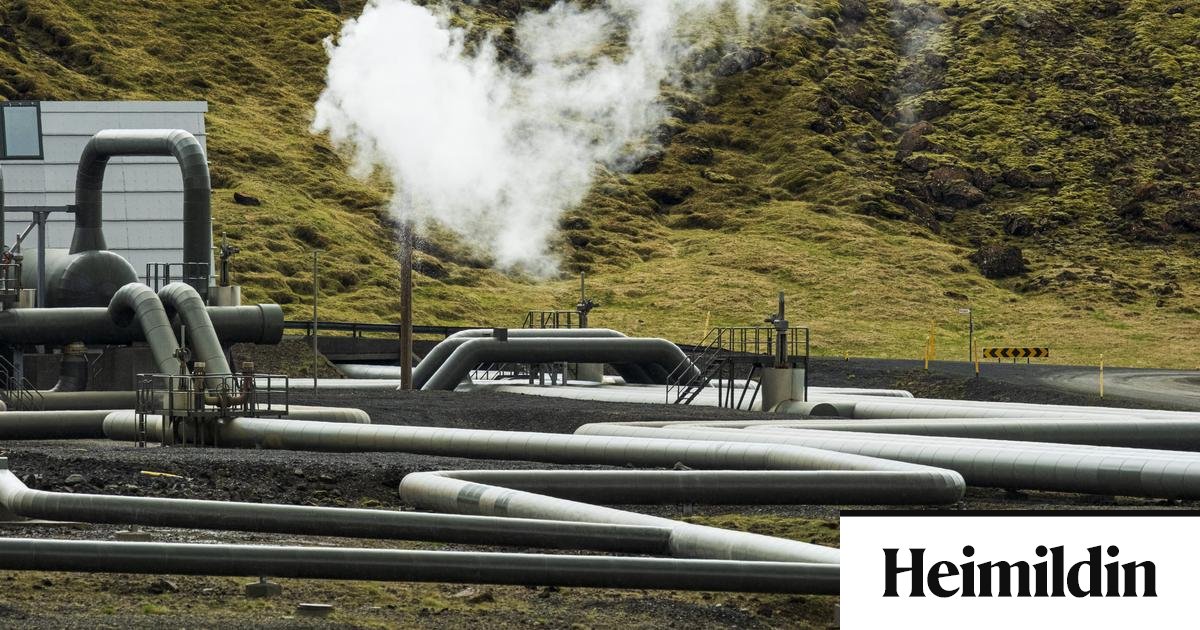
Sigríður Á. Andersen, a Member of Parliament for the Centre Party, asserted in the Althing last week that we were world champions in renewable energy and had reached the technical limits of what could be done to reduce greenhouse-gas emissions. It is true that Iceland enjoys a unique position when it comes to renewable energy: electricity and home heating are based almost entirely on hydropower and geothermal energy. This is a valuable achievement, and something of which we should be proud. But it is by no means the same as saying that we have reached the limits of what can be done on climate issues.
Sigríður Á. Andersen þingmaður Miðflokksins fullyrti á Alþingi í liðinni viku að við værum heimsmeistarar í endurnýjanlegri orku og komin að tæknilegum þolmörkum þegar kæmi að því að draga úr losun gróðurhúsalofttegunda. Það er rétt að Ísland nýtur einstakrar stöðu þegar kemur að endurnýjanlegri orku: raforka og húshitun byggjast nær alfarið á vatnsafli og jarðvarma. Þetta er verðmætur árangur og eitthvað sem við eigum að vera stolt af. En það er alls ekki það sama og að við séum komin að þolmörkum í loftslagsmálum.
On the contrary, the figures show that we still have a long way to go. According to the Environment and Energy Agency, Iceland’s total emissions, including land use, were 11 million tonnes of CO2-equivalent in 2024 and rose by 1.4 percent year on year. Social emissions, that is, emissions under Iceland’s direct responsibility, increased by 2 percent, and emissions from stationary industry by 4.2 percent. It is therefore misleading to claim that we are doing so well that climate action matters little. The data show that Iceland’s per-capita emissions are considerably above the OECD average, despite its clean electricity.
Þvert á móti sýna tölurnar að langt er í land. Samkvæmt Umhverfis- og orkustofnun var heildarlosun Íslands, að landnotkun meðtalinni, 11 milljónir tonna CO₂-ígilda árið 2024 og jókst um 1,4% milli ára. Samfélagslosun, það er losun á beinni ábyrgð Íslands, jókst um 2%, og losun frá staðbundnum iðnaði um 4,2%. Það er því villandi að halda því fram að við stöndum svo vel að loftslagsaðgerðir skipti litlu máli. Gögn sýna að losun Íslands á mann er töluvert yfir meðaltali OECD-ríkja, þrátt fyrir hreina raforku.
We are a wealthy nation, with high consumption, high emissions per person, and great scope to do better. When our consumption is taken into account, the picture becomes still clearer: our way of life far exceeds sustainable resource use. The European Environment Agency points out that energy production in Iceland is almost entirely renewable, yet per-capita emissions remain high. Green energy has, among other things, attracted energy-intensive heavy industry here.
Við erum rík þjóð með mikla neyslu, mikla losun á mann og mikla möguleika til að gera betur. Þegar neysla okkar er tekin með í reikninginn verður myndin enn skýrari: lífsstíll okkar er langt umfram sjálfbæra auðlindanotkun. Evrópska umhverfisstofnunin bendir á að orkuframleiðsla á Íslandi sé nær öll endurnýjanleg, en losun á mann engu að síður mikil. Græna orkan hefur meðal annars laðað hingað orkufreka stóriðju.
To say that we are “world champions” in renewable energy must therefore not become an excuse for minimizing the climate problem. It is like saying that someone who does not smoke need not think about diet, exercise, or sleep. One good factor does not erase everything else.
Að segja að við séum „heimsmeistarar“ í endurnýjanlegri orku má því ekki verða afsökun fyrir því að gera lítið úr loftslagsvandanum. Það er eins og að segja að sá sem reykir ekki þurfi ekki að huga að mataræði, hreyfingu eða svefni. Einn góður þáttur afmáir ekki allt hitt.
“It is like saying that someone who does not smoke need not think about diet, exercise, or sleep.”
„Það er eins og að segja að sá sem reykir ekki þurfi ekki að huga að mataræði, hreyfingu eða svefni.“
We ought to be able to hold two things in our heads at once: Yes, Iceland has achieved remarkable success in home heating and electricity generation. No, that does not mean we are exemplary in total emissions, consumption, or responsibility toward climate targets.
Við eigum að geta haldið tvennu í höfðinu í einu: Já, Ísland hefur náð stórkostlegum árangri í húshitun og raforkuframleiðslu. Nei, það þýðir ekki að við séum til fyrirmyndar í heildarlosun, neyslu eða ábyrgð gagnvart loftslagsmarkmiðum.
Icelanders like to see themselves as a responsible nation on climate issues. But responsibility is measured not in self-image, but in actions. It is measured by whether we truly reduce emissions, protect ecosystems, restore wetlands, change transport, reduce waste, and take responsibility for the fact that our way of life is energy- and resource-intensive.
Íslendingar vilja gjarnan sjá sig sem ábyrga þjóð í loftslagsmálum. En ábyrgðin mælist ekki í sjálfsmynd heldur í athöfnum. Hún mælist í því hvort við drögum raunverulega úr losun, verndum vistkerfi, endurheimtum votlendi, breytum samgöngum, minnkum sóun og tökum ábyrgð á því að lífsstíll okkar er orku- og auðlindafrekur.
We have not reached the technical limits of responsibility. We have reached the political limits of excuses.
Við erum ekki komin að tæknilegum þolmörkum ábyrgðar. Við erum komin að pólitískum þolmörkum afsakana.
The author is a member of the climate group Paris 1.5, which campaigns for Iceland to take responsibility in the fight against the climate threat.
Greinarhöfundur er í loftslagshópnum París 1,5 sem berst fyrir því að Ísland taki ábyrgð í baráttunni gegn loftslagsvánni.