Introduction
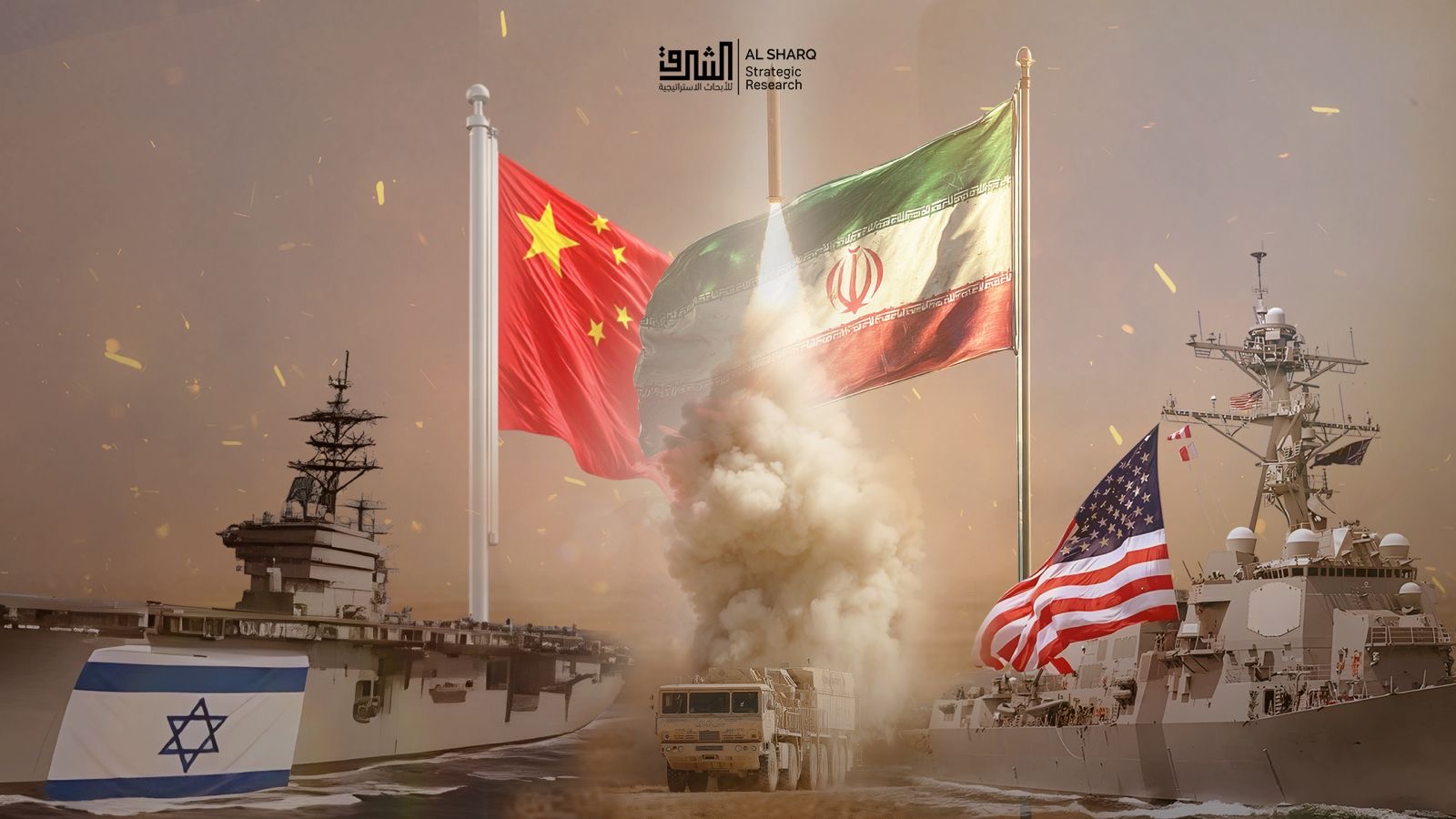
China’s response to the U.S.-Israeli war against Iran is best understood as cautious strategic observation, shaped by energy vulnerability, geopolitical balancing, and the limits of Beijing’s security role in the Middle East.
IntroductionGiriş
The war being waged by the United States of America (U.S.) and Israel against Iran has in a short time become one of the most important geopolitical crises of the past decade. Although the theater of conflict is the Middle East, the war’s strategic consequences extend far beyond the region. For China, this war is a strategic development that must be assessed within the broader structure of global great-power competition. Beijing’s response reflects a stance that may be described as “cautious strategic observation,” shaped by economic vulnerability, geopolitical calculations, and China’s limited security role in the Middle East.
Amerika Birleşik Devletleri (ABD) ve İsrail’in İran’a karşı yürüttüğü savaş kısa sürede son on yılın en önemli jeopolitik krizlerinden biri haline gelmiştir. Çatışmanın sahası Orta Doğu olsa da savaşın stratejik sonuçları bölgenin çok ötesine uzanmaktadır. Çin açısından bu savaş, küresel büyük güç rekabetinin daha geniş yapısı içinde değerlendirilmesi gereken stratejik bir gelişmedir. Pekin’in tepkisi, ekonomik kırılganlık, jeopolitik hesaplar ve Çin’in Orta Doğu’daki sınırlı güvenlik rolü tarafından şekillenen ve “temkinli stratejik gözlem” olarak tanımlanabilecek bir duruşu yansıtmaktadır.
China’s approach to the conflict can be understood through the expression “China the Watcher/Observer.” Beijing is watching the war carefully; while closely tracking its effects on energy security, regional stability, and the technological tendencies of modern warfare, it is avoiding direct military intervention. In this way, China aims to protect its strategic interests without being drawn into a war that has the potential to turn into a broader great-power conflict.
Çin’in çatışmaya yaklaşımı “İzleyen/Gözlemleyen Çin” ifadesi üzerinden anlaşılabilir. Pekin savaşı dikkatle izlemekte; enerji güvenliği, bölgesel istikrar ve modern savaşın teknolojik eğilimleri üzerindeki etkilerini yakından takip ederken doğrudan askeri müdahaleden kaçınmaktadır. Böylece Çin, daha geniş bir büyük güç çatışmasına dönüşme potansiyeli taşıyan bir savaşın içine çekilmeden stratejik çıkarlarını korumayı hedeflemektedir.
China’s Middle East Policy: Economic Engagement and Strategic Prudence
Çin’in Orta Doğu Politikası: Ekonomik Angajman ve Stratejik İhtiyat
China’s approach to the Middle East has historically been shaped by pragmatism rather than ideological affinity. Since the reform period of the late 1970s, Beijing has prioritized economic interaction, energy security, and diplomatic neutrality in its regional policy. Unlike the United States, which has long maintained a military presence in the region, China has largely avoided becoming directly involved in the Middle East’s security architecture.
Çin’in Orta Doğu’ya yaklaşımı tarihsel olarak ideolojik yakınlıktan ziyade pragmatizm üzerinden şekillendirilmiştir. 1970’lerin sonundaki reform döneminden itibaren Pekin bölgesel politikasında ekonomik etkileşimi, enerji güvenliğini ve diplomatik tarafsızlığı öncelemiştir. Bölgede uzun süredir askeri varlık bulunduran ABD’nin aksine, Çin, Orta Doğu güvenlik mimarisine doğrudan dahil olmaktan büyük ölçüde kaçınmıştır.
This approach is closely related to China’s growing economic presence in the region. The Middle East has become one of the central elements of China’s global trade networks and energy supply chains. According to the International Energy Agency, in 2024 China imported roughly 11.3 million barrels of crude oil per day and became the world’s largest oil importer. Approximately 45-50 percent of these imports come from the Middle East, where countries such as Saudi Arabia, Iraq, the United Arab Emirates, and Iran are major suppliers.
Bu yaklaşım Çin’in bölgedeki artan ekonomik varlığıyla yakından ilişkilidir. Orta Doğu, Çin’in küresel ticaret ağları ve enerji tedarik zincirlerinin merkezi unsurlarından biri haline gelmiştir. Uluslararası Enerji Ajansı’na göre Çin 2024 yılında günde yaklaşık 11,3 milyon varil ham petrol ithal etmiş ve dünyanın en büyük petrol ithalatçısı olmuştur. Bu ithalatın yaklaşık yüzde 45–50’si Suudi Arabistan, Irak, Birleşik Arap Emirlikleri ve İran gibi ülkelerin başlıca tedarikçiler olduğu Orta Doğu’dan gelmektedir.
The region’s strategic importance is further heightened by China’s dependence on seaborne energy routes. The Strait of Hormuz, through which roughly 20 percent of global oil trade passes every day, is of particular critical importance for China. Estimates suggest that approximately 40-45 percent of China’s seaborne oil imports pass through the Strait of Hormuz. For this reason, any disruption in the Gulf would constitute a direct threat to China’s energy security.
Bölgenin stratejik önemi Çin’in deniz yoluyla taşınan enerji hatlarına olan bağımlılığıyla daha da artmaktadır. Her gün küresel petrol ticaretinin yaklaşık yüzde 20’sinin geçtiği Hürmüz Boğazı Çin açısından özellikle kritik önemdedir. Tahminlere göre Çin’in deniz yoluyla gerçekleştirdiği petrol ithalatının yaklaşık yüzde 40–45’i Hürmüz Boğazı’ndan geçmektedir. Bu nedenle Körfez’de yaşanacak herhangi bir kesinti Çin’in enerji güvenliği için doğrudan bir tehdit oluşturmaktadır.
Because of this structural dependence, Beijing has long supported regional stability and diplomatic solutions. China’s official discourse on the current war is built around respect for sovereignty, adherence to the principles of the United Nations Charter, and calls for an urgent de-escalation of tensions. Chinese Foreign Minister Wang Yi has held intensive diplomatic contacts with many regional actors, including Iran, Israel, Saudi Arabia, and the United Arab Emirates, calling for an immediate halt to military operations and a return to political dialogue.
Bu yapısal bağımlılık nedeniyle Pekin uzun süredir bölgesel istikrarı ve diplomatik çözümü desteklemektedir. Çin’in mevcut savaşa ilişkin resmi söylemi egemenliğe saygı, Birleşmiş Milletler Antlaşması’nın ilkelerine bağlılık ve gerilimi acil şekilde düşürme çağrıları üzerine kuruludur. Çin Dışişleri Bakanı Wang Yi İran, İsrail, Suudi Arabistan ve Birleşik Arap Emirlikleri dahil birçok bölgesel aktörle yoğun diplomatik temaslarda bulunarak askeri operasyonların derhal durdurulması ve siyasi diyaloğa dönülmesi çağrısında bulunmuştur.
Yet behind this diplomatic language lies a deeper strategic calculation.
Ancak bu diplomatik dilin arkasında daha derin bir stratejik hesap yatmaktadır.
Why Iran Matters to China
İran Çin İçin Neden Önemli?
Iran occupies a special place in China’s Middle East strategy. Although China has developed broad partnerships across the region, Iran is an important geopolitical and economic partner for Beijing. Iran-China relations are shaped by the following parameters:
İran Çin’in Orta Doğu stratejisinde özel bir konuma sahiptir. Çin bölge genelinde geniş ortaklıklar geliştirmiş olsa da İran Pekin için önemli bir jeopolitik ve ekonomik ortaktır. İran- Çin ilişkileri şu parametreler üzerinden şekillenmektedir:
First, Iran is an important energy supplier. Despite international sanctions, China has remained one of the chief buyers of Iranian oil, often through indirect or discounted trade arrangements. According to some estimates, China purchases more than 1 million barrels of Iranian oil per day, making it the largest importer of Iranian oil.
Birincisi, İran önemli bir enerji tedarikçisidir. Uluslararası yaptırımlara rağmen Çin, çoğu zaman dolaylı veya indirimli ticaret düzenlemeleri aracılığıyla İran petrolünün başlıca alıcılarından biri olmaya devam etmiştir. Bazı tahminlere göre Çin günde 1 milyon varilden fazla İran petrolü satın almakta ve bu da onu İran petrolünün en büyük ithalatçısı yapmaktadır.
Second, Iran functions as a geopolitical counterweight to American influence in the Middle East. From Beijing’s perspective, a relatively strong and stable Iran helps limit the establishment of complete U.S. dominance in the region. China is not seeking direct confrontation with the United States in the Middle East, but neither does it want Iran to be weakened to the point of strategic collapse.
İkincisi, İran Orta Doğu’da Amerikan etkisine karşı bir jeopolitik denge unsuru işlevi görmektedir. Pekin açısından nispeten güçlü ve istikrarlı bir İran, ABD’nin bölgede tam hakimiyet kurmasını sınırlamaya yardımcı olmaktadır. Çin Orta Doğu’da ABD ile doğrudan bir çatışma arayışında değildir, ancak İran’ın stratejik çöküşe uğrayacak kadar zayıflamasını da istememektedir.
Third, Iran plays an important role in China’s broader strategy of Eurasian connectivity. The country lies at a critical crossroads linking Central Asia, the Persian Gulf, and the Eastern Mediterranean. Within the framework of the Belt and Road Initiative, Iran is seen as a potential hub for overland transport corridors connecting Asia to Europe.
Üçüncüsü, İran Çin’in daha geniş Avrasya bağlantısallığı stratejisinde önemli bir rol oynamaktadır. Ülke Orta Asya, Basra Körfezi ve Doğu Akdeniz’i birbirine bağlayan kritik bir kavşakta yer almaktadır. Kuşak ve Yol Girişimi çerçevesinde İran, Asya’yı Avrupa’ya bağlayan kara ulaşım koridorları için potansiyel bir merkez olarak görülmektedir.
For these reasons, China has consistently criticized military escalation against Iran and has assessed the recent attacks as violations of international law and the principles of state sovereignty.
Bu nedenlerle Çin İran’a karşı askeri tırmanışı sürekli olarak eleştirmiş ve son saldırıları uluslararası hukuk ile devlet egemenliği ilkelerinin ihlali olarak değerlendirmiştir.
A Policy of Balance Between Iran and the Gulfİran ile Körfez Arasında Denge Politikası
Despite the parameters mentioned above, China carefully avoids full alignment with Iran. Beijing’s regional policy rests on a delicate balance among rival actors in the Middle East. The Gulf monarchies, especially Saudi Arabia and the United Arab Emirates, are among China’s most important economic partners in the region. In recent years, Saudi Arabia has become one of China’s largest oil suppliers, providing roughly 1.7 million barrels per day. The UAE, meanwhile, has become an important partner in logistics, port infrastructure, and renewable energy projects.
Yukarıda bahsedilen parametrelere rağmen Çin İran ile tam bir hizalanmadan dikkatle kaçınmaktadır. Pekin’in bölgesel politikası Orta Doğu’daki rakip aktörler arasında hassas bir denge üzerine kuruludur. Körfez monarşileri, özellikle Suudi Arabistan ve Birleşik Arap Emirlikleri, Çin’in bölgedeki en önemli ekonomik ortakları arasındadır. Suudi Arabistan son yıllarda günde yaklaşık 1,7 milyon varil petrol sağlayarak Çin’in en büyük petrol tedarikçilerinden biri olmuştur. BAE ise lojistik, liman altyapısı ve yenilenebilir enerji projelerinde önemli bir ortak haline gelmiştir.
China has also developed institutionalized relations with the Gulf Cooperation Council (GCC), including strategic dialogues and long-term frameworks for economic cooperation. Trade between China and the GCC exceeded 315 billion dollars in 2023. This has made China the GCC’s largest trading partner.
Ayrıca Çin, Körfez İşbirliği Konseyi (KİK) ile stratejik diyaloglar ve uzun vadeli ekonomik iş birliği çerçeveleri dahil kurumsallaşmış ilişkiler geliştirmiştir. Çin ile KİK arasındaki ticaret 2023 yılında 315 milyar doları aşmıştır. Bu durum Çin’i KİK’in en büyük ticaret ortağı haline getirmiştir.
For this reason, Beijing does not have the luxury of assessing the regional conflict solely through the lens of its partnership with Iran. An open military or strategic alignment with Tehran would risk alienating important partners in the Gulf and endangering China’s energy and investment interests.
Bu nedenle Pekin bölgesel çatışmayı yalnızca İran ile olan ortaklığı üzerinden değerlendirme lüksüne sahip değildir. Tahran ile açık bir askeri veya stratejik hizalanma Körfez’deki önemli ortakları yabancılaştırma ve Çin’in enerji ile yatırım çıkarlarını tehlikeye atma riskini doğuracaktır.
Another factor explaining China’s cautious stance is its relatively stable relationship with Israel. Although Beijing has criticized military escalation and emphasized international law and sovereignty, it has avoided directly targeting Israel in its official statements. The reason is that China-Israel relations have historically developed on the basis of economic and technological cooperation rather than geopolitical alliance. Over the past two decades, Israel has become an important partner for China in innovation, agricultural technologies, and high technology. Trade between the two countries has in recent years reached approximately 22-24 billion dollars. For this reason, Beijing prefers to view the current war not merely as a conflict between Israel and Iran, but as part of the Middle East’s long-standing regional tensions and unresolved security dilemmas. From China’s perspective, entering into open confrontation with Israel would offer limited strategic gains while also carrying the risk of needlessly damaging a functioning economic relationship.
Çin’in temkinli duruşunu açıklayan bir diğer unsur ise İsrail ile nispeten istikrarlı ilişkisidir. Pekin askeri tırmanışı eleştirmiş ve uluslararası hukuk ile egemenlik vurgusu yapmış olsa da resmi açıklamalarında İsrail’i doğrudan hedef almaktan kaçınmıştır. Bunun nedeni Çin–İsrail ilişkilerinin tarihsel olarak jeopolitik ittifaktan ziyade ekonomik ve teknolojik iş birliği temelinde gelişmiş olmasıdır. Son yirmi yılda İsrail inovasyon, tarım teknolojileri ve yüksek teknoloji alanlarında Çin için önemli bir ortak haline gelmiştir. İki ülke arasındaki ticaret son yıllarda yaklaşık 22–24 milyar dolar seviyesine ulaşmıştır. Bu nedenle Pekin mevcut savaşı yalnızca İsrail ile İran arasındaki bir çatışma olarak değil, Orta Doğu’nun uzun süredir devam eden bölgesel gerilimleri ve çözülememiş güvenlik ikilemlerinin bir parçası olarak görmeyi tercih etmektedir. Çin açısından İsrail ile açık bir çatışmaya girmek, sınırlı stratejik kazançlar sağlayacağı gibi işleyen bir ekonomik ilişkiye gereksiz zarar verme riski de taşıyacaktır.
This balancing strategy explains why China’s response to the war has remained largely diplomatic.
Bu denge stratejisi Çin’in savaşa verdiği tepkinin neden büyük ölçüde diplomatik kaldığını açıklamaktadır.
War as a Strategic LaboratoryStratejik Laboratuvar Olarak Savaş
Although China avoids direct intervention, the conflict is being closely studied by Chinese strategic circles. In many respects, this war functions as a strategic laboratory from which China can draw lessons about the nature of future wars.
Çin doğrudan müdahaleden kaçınsa da çatışma Çinli stratejik çevreler tarafından yakından incelenmektedir. Pek çok açıdan bu savaş, Çin’in gelecekteki savaşların doğası hakkında dersler çıkarabileceği bir stratejik laboratuvar işlevi görmektedir.
Chinese analysts draw particular attention to high-precision strike capabilities, such as long-range missiles and precision-guided munitions. The war has demonstrated the growing importance of precision-guided weapons in targeting critical infrastructure and military command centers.
Çinli analistler özellikle uzun menzilli füzeler ve hassas güdümlü mühimmatlar gibi yüksek hassasiyetli saldırı kabiliyetlerine dikkat çekmektedir. Savaş, kritik altyapı ve askeri komuta merkezlerinin hedef alınmasında hassas güdümlü silahların artan önemini göstermiştir.
Another area of observation is artificial intelligence and autonomous systems. On modern battlefields, AI-supported targeting, real-time data processing, and network-centric command systems are being used with increasing frequency. Chinese analysts emphasize that AI-supported intelligence systems and advanced sensor networks can significantly increase situational awareness and operational effectiveness. Satellite navigation and reconnaissance systems are also being watched closely. The BeiDou satellite navigation system, which serves as an alternative to the U.S. GPS network, has become an increasingly important component of China’s military modernization. Observing how these systems operate in a high-intensity conflict environment provides valuable data for China’s defense planning.
Bir diğer gözlem alanı yapay zeka ve otonom sistemlerdir. Modern savaş alanlarında yapay zeka destekli hedefleme, gerçek zamanlı veri işleme ve ağ merkezli komuta sistemleri giderek daha fazla kullanılmaktadır. Çinli analistler, yapay zeka destekli istihbarat sistemleri ile gelişmiş sensör ağlarının durumsal farkındalığı ve operasyonel etkinliği önemli ölçüde artırabileceğini vurgulamaktadır. Uydu navigasyon ve keşif sistemleri de yakından izlenmektedir. ABD’nin GPS ağına alternatif olarak hizmet veren BeiDou uydu navigasyon sistemi, Çin’in askeri modernizasyonunun giderek daha önemli bir bileşeni haline gelmiştir. Bu sistemlerin yüksek yoğunluklu bir çatışma ortamında nasıl işlediğini gözlemlemek Çin’in savunma planlaması açısından değerli veriler sağlamaktadır.
In addition, the war has revealed the strategic importance of air defense and anti-access/area-denial (A2/AD) capabilities, especially in protecting critical infrastructure and urban centers from missile and unmanned aerial vehicle attacks. For Beijing, this conflict offers a rare opportunity to observe how advanced military technologies perform under real combat conditions.
Buna ek olarak, savaş, özellikle kritik altyapı ve şehir merkezlerini füze ve insansız hava aracı saldırılarından korumada hava savunması ile erişimi engelleme/alan reddetme (A2/AD) kabiliyetlerinin stratejik önemini ortaya koymuştur. Pekin açısından bu çatışma, gelişmiş askeri teknolojilerin gerçek savaş koşullarında nasıl performans gösterdiğini gözlemlemek için nadir bir fırsat sunmaktadır.
Beyond the Middle East, Chinese strategists are also examining this conflict in the context of possible scenarios in the Indo-Pacific, especially the Taiwan question. For Beijing, observing how the United States mobilizes its military power, intelligence capacity, and allied coordination in the Iran crisis offers valuable clues as to how Washington might respond to a future Taiwan scenario. This conflict provides an opportunity to assess the operational readiness of U.S. forces, the speed of power projection, and the integration of advanced technologies such as satellite-based targeting, artificial intelligence, and precision-strike systems. In this respect, the war functions as an indirect point of reference for China’s own strategic planning regarding Taiwan and for the broader military balance in the Asia-Pacific, including the growing U.S. military presence and fortification activities in the South China Sea. By closely monitoring these dynamics, Beijing aims to better understand both the strengths and the constraints of American military power in distant theaters of operation.
Orta Doğu’nun ötesinde Çinli stratejistler bu çatışmayı Hint-Pasifik’teki olası senaryolar, özellikle de Tayvan meselesi bağlamında da incelemektedir. Pekin açısından İran krizinde ABD’nin askeri gücünü, istihbarat kapasitesini ve müttefik koordinasyonunu nasıl seferber ettiğini gözlemlemek, Washington’un gelecekte ortaya çıkabilecek bir Tayvan senaryosuna nasıl tepki verebileceğine dair değerli ipuçları sunmaktadır. Bu çatışma, ABD kuvvetlerinin operasyonel hazırlık düzeyini, güç projeksiyon hızını ve uydu tabanlı hedefleme, yapay zeka ve hassas vuruş sistemleri gibi ileri teknolojilerin entegrasyonunu değerlendirmek için bir fırsat sağlamaktadır. Bu bakımdan savaş, Çin’in Tayvan’a ilişkin kendi stratejik planlaması ve Güney Çin Denizi’ndeki artan ABD askeri varlığı ile tahkimat faaliyetleri de dahil olmak üzere Asya-Pasifik’teki daha geniş askeri denge açısından dolaylı bir referans noktası işlevi görmektedir. Bu dinamikleri yakından izleyerek, Pekin, uzak harekât sahalarında Amerikan askeri gücünün hem güçlü yönlerini hem de kısıtlarını daha iyi anlamayı hedeflemektedir.
Domestic Politics, Constraints, and Strategic Prioritiesİç Siyaset, Kısıtlar ve Stratejik Öncelikler
China’s cautious approach to the war is also shaped by domestic political dynamics. During the period in which the conflict is unfolding, China’s political leadership has been focused largely on domestic political and economic priorities. In the country’s annual “Two Sessions-Lianghui” process, which brings together the National People’s Congress and the Chinese People’s Political Consultative Conference, important economic and governance issues are addressed, including the next stage of national development planning.
Çin’in savaşa yönelik temkinli yaklaşımı aynı zamanda iç siyasi dinamikler tarafından da şekillenmektedir. Çatışmanın yaşandığı dönemde Çin’in siyasi liderliği büyük ölçüde iç siyasi ve ekonomik önceliklerine odaklanmıştır. Ülkenin yıllık “İki Toplantı-Liang Hui” (Ulusal Halk Kongresi ile Çin Halk Siyasi Danışma Konferansı’nı bir araya getiren toplantılar) sürecinde, ulusal kalkınma planlamasının bir sonraki aşaması da dahil olmak üzere önemli ekonomik ve yönetişim meseleleri ele alınmaktadır.
The outlook for the Chinese economy remains under pressure because of slowing growth, youth unemployment, and structural problems in the real estate sector. At the same time, policymakers are preparing the 2026-2030 development agenda, which will determine China’s economic and technological orientation over the coming decade.
Çin ekonomisinin görünümü büyümedeki yavaşlama, genç işsizliği ve gayrimenkul sektöründeki yapısal sorunlar nedeniyle baskı altında kalmaya devam etmektedir. Aynı zamanda politika yapıcılar önümüzdeki on yıl boyunca Çin’in ekonomik ve teknolojik yönelimini belirleyecek olan 2026–2030 kalkınma gündeminin hazırlıklarını yürütmektedir.
In addition to these economic concerns, China’s leadership is also managing institutional adjustments within the military and political system. All these factors further strengthen Beijing’s preference for strategic caution in the face of external conflicts.
Bu ekonomik kaygılara ek olarak Çin yönetimi askeri ve siyasi sistem içerisindeki kurumsal düzenlemeleri de yönetmektedir. Tüm bu faktörler Pekin’in dış çatışmalar karşısında stratejik temkini tercih etmesini daha da güçlendirmektedir.
Put simply, at a time when China’s leadership is focused on domestic stability and long-term economic restructuring, it has no strong incentive to become deeply involved in a volatile Middle Eastern war.
Basitçe ifade etmek gerekirse, Çin yönetiminin iç istikrar ve uzun vadeli ekonomik yeniden yapılanmaya odaklandığı bir dönemde, dalgalı bir Orta Doğu savaşına derin biçimde dahil olması için güçlü bir teşviki bulunmamaktadır.
The Strategy of “Defensive Observation”‘Savunmacı Gözlem’ Stratejisi
The dynamics mentioned above help explain China’s current attitude toward the war. Rather than actively involving itself in the present crisis, Beijing appears to be pursuing a strategy of defensive observation. China is monitoring the conflict closely and assessing its effects on energy markets, military technologies, and regional geopolitical balances.
Yukarıda bahsedilen dinamikler Çin’in savaşa yönelik mevcut tutumunu açıklamaya yardımcı olmaktadır. Pekin, mevcut krize aktif bir şekilde müdahil olmak yerine savunmacı bir gözlem stratejisi izliyor görünmektedir. Çin çatışmayı yakından takip etmekte; enerji piyasaları, askeri teknolojiler ve bölgesel jeopolitik dengeler üzerindeki etkilerini değerlendirmektedir.
At the same time, China is taking certain steps to reduce possible risks. The Chinese government has evacuated thousands of Chinese citizens from Iran and issued various security warnings. Beijing is also keeping diplomatic channels active in order to encourage de-escalation and prevent the conflict from turning into a wider regional war.
Aynı zamanda Çin olası riskleri azaltmak için bazı adımlar da atmaktadır. Çin hükümeti İran’dan binlerce Çin vatandaşını tahliye etmiş ve çeşitli güvenlik uyarıları yayımlamıştır. Pekin, gerilimin düşürülmesini teşvik etmek ve çatışmanın daha geniş çaplı bir bölgesel savaşa dönüşmesini engellemek amacıyla diplomatik kanalları da aktif tutmaktadır.
Most importantly, China is trying to avoid being drawn into a direct confrontation with the United States in a region where American military capacity still predominates.
En önemlisi ise Çin Amerikan askeri kapasitesinin hâlâ baskın olduğu bir bölgede ABD ile doğrudan bir çatışmanın içine girmekten kaçınmaya çalışmaktadır.
ConclusionSonuç
The war being waged by the United States and Israel against Iran reveals the increasingly complex nature of China’s role in the Middle East. Although Beijing now has significant economic and geopolitical interests in the region, it still has neither sufficient capacity nor the will to assume a comprehensive security role on a scale comparable to that of the United States.
ABD ve İsrail’in İran’a karşı yürüttüğü savaş, Çin’in Orta Doğu’daki rolünün giderek daha karmaşık hale gelen doğasını ortaya koymaktadır. Pekin artık bölgede önemli ekonomik ve jeopolitik çıkarlara sahip olsa da ABD ile karşılaştırılabilecek ölçekte kapsamlı bir güvenlik rolü üstlenmek için hem yeterli kapasiteye hem de böyle bir role yönelik iradeye henüz sahip değildir.
It is therefore pursuing a strategy that may be described as “China the Watcher/Observer.” Beijing is carefully monitoring the conflict, drawing lessons from its technological and strategic dynamics, and preparing for its possible global consequences.
Bu nedenle “İzleyen/Gözlemleyen Çin” olarak da tanımlanabilecek bir strateji izlemektedir. Pekin çatışmayı dikkatle izlemekte, onun teknolojik ve stratejik dinamiklerinden dersler çıkarmakta ve olası küresel sonuçlarına hazırlanmaktadır.
This attitude reflects a broader reality of contemporary international politics. As great-power competition intensifies, regional wars are increasingly becoming arenas in which new technologies, strategic doctrines, and geopolitical alignments are tested.
Bu tutum, günümüz uluslararası siyasetinin daha geniş bir gerçeğini yansıtmaktadır. Büyük güç rekabeti yoğunlaştıkça, bölgesel savaşlar giderek yeni teknolojilerin, stratejik doktrinlerin ve jeopolitik hizalanmaların test edildiği alanlara dönüşmektedir.
For China, the situation in Iran is less a battlefield than a strategic observatory. Rather than direct intervention, China continues to occupy the position of a cautious observer focused on energy flows, logistical disruptions, and the costs of regional instability.
Çin açısından İran’daki durum bir savaş alanından çok bir stratejik gözlemevi niteliği taşımaktadır. Çin doğrudan müdahaleden ziyade enerji akışlarına, lojistik aksamalara ve bölgesel istikrarsızlığın maliyetlerine odaklanan temkinli bir gözlemci konumunu sürdürmektedir.