صمود الحياد الخليجي في الحرب الأمريكية-الإسرائيلية-الإيرانية
The piece argues that Iranian pressure on Gulf states exposes the fragility of traditional neutrality in an era when alliances, bases, energy infrastructure, and maritime routes turn political nonalignment into a contested strategic space.
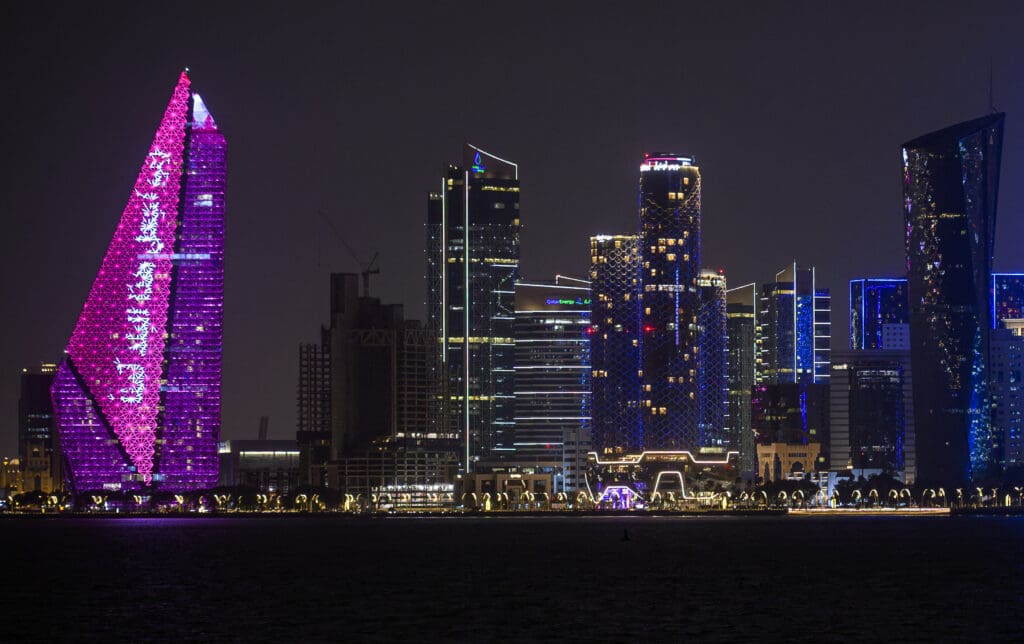
أشعلت الضربات المشتركة التي شنّتها الولايات المتحدة وإسرائيل على إيران، والتي أسفرت عن مقتل المرشد الأعلى للثورة الإسلامية آية الله علي خامنئي، حرباً امتدت لتشمل جزءاً واسعاً من منطقة الخليج.1 ورغم إعلان عدد من الدول الخليجية عدم سماحها باستخدام أراضيها من قبل الولايات المتحدة أو إسرائيل في الحرب، فإن ذلك لم يمنع إيران من استهداف أصول عسكرية أمريكية في دول مجلس التعاون الخليجي، ملحقةّ أضراراً أيضاً بالبنية التحتية المدنيّة.2 3في المقابل، تواصل الدفاعات الجوّية في الدول الخليجية اعتراض صواريخ وطائرات مسيّرة في حوادث شبه يومية، ما يضع حكومات المنطقة تحت ضغوط متزايدة للرد على هذه الهجمات، رغم حرصها على تجنّب الانخراط المباشر في الحرب.4
The joint strikes carried out by the United States and Israel against Iran, which resulted in the killing of the Supreme Leader of the Islamic Revolution, Ayatollah Ali Khamenei, ignited a war that spread to encompass a wide part of the Gulf region.1 Although a number of Gulf states announced that they would not allow their territories to be used by the United States or Israel in the war, this did not prevent Iran from targeting American military assets in the countries of the Gulf Cooperation Council, also inflicting damage on civilian infrastructure.2 3 In response, the air defenses of the Gulf states continue to intercept missiles and drones in near-daily incidents, placing the region’s governments under growing pressure to respond to these attacks, despite their determination to avoid direct involvement in the war.4
في ظلّ تصاعد الضغوط الإيرانية على دول الخليج، تجد المنطقة نفسها في بيئة أمنية شديدة التعقيد لم يعد يسهل فيها الفصل بوضوح بين حالتَي السلم والحرب. فمن جهة، تسعى هذه الدول إلى تجنّب الانخراط المباشر في مواجهة مفتوحة، حفاظاً على مكتسباتها الاقتصادية والتنموية، وحرصاً منها على حُسن علاقاتها مع القوى العالمية والإقليمية. لكن في الوقت نفسه، لا يمكن لهذه الدول أن تتجاهل أمنها الوطني وبنيتها لتحتية الحيوية، لا سيّما في مجالات الطاقة والملاحة البحرية والاتصالات، والتي أصبحت عملياً ساحات مناورة بين القوى الكبرى والأطراف الإقليمية.
As Iranian pressure on the Gulf states intensifies, the region finds itself in an exceedingly complex security environment in which it is no longer easy to draw a clear line between peace and war. On the one hand, these states seek to avoid direct involvement in an open confrontation, in order to preserve their economic and developmental gains and to maintain good relations with global and regional powers. At the same time, however, these states cannot ignore their national security or their vital infrastructure, especially in the fields of energy, maritime navigation, and communications, which have in practice become arenas of maneuver among major powers and regional actors.
Amid this increasingly complex conflict, neutrality has come to be seen as weakness, as the Gulf states are turned into an arena for the exchange of strategic messages among adversaries before they potentially become an actual battlefield.
وفي خضمّ هذا الصراع الذي يزداد تعقيداً، أصبح يُنظر للحياد على أنه ضعف، حيث تتحوّل الدول الخليجية إلى ساحة لتبادل الرسائل الإستراتيجية بين الخصوم، قبل أن تتحوّل إلى ساحة مواجهة فعلية محتملة.
This policy paper shows that the escalation between the United States of America and Iran has exposed the extent to which the traditional neutrality upheld by the Gulf states can endure. Accordingly, these states are now required to strike a balance between deterrence and diplomatic efforts, in a way that protects their sovereignty and vital infrastructure while avoiding being dragged into a wider confrontation.
تُبيّن ورقة السياسات هذه أنّ التصعيد بين الولايات المتحدة الأمريكية وإيران كشف مدى إمكانية صمود الحياد التقليدي الذي تتمسك به دول الخليج. وبالتالي، باتت هذه الدول مطالَبة بتحقيق توازن بين الردع والجهود الدبلوماسية، بما يحمي سيادتها وبنيتها التحتية الحيوية، وتجنّب الانجرار إلى مواجهة أوسع.
There is no doubt that current developments in the Middle East reflect a return to old conflicts, but they also point to a fundamental transformation in the nature of the wars the region is experiencing. Conflicts are no longer confined to clear fronts and fixed battle lines; rather, they increasingly extend to energy infrastructure, maritime navigation routes, and instruments of economic pressure. In this context, neutrality is no longer measured only by official statements or diplomatic declarations, but also by the nature of the environment encompassed by operations, including military infrastructure and security partnerships.
لا شكّ أن التطوّرات الراهنة في الشرق الأوسط تعكس العودة إلى الصراعات القديمة ولكنها تُشير إلى تحوّل جوهري في طبيعة الحروب التي تخوضها المنطقة. فلم تعد النزاعات محصورة بجبهات واضحة وخطوط قتال ثابتة، بل تمتد بصورة متزايدة إلى البنى التحتية للطاقة ومسارات الملاحة البحرية وأدوات الضغط الاقتصادي. وفي هذا السياق، لم يعد الحياد يُقاس بالبيانات الرسمية أو التصريحات الدبلوماسية فحسب، بل أيضاً بطبيعة البيئة التي تشملها العمليات، بما فيها البنية العسكرية والشراكات الأمنية.
The presence of Western military bases alongside logistical and intelligence networks linked to regional security alliances5 makes the Gulf states, according to Iranian calculations, part of the war even if these states do not participate directly in military operations. The United States alone maintains a network of bases, naval facilities, and forward operating points in at least 19 locations in the Middle East, including eight permanent bases in the region spanning Bahrain, Kuwait, Qatar, Saudi Arabia, and the United Arab Emirates.6 7 Thus, political neutrality on the ground inevitably collides with the reality of logistical and technical involvement.
فوجود قواعد عسكرية غربية إلى جانب شبكات لوجستية واستخباراتية مرتبطة بتحالفات أمنية إقليمية،5 يجعل الدول الخليجية، وفق الحسابات الإيرانية، جزءاً من الحرب حتى وإن لم تشارك هذه الدول مباشرة في العمليات العسكرية. حيث تحتفظ الولايات المتحدة وحدها بشبكة من القواعد والمنشآت البحرية ونقاط عمليات متقدّمة في ما لا يقلّ عن 19 موقعاً في الشرق الأوسط، بينها ثماني قواعد دائمة في المنطقة تشمل البحرين، والكويت، وقطر، والسعودية، والإمارات العربية المتحدة.6 7 وبذلك، يصطدم الحياد السياسي على أرض الواقع حتماً بحقيقة الانخراط اللوجستي والتقني.
From the Iranian strategic perspective, expanding the scope of targets covered by deterrence is at once a tactical and a political necessity. The targets are not limited to Tehran’s direct adversaries, but extend as well to their allies and partners. From this standpoint, targeting the Gulf states, despite their declared neutrality, seeks to achieve two basic aims. The first lies in sending a message to the United States that the security of its partners in the region is not insulated from the consequences of escalation, and that any war in the region will translate into a steep economic and security cost for the external powers involved in it. The second message is directed at the Gulf states themselves, warning them that the cost of hosting Western military and logistical infrastructure will inevitably rise in wartime,8 and that the presence of these facilities amounts, from the Iranian point of view, to implicit participation in the confrontation. According to this logic, political neutrality is transformed in military calculations into what may be described as “incomplete neutrality.” A state may proclaim full neutrality, yet in practice remain vulnerable to pressure and targeting. Targeting thus becomes an instrument of pressure intended to influence an adversary’s behavior within the regional environment, which may push Gulf states to reconsider their alliances, or at least to reduce their role in supporting international coalitions.
من المنظور الإستراتيجي الإيراني، يُعدّ توسيع نطاق الأهداف المشمولة بالردع ضرورة تكتيكية وسياسية في آن معاً. فالأهداف لا تقتصر على الخصوم المباشرين لطهران، بل تمتدّ أيضاً إلى حلفائهم وشركائهم. من هذا المنطلق، يرمي استهداف الدول الخليجية، رغم إعلانها الحياد، إلى تحقيق غايتين أساسيتين. الأولى تكمن في إيصال رسالة إلى الولايات المتحدة مفادها أنّ أمن شركائها في المنطقة ليس بمنأى عن تداعيات التصعيد، وأنّ أي حرب في المنطقة ستترجم إلى كلفة اقتصادية وأمنية باهظة للقوى الخارجية المنخرطة فيها. أمّا الرسالة الثانية فموجّهة إلى الدول الخليجية نفسها، تحذّرها من أنّ كلفة استضافة البنية العسكرية واللوجستية الغربية سترتفع حتماً في أوقات الحرب،8 وأن وجود هذه المنشآت يُعدّ مشاركة ضمنية في المواجهة من وجهة النظر الإيرانية. بموجب هذا المنطق، يتحوّل الحياد السياسي في الحسابات العسكرية إلى ما يمكن وصفه بـ”حياد غير مكتمل”. فقد تعلن الدولة الحياد الكامل، لكنّها تظلّ عمليّاً عرضة للضغط والاستهداف. هكذا، يصبح الاستهداف أداة ضغط تهدف إلى التأثير في سلوك الخصم ضمن البيئة الإقليمية، وهو ما قد يدفع دول الخليج إلى إعادة النظر في تحالفاتها، أو على الأقلّ إلى تقليص دورها في دعم التحالفات الدولية.
This equation places the Gulf states before two contradictory choices. The first is direct military involvement in the war, a choice that entails unpredictable risks of escalation and a high cost, in addition to the possibility that development resources will be diverted toward the war effort, with long-term consequences for their economic and social models. The second choice is to confine the response within a calculated defensive framework, while working to entrench a deterrence equation capable of preventing the recurrence of such targeting, or at least limiting its frequency and scale.
تضع هذه المعادلة دول الخليج أمام خيارين متناقضين. الأوّل، الانخراط العسكري المباشر في الحرب، وهو خيار ينطوي على مخاطر تصعيد لا يمكن توقّعها وكلفة مرتفعة، فضلاً عن احتمال توجيه موارد التنمية نحو المجهود الحربي، بما قد يخلّف آثاراً طويلة الأمد على نماذجها الاقتصادية والاجتماعية. أمّا الخيار الثاني فيتمثل في حصر الردّ ضمن إطار دفاعي محسوب، مع العمل على ترسيخ معادلة ردع قادرة على منع تكرار مثل هذه الاستهدافات، أو على الأقلّ الحدّ من وتيرتها وحجمها.
Here, history offers a clear example. When Saddam Hussein invaded Kuwait in 1990, he tried to drag Israel into the confrontation by launching Scud missiles at its territory.9 Israel, however, took the decision not to enter the fighting directly, keeping the confrontation within the framework of the international coalition led by the United States of America. That was a strategic decision to contain the provocation and avoid widening the conflict in a way that might ultimately serve the adversary. This experience is not an argument for surrender or hesitation in defending sovereignty; rather, it shows that a response does not always require full engagement or escalation into open confrontation. At times, the most effective deterrence lies in denying the adversary the achievement of its aim of expanding the theater of war, thereby sparing the region a slide into a multi-front war whose course no party would be able to control.
هنا، يقدّم التاريخ مثالاً واضحاً على ذلك. فعندما غزا صدّام حسين الكويت عام 1990، حاول جرّ إسرائيل إلى المواجهة عبر إطلاق صواريخ “سكود” على أراضيها.9 غير أن إسرائيل اتخذت القرار بعدم الانخراط مباشرة في القتال، مُبقية المواجهة ضمن إطار التحالف الدولي بقيادة الولايات المتحدة الأمريكية. كان ذلك قراراً إستراتيجياً في احتواء الاستفزاز لتجنّب توسيع نطاق الصراع بطريقة قد تخدم الخصم في نهاية المطاف. ولا تعني هذه التجربة الدعوة إلى الاستسلام أو التردّد في الدفاع عن السيادة، بل تظهر أنّ الردّ لا يقتضي دائماً الانخراط الكامل أو التصعيد نحو مواجهة مفتوحة. ففي بعض الأحيان، الردع الأكثر فاعلية يكون في حرمان الخصم من تحقيق هدفه في توسيع مسرح الحرب، ما يجنّب المنطقة الانزلاق إلى حرب متعدّدة الجبهات ليس بوسع أي طرف السيطرة على مسارها.
Being drawn into a long war of attrition with Iran evokes the experience of the Iran-Iraq War of the 1980s, which left hundreds of thousands dead and inflicted grave damage on the economies and infrastructure of both countries over eight years, leaving immense losses from which the two states needed decades to recover.10 Today, the cost of a similar scenario would be far higher, given the deep integration of Gulf economies into global markets and their dependence on the stability of maritime routes.11 In this context, wars are not measured by initial tactical victories, but by their long-term costs, including their impact on future generations, the wasting of development opportunities, and the depletion of financial reserves that should be directed toward education, health care, infrastructure, and economic transformation, rather than being consumed by the war effort.
الانجرار إلى حرب استنزاف طويلة مع إيران يستحضر تجربة الحرب العراقية – الإيرانية في ثمانينيات القرن الماضي التي أسفرت عن مئات آلاف القتلى وألحقت أضراراً جسيمة بالاقتصاد والبنية التحتية في البلدين على مدى ثماني سنوات، مخلّفة خسائر هائلة احتاجت الدولتان عقوداً للتعافي منها.10 واليوم، ستكون كلفة سيناريو مماثل أعلى بكثير، في ظلّ اندماج اقتصادات الخليج بعمق في الأسواق العالمية واعتمادها على استقرار طرق الملاحة البحرية.11 في هذا السياق، لا تُقاس الحروب بالانتصارات التكتيكية الأوّلية، بل بكلفتها طويلة الأمد، بما يشمل تأثيرها على الأجيال المقبلة وهدر فرص التنمية واستنزاف الاحتياطيات المالية التي يفترض توجيهها إلى التعليم والرعاية الصحية والبنية التحتية والتحوّل الاقتصادي، بدلاً من استنزافها في المجهود الحربي.
In addition, betting on the ability of airstrikes alone to bring about regime change in Iran lacks realism and rests on a narrow horizon. Modern experiences, from Afghanistan to Iraq, Libya, and Syria, clearly demonstrate the limited capacity of aerial bombardment to topple entrenched political regimes. Achieving that objective requires a prolonged ground presence, with all the enormous political and military costs that entails, as well as a certain level of commitment that history has shown even the major powers are unwilling to bear. Airstrikes may weaken military capabilities and inflict major damage on military infrastructure, but they rarely lead to a final political settlement in conflicts with deep structural roots. Accordingly, any large-scale aerial escalation may prolong the confrontation without achieving a clear strategic outcome, pushing the region into a continuous cycle of escalation.
بالإضافة إلى ذلك، فإنّ الرهان على قدرة الضربات الجويّة وحدها لتغيير النظام في إيران يفتقر إلى الواقعية والأفق المحدود. فالتجارب الحديثة، من أفغانستان إلى العراق وليبيا وسوريا، تظهر بوضوح القدرة المحدودة للقصف الجوي على إسقاط الأنظمة السياسية الراسخة. حيث يتطلّب تحقيق هذا الهدف وجود بري طويل الأمد، وما يرافق ذلك من كلفة سياسية وعسكرية هائلة، إضافة إلى مستوى مُعيّن من الالتزام، الذي أثبت التاريخ عدم استعداد حتى القوى الكبرى على تحمّله. فالضربات الجوية قد تُضعف القدرات العسكرية وتُلحق أضراراً كبيرة بالبنية العسكرية، لكنها نادراً ما تفضي إلى تسوية سياسية نهائية في صراعات ذات جذور بنيوية عميقة. وعليه، فإنّ أي تصعيد جوّي واسع النطاق قد يطيل أمد المواجهة من دون تحقيق نتيجة إستراتيجية واضحة، ويدفع المنطقة إلى حلقة متواصلة من التصعيد.
Repelling any aggression remains an unambiguous sovereign duty. Protecting airspace, vital facilities, basic infrastructure, and economic assets is a priority for any state, as is protecting civilians. Yet strategic thinking recognizes that military deterrence alone is not enough; it must be paired with political, economic, and diplomatic instruments of deterrence. The challenge lies in achieving a delicate balance between a defensive response and avoiding being dragged into a broader regional war. For once the war expands, containing it becomes exceedingly difficult. The confrontation will not remain confined to reciprocal strikes on military targets, but will extend to the economy, shipping, and energy, pushing governments to shift a large share of public spending from education and health care to military expenditure that burdens states heavily. In the end, civilians will pay the price.
يبقى صدّ أي اعتداء واجباً سيادياً لا لبس فيه. فحماية الأجواء والمنشآت الحيوية والبنى التحتية الأساسية والأصول الاقتصادية تمثّل أولوية لأي دولة، كما هو حال حماية المدنيين. غير أن التفكير الإستراتيجي يُدرك أن الردع العسكري وحده لا يكفي، بل ينبغي أن يقترن بأدوات ردع سياسية واقتصادية ودبلوماسية. ويكمن التحدّي في تحقيق توازن دقيق بين الردّ الدفاعي وبين تجنبّ الانجرار وراء حرب إقليمية أكثر اتساعاً. لان اتساع رقعة الحرب يجعل من احتوائها أمراً صعباً للغاية. فالمواجهة لن تبقى محصورة في ضربات متبادلة على أهداف عسكرية، بل ستمتد إلى الاقتصاد وقطاع الشحن والطاقة، ما يدفع الحكومات إلى تحويل جزء كبير من الإنفاق العام من التعليم والرعاية الصحية إلى إنفاق عسكري يُرهق كاهل الدول. وفي نهاية المطاف، سيدفع المدنيون الثمن.
From another angle, the fragmentation of Iran or its collapse as a state would pose a threat to the interests of the Gulf region and of the principal regional powers. The lessons drawn from previous conflicts are clear: the collapse of a regime does not mean the end of a conflict; rather, it often leads to a new phase of chaos, the rise of militias, a security vacuum, and the spread of conflicts across borders. Consequently, Iran’s remaining a cohesive, stable, and secure state is a regional interest as much as it is an internal matter. Geopolitical fragmentation could pave the way for cross-border wars and long-term unrest, and open the door to external interventions in the region for many years, if not for decades to come.
من زاوية أخرى، يُشكّل تفكّك إيران أو انهيارها كدولة تهديداً لمصالح منطقة الخليج ومصالح القوى الإقليمية الرئيسة. فالعبر المستخلصة من الصراعات السابقة واضحة: انهيار النظام لا يعني نهاية النزاع، بل غالباً ما يقود إلى مرحلة جديدة من الفوضى وصعود الميليشيات والفراغ الأمني وامتداد الصراعات عبر الحدود. بالتالي، فإنّ بقاء إيران دولة متماسكة ومستقرّة وآمنة هو مصلحة إقليمية بقدر ما هو شأن داخلي. فالتفكّك الجيوسياسي قد يمهّد لحروب عابرة للحدود واضطرابات طويلة الأمد، ويفتح الباب أمام تدخّلات خارجية في المنطقة لسنوات طويلة، إن لم يكن لعقود مقبلة.
The targeting of energy sources in the Gulf and the threat to navigation in the Strait of Hormuz may be seen as part of a broad pressure strategy.12 Driving global energy prices upward and destabilizing financial markets sends a clear message to the international community: the war will not remain geographically confined within the region, but its repercussions will extend to energy markets and the global economy. This strategy aims to prompt the major powers to exert political pressure on adversaries, or at least to push toward de-escalation, before the economic damage becomes a permanent reality. Yet this approach may backfire. Major industrial states that depend heavily on Gulf oil and gas may find themselves compelled to protect their interests more directly, which could widen the circle of international military involvement rather than narrow it.
يُمكن النظر إلى استهداف مصادر الطاقة في الخليج وتهديد الملاحة في مضيق هرمز بوصفهما جزءاً من استراتيجية ضغط واسعة. 12 فدفع أسعار الطاقة العالمية للارتفاع وزعزعة استقرار الأسواق المالية يوجّهان رسالة واضحة إلى المجتمع الدولي مفادها أن الحرب لن تبقى محصورة جغرافياً داخل المنطقة، بل ستمتد تداعياتها إلى أسواق الطاقة والاقتصاد العالمي. وتهدف هذه الإستراتيجية إلى حثّ القوى الكبرى على ممارسة ضغوط سياسية على الخصوم، أو أقلّه الدفع نحو خفض التصعيد، قبل أن تتحوّل الأضرار الاقتصادية إلى واقع دائم. غير أن هذا النهج قد يرتد عكسياً. فالدول الصناعية الكبرى التي تعتمد بدرجة كبيرة على نفط وغاز الخليج قد تجد نفسها مضطّرة إلى حماية مصالحها بصورة مباشرة أكثر، ما قد يؤدي إلى توسيع دائرة الانخراط العسكري الدولي بدلاً من تقليصها.
The question that presents itself today is how regional actors can build a security equation that prevents neutrality from becoming a point of weakness. What is required here is the formulation of a new security approach that acknowledges the close interdependence of the region’s states in security terms and seeks to manage it through clear frameworks for deterrence and negotiation. Neutrality in an age of interwoven wars requires “multilevel fortification,” whether defensively through the development of military capabilities, diplomatically by opening channels for negotiation and obtaining security guarantees, or economically by diversifying sources of income and strengthening resilience in the face of manipulation of prices and maritime navigation.
السؤال الذي يطرح نفسه اليوم هو كيف يمكن للأطراف الإقليمية الفاعلة بناء معادلة أمنية تمنع تحوّل الحياد إلى نقطة ضعف. المطلوب هنا، صياغة مقاربة أمنية جديدة تعترف بالترابط الوثيق بين دول المنطقة من الناحية الأمنية، وتسعى إلى إدارته عبر أطر واضحة للردع والتفاوض. فالحياد في زمن الحروب المتداخلة يتطلّب “تحصيناً متعّدد المستويات”، أكان دفاعياً عبر تطوير القدرات العسكرية، أو دبلوماسياً من خلال فتح مسارات للتفاوض والحصول على ضمانات أمنية، أو اقتصادياً عبر تنويع مصادر الدخل وتعزيز القدرة على الصمود في مواجهة التلاعب بالأسعار والملاحة البحرية.
The Gulf states stand before an extremely sensitive strategic choice: either to become part of an escalation whose course they do not control, or to deal with this threat with a measure of strategic cohesion that prevents the conflict from widening. Deterrence remains necessary, but being drawn into an uncalculated entanglement would be a policy of exorbitant cost. Protecting sovereignty is a duty, but safeguarding the future is no less important. And amid the intertwining of military messages with instruments of economic pressure, maintaining balance becomes the most effective weapon: by this we mean the balance between possessing the capacity to respond forcefully and having the wisdom to keep the conflict confined to the narrowest possible scope, thereby denying adversaries the achievement of their aim of expanding the arena of confrontation.
تقف دول الخليج أمام خيار إستراتيجي بالغ الحساسية: إمّا أن تصبح جزءاً من تصعيد لا تملك السيطرة على مساره، أو أن تتعامل مع هذا التهديد بقدر من التماسك الإستراتيجي بما يمنع اتساع رقعة الصراع. فالردع يبقى ضرورة، لكن الانجرار إلى تورّط غير محسوب سيكون سياسة ذات تكلفة باهظة. فحماية السيادة واجب، لكن صون المستقبل لا يقلّ أهمية عن ذلك. وفي ظلّ تداخل الرسائل العسكرية مع أدوات الضغط الاقتصادي، يصبح الحفاظ على التوازن السلاح الأكثر فاعلية، ونعني بذلك التوازن بين امتلاك القدرة على الردّ بقوّة، والتحلّي بالحكمة لإبقاء الصراع محصوراً في أضيق نطاق ممكن، بما يحرم الخصوم من تحقيق هدفهم بتوسيع ساحة المواجهة.
In the final analysis, Iran’s targeting of the Gulf states has exposed the weakness of the concept of neutrality when alliances overlap. It has become clear that geopolitics is no longer measured by fixed military lines, but by fields of strategic and economic pressure. At the same time, this reality presents an opportunity to reconsider the architecture of regional security and to build a comprehensive security framework capable of managing a new phase of wars in which borders overlap and unconventional instruments prevail. The real battle is not limited to intercepting missiles and drones; it lies in preventing geography and the economy from being transformed into instruments of pressure in the hands of external powers. Only long-term strategic thinking, founded on a delicate balance between deterrence and restraint, can rescue the region’s future from the thicket of the present.
في المحصّلة، كشف استهداف إيران لدول الخليج ضعف مفهوم الحياد عندما تتداخل التحالفات. فقد بات واضحاً أن الجغرافيا السياسية لم تعد تُقاس بخطوط عسكرية ثابتة، بل بميادين الضغط الإستراتيجي والاقتصادي. في الوقت نفسه، يطرح هذا الواقع فرصة لإعادة النظر في هندسة الأمن الإقليمي وبناء إطار أمني شامل قادر على إدارة مرحلة جديدة من الحروب التي تتداخل فيها الحدود وتتسمّ بأدوات غير تقليدية. فالمعركة الحقيقية لا تقتصر على اعتراض الصواريخ والطائرات المسيّرة، بل في منع تحوّل الجغرافيا والاقتصاد إلى أدوات ضغط في يد القوى الخارجية. وحده التفكير الإستراتيجي طويل الأمد، القائم على توازن دقيق بين الردع وضبط النفس، قادر على إنقاذ مستقبل المنطقة من الحاضر الشائك.