Do We Need Heroes?
Aybars Yanık argues that populism and authoritarian desire are best understood not through leaders alone, but through the antagonistic political logic, cultural fantasies, and broken expectations of justice that make such figures plausible.
Barış Özkul: In the book, you propose thinking about populism not only through leaders, parties, or electoral strategies, but through a deeper “political logic” at work. What was the basic unease that brought you to this point? Where do you think mainstream debates on populism most fail to explain today’s political atmosphere?
Barış Özkul: Kitapta popülizmi sadece liderler, partiler ya da seçim stratejileri üzerinden değil, daha derinde işleyen bir “politik mantık” üzerinden düşünmeyi öneriyorsun. Seni bu noktaya getiren temel rahatsızlık neydi? Ana-akım popülizm tartışmalarının bugünün siyasal atmosferini açıklamakta en çok nerede yetersiz kaldığını düşünüyorsun?
Aybars Yanık: I am proposing that we think in this way not only about populism, but about politics with a capital P, even the political itself. My most basic unease was with the approach I call mainstream populism in the book: its understanding was highly limited not only when it came to populism, but also when it came to politics. What was this limitation? First, its preference for reading politics through institutional and mainstream actors. Second, the way it fills politics with a rational, consensus-based logic. It sees politics as nothing more than procedures and techniques.
Aybars Yanık: Sadece popülizmi de değil, büyük harfle siyaseti, hatta siyasalı böyle düşünmeyi öneriyorum. Benim en temel rahatsızlığım, kitapta ana-akım popülizm diye ifade ettiğim yaklaşımın sadece popülizme dair değil, siyasete dair de oldukça sınırlı kavrayışıydı. Neydi bu? Birincisi siyaseti kurumsal ve ana-akım aktörler üzerinden okuma tercihi. İkincisi, siyasetin içini rasyonel ve uzlaşıya dayalı bir mantıkla doldurması. Siyaseti prosedürlerden ve tekniklerden ibaret görmesi.
In my view, this is where the mainstream approach to populism falls shortest. Its grasp of the political is quite narrow. It designates leaders, parties, programs, this and that, as the most important determinants, and reads politics from there. I do not mean to say that doing this is wrong and that the correct way is this other thing. On the contrary, there is no such thing as a correct method in that sense. The political field is already a field in which these boundaries are constantly stretched, reconstituted, and many different variables enter into play. So there is always something that escapes fixed schemas. One has to see a little before and after the institutional, that is, the manifold ontic dimensions of politics.
Ana-akım popülizm yaklaşımı en çok burada yetersiz bence. Siyasala dair kavrayışı oldukça sınırlı. Liderleri, partileri, programları, şunları bunları en önemli belirleyenler olarak tayin ediyor ve siyaseti buralardan doğru okuyor. Böyle yapmak yanlıştır, doğrusu da şudur demek istemiyorum. Tam tersine, böyle doğru yöntem diye bir şey de yoktur. Siyasal alan zaten bu sınırların mütemadiyen esnetildiği, yeniden kurulduğu, çok farklı değişkenlerin devreye girdiği bir alan. Dolayısıyla belirli şemalardan kaçan bir şeyler hep vardır. Kurumsal olanın, yani siyasetin envaiçeşit ontik boyutunun biraz önünü arkasını görmek gerekiyor.
B.Ö.: You say that explaining populist or authoritarian leaders through their psychological traits, personality disorders, or “madness” is an appealing but incomplete approach. So how should we think about these leaders’ personal performance, charisma, and media power without making them entirely secondary, but also without reducing the matter to them?
B.Ö.: Popülist ya da otoriter liderleri psikolojik özellikleriyle, kişilik bozukluklarıyla, “çılgınlıklarıyla” açıklamanın cazip ama eksik bir yaklaşım olduğunu söylüyorsun. Peki bu tür liderlerin kişisel performansını, karizmasını ve medyatik gücünü tamamen ikincilleştirmeden, ama meseleyi de onlara indirgemeden nasıl düşünmek gerekir?
A.Y.: If we want to think about the matter without reducing it to them, we must place at the center of the analytical explanation the social conditions that make such leaders acceptable. In other words, treating them as the primary cause does not strike me as very convincing. In such cases, I think it is more meaningful to ask these questions: If there is someone “mad,” what are the conditions that make that person possible, and perhaps more importantly, why do people give themselves over to the arms of this madness? I am not implying that there is something irrational here, but it is important to understand what is operating there, and how. Nor is this something that can be understood by conducting surveys and asking questions. There is an openness in politics that does not submit to mathematics or calculation. If the majority did not open space for this kind of politics and this kind of leader, we would not have such a problem, would we? Then the basic concern of political theory and philosophy should be to try, with a little more patience and distance, to ask questions rather than to seek immediate answers.
A.Y.: Meseleyi onlara indirgemeden düşünmek istiyorsak, bu tür liderleri kabul edilebilir kılan toplumsal koşulları analitik açıklamanın merkezine koymak gerekir. Yani onları başat sebep olarak ele almak bana çok ikna edici gelmiyor. Bu tür durumlarda şu soruları sormanın daha anlamlı olduğunu düşünüyorum: “Çılgın” biri varsa onu mümkün kılan şartlar nelerdir ve belki de daha önemlisi, insanlar neden kendisini bu çılgınlığın kollarına bırakır? Burada irrasyonel bir şey olduğunu ima etmiyorum ama tam orada neyin nasıl işlediğini anlamak önemli. Bu anket yaparak ve soru sorarak anlaşılabilecek bir şey de değil. Matematiğe, hesaba gelmeyen bir açıklık vardır siyasette. Çoğunluk bu tip siyasete ve bu tip liderlere alan açmazsa, böyle bir sorunumuz da olmazdı, öyle değil mi? O zaman siyaset teorisi ve felsefesinin temel meselesi biraz daha sabırla ve mesafeyle, hemen yanıt aramaktansa, biraz soru sormayı denemek olmalı.
Aybars YanıkAybars Yanık
B.Ö.: One of the book’s most important concepts is “antagonistic political logic.” You use it not only as a theoretical concept, but as a key for understanding everyday politics. To explain it in its simplest form: what is antagonistic political logic, and where does it become visible in today’s Turkey or in the world?
B.Ö.: Kitabın en önemli kavramlarından biri “antagonist politik mantık”. Bunu sadece teorik bir kavram olarak değil, gündelik siyaseti anlamaya yarayan bir anahtar olarak kullanıyorsun. En yalın haliyle açıklamak gerekirse, antagonist politik mantık nedir ve bugünün Türkiye’sinde ya da dünyasında nerelerde görünür hale geliyor?
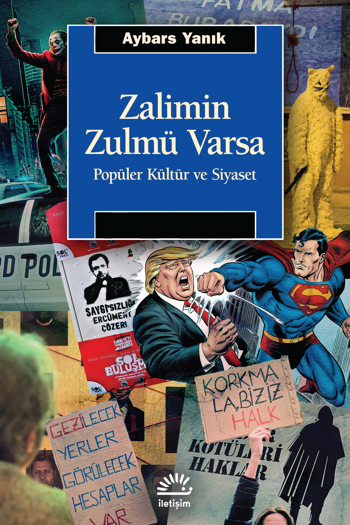
A.Y.: Antagonistic political logic is a logic of politics that is current today and that works like clockwork. It names the logic on which today’s binaries of us/them, good people/bad people, heroes/traitors are built. I use it to describe and understand an environment in which one side wins while the other loses, conflicts become overt, alignments are formed, broken, and formed again. It becomes visible through expectations of heroes, searches for saviors, a political atmosphere in which people wish someone would come along and strike the knot with a sword to cut it open. In short, the concept proposes that we look at those expectations themselves. I can say that such imaginations, designs, ways of feeling and thinking are current both in Turkey and in the world. The picture becomes even clearer when we look at television series, popular culture, the forms of debate on social media, even the logic of social media itself, video edits, memes and image macros. Leaders are identified with superhero figures. And in many respects there is not even any real connection between them. That must be telling us something.
A.Y.: Antagonistik politik mantık, bugün cari olan ve tıkır tıkır işleyen bir siyaset mantığıdır. Bugün biz/onlar, iyiler/kötüler, kahramanlar/hainler ikiliklerinin de üzerine kurulduğu mantığı tanımlıyor. Bir tarafın kazanırken diğerinin kaybettiği, çatışmaların alenileştiği, saflaşmaların kurulduğu, bozulduğu, yeniden kurulduğu bir ortamı tanımlamak ve anlamak için kullanıyorum. Kahraman beklentileriyle, kurtarıcı arayışlarıyla, birisi gelse de düğümü kılıcını vurup çözse denilen bir politik atmosferle görünür hale geliyor. Bu beklentilerin kendisine bakmayı öneriyor kavram, özetle. Hem Türkiye’de hem de dünyada bu tür tahayyüllerin, tasarıların, duyuş ve düşünüş biçimlerinin cari olduğunu söyleyebilirim. Dizilere, popüler kültüre, sosyal medyadaki tartışma biçimlerine, hatta sosyal medya mantığının kendisine, video editlerine, meme ve capslere bakınca manzara daha da netleşiyor. Liderler, süper-kahraman figürleriyle özdeşleştiriliyor. Üstelik pek çok yönden alakaları bile yokken. Bu bir şeyler söylüyor olmalı.
B.Ö.: Popular culture analysis is one of the most striking aspects of the book. Starting from antihero narratives such as Şahsiyet, Joker, and the like, what does popular culture show us that political science, party analysis, or electoral sociology cannot?
B.Ö.: Popüler kültür analizi kitabın en dikkat çekici taraflarından biri. Şahsiyet, Joker ve benzeri anti-kahraman anlatılarından hareketle popüler kültür bize siyaset biliminin, parti analizlerinin ya da seçim sosyolojisinin gösteremediği neyi gösterir?
A.Y.: Let me answer by vulgarizing it a little. The cauldron is boiling there; we only notice it when it explodes. Then we ask how it exploded, why it exploded... I have always attached great importance to the field of popular culture, without claiming that it directly determines certain developments. Perhaps this is a social-scientific bias on my part, but the opinions, ideas, views, proposed solutions, and imitations that sprout and show their first shoots in the field of popular culture offer us many clues, directly or indirectly. The ways a popular film is interpreted, how the villain is seen, what is thought to be lacking in the good man, why we adore “plain-spoken” figures, “real men”: all this is in considerable exchange with that political field. The examples I give in the book are somewhat more direct. I am not exaggerating when I say that part of Donald Trump’s presidential address after winning the 2016 election is almost exactly the same as the performance of a disruptive, taboo-breaking character in a scene from a Batman film, Bane. I am not saying he took it directly from there. Precisely because I do not think that is what happened, I find it interesting and meaningful. It means he assumed that someone who breaks taboos, overturns norms, and says that things are not going well but do not be afraid, we are here, would be accepted. Regardless of what he promised, his program, and so on, he must have thought these formal patterns would “work.”
A.Y.: Biraz vulgarize ederek cevap vereyim. Kazan oralarda kaynıyor, biz patlayınca görüyoruz. Sonra nasıl patladı, niye patladı… Ben popüler kültür alanını, doğrudan birtakım gelişmelerin belirleyicisi olduğunu iddia etmeden, hep çok önemsedim. Bu belki sosyal bilimsel olarak bir yanlılık (bias) olabilir, ama popüler kültür alanında yeşeren, uç veren kanaatler, fikirler, görüşler, çözüm önerileri, taklitler doğrudan veya dolayı bize çok ipucu sunuyor. Popüler bir filmin yorumlanma biçimleri, kötü adamın nasıl görüldüğü, iyi adamın nelerinin eksik bulunduğu, “dobra” figürlere, “adam gibi adamlara” neden bayıldığımız, işte o siyasal alanla epey alışveriş içerisinde. Kitapta verdiğim örnekler biraz daha doğrudan. Donald Trump’ın 2016 seçimlerini kazandıktan sonraki başkanlık konuşmasının bir kısmı, abartmıyorum, Batman filmindeki bozguncu ve tabu kırıcı bir karakterin bir sahnedeki performansıyla (Bane) neredeyse birebir aynı. Bunu direkt oradan aldı demiyorum. Tam da öyle olmadığını düşündüğüm için bana ilginç ve anlamlı geliyor. Tabu kırıcı, normları tersyüz eden, işler iyi gitmiyor ama korkmayın biz varız diyen birinin kabul göreceğini varsaymış demek ki. Ne vaat ettiğinden, programından filan bağımsız, bu biçimsel örüntülerin “iş yapacağını” düşünmüş olmalı.
B.Ö.: Themes of justice, revenge, and lawgiving occupy an important place in the book. You dwell especially on examples in which the demand for justice becomes increasingly attached to a desire for revenge, fantasies of extralegal punishment, or the expectation that “someone should come and call them to account.” In your view, at what point does the sense of justice cease to be a democratic demand and turn into an anti-democratic desire for a savior?
B.Ö.: Kitapta adalet, intikam ve kanun koyuculuk temaları önemli bir yer tutuyor. Özellikle adalet talebinin giderek intikam arzusuna, hukuk dışı cezalandırma fantezilerine ya da “biri gelsin de hesap sorsun” beklentisine bağlandığı örnekler üzerinde duruyorsun. Sence adalet duygusu hangi noktada demokratik bir talep olmaktan çıkıp anti-demokratik bir kurtarıcı arzusuna dönüşüyor?
A.Y.: At the point where radical and systematic injustice becomes normalized and everyday. Today, whoever opens their mouth says there is no justice, though the scale varies. They speak of certain things that have happened, if not to them, then to someone close to them. But that is not the main issue. What creates the rupture is that a norm established as impartial is no longer interpreted as though it were impartial. What does this mean? Equality before the law can never be fully established; in that sense it is a fantasy. But there must be a rhythm that allows us to think it functions as if it were so, so that we do not easily give up thinking as though we are equal before the law. Now, if we think of the conviction that “what the powerful say goes,” this means a break from the understanding I have just described. At that point, there is a social context whose interior can be filled with many different designs of justice. From there on, things can evolve toward a more democratic understanding, or toward a more anti-democratic, authoritarian understanding of justice. Nor is there any criterion that can determine this outside the struggle of social forces.
A.Y.: Radikal ve sistematik adaletsizliğin normlaştığı ve gündelikleştiği noktada. Bugün ağzını açan ölçeği farklılaşmakla beraber adalet olmadığını söylüyor. Kendisinin değilse bile bir yakının başına gelen birtakım olaylardan bahsediyor. Ama asıl önemli olan bu da değil. Kırılmayı yaratan, tarafsızca tesis edilen bir normun artık öyleymiş gibi yorumlanmaması. Ne demektir bu? Kanun önünde eşitlik hiçbir zaman tam olarak tesis edilemez, yani bu bir fantezidir. Ama öyleymiş gibi işlediğini düşünmemizi sağlayacak bir ritmin mevcut olması gerekir ki kanun önünde eşitmişiz gibi düşünmekten kolaylıkla vazgeçmeyelim. Şimdi, “güçlünün dediği oluyor” kanısını düşünürsek, bu yukarıda söz ettiğimiz anlayıştan bir kopuş demektir. Artık burada, içinin çok çeşitli adalet tasarılarıyla doldurulabileceği bir toplumsal bağlam var demektir. Buradan sonrası daha demokratik bir anlayışa da, daha anti-demokratik, otoriter bir adalet anlayışına da evrilebilir. Bunu toplumsal güç mücadelesi dışında belirleyecek bir kriter de yoktur.
To make my answer a little more current, let me again give an example from a scene in a series: there is a show called Daredevil. The character there is a blind superhero. By day he is a lawyer; by night he is a lawgiving figure. He also has a woman journalist friend with whom he experiences occasional romantic tensions. One night, after he intervenes in an incident he sees as unjust and punishes the perpetrator, his journalist friend says to him: “You protect us from bad people and from evil, but if one day you become the problem, who will protect us from you?” The answer to your question lies somewhere around here. Today’s heroes, rising on various injustices, can become tomorrow’s tyrants, and I think this is a “modern democracy problem.” We need to think again either about the concept of democracy or about the systematic structure that creates this tension.
Yanıtımı biraz daha aktüelleştirmek için yine bir diziden bir sahneyi örnek vereyim: Daredevil diye bir dizi vardır. Buradaki karakterimiz görme engelli bir süper-kahramandır. Gündüzleri avukat, geceleri de kanun koyucu bir figürdür. Arada romantik gerilimler de yaşadığı bir kadın gazeteci arkadaşı vardır. Bir gece yine adaletsiz olduğunu düşündüğü bir olaya müdahale edip faili cezalandırdığında, gazeteci arkadaşı ona şöyle der: “Sen bizi kötülerden ve kötülüklerden koruyorsun ama günün birinde sorun sen olursan, bizi senden kim koruyacak?” Sorduğun sorunun yanıtı biraz buralarda yatıyor. Çeşitli adaletsizliklerin üzerinde yükselen bugünün kahramanları, yarının zalimleri haline gelebilir ve bence bu “modern demokrasi problemi”dir. Ya demokrasi konsepti üzerine ya da bu gerilimi kuran sistematik üzerine yeniden düşünmek gerekir.
B.Ö.: How should we interpret the sympathy felt for antihero figures? Is this sympathy an understandable expression of society’s helplessness in the face of injustice, or is it also a dangerous political affect that legitimizes violence, arbitrariness, and intervention outside the law?
B.Ö.: Anti-kahraman figürlerine duyulan sempatiyi nasıl yorumlamalıyız? Bu sempati, toplumun adaletsizlik karşısında duyduğu çaresizliğin anlaşılır bir ifadesi mi, yoksa aynı zamanda şiddeti, keyfiliği ve hukuk dışı müdahaleyi meşrulaştıran tehlikeli bir siyasal duygulanım mı?
A.Y.: In fact, I have partly answered this question above. This sympathy frankly seems understandable to me, because there are myths, legends, and epics built on very similar affects. In other words, there are ancient sources before us. There are more “politicized” forms of these. In rural societies there are messianic and divinely justice-seeking or salvationist political designs; there are liberation theologies, with examples we can give from Latin America. But on the other hand, when these ideas, ideological patterns, and convictions provide the basic motif of the dominant ideology, or become institutionalized, they can also channel into understandings of justice that exceed the law and arrive at arbitrariness. As I said, this is a tension, an oscillation. It is important to be aware of the tension, because only then do you become inclined to think about alternatives, or you remain on guard. Otherwise you can become part of the drift.
A.Y.: Aslında bu soruyu kısmen yukarıda cevaplamış oldum. Bu sempati bana anlaşılır geliyor açıkçası, çünkü çok benzer duygulanım üzerine kurulu mitler, efsaneler, destanlar var. Yani kadim kaynaklar var ortada. Bunların daha “siyasetleşmiş” biçimleri var. Kır toplumlarında mesiyanik ve ilahi adaletçi/kurtuluşçu siyaset tasarıları, Latin Amerika’dan örnekler verebileceğimiz kurtuluş teolojileri var. Ama bir taraftan da bu fikirler, ideolojik örüntüler, kanaatler egemen ideolojiye temel motifini verdiğinde veya müessesleştiğinde, hukuku aşan, keyfiliğe varan adalet anlayışlarına da kanal olabiliyor. Dedim ya, bu bir gerilim, bir salınım. Gerilimin farkında olmak önemli, çünkü ancak o zaman alternatifleri düşünmeye meyyal oluyorsun yahut tetikte oluyorsun. Öbür türlü savrulmanın bir parçası olabiliyorsun.
B.Ö.: The Sedat Peker example is one of the places where the book most directly touches the political field. How can we explain the fact that Peker aroused interest, and even sympathy, among a segment of opposition circles as well? Did this interest stem only from curiosity produced by the revelations, or was it also connected to society’s expectation that “only a powerful figure from within can disrupt the dirty order”?
B.Ö.: Sedat Peker örneği, kitabın siyasal alana en doğrudan temas ettiği yerlerden biri. Peker’in, muhalif kesimlerin bir bölümünde bile ilgi ve hatta sempati uyandırmasını nasıl açıklayabiliriz? Bu ilgi, sadece ifşaatların yarattığı meraktan mı kaynaklanıyor, yoksa toplumun “kirli düzeni ancak içeriden gelen güçlü bir figür bozabilir” beklentisiyle de mi ilgili?
A.Y.: The interest and sympathy have to do with Sedat Peker functioning as a full-fledged antihero. In the book, I essentially explain how this mechanism could operate. It stems neither only from the curiosity produced by the revelations, because others made similar revelations before and after him, nor only from the expectation that “only a powerful figure from within can disrupt the dirty order.” It is a matter of the operation of a strange form of relation in which both play a role, and the form of relation implied by the antihero is exactly like this. That is what I try to show in the book. I call this form of relation radical negation. Let me be content with saying this: Sedat Peker was not someone whom opposition circles did not know, did not recognize, or had never heard of. This means that a strange logic of politics was at work, in which the unpleasant aspects known to the opposition were suspended for a moment and a different axis of confrontation could be established in their place. There was something there that disturbed the mathematics of the political field. In fact, this event also shows the limits of the obsession with rationalizing the political field.
A.Y.: İlgi ve sempati Sedat Peker’in dört dörtlük bir anti-kahraman olarak işlemesiyle ilgili. Kitapta esasen bu mekanizmanın nasıl işleyebildiğini anlatıyorum. Ne sadece ifşaatların yarattığı meraktan (çünkü benzer ifşaatları ondan önce ve sonra başkaları da yaptı) ne de “kirli düzeni ancak içeriden gelen güçlü bir figür bozabilir” beklentisinden kaynaklanıyor. Her ikisinin de rol oynadığı tuhaf bir ilişki biçiminin işleyişiyle ilgili bir mesele bu ve anti-kahramanın ima ettiği ilişki biçimi böyledir zaten. Kitapta onu göstermeye çalışıyorum. Bu ilişki biçimine radikal olumsuzlama diyorum. Şunu söylemekle yetineyim: Sedat Peker, muhalif kesimlerin bilmediği, tanımadığı, hiç duymadığı biri değildi. Demek ki muhaliflerin bildiği tatsız yönlerinin bir an olsun kesintiye uğradığı ve yerine farklı bir cepheleşme ekseninin kurulabildiği tuhaf bir siyaset mantığı işledi. Siyasal alanın matematiğini bozan bir şey vardı orada. Siyasal alanı rasyonalleştirme takıntısının sınırlarını da gösteriyor esasen bu olay.
B.Ö.: The question you ask in the conclusion is very important: “Do we need heroes?” Today, in an environment where trust in institutions, law, collective organization, and democratic politics has weakened, why is the expectation of a hero growing so strong? Against this, how can a more democratic political imagination be built, one without heroes and without saviors?
B.Ö.: Sonuç bölümünde sorduğun soru çok önemli: “Kahramanlara ihtiyacımız var mı?” Bugün kurumlara, hukuka, kolektif örgütlenmeye ve demokratik siyasete güvenin zayıfladığı bir ortamda kahraman beklentisi neden bu kadar güçleniyor? Buna karşı kahramansız, kurtarıcısız, daha demokratik bir siyasal tahayyül nasıl kurulabilir?
A.Y.: There is no harm in making some generalizations. In everyday life we have certain habits, assumptions, and routines that we perform without thinking, and without which we would be dragged into chaos. We do most of these things without questioning them. We do as everyone does, and so on. What establishes this course of things is ideological hegemony. It is hegemonic functioning. It is being observed that this is beginning to come apart. Neoliberal hegemony is dissolving, for instance. It is said that the axes of legitimacy of neoliberal institutions are weakening, even dissolving. Parties, legal systems, unions, worker-boss relations, neighborly relations: all of them still stand in one sense, but not in the way we knew them. Not to draw this out too much, we are in fact describing the situation Antonio Gramsci called the interregnum. In times when institutions that affect many aspects of life are dissolving, in moments when norms are broken, questioned, and tending toward invalidation, heroes can appear. Looked at this way, it seems as though they are needed. There is serious research on this too. The expectation of a hero, the longing for someone to secure justice, thickens.
A.Y.: Bazı genellemeler yapmaktan zarar gelmez. Gündelik hayatta düşünmeden yaptığımız ve öyle olmasa bizi kaosa sürükleyecek birtakım alışkanlıklarımız, varsayımlarımız ve rutinlerimiz var. Sorgulamadan yaparız bunların çoğunu. Herkesin yaptığı gibi yaparız vs. Bu gidişatı tesis eden ideolojik hegemonyadır. Hegemonik işleyiştir. Bunun çözülmeye başladığı tespitleri yapılıyor. İşte, neoliberal hegemonya çözülüyor. Neoliberal kurumların meşruluk eksenleri zayıflıyor, hatta çözülüyor deniyor. Partiler, hukuk sistemleri, sendikalar, işçi-patron ilişkileri, komşuluk ilişkileri hepsi bir yandan ayakta, ama bildiğimiz anlamda değil. Çok uzatmayayım, Antonio Gramsci’nin interregnum dediği durumu tarif ediyoruz aslında. Hayatın pek çok veçhesini etkileyen kurumların çözüldüğü zamanlarda, normların kırıldığı/sorgulandığı/geçersizleşmeye yüz tuttuğu momentlerde, işte, kahramanlar peyda olabiliyor. Böyle bakınca, ihtiyaç duyuluyor sanki. Ciddi araştırmalar da var. Kahraman beklentisi, adaleti sağlasın özlemi koyulaşıyor.
But as I said while answering another question above, there is a tension here. If the tyrant has his tyranny, then we have our heroes. But those heroes of ours can suddenly become the tyrants of the next day. At least that possibility is always there. As long as this cycle continues, great hopes can also result in disappointments, fits of anger, inward turns, and cynicisms.
Ama yukarıda başka bir soruyu yanıtlarken söylediğim gibi, burada bir gerilim var. Zalimin zulmü varsa, bizim de kahramanlarımız var. Ama o kahramanlarımız, ertesi günün zalimleri oluveriyorlar. En azından bu ihtimal hep var. Bu döngü sürdükçe, büyük umutlar hayal kırıklıkları, öfke nöbetleri, içe kıvrılmalar, sinizmlerle de sonuçlanabiliyor.
I think we learn by stumbling and falling. We are the ones who must bring into being a world in which eyes do not search for heroes. But we cannot do this by behaving as though our memory resets every twenty-four hours. We need to rethink both democracy and politics together with people who walk not ahead of us, but beside us. We need new democratic, and more importantly political, designs through which we can speak about our problems politically and put them into practice, designs that do not withhold their contact with everyday life. Unfortunately, we do not have a ready-made prescription in our hands.
Bence düşe kalka öğreniyoruz. Gözlerin kahraman aramadığı bir dünyayı da var etmesi gereken bizleriz. Ama bunu hafızamız 24 saatte bir sıfırlanıyormuş gibi davranarak da yapamayız. Önümüzden değil, yanımızdan yürüyen insanlarla hem demokrasiyi hem de siyaseti yeniden düşünmemiz gerekiyor. Sorunlarımızı siyasal biçimde konuşabileceğimiz ve hayata geçirebileceğimiz, gündelik hayattan temasını esirgemeyen yeni demokratik ve daha önemlisi siyasal tasarılara ihtiyacımız var. Elimizde maalesef hazır bir reçete yok.