Delhi Residents Ask NHRC to Declare Extreme Heat a Human Rights Issue
The petition argues that extreme heat is not merely a climatic or public-health problem but a violation of basic rights that demands state recognition, legal protection, and dedicated public funding.
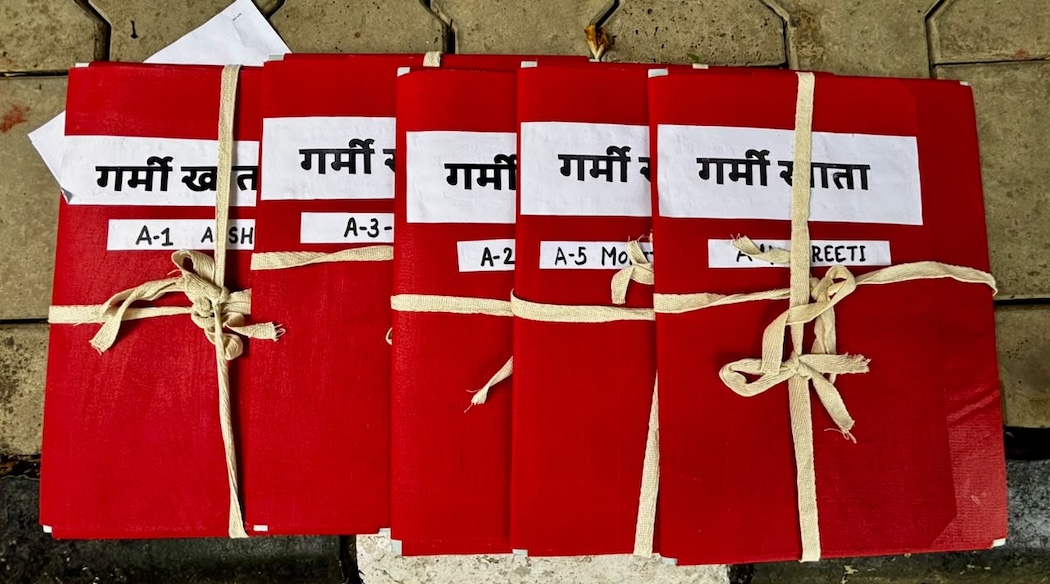
New Delhi: Residents of various parts of Delhi and workers in the informal sector submitted a detailed memorandum to the National Human Rights Commission (NHRC) on Tuesday, July 14, calling for extreme heat to be declared a human rights issue and asking the Commission to recommend that governments provide adequate financial resources to address it.
नई दिल्ली: दिल्ली के विभिन्न इलाकों के निवासियों और असंगठित क्षेत्र के श्रमिकों ने मंगलवार (14 जुलाई) को राष्ट्रीय मानवाधिकार आयोग (एनएचआरसी) को एक विस्तृत ज्ञापन सौंपते हुए अत्यधिक गर्मी को मानवाधिकार का मुद्दा घोषित करने और इससे निपटने के लिए सरकारों को पर्याप्त वित्तीय संसाधन उपलब्ध कराने की सिफारिश करने की मांग की है.
Along with the memorandum, the Commission was also given “heat registries” prepared by citizens. In these, people from different areas of Delhi and from various social groups have recorded, week by week since May 2026, how severe heat has affected their health, livelihoods, income, household expenses, mental state, and ability to live with dignity.
ज्ञापन के साथ नागरिकों द्वारा तैयार की गईं ‘हीट रजिस्ट्रियां’ भी आयोग को सौंपी गई हैं. इनमें मई 2026 से अब तक दिल्ली के अलग-अलग इलाकों और विभिन्न सामाजिक समूहों के लोगों ने सप्ताह-दर-सप्ताह दर्ज किया है कि भीषण गर्मी ने उनके स्वास्थ्य, आजीविका, आय, घरेलू खर्च, मानसिक स्थिति और सम्मानजनक जीवन पर किस तरह असर डाला.
Under this initiative, residents of Sundar Nagri in northeast Delhi, CR Park in south Delhi, Dwarka, Jamia Nagar, and other localities, as well as street vendors, gig workers, home-based workers, students, and elderly people, have been regularly recording their experiences. Documents such as electricity bills, medical records, and records of reduced income have also been attached to these accounts.
इस पहल के तहत उत्तर-पूर्वी दिल्ली के सुंदर नगरी, दक्षिणी दिल्ली के सीआर पार्क, द्वारका, जामिया नगर सहित अन्य इलाकों के निवासी, रेहड़ी-पटरी विक्रेता, गिग वर्कर, घर से काम करने वाले श्रमिक, छात्र और बुजुर्ग नियमित रूप से अपने अनुभव दर्ज करते रहे हैं. इन विवरणों के साथ बिजली के बिल, इलाज से जुड़े दस्तावेज, आय में कमी के रिकॉर्ड जैसे दस्तावेज भी संलग्न किए गए हैं.
“The numbers do not tell the whole story”‘आंकड़े पूरी कहानी नहीं बताते’
In the letter to the Commission, it is stated that official temperature data, surveys, and government reports reveal only a small part of heat’s real human impact. Those most affected are often not in a position to make their voices reach institutions. In this context, the “heat registries” bring forward experiences that do not appear in ordinary statistics.
आयोग को लिखे पत्र में कहा गया है कि तापमान के आधिकारिक आंकड़े, सर्वेक्षण और सरकारी रिपोर्टें गर्मी के वास्तविक मानवीय असर का केवल एक छोटा हिस्सा ही सामने ला पाती हैं. सबसे अधिक प्रभावित लोग अक्सर अपनी बात संस्थाओं तक पहुंचाने की स्थिति में नहीं होते. ऐसे में ‘हीट रजिस्ट्रियां’ उन अनुभवों को सामने लाती हैं, जो सामान्य आंकड़ों में दिखाई नहीं देते.
The letter says that the experiences recorded in these registries are not merely the effects of climate change; they also point to the violation of people’s basic rights.
पत्र में कहा गया है कि इन रजिस्ट्रियों में दर्ज अनुभव केवल जलवायु परिवर्तन के प्रभाव नहीं हैं, बल्कि वे लोगों के बुनियादी अधिकारों के हनन की ओर भी इशारा करते हैं.
Citing the Constitution and court judgmentsसंविधान और अदालतों के फैसलों का हवाला
The memorandum states that extreme heat is affecting people’s right to health, their right to live with dignity, and their right to livelihood. In support of this, it cites Supreme Court judgments such as Paschim Banga Khet Mazdoor Samity v. State of West Bengal, Francis Coralie Mullin v. Delhi Administration, and Olga Tellis v. Bombay Municipal Corporation.
ज्ञापन में कहा गया है कि अत्यधिक गर्मी का असर लोगों के स्वास्थ्य के अधिकार, गरिमा के साथ जीवन जीने के अधिकार और आजीविका के अधिकार पर पड़ रहा है. इसके समर्थन में पश्चिम बंग खेत मजदूर समिति बनाम पश्चिम बंगाल राज्य, फ्रांसिस कोराली मुलिन बनाम दिल्ली प्रशासन और ओल्गा टेलिस बनाम बॉम्बे म्युनिसिपल कॉरपोरेशन जैसे सुप्रीम कोर्ट के फैसलों का उल्लेख किया गया है.
The letter also states that the right to life under Article 21 of the Constitution includes the right to a healthy environment. In addition, in M.K. Ranjitsinh v. Union of India (2024), the Supreme Court recognized protection from the adverse effects of climate change as an independent right.
पत्र में यह भी कहा गया है कि संविधान के अनुच्छेद 21 के तहत जीवन के अधिकार में स्वस्थ पर्यावरण का अधिकार भी शामिल है. इसके अलावा एम.के. रंजीतसिंह बनाम भारत संघ (2024) मामले में सुप्रीम कोर्ट ने जलवायु परिवर्तन के प्रतिकूल प्रभावों से सुरक्षा को भी एक स्वतंत्र अधिकार के रूप में मान्यता दी है.
The petitioners also recalled that on April 28, 2026, the National Human Rights Commission had issued an advisory to 21 states and the Delhi government on taking advance measures to protect vulnerable groups from heatwaves.
याचिकाकर्ताओं ने यह भी याद दिलाया कि राष्ट्रीय मानवाधिकार आयोग ने 28 अप्रैल 2026 को 21 राज्यों और दिल्ली सरकार को हीटवेव से कमजोर तबकों की सुरक्षा के लिए अग्रिम कदम उठाने संबंधी सलाह जारी की थी.
International courts also citedअंतरराष्ट्रीय अदालतों का भी हवाला
The letter says that in 2025, the International Court of Justice and the Inter-American Court of Human Rights also stated in their advisory opinions that protecting people from the harmful effects of climate change is a binding human rights obligation of states.
पत्र में कहा गया है कि 2025 में अंतरराष्ट्रीय न्यायालय और इंटर-अमेरिकन कोर्ट ऑफ ह्यूमन राइट्स ने भी अपने सलाहकारी मतों में कहा है कि जलवायु परिवर्तन के दुष्प्रभावों से लोगों की रक्षा करना राज्यों का बाध्यकारी मानवाधिकार दायित्व है.
Demand for adequate funding for “heat action plans”‘हीट एक्शन प्लान’ के लिए पर्याप्त फंड की मांग
The memorandum says that although heat action plans exist in many states and cities across the country, there are not enough financial resources to implement them. Measures such as cooling centers, shaded public spaces, arrangements for drinking water, changes in working hours, timely warnings, and preparedness in the health system cannot be effective without adequate budgets.
ज्ञापन में कहा गया है कि देश के कई राज्यों और शहरों में हीट एक्शन प्लान तो मौजूद हैं, लेकिन उन्हें लागू करने के लिए पर्याप्त वित्तीय संसाधन नहीं हैं. कूलिंग सेंटर, छायादार सार्वजनिक स्थान, पीने के पानी की व्यवस्था, काम के समय में बदलाव, समय रहते चेतावनी और स्वास्थ्य व्यवस्था की तैयारी जैसे उपाय बिना पर्याप्त बजट के प्रभावी नहीं हो सकते.
In this context, the memorandum also refers to the recommendation of the Sixteenth Finance Commission that heatwaves be declared a nationally notified disaster, so that states can receive special financial assistance under disaster management provisions.
इसी संदर्भ में 16वें वित्त आयोग की उस सिफारिश का भी उल्लेख किया गया है, जिसमें हीटवेव को राष्ट्रीय स्तर पर अधिसूचित आपदा घोषित करने का सुझाव दिया गया था, ताकि राज्यों को आपदा प्रबंधन के तहत विशेष वित्तीय सहायता मिल सके.
“Heat is taking away not only health, but also work”‘गर्मी केवल स्वास्थ्य नहीं, रोज़गार भी छीन रही है’
Mohit Walecha, national coordinator of the Indian Hawkers Alliance, said that the greatest impact of extreme heat falls on the livelihoods of street vendors.
इंडियन हॉकर्स एलायंस के राष्ट्रीय समन्वयक मोहित वालेचा ने कहा कि अत्यधिक गर्मी का सबसे बड़ा असर रेहड़ी-पटरी विक्रेताओं की आजीविका पर पड़ता है.
He said, “On days of severe heat, the number of customers falls, and income declines as a result. For workers in the informal sector, there is no social security system that can compensate for this loss. Extreme heat is taking from them not only their earnings, but also their dignity.”
उन्होंने कहा, ‘भीषण गर्मी वाले दिनों में ग्राहकों की संख्या कम हो जाती है, जिससे आय घट जाती है. अनौपचारिक क्षेत्र के श्रमिकों के लिए ऐसी कोई सामाजिक सुरक्षा व्यवस्था नहीं है, जो इस नुकसान की भरपाई कर सके. अत्यधिक गर्मी उनसे केवल कमाई ही नहीं, बल्कि उनकी गरिमा भी छीन रही है.’
“India needs a rights-based approach”‘भारत में अधिकार-आधारित दृष्टिकोण की जरूरत’
Arpitha Kodiveri, assistant professor of political science at Vassar College and a researcher in climate law, said that India has not yet developed an adequate legal framework for viewing heatwaves from a rights-based perspective.
वासर कॉलेज में राजनीति विज्ञान की सहायक प्रोफेसर और जलवायु कानून शोधकर्ता अर्पिता कोडिवेरी ने कहा कि भारत में अभी तक हीटवेव को अधिकार-आधारित नजरिए से देखने की पर्याप्त कानूनी व्यवस्था विकसित नहीं हो सकी है.
She said that in many countries around the world, laws are being made to protect workers and vulnerable communities through a human rights-based climate jurisprudence. India, too, needs to declare heatwaves a national disaster and view them through the lens of people’s rights.
उन्होंने कहा कि दुनिया के कई देशों में मानवाधिकार आधारित जलवायु न्यायशास्त्र के जरिए श्रमिकों और कमजोर समुदायों की सुरक्षा के लिए कानून बनाए जा रहे हैं. भारत में भी हीटवेव को राष्ट्रीय आपदा घोषित करने और लोगों के अधिकारों के दृष्टिकोण से देखने की जरूरत है.
According to the environmental group Greenpeace India, the purpose of the “heat registry” initiative is to record the gap between official temperature data and people’s actual lived experience. In it, people write how severe heat has affected their sleep, food, work, studies, income, and health. The organization says that through these personal experiences, an attempt has been made to bring into view the human cost of extreme heat, which is often absent from government data.
पर्यावरण समूह ग्रीनपीस इंडिया के अनुसार, ‘हीट रजिस्ट्री’ पहल का उद्देश्य आधिकारिक तापमान के आंकड़ों और लोगों के वास्तविक अनुभवों के बीच मौजूद अंतर को दर्ज करना है. इसमें लोग यह लिखते हैं कि भीषण गर्मी के कारण उनकी नींद, भोजन, काम, पढ़ाई, आय और स्वास्थ्य पर क्या असर पड़ा. संगठन का कहना है कि इन व्यक्तिगत अनुभवों के जरिए अत्यधिक गर्मी की उस मानवीय कीमत को सामने लाने की कोशिश की गई है, जो सरकारी आंकड़ों में अक्सर दिखाई नहीं देती.