Tunisia’s civil society has been both a vehicle of citizenship and a site of co-optation, strengthened after 2011 by professionalization and donor support yet weakened by dependence, internal fractures, and renewed authoritarian assault.
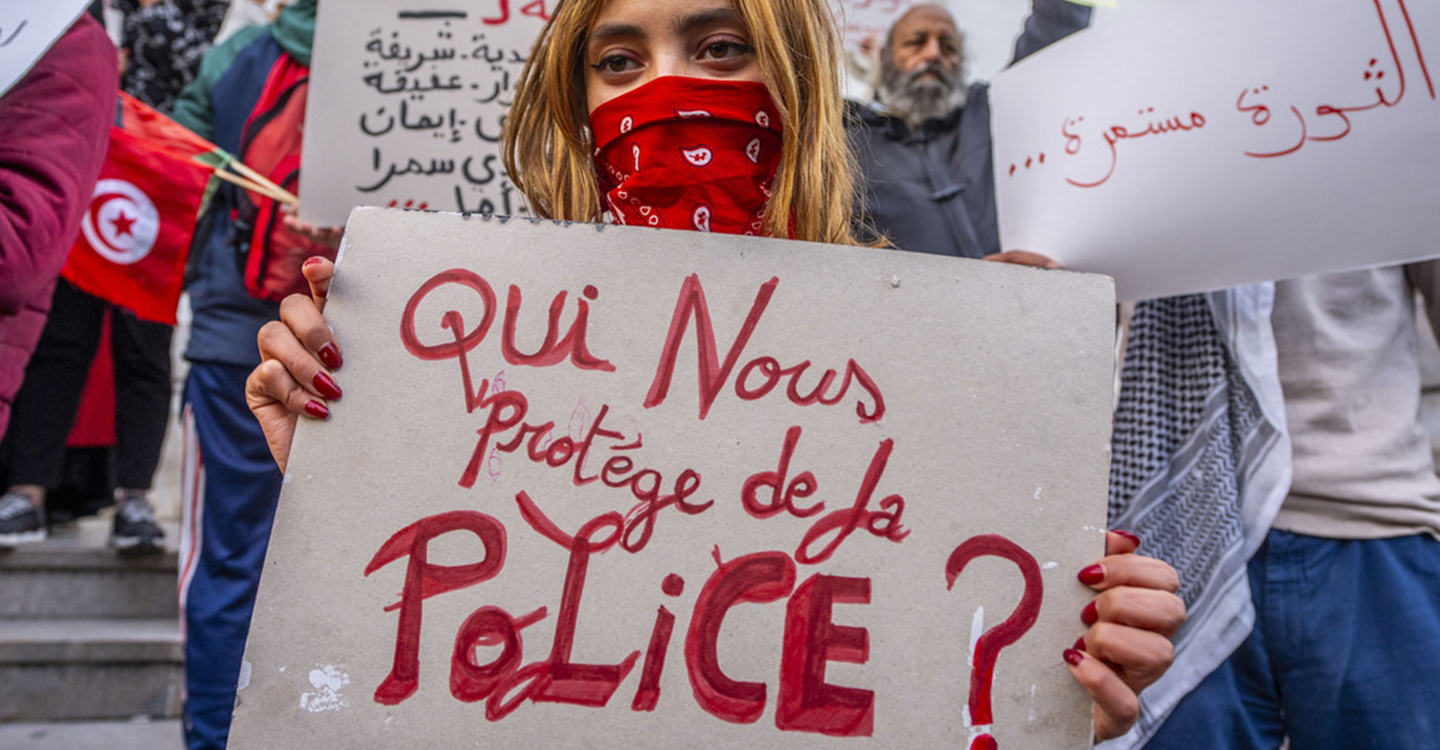
برز مفهوم "المجتمع المدني" في تونس خلال طفرة الجمعيات في ثمانينيات القرن العشرين، وهي فترة تميزت بالانتقال من الاحتكار السياسي للحزب الحاكم إلى مشهدٍ حزبي أكثر تعددية. هذه النشأة خلال الديناميكية السياسية في الثمانينيات جعلت من "المجتمع المدني" رمزًا للمُثُل التشاركية والمواطنة. ومع مرور الوقت، أصبح المصطلح في تونس مرادفًا لقطاع الجمعيات إلى حدٍ كبير، وطغى على أشكال أخرى من العمل الاجتماعي المستقل والعمل الجماعي، مثل النقابات والمنظمات المهنية والنوادي، والمنظمات التي تركز على الترفيه. وبعيداً من كونه مفهوماً محايداً، اكتسب "المجتمع المدني" تهمةً سياسيةً، ارتبطت غالباً بجهود إرساء الديمقراطية.
The concept of “civil society” came to prominence in Tunisia during the associational boom of the 1980s, a period marked by the transition from the political monopoly of the ruling party to a more pluralistic party landscape. This emergence amid the political dynamism of the 1980s made “civil society” a symbol of participatory and civic ideals. Over time, the term in Tunisia became largely synonymous with the associational sector, eclipsing other forms of independent social action and collective work, such as trade unions, professional organizations, clubs, and organizations focused on recreation. Far from being a neutral concept, “civil society” acquired a political charge, often linked to efforts to establish democracy.
اتسم تاريخ المجتمع المدني في تونس قبل عام 2011 بالازدواجية المستمرة، اذ انقسمت الجمعيّات بين الاستتباع السلطوي وتأكيد المواطنة. ) وكانت العديد من الجمعيات التي أنشأها أو استلحقها نظاما بورقيبة وبن علي، بمثابة أدواتٍ لممارسة السيطرة على المجتمع. وسواء كان ذلك بمبادرة من أعلى هرم السلطة أو برعاية وتوجيه من الدولة، فإن النتيجة كانت تَحوّل جمعيات كثيرة إلى أدوات للمحسوبية، ولعبت دورًا حاسمًا في تعزيز وإدامة الأنظمة الاستبدادية من عام 1956 إلى عام 2011 . بينما دافعت جمعيات أخرى عن قضايا تتراوح بين حقوق الإنسان وحقوق المرأة وحقوق الخريجين العاطلين عن العمل والسجناء السياسيين والأطفال والمهاجرين والصحافيين. فوقفوا ضد التعذيب والعنف ضد المرأة، ما يعكس تطلعًا عميقًا لدى الأفراد والفئات الاجتماعية لتوسيع مجالات الحرية. وفي مواجهتهم للنظام، أكدوا تصميمهم على الانتقال من وضع الرعايا إلى وضع المواطنين.
The history of civil society in Tunisia before 2011 was marked by a persistent duality, as associations were divided between authoritarian subordination and the assertion of citizenship. Many of the associations created or absorbed by the Bourguiba and Ben Ali regimes functioned as instruments for exercising control over society. Whether initiated from the summit of power or sponsored and guided by the state, the result was that many associations were turned into tools of patronage, playing a decisive role in strengthening and perpetuating authoritarian regimes from 1956 to 2011. Other associations, by contrast, defended causes ranging from human rights and women’s rights to the rights of unemployed graduates, political prisoners, children, migrants, and journalists. They stood against torture and violence against women, reflecting a deep aspiration among individuals and social groups to expand the realms of freedom. In confronting the regime, they affirmed their determination to move from the status of subjects to that of citizens.
ولعبت هذه المجموعات المستقلة دورًا رئيسيًا في ثورة كانون الثاني/يناير 2011 وما تلاها من مرحلة انتقالية. واتسمت فترة ما بعد عام 2011 بتغيّر كبير في الإطار التشريعي الذي سهّل إنشاء العديد من الجمعيات الناشطة في مجالاتٍ مختلفة وفي مناطق جغرافية مختلفة. وبالنظر إلى الدور النشط للمجتمع المدني التونسي في المرحلة الانتقالية التي أعقبت ثورة 2011، فمن الأهمية بمكان دراسة العوامل الأساسية التي سهلت هذه المشاركة النشطة. وكان للدعم المالي والتقني الكبير الذي قدمته الجهات المانحة المؤسسية والخاصة على حد سواء دور كبير في ذلك. ومع ذلك، أدى هذا التدفق من الدعم أيضًا إلى ظهور مشهد جمعيّاتي يعتمد بشكلٍ كبير على التمويل الأجنبي ويتشكل من خلال مقاربات قائمة على المشاريع التي تتماشى بشكلٍ أو بآخر مع أجندات الجهات المانحة. هذا النهج، إلى جانب نموذج التمويل القائم على المشاريع، لم يترك مجالًا كبيرًا للجمعيات لتطوير أجنداتها واستراتيجياتها طويلة الأجل، ما أضعف روابطها مع مجتمعاتها المحلية. وعلاوة على ذلك، اتسعت الفجوة القائمة بين جمعيات المجتمع المدني الراسخة ذات الروابط القوية في العاصمة تونس والمنظمات الأصغر حجماً ذات التوجه الخدمي بشكلٍ أساسي، في المناطق الطرفية والريفية.
These independent groups played a central role in the January 2011 revolution and in the transitional phase that followed. The post-2011 period was marked by a significant change in the legislative framework, which facilitated the creation of many associations active in different fields and across different geographic regions. Given the active role of Tunisian civil society in the transition that followed the 2011 revolution, it is essential to examine the underlying factors that enabled this engagement. The substantial financial and technical support provided by both institutional and private donors was a major factor. Yet this influx of support also produced an associational landscape heavily dependent on foreign funding and shaped by project-based approaches more or less aligned with donor agendas. This approach, together with the project-based funding model, left associations little room to develop their own long-term agendas and strategies, weakening their ties to local communities. Moreover, the existing gap widened between established civil society associations with strong connections in the capital, Tunis, and smaller, primarily service-oriented organizations in peripheral and rural regions.
وعلى مدى أكثر من نصف قرن، تشكّل مسار المجتمع المدني في تونس عبر الاحتراف الذي جسّد العامل الرئيسي الفاصل بين حقبة ما قبل عام 2011 وما بعدها، وبين أجيال الناشطين، وإلى حدٍ ما بين تونس العاصمة وبقية البلاد. وفي حين مكّنت الاحترافية الفاعلين المدنيين بعد عام 2011، إلا أنها ساهمت أيضًا على نحوٍ متناقض في إضعافهم، فاستهدفهم الخطاب الشعبوي بشكلٍ متزايد ونَزع الشرعية عنهم، مصورًا إياهم كـ"نخب مموّلة من الخارج" تشكل تهديدًا للسيادة الوطنية. ومع ذلك، فإن هذه الهشاشة ليست فقط نتاج الشعبوية، بل تنبع أيضًا من الانشقاقات الداخلية المتعددة التي تتقاطع مع المجتمع المدني، ومن فهم معيّن للديمقراطية فشل في نهاية المطاف في تأمين ترسيخها.
Over more than half a century, the trajectory of civil society in Tunisia has been shaped by professionalization, which constituted the principal dividing line between the periods before and after 2011, between generations of activists, and, to some extent, between the capital and the rest of the country. While professionalization empowered civic actors after 2011, it also, paradoxically, helped weaken them: populist discourse increasingly targeted and delegitimized them, portraying them as “foreign-funded elites” who posed a threat to national sovereignty. Yet this fragility is not merely the product of populism; it also stems from the multiple internal cleavages that traverse civil society, and from a particular understanding of democracy that ultimately failed to secure its consolidation.
تهدف هذه الورقة البحثية إلى تقديم نظرة ثاقبة على مشهد المجتمع المدني في تونس، وتسليط الضوء على نقاط قوته وضعفه. وتستعرض إنجازاته البارزة، مثل المشاركة الفعالة في صياغة دستور عام 2014 وقانون العدالة الانتقالية وتشريعات مكافحة العنصرية، على مدى العقد الماضي. وتهدف أيضًا إلى دراسة الفرص الضائعة والعقبات التي ساهمت في الوضع الحالي المليء بالتحديات، بما في ذلك عودة الاستبداد والتدابير القمعية التي فرضها الرئيس قيس سعيد على الأصوات المعارضة، ومن ضمنها منظمات المجتمع المدني.
This research paper aims to offer insight into Tunisia’s civil society landscape and to shed light on its strengths and weaknesses. It reviews its notable achievements over the past decade, such as effective participation in drafting the 2014 constitution, the transitional justice law, and anti-racism legislation. It also seeks to examine the missed opportunities and obstacles that have contributed to the present, deeply challenging situation, including the return of authoritarianism and the repressive measures imposed by President Kais Saied on dissenting voices, among them civil society organizations.
تعبّر وجهات النظر المذكورة في هذه الورقة عن آراء كاتبها ولا تعكس بالضرورة وجهات نظر مبادرة الإصلاح العربي، أو فريق عملها، أو أعضاء مجلسها.
The views expressed in this paper are those of its author and do not necessarily reflect the views of the Arab Reform Initiative, its staff, or the members of its board.